We built VoiceWalks because we kept having the same experience in every city we visited: we'd walk past a building, a fountain, a random alley — and only later discover it had an incredible story.
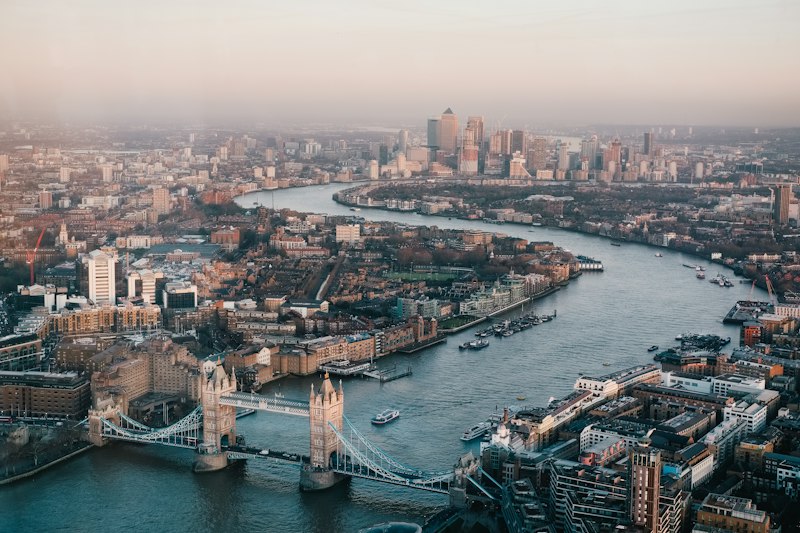
A pub in Sydney with trapdoors in the floor where drunk patrons were kidnapped and forced onto ships. A shopping arcade in Wellington with a shipwreck buried under the escalator. A bridge in London where a banker connected to the Vatican and the Mafia was found hanging with bricks in his pockets.
These aren't obscure historical footnotes. They're stories that change how you see a place — stories that make you stop mid-stride and say "wait, really?"
The problem with guidebooks
Traditional guidebooks tell you what to see. They list the famous landmarks, the opening hours, the ticket prices. What they don't tell you is why you should care.
"Built in 1842" means nothing. "Built by a convicted forger who designed his way to freedom" means everything. The facts are the same. The story is completely different.
Every fact verified
Here's our rule: every date, every name, every claim in VoiceWalks has been independently verified against at least two sources. We don't say "legend has it" to cover things we couldn't confirm. If we can't verify it, it doesn't go in.
We learned this the hard way. Early on, we attributed the invention of the flat white to the wrong café in Wellington. A local caught it immediately. When you're building a product that people use while physically standing in front of a place, you can't make stuff up.
270 landmarks and counting
We started with Wellington — a city we know well. Then London, San Francisco, Tokyo, Sydney, Melbourne, Stockholm, Berlin, Biarritz, and San Sebastián. Each city gets 20-30 landmarks, every one researched from scratch with web searches, not training data.
The landmarks aren't just the famous ones. Yes, we have the Tower of London and the Golden Gate Bridge — but we also have the tiny chapel in suburban Wellington that monks built by hand, the bar in Melbourne named after a naked Russian bootlegger, and the 1,000-year-old Viking runestone that someone in Stockholm used as a brick.
What's next
We're adding new cities every week. Paris, Rome, Amsterdam, Dublin, Edinburgh are all in progress. And we're building something we're really excited about: an AI that can answer questions about any landmark you're standing at, in real time, using our verified database as its knowledge base.
Walk. Listen. Discover.