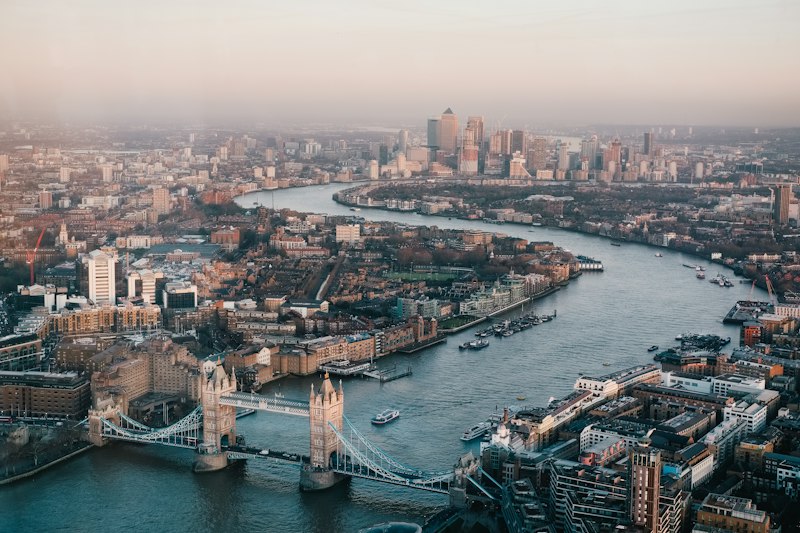
Walking Tours in London

Historic London: "The City"
A 24-stop walking tour through the heart of UK. Visit The City of London, Church of St. Clement Danes, Royal Courts of Justice, and Twinings Tea — with narrated stories at every stop.
London: Hoxton — Plague Pits, Playwrights & Punk
From a slave trader's almshouses to Shakespeare's first theatre, through plague pits, a playwright's murder scene, and the last Victorian music hall in Britain.
London: Regent's Canal — Hitchcock to Hackney
Walk the towpath from the studio where Hitchcock learned filmmaking, past narrowboat communities and ghost gasworks, to Broadway Market.
68 Landmarks in London
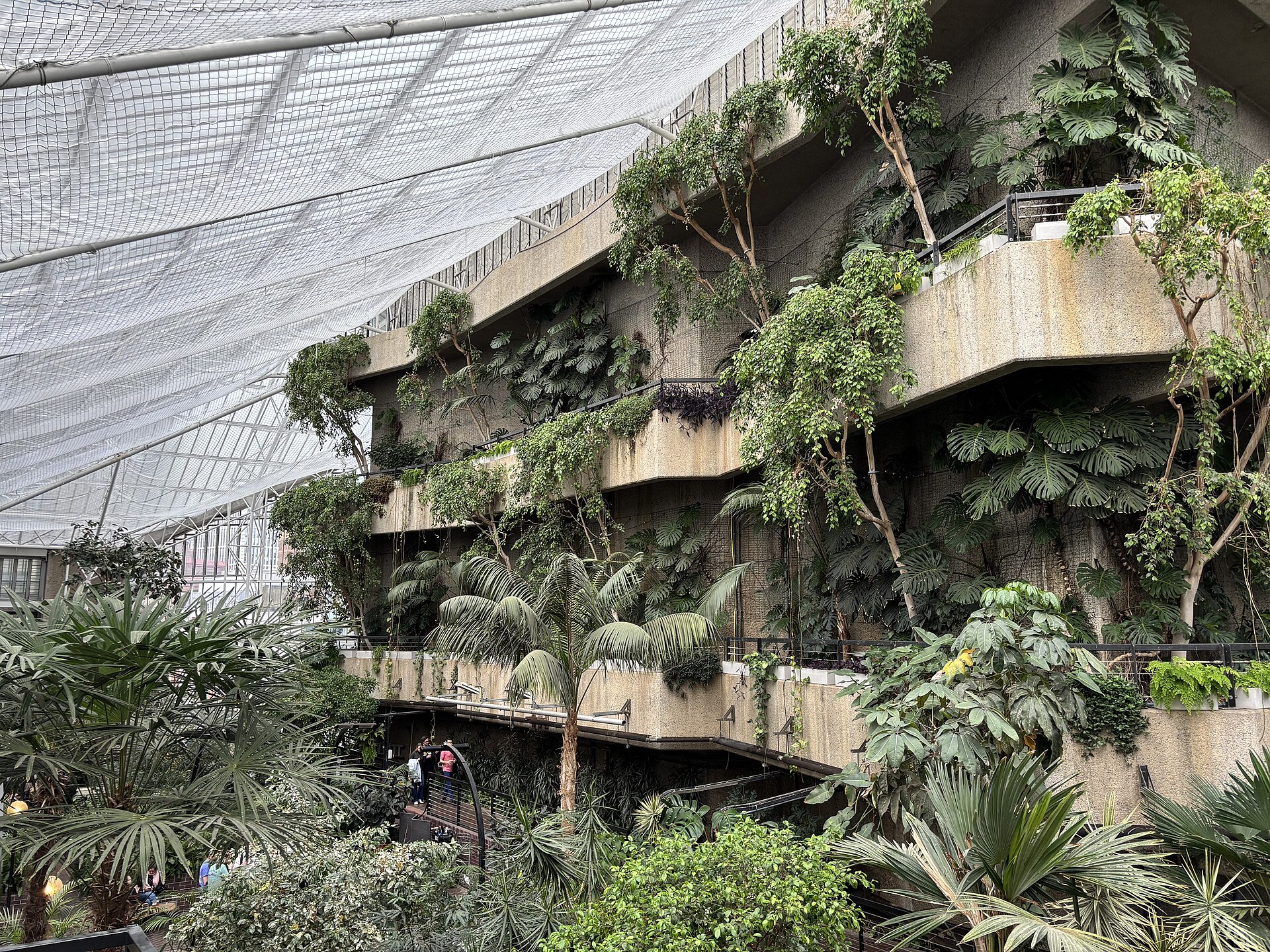
Barbican Conservatory
Silk Street, City of London, London, EC2Y 8DS, United Kingdom
Six storeys above the stage of the Barbican Theatre, hidden inside one of the most brutalist buildings in London, there is a tropical rainforest. The Barbican Conservatory is the second-largest greenhouse in London after the Princess of Wales Conservatory at Kew, covering 23,000 square feet of lush, humid jungle perched on top of a concrete performing arts centre. It is, genuinely, one of the most surreal places in the city. The conservatory was designed by the Barbican's original architects, Chamberlin, Powell and Bon, and wraps around the theatre's fly tower — the tall structure from which scenery is lowered onto the stage six storeys below. The plants were installed between 1980 and 1981, and the conservatory opened to the public in 1984. It now houses around 1,500 species of tropical plants and trees, some of which are rare and endangered in their native habitats. The three pools inside are home to koi carp, ghost carp, and grass carp from Japan and America, along with cold-water fish like roach and rudd. A smaller pool provides a haven for rescue terrapins. The entire roof is steel and glass, beneath which sits over 1,600 cubic metres of soil — all of it hand-mixed to specific requirements and carried up into the building piece by piece. The conservatory is only open on Sundays and selected bank holidays, which adds to its mystique. Most Londoners have never been inside, and those who have tend to describe it the same way: walking through a concrete corridor into sudden, overwhelming green, as though someone cut a hole in the Barbican and dropped in a piece of the Amazon.
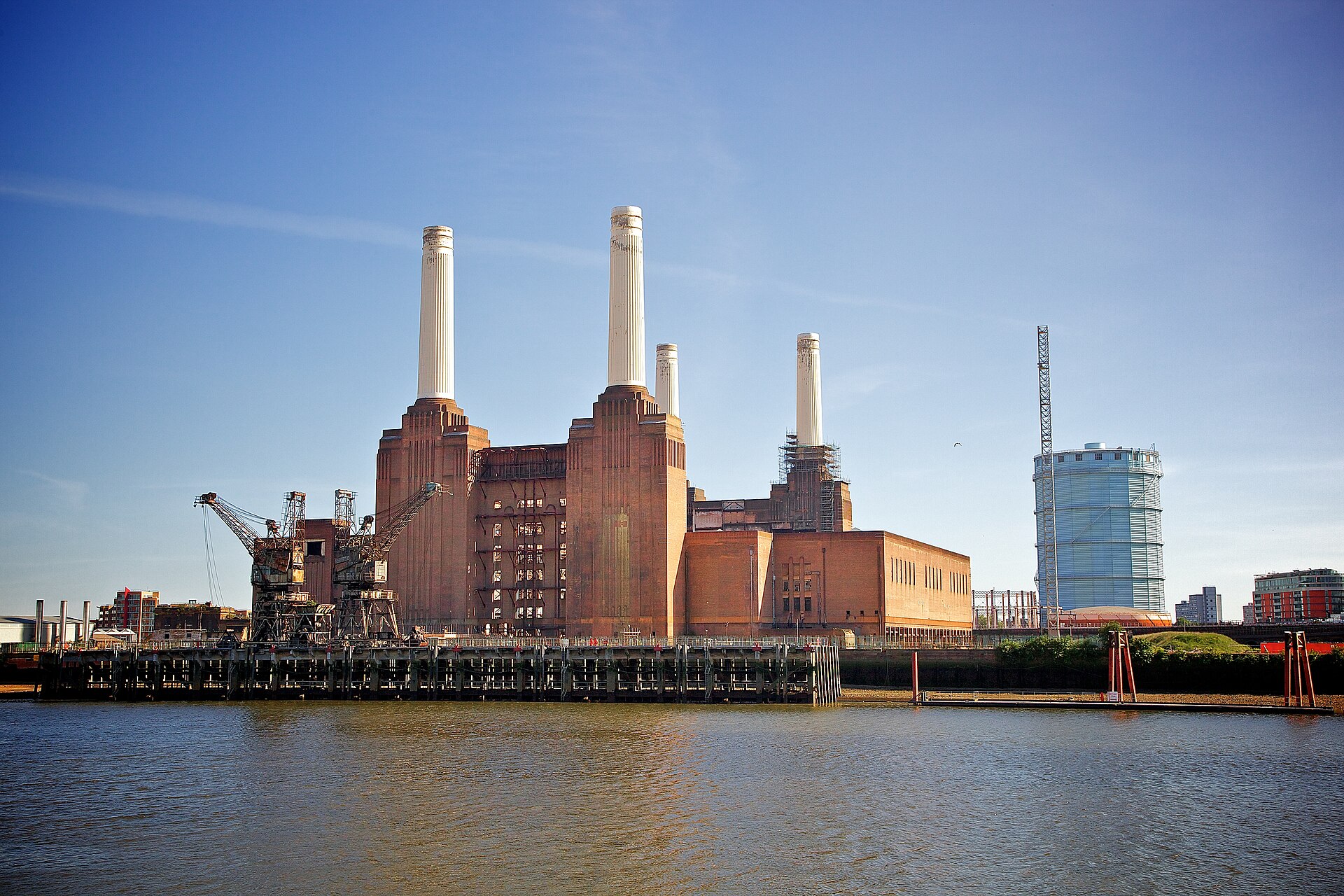
Battersea Power Station
Battersea Power Station, Circus Road West, London SW11 8DD
Battersea Power Station spent 40 years as London's most glamorous ruin — four white chimneys rising from a decommissioned Art Deco cathedral of electricity, famous from the Pink Floyd album cover, visible from half the city, and stubbornly refusing every developer's attempt to do something with it. Six different owners tried and failed. One went bankrupt. Another proposed a theme park. The building just sat there, magnificent and empty, while London built around it. It finally opened in 2022 after a £9 billion redevelopment that's one of the largest in European history. The original Turbine Hall A — designed by Giles Gilbert Scott, the same architect behind Tate Modern's building — has been restored to its original steel-and-brick grandeur, with Art Deco control rooms preserved behind glass like exhibits in their own right. The building now contains shops, restaurants, a cinema, offices, and apartments that start at prices that would make your eyes water. The Lift 109 experience takes you up inside the northwest chimney — the original 1930s structure — in a glass elevator that rises to a viewing platform 109 metres above the Thames. The view north across the river to Chelsea and beyond is spectacular, and the sensation of being inside one of London's most iconic silhouettes is genuinely surreal. Come at sunset when the white chimneys turn gold and the river catches the light.
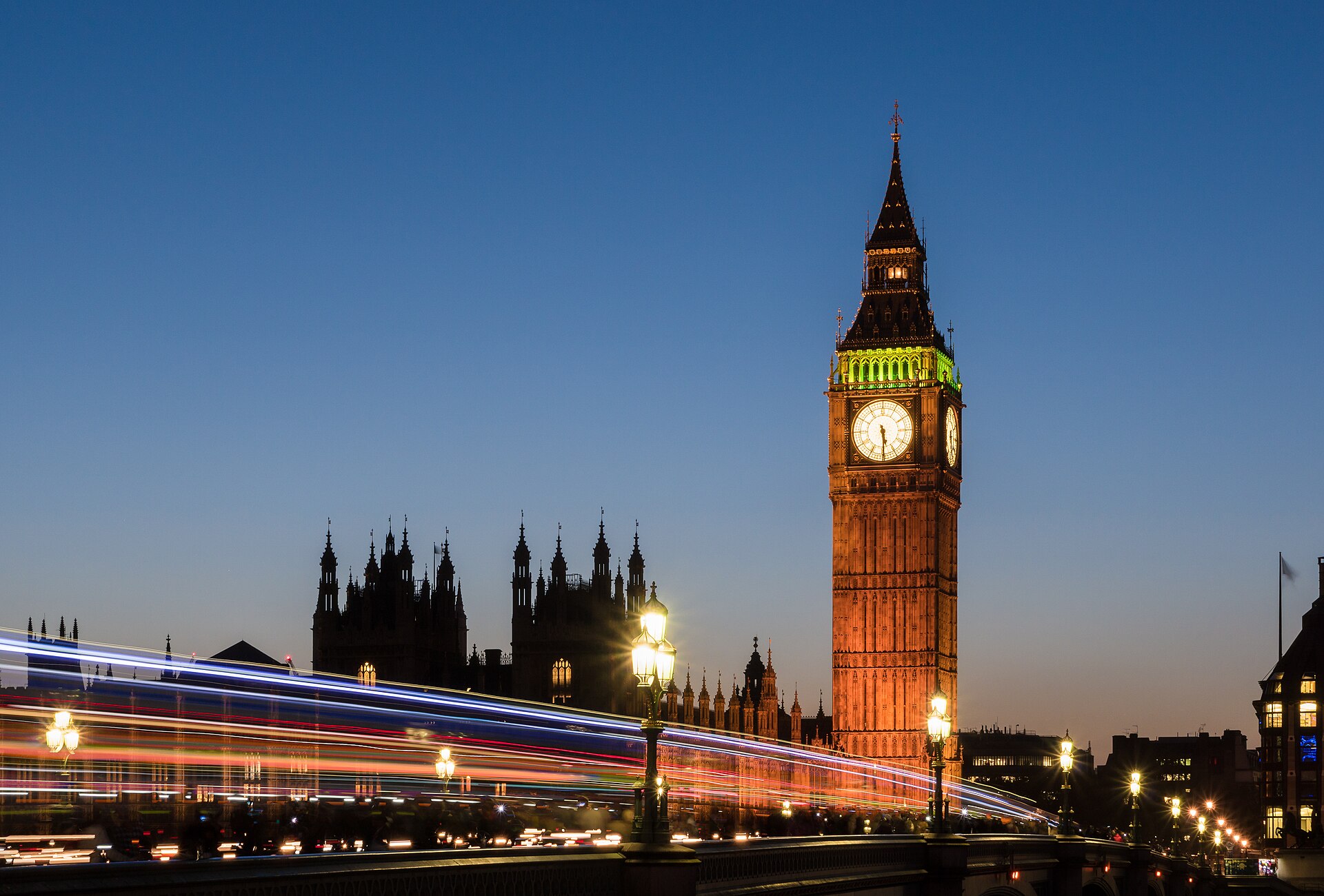
Big Ben & Houses of Parliament
Parliament Square, City of Westminster, London, SW1P 3AD, United Kingdom
Strictly speaking, Big Ben is not a tower. It's not even a clock. Big Ben is the name of the great bell inside Elizabeth Tower — a 13.7-tonne monster that has been booming across Westminster since 1859. The tower was called St Stephen's Tower for over a century and a half before Parliament renamed it Elizabeth Tower in 2012 for the Queen's Diamond Jubilee. Almost nobody calls it that. The tower rises 96 metres above the Thames, with 334 steps to the belfry and another 65 to the Ayrton Light at the very top — the light that shines whenever Parliament is sitting after dark. The clock itself weighs about five tonnes and is accurate to within two seconds per week, regulated by a stack of old penny coins placed on the pendulum. Adding a penny speeds the clock by 0.4 seconds per day. The four clock faces are each made of 312 sections of opal glass, and the minute hands are 4.3 metres long. The bell cracked in 1859, just two months after it was installed, which is why Big Ben has that distinctive slightly off-key tone. Rather than replace it, they simply rotated it a quarter turn so the hammer strikes a different spot, and it's been ringing with that signature crack ever since. The bell chimes every hour; four smaller quarter bells mark the quarter hours with a melody based on a phrase from Handel's Messiah. The Houses of Parliament themselves, officially the Palace of Westminster, were rebuilt in Gothic Revival style by Charles Barry and Augustus Pugin after a catastrophic fire in 1834 destroyed most of the medieval palace. Only Westminster Hall survived — its magnificent hammerbeam roof, dating from 1399, remains one of the largest medieval timber roofs in Europe. The palace contains around 1,100 rooms, 100 staircases, and over three miles of corridors.
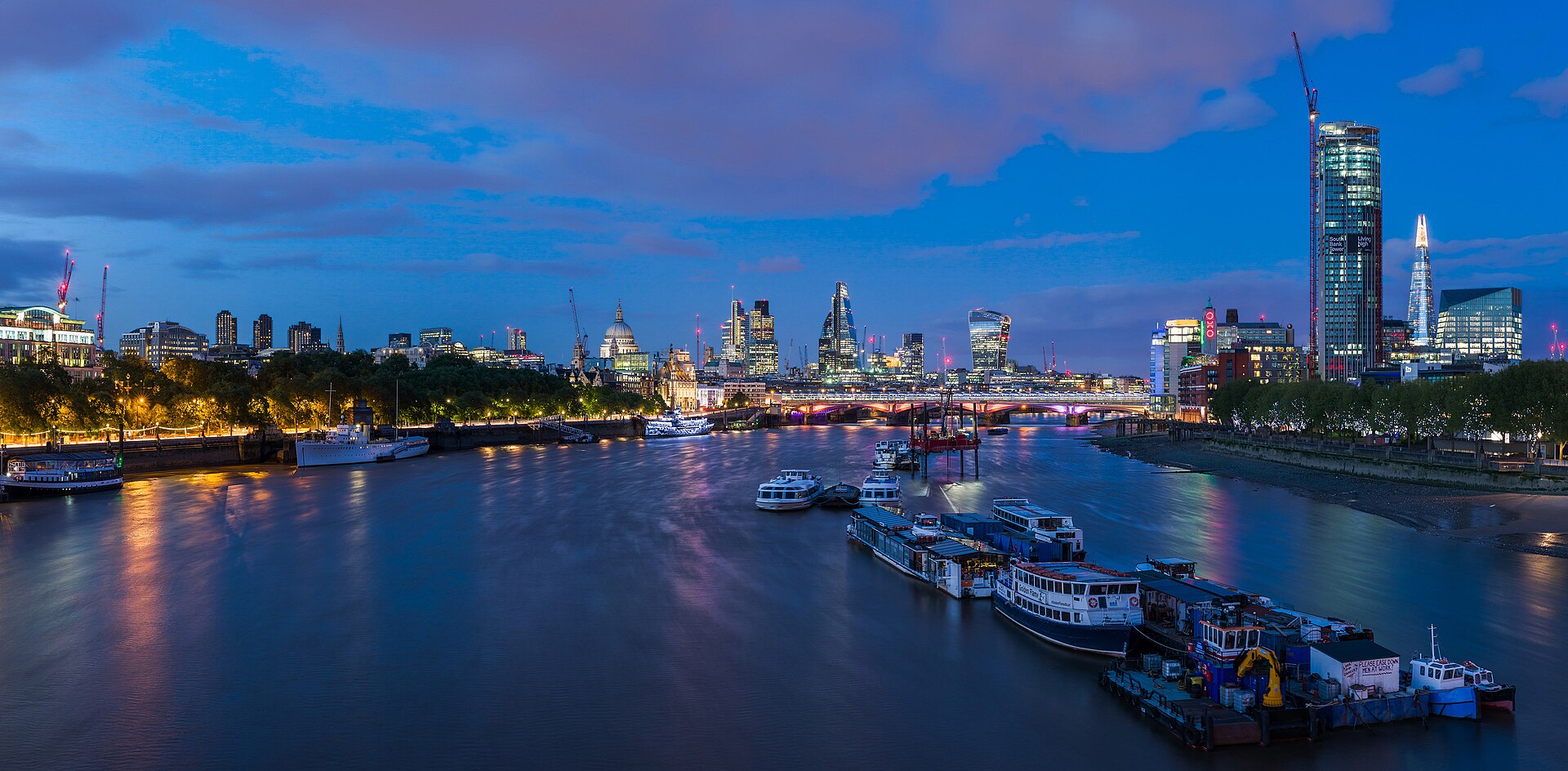
Blackfriars Bridge
Queen Victoria Street, City of London, London, EC4V, United Kingdom
On the morning of the eighteenth of June nineteen eighty-two, a postman walking along the Thames noticed something hanging from scaffolding under this bridge. It was the body of Roberto Calvi, an Italian banker, swinging from an orange nylon rope. His pockets were stuffed with bricks. His jacket contained roughly fifteen thousand dollars in cash, in multiple currencies. His feet dangled just above the water. Calvi was the chairman of Banco Ambrosiano, Italy's largest private bank. The bank had just collapsed with debts of over a billion dollars, much of it funnelled through the Vatican Bank. Calvi was a member of Propaganda Due — known as P2 — an illegal Masonic lodge whose members included intelligence chiefs, military officers, politicians, and organised crime figures. The lodge's members called themselves frati neri — black friars. Black friars. Blackfriars Bridge. The location was almost certainly a message. The initial inquest ruled suicide. But the evidence never added up. Calvi's hands showed no traces of the rust, paint, or grit that covered the scaffolding — meaning he probably didn't climb down himself. The ligature marks on his neck were inconsistent with self-hanging. And the bricks in his pockets weighed about five kilograms — an unusual suicide method, to say the least. The case was reopened. Two Mafia associates and a financier were charged with murder in two thousand and five but acquitted in two thousand and seven due to insufficient evidence. Calvi's family has always maintained he was murdered. The scaffolding is long gone. The bridge looks perfectly ordinary. But every time you cross it, you're walking over one of the most baroque unsolved murders in European history — a story involving the Vatican, the Mafia, a secret Masonic lodge, and a body under a bridge named after the killers.
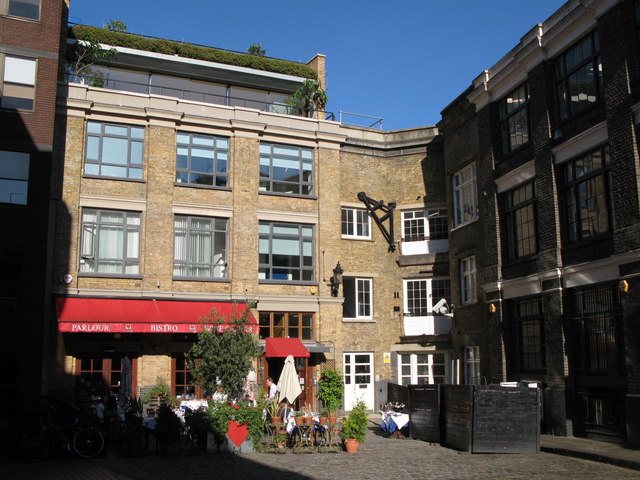
Bleeding Heart Yard
Greville Street, Camden, London, EC1N, United Kingdom
You'll find this cobbled courtyard tucked away off Greville Street in Clerkenwell, and the name alone should stop you in your tracks. Bleeding Heart Yard. There's a story behind it, and it's gloriously gruesome. Legend says that in sixteen twenty-six, Lady Elizabeth Hatton threw a grand winter ball at her mansion in Hatton Garden. During the evening, she was seen dancing with the Spanish Ambassador — some versions say the Devil himself in disguise. The next morning, her body was found in the courtyard. Her limbs were scattered across the cobblestones, and her heart had been torn from her chest. It was still pumping. Still bleeding. Hence the name. The story was popularised in R.H. Barham's Ingoldsby Legends in eighteen thirty-seven, a collection of comic horror verse that was wildly popular with the Victorians. In Barham's version, the Devil tears out Lady Hatton's heart during a particularly rowdy housewarming party. The real explanation is almost certainly more mundane — there was probably a sixteenth-century pub here called the Bleeding Heart, referencing the Virgin Mary's heart pierced by five swords, a common Catholic symbol. But nobody wants that version. Charles Dickens set the home of the Plornish family here in Little Dorrit. He describes it as a damp, dismal place where poor families crammed into crumbling rooms. The courtyard today is rather more pleasant — there's a well-regarded restaurant and a tavern. But the cobblestones are original, and on a dark evening, with the right frame of mind, you can absolutely see why someone invented a story about the Devil ripping out a heart.
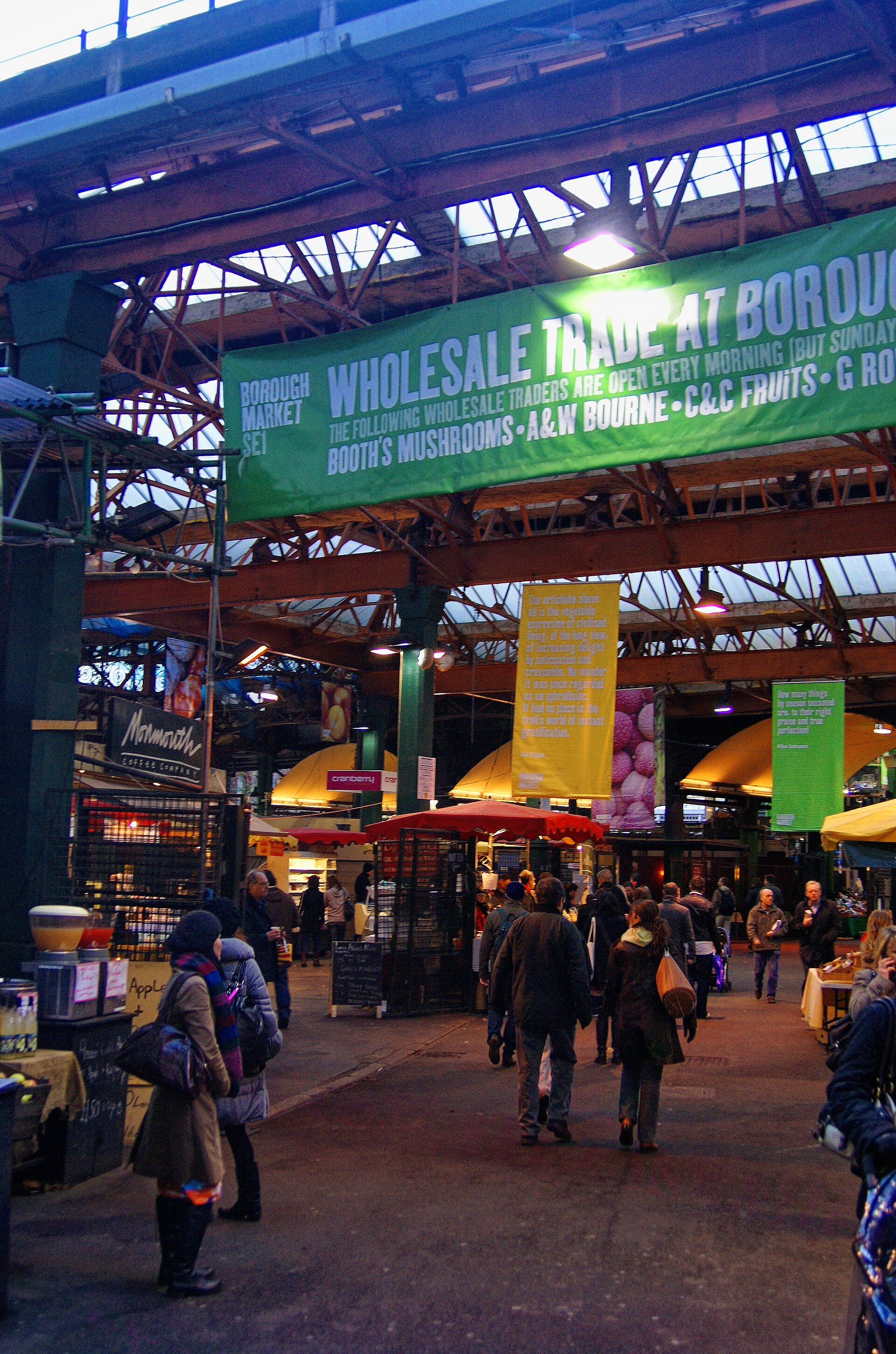
Borough Market
8 Borough Market, Southwark, London, SE1 1TL, United Kingdom
Borough Market has been feeding London for the best part of a thousand years. The earliest known mention dates to 1014, and it received its first royal charter in 1406 — making it older than the printing press, older than the Tudor dynasty, and older than the idea of a restaurant. An engraving from 1616 shows the busy market in action beneath the gateway to London Bridge, on top of which the severed heads of traitors are skewered on spikes. The food has always been good; the views have improved. Originally, trading happened right next to London Bridge, where roads converged and crowds naturally gathered. By the 18th century the market had become so chaotic that in 1756 Parliament passed an Act to shut it down. But markets are harder to kill than politicians think — instead of disappearing, it relocated a few streets south to its current site and rebuilt. The present buildings, designed by Henry Rose, went up in the 1850s. Today Borough Market is London's premier food market, a labyrinth of stalls under Victorian iron and glass selling everything from aged Comte to Scotch eggs to Ethiopian injera. It draws food lovers from around the world, though it remains genuinely useful to locals who do their weekly shop here. The market maintains its roots as a wholesale operation — trading starts at 2am for the wholesale buyers before the retail stalls open at 10am. The market sits beneath the railway arches near Southwark Cathedral, which has stood on this spot since 606 AD. This small patch of London has been a place of commerce, worship, and community for over a millennium — a fact that makes every sourdough loaf you buy here feel appropriately ancient.
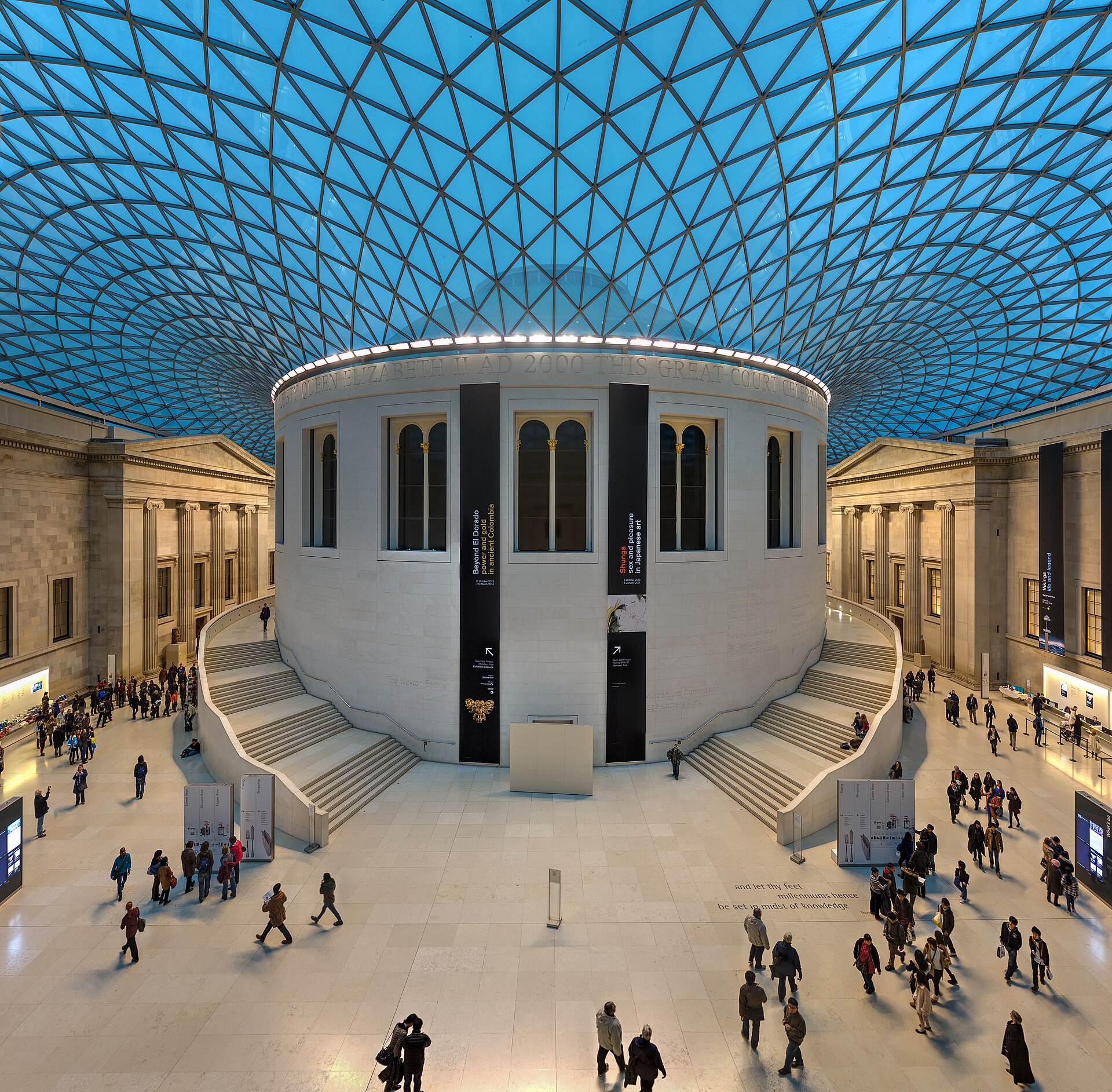
British Museum
Great Russell St, London WC1B 3DG
The British Museum is the world's largest museum of stolen goods, depending on who you ask. Founded in 1753, it was the first public national museum anywhere on Earth, and its collection of eight million objects tells the story of human civilization from two million years ago to the present. The fact that many of those objects were acquired under colonial circumstances makes it as controversial as it is magnificent. The Rosetta Stone, the museum's most famous object, has been on almost continuous display since June 1802. Found in Egypt in 1799 by Napoleon's soldiers and surrendered to the British in 1801, this slab of granodiorite with the same decree written in three scripts — hieroglyphic, Demotic, and Greek — unlocked the entire lost language of ancient Egypt. Egypt has been asking for it back for decades. Then there are the Elgin Marbles — or the Parthenon Sculptures, as Greece prefers. Thomas Bruce, 7th Earl of Elgin, removed roughly half the surviving Parthenon sculptures between 1801 and 1812, shipped them to London, and sold them to the British government in 1816 after a parliamentary inquiry concluded the acquisition was legal. Greece formally requested their return in 1983, and the debate has been running ever since. The Great Court, redesigned by Norman Foster and opened in 2000, is the largest covered public square in Europe. Its tessellated glass roof, with 3,312 uniquely shaped panes, wraps around the Reading Room where Karl Marx wrote Das Kapital. The museum receives around six million visitors a year, and admission remains free — though perhaps not everyone agrees the contents were.
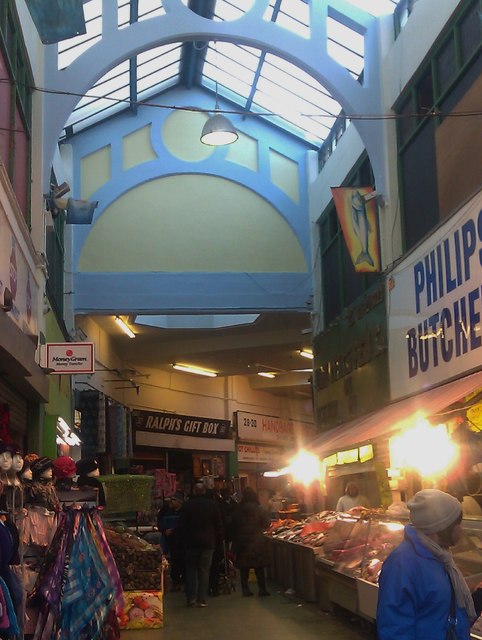
Brixton Village & Market Row
Coldharbour Lane, Brixton, London SW9 8PR
Brixton Village is an indoor market that was nearly demolished in the 2000s and has since become one of the most exciting food destinations in London — a resurrection story powered by cheap rents, immigrant entrepreneurs, and a community that refused to let developers win. The market was originally called Granville Arcade when it opened in 1937, and for decades it was the commercial heart of Brixton's Afro-Caribbean community — a covered labyrinth of butchers selling goat and plantain, fabric shops with wax-print textiles, and record stores pumping out reggae and calypso. When footfall declined and the landlord tried to push everyone out, a campaign to offer empty units rent-free to pop-ups changed everything. Restaurants moved in alongside the existing traders, and suddenly you could eat Colombian arepas at one stall, Eritrean injera at the next, and end with a craft cocktail at a bar that seats twelve. The atmosphere is best described as 'chaotic but in a good way.' The covered walkways are narrow, the seating spills across the aisles, and on a Friday night the whole place vibrates with conversation, music, and the sound of about thirty different cuisines being cooked simultaneously. Market Row, the adjacent arcade, is slightly calmer and has some of the best standalone restaurants in south London. Come with an open mind and an empty stomach and eat your way through at least three countries.
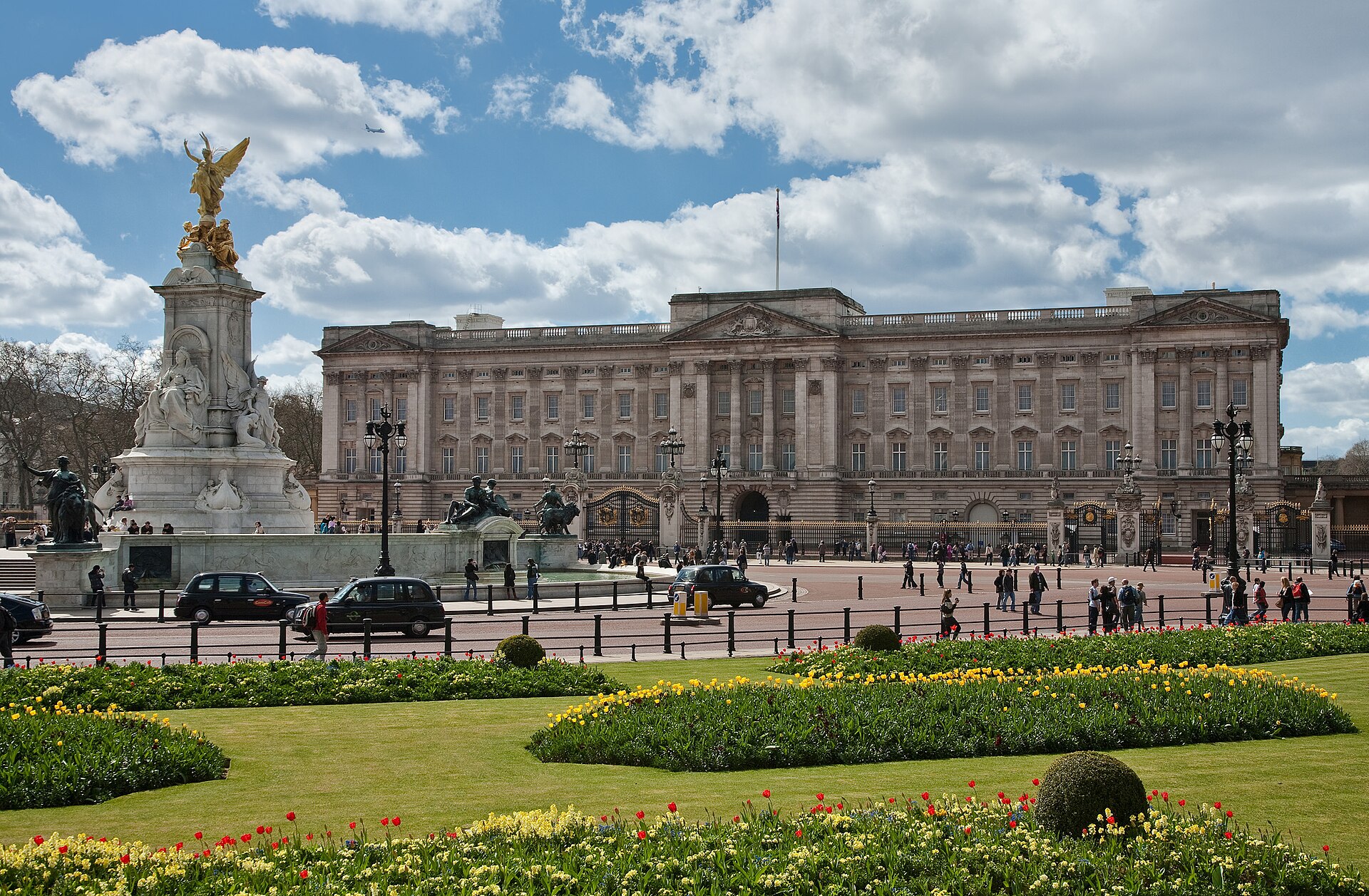
Buckingham Palace
London SW1A 1AA
This is the house that George III bought for his wife in 1761 because she found St James's Palace too stuffy. It wasn't even a palace then — just a large townhouse called Buckingham House, where fourteen of their fifteen children were born. It took another seventy-six years and the stubbornness of Queen Victoria before it officially became the monarch's London residence, and the building has been catching up with its own importance ever since. The numbers are absurd. Seven hundred and seventy-five rooms, including fifty-two royal and guest bedrooms, a hundred and eighty-eight staff bedrooms, ninety-two offices, and seventy-eight bathrooms. There are over fifteen hundred doors, seven hundred and sixty windows, and more than forty thousand lightbulbs — the ballroom got electricity first, back in 1883. The ballroom itself, completed in 1855, stretches thirty-six metres long, and it's where investitures and state banquets still happen today. During the Blitz, a German bomb destroyed the palace chapel. Rather than rebuild it as a place of worship, they turned the site into the Queen's Gallery, which opened to the public in 1962 to show off works from the Royal Collection. The State Rooms have been open to visitors during summer since 1993 — a decision partly driven by the need to fund repairs to Windsor Castle after its devastating fire in 1992. The Changing of the Guard ceremony out front has become one of London's most watched rituals, but the palace itself remains a working building. It hosts around fifty thousand guests each year at garden parties, state dinners, and investitures. The famous balcony overlooking the Mall has been the stage for royal waves since 1851, when Victoria stepped out to greet crowds visiting the Great Exhibition.
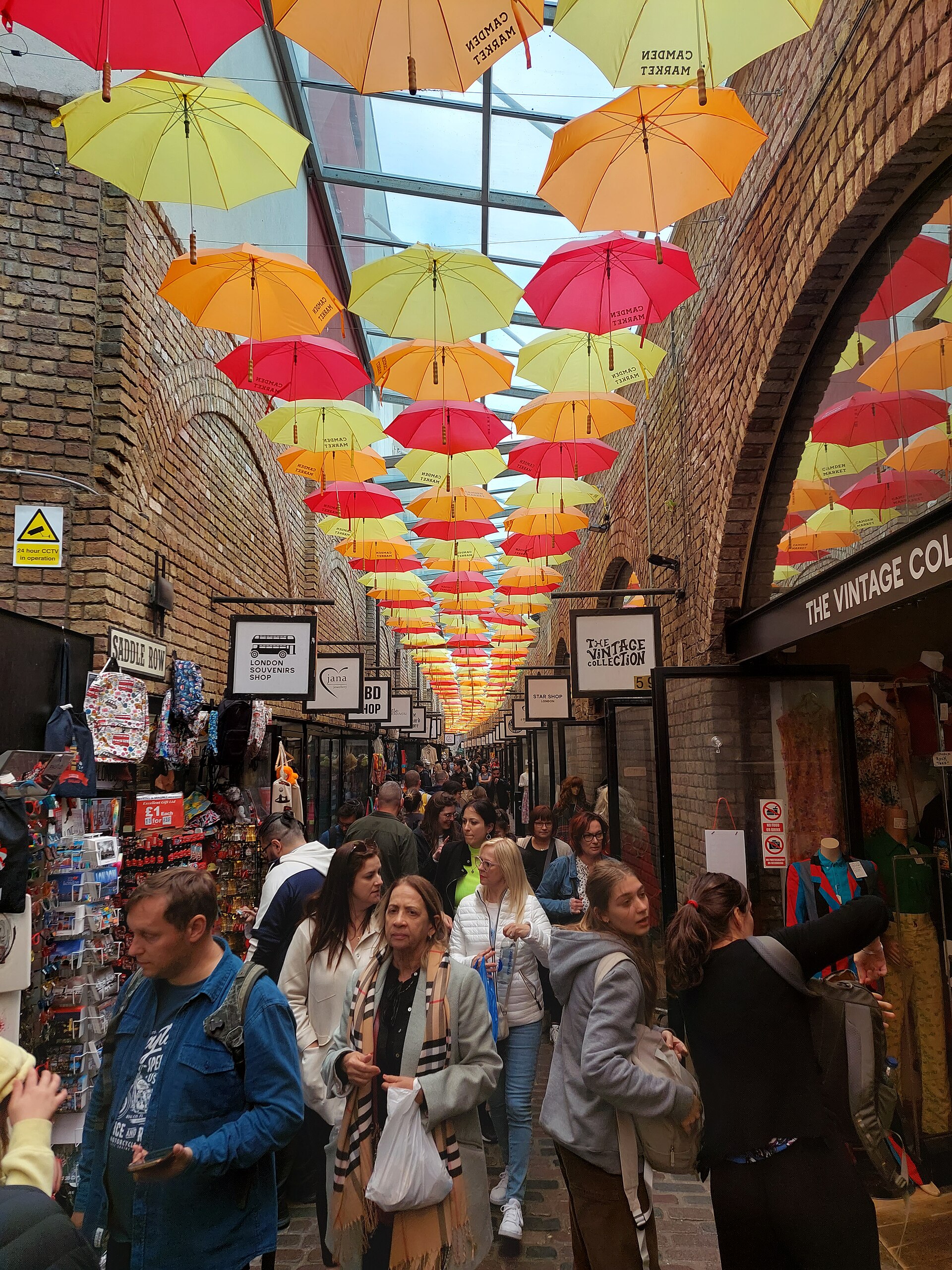
Camden Market
Camden Lock Place, Camden, London, NW1 8AF, United Kingdom
Camden Market started with sixteen stalls and a demolition order. In 1974, a small craft market set up shop near Camden Lock on a site that was about to be torn down. The traders selling jewellery, antiques, and handmade crafts didn't know they were launching what would become the fourth most popular visitor attraction in London, drawing 250,000 people every week. The Stables Market, the most characterful section, occupies the actual stables and horse hospital that once served the nearby railway yards. In the 19th century, horses were the engines of the canal and railway network — they pulled barges along Regent's Canal and hauled goods from King's Cross. In 1939 alone, more than 800 horses were treated in the hospital here. The original cobblestones, horse ramps, and even some of the iron rings where horses were tied still survive beneath the market stalls. Camden's growth tracked London's counterculture like a heartbeat monitor. In the late 1970s, punk bands like The Clash and Madness played the local venues, and the market became the place to buy safety pins, leather jackets, and Doc Martens. Through the 1980s and 1990s, it absorbed goth, grunge, and rave culture. Amy Winehouse lived in Camden and became its most famous modern resident — her statue stands outside the Stables Market, a monument to both the neighbourhood's creativity and its shadows. Today Camden is a collision of vintage shops, street food from fifty countries, tattoo parlours, and tourists photographing the enormous sculptural facades — giant shoes, dragons, and aeroplanes bolted to the buildings. It's loud, chaotic, and unapologetically itself.
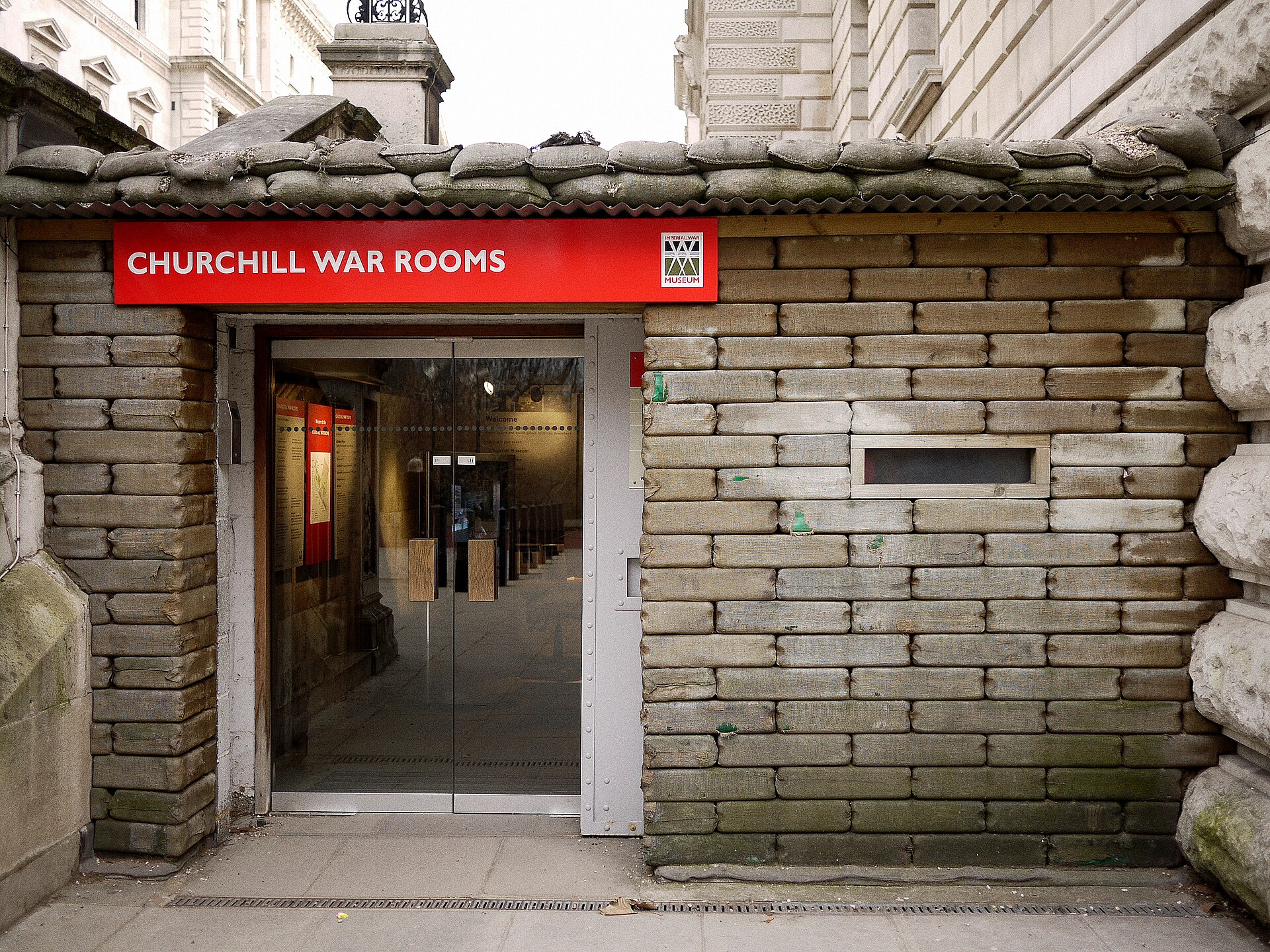
Churchill War Rooms
King Charles Street, City of Westminster, London, SW1A, United Kingdom
Beneath your feet right now is the bunker where the British government ran the Second World War. These rooms were operational from August nineteen thirty-nine to August nineteen forty-five — six years without interruption. The Map Room was manned twenty-four hours a day, every single day, for the entire war. When the lights were finally switched off on the fifteenth of August nineteen forty-five, the clocks, the maps, the pins — everything was left exactly as it was. That's what you see today. Not a recreation. The actual room. Now, here's the detail that always gets people. Churchill needed a secure telephone line to President Roosevelt. Transatlantic calls were being intercepted by the Germans, so they installed a scrambled line with a device called SIGSALY that weighed eighty tonnes and filled a room. But they didn't want anyone to know it existed. So Churchill's end of the line was hidden inside a cupboard labelled as a toilet. The Transatlantic Telephone Room — arguably the most important phone in the war — was disguised as a lavatory. One hundred and fifteen Cabinet meetings were held underground between nineteen thirty-nine and nineteen forty-five. The last was on the twenty-eighth of March nineteen forty-five. But despite building himself a bomb-proof bedroom down here, Churchill almost never slept in it. He stubbornly preferred to sleep at Ten Downing Street or the Number Ten Annexe above ground, even during the worst of the Blitz. His staff were apparently terrified. He didn't care. The concrete slab protecting these rooms is only three feet thick. Government engineers privately assessed it wouldn't survive a direct hit. They chose not to tell Churchill.
Cleopatra's Needle
Cycle Superhighway 3, City of Westminster, London, WC2N, United Kingdom
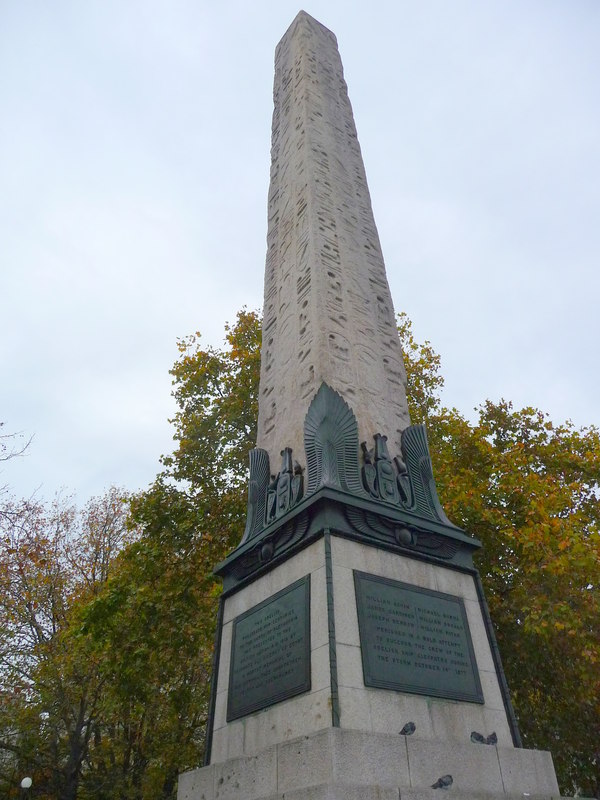
Right. First things first. This has absolutely nothing to do with Cleopatra. The name is completely wrong. This obelisk was carved for Pharaoh Thutmose the Third around fourteen fifty BC — a full thousand years before Cleopatra was even born. It's three thousand five hundred years old. It stood at Heliopolis in Egypt for most of human civilisation before the Victorians decided they wanted it. Getting it to London nearly ended in disaster. In eighteen seventy-seven, they encased it in an iron cylinder-shaped pontoon and tried to tow it across the Mediterranean. A storm hit in the Bay of Biscay, the pontoon broke loose, and six volunteer crew members drowned trying to save it. The obelisk was found floating days later by a Spanish ship and eventually made it to the Thames. Now look at the base. See the sphinx? Look closely at the one on the right. You'll notice pockmarks and gouges in the stone. Those are shrapnel scars from a German air raid on the fourth of September nineteen seventeen — the First World War, not the Second. They've been deliberately left unrepaired as a war memorial. A small plaque nearby explains what happened. But the best part is what's underneath. When they erected the obelisk in eighteen seventy-eight, the Victorians buried a time capsule in the pedestal. Inside it they placed: twelve photographs of the best-looking English women of the day, a box of hairpins, a set of British coins, a razor, cigars, copies of that day's newspapers, a portrait of Queen Victoria, Bradshaw's Railway Guide, and a Bible. That's the Victorian era in a single box — beautiful women, trains, tobacco, God, and grooming.
Covent Garden
City of Westminster, London, United Kingdom
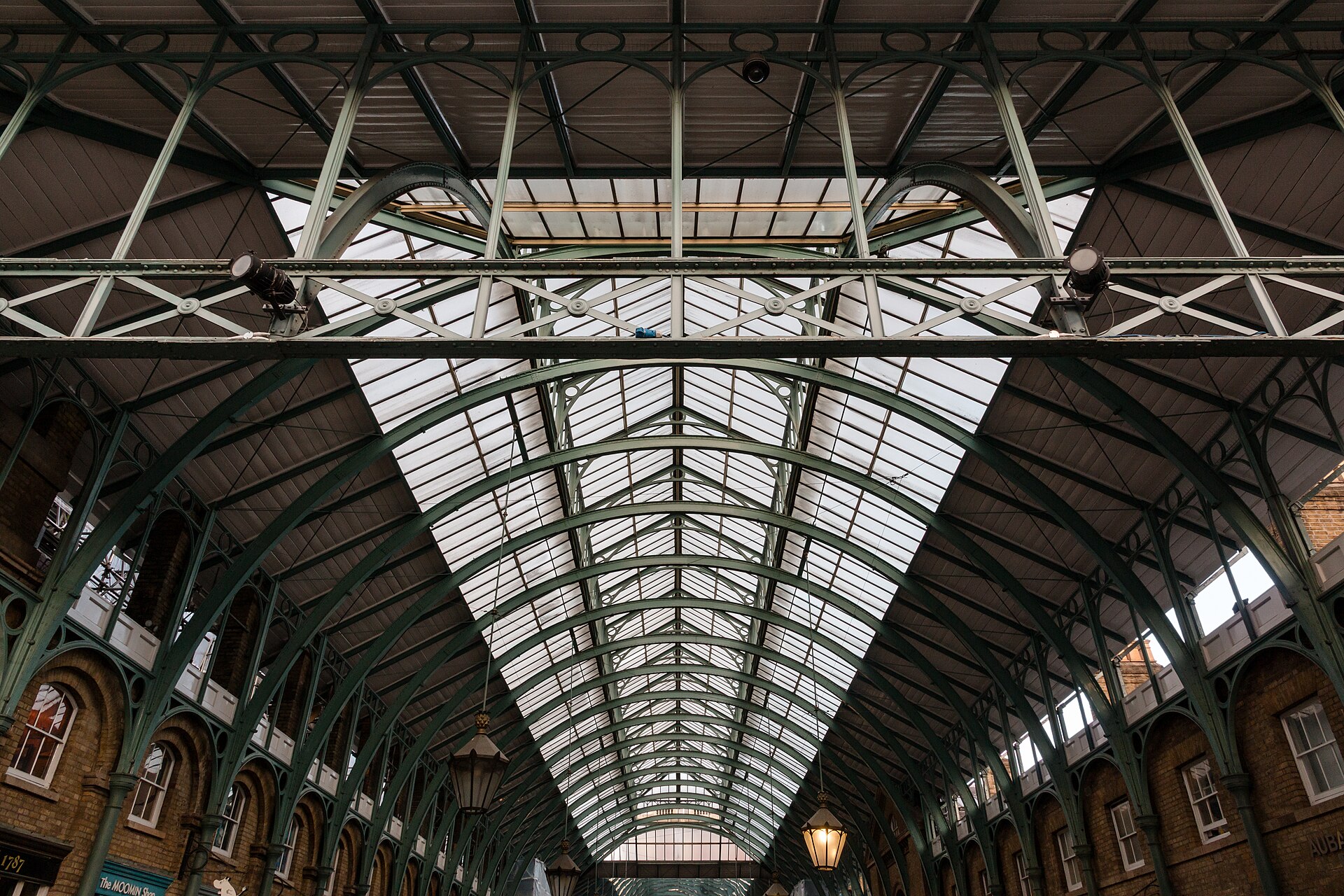
Covent Garden was London's first piazza, designed by Inigo Jones in the 1630s on land owned by the Earl of Bedford. Jones had studied in Italy and modelled it after the Piazza Grande in Livorno and the recently completed Place des Vosges in Paris — a radical idea for a city that had never seen an open public square. It was meant to attract the aristocracy. Instead, it attracted fruit sellers, coffee houses, taverns, and prostitutes, and the wealthy tenants fled. For over 300 years, Covent Garden held London's principal fruit, flower, and vegetable market. The neoclassical market building at its heart, designed by Charles Fowler and commissioned by the 6th Duke of Bedford, went up in 1830. The market grew increasingly chaotic and congested, and in 1974 it was relocated to Nine Elms in Vauxhall. The empty market hall was saved from demolition by a fierce local campaign and reopened in 1980 as the shopping and cultural destination it is today. The Royal Opera House has stood on its site since 1732, when it opened as the Covent Garden Theatre. Handel premiered many of his operas and oratorios here. The building has burned down twice — in 1808 and 1856 — and the current structure dates from 1858, though a £178 million renovation in the 1990s modernised everything behind the Victorian facade. Today the piazza is one of London's most popular gathering places. The rules for buskers are surprisingly strict — performers must audition for a spot and are allocated specific pitches and time slots. The quality shows. Covent Garden's street performers are among the best in the world, which is fitting for a place that has been staging entertainment in one form or another for four centuries.
Crossbones Graveyard
Redcross Way, Southwark, London, SE1 1TA, United Kingdom
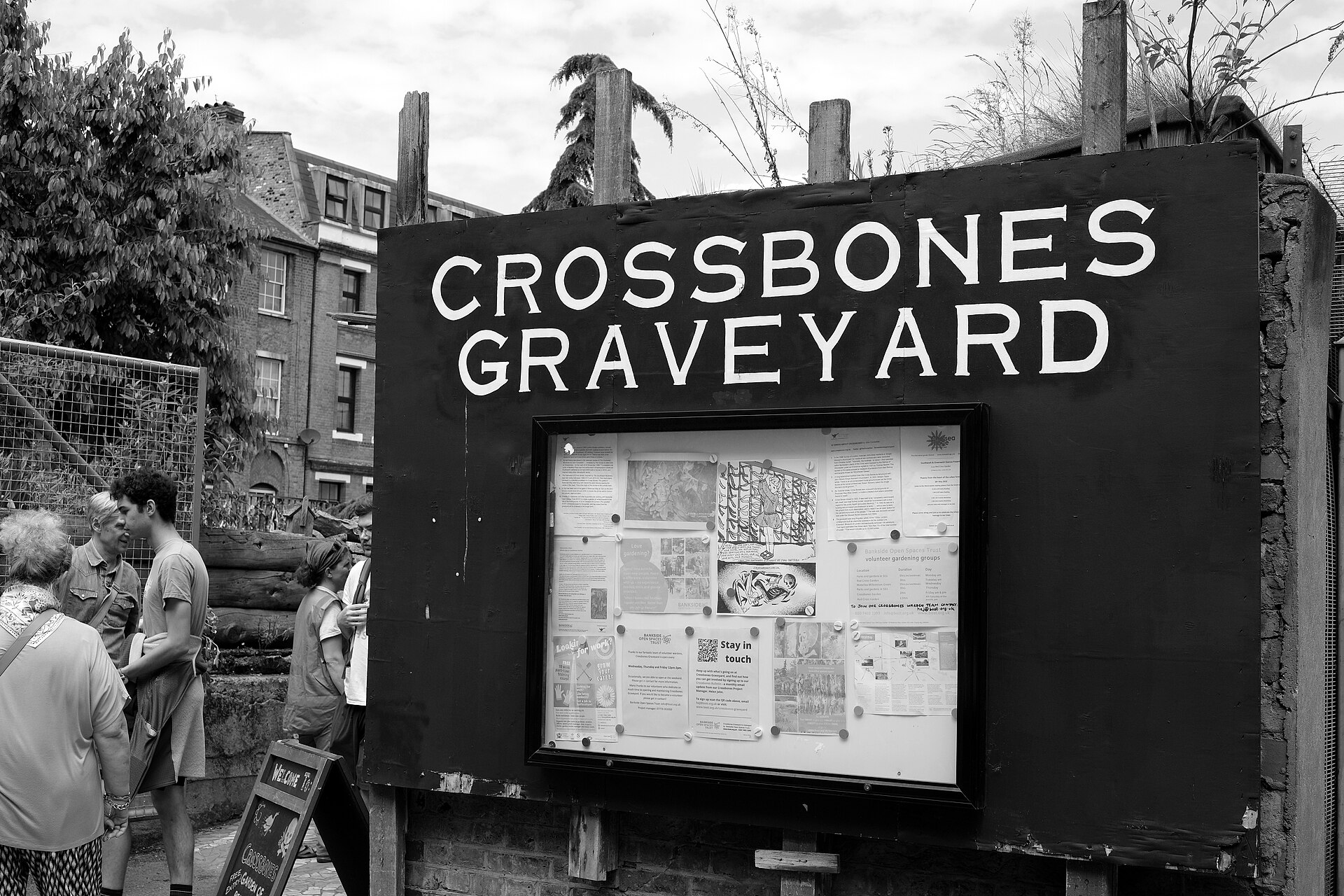
This narrow Southwark side street sits on top of an estimated fifteen thousand bodies. The story of who's buried here tells you everything about medieval London's relationship with hypocrisy. From the medieval period, the Bishop of Winchester controlled this part of Southwark. It was technically outside the City of London's jurisdiction — a lawless zone called the Liberty of the Clink. The Bishop licensed prostitutes to work here. They were called Winchester Geese, and the Church collected taxes from their earnings. But when these women died, the same Church that had profited from their labour refused them a Christian burial on consecrated ground. So they were dumped here, in an unconsecrated pit. The Church took the money, then denied them dignity in death. Over the centuries, Crossbones became a pauper's burial ground for anyone society wanted to forget — sex workers, the destitute, plague victims, stillborn babies. When archaeologists excavated the site, they found bodies piled on top of each other, many showing signs of smallpox, tuberculosis, and severe vitamin D deficiency. These people rarely saw sunlight. The graveyard was closed in eighteen fifty-three when it was declared completely full. For over a century it sat neglected, used variously as a building site and a car park. Then in the early two thousands, local activists began fighting to protect it. They tied ribbons and messages to the iron gates as memorials to the outcast dead. In twenty nineteen, after years of campaigning, the site became an official Garden of Remembrance with a thirty-year lease from Transport for London. The gates are still covered in ribbons.
Crystal Palace Park Dinosaurs
Crystal Palace Park, Thicket Road, London SE20 8DT
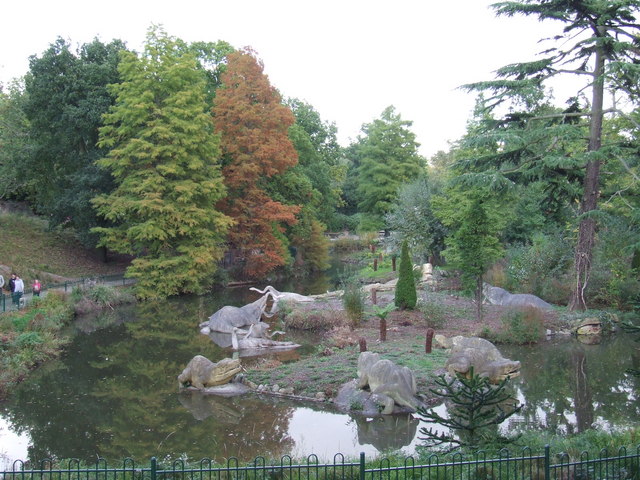
In a lake in a park in south London, there are dinosaurs. Not real ones — but the world's first ever attempt to build life-sized dinosaur models, sculpted in 1854 when scientists were still figuring out what dinosaurs actually looked like. They got almost everything wrong, and that's exactly what makes them wonderful. The 30 sculptures were commissioned by Benjamin Waterhouse Hawkins and overseen by Sir Richard Owen — the man who coined the word 'dinosaur.' Working from fragmentary fossils and a lot of imagination, they built an Iguanodon that looks like a rhinoceros, a Megalosaurus that resembles a giant dog, and marine reptiles that could be sea monsters from a medieval bestiary. On New Year's Eve 1853, a dinner was held inside the mould of the Iguanodon for 21 scientists — they sat at a table inside the belly of a half-built dinosaur and toasted the future of palaeontology. The models have been Grade I listed since 1973, meaning they're considered as historically significant as Buckingham Palace. They sit on islands in a landscaped lake that was designed to show them in their 'natural habitats' — geological eras re-created in Victorian garden form. The park itself, built on the site where the Crystal Palace was re-erected after the Great Exhibition and then spectacularly burned down in 1936, is a gorgeous sprawl of terraces, lakes, and overgrown Victorian grandeur. The dinosaurs are free to visit and best appreciated with children or a sense of humour about the history of science.
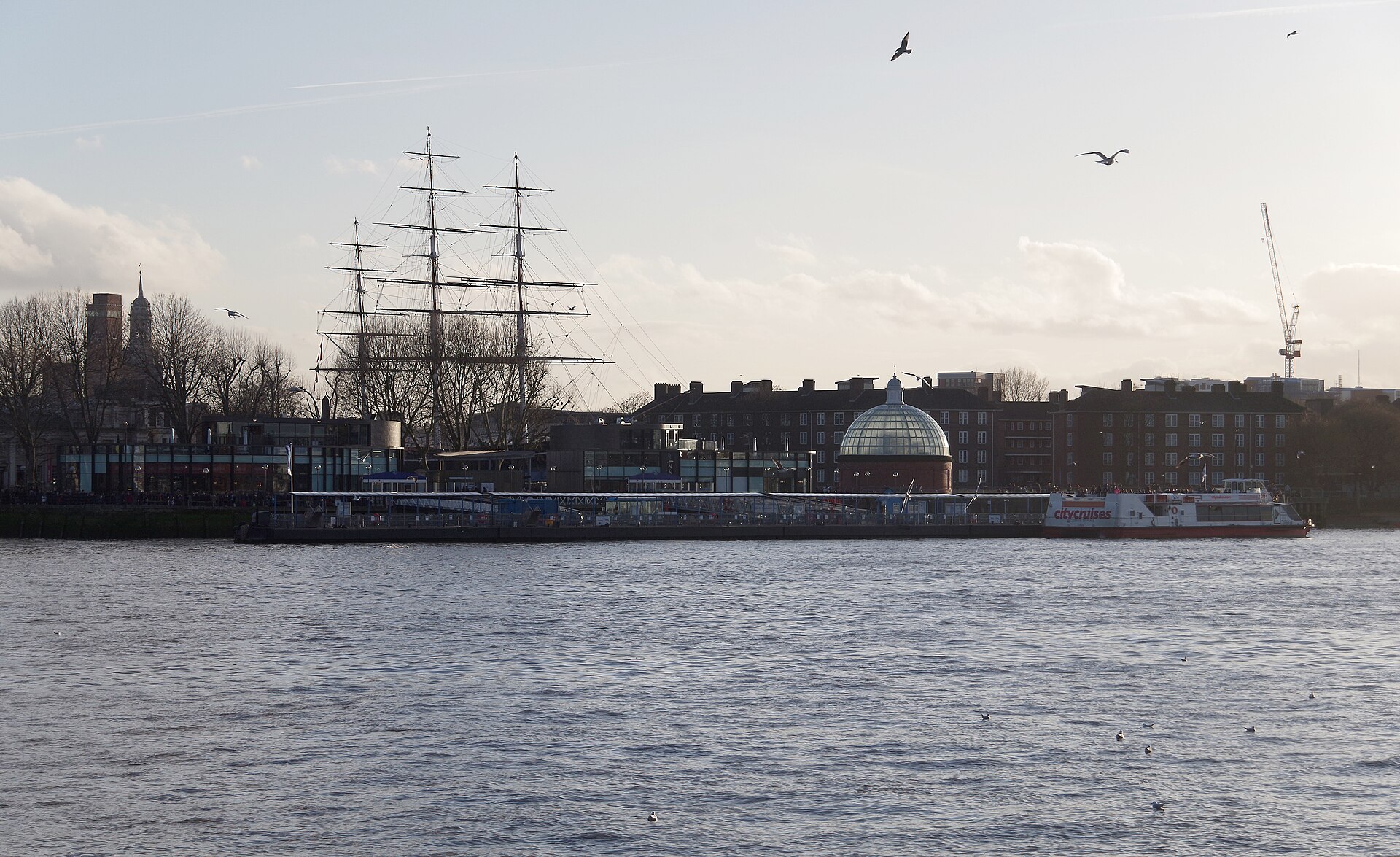
Cutty Sark
King William Walk, Greenwich, London SE10 9HT
The Cutty Sark is the last surviving tea clipper — the Formula One cars of the Victorian shipping world — and she's been lifted out of the water and suspended in a glass case so you can walk underneath her copper-clad hull and appreciate the engineering that made her the fastest ship in the world. Launched in 1869, the Cutty Sark was built to race Chinese tea from Shanghai to London in the annual competition that gripped the Victorian public the way the World Cup grips us now. She was fast but unlucky — she lost her rudder in a storm on her most famous race and still nearly won. By the time she hit her stride, steamships had made clipper ships obsolete, so she pivoted to the Australian wool trade where she finally dominated, regularly beating every other ship on the route. The museum inside is surprisingly engaging — you can grip the wheel, explore the crew quarters (tiny), see the captain's cabin (marginally less tiny), and read the logs that record life at sea with the matter-of-fact tone of men who considered rounding Cape Horn in a gale to be just another Tuesday. The ship nearly burned down in 2007 during restoration — an arson attack that destroyed much of the interior — and the £50 million rebuild is itself a story of obsessive craftsmanship. The gleaming hull, raised on its glass plinth in the Greenwich sunshine, is one of the most photogenic things on the Thames.
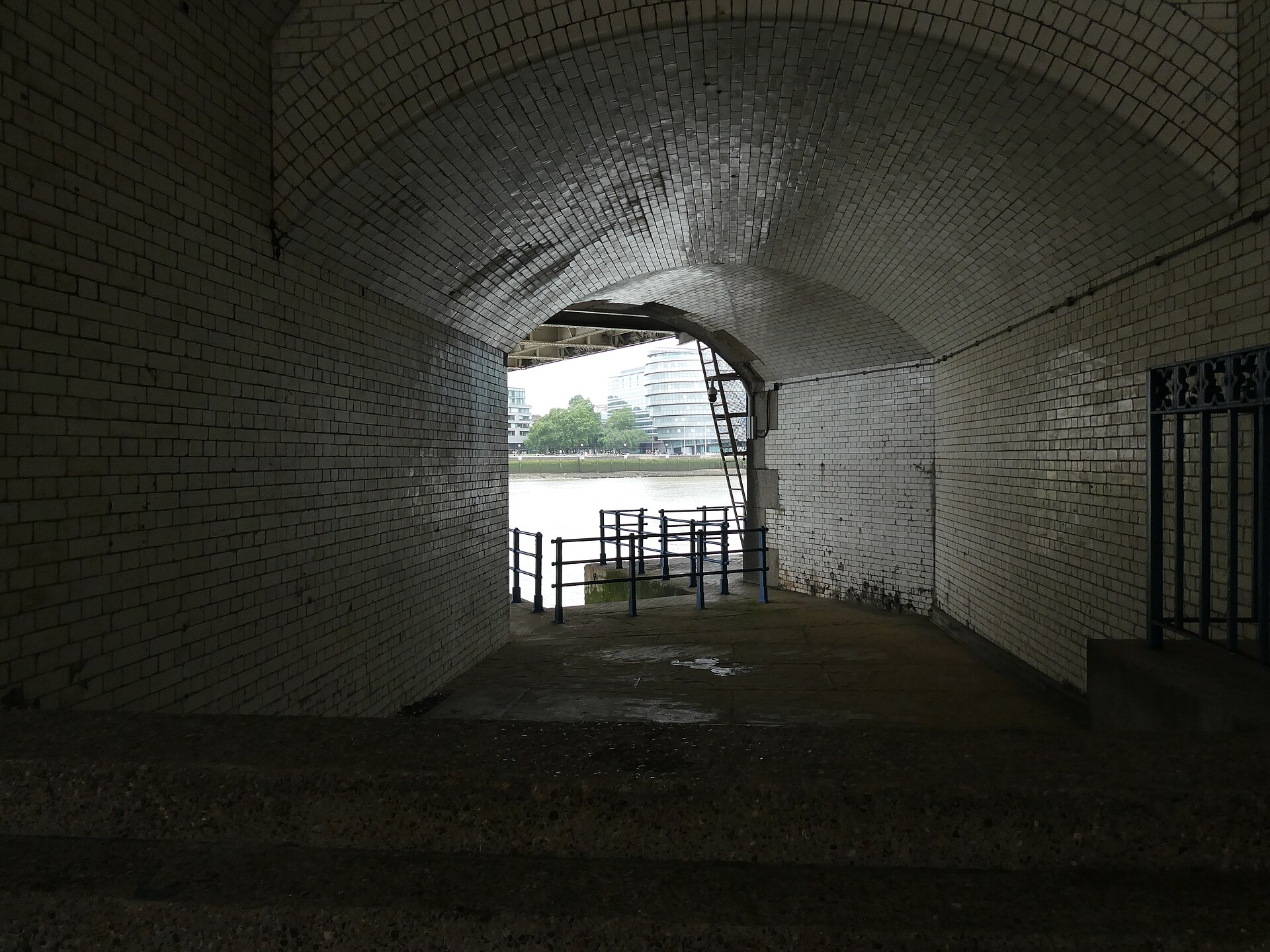
Dead Man's Hole (Tower Bridge)
Newham, London, E13, United Kingdom
Walk along the north side of Tower Bridge, toward the Tower of London end, and look down at the river's edge. There's a small alcove built into the bridge's northern abutment, lined with white tiles. This is Dead Man's Hole, and the name is not a metaphor. Due to the tidal currents of the Thames, this particular spot is where bodies naturally congregate. People who drowned, people who were murdered and dumped in the river, people who fell in drunk — the currents would carry them downstream and deposit them right here, against the bridge's foundations. For decades, this alcove served as an unofficial body-collection point. The white tiles aren't decorative. Decomposing corpses — especially those that had been in the water for days or weeks — would sometimes explode from the buildup of gases inside the body. The tiles could be hosed down more easily than bare stone. That's the kind of practical Victorian engineering you don't read about in the guidebooks. L-shaped steps led down from the bridge approach to the water level, and river police would use long grappling hooks to pull bodies out of the Thames. The recovered dead were then laid out for public identification. If nobody claimed them, they were buried as unknowns. Bodies of people executed at the Tower of London were also transferred through here. Millions of tourists photograph Tower Bridge every year. Almost none of them look down and to the left, where a white-tiled alcove quietly tells one of the grimmest stories on the river. It's still there. The tiles are still visible. The Thames still delivers.
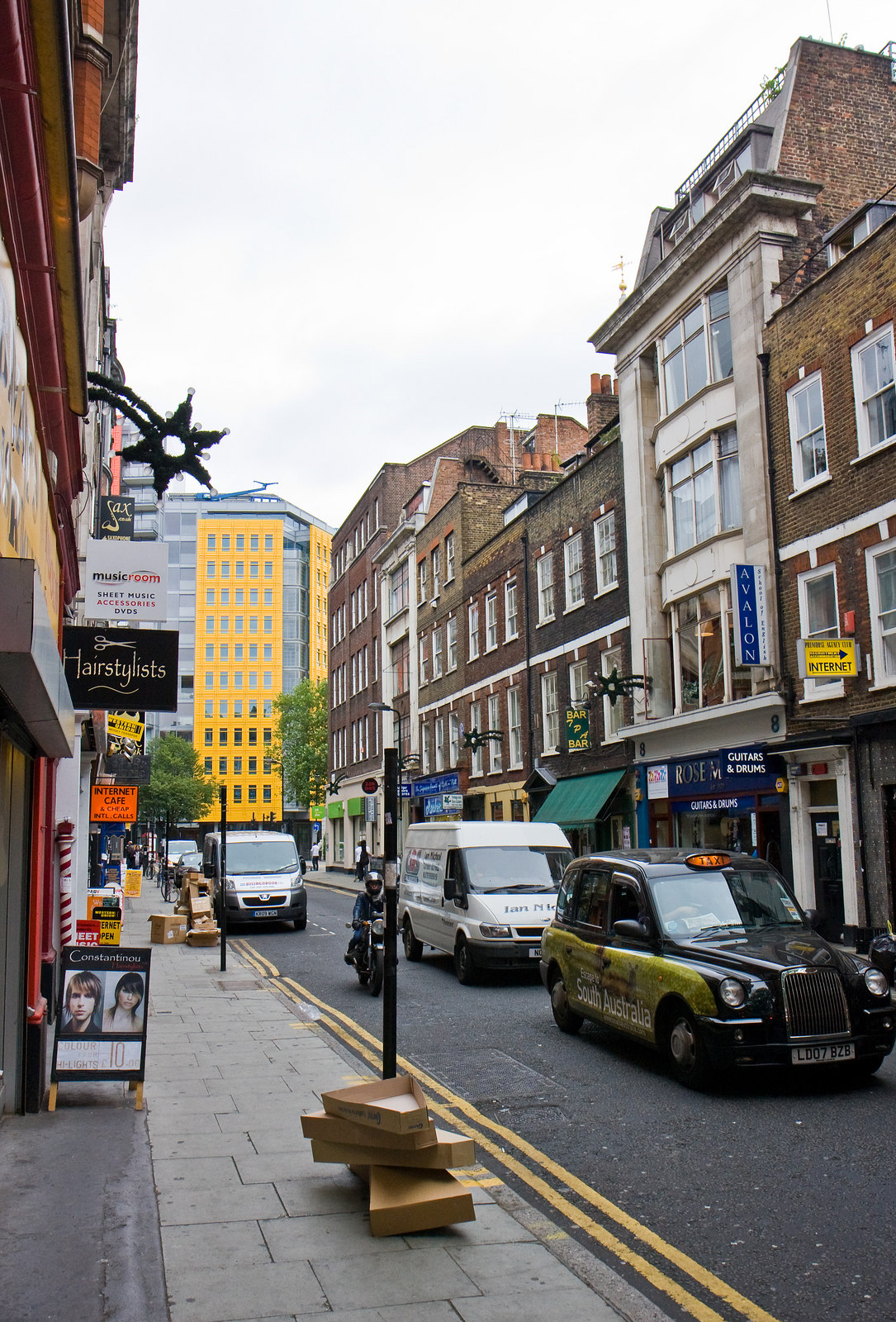
Denmark Street (Tin Pan Alley)
Saint Giles High Street, Camden, London, WC2H, United Kingdom
This short, scruffy street between Charing Cross Road and St Giles High Street has arguably produced more British music per square metre than anywhere else on Earth. If these walls could talk — and some of them still have the graffiti to prove it — they'd play you a greatest hits spanning seventy years. It started with sheet music. Lawrence Wright set up as the first music publisher here in nineteen eleven. By the late fifties, the street housed so many publishers, agents, and demo studios that it became known as Britain's Tin Pan Alley, after the famous song-plugging district in New York. The name stuck even as the business evolved from Tin Pan to rock and roll. At number four, Regent Sounds Studio — a tiny basement room — is where the Rolling Stones recorded their first hit, Not Fade Away, and most of their debut album. The studio was so small that the musicians had to play practically on top of each other. At number nine, David Bowie used to recruit band members over coffee at a cafe called La Gioconda. And above number six, the Sex Pistols lived in a squalid flat where they wrote Anarchy in the U.K. The walls of that flat were covered in their graffiti and artwork. The Twelve Bar Club, a former blacksmith's forge converted into a closet-sized music venue, helped launch the careers of Adele, KT Tunstall, Damien Rice, and The Libertines. It closed in twenty fifteen for redevelopment, and a lot of people are still angry about it. The street is changing. Developers have moved in, and much of the old character has been scrubbed clean. But some of the guitar shops remain, and if you walk slowly, you can still feel the residual energy of a place where people came to make noise that changed the world.
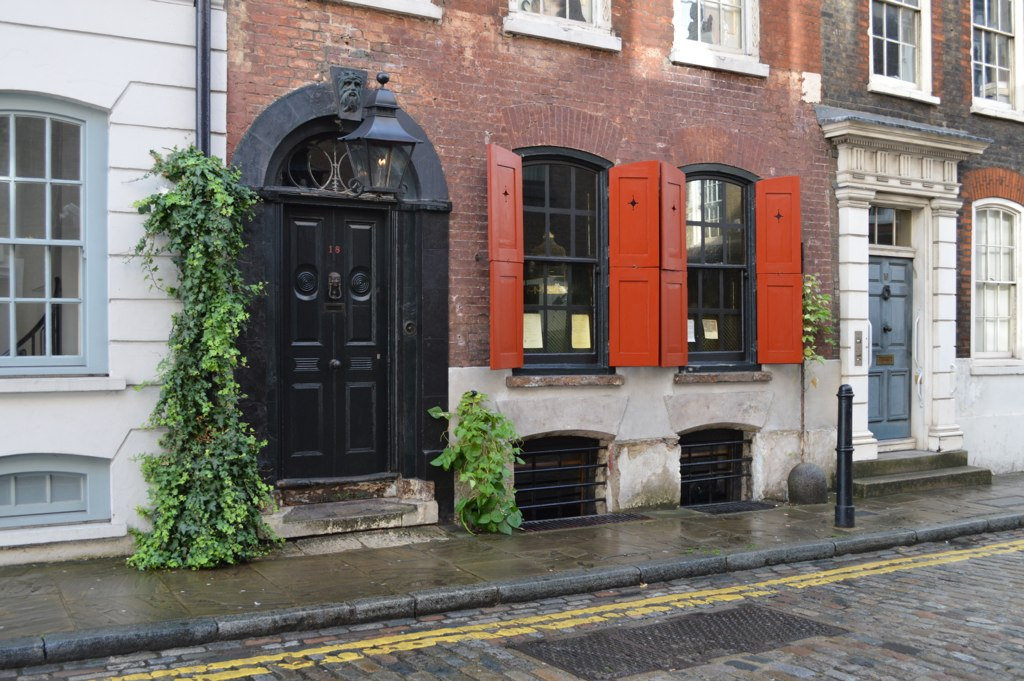
Dennis Severs' House
18 Folgate Street, Tower Hamlets, London, E1 6BX, United Kingdom
This is not a museum. Dennis Severs was very clear about that. What he created at 18 Folgate Street is something he called a "still-life drama" — ten rooms arranged across four storeys of a 1724 townhouse, each one staged to look as though the inhabitants have just stepped out. There are half-eaten meals on tables, crumpled letters, smouldering fires, and the faint sound of footsteps overhead. You are told to remain silent. You are not allowed to take photographs. The house's motto, in Latin, is Aut Visum Aut Non: "You either see it or you don't." Severs was a Californian who arrived in London drawn by what he called "English light." In 1979, he bought this dilapidated house from the Spitalfields Trust and spent the next twenty years filling it with a fictional history. The house tells the story of the Jervises, an imaginary family of Huguenot silk weavers who lived here from 1724 to the early 20th century. Each room represents a different era — the ground floor is Georgian abundance, the upper floors trace the family's decline into Victorian poverty, with rooms growing darker, colder, and more threadbare as you climb. The experience is entirely candlelit. There is no electricity. In winter, candles and fireplaces provide the only illumination, and the smells — food, coal smoke, damp — are as carefully curated as the furniture. Severs lived in the house exactly as his fictional family would have, without modern amenities, until his death in December 1999. The Monday evening "Silent Night" visits, when you wind through the candlelit rooms in near-total silence, are some of the most extraordinary cultural experiences in London. The house sits on Folgate Street in Spitalfields, surrounded by the curry houses and street art of Brick Lane — a pocket of the 18th century stubbornly surviving in the 21st.
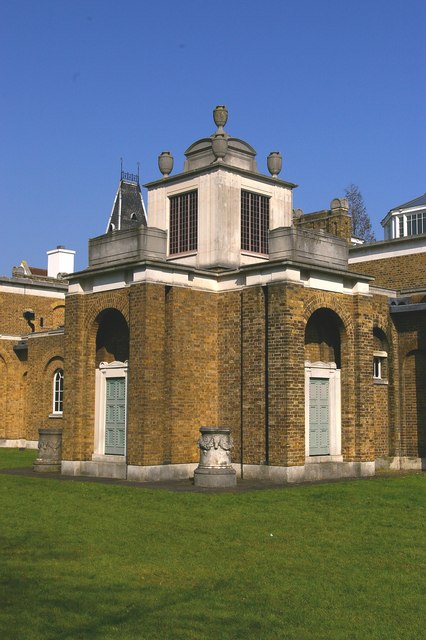
Dulwich Picture Gallery
Gallery Road, Dulwich, London SE21 7AD
Dulwich Picture Gallery is the oldest purpose-built public art gallery in the world, and it's hiding in a leafy south London suburb where most Londoners have never been. Opened in 1817, designed by Sir John Soane — the same architect behind the Bank of England — it predates the National Gallery by seven years and contains a collection that would be the centrepiece of any European capital. The building itself is Soane's masterpiece of natural light. He designed a series of top-lit rooms with lantern skylights that bathe the paintings in soft, even daylight — a revolutionary idea in 1817 that every gallery since has copied. The rooms are intimate rather than grand, which means you can stand nose-to-canvas with Rembrandt, Poussin, Rubens, Gainsborough, and Canaletto without a crowd or a queue. The collection exists because of one of art history's most improbable chain of events. Two art dealers, Noël Desenfans and Francis Bourgeois, assembled the paintings for the King of Poland — who then lost his throne in a partition before the paintings could be delivered. The dealers were stuck with a royal collection and nobody to give it to. Bourgeois left them to the school at Dulwich with the condition that they be displayed publicly, and Soane designed the gallery to house them. The founders are buried in a mausoleum that's part of the building — a slightly macabre touch that Soane, who was famously eccentric, would have loved.
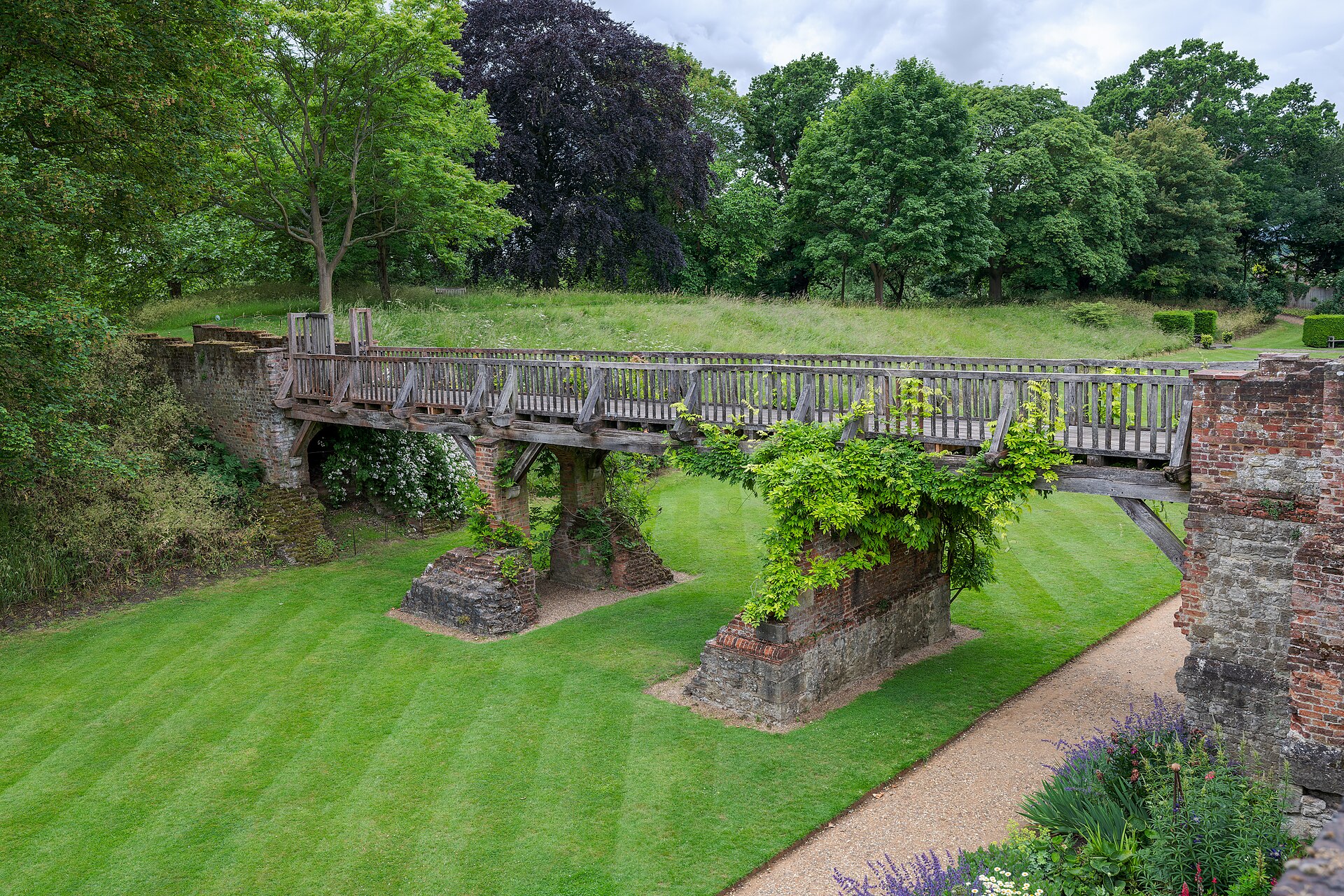
Eltham Palace
Court Yard, Greenwich, London, SE9 5NP, United Kingdom
Eltham Palace is what happens when a medieval royal residence meets a 1930s millionaire couple with exceptional taste and no interest in restraint. The great hall dates from the 1470s, built for Edward IV with one of the finest hammerbeam roofs in England. Henry VIII grew up here as a boy, playing in the gardens and hunting in the surrounding deer park. But after the English Civil War, the palace was abandoned and the great hall was used as a barn. In 1933, Stephen and Virginia Courtauld — he was the brother of art collector Samuel Courtauld — took a 99-year lease on the ruins and commissioned architects Seely & Paget to build a spectacular Art Deco home grafted onto the medieval great hall. The result is one of the most extraordinary houses in London: you walk from a fifteenth-century hammerbeam roof directly into a 1930s entrance hall by Swedish designer Rolf Engströmer, with light flooding through a glazed dome onto blackbean wood veneer and figurative marquetry panels. The Courtaulds were obsessed with technology. The house had underfloor heating in every bedroom and bathroom, a centralised vacuum cleaning system, an internal telephone exchange, and a loudspeaker system — all in the 1930s. Virginia's circular bedroom and gold-leaf bathroom were designed by Italian architect Piero Malacrida. They also kept a pet ring-tailed lemur named Mah-Jongg, who had his own heated quarters on the upper floor. The Courtaulds left in 1944, and the house fell into military and institutional use before English Heritage took it over in 1995. The 19 acres of gardens, including a moat that pre-dates the palace, have been beautifully restored. It remains one of London's greatest hidden gems — a place most Londoners have never heard of.
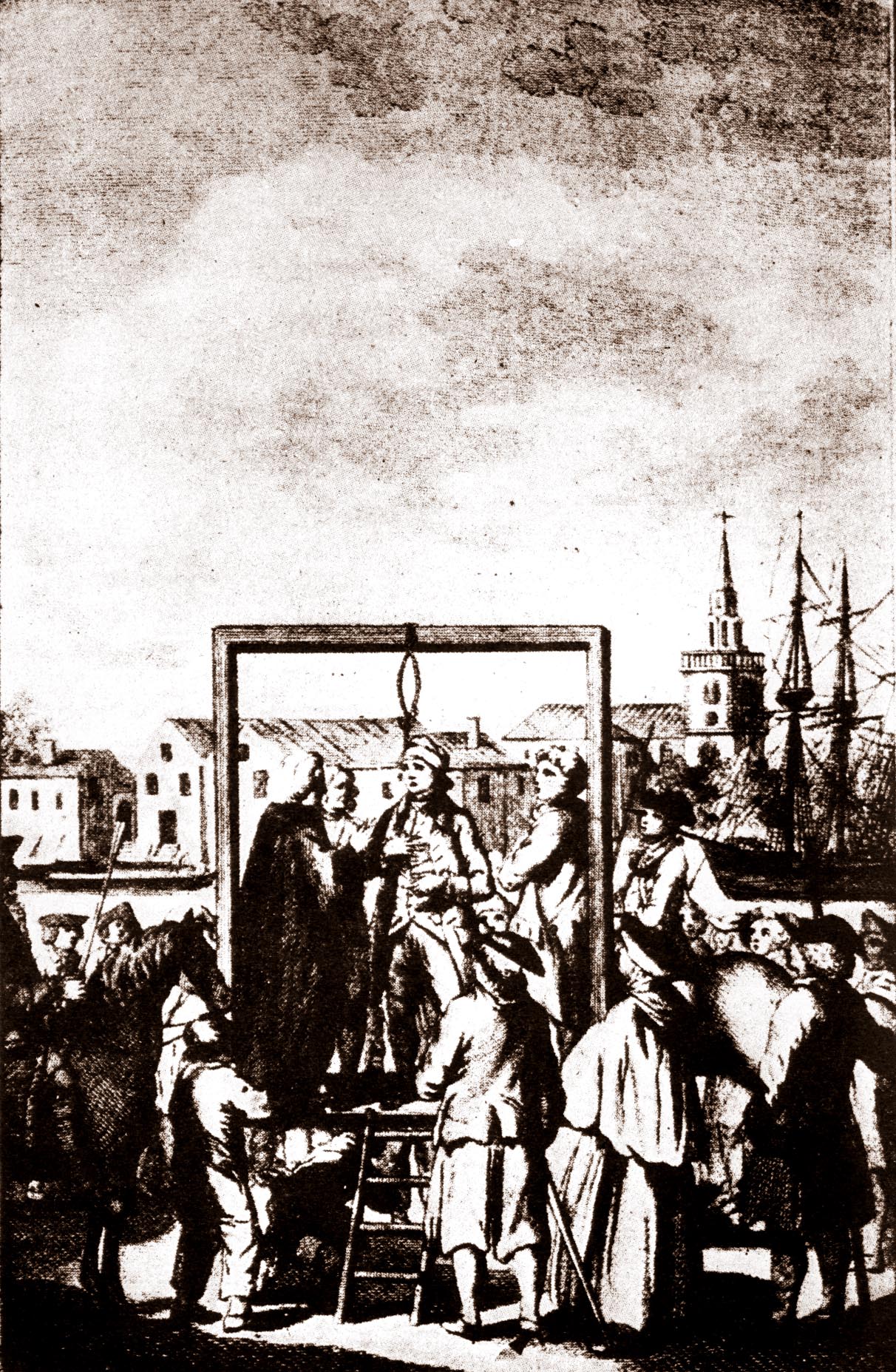
Execution Dock
80 Wapping High St, Tower Hamlets, London, E1W 2NE, United Kingdom
For four hundred years, this stretch of Thames waterfront was where London killed its pirates. Execution Dock operated from the early fifteenth century until eighteen thirty, and the method was designed for maximum cruelty and maximum spectacle. The rope was deliberately shortened so the drop wouldn't break the neck. Pirates died slowly by strangulation, their limbs convulsing in what spectators called the Marshal's dance. It could take twenty minutes. The Admiralty wanted it to hurt, and they wanted everyone watching from the river to see it hurt. After death, the body was left hanging until three tides had washed over it — a ritual that symbolised the Admiralty's jurisdiction over the waters. The most notorious pirates got an encore: their corpses were coated in tar to slow decomposition, locked in iron cages called gibbets, and hung along the Thames estuary for months or years as a warning to passing ships. Captain William Kidd got the full treatment. Hanged here on the twenty-third of May seventeen oh-one, his tarred body was displayed in a gibbet at Tilbury Point for three years. The first rope broke during his execution and he had to be hanged twice. The last executions at the dock were George Davis and William Watts in eighteen thirty, convicted of piracy and murder. After that, the Admiralty switched to hanging pirates at Newgate like common criminals. The exact location of the dock is disputed. Three riverside pubs claim the spot: the Prospect of Whitby, which has replica gallows out the back, the Captain Kidd, and the Town of Ramsgate near Wapping Old Stairs. All three serve decent pints. None of them mention the exploding corpses.
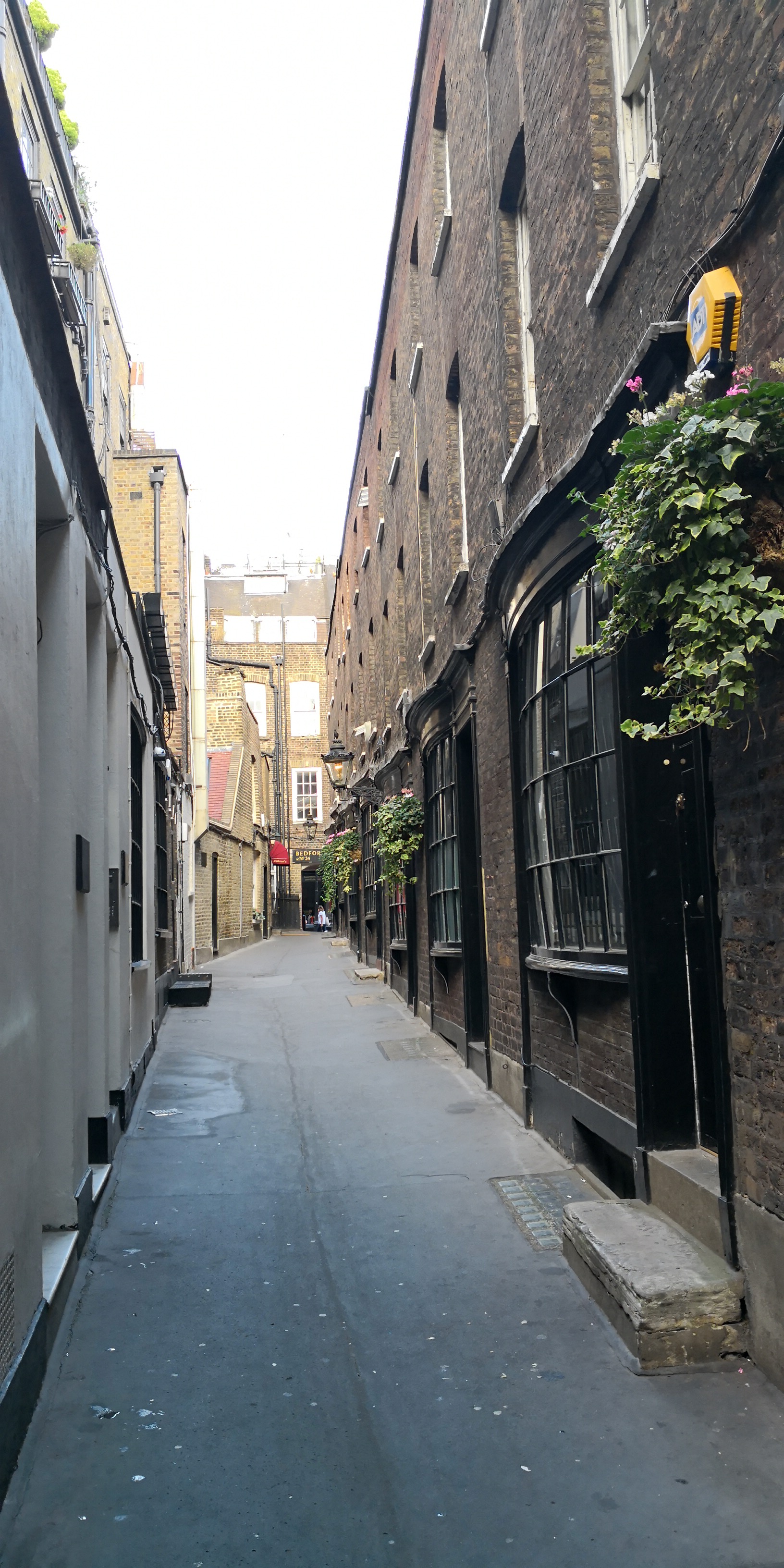
Goodwin's Court
City of Westminster, London, United Kingdom
Most people walk past the entrance to Goodwin's Court without noticing it. It's a narrow gap off St Martin's Lane, between Leicester Square and Covent Garden — two of the busiest spots in London. Step through, and you're suddenly in sixteen ninety. The houses on the south side were built in that year, making them over three hundred and thirty years old. They feature late eighteenth-century bow-fronted shopfronts with original leaded glass windows — the kind with bullseye panes, where the glass has that distinctive circular ripple from the way it was hand-spun. Those ten-inch-deep bow windows weren't an aesthetic choice. They were built to comply with the Building Act of seventeen seventy-four, which was designed to stop fire spreading between buildings after the trauma of the Great Fire. The alley has a persistent reputation as the inspiration for Diagon Alley in the Harry Potter books. It's not hard to see why — the narrow passage, the old-fashioned shopfronts, the gas-lamp-style lighting. Multiple Harry Potter fan sites and tour guides claim it as the original. But J.K. Rowling has never confirmed this, and Leadenhall Market and Cecil Court make the same claim. It might be all of them. It might be none. Nell Gwynn — Charles the Second's most famous mistress — is alleged to have lived here, though there's no solid evidence for it. What is solid is the architecture. These are among the best-preserved late seventeenth-century domestic fronts in London, sitting in plain sight on one of the most-walked streets in the West End, noticed by almost nobody. Sometimes the best hiding places are right in the middle of everything.
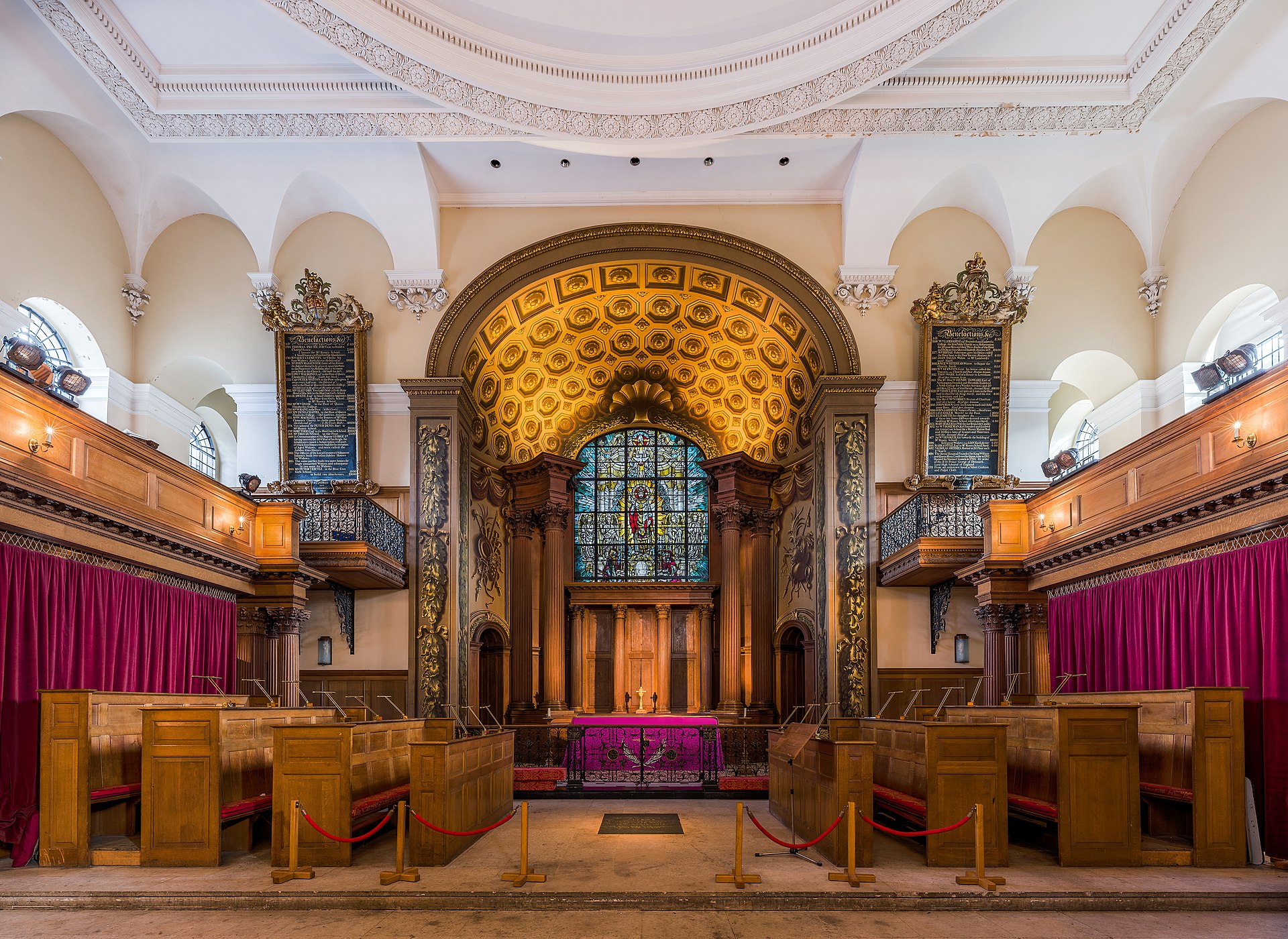
Greenwich (Royal Observatory & Prime Meridian)
Blackheath Ave, London SE10 8XJ
Every timezone on Earth is measured from a line in the courtyard of this small hilltop observatory. The Prime Meridian — zero degrees longitude — runs through Greenwich because in 1884 an international conference in Washington DC decided that this was the centre of the world, or at least the centre of timekeeping. The line was actually established in 1851 by George Airy, the seventh Astronomer Royal, using his Transit Circle telescope to define the precise north-south line. Around 600,000 observations were made through this instrument over the following century. Charles II founded the Royal Observatory in 1675 with a single, urgent purpose: to solve the problem of longitude at sea. Ships kept crashing because nobody could reliably calculate east-west position. John Flamsteed, the first Astronomer Royal, set to work mapping the stars from this hill, and the quest eventually led to John Harrison's revolutionary marine chronometers, which solved the longitude problem and saved countless lives. There's a wonderful irony buried in the courtyard: the actual Prime Meridian, as calculated by modern GPS, runs 102.5 metres to the east of the brass line that tourists queue to straddle. The shift happened in 1984 when satellite-based measurements replaced the old astronomical observations. Nobody moved the line. The tourists are technically standing in the wrong place, but the photo opportunities are too good to let accuracy get in the way. Greenwich is a UNESCO World Heritage Site, and the view from the observatory hill is one of the finest in London — the Queen's House, the Old Royal Naval College, the Thames, and the glass towers of Canary Wharf aligned like a timeline of British ambition from maritime empire to financial capital.
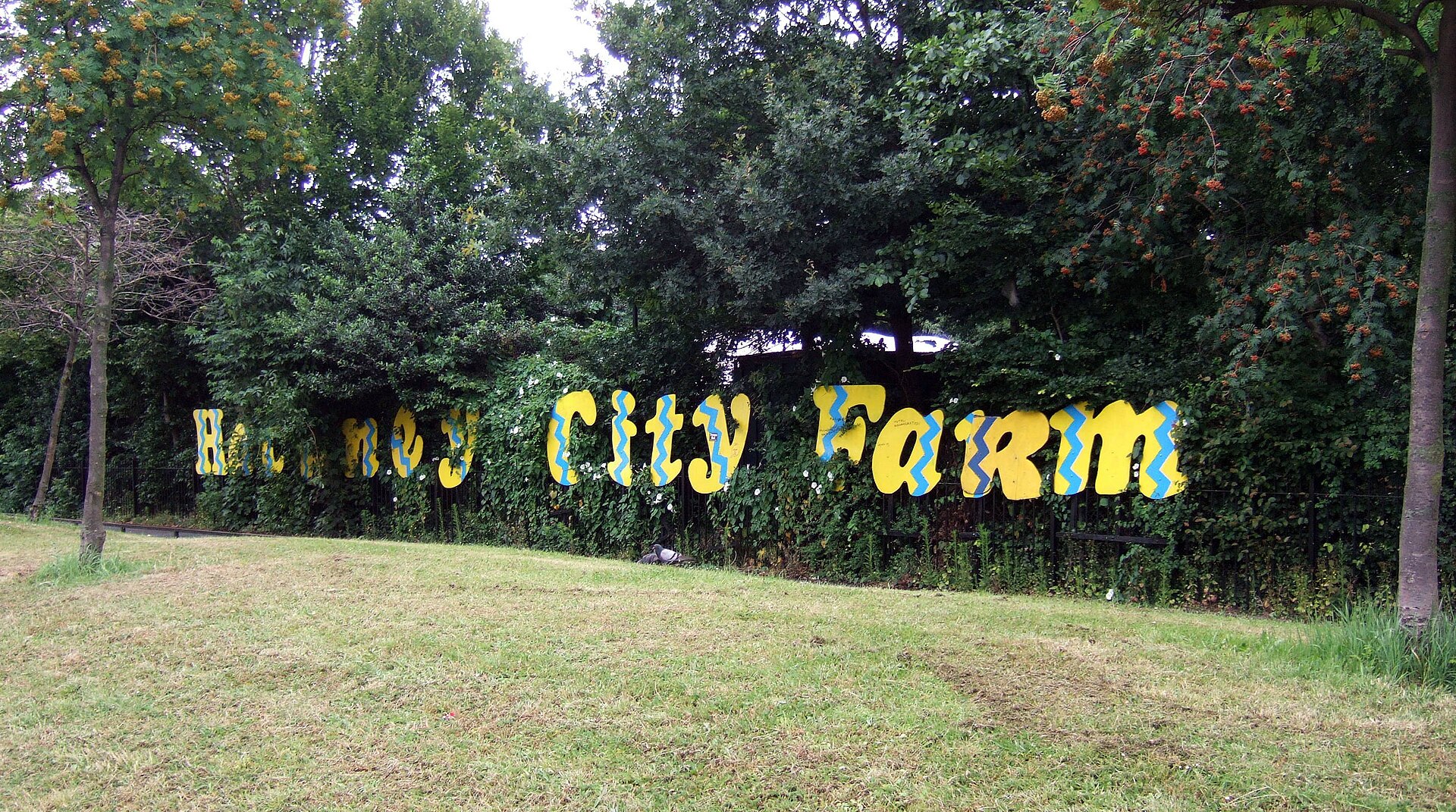
Hackney City Farm
1A Goldsmith's Row, Hackney, London, E2 8QA, United Kingdom
There's a working farm in Haggerston with donkeys, pigs, sheep, and bees — and it's completely free. Hackney City Farm sits on a site that's been feeding London for over two hundred years. In the early eighteen hundreds, farmers and market gardeners grew produce here for the city. Then West's Brewery moved in during the late eighteen eighties and brewed beer until the nineteen thirties, supplying pubs along Hackney Road and Bethnal Green. The well they used for brewing water is still there, capped in the front garden. After the brewery closed, the site passed through furniture makers and button manufacturers before the Jeakins family turned it into a road haulage depot from nineteen forty onwards. By the early nineteen eighties, it was a derelict lorry park. A group of locals — inspired by the success of Kentish Town City Farm — started keeping a few animals in the nearby Covent Gardens in nineteen eighty-two. Two years later, Hackney Council gave them a hundred-year lease on this site, and they transformed it from a dirty truck yard into a proper working farm. Today there are poultry, sheep, rabbits, pigs, bees, and a donkey. The on-site restaurant Frizzante won Time Out's best family restaurant award in two thousand and four. In twenty fifteen, the farm registered with Ofsted as an alternative school for up to ten pupils aged thirteen to seventeen — teenagers who'd fallen out of mainstream education, learning through animal husbandry and horticulture instead of textbooks. It's a registered charity, entirely free to visit, and most Londoners have no idea it exists.
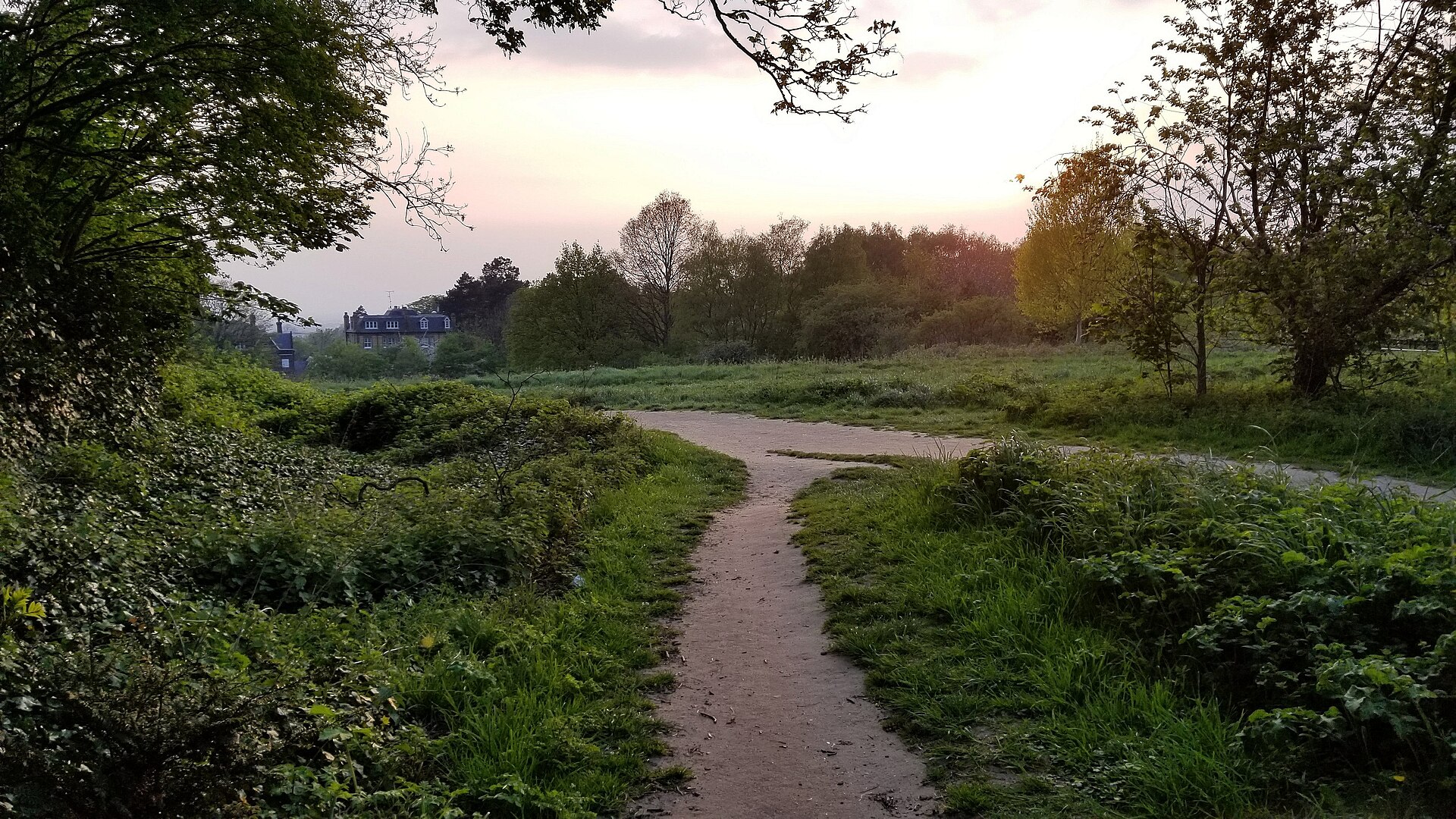
Hampstead Heath & Hill Garden Pergola
Camden, London, United Kingdom
Hampstead Heath is 320 hectares of ancient heathland, swimming ponds, and meadows in north London — a rough, half-wild landscape that has survived every attempt to develop it since the 17th century. Unlike London's royal parks, which were deliberately designed, the Heath just happened, which is why it feels more like countryside than city. The views from Parliament Hill across the London skyline are protected by law. Hidden in the northwest corner of the Heath is the Hill Garden and Pergola, one of London's most extraordinary secret spaces. Lord Leverhulme — the soap magnate who founded Lever Brothers in 1885 — bought "The Hill," a large house on the Heath's edge, in 1904 and hired Thomas Mawson, the era's most celebrated landscape architect, to build an Edwardian garden of outrageous ambition. Construction on the raised pergola began in 1905. The engineering challenge was immense: how do you build a raised walkway on a hillside without enough earth to support it? The answer came from the nearby extension of the Northern Line underground — a deal was struck to divert the spoil from the tunnel excavation to The Hill, solving two problems at once. The resulting pergola is an Italianate colonnade of columns, beams, and climbing plants that runs for hundreds of metres along the hill's edge, with views over the Heath on one side and secret walled gardens on the other. The pergola is Grade II* listed, a designation given to just 5.8% of listed buildings in England. Lord Leverhulme used it for lavish Edwardian garden parties, but today it's a place of extraordinary quietness. Most Londoners have no idea it exists, and even finding the entrance — through an inconspicuous gate in a residential street — is part of the adventure.
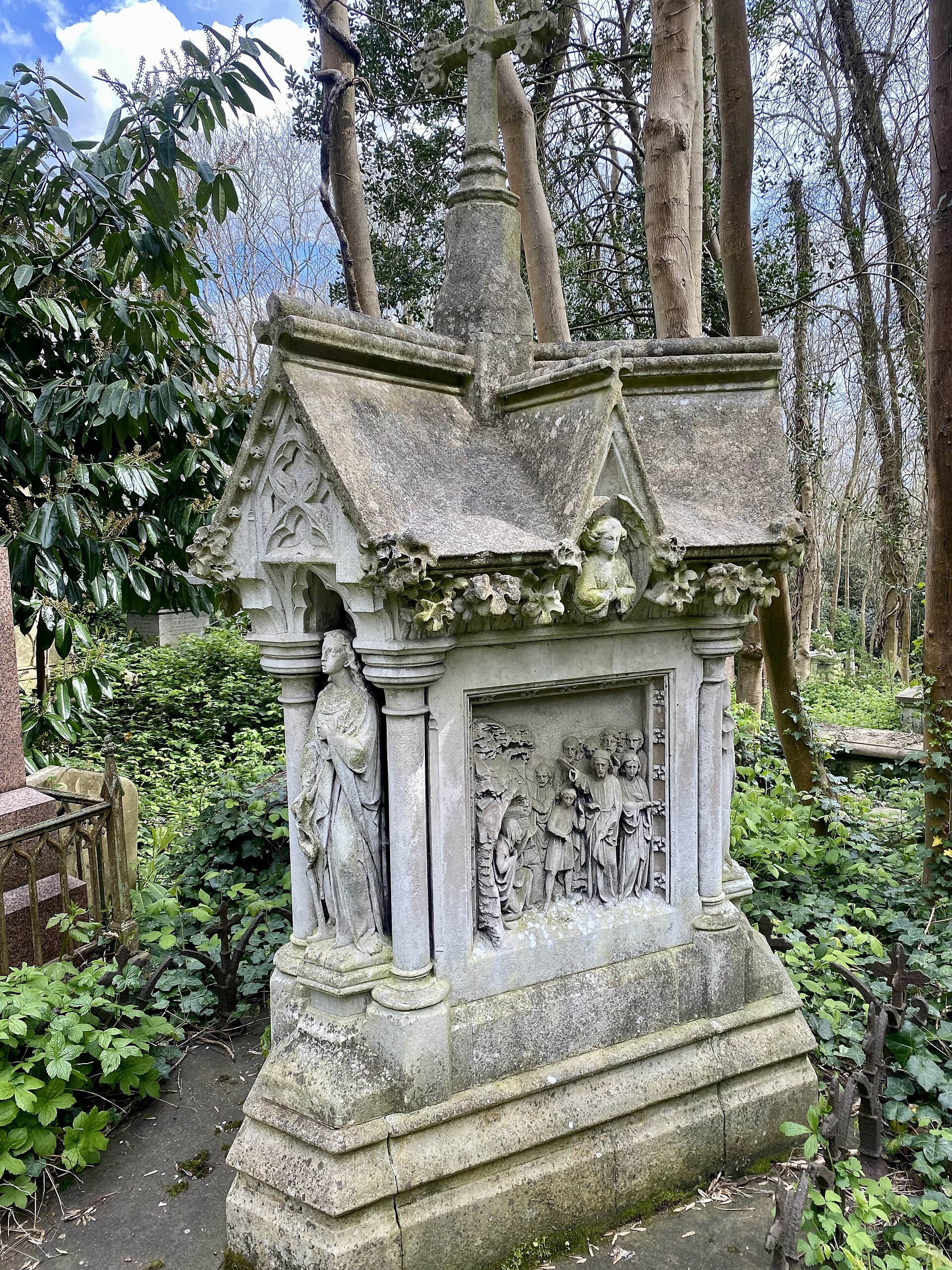
Highgate Cemetery (West)
Swain's Lane, Camden, London, N6, United Kingdom
This place was built because London was literally drowning in its own dead. By the eighteen thirties, the city's churchyards were so overcrowded that coffins were stacking up and bursting open. Gravediggers would cram bodies in at night, sometimes cutting corpses apart to make them fit. The stench was unbearable, and the water supply was being poisoned by decomposing remains. Parliament's solution: build seven commercial cemeteries in a ring around London. They became known as the Magnificent Seven. Highgate, opened in eighteen thirty-nine, was the showpiece. And they went all in on the drama. Walk through the Egyptian Avenue and you'll understand. It was originally an enclosed tunnel — not the open walkway you see now — designed to make visitors feel like they were entering a pharaoh's tomb. Sixteen vaults line either side, their stone doors sealed with iron. The Victorians were obsessed with Egypt after Napoleon's campaigns, and they brought that obsession to their cemeteries. Death as theatre. The most famous resident is over in the East Cemetery — Karl Marx, buried here in eighteen eighty-three. His enormous bust draws visitors from around the world. What fewer people know is that someone tried to blow up his tomb. Twice. Once on the second of September nineteen sixty-five, and again in nineteen seventy. The damage is still visible on the plinth. Over time, the West Cemetery was abandoned and nature took over. Trees split open mausoleums. Ivy consumed angels. Fox families moved into vaults. When restoration began in the nineteen seventies, volunteers had to machete their way through the undergrowth. It's controlled now, but they've deliberately left some of the wild overgrowth — the tension between Victorian grandeur and creeping nature is the whole point.
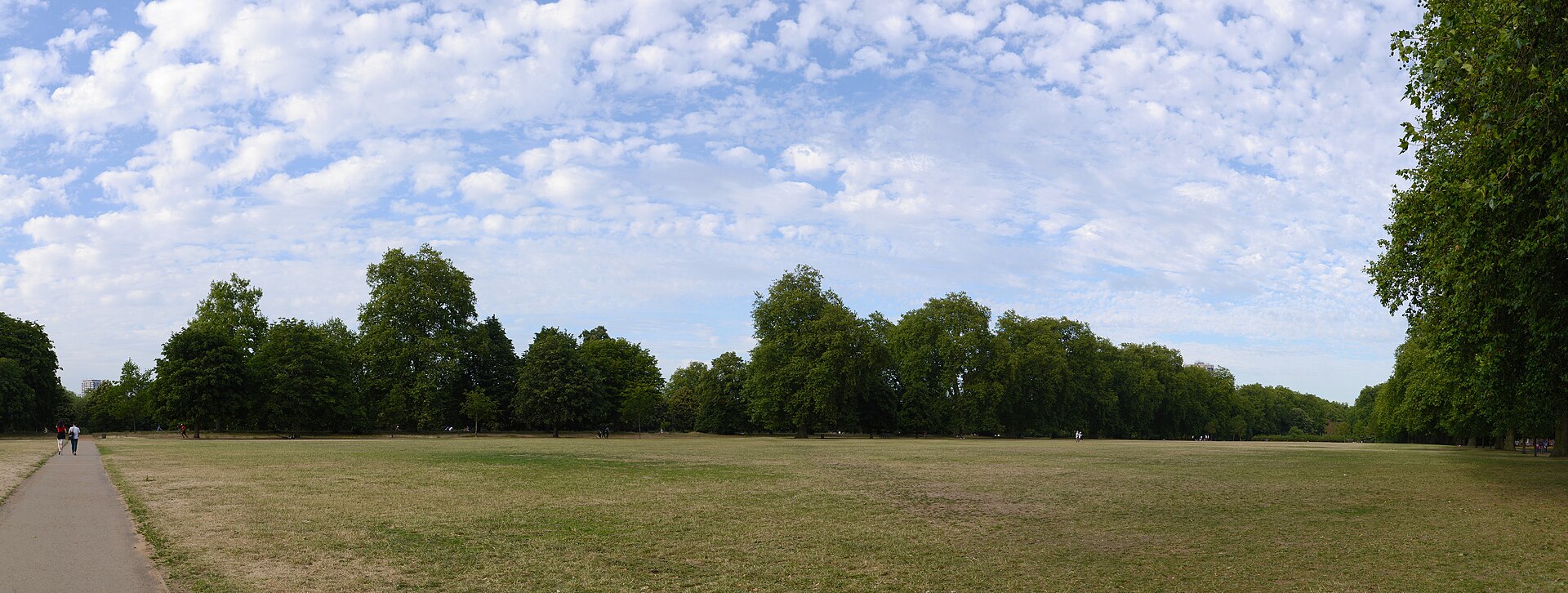
Hyde Park & The Serpentine
Hyde Park, London W2 2UH
Henry VIII seized this land from the monks of Westminster Abbey in 1536, turning it into a private hunting ground stocked with deer. It stayed royal for centuries before Charles I opened it to the public in 1637, making Hyde Park one of the first public parks in London. Today it covers 142 hectares — large enough that you can genuinely lose sight of the city from certain angles. The Serpentine, the curving lake that runs through the park, was created in 1730 at the request of Queen Caroline, who wanted something more interesting than the straight artificial lakes that were fashionable at the time. Workers dammed the Westbourne stream to create a forty-acre lake with gentle, natural-looking curves — one of the first designed to look wild rather than geometric. The name comes from its snakelike shape, though it really only has one bend. The water was originally pumped from the Thames but now comes from three boreholes within the park. Every Christmas morning since 1864, swimmers have raced a hundred yards across the freezing Serpentine. In 1904, J.M. Barrie — the creator of Peter Pan — donated the Peter Pan Cup to the winner, a tradition that continues today. The park also hosts Speaker's Corner near Marble Arch, where since 1872 anyone can stand up and say anything they like. Karl Marx, George Orwell, and the Suffragettes all spoke here. Hyde Park has been the site of protests, concerts, and the Great Exhibition of 1851, which took place in Joseph Paxton's Crystal Palace — a structure of iron and glass so radical it helped invent modern architecture. The palace was moved to Sydenham after the exhibition, where it burned down in 1936.
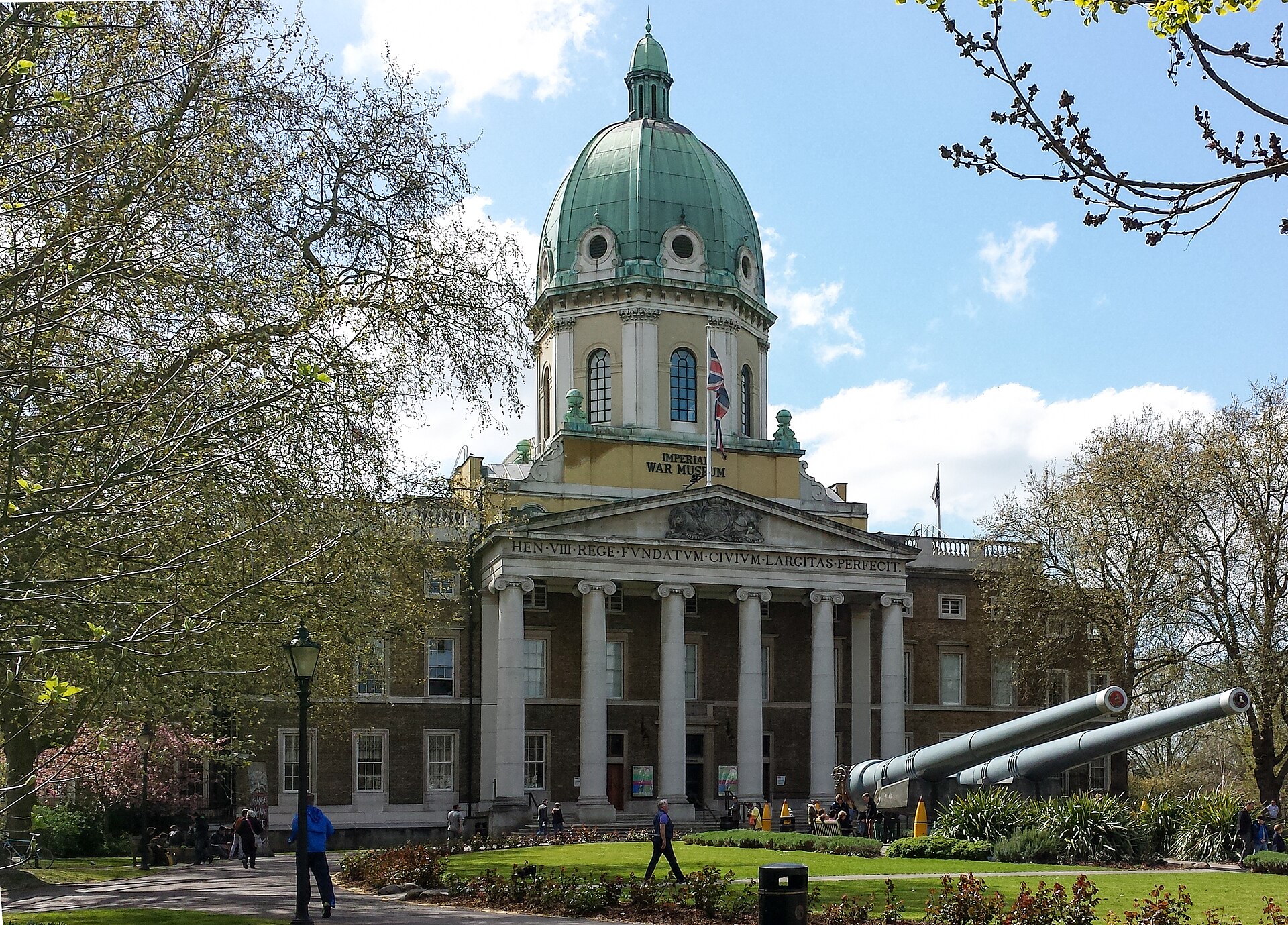
Imperial War Museum
Lambeth Road, London SE1 6HZ
The Imperial War Museum sits in what used to be the Bethlem Royal Hospital — better known as 'Bedlam,' the world's most infamous asylum. The building's dome and grand colonnades give it a stately appearance that jars beautifully with the two 15-inch naval guns flanking the entrance, barrels pointed at the sky like a warning or a memory. Inside, the atrium is dominated by suspended aircraft, tanks, and a V-2 rocket that hangs overhead like a sword of Damocles. But the museum's real power is in the personal stories. The Holocaust Exhibition on the upper floors is one of the most devastating museum experiences in the country — not because of what it shows, but because of how carefully it lets individual voices tell the story. You'll need time afterwards. The First World War galleries, redesigned for the centenary, recreate a section of the Somme trenches complete with sound, smell, and the claustrophobic dimensions of the real thing. The Secret War exhibition covers espionage from MI5 and MI6 with the kind of deadpan British understatement that only makes the stories more chilling. And it's all free — one of London's greatest museums that most tourists walk past on their way to the South Bank, not realising that the building behind those naval guns contains some of the most powerful storytelling in the city.
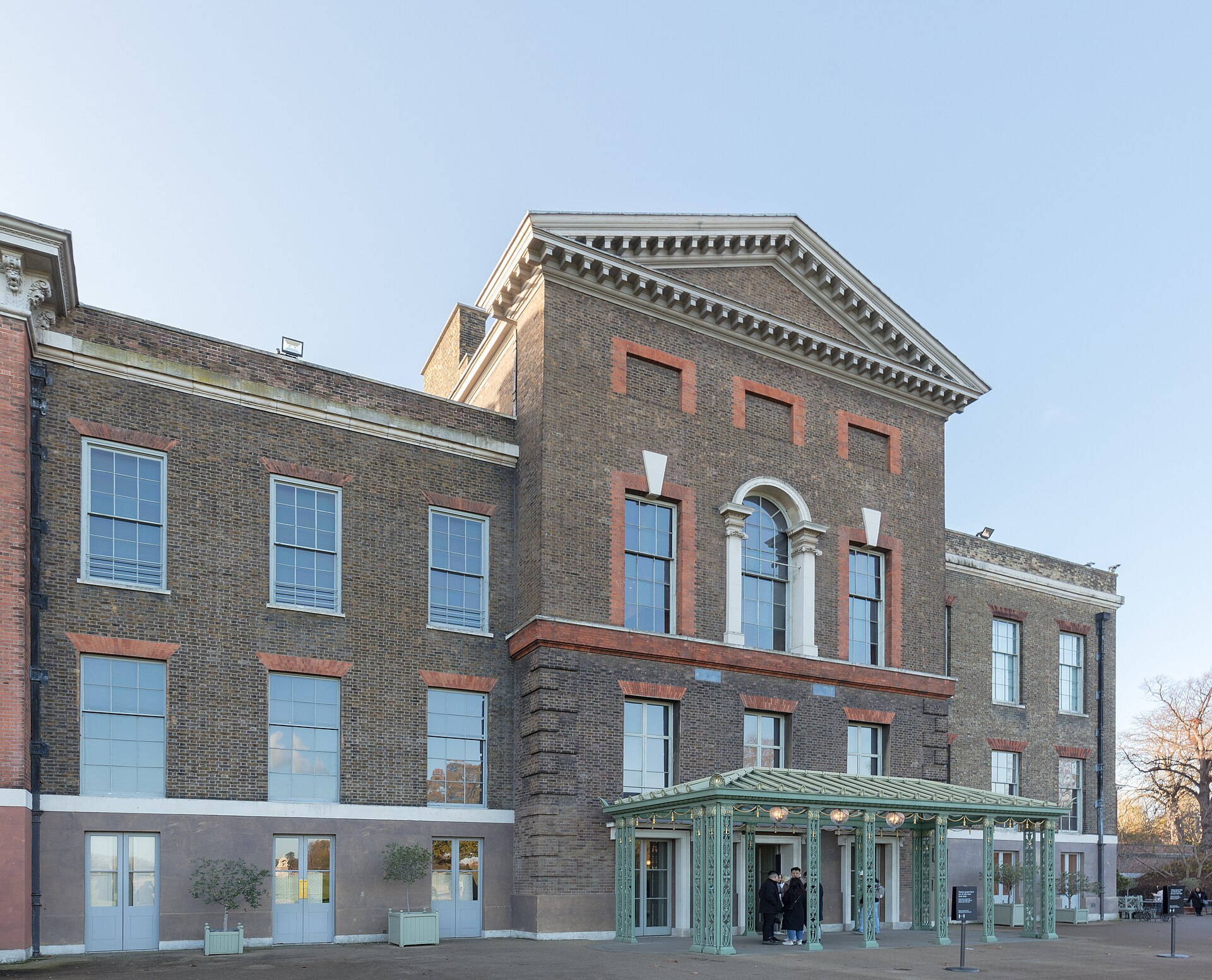
Kensington Palace
Kensington and Chelsea, London, United Kingdom
William III bought this place in 1689 because Whitehall Palace was making his asthma worse. The damp air from the Thames aggravated his lungs, and he wanted somewhere higher and drier. So he acquired a Jacobean mansion from the Earl of Nottingham and had Christopher Wren reshape it into something fit for a king. It's been a royal residence ever since, though it's never been the grandest or most glamorous — more a family home with a crown on the letterbox. Queen Victoria was born here in 1819 and spent her entire childhood within these walls, famously learning of her accession to the throne in the early hours of 20 June 1837 when the Archbishop of Canterbury and the Lord Chamberlain arrived to tell her that her uncle William IV had died. She was eighteen years old and still in her nightgown. She moved to Buckingham Palace almost immediately. The palace became indelibly linked with Princess Diana, who lived in Apartments 8 and 9 from her marriage to Charles in 1981 until her death in 1997. After the divorce in 1996, she chose to stay, raising William and Harry there. When she died on 31 August 1997, the palace gates became the focal point of an extraordinary public outpouring — over a million bouquets were laid, reaching five feet deep in places and stretching far into Kensington Gardens. Today the palace houses the Royal Ceremonial Dress Collection and exhibitions about its most famous residents. The Sunken Garden, originally created for Queen Mary in 1908, was redesigned in 2017 as a white garden in Diana's memory. Prince William and Catherine now live in Apartment 1A — the same wing where Victoria once played.
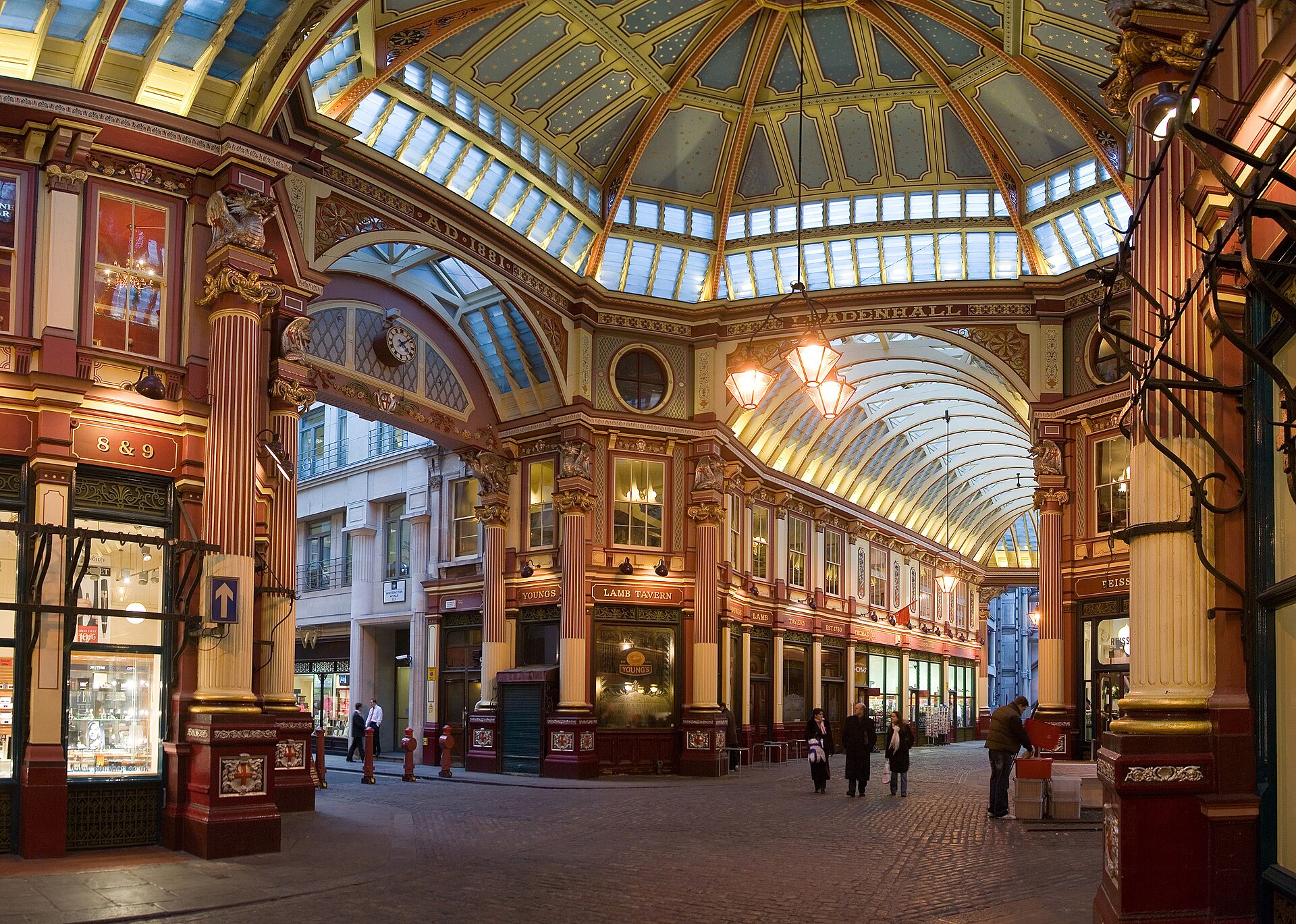
Leadenhall Market
Gracechurch Street, City of London, London, EC3V, United Kingdom
You're standing inside one of London's most beautiful Victorian buildings — all ornate ironwork, painted ceilings, and cobblestones. But look down. Directly beneath your feet lie the remains of Roman London's Forum and Basilica, rebuilt around one hundred AD to be the largest Roman building north of the Alps. Bigger than Trafalgar Square. The administrative heart of Londinium is right here, under a market that now sells artisan cheese and craft beer. The current structure was designed by Horace Jones in eighteen eighty-one — the same architect who designed Tower Bridge. Jones had a thing for ornamental ironwork and didn't hold back. The cream and maroon colour scheme, the glass roof, the dragon motifs — it's all his. The market itself has been here in some form since the fourteenth century, originally as a poultry and game market. The name probably comes from a lead-roofed mansion that stood on the site. Now, if you're a Harry Potter fan, head to Bull's Head Passage. That's the narrow alley running off the south side of the market. In the first film, it doubled as the exterior of Diagon Alley and the entrance to the Leaky Cauldron. The blue doorway at number forty-two was the pub entrance. The set designers didn't need to change much — the Victorian market already looked more magical than most film sets. This is the kind of London layering that gets to you if you think about it. Romans built their civic centre here two thousand years ago. Medieval merchants sold poultry here. Victorians wrapped it in painted iron. And then a fictional wizard walked through it to buy a wand. Same spot. Two millennia of stories, piled on top of each other.
Little Venice
City of Westminster, London, United Kingdom
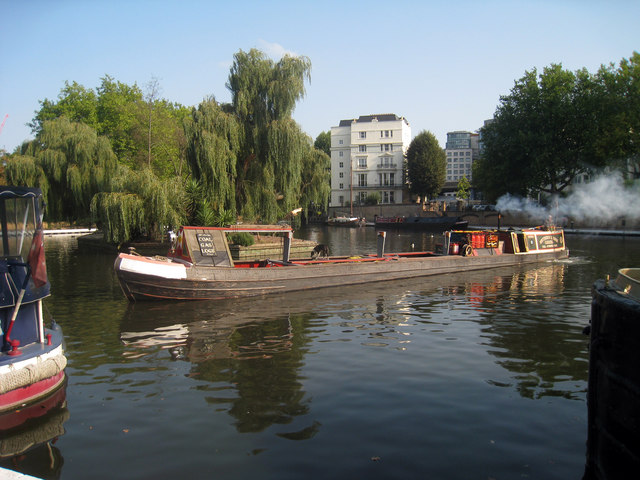
Everyone credits Robert Browning with naming this place, and everyone is wrong. The poet did live at 19 Warwick Crescent from 1861 to 1868, overlooking the canal basin, but the nickname "Venice" was actually used by Lord Byron decades earlier. Somewhere along the line, history swapped one Romantic poet for another and the myth stuck. The name "Little Venice" didn't come into formal use until after World War II, and the area was officially recognised under that name only in the 1950s. Little Venice sits at the junction of three waterways: the Paddington Arm of the Grand Union Canal, Regent's Canal, and the entrance to Paddington Basin. The triangular pool at the junction was designed to allow long narrowboats to turn around, and it creates an unexpectedly tranquil stretch of water surrounded by white stucco mansions and weeping willows. The canal arrived at Paddington in 1801, when this was still a village on the outskirts of London. Regent's Canal, completed in 1820, connects Little Venice to Camden Lock, the London Zoo, and eventually the Thames at Limehouse. John Nash produced the masterplan in 1811 for the Prince Regent, and the canal was as much a piece of urban design as it was infrastructure. Today you can walk or take a narrowboat along the towpath all the way to Camden — a journey of about an hour that feels like it belongs in another century. The Puppet Theatre Barge has been moored here since 1982, performing puppet shows for children and adults in a converted narrowboat. Every May, the canal comes alive during the Canalway Cavalcade, when hundreds of decorated narrowboats gather for a festival that has been running since 1983.
London Eye
Westminster Bridge Road, Westminster, London, SE1 7PB, United Kingdom
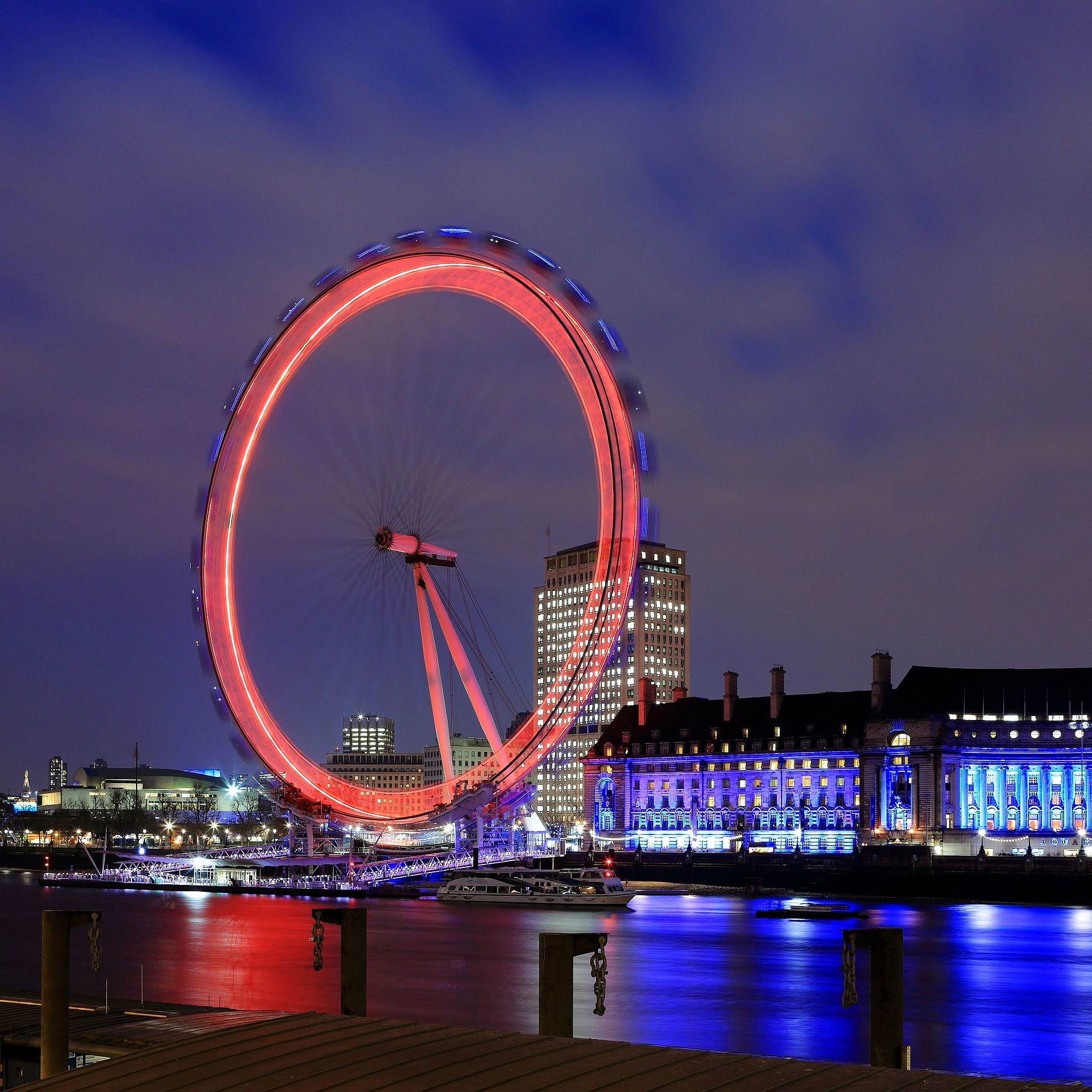
They built this thing to be temporary. The London Eye was supposed to stand for just five years — a flashy millennium novelty that would be dismantled and forgotten by 2005. Instead, it became the most popular paid tourist attraction in the UK and one of the defining shapes of the London skyline. Funny how the things we don't plan to keep become the ones we can't imagine losing. The wheel stands 135 metres tall and was, from its completion in 1999 until 2006, the tallest Ferris wheel on Earth. It carries thirty-two sealed, air-conditioned capsules — one for each of London's boroughs, though there's no capsule number thirteen, because superstition apparently outranks civic completeness. Each capsule holds twenty-five passengers and sits on motorised mounts that keep it level as the wheel rotates. A full revolution takes roughly thirty minutes. The opening was a comedy of engineering ambition. Tony Blair ceremonially "opened" it on New Year's Eve 1999, but a capsule clutch problem meant no paying passengers rode until 9 March 2000. Getting it upright in the first place was a drama — the wheel was assembled flat on pontoons in the Thames, then slowly raised to vertical over several nail-biting days while the world watched. On a clear day, the views stretch for forty kilometres in every direction, encompassing Windsor Castle to the west and the North Downs to the south. The Eye has carried over eighty million passengers since opening, which makes it one of the most visited structures in the world. It has also become the centrepiece of London's New Year's Eve fireworks display — proof that temporary things have a way of becoming permanent traditions.
London Stone
Bexley, Bexleyheath, United Kingdom
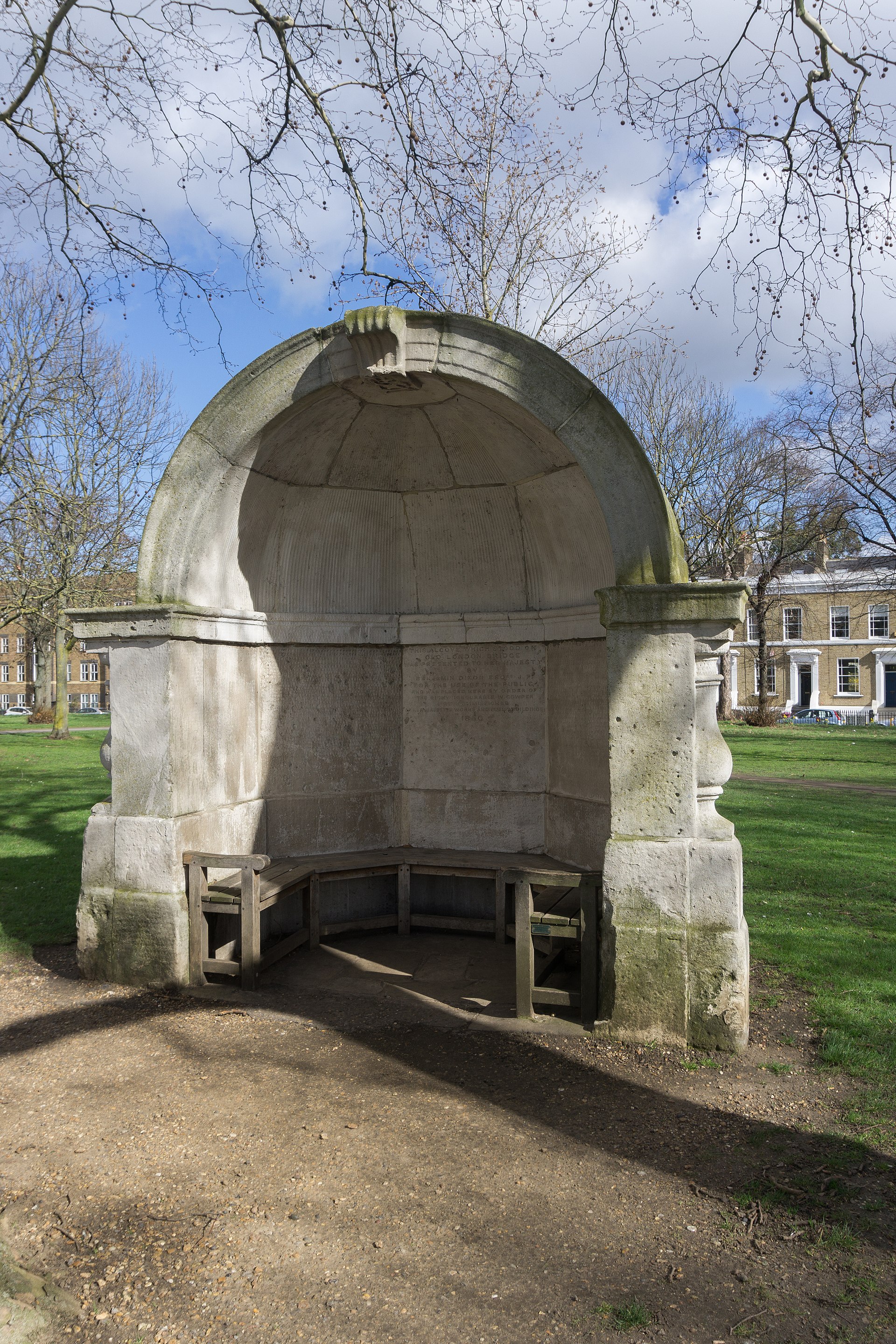
Behind the metal grille in the wall of a WH Smith on Cannon Street sits one of the most mysterious objects in London. It's a lump of oolitic limestone, roughly the size of a small suitcase, and nobody — not a single historian, archaeologist, or geologist — can tell you with certainty what it is or why it's here. The theories are fantastic. It might be the Roman milliarium, the central milestone from which all distances in the province of Britannia were measured. It might be a Druidic altar. Some believe it's the magical heart of London — a talisman that protects the city. The name was first recorded around eleven hundred AD, which means it was already ancient and mysterious to people nine hundred years ago. In fourteen fifty, rebel Jack Cade marched on London, struck the stone with his sword, and declared himself Lord of the City. Shakespeare wrote the scene into Henry the Sixth Part Two. There's a famous prophecy: "So long as the Stone of Brutus is safe, so long will London flourish." Sounds ancient and portentous, right? It was actually invented by an eccentric Welsh clergyman around eighteen sixty-two. Completely made up. But it stuck. The stone has been moved multiple times. It used to sit in the middle of the street. Then it was built into the wall of St Swithin's Church. When the church was bombed in the Blitz, the stone survived. It was temporarily housed in the Museum of London before being returned to Cannon Street in twenty eighteen, placed inside a new glass and steel case in the wall of the WH Smith. So the magical heart of London, the ancient Druidic altar, the Roman milestone to nowhere — it now lives in a newsagent. That feels very London.
Maltby Street Market
Ropewalk, Bermondsey, London, SE1 3PA, United Kingdom
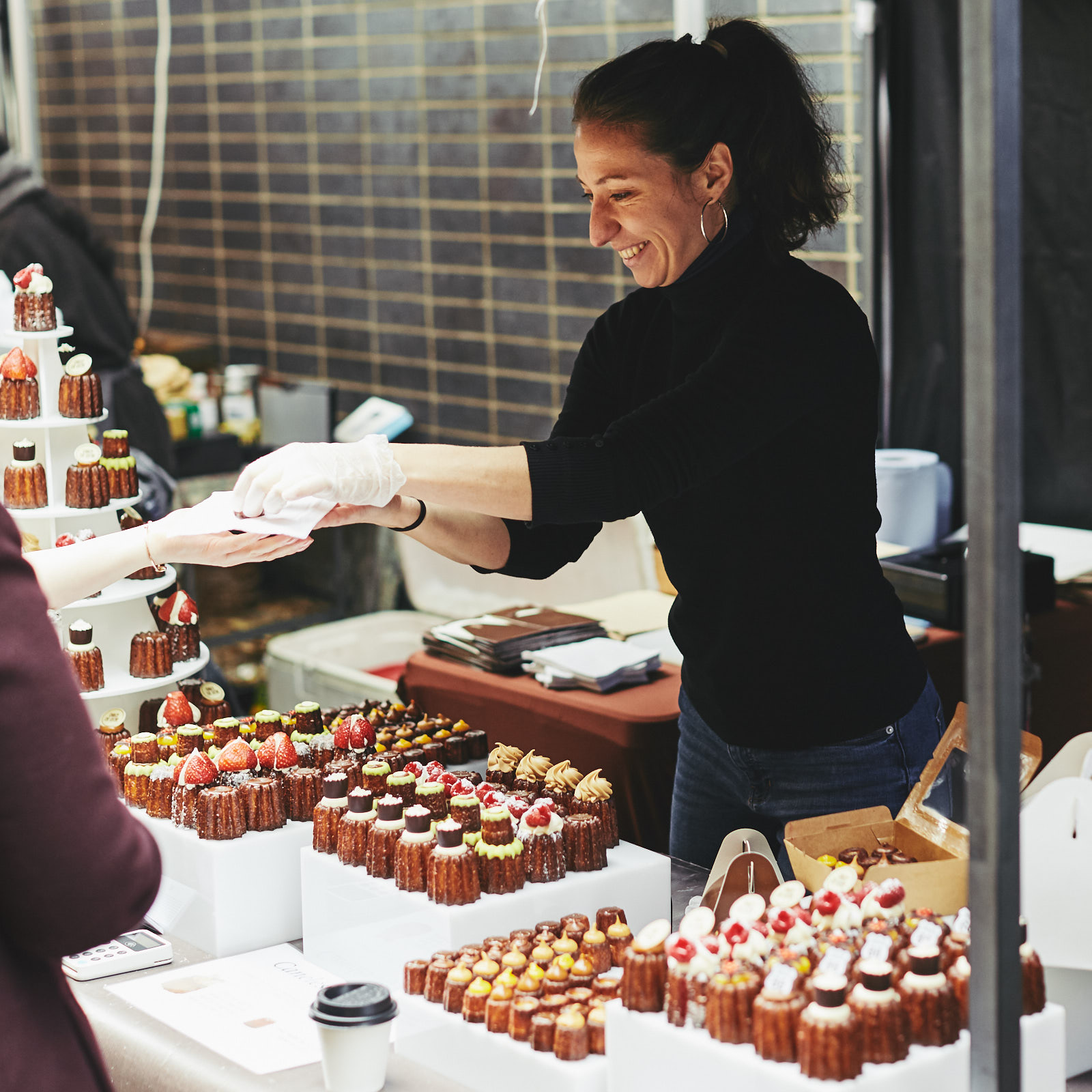
If Borough Market is the famous older sibling, Maltby Street Market is the cooler younger one that the locals don't want you to know about. Tucked beneath Victorian railway arches in Bermondsey, this weekend food market started in 2009 when the owners of LASSCO, an architectural salvage company, offered their yard to a handful of food traders as a way of using the space on quiet Saturdays. It has stayed deliberately, stubbornly small. The railway arches themselves are the real history here. Built between 1836 and 1839 for the London and Greenwich Railway, they carried the capital's first steam railway and the earliest elevated railway in the world. The seven arches that run the length of the market now house permanent restaurants, bars, and food businesses — the kind of places that smoke their own brisket, cure their own charcuterie, and bake sourdough at four in the morning. The market's charm is in its intimacy. Where Borough Market can feel like navigating a rugby scrum, Maltby Street has the feel of a neighbourhood gathering. The narrow yard, surrounded by salvage yards and industrial buildings, creates an atmosphere that's more Berlin than London. On a Saturday morning you might find Waffle On making Belgian waffles with Nutella, Bad Brownie selling their famous salted caramel slabs, and St John bakery pulling doughnuts from the oven. Maltby Street itself was once the site of a ropewalk — a long, narrow path where rope makers twisted hemp fibres into the ropes that rigged the ships docked downstream. The name Rich's Ropewalk has carried over to the present day in the market yard's name, a quiet reminder that this patch of Bermondsey has been a working space for centuries.
Marble Arch and the Tyburn Gallows
1–3 Marble Arch, City of Westminster, London, W1H, United Kingdom
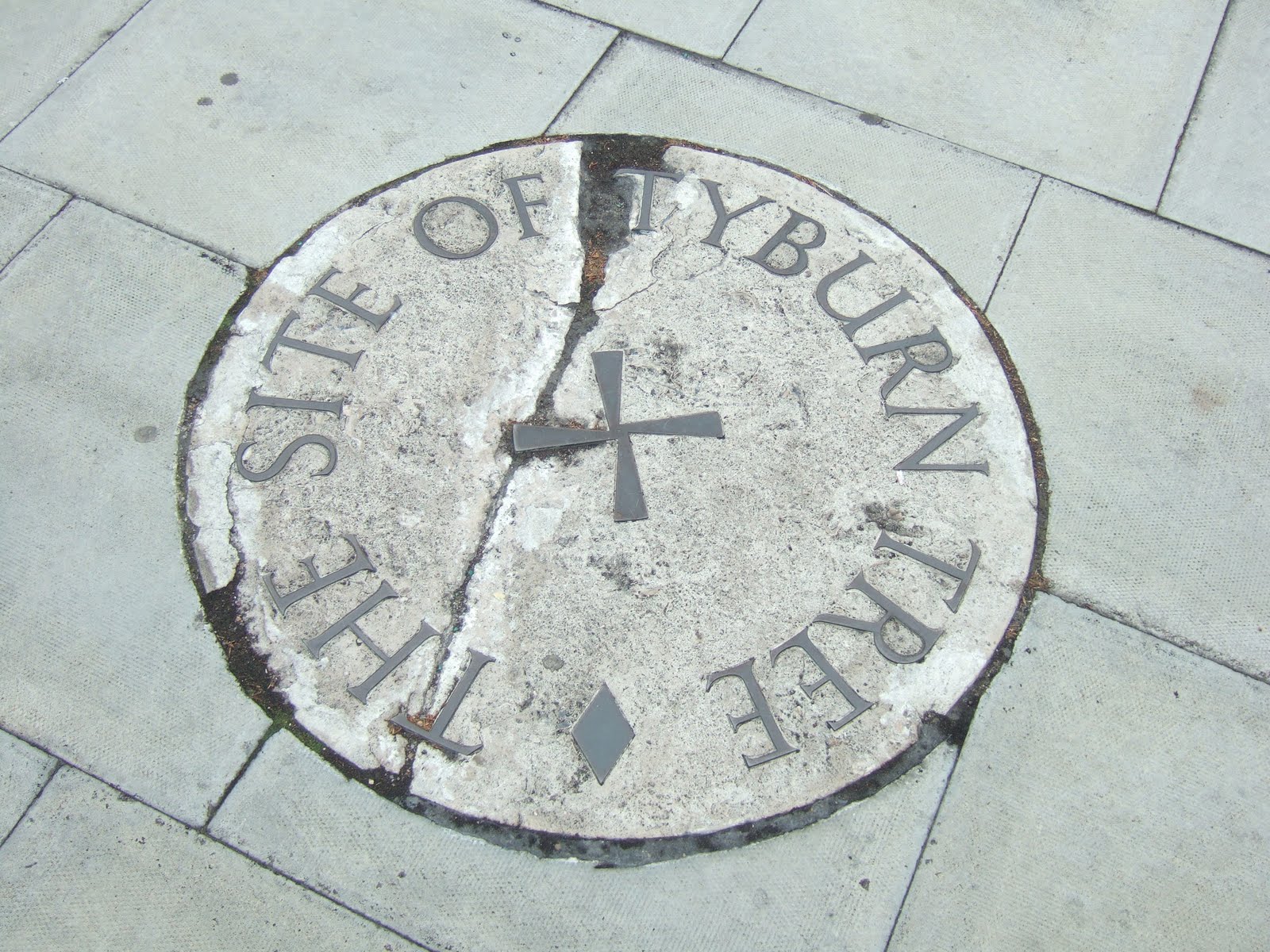
Every time you walk down Oxford Street toward Marble Arch, you're retracing the final journey of fifty thousand condemned prisoners. This junction — now a traffic-choked roundabout — was London's primary execution site for six hundred years, from eleven ninety-six to seventeen eighty-three. If you look carefully at the traffic island on the corner of Edgware Road and Bayswater Road, you'll spot a tiny circular plaque set into the pavement. That's the marker. Most people walk right past it. The original gallows, erected in fifteen seventy-one, was a triangular wooden frame called the Tyburn Tree. Three beams, three uprights, and enough rope to hang twenty-four people simultaneously. Execution days were public holidays. Crowds of thousands lined the route from Newgate Prison, hawkers sold food and drink, and the condemned were paraded down what's now Oxford Street in open carts. By tradition, prisoners were allowed one final drink at a pub in St Giles along the way — which is possibly the origin of the phrase "one for the road." The hangings were deliberately theatrical. Prisoners were expected to give a speech, confess their sins, or crack jokes. Some wore their finest clothes. The crowd would cheer or jeer depending on the crime. When it was over, family members would rush forward to pull the legs of the hanged — not out of cruelty, but to speed up the strangulation and reduce suffering. At number eight Hyde Park Place, just around the corner, there's a convent. The Tyburn Convent was established by Benedictine nuns who maintain a Shrine of the Martyrs dedicated to the three hundred and fifty Catholics executed here during the Reformation. The nuns pray continuously, in shifts, twenty-four hours a day.
National Gallery
Trafalgar Square, London, WC2N 5DN, United Kingdom
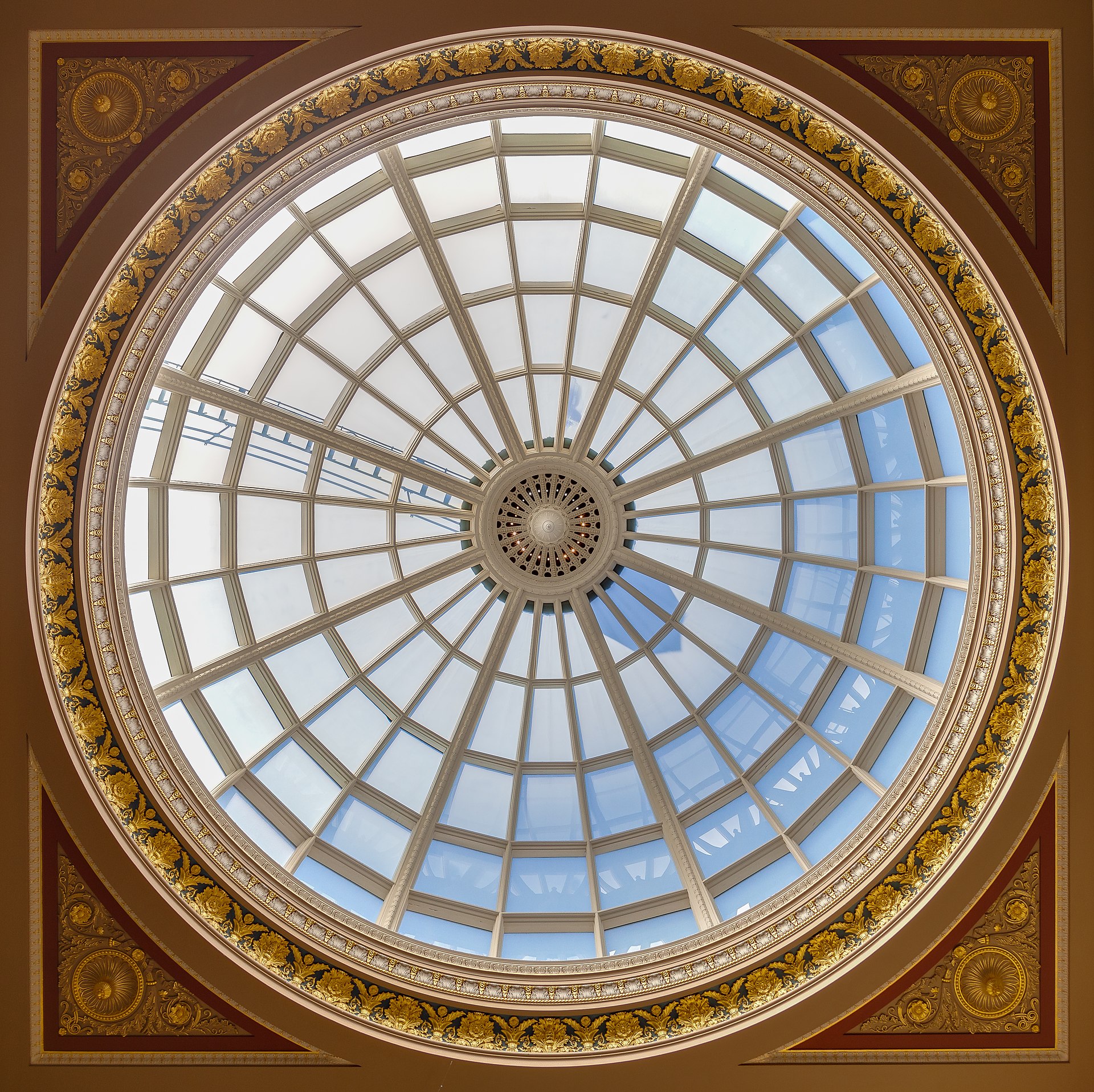
Unlike nearly every other great European museum, the National Gallery wasn't built on a nationalised royal collection. It began in 1824 when the British government bought 38 paintings from the estate of a merchant banker named John Julius Angerstein and said, right, this is for everybody. The paintings were first hung in Angerstein's old townhouse at 100 Pall Mall before Parliament decided the nation deserved something grander. William Wilkins designed the Neoclassical building that opened on Trafalgar Square in 1838, though critics at the time dismissed it as weak and unimpressive — "a national disgrace" was one review. The building has been expanded repeatedly since, most notably with Robert Venturi's Sainsbury Wing in 1991, which houses the gallery's oldest paintings. Prince Charles famously called an earlier design for the wing "a monstrous carbuncle on the face of a much-loved and elegant friend," which prompted a complete redesign. The collection now holds over 2,300 paintings dating from the mid-13th century to 1900, making it one of the most comprehensive surveys of Western European painting in the world. It has the finest collection of Italian Renaissance paintings outside Italy, including works by Leonardo, Michelangelo, Raphael, Titian, and Botticelli. Van Gogh's Sunflowers, Constable's The Hay Wain, and Velazquez's Rokeby Venus are among the most visited works. Admission is free and always has been — a founding principle that the gallery has defended for two centuries. Around five million people walk through the doors each year, making it one of the most visited art museums on the planet.
Natural History Museum
Cromwell Road, Kensington and Chelsea, London, SW7 5BD, United Kingdom
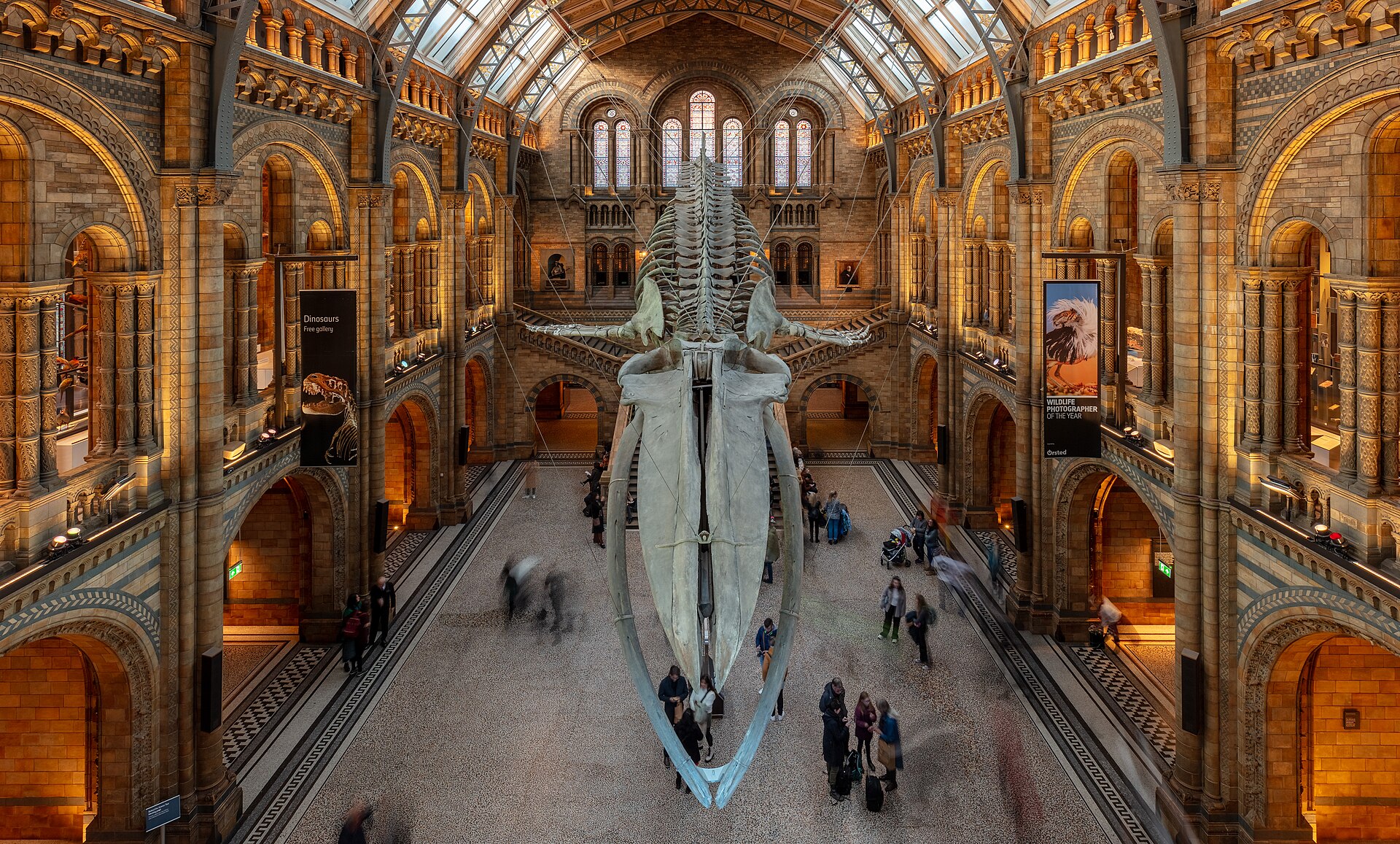
The building itself is a specimen. Alfred Waterhouse designed it as a "cathedral to nature" in the 1870s, covering the entire facade in terracotta tiles depicting living creatures on the west wing and extinct ones on the east — a taxonomic decision baked into the architecture. The Romanesque arches and soaring central hall were deliberately intended to inspire the same awe as a gothic cathedral, except the religion here is natural science. For over a century, the star of the main hall was Dippy — a plaster-cast replica of a Diplodocus carnegii skeleton that arrived from Pittsburgh in 36 packing cases in 1905, a gift from the Scottish-American steel magnate Andrew Carnegie. Dippy became the most famous dinosaur in Britain, but in 2017 the museum replaced it with Hope, a 25-metre-long blue whale skeleton, to highlight the urgent issue of species conservation. Dippy went on a national tour and returned for a triumphant comeback in 2024. The museum holds over 80 million specimens spanning 4.5 billion years of life on Earth. Its collection includes specimens collected by Charles Darwin and the first Tyrannosaurus rex fossil found in Britain. The Darwin Centre, opened in 2009, houses the museum's scientific research collections in a striking cocoon-shaped structure designed by C.F. Moller Architects. The building is so enormous that five Dippys could line up nose to tail inside the central hall. It was originally part of the British Museum's collection before the natural history specimens outgrew their Bloomsbury home and were moved to South Kensington in 1881. Admission has been free since 2001.
Notting Hill
Kensington and Chelsea, London, United Kingdom
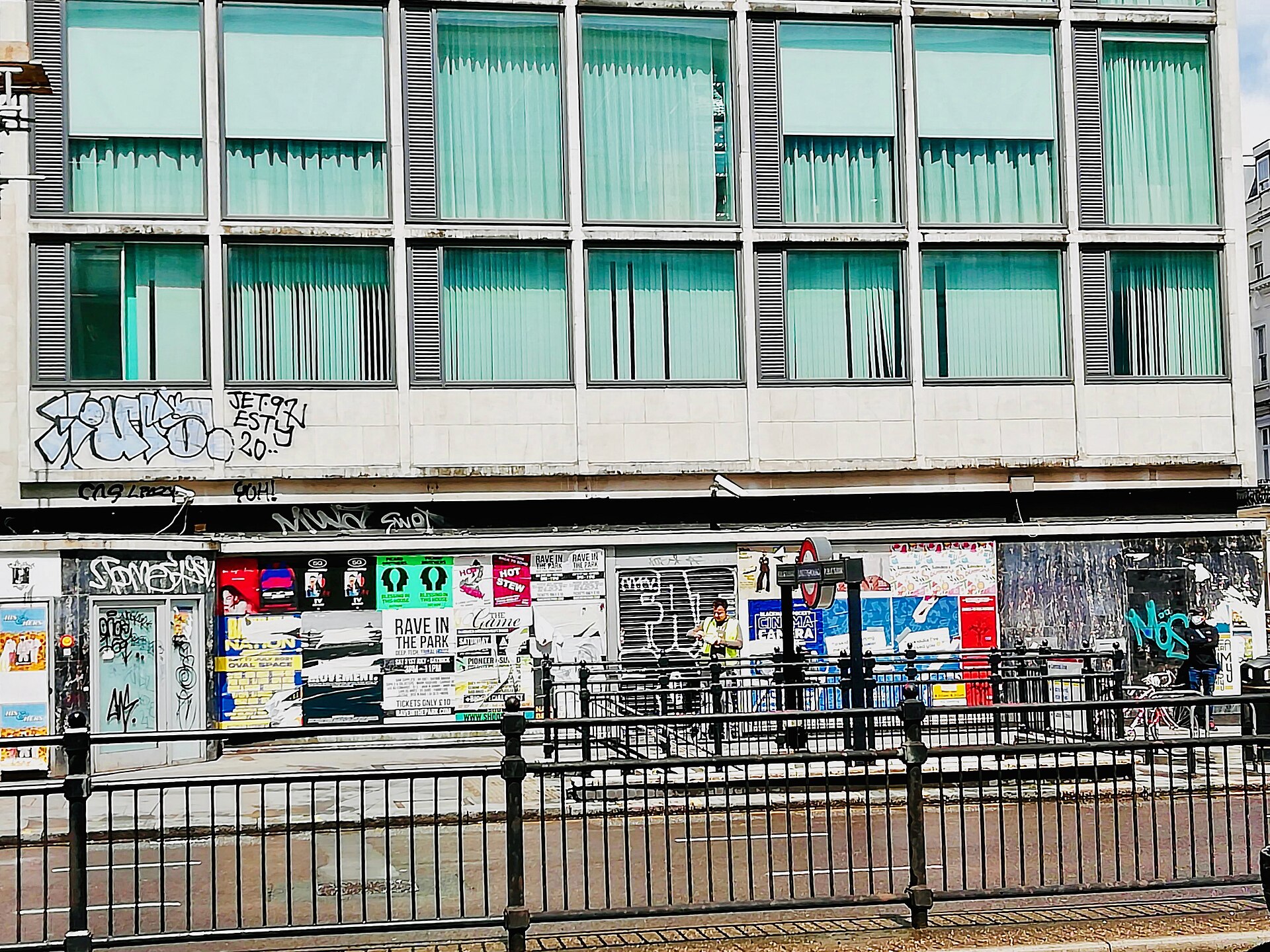
Before it was pastel-coloured houses and Hugh Grant, Notting Hill was pig farms and race riots. The area was developed in the 1840s by James Weller Ladbroke, who envisioned a grand estate of crescents and communal gardens. The houses went up, the wealthy moved in, and then — as London's history reliably promises — they moved out again. By the 1950s, the grand terraces had been carved into bedsits and the neighbourhood had become one of London's most diverse and troubled areas. The 1958 Notting Hill race riots, in which gangs of white youths attacked West Indian residents, were a watershed moment in British race relations. The following year, Trinidadian journalist and activist Claudia Jones organised a Caribbean Carnival at St Pancras Town Hall as a direct response. By 1966, the celebration had moved outdoors to the streets of Notting Hill, and it has grown into the largest street festival in Europe, attracting around two million people each August Bank Holiday weekend. The pastel-painted terraces that define Notting Hill's Instagram identity were actually a practical choice — landlords in the 1960s and 1970s used whatever cheap paint they could find to brighten up decaying properties. The look stuck, and as gentrification swept through from the 1980s onward, the rainbow facades became a feature rather than a symptom. Today Notting Hill is one of London's most expensive neighbourhoods, a place where independent bookshops and vintage boutiques sit next to multimillion-pound townhouses. The community gardens hidden behind the terraced crescents — shared green spaces accessible only by residents — remain one of London's loveliest secrets, a network of private Edens in the middle of the city.
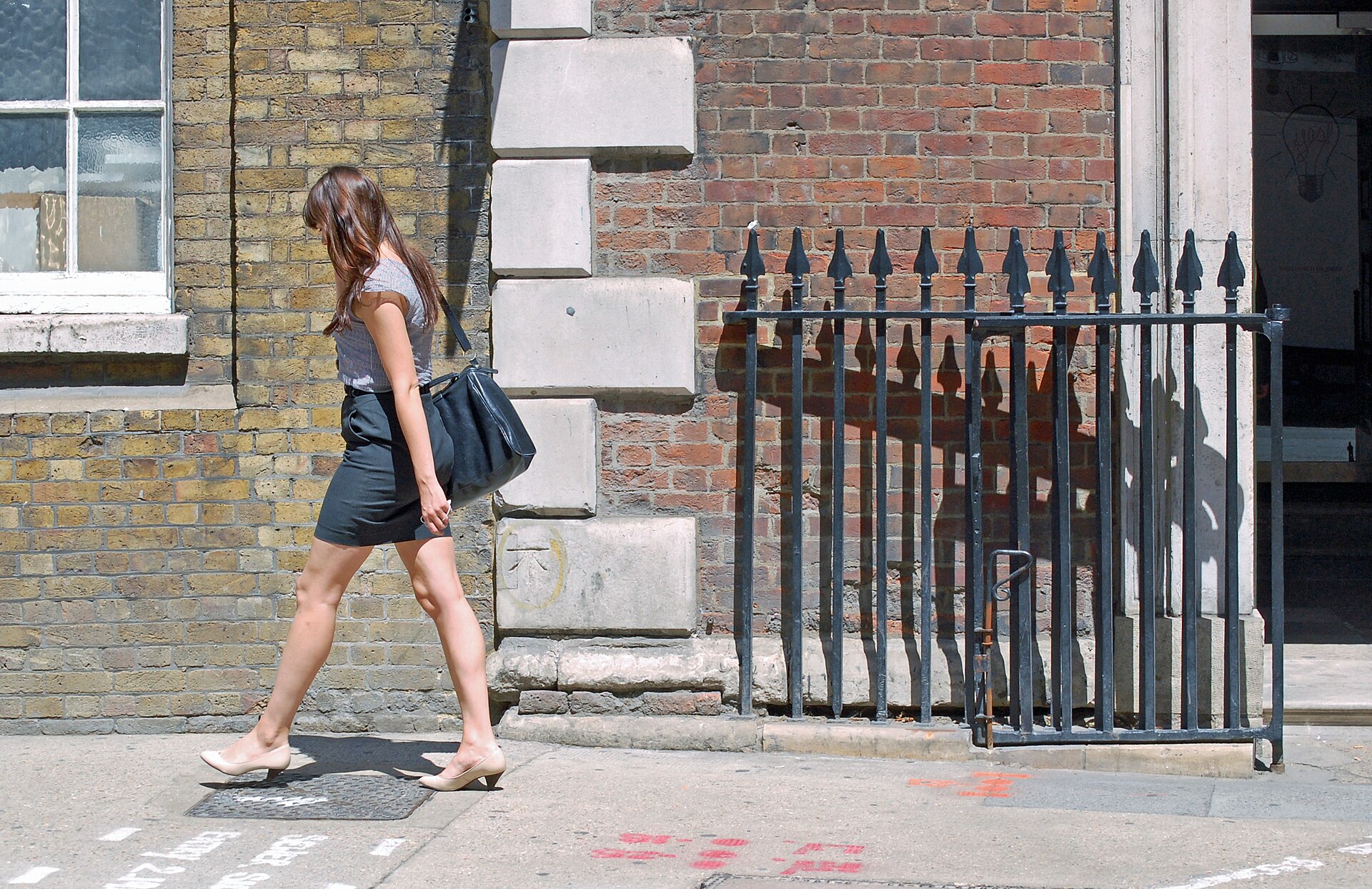
Old Operating Theatre Museum
9A St Thomas St, Southwark, London, SE1 9RY, United Kingdom
High up in the attic of a church, accessible only by a narrow spiral staircase, is Europe's oldest surviving operating theatre. Built in eighteen twenty-two as part of St Thomas' Hospital, it was used for surgery on women patients from the adjoining ward. And when we say surgery, we mean something closer to controlled butchery. Before eighteen forty-seven, there were no anaesthetics. None. Patients were given alcohol, opiates, and what the hospital records euphemistically call "mental preparation." Then the surgeon would cut. Speed was everything — the best surgeons could amputate a leg in under ninety seconds. The operating table sits in the middle of a semicircular viewing gallery, like a tiny amphitheatre. Medical students packed the standing rows to watch. Sawdust was spread on the floor to soak up the blood. When St Thomas' Hospital moved to a new site in eighteen sixty-two, the operating theatre was sealed up and forgotten. The attic above the church was used for storing hospital supplies, and eventually nobody remembered what was up there. For nearly a hundred years, one of the most important rooms in the history of British medicine sat in the dark, untouched. In nineteen fifty-six, a historian named Raymond Russell was researching the old hospital and wondered what was in the sealed attic. He climbed up, found the theatre virtually intact, and the rest is museum history. The attic itself was originally used by the hospital apothecary to dry medicinal herbs. The herb garret is still there, alongside the operating table. You can see the original drying racks next to the surgical instruments. Healing and horror in the same room.
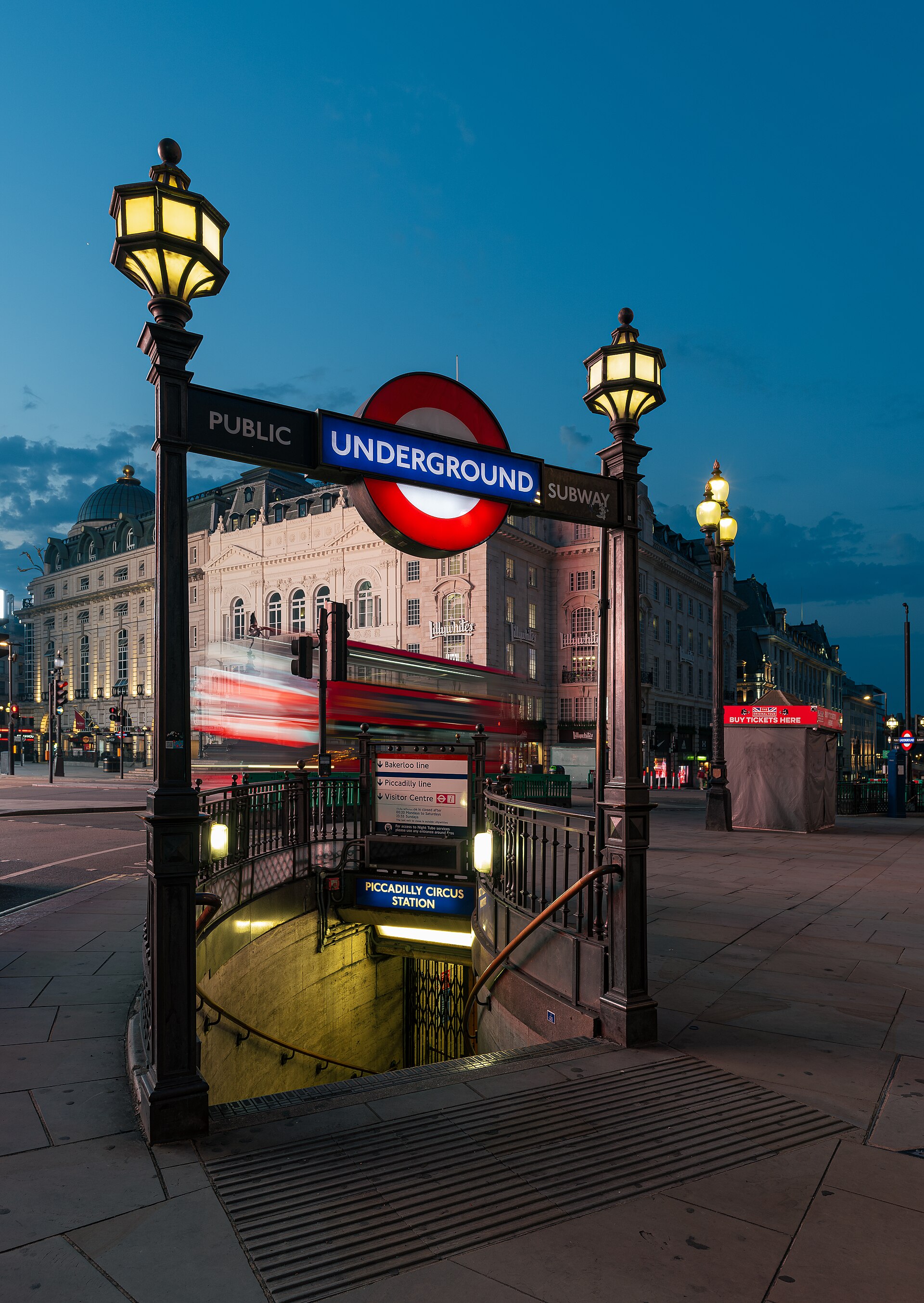
Piccadilly Circus
London, United Kingdom
The statue everyone calls Eros isn't Eros. It's Anteros, the god of requited love, erected in 1893 as a memorial to the Earl of Shaftesbury and his philanthropic works. The sculptor, Alfred Gilbert, designed the figure as the Angel of Christian Charity, but Londoners immediately nicknamed it Eros and the name stuck so firmly that even guidebooks gave up correcting people. Gilbert was so annoyed by the public's misunderstanding that he refused to attend the unveiling. The statue was groundbreaking for another reason: it was the first in the world to be cast in aluminium. The lightweight metal allowed the figure to balance in its balletic pose on one foot — something impossible in bronze. Gilbert's model was his sixteen-year-old studio assistant, an Anglo-Italian youth named Angelo Colarossi. During World War II, the statue was removed for safekeeping to Egham in Surrey and didn't return until 1947, when it was placed on a slightly different spot from its original position. Piccadilly Circus has been the heart of London's theatre district since the late nineteenth century, but it's the neon signs that define it now. The first illuminated advertisements appeared in 1908, the first actual neon sign advertised Bovril, and by 2011 LED displays had completely replaced the neon. The curved screen on the northern building is one of the most expensive advertising spaces in Europe. The name "Piccadilly" comes from a seventeenth-century tailor named Robert Baker who made his fortune selling "piccadills" — stiff collars fashionable at the time. He built a mansion nearby that locals mockingly called "Piccadilly Hall," and the name outlasted both the tailor and his collars.
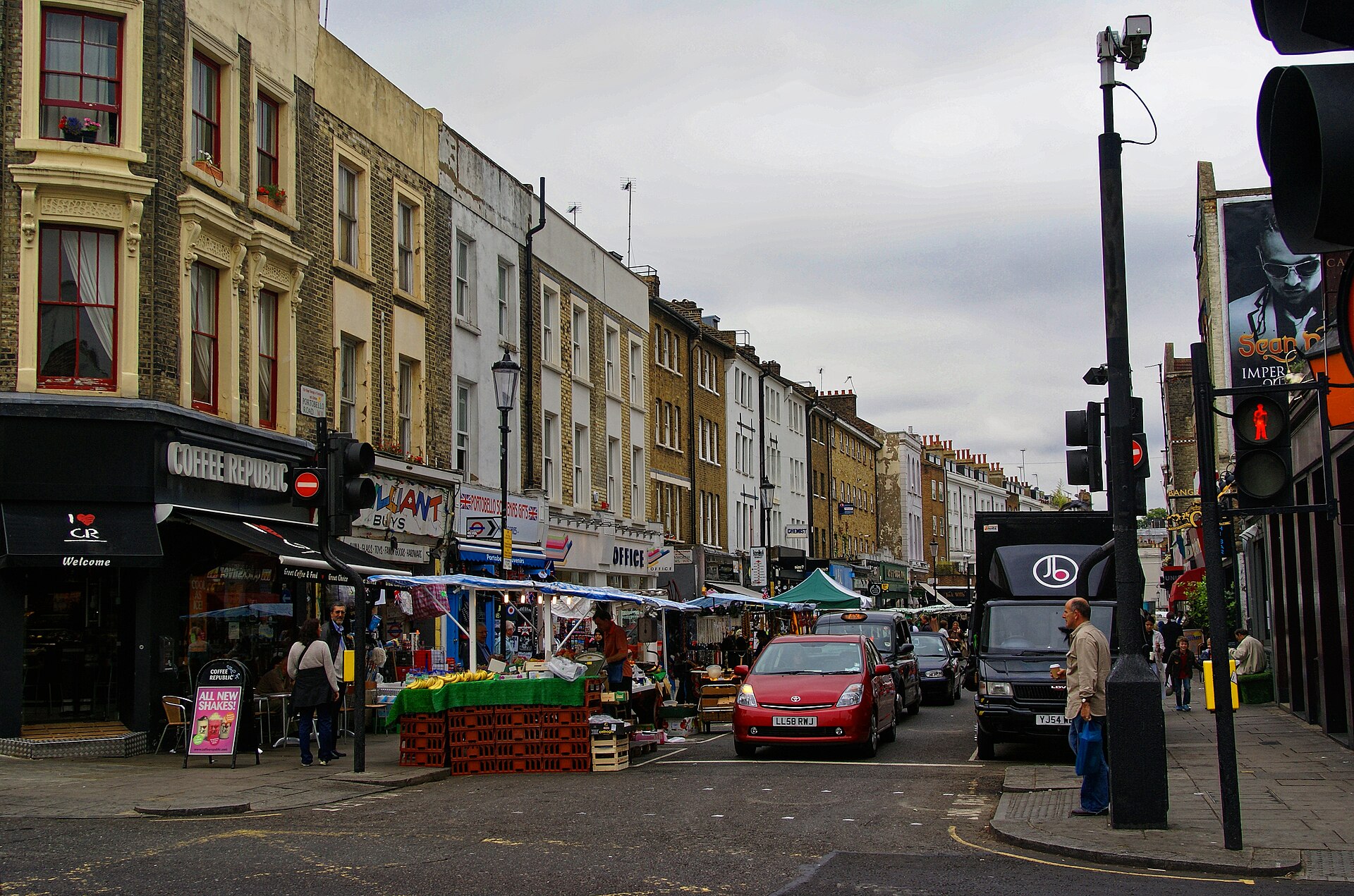
Portobello Road Market
Portobello Road & Golborne Road, Kensington and Chelsea, London, W11 1AN, United Kingdom
Portobello Road was a country lane through farmland in the 1700s, named after Portobello Farm, which itself was named after the British navy's 1739 victory at Porto Bello in Panama. It's one of the few London streets that can trace its identity from a naval battle in Central America to a Hugh Grant film, via gypsies, hippies, and the largest antiques market in the world. The road became an urban street in the Victorian era when the farmhouse was demolished in 1862 and its 170 acres sold for housing development. The market grew organically — herbs and produce first, then general goods. The antiques arrived after World War II, largely thanks to the closure of Islington's notorious Caledonian Market, which was famous for fencing stolen goods alongside legitimate antiques. When it shut down, some of the more reputable dealers migrated west to Portobello. The Saturday market is the main event: roughly a thousand vendors stretching along Portobello Road and Golborne Road, split into five distinct sections covering antiques, fashion, household goods, fruit and vegetables, and second-hand items. The antiques section at the southern end is where serious dealers and casual browsers collide, with prices ranging from a few pounds to several thousand for Georgian silverware or Art Deco jewellery. Since 1966, the streets around Portobello Road have hosted the Notting Hill Carnival, the largest street festival in Europe and a celebration of Caribbean culture that draws over a million people each August Bank Holiday weekend. The road is equally famous from film — the 1999 movie Notting Hill immortalised the blue door at 280 Westbourne Park Road, turning a quiet residential street into a pilgrimage site.
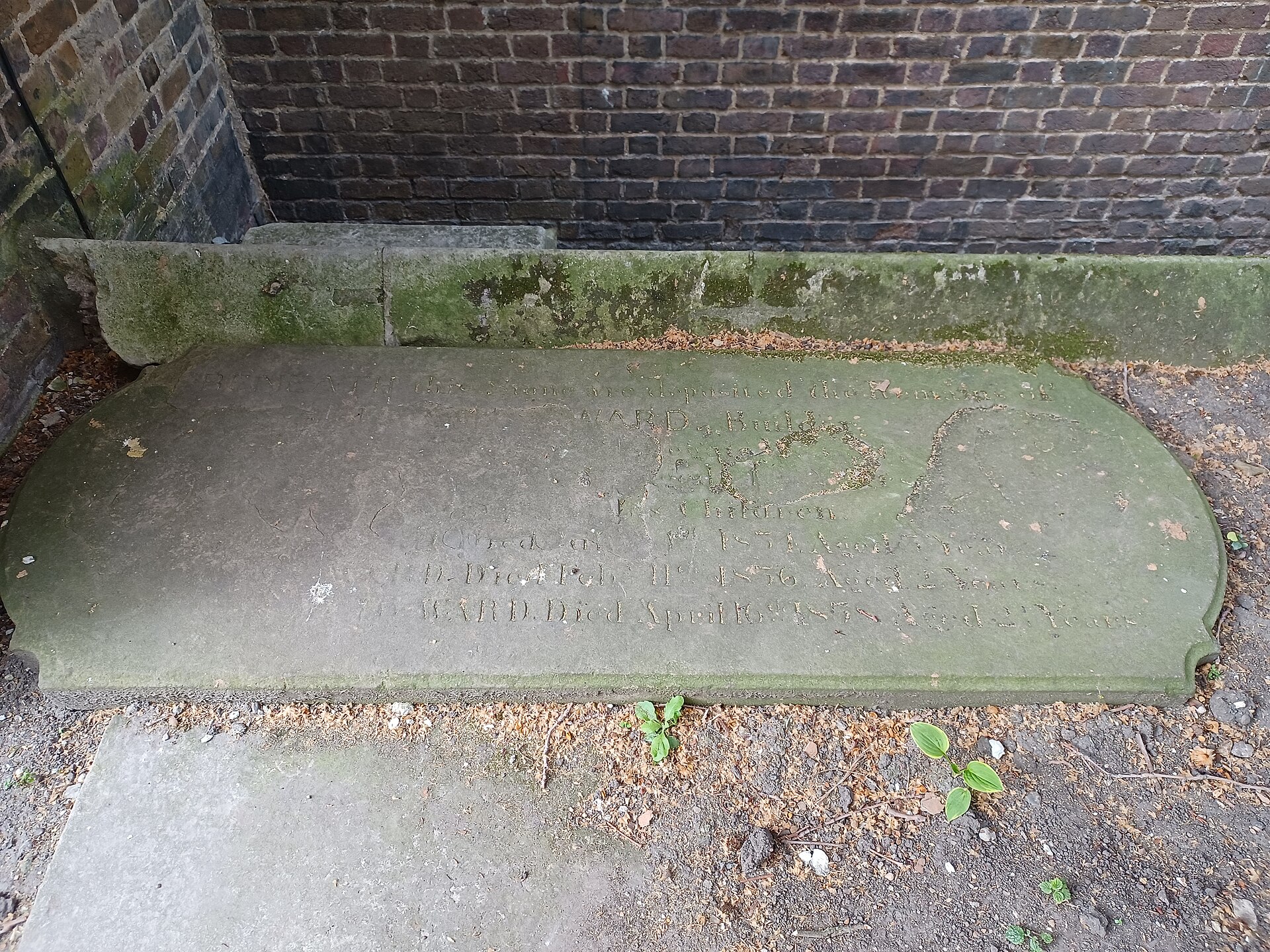
Postman's Park and the Watts Memorial
King Edward Street, City of London, London, EC1A, United Kingdom
Tucked behind St Paul's Cathedral, through a gate most people never notice, is a small park with a wooden shelter running along one wall. Under that shelter are fifty-four ceramic tiles. Each one tells the story of an ordinary person who died saving a stranger. Read a few. "Solomon Galaman, aged eleven, died of injuries September sixth eighteen-oh-one, after saving his little brother from being run over in Commercial Street." Or: "Alice Ayres, daughter of a bricklayer's labourer, who by intrepid conduct saved three children from a burning house in Union Street, Borough, at the cost of her own young life, April twenty-fourth eighteen eighty-five." Or this one: "Thomas Simpson, died of exhaustion after saving many lives from the breaking ice at Highgate Ponds, January twenty-fifth eighteen eighty-five." The painter George Frederic Watts proposed this memorial in eighteen eighty-seven for Queen Victoria's Golden Jubilee. He wanted a monument not to generals or kings but to the everyday heroism of ordinary people. The wall was unveiled unfinished in nineteen hundred, with space for a hundred and twenty tiles. But the project ran out of money and enthusiasm. Only fifty-three tiles were completed before work stopped in nineteen thirty-one. For seventy-eight years, not a single new tile was added. Then in two thousand and nine, one more appeared: Leigh Pitt, who drowned in a Thamesmead canal on the seventh of June two thousand and seven, saving a nine-year-old boy. It was the first addition in nearly eight decades. The wall still has space for more. Whether anyone fills them is another question.
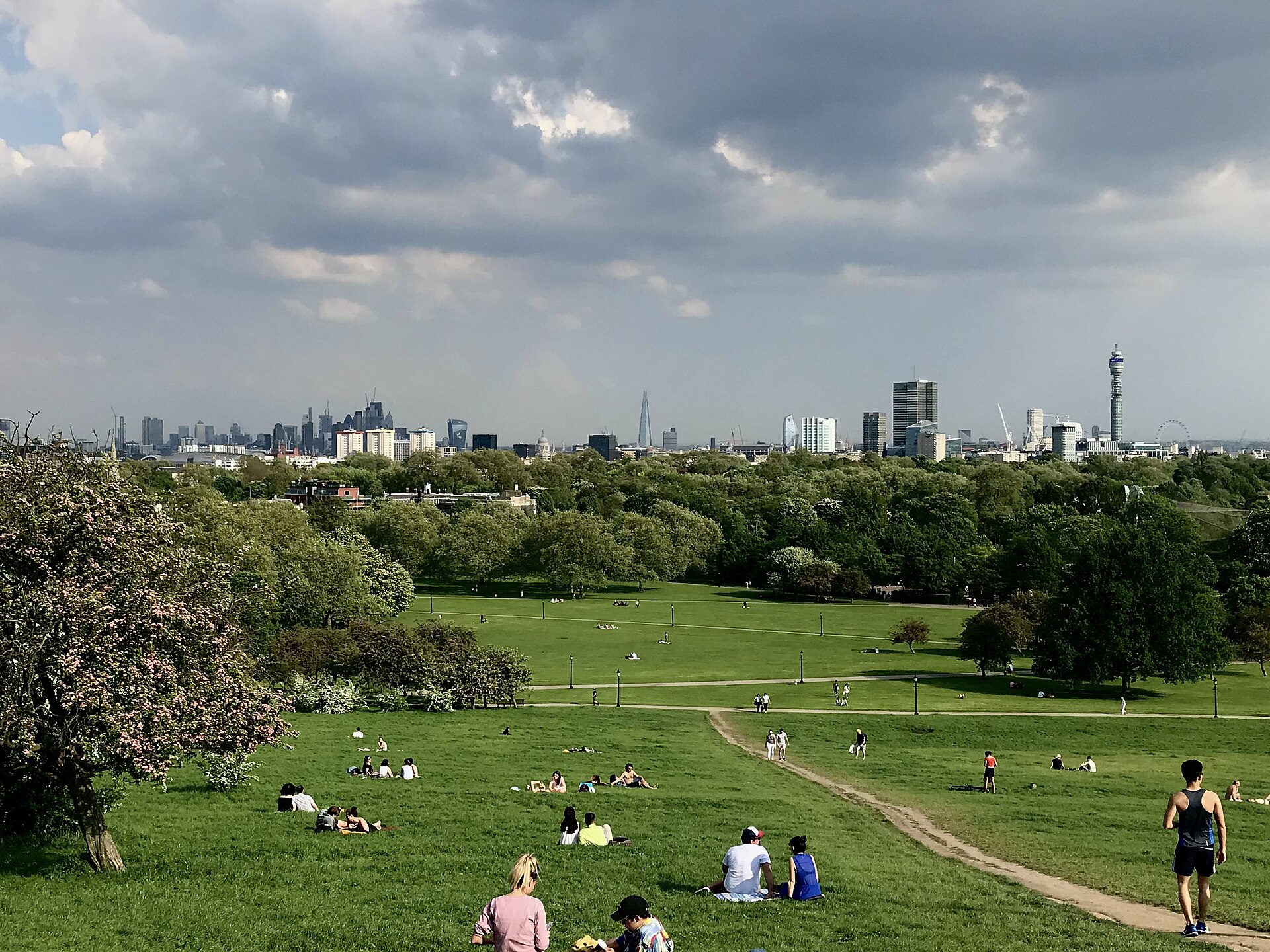
Primrose Hill
Camden, London, United Kingdom
Primrose Hill is 64 metres of grass, mud, and one of the best panoramas in London. The summit is one of only six protected viewpoints in the city, meaning no building can ever block the view of the skyline from the top. On the stone at the peak, a line from William Blake is engraved: "I have conversed with the spiritual Sun. I saw him on Primrose Hill." Whether Blake actually saw a vision here or was just having a good day is a matter of scholarly debate. The hill was once part of Henry VIII's hunting grounds, like so much of north London. The name has been in use since the 15th century, though the primroses that inspired it are mostly gone. In October 1678, the hill was the scene of the mysterious murder of Sir Edmund Berry Godfrey, a magistrate whose death sparked the Popish Plot hysteria. Three Catholic labourers named Green, Berry, and Hill were hanged for the crime — their surnames matching the location's name in a coincidence that conspiracy theorists have been chewing on for three centuries. The neighbourhood around the hill has attracted literary residents like honey attracts wasps. Sylvia Plath lived at 3 Chalcot Square from 1960 with Ted Hughes, and returned to 23 Fitzroy Road in late 1962, where she wrote the poems of Ariel — forty pieces of despair, anger, and love that are considered her greatest work. Her blue plaque marks the Chalcot Square address. Friedrich Engels, W.B. Yeats, and Kingsley Amis also lived here. Today Primrose Hill is London's village within a city — a tight-knit community of independent shops, cafes, and celebrity residents who pretend not to be famous. The park itself is free, unfenced, and open around the clock.

Richmond Park
Richmond Park, London TW10 5HS
Richmond Park is 2,500 acres of ancient woodland, grassland, and medieval deer park sitting improbably inside zone 4 of the London Underground map. It's the largest of the Royal Parks — bigger than the entire City of London — and it contains 600 free-roaming red and fallow deer that have been here since Charles I enclosed the park in 1637 as a royal hunting ground. The deer are the main attraction, and in autumn during the rutting season they are genuinely spectacular — stags bellowing at dawn, antlers clashing, the whole atavistic drama playing out while joggers in Lycra try to maintain a safe distance. The park authorities are very clear that these are wild animals and will charge you if you get too close, a warning that approximately 40% of Instagram users choose to ignore every year. The park's other secret is the view from King Henry's Mound — a Bronze Age burial mound near the Richmond Gate entrance that has a protected sightline all the way to St Paul's Cathedral, 19 kilometres away. The view is maintained by law — no building is allowed to obstruct it — and on a clear day you can see the dome of St Paul's framed perfectly through a gap in the trees. There are also Isabella Plantation, a woodland garden with ponds and azaleas that's outrageously beautiful in May, and Pembroke Lodge, a Georgian mansion serving cream teas with a view that makes you forget you're in London.
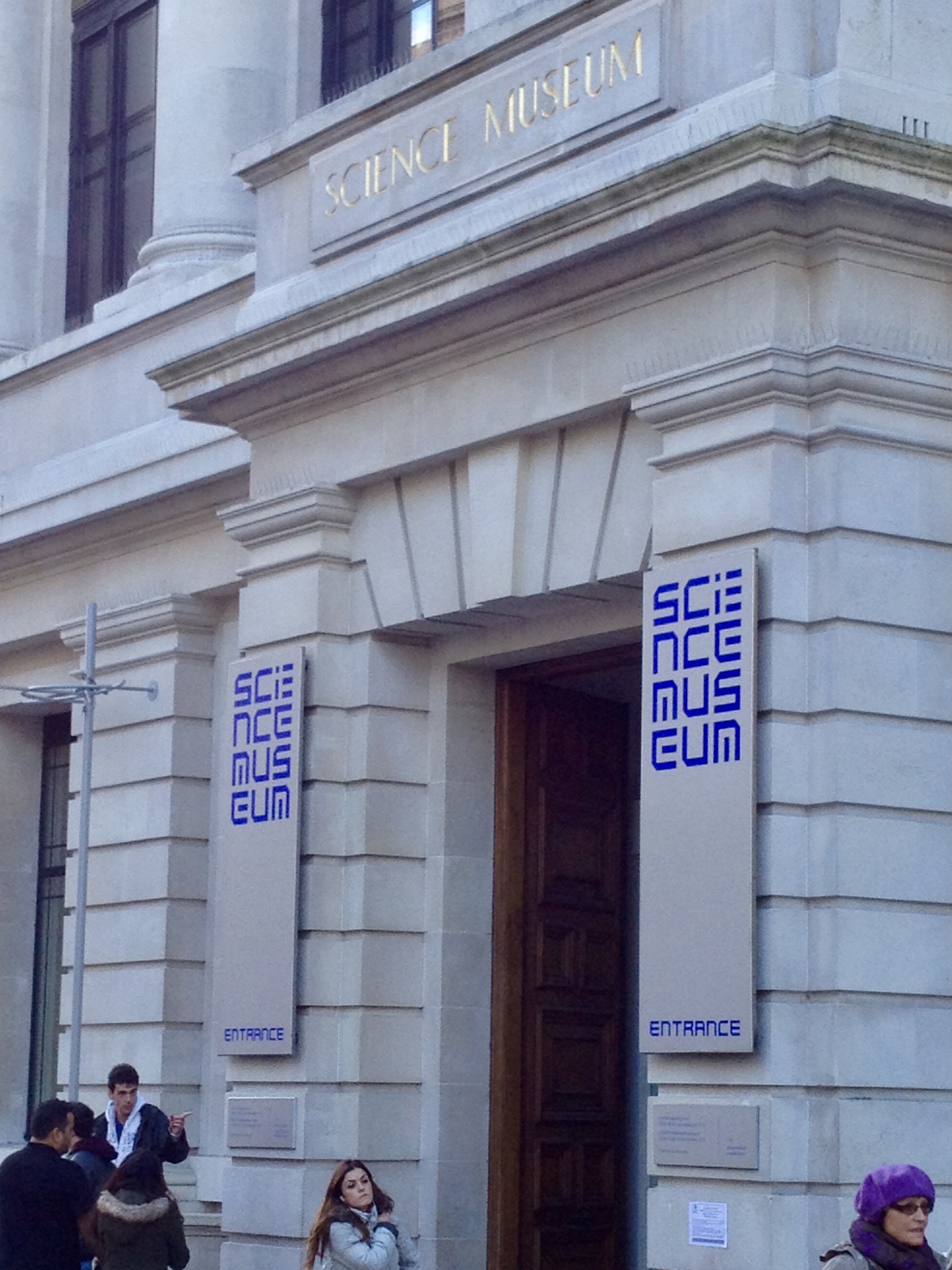
Science Museum
Exhibition Road, London, SW7 2DD, United Kingdom
The Science Museum began as leftovers. After the Great Exhibition of 1851, the surplus objects and machines nobody claimed ended up in the South Kensington Museum, where they were the awkward cousins of the decorative arts collection. By 1909 they had grown so numerous and so clearly different in character that Parliament split them off into their own museum. It has been making people understand complicated things through buttons, levers, and interactive displays ever since. The collection is immense — 7.3 million items spanning science, technology, engineering, mathematics, and medicine. The highlights read like a greatest-hits album of human ingenuity: Puffing Billy, the oldest surviving steam locomotive in the world (built around 1813-1814); Charles Babbage's Difference Engine No. 1, a Victorian proto-computer; the actual command module from Apollo 10; and Watson and Crick's original DNA model. You can also find an early example of penicillin, Alexander Fleming's Nobel Prize, and a reconstructed 1930s pharmacy. The museum sits on Exhibition Road in "Albertopolis," alongside the V&A and the Natural History Museum — three of the world's greatest museums within a five-minute walk of each other, all of them free, all of them born from Prince Albert's vision of using the Great Exhibition profits to create a permanent centre for learning. The Wonderlab gallery, opened in 2016, replaced the old Launch Pad with more sophisticated interactive exhibits. But the museum's most powerful trick has always been scale — standing next to a genuine V-2 rocket or walking through a recreation of Watson's laboratory makes abstract science feel dangerously, thrillingly real.
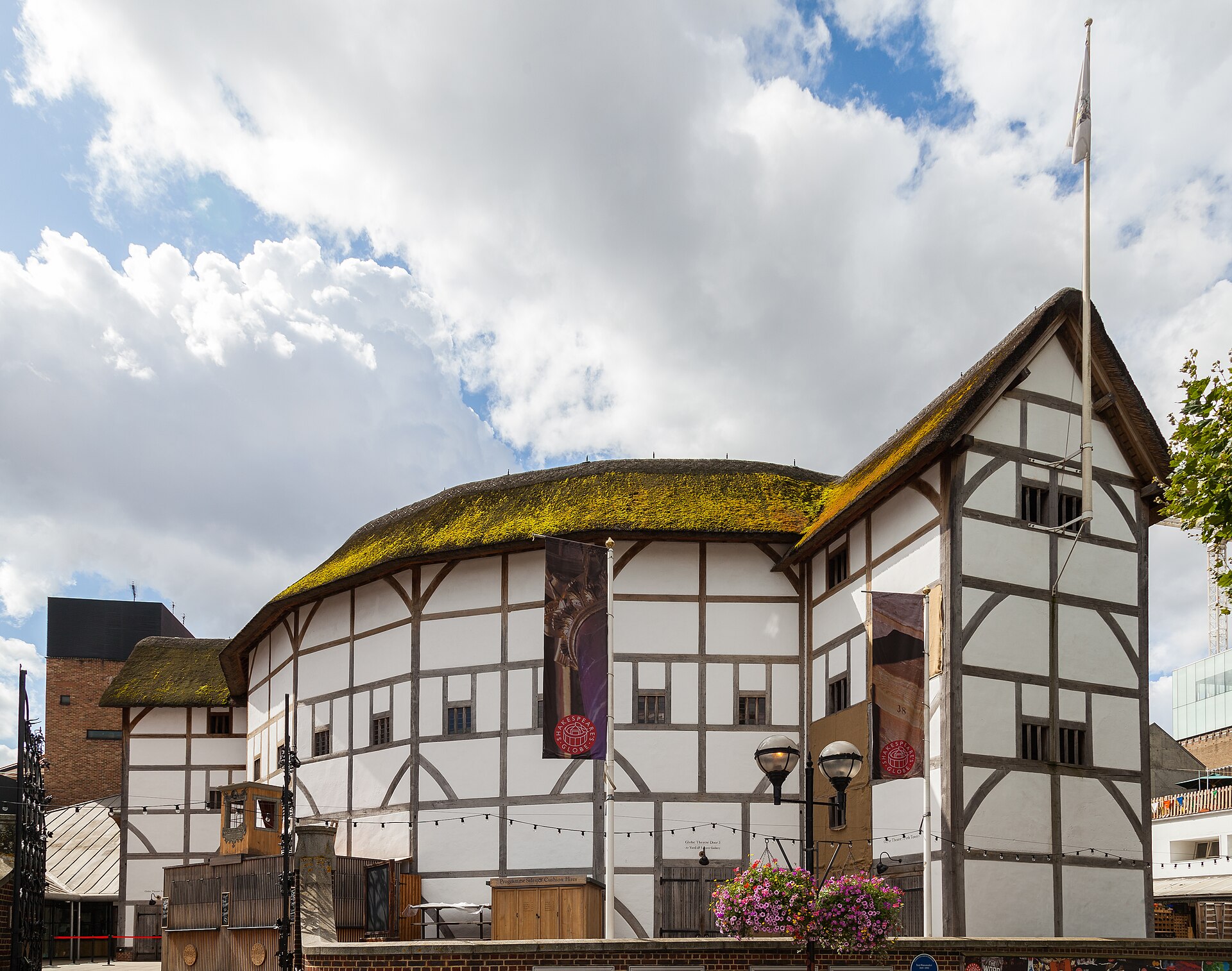
Shakespeare's Globe Theatre
21 New Globe Walk, Southwark, London, SE1 9DT, United Kingdom
The building you're looking at is a reconstruction. But the story of the original is wild. In fifteen ninety-nine, Shakespeare's acting company had a problem. Their lease on a theatre in Shoreditch — literally called The Theatre — had expired, and the landlord was being difficult. So they waited for a winter night, dismantled the entire building timber by timber, carried the wood across the frozen Thames, and rebuilt it here in Southwark as the Globe. They basically stole their own theatre. It lasted fourteen years. On the twenty-ninth of June, sixteen thirteen, during a performance of Henry the Eighth, a theatrical cannon misfired and a spark landed on the thatched roof. The whole place burned to the ground in under two hours. Contemporary accounts mention that one man's breeches caught fire and had to be extinguished with a bottle of ale. That's the only recorded injury. The audience got out. The trousers were saved by beer. The modern reconstruction you see now was the obsession of American actor Sam Wanamaker. He first visited London in nineteen forty-nine, was horrified to find nothing marking the Globe's site but a dirty plaque on a brewery wall, and spent the next thirty years fighting to rebuild it. He died in nineteen ninety-three, four years before it opened in nineteen ninety-seven. He never saw it finished. The reconstruction uses no structural steel. It's built entirely of English oak with mortise and tenon joints, making it arguably one of the most authentically constructed sixteenth-century buildings in existence — except it was built in the nineteen nineties. The thatched roof is the first new thatch permitted in London since the Great Fire of sixteen sixty-six.
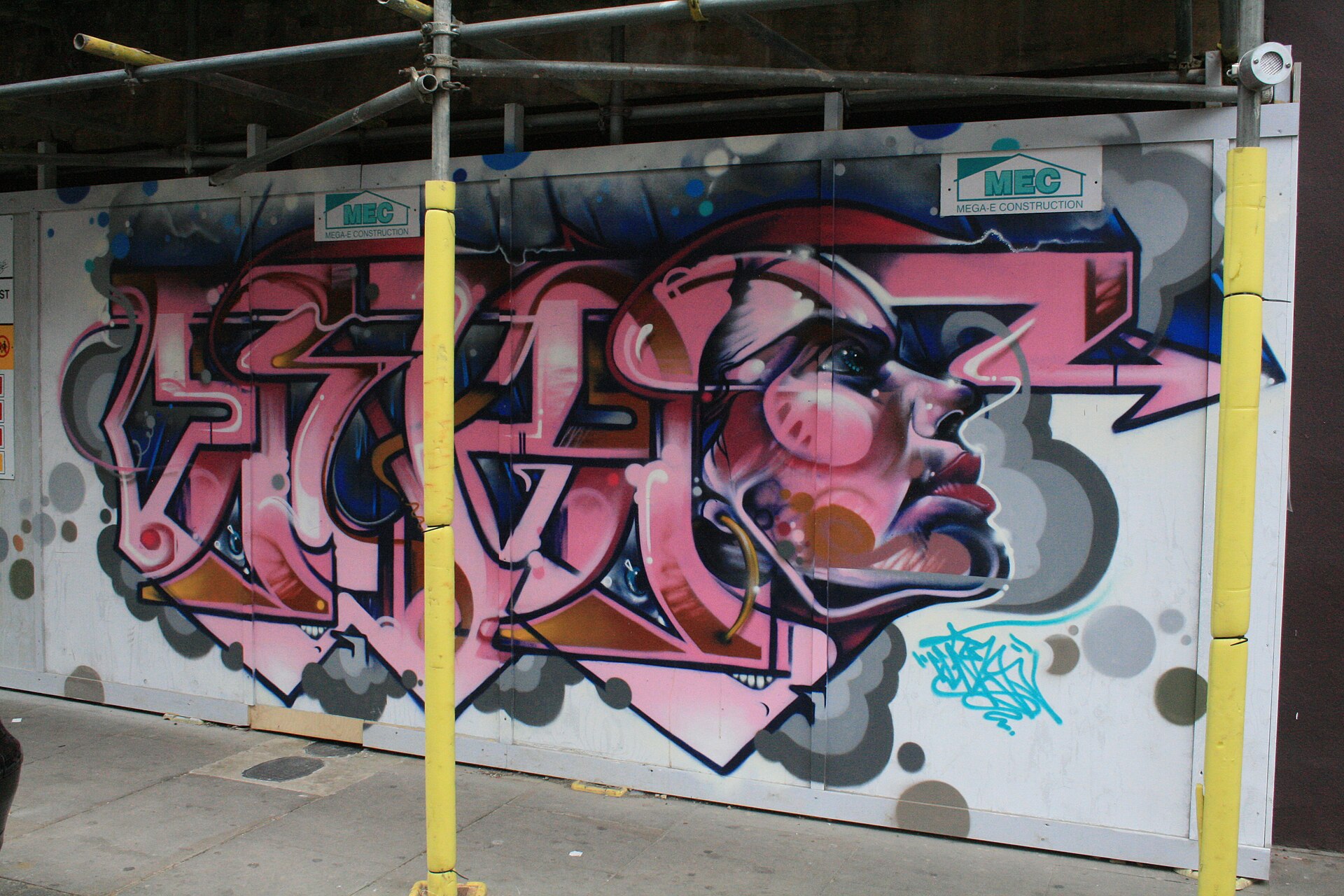
Shoreditch & Brick Lane
Brick Lane, Tower Hamlets, London, E1, United Kingdom
Brick Lane has been an arrival lounge for four centuries. The street got its name from the brick and tile makers who set up here in the 15th century, using the local clay. Since then, wave after wave of immigrants have made this street their first London address — each one reshaping the neighbourhood while leaving traces of everyone who came before. The Huguenots arrived first, French Protestant silk weavers fleeing persecution after Louis XIV revoked the Edict of Nantes in 1685. They built the chapel at 59 Brick Lane, which later became a Methodist church, then a synagogue when Ashkenazi Jews fled Eastern European pogroms in the 19th century, and is now the Jamme Masjid mosque. One building, four religions, four centuries — the entire history of immigration in a single address. The Bangladeshi community, predominantly from the Sylhet region, transformed Brick Lane from the 1970s onward. They opened the curry houses that made this stretch famous as "Banglatown," though the restaurants compete so aggressively for customers that the touts outside have become an attraction in their own right. The area was formally branded Banglatown in 1997, with bilingual street signs in English and Bengali. Shoreditch, just to the west, went from post-industrial wasteland to London's creative epicentre in roughly a decade. By the early 2000s, artists, designers, and tech startups had colonised the old warehouses and workshops. The street art is world-class — Banksy, Stik, and ROA have all left work here, and the walls around Brick Lane change constantly. This is East London at its most layered: history, food, art, and reinvention piled on top of each other like geological strata.
South Bank & Bankside
South Bank, London SE1
For most of its history, the south bank of the Thames was where London went to do the things it wasn't allowed to do on the north bank. Outside the jurisdiction of the City of London, Bankside became medieval London's entertainment district — theatres, bear-baiting rings, prostitution, and taverns clustered along the riverbank in cheerful defiance of civic morality. Shakespeare's Globe stood here, alongside the Rose Theatre and the notorious Clink Prison, which gave English the expression "in the clink." By the 19th century, entertainment had given way to industry. Wharves, factories, and power stations lined the riverbank, and the area became one of the grittiest parts of London. The transformation began with the Festival of Britain in 1951, when the government built the Royal Festival Hall on a bombed-out site as a deliberate act of post-war optimism. It worked — the building became the seed of the South Bank Centre, which now includes the Queen Elizabeth Hall, the Purcell Room, the Hayward Gallery, and the National Theatre. The modern South Bank is London's cultural spine, a continuous riverside walk stretching from Westminster Bridge to Tower Bridge. In 2000, the Millennium Bridge — London's first new Thames crossing in over a century — connected St Paul's Cathedral to the newly opened Tate Modern. The bridge famously wobbled so badly on opening day that it was immediately closed for two years of engineering fixes, earning it the nickname "the Wobbly Bridge." Walk the South Bank on any evening and you'll pass skateboarders at the Undercroft (a graffiti-covered skate park that survived a demolition campaign), the second-hand book market under Waterloo Bridge, and the illuminated facades of the National Theatre. It is London's living room — a place where high culture and street culture exist within shouting distance.
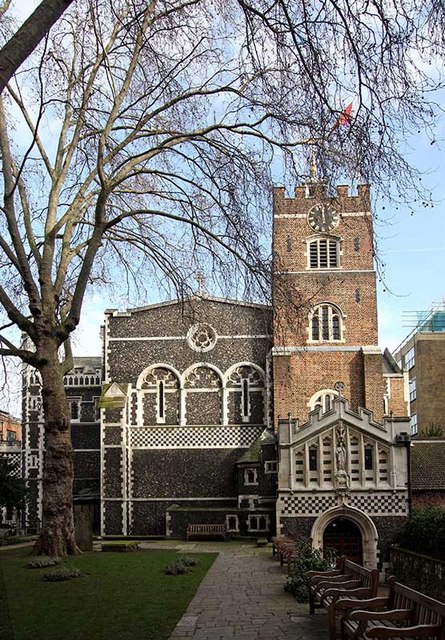
St Bartholomew the Great
West Smithfield, City of London, London, EC1A 9DS, United Kingdom
London's oldest church with continuous services was founded by a jester who had a fever dream. In eleven twenty-three, a man named Rahere — variously described as a court jester, minstrel, and courtier to King Henry the First — fell desperately ill on a pilgrimage to Rome. In his delirium, he dreamed that a winged beast carried him to a high ledge over an abyss, and Saint Bartholomew appeared and told him to build a church. He survived, came home to London, and did exactly that. The Norman chancel and apse you see inside date from that original eleven twenty-three construction. They're some of the finest Romanesque architecture in London — heavy round arches, massive cylindrical columns, that particular weight and solidity that Norman builders loved. This is nine hundred years old, and it feels it. Then Henry the Eighth dissolved the monasteries. The priory was shut down. The nave was demolished. And the surviving parts of the building were put to uses the monks would have found bewildering. Parts became a blacksmith's forge. Parts became a stable. Parts became a factory. The Lady Chapel was used as a printing shop, and a young Benjamin Franklin worked here during his time in London in the seventeen twenties. The half-timbered Tudor gatehouse you walked through to enter — the one that looks like something from a fairy tale — is actually Elizabethan, dating from fifteen ninety-five. It was built over the remains of the original thirteenth-century south entrance to the nave. The doorway underneath is medieval. The timber framing above is Tudor. That's eight hundred years of construction in one facade. Film fans might recognise the interior. It's appeared in Four Weddings and a Funeral, Shakespeare in Love, and The Other Boleyn Girl. Nine hundred years old, and still getting screen time.
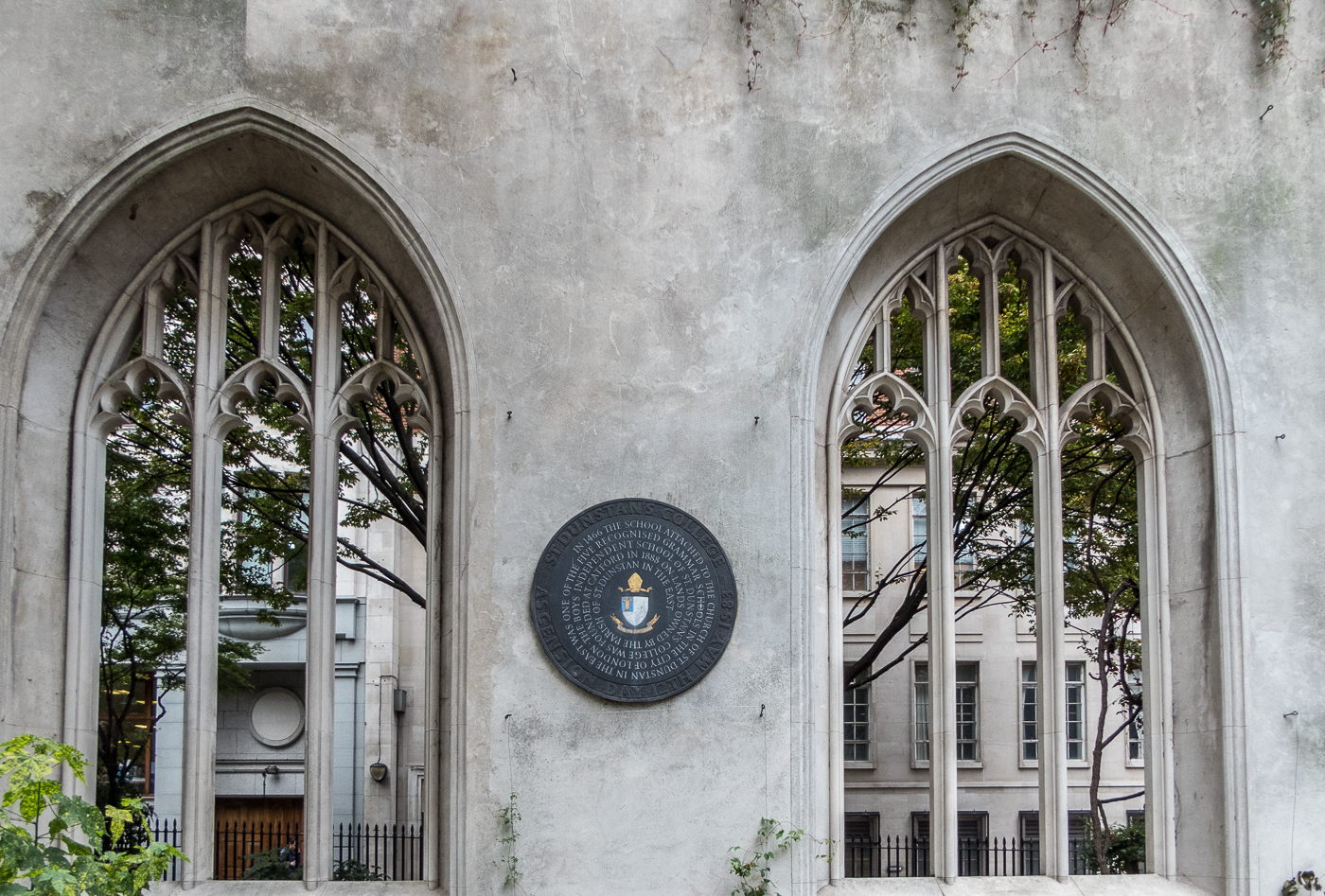
St Dunstan in the East Church Garden
St Dunstan's Hill, Billingsgate, London, EC3R 5DD, United Kingdom
You're about to walk into one of London's most quietly extraordinary places. A roofless medieval church where nature has taken over and nobody stopped it. The original church dates to Norman times, around eleven hundred. After the Great Fire of sixteen sixty-six damaged it, Christopher Wren added a new steeple — one of those elegant Portland stone spires he scattered across the City. The church was patched up and carried on for another two and a half centuries. Then came the night of the tenth of May nineteen forty-one. The Luftwaffe's last and heaviest raid on London. Incendiary bombs gutted the church completely. The roof collapsed. The nave was destroyed. Only the north and south walls remained standing, along with Wren's steeple. The interior was open to the sky. And here's what makes this place special. They never rebuilt it. Instead of restoring the church or demolishing the ruin, the City of London made a decision in nineteen seventy that feels almost radical: turn the roofless shell into a public garden. Let nature reclaim it. So they did. Today, ivy climbs through the empty Gothic window frames. Trees grow where pews once stood. Ferns colonise the stonework. Climbing plants thread through the arches. It's not wild — it's maintained — but the effect is of a building slowly, gracefully surrendering to the green. It's one of the last Blitz-damaged buildings in Britain that was deliberately left as a ruin, serving as a living memorial. On a weekday lunchtime, you'll find City workers eating sandwiches on benches surrounded by nine-hundred-year-old walls and climbing roses. It's the kind of place that makes you stop talking.
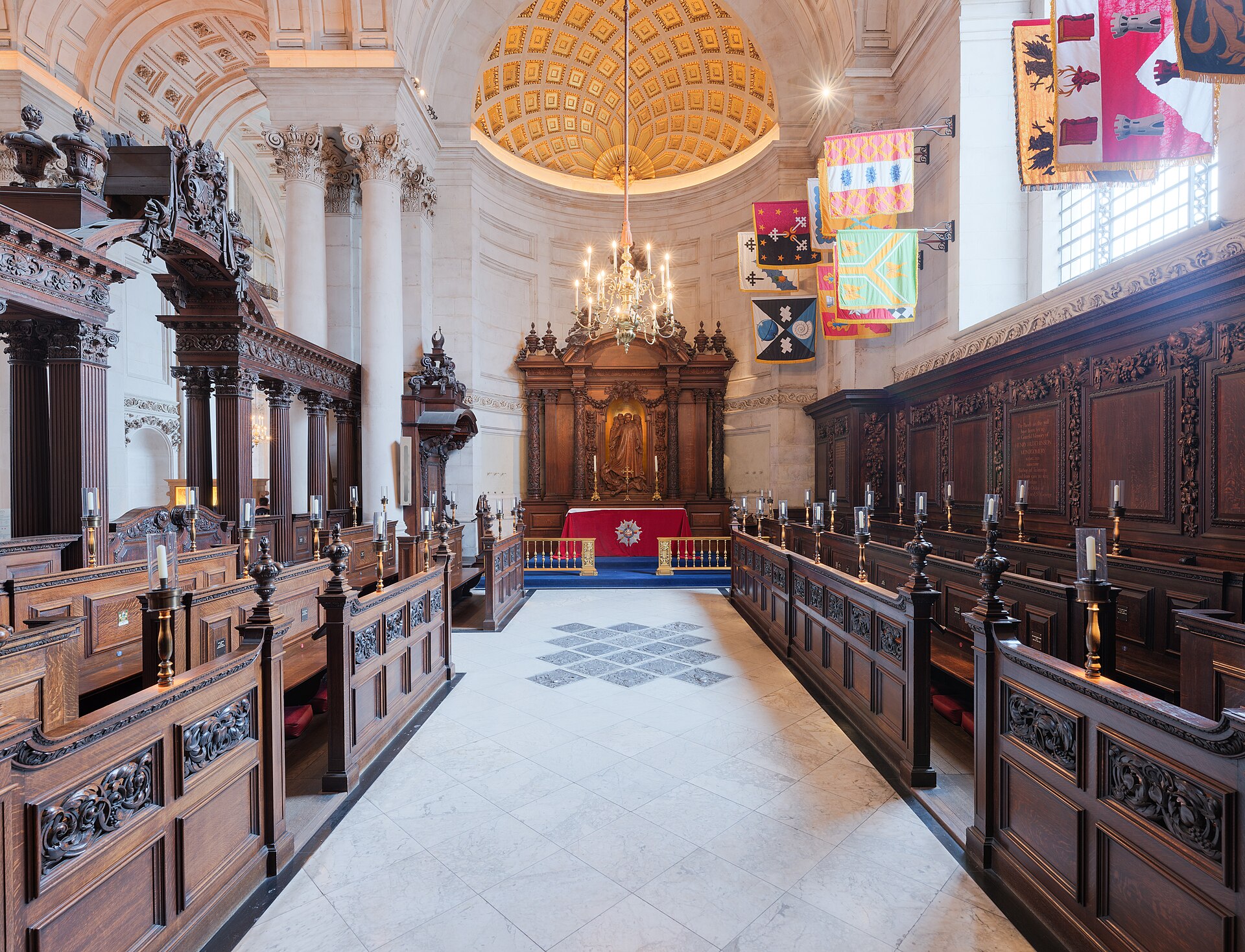
St Paul's Cathedral
St Paul’s Churchyard, City of London, London, EC4M 8AD, United Kingdom
Look up at that dome. Beautiful, right? Here's the thing — you're looking at a lie. What you see from out here is not what you see from inside. Christopher Wren built three nested shells: an outer lead-covered dome that creates the famous London skyline silhouette, an inner painted dome that you gaze up at from the cathedral floor, and hidden between them a structural brick cone that actually holds the whole thing up. Nobody sees the real structure. You're always looking at a decorative wrapper. This is the fifth St Paul's on this exact spot. The previous four were destroyed by Vikings, fire, more fire, and then the Great Fire of sixteen sixty-six, which levelled the medieval cathedral so completely that Wren got to start from scratch. He finished in seventeen ten — thirty-five years of construction. It remained the tallest building in London for two hundred and fifty years until the Vickers Tower surpassed it in nineteen sixty-three. During the Blitz, the cathedral became a symbol of British defiance. That iconic photograph of the dome rising through smoke and flame on the twenty-ninth of December nineteen forty? That wasn't luck. Over three hundred volunteers called the St Paul's Watch patrolled the rooftops every night, putting out incendiary bombs with sand and water before they could take hold. A diamond-shaped plaque near the Great West Door commemorates them. But St Paul's has a rebellious streak too. Suffragettes planted bombs here — twice. A potassium nitrate device on the eighth of May nineteen thirteen, and another on the thirteenth of June nineteen fourteen. Both were discovered before detonation. The women fighting for the vote were willing to target even this.
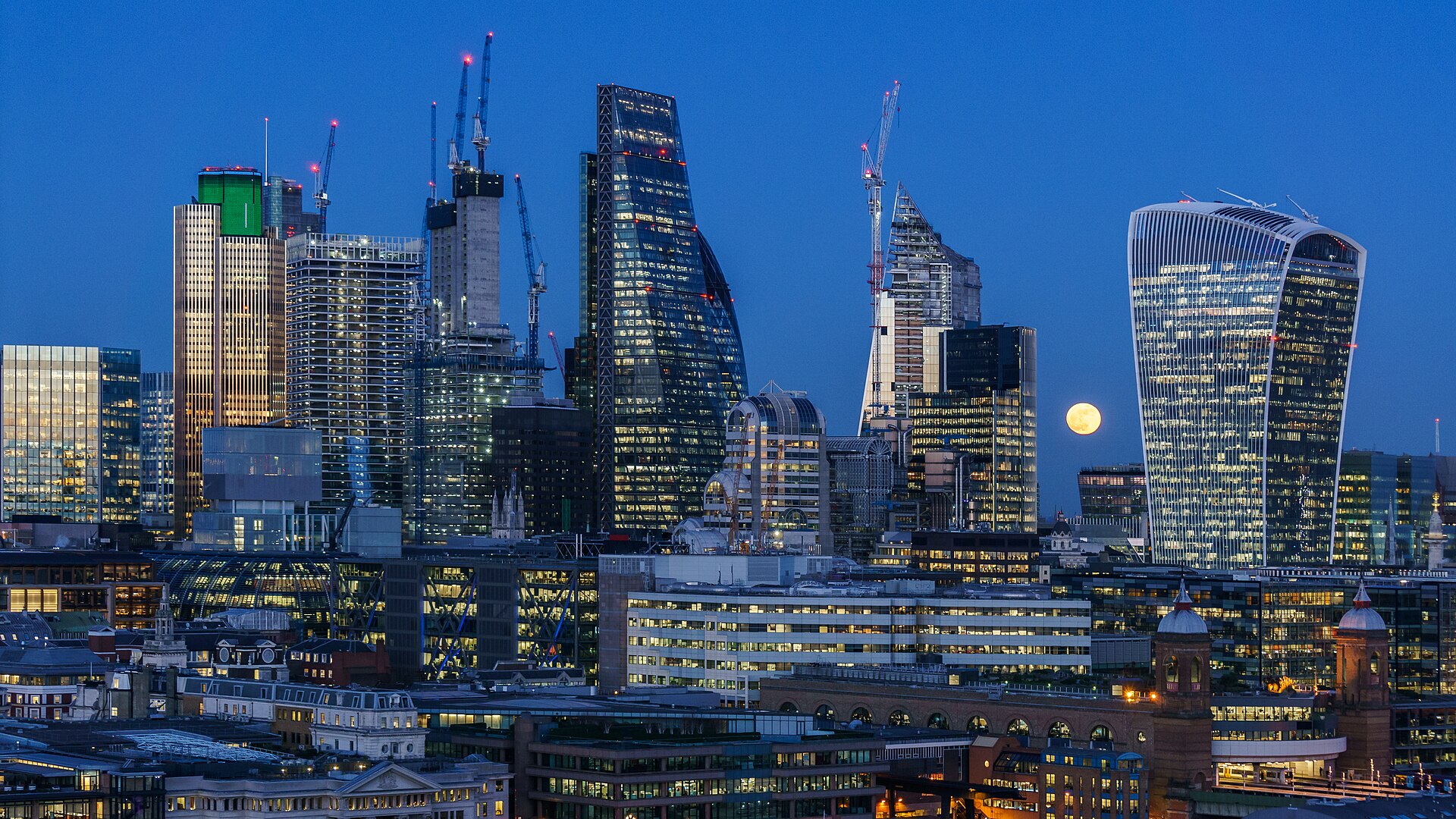
Tate Modern
Bankside, Southwark, London, SE1, United Kingdom
This building used to burn oil to power London. Now it burns through over five million visitors a year who come to see some of the most important modern and contemporary art in the world. The conversion of Bankside Power Station into Tate Modern is one of the great reinvention stories in architecture — a place that generated electricity for thirty years now generates conversation. Sir Giles Gilbert Scott designed the original power station, the same architect behind the red telephone box and Battersea Power Station. The building operated from 1947 to 1981, when rising oil prices made it uneconomical. Swiss architects Herzog & de Meuron won the competition to convert it, and their genius was in what they didn't change. The £134 million transformation preserved the cathedral-like Turbine Hall — 155 metres long and 35 metres high — as a single overwhelming space for large-scale art installations. Since the museum opened in May 2000, the Turbine Hall has hosted some of the most ambitious art commissions of the 21st century. Olafur Eliasson's artificial sun drew two million visitors in 2003. Ai Weiwei filled the floor with 100 million hand-painted porcelain sunflower seeds. Each October-to-March commission turns this industrial cathedral into something utterly unpredictable. The Switch House extension, now called the Blavatnik Building, opened in 2016, adding ten floors of gallery space in a perforated brick tower. From its viewing terrace on the tenth floor you get panoramic views across the Thames to St Paul's — the power station staring across the river at the cathedral, industry facing religion, both of them reimagined.
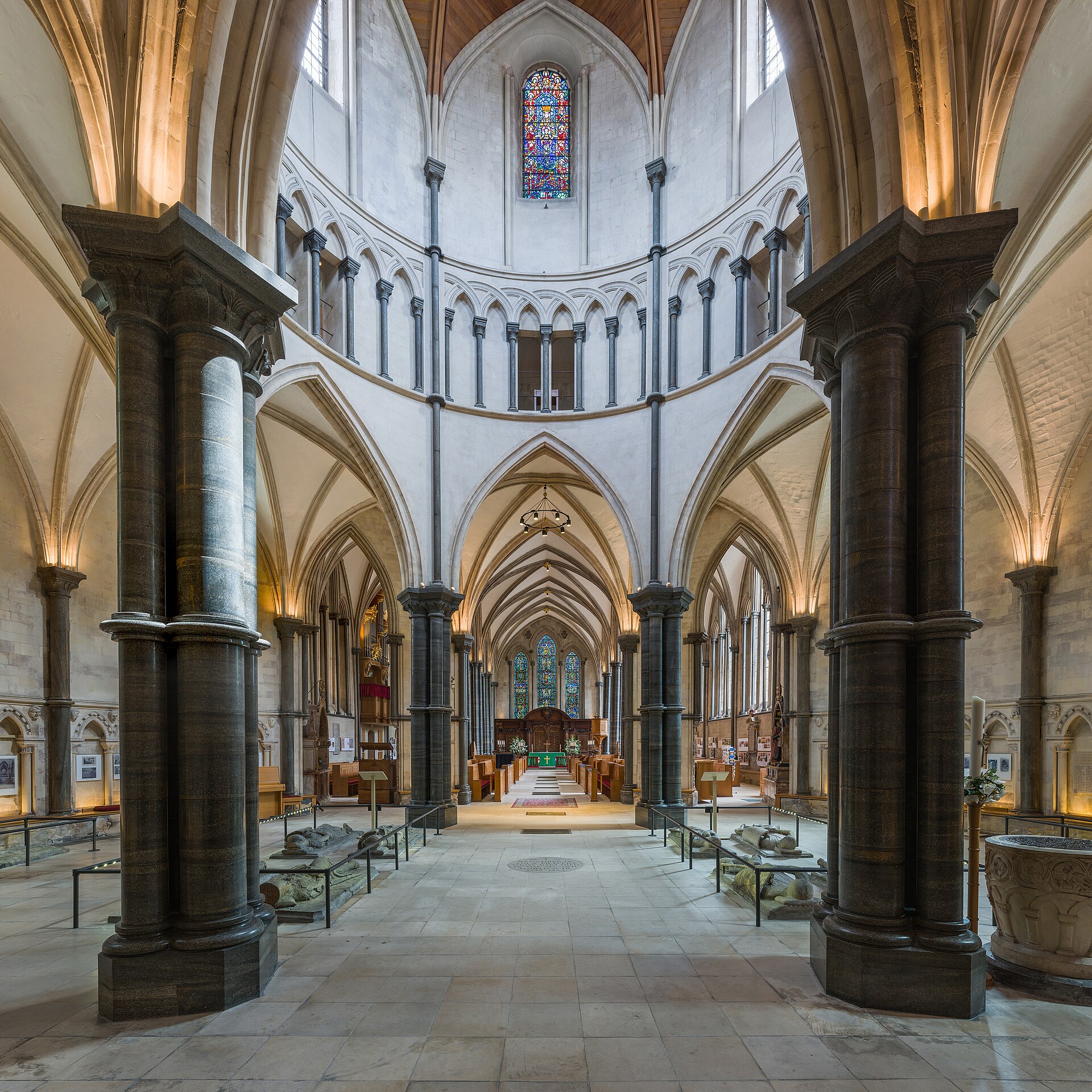
Temple Church
Temple, City of London, London, EC4Y 7BB, United Kingdom
You're standing outside a Crusader church. Not a memorial to the Crusades. An actual church built by the Knights Templar in the twelfth century, consecrated in eleven eighty-five by the Patriarch of Jerusalem himself, in the presence of King Henry the Second. It was modelled on the Church of the Holy Sepulchre in Jerusalem — the round nave was a deliberate echo of the holiest site in Christendom. Inside, lying on the floor of the Round Church, are nine stone effigies of medieval knights. One of them is William Marshal, First Earl of Pembroke. If you've never heard of him, you should have. Marshal served five English kings — Henry the Second, Richard the Lionheart, John, Henry the Third, and the Young King Henry. He won tournaments, fought in wars, and at the age of seventy — seventy — he commanded the English army at the Battle of Lincoln in twelve seventeen, personally fighting in the melee and saving England from a French invasion during a civil war. He's been called the greatest knight who ever lived. He's been lying here since twelve nineteen. The round nave contains the earliest known surviving free-standing Purbeck marble columns in England. Run your hand along one if you get the chance. That stone is eight hundred years old. In thirteen oh-seven, the Templars were arrested across Europe, accused of heresy, and destroyed. Their London church was seized by the Crown and eventually given to lawyers. The Inner Temple and Middle Temple — two of London's four Inns of Court — still share this church today. So the space built by warrior monks to pray before riding to Jerusalem is now used by barristers. Lawyers have been squatting in a Crusader church for over seven hundred years.
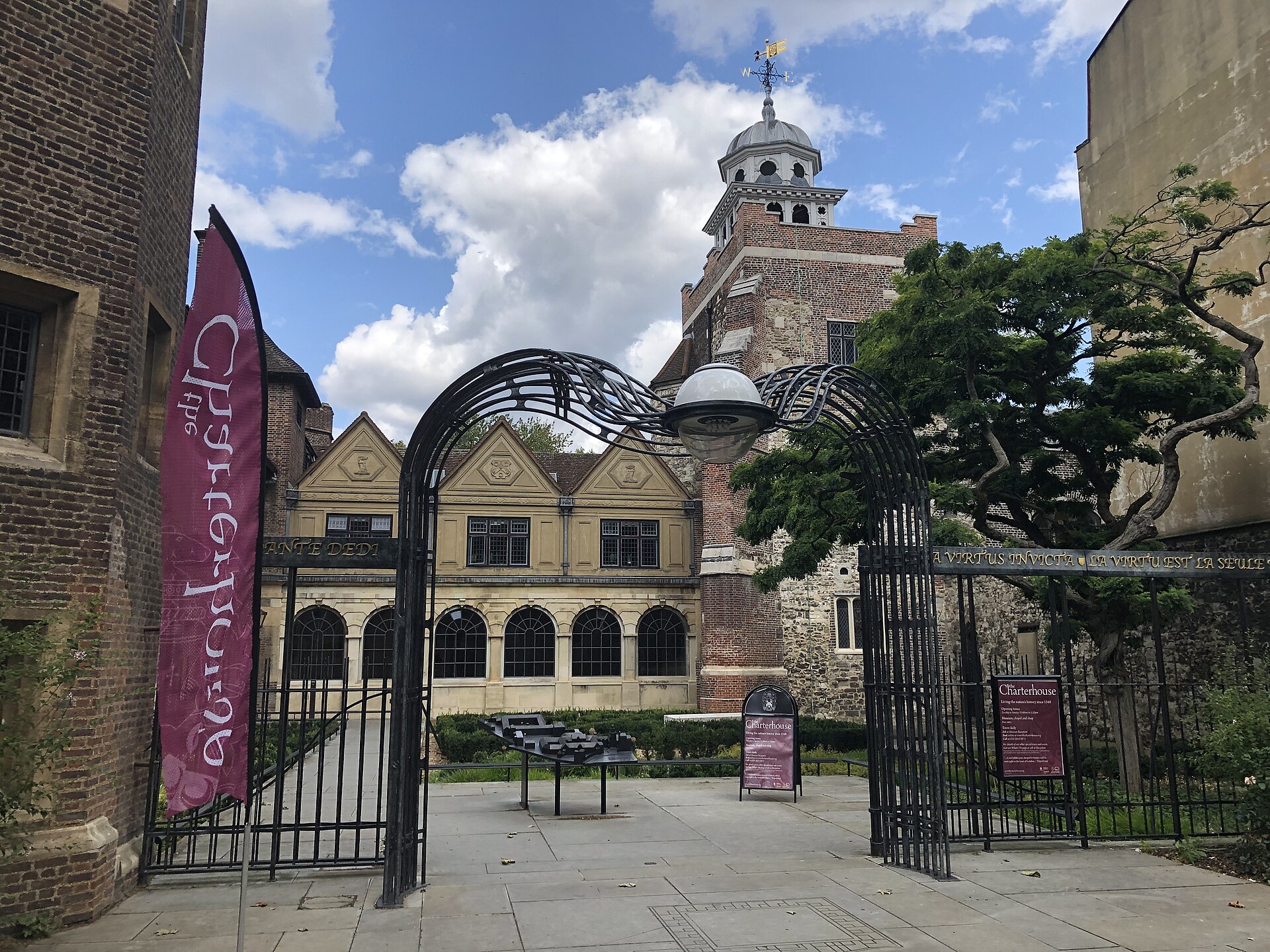
The Charterhouse
Charterhouse Square, London EC1M 6AN
You're standing on top of twenty thousand bodies. In thirteen forty-eight, the Black Death arrived in London and killed roughly half the population. The churchyards couldn't cope. Mass burial pits were dug on the outskirts of the city, and this was one of the largest. An estimated twenty thousand plague victims were dumped here in layers, covered with quicklime, and buried. We know this isn't just legend. In twenty thirteen, during excavations for the Crossrail railway project, archaeologists dug up skeletons from this site and extracted DNA. They found confirmed Yersinia pestis — the plague bacterium — in the bones. The Black Death is literally in the ground beneath your feet. A Carthusian monastery was built over the burial pit in thirteen seventy-one. The monks lived in silence, each in his own cell, praying over the plague dead below. Then Henry the Eighth demanded they acknowledge him as head of the Church. The Carthusians refused. Prior John Houghton was hanged, drawn, and quartered at Tyburn in fifteen thirty-five — one of the first martyrs of the English Reformation. The remaining monks who wouldn't sign were sent to Newgate Prison, chained upright to posts, and left to starve to death. After the Dissolution, the monastery became a Tudor mansion. Then a school — Charterhouse School was founded here in sixteen eleven before moving to Surrey in eighteen seventy-two. And since sixteen eleven, it has also been an almshouse for elderly gentlemen, which it still is today. Eighty or so pensioners — called Brothers — live here in apartments arranged around the medieval cloister, on top of a plague pit, inside a monastery whose monks were starved to death. They have a very nice garden.
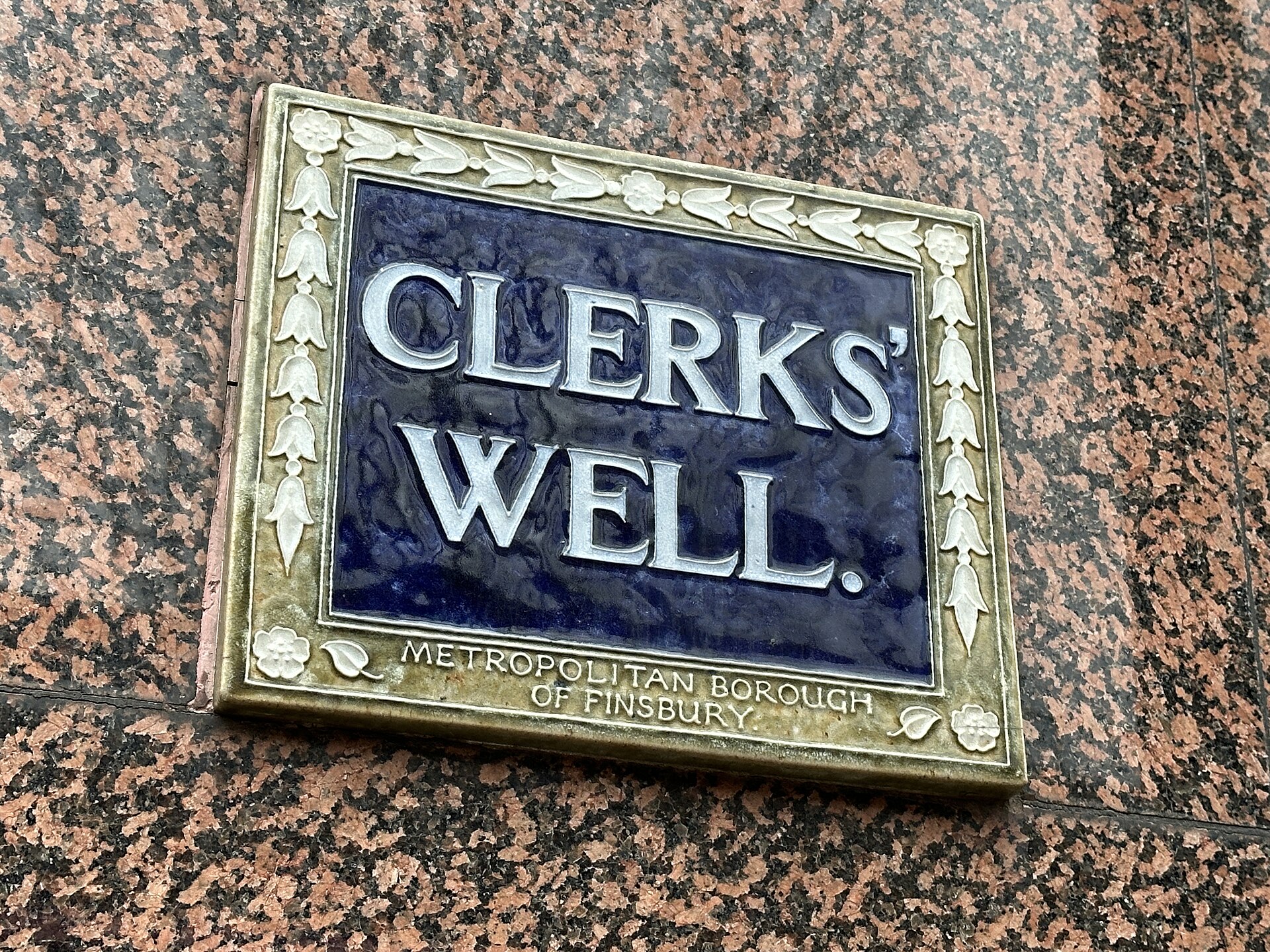
The Clerks' Well
14-16 Farringdon Lane, London EC1R 3AU
An entire London neighbourhood is named after the thing you're about to see through a window. Clerkenwell. Clerks' well. The well of the parish clerks. It's right there, the whole etymology, hiding in plain sight in the place name. In medieval London, the parish clerks used to gather at a natural spring on this spot to perform miracle plays and mystery plays — outdoor theatrical performances of Bible stories. The well became their meeting point, and the area took their name. That's documented as far back as the twelve hundreds. The Clerk's Well was a landmark. Everyone knew where it was. And then London forgot about it. Over the centuries, the well was covered over, built on top of, filled with rubbish, and lost. Completely lost. The neighbourhood kept the name, but nobody could actually find the thing. It sat buried underground, forgotten, for centuries. Then in nineteen twenty-four, workmen demolishing a building on Farringdon Lane dug down and there it was. The medieval well that named an entire district, sitting in the dark, exactly where it had always been. They'd been walking over it for hundreds of years. Today you can see it through the ground-floor window of a building called Well Court at fourteen to sixteen Farringdon Lane. It's behind glass, lit from below, visible from the street. If you want to go inside for a closer look, you can arrange a visit through the Islington Local History Centre. But honestly, just pressing your face against the glass and peering down at this ancient water source that an entire neighbourhood forgot about is a pretty good London experience.
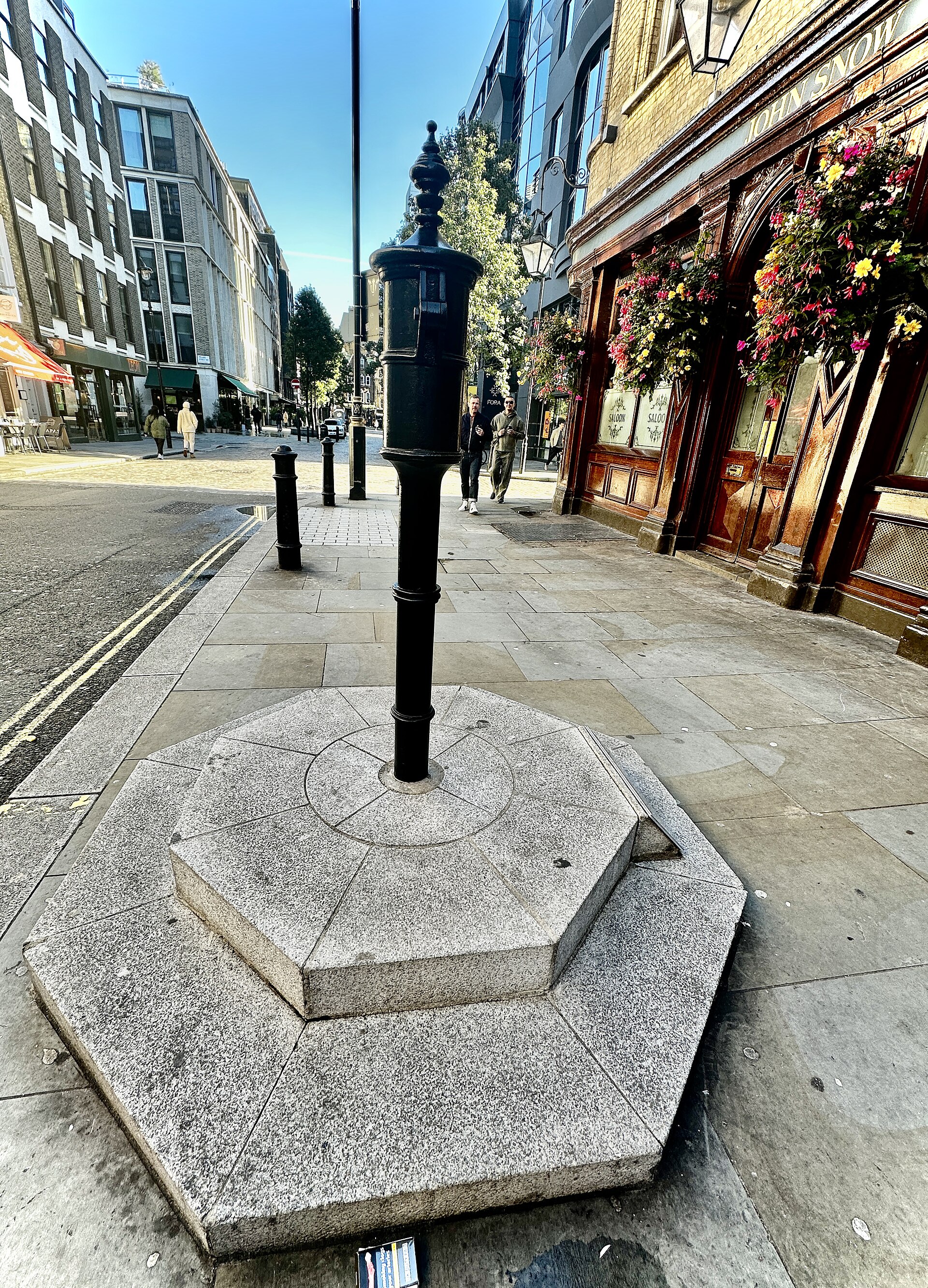
The John Snow Pump
Broadwick Street, City of Westminster, London, W1F, United Kingdom
You're standing at the spot where modern epidemiology was born. That replica water pump in front of you — the one with no handle — marks the exact location of the Broad Street pump that killed six hundred and sixteen people in the summer of eighteen fifty-four. At the time, nobody understood how cholera spread. The prevailing theory was miasma — bad air, foul smells. If it stank, it was dangerous. Doctors genuinely believed you could catch cholera from a bad odour. Then a local physician named John Snow started doing something radical. Instead of theorising, he mapped. Snow plotted every cholera death in the Soho outbreak on a street map and noticed something striking: the deaths clustered around this single pump. People who drank from it got sick. People who didn't, mostly survived. He traced the contamination to a cesspit less than one metre away from the well, leaking raw sewage directly into the water supply. A baby's soiled nappies had been dumped into that cesspit, and the baby had cholera. Snow convinced the local parish council to remove the pump handle. It's a legendary moment in medical history — the birth of epidemiological mapping, the beginning of the end for miasma theory. But here's the thing: by the time the handle came off, the outbreak was already subsiding. The gesture was partly symbolic. It took another decade before the scientific establishment fully accepted Snow's waterborne theory of transmission. The replica pump standing here today deliberately has no handle — a nod to the removal that changed everything. The pub next door is called the John Snow. It used to be called the Newcastle-upon-Tyne. They renamed it in his honour. Fitting — he saved more lives than almost anyone who's ever lived in Soho, and most people walk past without looking up.
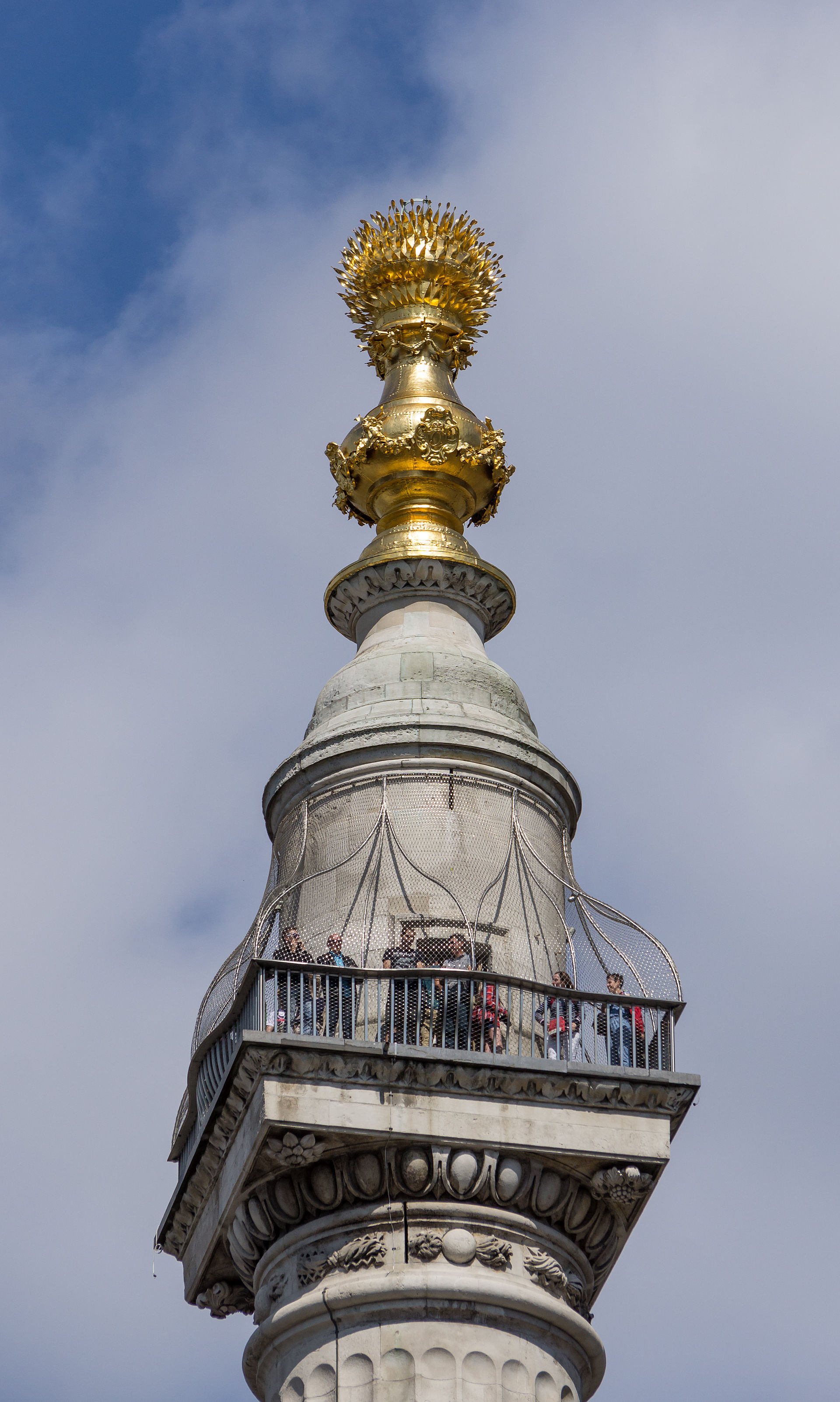
The Monument to the Great Fire of London
Fish Street Hill, London EC3R 8AH
You're looking at one of the cleverest structures in London, and almost nobody knows the half of it. Yes, it commemorates the Great Fire of sixteen sixty-six. It stands exactly two hundred and two feet tall. And it sits exactly two hundred and two feet from the bakery on Pudding Lane where the fire started. If you tipped it over like a domino, the golden urn on top would land on the precise spot where Thomas Farriner's oven set London ablaze. But here's what they don't tell you. This thing was designed by Robert Hooke — Christopher Wren gets the credit, but Hooke did the heavy lifting — as a dual-purpose structure. A memorial, yes. But also a giant zenith telescope. That hollow column was meant to be used for astronomical observations, with a hidden laboratory underneath for scientific experiments. The idea was to peer straight up through the column at the night sky. It didn't quite work — vibrations from traffic on Fish Street Hill ruined the readings — but the underground lab is still there. There are three hundred and eleven steps to the top. The view is spectacular. But between seventeen eighty-eight and eighteen forty-two, six people died by suicide jumping from the viewing platform. After the sixth death, they finally added a safety cage. The writer James Boswell climbed it in seventeen sixty-three. Halfway up, he had a full-blown panic attack. He described being terrified, shaking, and struggling to breathe. But he forced himself to the top, because apparently that's what you did in the eighteenth century. You had a panic attack and then kept climbing.
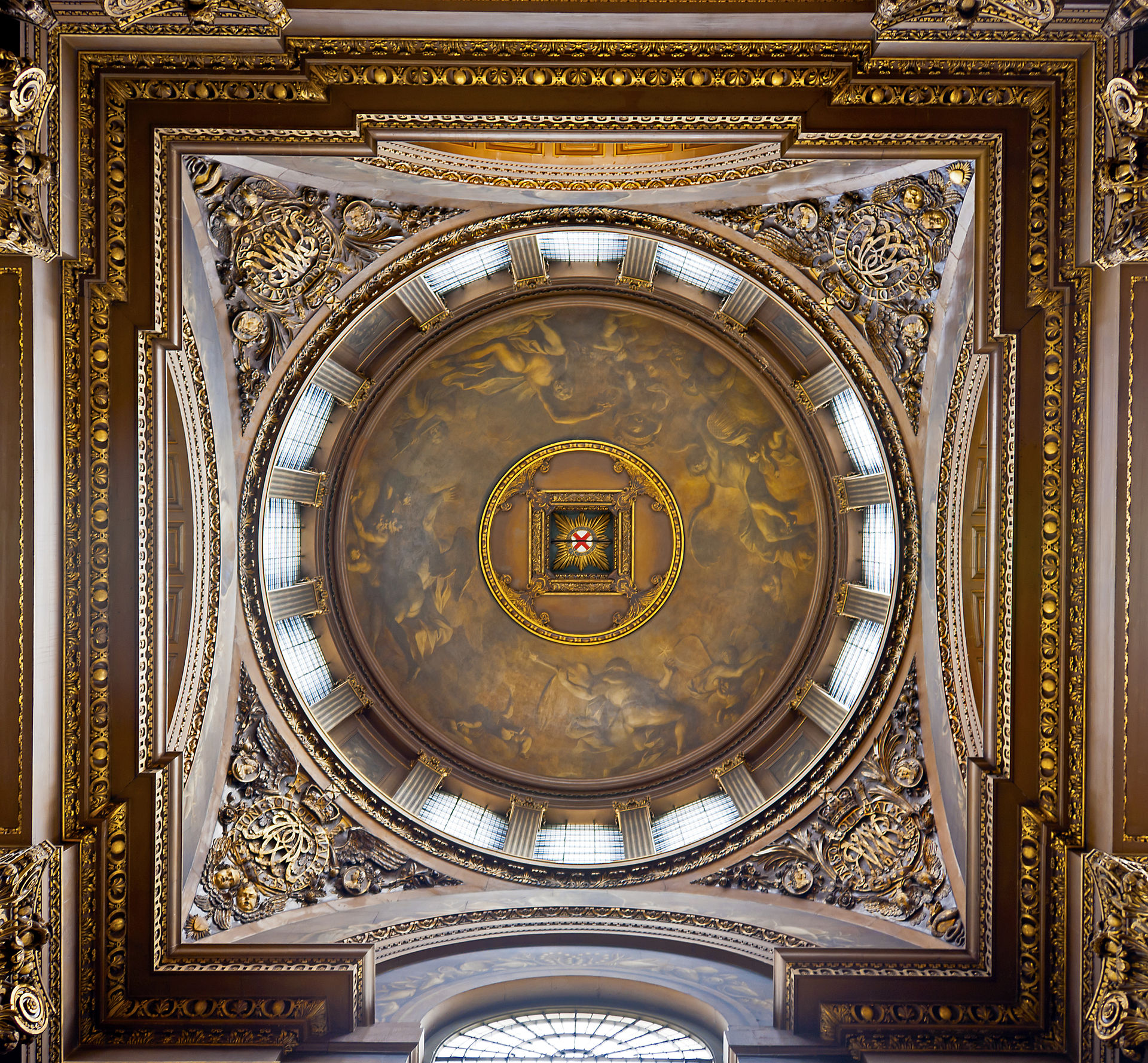
The Painted Hall, Greenwich
Old Royal Naval College, King William Walk, London SE10 9NN
They call this Britain's Sistine Chapel, and for once the comparison isn't hyperbole. You're about to walk into three thousand seven hundred square metres of Baroque painting — ceiling, walls, and everything in between — covering every surface of a single enormous room. Two hundred figures. Kings, queens, mythological creatures, celestial beings, naval heroes. It is staggering. The artist was James Thornhill, and it took him nineteen years. He started in seventeen oh-seven and finished in seventeen twenty-six. The pay structure was beautifully absurd: one pound per square yard for the walls, three pounds per square yard for the ceilings, because painting overhead is harder. The total bill came to roughly what would be one point four million pounds today. Thornhill was knighted for his efforts, making him the first native-born English painter to receive that honour. But here's the punchline. The Painted Hall was designed as a dining room for retired sailors at the Royal Hospital for Seamen. Injured veterans of the Royal Navy were supposed to eat their meals here, surrounded by all this grandeur. Except the authorities took one look at the finished room and decided it was far too beautiful for retired sailors to eat in. So the men it was built for were redirected to a plainer room, and the Painted Hall became a tourist attraction. A dining hall too grand for diners. In eighteen oh-six, Lord Nelson's body lay in state here for three days before his funeral at St Paul's. Tens of thousands filed past to pay their respects. The coffin was placed beneath the painted ceiling that the common sailors were never allowed to eat under. The building itself was designed by Christopher Wren and Nicholas Hawksmoor. Because in Greenwich, even the rooms nobody's allowed to use are masterpieces.
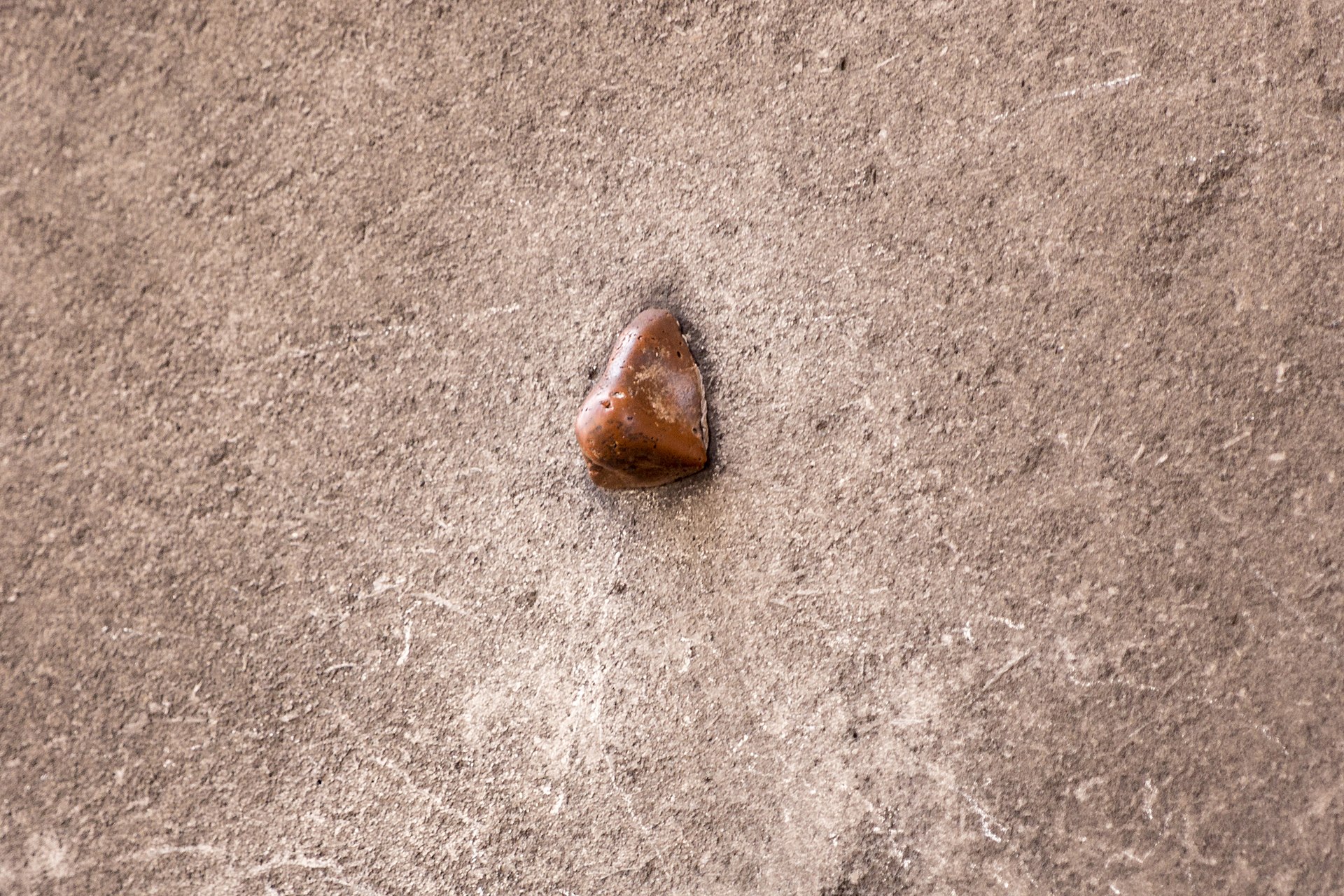
The Seven Noses of Soho
Various locations; most famous on Admiralty Arch, The Mall, London SW1A 2WH
Look up at Admiralty Arch as you pass through it toward The Mall. On the inside wall, about seven feet up on the left, there's a human nose. Just sticking out of the stone. No face. No plaque. Just a nose. In nineteen ninety-seven, an artist named Rick Buckley went out at night and glued thirty-five plaster casts of his own nose to buildings across central London. It was a guerrilla art protest against the explosion of CCTV surveillance cameras — London was becoming one of the most watched cities on Earth, and Buckley thought that was worth commenting on. A nose for the nosy state. He didn't tell anyone he'd done it. For fourteen years, the noses just... existed. People found them and had no idea what they were. Urban legends grew around them. The most persistent myth claimed there were exactly seven noses hidden in Soho, and that anyone who found all seven would become fabulously wealthy. Treasure-hunt maps circulated. People spent weekends searching. Buckley finally came forward in two thousand and eleven to claim responsibility. By then, most of the original thirty-five had been knocked off, painted over, or lost to building renovations. Only about four survive in Soho itself — on Bateman Street, Dean Street, Endell Street, and Great Windmill Street. The Admiralty Arch nose is the most famous because it's the easiest to spot, though it's technically not in Soho. What makes this brilliant is the irony. An anti-surveillance artwork became the subject of public surveillance — people hunting, photographing, cataloguing. The noses watch us watching for them. Buckley couldn't have designed a better feedback loop if he'd tried.
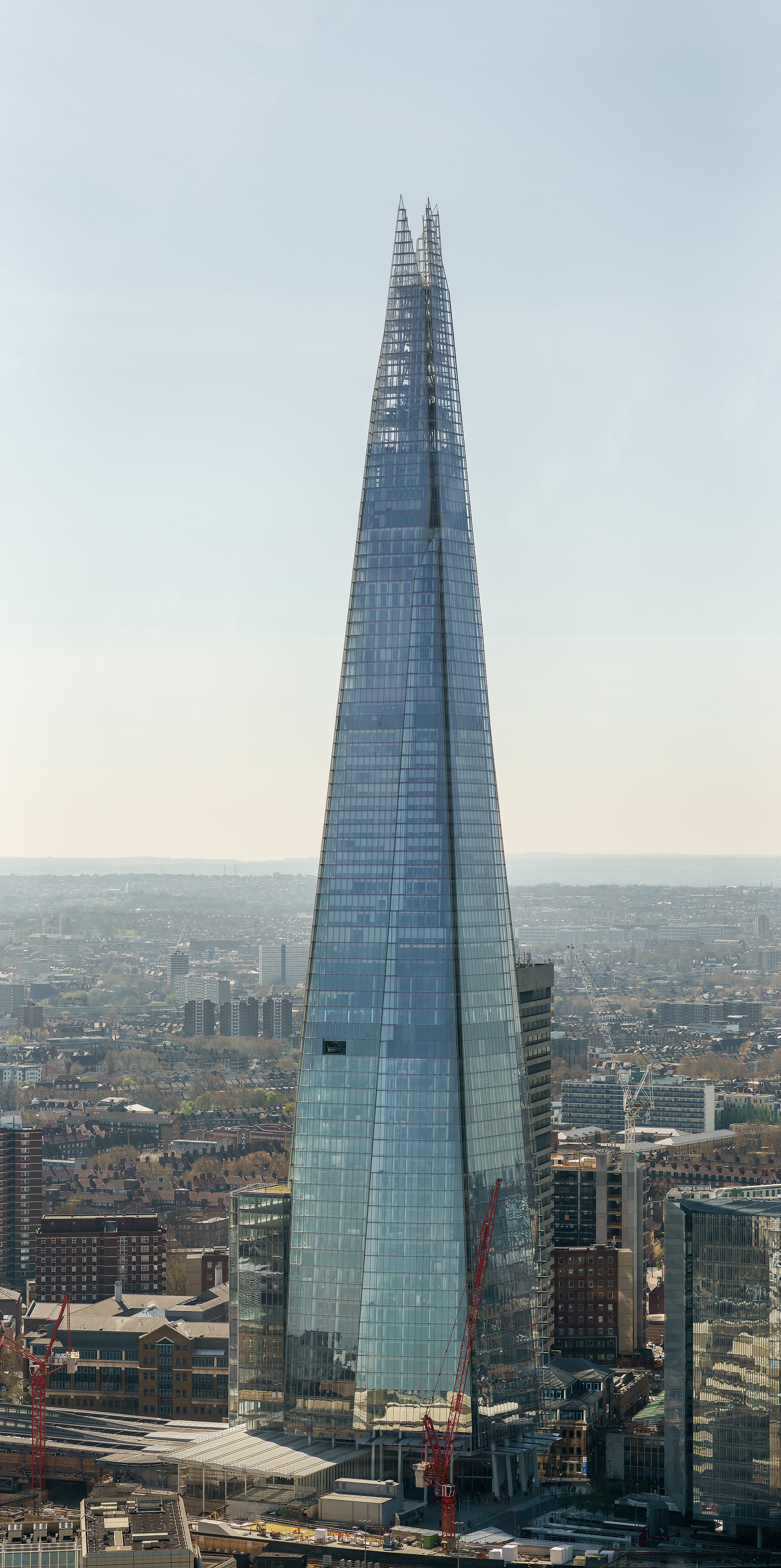
The Shard
32 London Bridge St, London SE1 9SG
Renzo Piano sketched the first concept for this building on the back of a napkin at a Berlin restaurant. He drew a spire inspired by the church steeples of London and the masts of tall ships in Canaletto's paintings of the Thames — a shard of glass rising from the riverbank like something between a cathedral and an iceberg. The name stuck. At 310 metres, The Shard is the tallest building in Western Europe. It has 95 storeys with 72 habitable floors, and its eight sloping glass facades fragment the sky in different ways depending on the weather and the time of day. The building contains offices, three restaurants, the five-star Shangri-La hotel (occupying floors 34 to 52), ten private apartments, and The View from The Shard on floor 72, which at 244 metres is the highest public viewing platform in the UK. Construction began in March 2009 and the building was topped out on 30 March 2012, but the story of getting it built is almost as interesting as the building itself. Piano initially envisioned it as a "vertical city" — a place where people live, work, eat, and sleep without ever touching the ground. London Bridge station, directly below, makes it one of the most connected skyscrapers in the world. The building uses 11,000 glass panels — enough to cover eight football pitches — and no two panels are quite the same shape. At the top, the glass facades don't quite meet, leaving an open crown that lets the wind pass through rather than pushing against a solid surface. It's a practical solution that gives the building its distinctive unfinished look, as though it's still reaching upward.
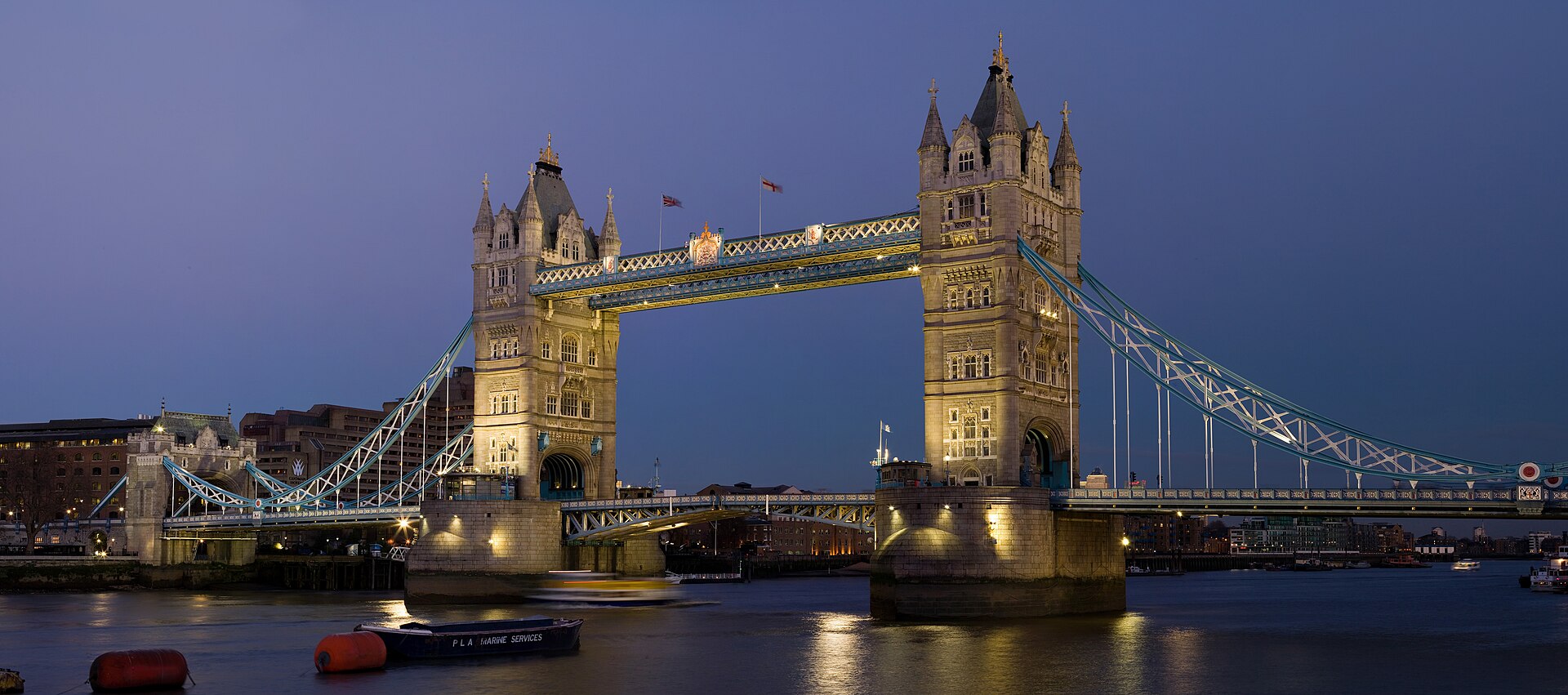
Tower Bridge
Tower Bridge Rd, London SE1 2UP
Everyone calls it London Bridge, and everyone is wrong. Tower Bridge is the one with the towers, the one that opens, and the one that took eight years and 432 workers to build. It was opened by the Prince of Wales on 30 June 1894 after a construction process that consumed over eleven thousand tonnes of steel and required the laying of seventy thousand tonnes of concrete. The word "bascule" comes from the French for "seesaw," which is exactly how this bridge works — two massive arms pivot on an axis to lift and let ships pass through. In its first year alone, the bascules were raised 6,194 times, an average of seventeen times a day. The original mechanism was powered by steam-driven hydraulic pumps, and those gorgeous Victorian engines are still on display in the old engine rooms. The system was converted to oil and electricity in 1976, but the fundamental engineering remains a marvel. The high-level walkways between the two towers were designed so pedestrians could cross even when the bridge was raised. In practice, they became notorious as gathering places for prostitutes and pickpockets, and were closed in 1910. They didn't reopen until 1982, when the Tower Bridge Exhibition reclaimed them as viewing galleries — now with glass floors that let you look straight down at the traffic and river forty-two metres below. Tower Bridge is often confused with its plain neighbour upstream, but there's no mistaking the two up close. This is Victorian engineering at its most theatrical — a bridge designed to look medieval while hiding state-of-the-art industrial machinery inside its Gothic towers. It was, and remains, a bridge built to impress.
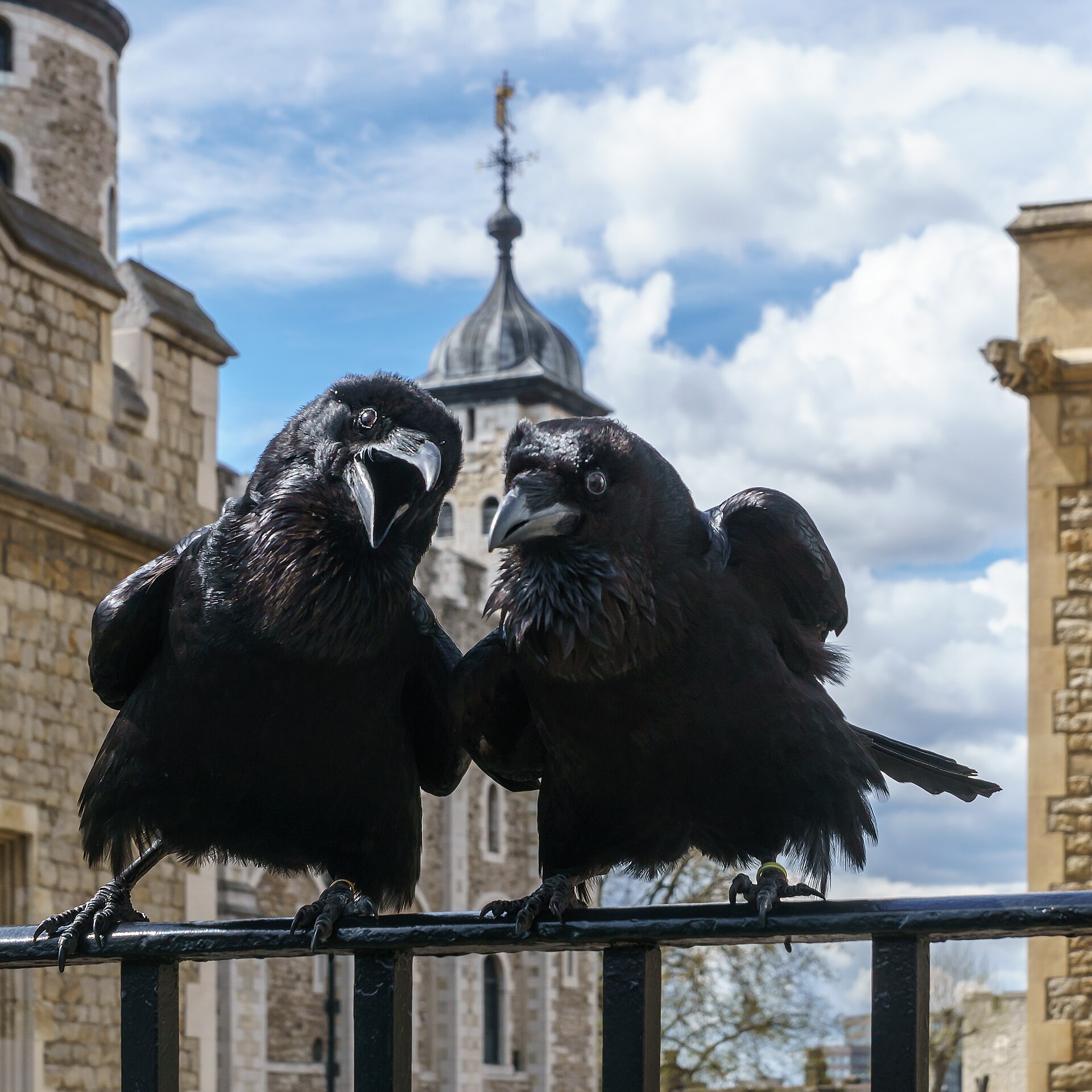
Tower of London
Tower of London, London EC3N 4AB
So here's the thing about the ravens. You've probably heard the legend — if the ravens ever leave the Tower, the kingdom will fall. It's ancient. It dates back to Charles the Second. Except... it almost certainly doesn't. The earliest known reference to captive ravens here is an illustration from eighteen eighty-three — the Victorian era, not the Restoration. The whole prophecy was probably cooked up as a morale booster during the Second World War, when all but three ravens died from bombing and stress during the Blitz. The survivors were called Gripp, Mabel, and Pauline. But the raven connection to this spot goes deeper than Victorian myth-making. The Welsh word for raven is Bran. In Welsh mythology, the giant king Bran the Blessed ordered his followers to bury his head under the White Hill — which is exactly where this tower now stands — to protect Britain from invasion. So when you see those big black birds strutting around the green, you're looking at a story that's been layered and rewritten for maybe a thousand years. And these birds have personalities. Raven George was formally dismissed from royal service for eating television aerials. Raven Grog went AWOL and was last spotted outside an East End pub. They hold official military ranks, they get enrolled on the strength of the garrison, and yes, they can be sacked for bad behaviour. There's a Ravenmaster — currently one of the Yeoman Warders — whose full-time job is keeping them fed, healthy, and on-site. Each bird gets about six ounces of raw meat a day, plus the occasional blood-soaked biscuit. The Tower itself has been a royal palace, a prison, an armoury, a treasury, a zoo, and the home of the Crown Jewels. William the Conqueror started building it in ten sixty-six. Nearly a thousand years later, people are still arguing about the birds.
Trafalgar Square & Nelson's Column
Trafalgar Sq, City of Westminster, London, WC2N 5DN, United Kingdom
Nelson stands 51.5 metres above the pigeons, perpetually gazing toward the Admiralty and the sea he dominated. The column was built between 1840 and 1843 from Dartmoor granite — a last-minute change from sandstone — and topped with an 5.5-metre statue of the admiral carved from sandstone by Edward Hodges Baily. The whole thing was funded by public subscription after a committee of 121 peers and MPs, chaired by the Duke of Wellington himself, selected William Railton's Corinthian column design. The four bronze lions at the base didn't arrive until 1867, more than two decades after the column was finished. Sir Edwin Landseer, the animal painter, designed them, and they were cast from melted-down French cannons. Look closely and you'll notice the lions are anatomically questionable — Landseer used a dead lion from London Zoo as his model, and critics at the time said they looked more like large domestic cats. The square itself occupies what was once the King's Mews, where royal hawks and later horses were kept. It was redesigned in the 1830s by architect John Nash and named after Nelson's greatest victory at the Battle of Trafalgar in 1805. The bronze reliefs around the column's base depict four of Nelson's naval victories, cast from captured French and Spanish cannons. The Fourth Plinth in the northwest corner was originally intended for an equestrian statue that was never commissioned due to lack of funds. Since 1999, it has hosted a rotating series of contemporary artworks, turning an empty plinth into one of the most prominent public art commissions in the world. The square draws around fifteen million visitors annually.
V&A Museum
Cromwell Rd, London SW7 2RL
The V&A began life in 1852 as the "Museum of Manufactures" — a name so dull it practically dared people not to visit. Its first director, Henry Cole, had a grander vision: he wanted a "schoolroom for everyone" that would improve British design by exposing manufacturers, designers, and ordinary people to the best decorative arts in the world. It worked. The museum changed its name to the South Kensington Museum and eventually, in 1899, became the Victoria and Albert when Queen Victoria laid the foundation stone of the new Aston Webb building. Today it's the world's largest museum of applied and decorative arts, holding over 4.5 million objects spanning 5,000 years of human creativity. The collection is staggering in its range: Raphael's cartoons for the Sistine Chapel tapestries sit alongside the Great Bed of Ware (a ten-foot-wide Elizabethan bed mentioned by Shakespeare), Tipu's Tiger (an 18th-century automaton of a tiger mauling a British soldier), and the largest collection of post-classical sculpture in the world. The museum sits in the heart of "Albertopolis" — the cluster of cultural institutions in South Kensington that Prince Albert championed after the Great Exhibition of 1851. The original building incorporates iron and glass construction methods that were revolutionary at the time, and the Cromwell Road facade stretches for 220 metres. The John Madejski Garden, the V&A's central courtyard, was redesigned in 2005 with a shallow elliptical pool that transforms into a skating rink in winter. Look up from the courtyard and you can see the ornate mosaics and terracotta decorations that cover much of the building's exterior — every surface of this place was designed to teach something about beauty.
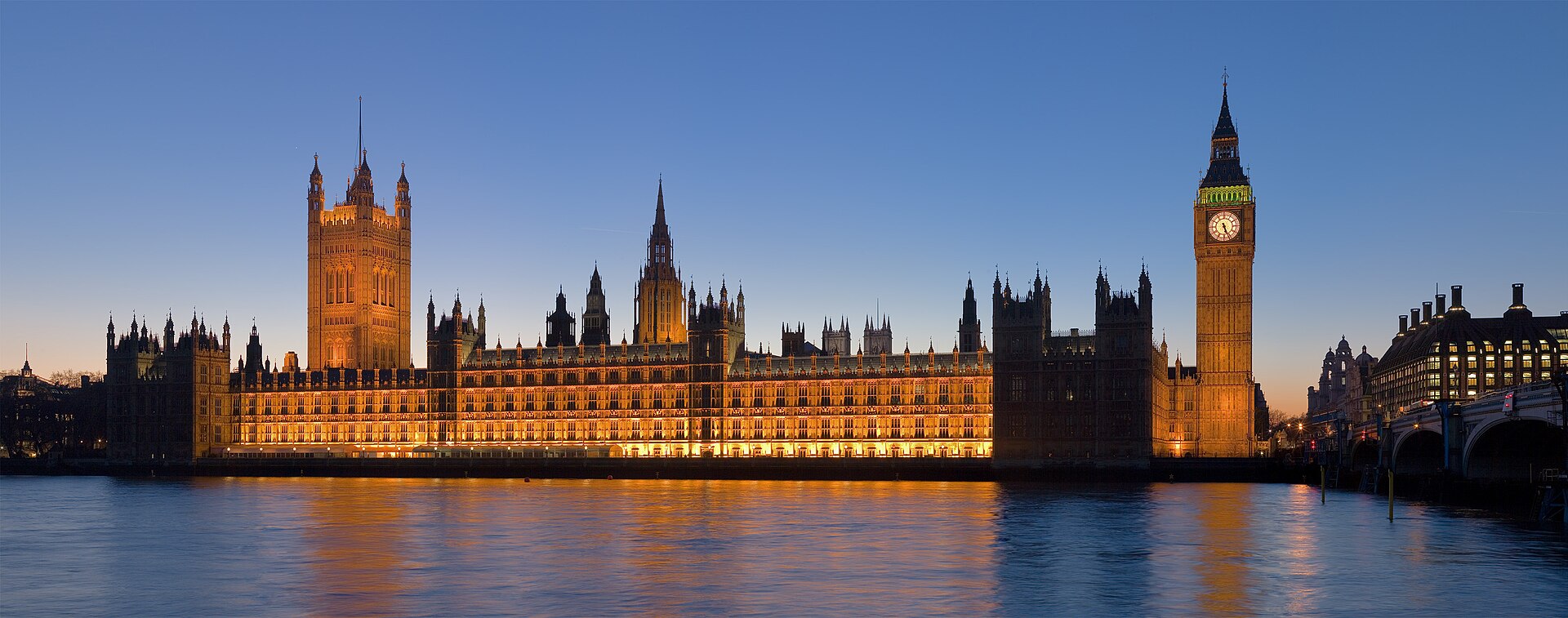
Westminster Abbey
20 Deans Yard, London SW1P 3PA
This place has hosted every English and British coronation since William the Conqueror in ten sixty-six. Every single one. But here's what they don't put on the postcards. Poet Ben Jonson — Shakespeare's great rival and drinking buddy — was so broke when he died in sixteen thirty-seven that he couldn't afford a full burial plot. So they buried him standing upright in the nave. Vertically. In a space roughly eighteen inches square. When his grave was accidentally disturbed during repairs in eighteen forty-nine, a workman confirmed: the skeleton was indeed standing up, skull on top. That's commitment to real estate efficiency. Then there's the oldest door in Britain. Tucked away in the Chapter House vestibule is a door made from a single oak tree. Radiocarbon dating puts the tree at around nine twenty-four AD — over a thousand years old. It's the only surviving Anglo-Saxon door anywhere in the world, and most people walk right past it. On Christmas Eve nineteen fifty, four students from Glasgow drove down in a Ford Anglia, broke into the Abbey, and stole the Stone of Scone — the ancient coronation stone that had sat under the throne since Edward the First nicked it from Scotland in twelve ninety-six. They cracked it in half getting it out. A policeman stopped them on the road, but instead of arresting them, offered them cigarettes and waved them on. The stone turned up four months later in Arbroath Abbey, draped in a Scottish flag. It was quietly returned. Oh, and technically this hasn't been an abbey for over four hundred and fifty years. It lost its monastery status in fifteen fifty-nine and became a Royal Peculiar — answering directly to the monarch, not the Church of England. The name just stuck.
Wilton's Music Hall
1 Wiltons Music Hall, Tower Hamlets, London, E1 8JB, United Kingdom
Down a tiny alley off Cable Street in the East End, behind a door that looks like it leads to nothing, is the oldest surviving grand music hall in the world. And the story of how it survived is almost as good as the performances it once hosted. In eighteen fifty-nine, a publican named John Wilton had an idea. He owned a pub on this spot, and he bought up the back gardens of three adjoining terraced houses, knocked through the walls, and built a full-scale concert hall across them. Gilded mirrors, barley-twist columns, a balcony, gas chandeliers — proper West End glamour, planted in one of the poorest parts of London. Working-class East Enders could see the same quality of entertainment as the Mayfair crowd, at prices they could afford. It lasted eighteen years. A devastating fire in eighteen seventy-seven gutted the interior. It was rebuilt, but the era of the grand music hall was fading. The hall closed in eighteen eighty-one and was taken over by a Methodist mission. For decades, it served as a chapel and soup kitchen. During the great dock strike of eighteen eighty-nine, striking workers and their families were fed here. By the twentieth century, the building was derelict. It was used as a rag-sorting warehouse. Then came the demolition order. The poet John Betjeman led a campaign to save it, arguing that you can't just knock down the oldest music hall in the world. The campaign worked. The building was listed. But it took until twenty fifteen for a full restoration to be completed. Today it operates as a performance venue again. The walls still show the scars of the fire, the mission, and the warehouse years. They left the damage visible on purpose. Every crack tells a chapter.
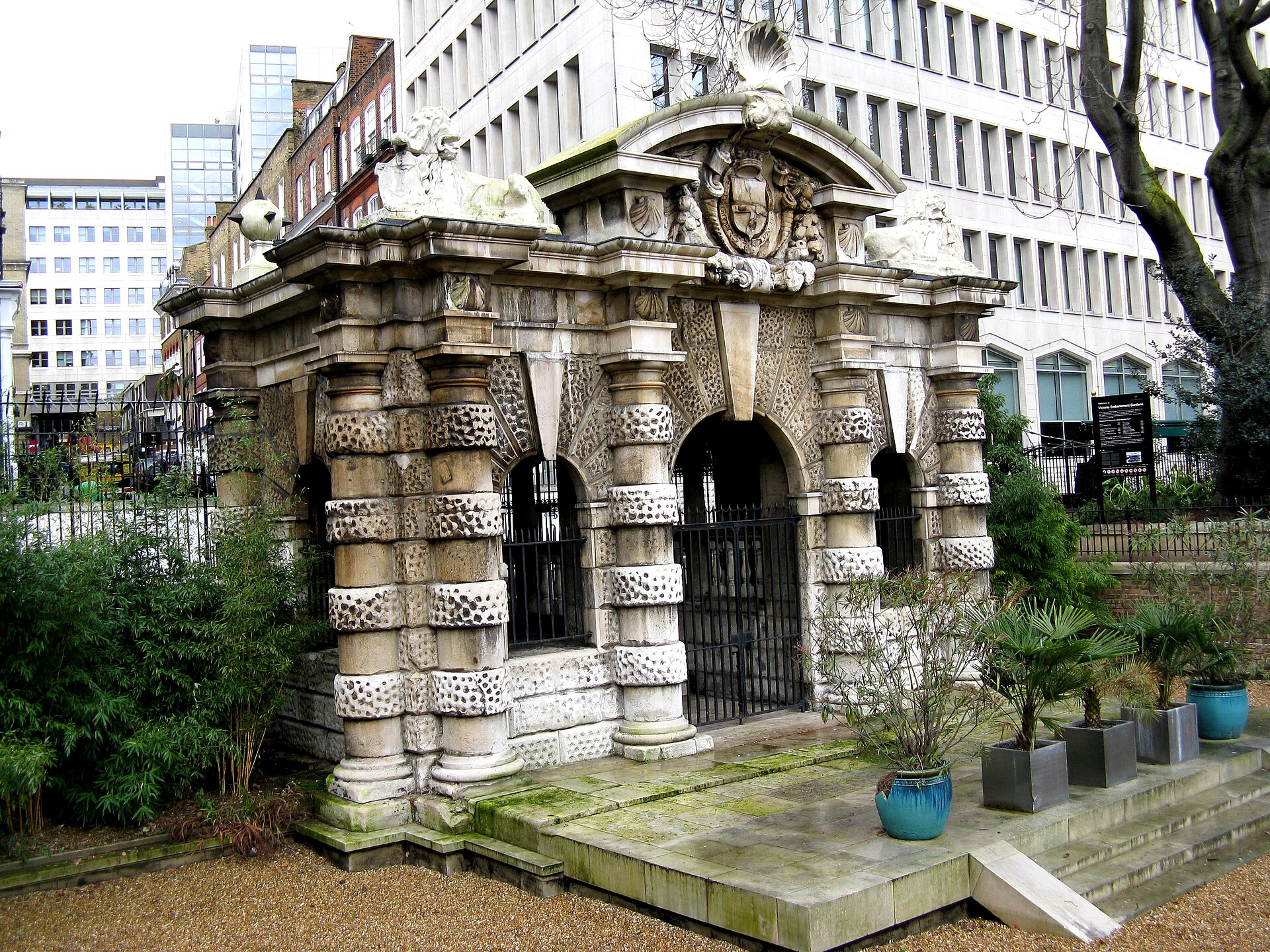
York Watergate
15-16 Buckingham St, City of Westminster, London, WC2N 6DU, United Kingdom
This ornate stone arch sitting in the middle of a garden looks completely out of place. That's because it is. When this gate was built around sixteen twenty-six, it was a boat dock. The Duke of Buckingham's grand riverside mansion stood behind you, and this gate opened directly onto the Thames. Servants would walk through it, step into a boat, and be on the water. It was the seventeenth-century equivalent of a private jetty. Today, the river is a hundred and fifty metres away. The gate hasn't moved. The river has — or rather, London stole the riverbank. In the eighteen sixties, the great Victorian engineer Joseph Bazalgette designed the Victoria Embankment. London's sewage was pouring directly into the Thames, cholera was killing thousands, and the stench was so bad that Parliament couldn't sit during summer — they called it the Great Stink of eighteen fifty-eight. Bazalgette's solution was a massive underground sewer system, and to build it, he reclaimed a huge strip of riverbank. The earth came partly from the excavation of the District Line underground railway, with topsoil brought in from Barking Creek. Everything between this gate and the current river's edge was once water. The gate tells you exactly how wide the Thames was four hundred years ago. It's a measurement frozen in stone — a permanent marker of where London's shoreline used to be. Most people walk through the Embankment Gardens without giving it a second glance. It looks like a decorative garden folly. But it's actually one of the most revealing objects in London — a four-hundred-year-old boat dock stranded a hundred and fifty metres from the water, proving that the city you're walking on is largely manufactured ground.