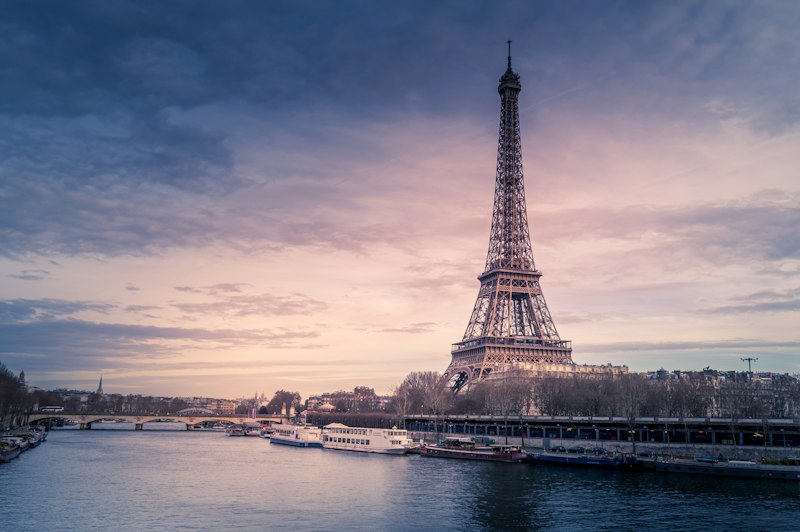
Walking Tours in Paris
Buenos Aires: The Paris of the South
Buenos Aires was founded twice — once in fifteen thirty-five, abandoned, and refounded in fifteen eighty by Juan de Garay. For two hundred and fifty years it was a backwater of the Spanish Empire, prohibited from trading directly with Europe and forced to smuggle goods through Montevideo. Then in eighteen ten it declared independence, and in the decades that followed it became one of the fastest-growing cities in the world — importing architecture, culture, and millions of immigrants from Italy, Spain, France, and Eastern Europe, building a city that the Argentines called 'the Paris of the South.' The Tango was born in the brothels and conventillos of La Boca and San Telmo. Evita is buried in Recoleta. The mothers of the disappeared circled the Plaza de Mayo every Thursday for decades. This city has lived at operatic intensity for two centuries, and the streets carry all of it.
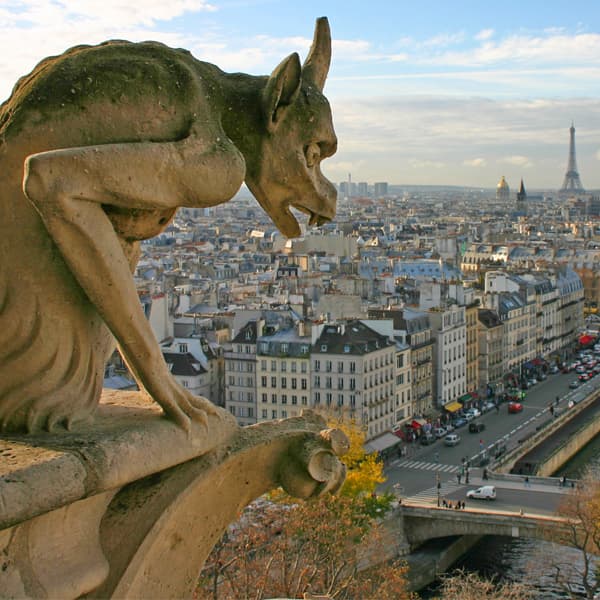
Historic Paris
A 21-stop walking tour through the heart of France. Visit Historic Paris Walk, Point Zero, Notre-Dame’s Façade, and Notre-Dame’s Interior — with narrated stories at every stop.
Paris: Covered Passages — Secret Shopping Arcades
The hidden glass-roofed arcades of 19th-century Paris — a pneumatic tube library, a sabotaged passage, scones under a soaring dome, and a restaurant where waiters write the bill on the tablecloth.
Paris: Le Marais — Mansions, Rebels & Falafel
Through medieval courtyards, past the melted hearts of kings, to Europe's best falafel. Proust's cork-lined bedroom, Victor Hugo's square, and Louis XVI's diary entry for the day the Bastille fell: nothing.
Paris: Le Marais, Notre-Dame & the Heart of the City
Stand on the charred stones where Notre-Dame is rising again, cross to the Left Bank for Shakespeare and Company, return over the Pont Neuf, walk through the Place des Vosges — Paris's oldest and most perfect square — into the Marais where the Jewish quarter and the gay village share the same cobblestones, and end at the Centre Pompidou where the art world moved in nineteen seventy-seven.
Paris: Montmartre — Artists, Rebels & Sacré-Cœur
From the Moulin Rouge to Sacré-Cœur — Van Gogh's apartment, the studio where Picasso invented Cubism, and the bar where he traded a painting for drinks that later sold for forty million dollars.
30 Landmarks in Paris
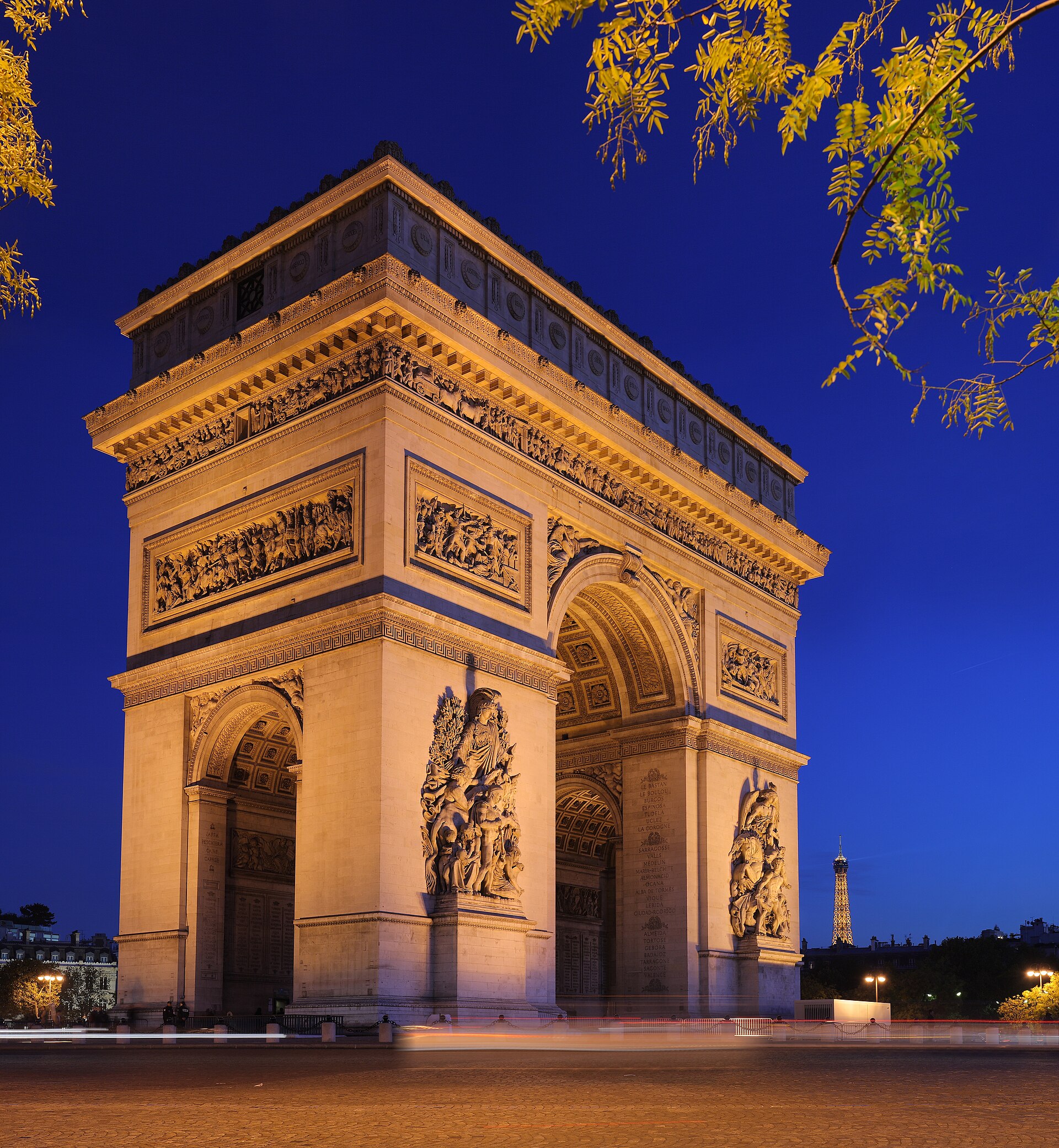
Arc de Triomphe
Place Charles de Gaulle, 75008 Paris
Napoleon commissioned this arch in 1806, right after his victory at Austerlitz, but he never got to walk through it as Emperor. Construction took thirty years, and by the time it was finished in 1836, Napoleon had been exiled, returned, been exiled again, and died. His body did eventually pass under the arch in 1840, when his remains were brought back from Saint Helena. The arch sits at the center of the Place de l'Étoile — the "star" — where twelve avenues radiate outward. Driving around it is one of the most terrifying traffic experiences in the world: no lane markings, no traffic lights, and insurance companies in France consider accidents in this roundabout to be automatically shared liability because assigning fault is basically impossible. Beneath the arch lies the Tomb of the Unknown Soldier, placed here in 1921, with an eternal flame that has been rekindled every evening at 6:30 PM without interruption since 1923. During the Nazi occupation, German soldiers marched past it daily, but even they didn't dare extinguish the flame — it had become too powerful a symbol. In 2021, the artist Christo (who had died the year before) fulfilled a sixty-year dream: wrapping the entire Arc de Triomphe in 25,000 square meters of silvery-blue fabric. It was temporary — just sixteen days — and drew five million visitors. The project had been in Christo's head since he'd lived in Paris as a young refugee in 1961.
Canal Saint-Martin
Quai de Jemmapes, 75010 Paris
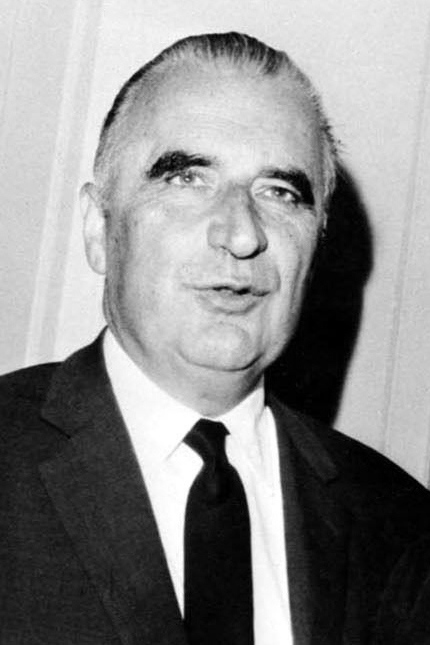
Napoleon ordered this canal built in 1802 to bring fresh drinking water to a Paris ravaged by cholera and dysentery. It took twenty years to finish, and by then Napoleon was long dead on Saint Helena. The canal runs 4.5 kilometers from the Seine to the Bassin de la Villette, crossing through the 10th arrondissement via a series of iron footbridges, locks, and tree-lined quays that are impossibly photogenic. For most of the 20th century, this was a gritty working-class area of warehouses and workshops. The canal itself was almost destroyed in the 1960s when Georges Pompidou proposed paving it over to build a highway — a plan that would have ripped the heart out of the neighborhood. Community opposition killed the project, and the canal was classified as a historic monument in 1993. The neighborhood exploded in popularity after the 2001 film Amélie — much of it was filmed here, and suddenly half of Paris wanted to live in the 10th arrondissement. Today it's the epicenter of young, creative Paris: independent boutiques, specialty coffee roasters, natural wine bars, and some of the city's best contemporary restaurants line the quays. On Sundays, the roads are closed to traffic, and the entire canal becomes a promenade. The best stretch is between the Rue du Faubourg du Temple and the Avenue Richerand, where the locks still operate, raising and lowering boats between levels. Sit on the iron railings with a bottle of wine at sunset, watch the water cascade through the lock gates, and you'll understand why Parisians fight over apartments in this neighborhood.
Centre Pompidou
Place Georges-Pompidou, 75004 Paris
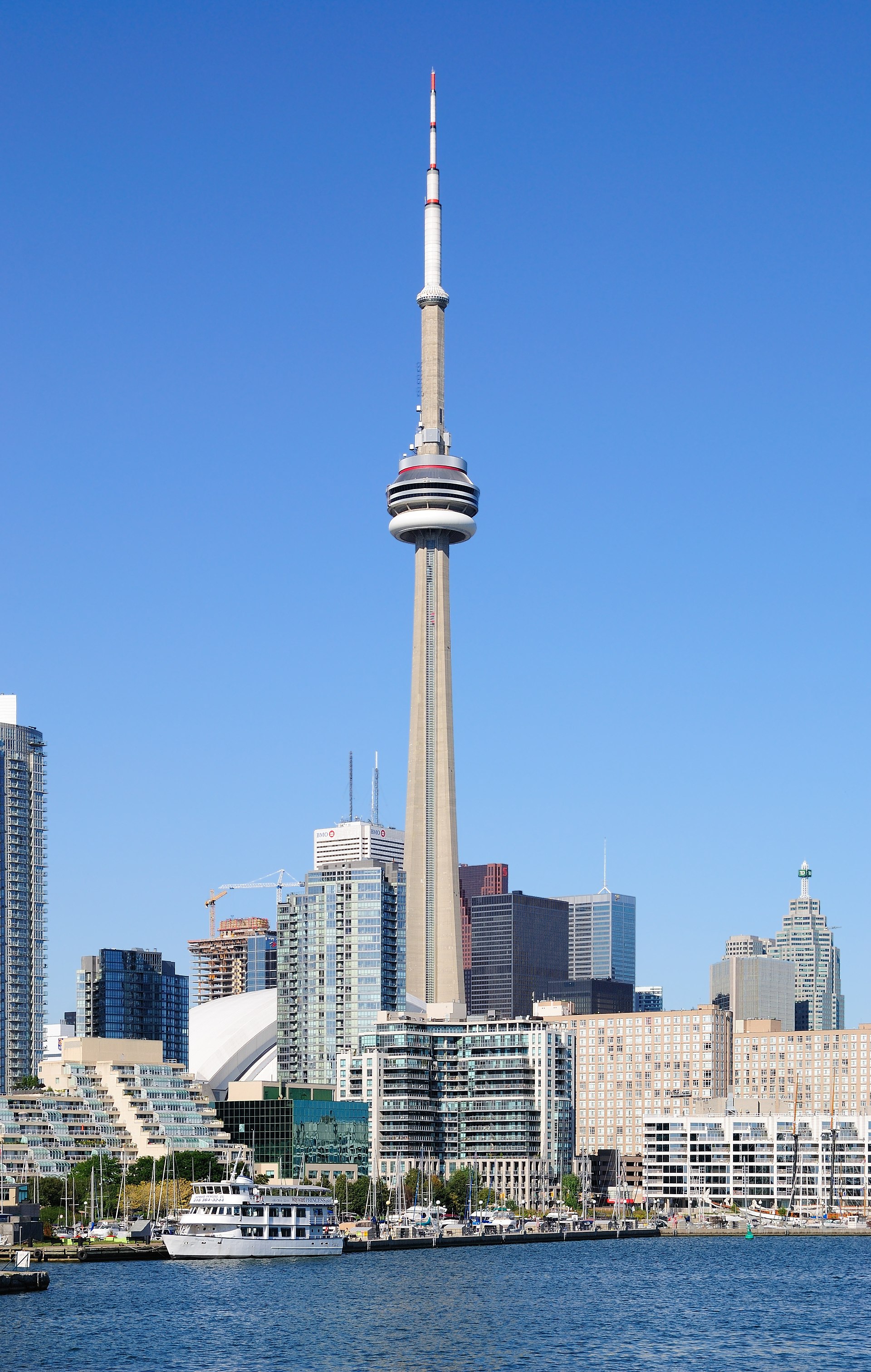
When this building opened in 1977, Parisians were genuinely horrified. The architects — Renzo Piano and Richard Rogers — had turned the building inside out, placing all the structural elements, mechanical systems, and circulation on the exterior. Water pipes are green, air ducts are blue, electrical lines are yellow, and the escalators are enclosed in a transparent tube that crawls up the facade like a caterpillar. It looked like a refinery had landed in the middle of medieval Paris. The idea was radical: by moving all the "guts" outside, the interior became completely flexible — giant open floors that could be reconfigured for any exhibition. It was architecture as provocation, a deliberate rejection of the grand stone tradition of Parisian buildings. President Pompidou, who championed the project, died before it opened and never saw the outrage. Today it houses one of the world's three largest collections of modern and contemporary art (alongside MoMA and the Tate), with over 100,000 works by artists including Kandinsky, Duchamp, Matisse, Warhol, and Pollock. The top-floor terrace has panoramic views of Paris that rival the Eiffel Tower, and the building draws more visitors each year than any other contemporary art museum in Europe. The plaza in front — deliberately left empty by the architects to create a public gathering space — has become one of the great informal stages of Paris: fire-eaters, musicians, sketch artists, and crowds of people just sitting and watching. The building closed for a major renovation in late 2025 and is expected to reopen around 2030, so check current status before visiting.
Eiffel Tower
Champ de Mars, 5 Avenue Anatole France, 75007 Paris
When Gustave Eiffel built this thing for the 1889 World's Fair, over 300 prominent Parisians — including Guy de Maupassant and Alexandre Dumas fils — signed a petition calling it a "metallic horror" that would disfigure Paris. Maupassant reportedly ate lunch at the tower's restaurant every day, because it was the only place in Paris where he didn't have to look at it. The tower was only meant to stand for twenty years, then be dismantled. Eiffel saved it by turning it into a giant radio antenna — by 1910 it was transmitting signals across the Atlantic, and during World War I it intercepted a German spy transmission that led to the arrest and execution of Mata Hari. When the Nazis occupied Paris in 1940, French resistance fighters cut the elevator cables so Hitler would have to climb the 1,665 stairs if he wanted to fly his flag from the top. He didn't. The tower is repainted every seven years by hand, requiring 60 tonnes of paint. It's been eighteen different colors over the years, including yellow and reddish-brown, before settling on its current specially-mixed "Eiffel Tower Brown" — actually three slightly different shades, darker at the bottom and lighter at the top, to create the illusion of a uniform color against the sky. What most visitors don't know: the tower grows. In summer heat, the iron expands and the tower can be up to 15 centimeters taller than in winter. Eiffel also built himself a private apartment at the very top, which he used to entertain guests including Thomas Edison. It's now open to visitors, furnished with wax figures of Eiffel and Edison sharing a conversation.
Le Marais
Rue des Francs-Bourgeois, 75004 Paris
The Marais means "the swamp," and that's exactly what it was until the Knights Templar drained it in the 13th century. It became the aristocratic heart of Paris in the 17th century, fell into decay, nearly got bulldozed by Haussmann in the 19th century, and reinvented itself as the city's most vibrant neighborhood in the late 20th century. Its survival is one of the great preservation stories in urban history. What saved it was André Malraux's historic preservation law of 1962, the first of its kind in France. By then the Marais was a working-class district, its grand hôtels particuliers (private mansions) carved into apartments and workshops. The restoration revealed extraordinary architecture that had been hidden under centuries of grime and ad-hoc construction. Today, many of those mansions house museums: the Carnavalet (Paris history), the Picasso Museum, and the Musée de la Chasse et de la Nature (a wonderfully eccentric hunting museum). The Marais is also the historic center of Jewish life in Paris. Rue des Rosiers is the heart of the Pletzl — the old Jewish quarter — where you'll find some of the best falafel in Europe. L'As du Fallafel has had a line out the door since 1979, and the debate over whether it or Mi-Va-Mi next door is better has been ongoing just as long. The neighborhood bears the scars of darker history too: plaques on school walls mark where Jewish children were rounded up during the Vel' d'Hiv roundup of 1942. Since the 1990s, the Marais has also been the heart of LGBTQ+ Paris, centered around Rue des Archives and Rue Sainte-Croix de la Bretonnerie. It's one of those rare neighborhoods that manages to be simultaneously historic, trendy, diverse, and actually livable.
Les Invalides & Napoleon's Tomb
129 Rue de Grenelle, 75007 Paris
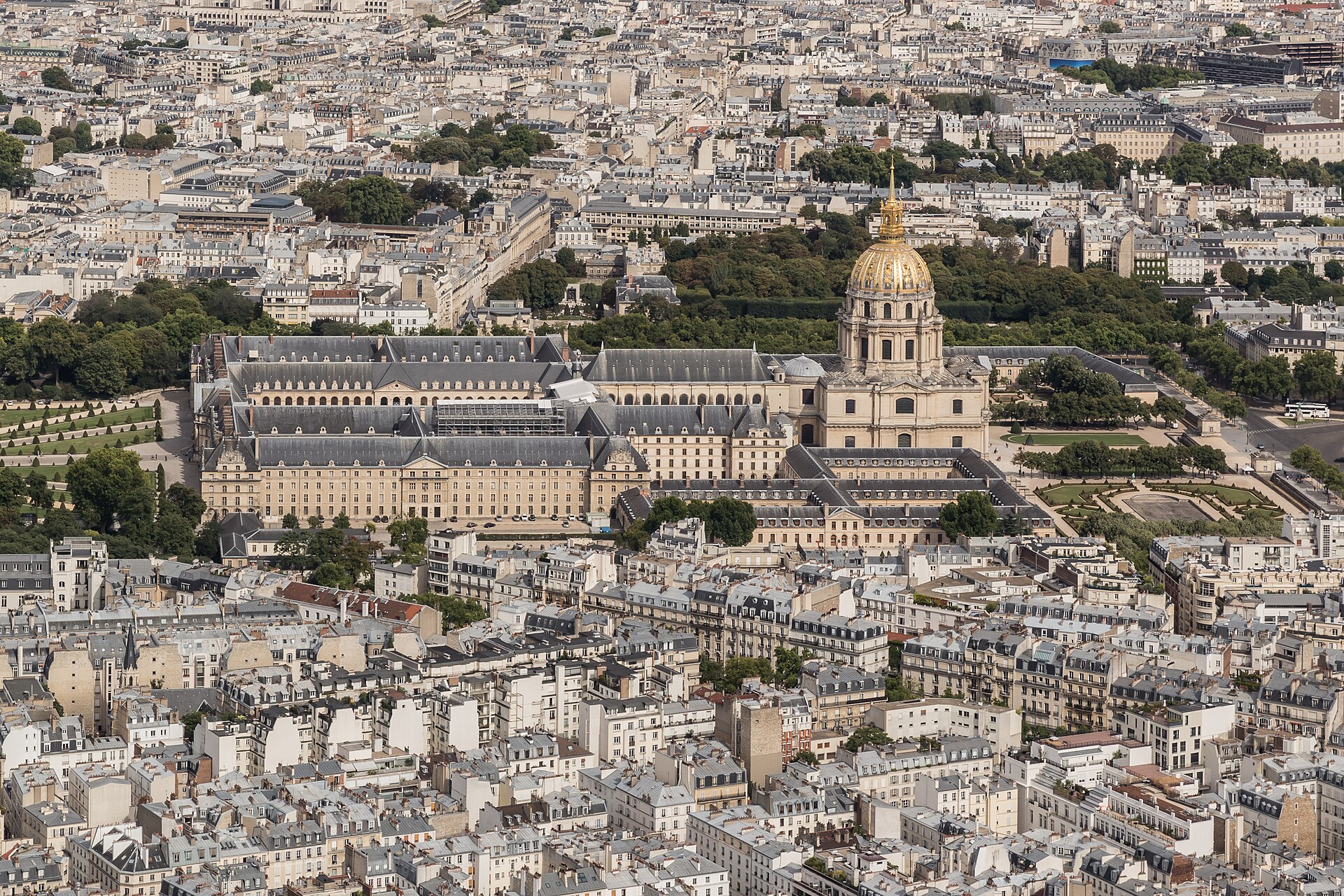
Louis XIV built this complex in 1670 as a hospital and retirement home for wounded soldiers, and it still serves that purpose today — making it one of the oldest veterans' institutions in the world. At its peak, it housed 4,000 soldiers. But most people come for what's downstairs: Napoleon Bonaparte's tomb. Napoleon's remains rest in six concentric coffins inside a massive red quartzite sarcophagus, set into a circular crypt beneath the golden dome. The arrangement is calculated for maximum drama: you have to look down at the tomb from a gallery above, which means you literally bow your head to Napoleon. The floor around the sarcophagus is inlaid with the names of his greatest victories, and twelve enormous statues representing his military campaigns stand guard. The dome church, designed by Jules Hardouin-Mansart, is one of the finest examples of French Baroque architecture. The dome itself is gilded with 12 kilograms of gold leaf, reapplied most recently in 1989 for the bicentennial of the Revolution. It's visible from across Paris, a beacon of gold among the gray zinc rooftops. The complex also houses the Musée de l'Armée, one of the world's greatest military history museums. Its World War II collection is particularly powerful, covering the French experience from the humiliation of 1940 through the Resistance, D-Day, and Liberation with an honesty that doesn't flinch. The Charles de Gaulle memorial, a multimedia room that charts Free France's journey, is worth the visit alone.
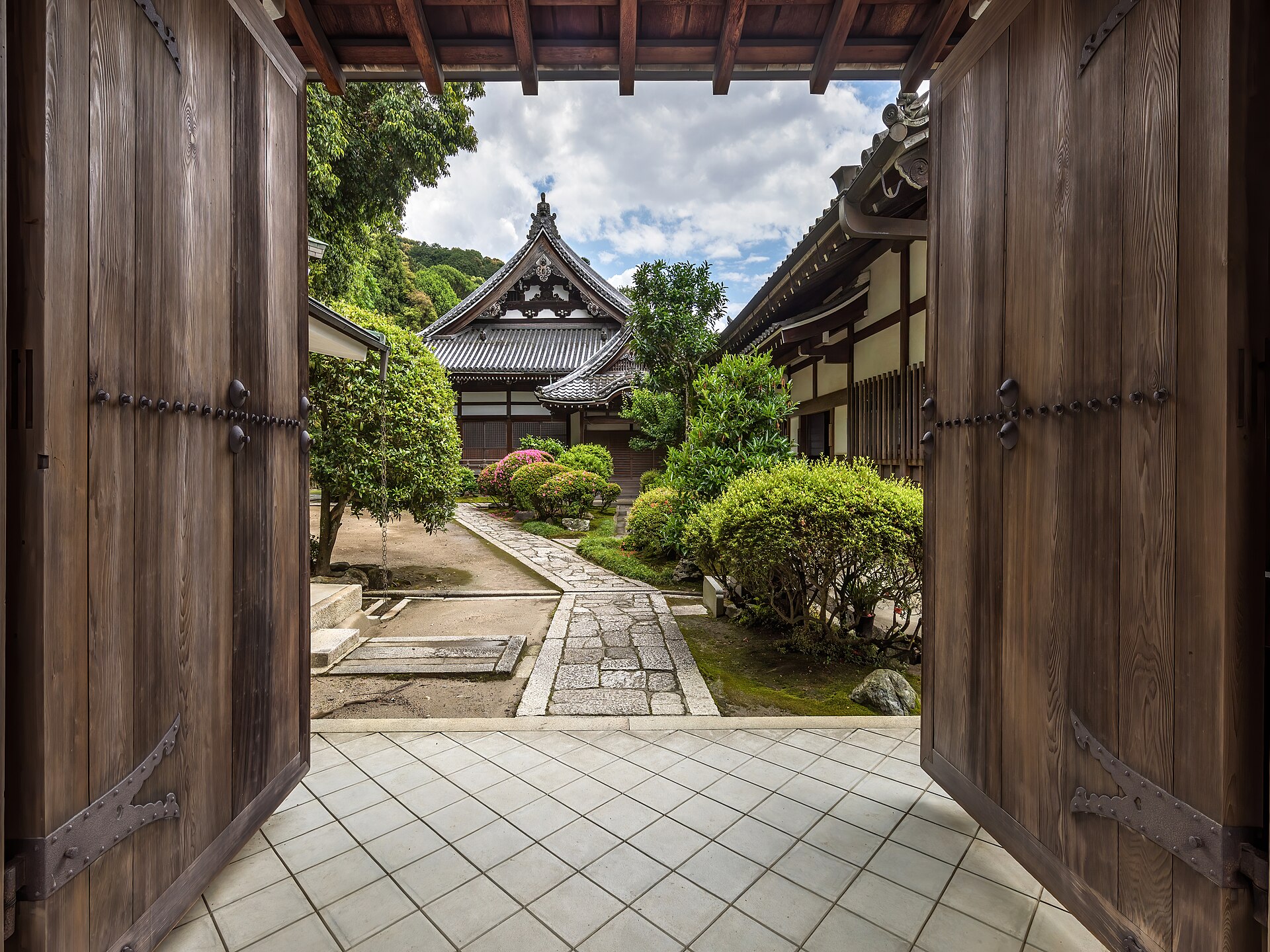
Luxembourg Gardens
Rue de Médicis, 6th Arr., Paris, 75006, France
Marie de' Medici was homesick. The Italian-born queen, widow of Henry IV, missed the Boboli Gardens of her childhood in Florence, so in 1612 she commissioned a 23-hectare park on the Left Bank modeled on them. Four centuries later, it's the most beloved park in Paris — the place where students study, old men play chess, children push toy sailboats across the octagonal fountain, and Parisians sit in the iconic green metal chairs and argue about philosophy. Those green chairs are famous in their own right. They were introduced in the early 20th century, and their design is deliberate: they're heavy enough not to blow away, light enough to drag to your preferred spot, and they're never bolted down. This is radical park design — it gives people control over their own space, and it's been studied by urban planners worldwide as a model of how public furniture should work. The park contains 106 statues, including a smaller replica of the Statue of Liberty (one of the original study models by Bartholdi), a Medici Fountain tucked into a grove of plane trees that's one of the most romantic spots in the city, and an apiary where beekeeping courses have been offered since 1856 — you can buy the honey at the annual harvest. The French Senate meets in the Luxembourg Palace at the north end of the gardens. During World War II, the Luftwaffe used it as their Paris headquarters. The gardens are technically owned by the Senate, not the city, which is why they follow slightly different rules than other Paris parks — and why, for decades, the Senate jealously guarded the park's distinctive personality against various modernization attempts.
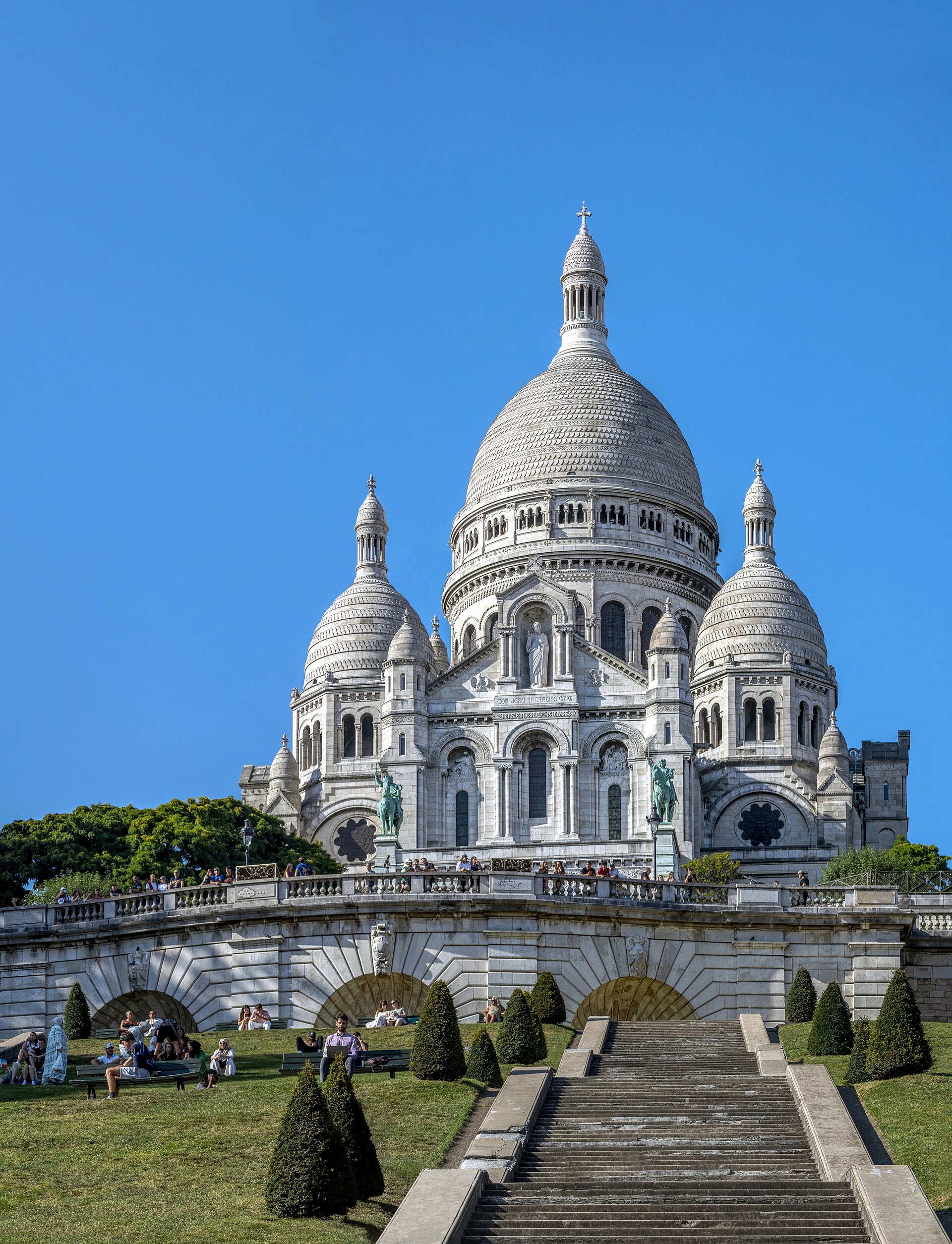
Montmartre & Place du Tertre
Place du Tertre, 18th Arr., Paris, 75018, France
Before it was a tourist magnet full of portrait artists and crêpe stands, Montmartre was the beating heart of modern art. Picasso, Modigliani, Toulouse-Lautrec, Van Gogh, and Renoir all lived and worked here, drawn by cheap rent and cheaper wine. The Bateau-Lavoir, a ramshackle wooden building on Rue Ravignan, is where Picasso painted Les Demoiselles d'Avignon in 1907, the painting that blew up 500 years of Western art conventions and launched Cubism. Montmartre was an independent village until 1860, when Paris annexed it along with several other surrounding communes. The locals weren't thrilled. The hill had its own vineyards, its own windmills, and its own wild reputation — this was where Parisians came to drink tax-free wine (the city tax didn't apply outside the walls) and behave badly. The Moulin Rouge opened at the foot of the hill in 1889, the same year as the Eiffel Tower, and instantly became the most famous cabaret in the world. Place du Tertre, the central square, has been an artists' market since the early 1800s. Today it can feel overwhelmingly commercial, but duck into the side streets and the old Montmartre reveals itself: cobblestone lanes, ivy-covered walls, hidden staircases, and the last working vineyard in Paris, the Clos Montmartre, which produces about 500 liters of wine each year — terrible wine, by most accounts, but the harvest festival every October is a beloved local tradition. Look for the "Le Passe-Muraille" sculpture on Rue Norvins — a man walking through a wall, inspired by Marcel Aymé's 1943 short story about a civil servant who discovers he can pass through solid walls. It's one of the most delightful pieces of public art in Paris.
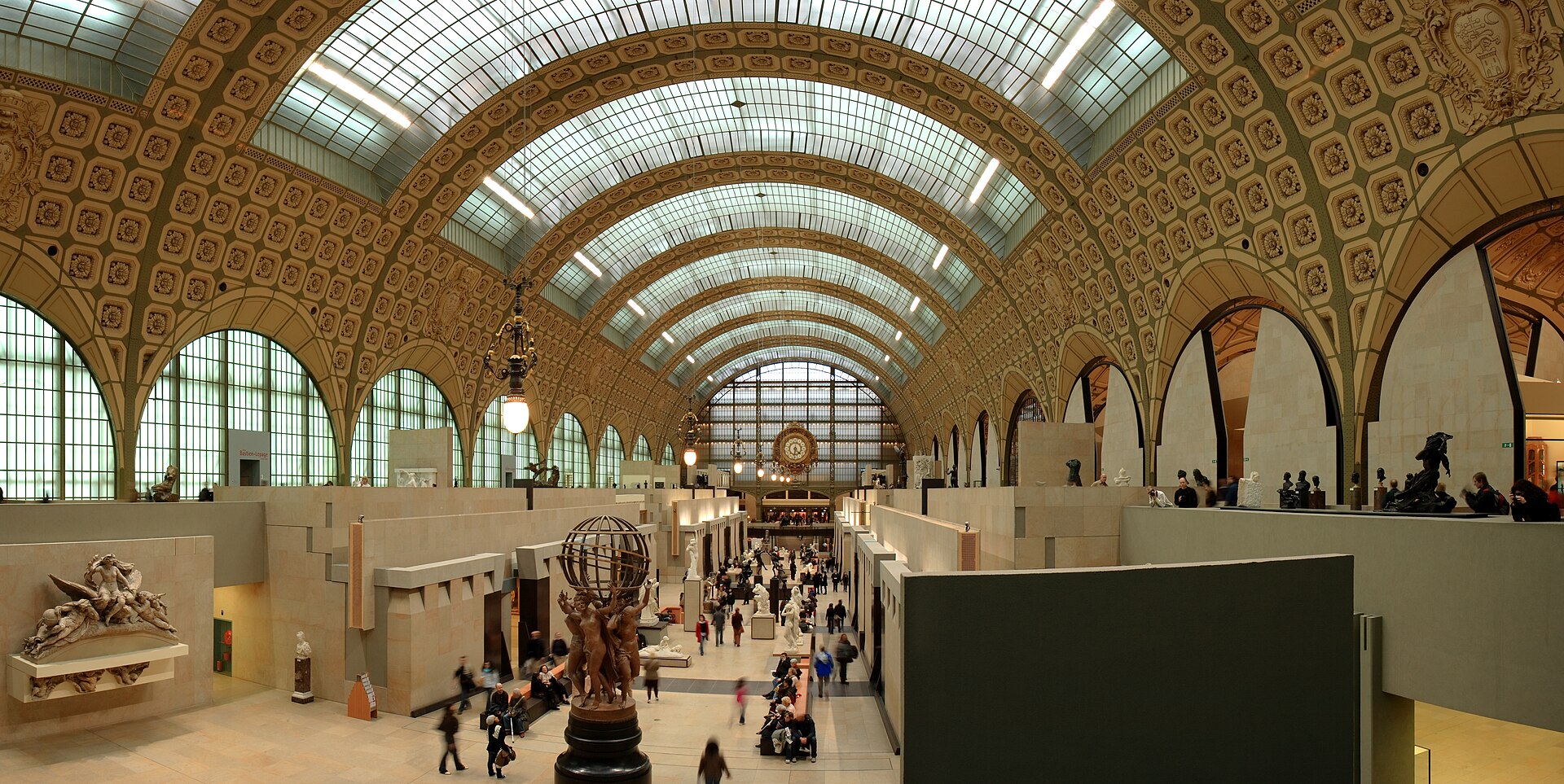
Musée d'Orsay
1 Rue de la Légion d'Honneur, 7th Arr., Paris, 75007, France
This is what happens when you save a train station from the wrecking ball: you get the most beautiful museum in Paris. The Gare d'Orsay was built for the 1900 World's Fair, but its platforms were too short for modern electric trains by the 1930s, and it sat empty for decades. It served as a prisoner-of-war reception center, a film set (Orson Welles shot his adaptation of Kafka's The Trial here), and a temporary auction house before President Valéry Giscard d'Estaing decided in 1977 to turn it into a museum. The collection picks up where the Louvre leaves off. If the Louvre is the establishment, the Orsay is the rebellion — it houses the Impressionists, the Post-Impressionists, and all the artists the academic establishment tried to destroy. Monet, Renoir, Degas, Cézanne, Van Gogh, Gauguin, Toulouse-Lautrec — they're all here. Many of these paintings were originally rejected by the official Paris Salon and shown at the Salon des Refusés, a sort of "reject exhibition" that accidentally launched modern art. Don't miss the giant clock faces on the upper level — they're the original station clocks, and standing behind them you get one of the best views of Montmartre and the Sacré-Cœur through the translucent glass. The clock on the Seine side has become one of the most photographed spots in Paris. The building itself is an artwork. Architect Victor Laloux covered the iron and steel structure with ornate stone facades because the Beaux-Arts establishment thought exposed metal was ugly — the exact opposite of what Eiffel had done eleven years earlier. It's engineering pretending to be sculpture.
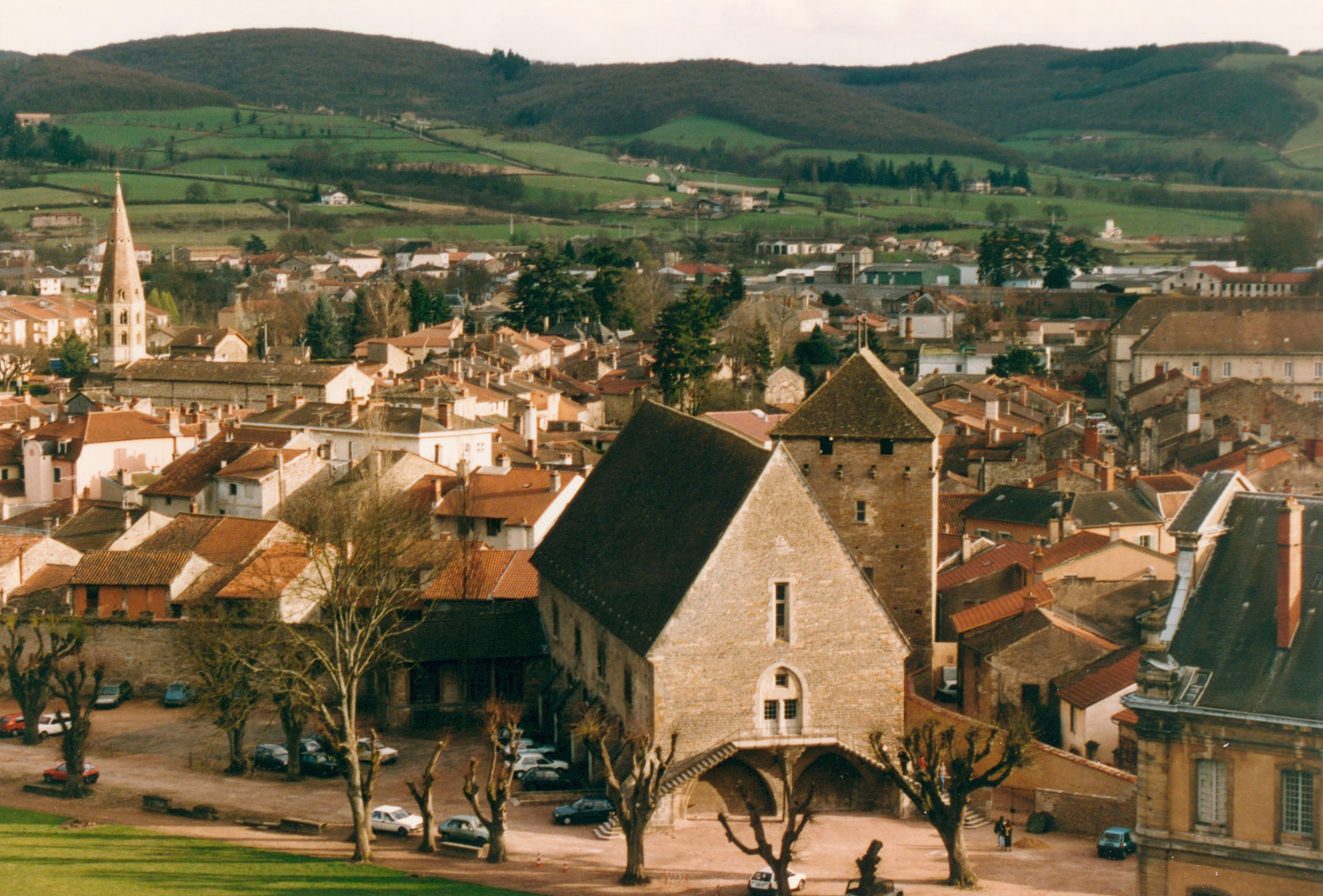
Musée de Cluny
28 Rue du Sommerard, 75005 Paris
This museum is built on top of Roman Paris, and you can literally walk through both time periods. The building incorporates the remains of the Thermes de Cluny, massive Gallo-Roman baths dating from the 1st to 3rd centuries AD — their frigidarium (cold bath hall) is the best-preserved Roman structure in Paris, with vaulted ceilings still standing after nearly 2,000 years. The medieval collection upstairs is anchored by one masterpiece: "The Lady and the Unicorn," a series of six tapestries woven around 1500 that are considered the Mona Lisa of the Middle Ages. Five represent the senses — sight, hearing, taste, smell, and touch — while the sixth, labeled "À Mon Seul Désir" (To My Only Desire), remains mysterious. Scholars have argued for centuries about what it means: love? Free will? The renunciation of earthly pleasures? Nobody knows. The tapestries were "discovered" in 1841 by the writer Prosper Mérimée (yes, the Carmen author) in the Château de Boussac, where they were being used to cover walls in a damp room, slowly rotting. George Sand wrote about them, public interest surged, and they were acquired by the museum and painstakingly restored. The Hôtel de Cluny itself, built in the late 15th century as the Paris residence of the Abbots of Cluny, is one of the finest surviving examples of medieval domestic architecture in France. After a recent renovation completed in 2022, the museum has been beautifully modernized while preserving the layers of history that make this place unique: Roman walls, medieval mansion, and world-class art collection, all in one building.
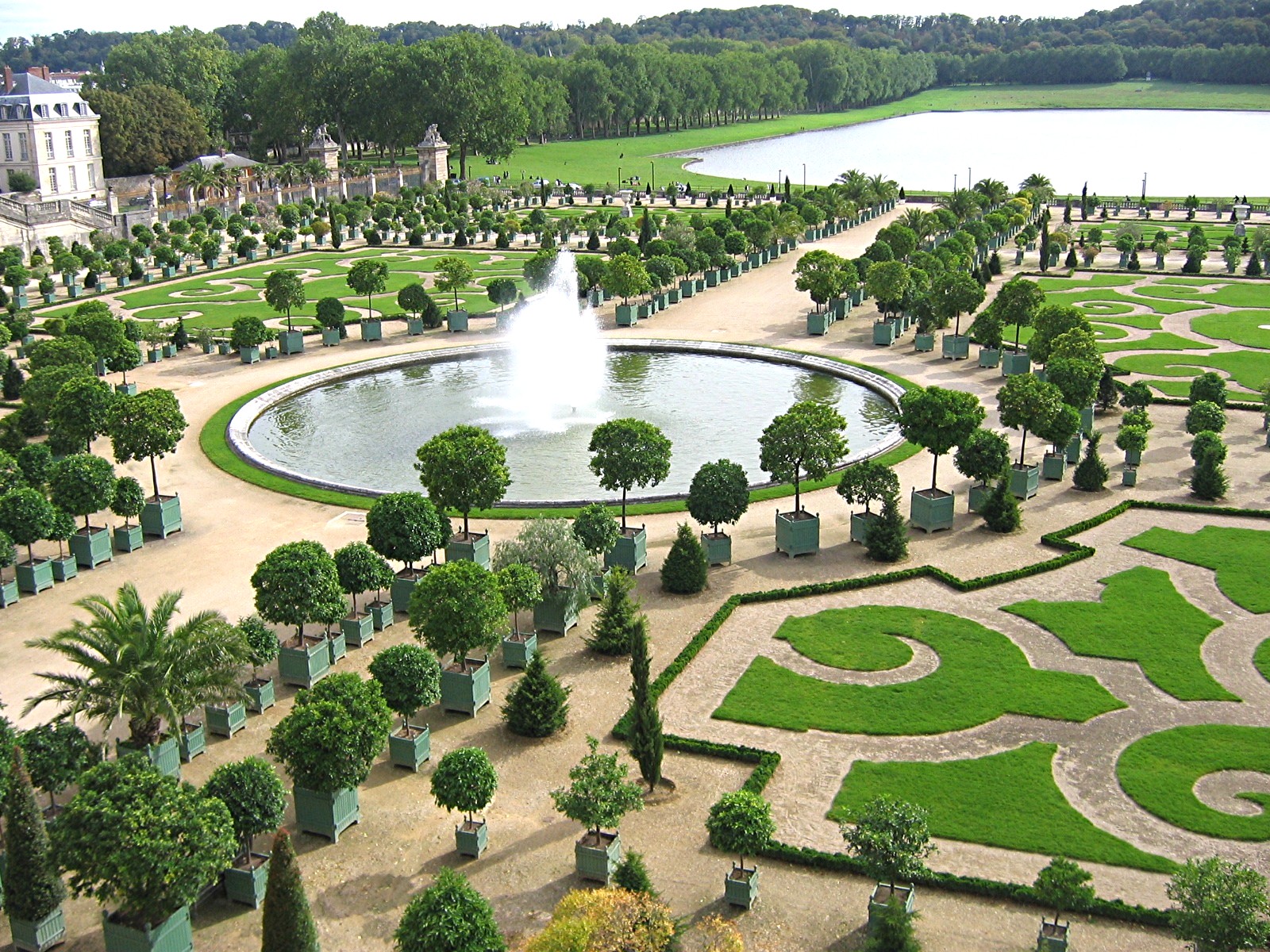
Musée de l'Orangerie
113 Rue de Rivoli, 1st Arr., Paris, 75001, France
Claude Monet spent the last decade of his life painting eight massive water lily murals, and then he designed the rooms to hold them. That's not an exaggeration — Monet worked with the architect Camille Lefèvre to create two oval rooms in this former greenhouse, specifying the dimensions, the natural light from above, and the curved walls so that the paintings would surround the viewer completely. He wanted you to feel like you were standing inside his garden at Giverny. Monet donated the paintings to the French state the day after the Armistice in 1918, as a monument to peace. He spent eight more years perfecting them, nearly blind from cataracts, working with magnifying glasses and labeling his paint tubes because he could no longer distinguish colors. He died in December 1926, and the installation opened five months later. Most of his friends thought the paintings were a mess — abstract blurs by a man who could barely see. Now they're considered the first great works of abstract art, a bridge between Impressionism and Abstract Expressionism. The Orangerie was originally built in 1852 as a winter shelter for the orange trees of the Tuileries gardens. In the basement, there's a superb collection of early 20th-century paintings by Renoir, Cézanne, Matisse, Picasso, and Modigliani from the collection of Paul Guillaume and his wife Domenica. After a major renovation completed in 2006, the upper galleries were restored to Monet's original vision, with natural light flooding the oval rooms. Visiting early in the morning, when the museum first opens and the rooms are nearly empty, is one of the most transcendent art experiences in the world.
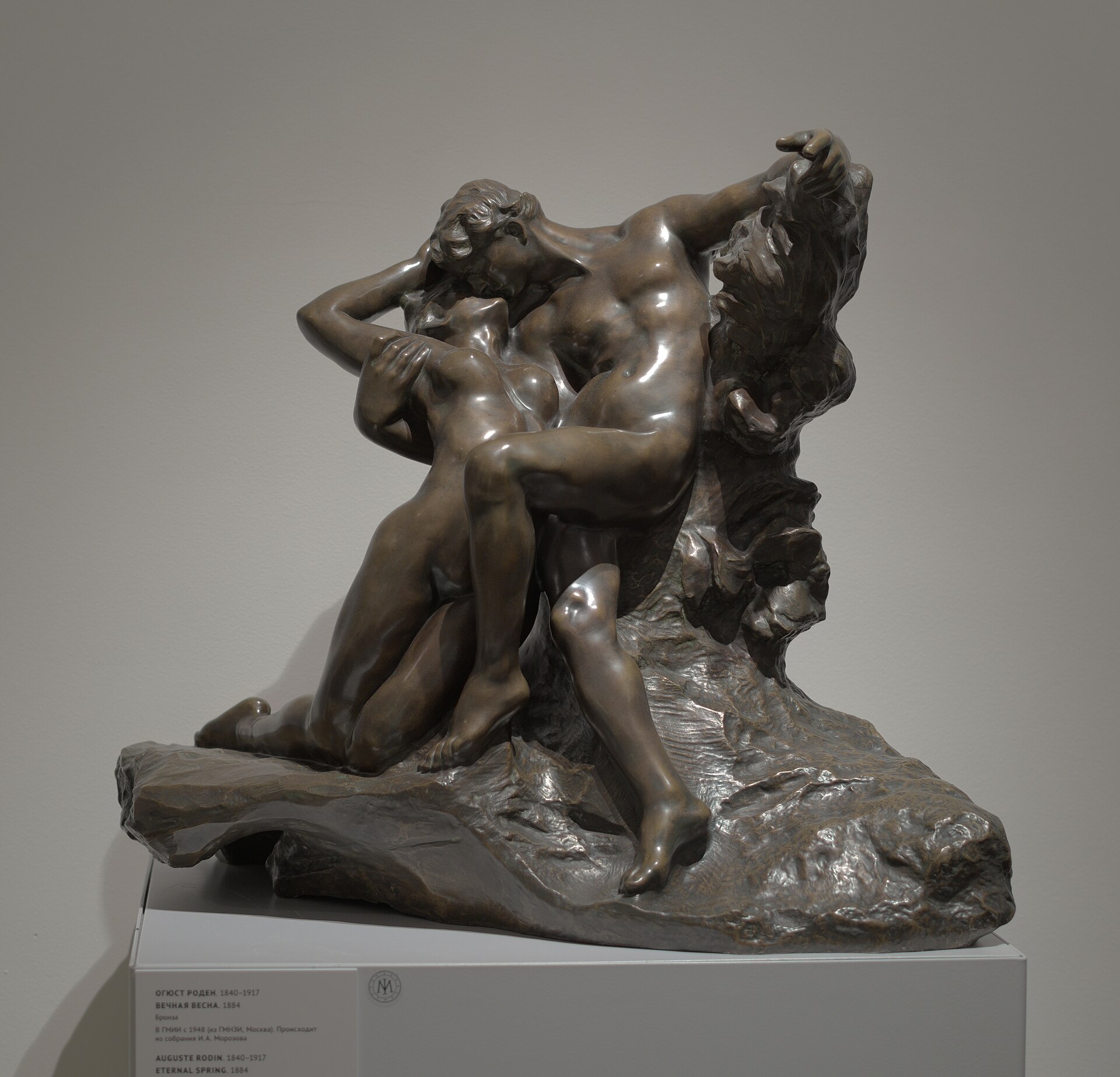
Musée Rodin
77 Rue de Varenne, 7th Arr., Paris, 75007, France
Auguste Rodin moved into the Hôtel Biron, an elegant 18th-century mansion, in 1908 when it was a run-down building rented out as artists' studios. Matisse, Cocteau, and Isadora Duncan were among his neighbors. When the French state bought the building, Rodin offered to donate his entire collection — sculptures, drawings, and his personal art collection — on the condition that they turn it into a museum. The deal was struck in 1916, a year before he died. The garden is the real treasure. The Thinker sits brooding on his plinth near the entrance, The Gates of Hell rise at the back, and The Burghers of Calais stand in a group near the side. Seeing these sculptures outdoors, surrounded by rose bushes and perfectly trimmed hedges with the Invalides dome rising behind them, is incomparably better than seeing them in a sterile gallery. Rodin himself insisted his work belonged outside. The Thinker was originally meant to represent Dante contemplating the circles of Hell — it sat at the top of The Gates of Hell before Rodin enlarged it into a standalone piece. It's become the universal symbol of intellectual thought, reproduced so often it's easy to forget how radical it was: a nude male figure with the muscular tension of a laborer, not a Greek god, shown in the act of thinking. Inside the mansion, the rooms are filled with Rodin's plaster studies, marble works, and bronze casts, alongside paintings from his personal collection by Van Gogh, Monet, and Renoir. There's also a room dedicated to Camille Claudel, Rodin's student, lover, and a brilliant sculptor in her own right, whose work was overshadowed by his fame and whose story is one of the great tragedies of art history.

Notre-Dame Cathedral
6 Parvis Notre-dame-place Jean-paul II, 4th Arr., Paris, 75004, France
She burned on live television on April 15, 2019, and roughly a billion people watched, many of them weeping for a building they'd never set foot in. That tells you something about Notre-Dame — she belongs to everyone, whether you're Catholic, atheist, or just someone who once read The Hunchback and felt something. Construction started in 1163 under Bishop Maurice de Sully, and it took nearly two centuries to finish. The flying buttresses that make her so recognizable weren't in the original plan — they were an emergency retrofit when the walls started pushing outward under the weight of the roof. Happy accident: they became one of the defining features of Gothic architecture worldwide. The three rose windows, each nearly 10 meters across, contain some of the oldest stained glass in Paris, and during World War II, Parisians removed them piece by piece and hid them to keep them safe from bombing. Napoleon crowned himself Emperor here in 1804, snatching the crown from the Pope's hands and placing it on his own head. During the Revolution, the cathedral was ransacked and renamed the "Temple of Reason" — the statues of the Kings of Judah on the facade were beheaded because the mob thought they were French kings. The original heads were found in 1977, buried in a Parisian basement during a bank renovation. The restoration after the 2019 fire has been extraordinary. The medieval oak forest that formed the roof — nicknamed "the Forest" because each beam came from a different tree, some over 800 years old — has been rebuilt using traditional techniques. The cathedral reopened in December 2024, and the new golden rooster atop the spire contains relics salvaged from the fire, including a piece of the Crown of Thorns.
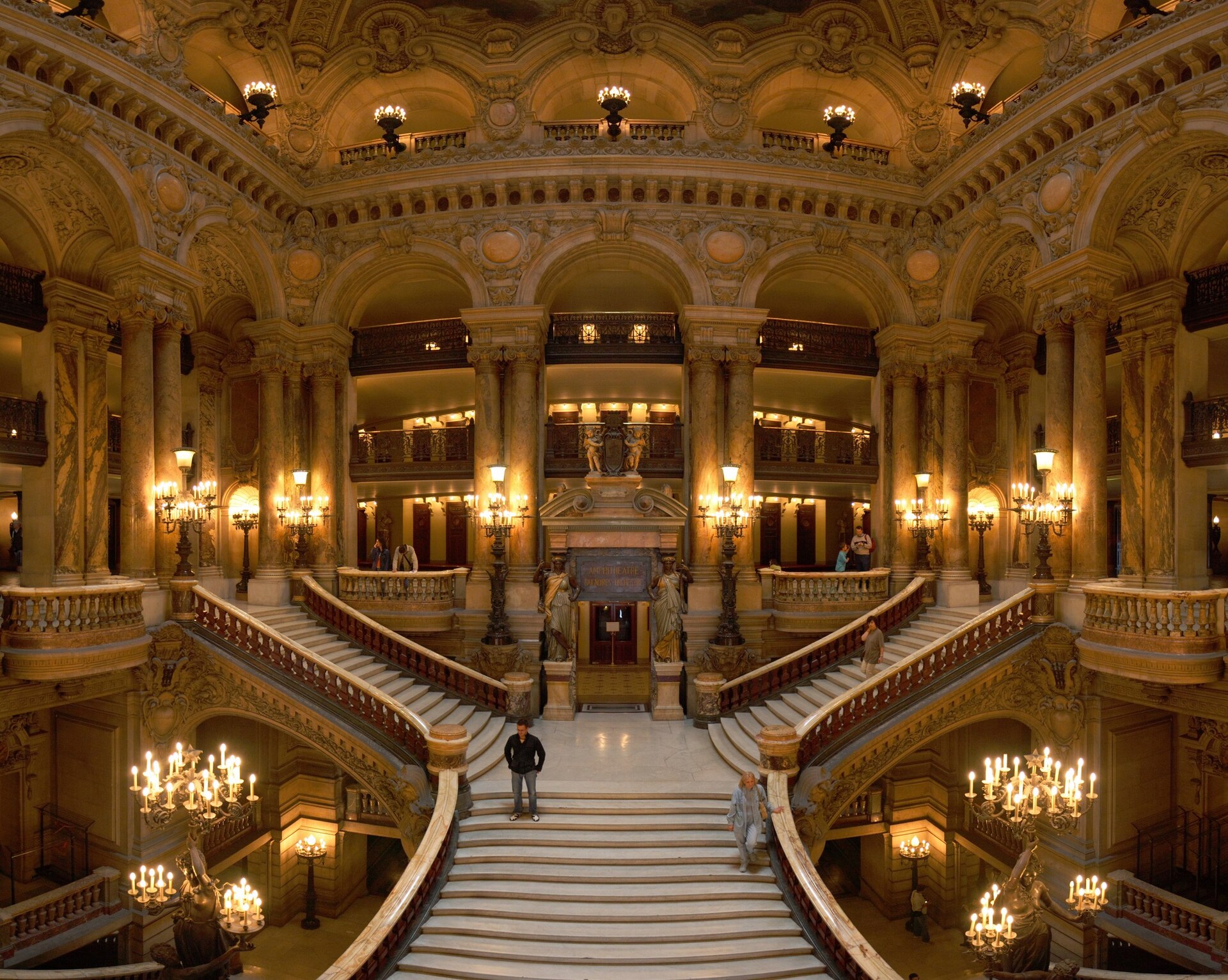
Opéra Garnier
Place de l'Opéra, 9th Arr., Paris, 75009, France
Charles Garnier was a virtually unknown 35-year-old architect when he won the design competition for the new Paris opera house in 1861. When Empress Eugénie asked him what style the building was, he reportedly answered: "It's Napoleon III style, Madame." He wasn't being cheeky — he was inventing a new style on the spot, a maximalist fusion of Baroque, Renaissance, and classical elements dripping with marble, gold, and ornamental excess. The building took fifteen years to complete, partly because workers hit an underground lake during excavation. They couldn't drain it, so they built a massive concrete cistern beneath the foundation. This subterranean reservoir became the inspiration for Gaston Leroux's 1910 novel The Phantom of the Opera — the phantom's underground lair, complete with a lake navigated by gondola, is based on a real feature of the building. The cistern still exists and is maintained by the Paris fire brigade, who keep fish in it to monitor water quality. The Grand Staircase is the most theatrical space in the building, and it was designed that way deliberately. Garnier understood that opera wasn't just about what happened on stage — it was about seeing and being seen. The staircase was a stage in itself, where the audience performed for each other, parading in their finery. In 1964, Marc Chagall was commissioned to paint a new ceiling for the auditorium, and the result — a swirling, dreamlike composition featuring scenes from fourteen operas — remains one of the most controversial artistic interventions in Paris. Purists objected to a modern painting in a 19th-century room. But standing beneath it, looking up at Chagall's angels and dancers floating above the six-tonne crystal chandelier, the clash somehow works.
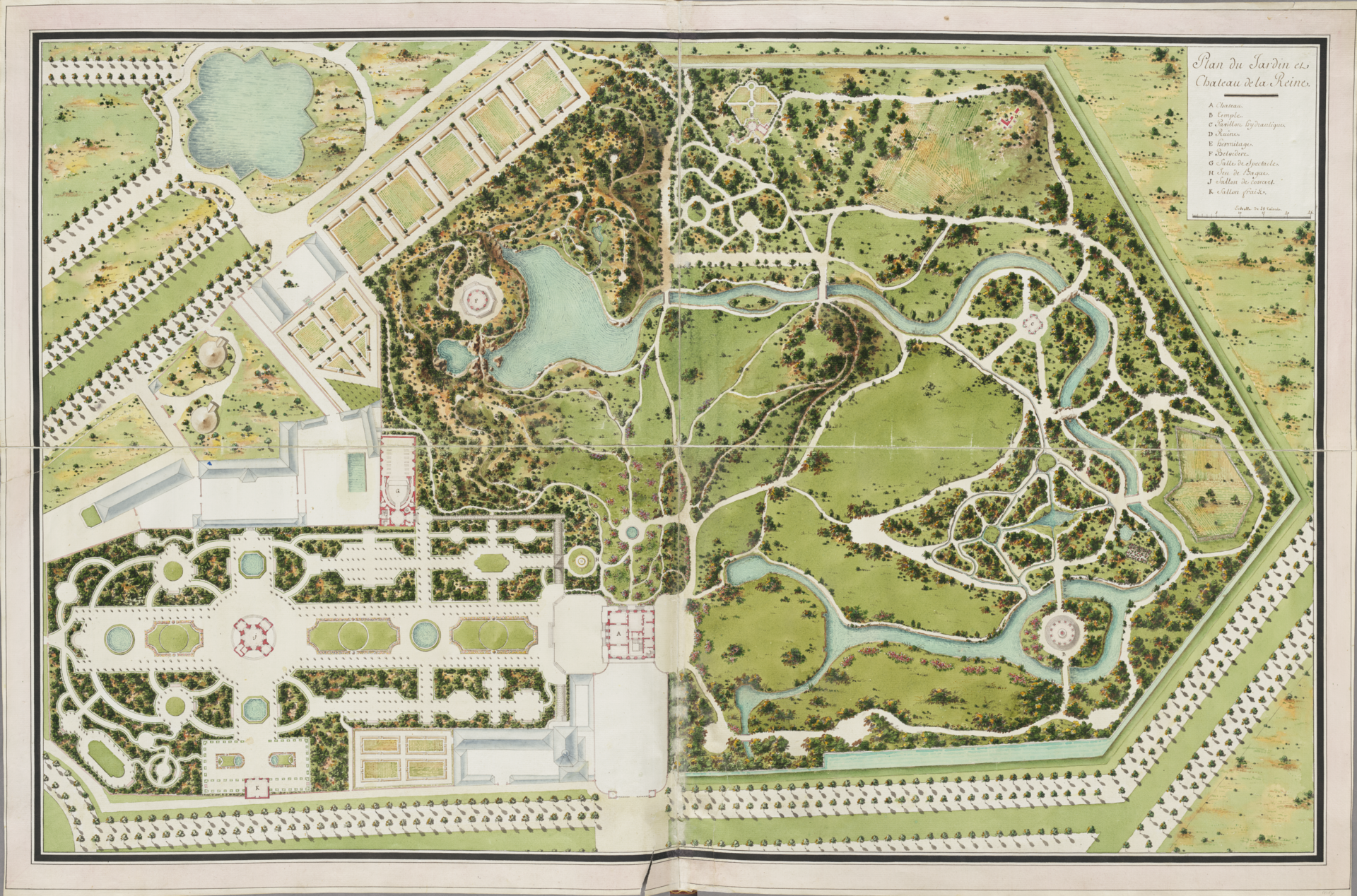
Palace of Versailles
Allée des Dames, 16th Arr., Paris, France
Louis XIV built this palace for one very clear reason: control. By moving the entire French court to a former hunting lodge in the countryside, he trapped thousands of nobles in an elaborate social game where proximity to the king was the only currency that mattered. If you wanted power, you had to be at Versailles. If you were at Versailles, the king could watch you. The numbers are obscene. 2,300 rooms. 67 staircases. 1,400 fountains in the gardens. The Hall of Mirrors alone has 357 mirrors — at a time when large mirrors were more expensive than equivalent-sized paintings. The hall was a calculated display of French manufacturing superiority, since Venice had held a near-monopoly on mirror production. Louis poached Venetian glassmakers and built his own mirror factory, and Venice reportedly sent agents to poison them. The gardens took forty years to complete. André Le Nôtre moved entire forests, rerouted a river, and employed 36,000 workers — more than built the palace itself. The orangery holds over 1,000 orange trees, some of them over 200 years old, wheeled outside in summer and kept in the vast heated greenhouse through winter. Marie Antoinette never said "Let them eat cake" — that quote predates her by at least a century. But she did build herself a fake peasant village in the gardens, the Hameau de la Reine, complete with a working dairy and a farmer's cottage where she could pretend to be a milkmaid. When the revolutionary mob marched on Versailles in October 1789, she was reportedly in the Hameau. The Treaty of Versailles ending World War I was deliberately signed in the Hall of Mirrors in 1919 — in the exact room where the German Empire had been proclaimed in 1871.
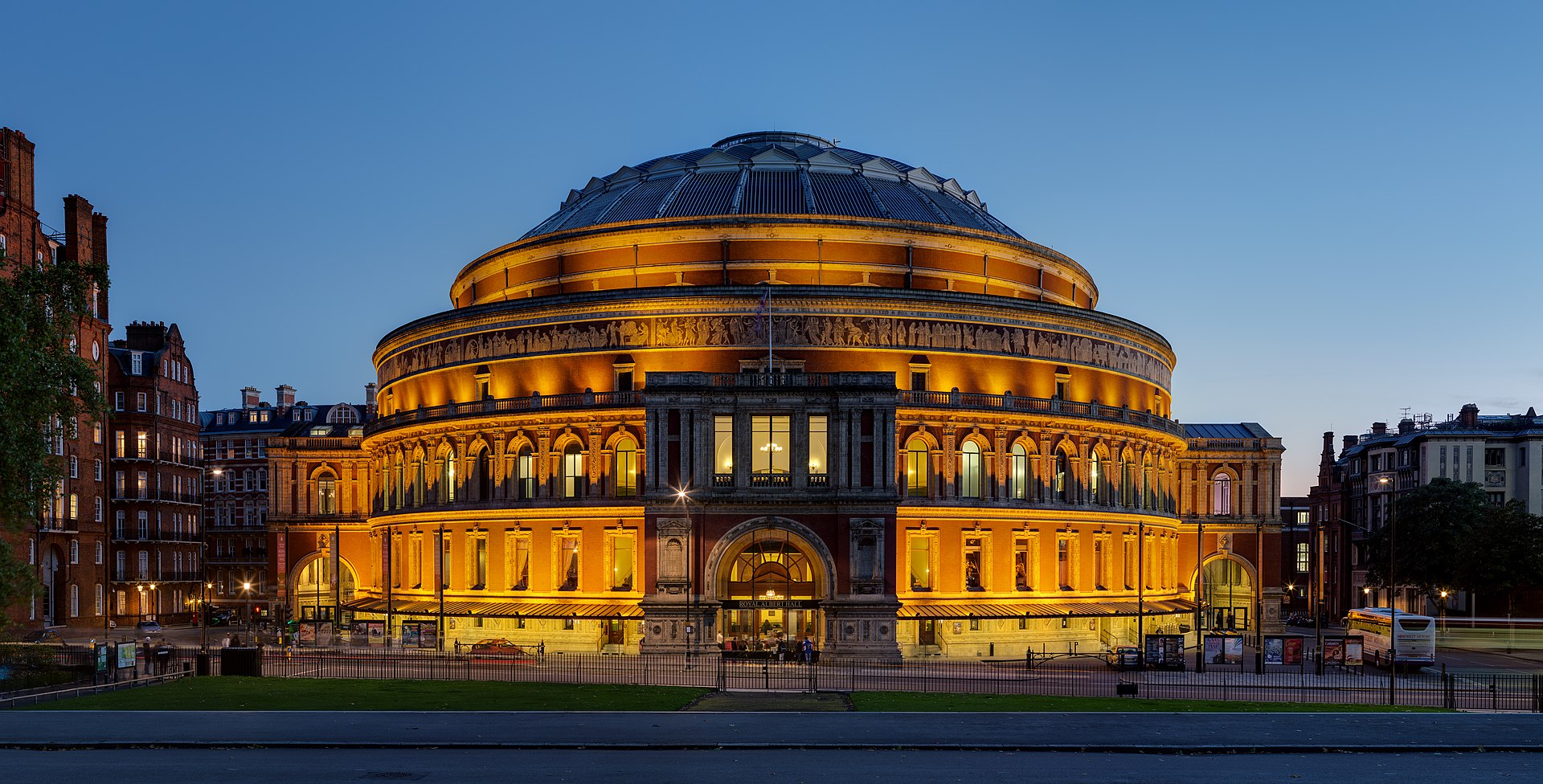
Palais Royal
8 Rue de Montpensier, 1st Arr., Paris, 75001, France
This is Paris's best-kept secret hiding in plain sight, a five-minute walk from the Louvre that most tourists walk right past. Step through the archway and you're in a formal garden surrounded by elegant 18th-century arcades that once housed the most scandalous entertainment district in Europe. Cardinal Richelieu built the original palace in the 1630s, and it eventually passed to the Orléans branch of the royal family. In the 1780s, the Duke of Orléans, perpetually short of cash, opened the arcades to commercial tenants: gambling houses, cafés, theaters, and brothels. Because the palace was royal property, Parisian police had no jurisdiction — it became a zone of total freedom. The French Revolution arguably started here: on July 12, 1789, a young journalist named Camille Desmoulins stood on a café table in the garden and called Parisians to arms. Two days later, they stormed the Bastille. Today the courtyard is dominated by Daniel Buren's 1986 installation of 260 black-and-white striped columns of varying heights, which caused an uproar almost as intense as the Eiffel Tower controversy. Parisians called them an abomination. Now they're beloved, and children climb on them while fashion photographers use them as backdrops. The garden itself is a masterpiece of calm in the center of Paris. The lime trees form perfect green walls, the fountain splashes gently, and on warm afternoons the benches fill with locals reading or napping. The surrounding arcades now house high-end boutiques, antique shops, and some of the most atmospheric restaurants in Paris, including Le Grand Véfour, which has been serving meals since 1784.
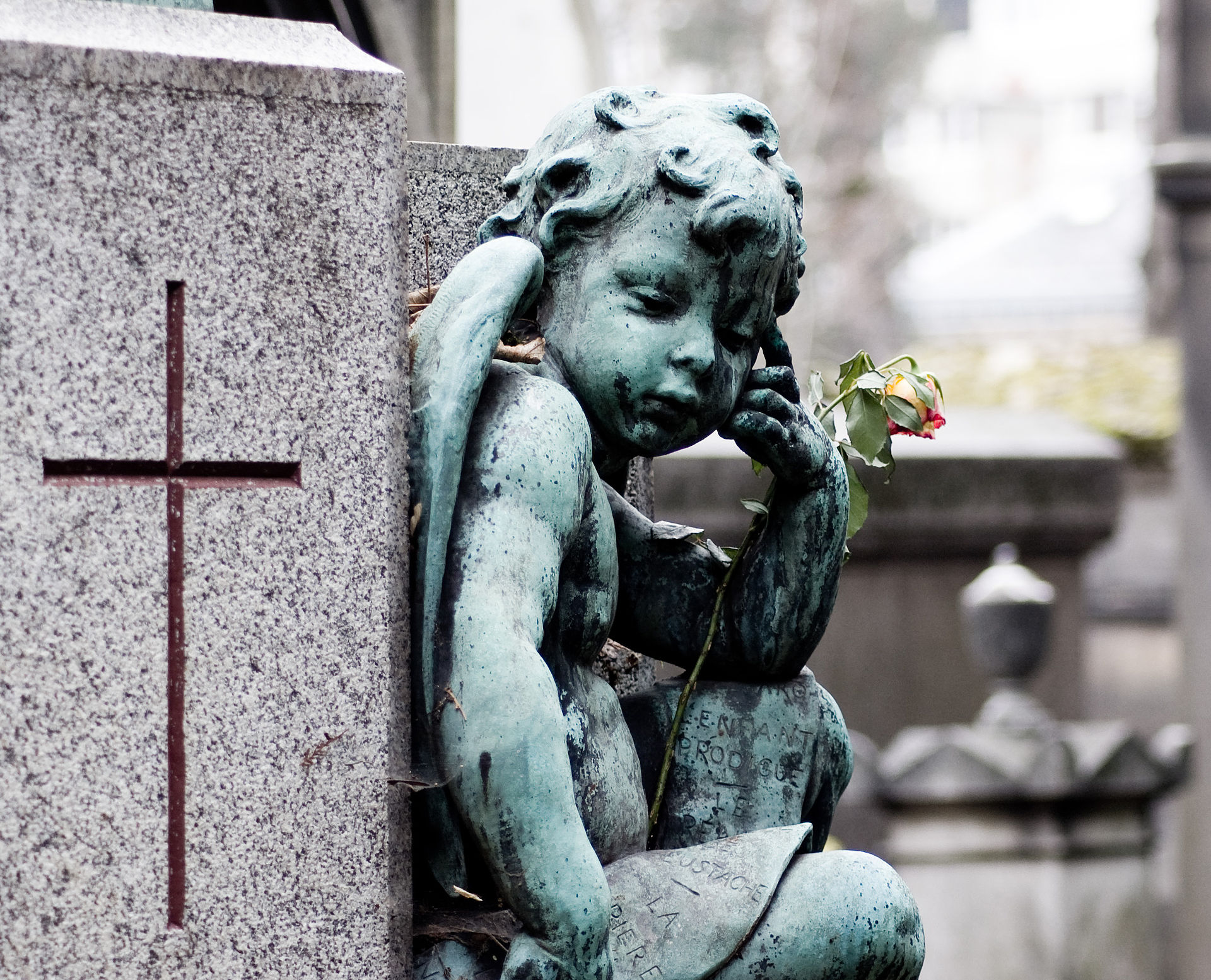
Père Lachaise Cemetery
16 Rue du Repos, 20th Arr., Paris, 75020, France
This is the most visited cemetery in the world, and it has better residents than most cities. Jim Morrison, Oscar Wilde, Édith Piaf, Frédéric Chopin, Marcel Proust, Molière, Balzac, Gertrude Stein, Maria Callas — the roll call reads like a fever dream of Western culture crammed into 44 hectares. When it opened in 1804, nobody wanted to be buried here. It was too far from the city center, in what was then the eastern outskirts of Paris. So the administrators pulled a brilliant marketing stunt: they transferred the remains of Molière and La Fontaine to the cemetery, and suddenly everyone wanted in. Within a few years, Père Lachaise was the most fashionable place to spend eternity. Jim Morrison's grave is still the most visited, and it's become a strange pilgrimage site covered in graffiti, lipstick kisses, and the occasional offering of whiskey. Security guards patrol it full-time. Oscar Wilde's tomb, designed by Jacob Epstein and featuring a massive Art Deco angel, used to be covered in lipstick kisses too, until a glass barrier was installed in 2011 because the grease was damaging the stone. The cemetery is also a memorial to darker history. The Mur des Fédérés — the Communards' Wall — at the eastern edge marks the spot where 147 survivors of the 1871 Paris Commune were lined up and shot by government forces. It became a pilgrimage site for the French left, and demonstrations are still held there every year. Hidden throughout the grounds are also memorials to French resistance fighters, Holocaust victims, and those who died in Nazi concentration camps.
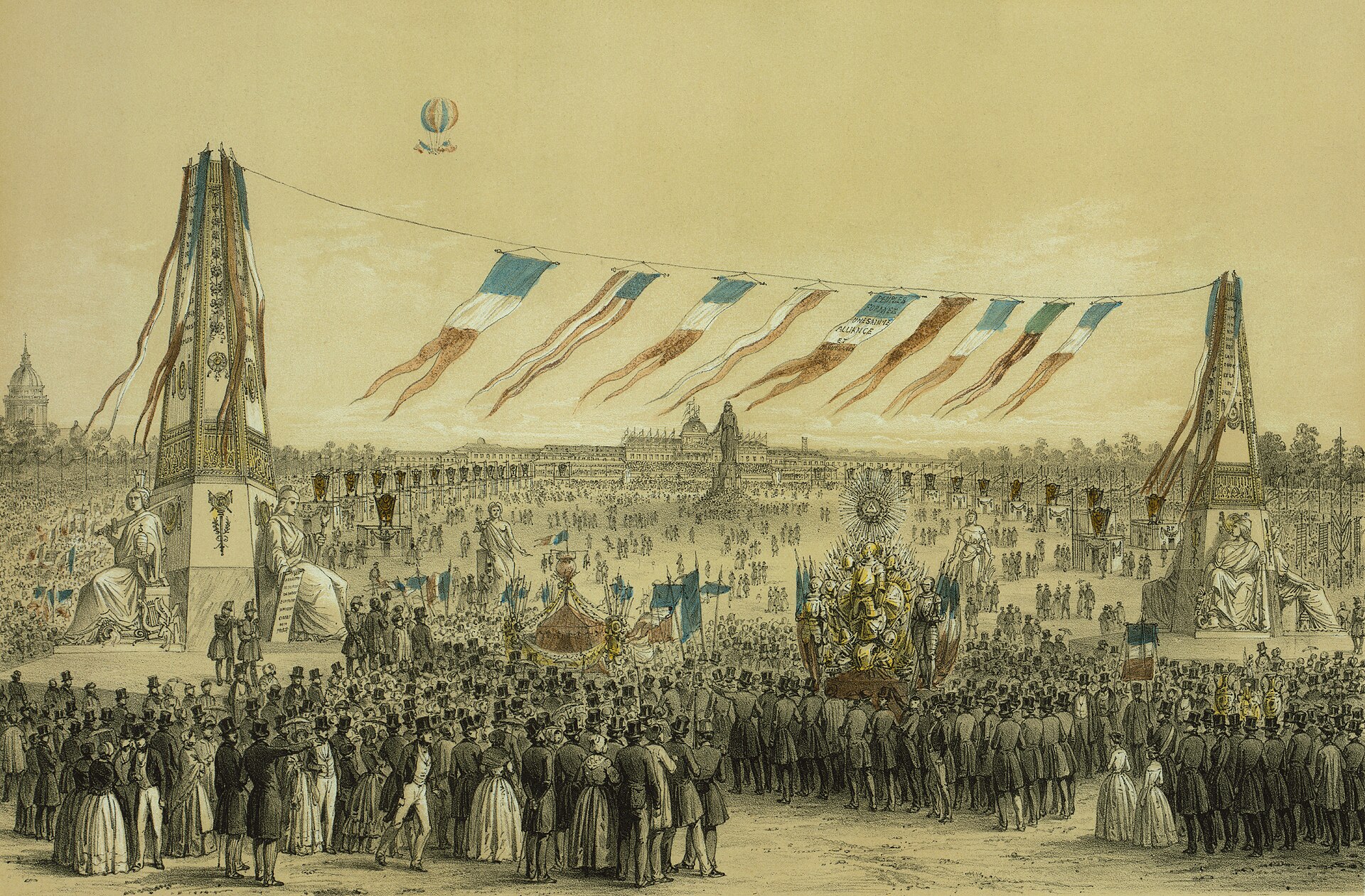
Place de la Concorde
Place de la Concorde, 8th Arr., Paris, 75008, France
This is the largest square in Paris, and it has one of the bloodiest histories of any public space in Europe. During the Revolution, the guillotine stood here, and between January 1793 and May 1795, an estimated 1,300 people lost their heads on this spot — including Louis XVI, Marie Antoinette, Danton, and Robespierre. The square was called Place de la Révolution at the time. Renaming it "Concorde" (harmony) afterward was a spectacular exercise in optimism. The Egyptian obelisk at the center is 3,300 years old and originally stood at the entrance to the Luxor Temple. It was a gift from Egypt's ruler Muhammad Ali to King Charles X in 1829. Transporting a 230-tonne, 23-meter granite monolith from Luxor to Paris took four years, a specially built ship, and an engineering effort that was the moonshot of its era. The hieroglyphs describe the reign of Ramesses II. The gold-leaf cap on top was added in 1998. The two monumental fountains flanking the obelisk were designed by Jacques Ignace Hittorff in 1840, modeled after the fountains in St. Peter's Square in Rome. They represent river navigation and maritime navigation, and at night, when they're illuminated, they're among the most beautiful urban water features in the world. Stand in the center of the square and you're at the crossroads of Parisian history: the Tuileries to the east, the Champs-Élysées to the west, the National Assembly across the river to the south, and the Madeleine church to the north. Every direction is a different chapter of French civilization.
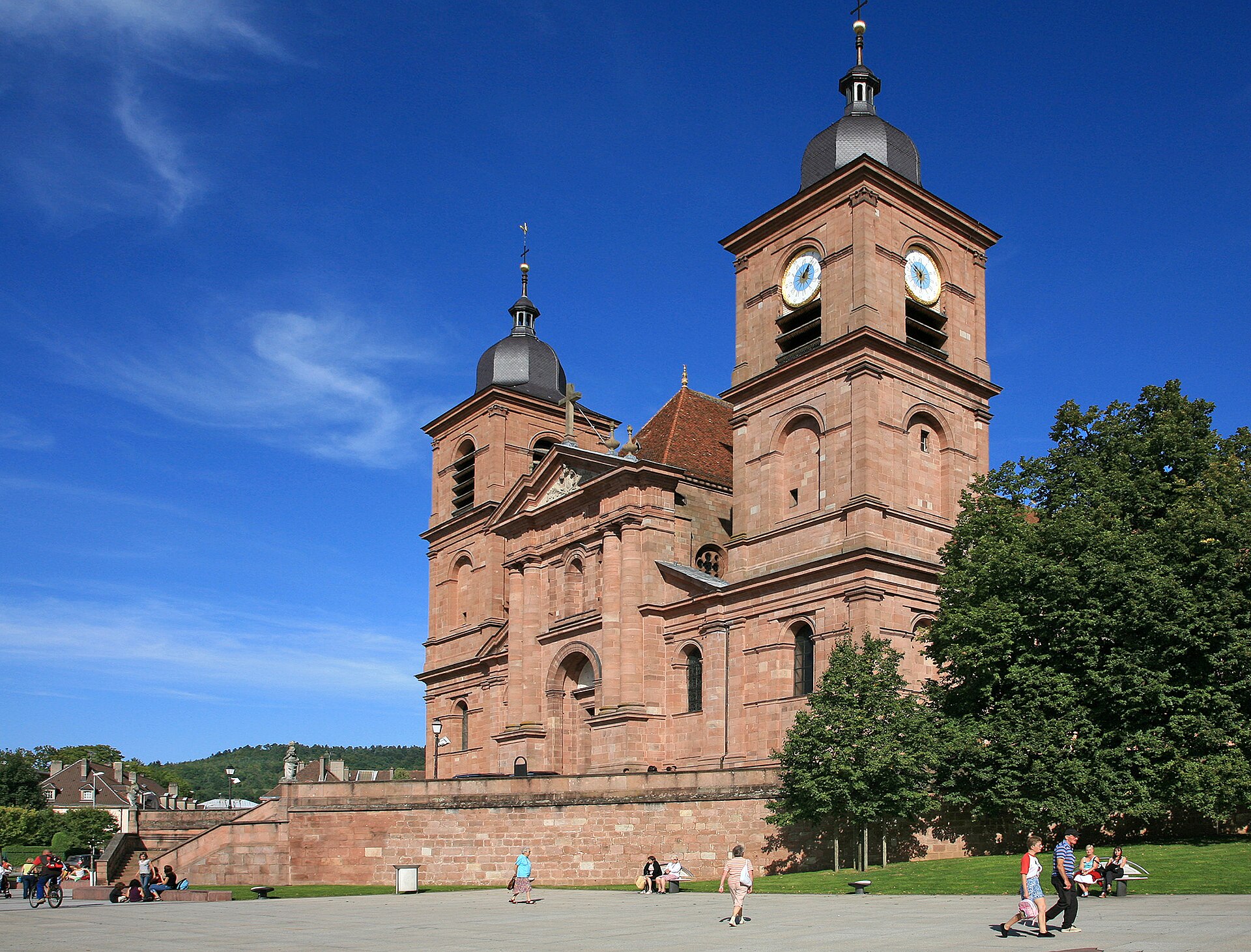
Place des Vosges
Place des Vosges, 4th Arr., Paris, 75004, France
This is the oldest planned square in Paris, and it's still the most beautiful. Built between 1605 and 1612 under Henry IV, it set the template for residential squares across Europe — uniform facades of red brick and cream stone, arcaded walkways at street level, and a formal garden in the center. Before it was built, this site was the Hôtel des Tournelles, a royal palace where Henry II was killed in a jousting accident in 1559. His widow, Catherine de' Medici, ordered the palace demolished. Henry IV's idea was revolutionary: instead of a royal palace, he created a space where aristocrats and wealthy merchants would live side by side in architecturally identical buildings. It was a political statement about civic harmony, wrapped in gorgeous design. The inaugural event in 1612 was a three-day festival celebrating the engagement of Louis XIII to Anne of Austria — essentially a massive royal block party. Victor Hugo lived at number 6 from 1832 to 1848, and his apartment is now a free museum. It was here that he wrote much of Les Misérables. The square has drawn writers, artists, and aristocrats for four centuries: Madame de Sévigné, Cardinal Richelieu, and Théophile Gautier all lived here at various points. Under the arcades, you'll find some of the finest galleries, cafés, and boutiques in the Marais. The square is a perfect spot to sit on the grass (one of the few Paris parks where it's allowed) and watch the neighborhood unfold: families picnicking, kids chasing each other through the fountains, couples reading on benches — the whole scene feels like a living painting.
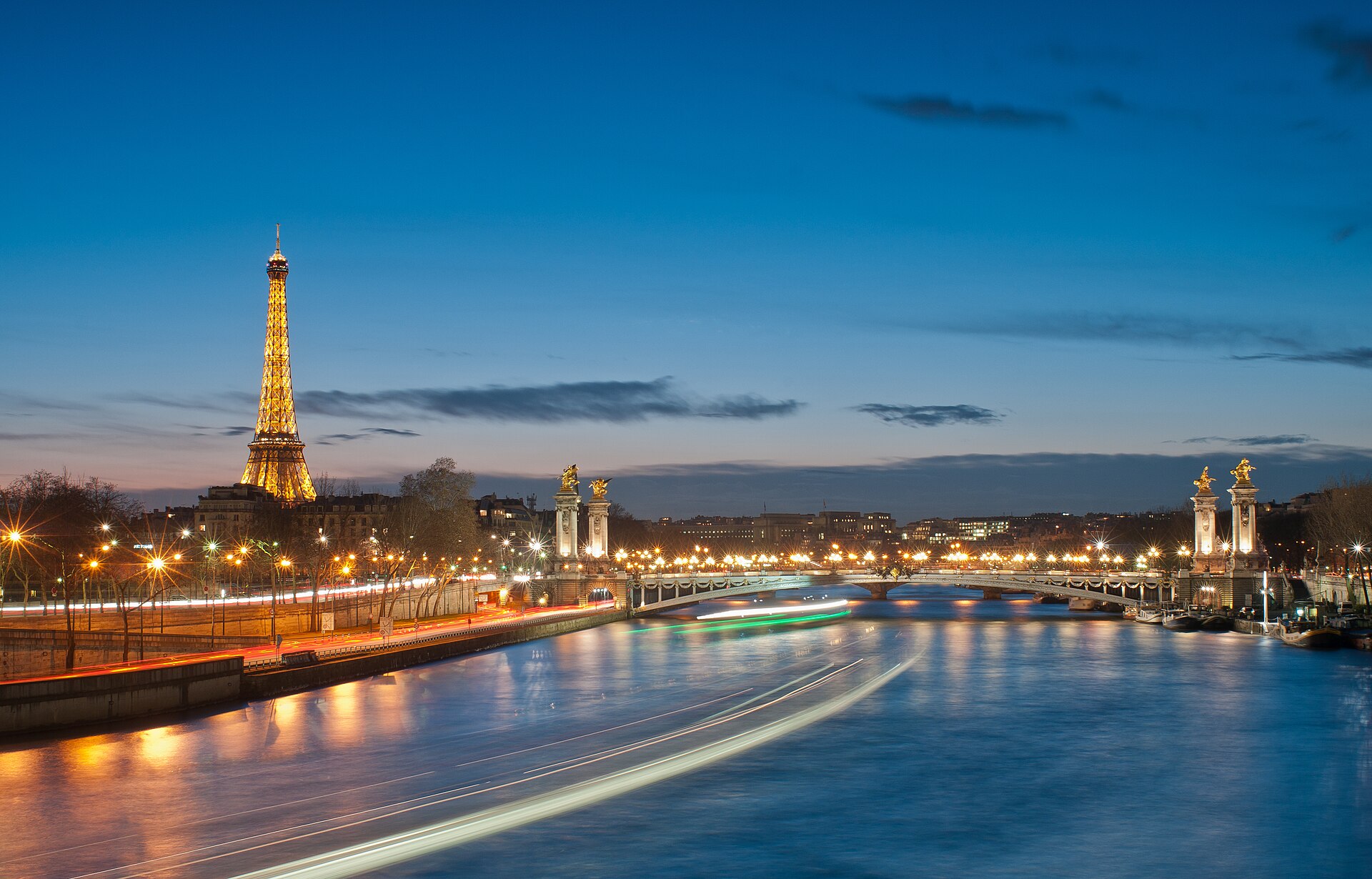
Pont Alexandre III
Quai d'Orsay, 8th Arr., Paris, 75008, France
This is the most extravagant bridge in Paris, and possibly the world. Every square meter is covered in gilt bronze cherubs, nymphs, winged horses, garlands, and Art Nouveau lamps. It was built for the 1900 World's Fair, and its design had one strict constraint: the arch couldn't be high enough to block the view of the Invalides from the Champs-Élysées. So the engineers built it as a single steel span — 107 meters across, with an arch only 6 meters high — which was a genuine engineering achievement for 1900. The bridge was named after Tsar Alexander III of Russia, who had signed the Franco-Russian Alliance in 1892. His son Nicholas II laid the foundation stone in 1896, in a ceremony meant to symbolize friendship between the two nations. The irony is thick: within two decades, Nicholas would be overthrown and executed, and the alliance would be swallowed by the chaos of World War I. The four gilt-bronze Pegasus statues at the corners were the most expensive public sculptures ever commissioned in France at the time. The columns they sit on are 17 meters tall, and on clear days the winged horses catch the sunlight and blaze gold against the sky. At night, the Art Nouveau lampposts light up and the bridge becomes one of the most romantic spots in Paris. Stand in the center of the bridge and you get one of the great Parisian views: the Invalides dome to the south, the Grand Palais and Petit Palais to the north, the Eiffel Tower to the west, and the Seine flowing beneath you toward Notre-Dame. It's the kind of view that makes you forgive Paris for all its crowds and expense.
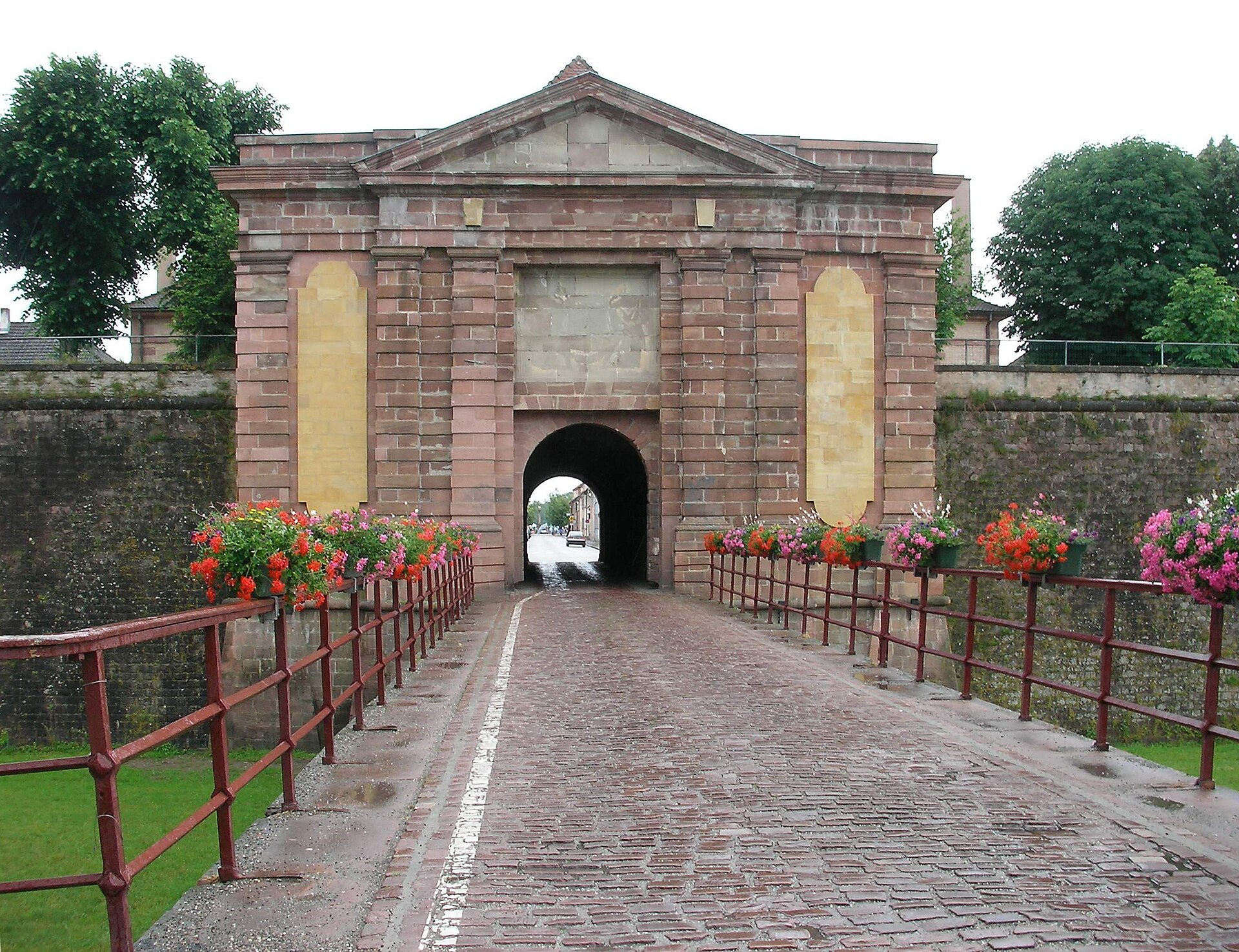
Pont Neuf
Pont Neuf, 1st Arr., Paris, 75001, France
The "New Bridge" is the oldest standing bridge in Paris, which is exactly the kind of contradiction the French enjoy. Henry III laid the first stone in 1578, Henry IV inaugurated it in 1607, and it's been standing ever since — surviving floods, revolutions, two world wars, and the weight of four centuries of Parisian traffic. It was revolutionary for its time. Unlike every other bridge in Paris, it was built without houses on it — the first bridge designed as a promenade, with wide sidewalks and semicircular balconies jutting out over the water where people could stop and enjoy the view. It was also the first stone bridge in Paris to cross the entire Seine in one go, connecting the Right Bank, the Île de la Cité, and the Left Bank. The 381 mascarons — grotesque stone faces — carved along the cornices are one of its most delightful features. Each one is different: laughing, screaming, grimacing, leering. They've weathered badly over the centuries and have been restored multiple times, but they still give the bridge a wonderfully weird personality. According to legend, they depict the faces of people who lived near the bridge during its construction. The equestrian statue of Henry IV in the center is the oldest royal statue in Paris, though the current version is a 19th-century replacement. The original was melted down during the Revolution. When the replacement was cast in 1818, Bonapartists working in the foundry secretly hid a small statuette of Napoleon inside the horse's belly. It was discovered during a restoration in 2004.
Rue Cler Market Street
Rue Cler, 7th Arr., Paris, 75007, France
Rick Steves calls this the best market street in Paris, and he's not wrong. This pedestrianized street in the 7th arrondissement is where the neighborhood actually shops — not a tourist market, but a real, working Parisian food street where the same families have been buying their bread, cheese, and wine for generations. The street runs about 500 meters from the Champ de Mars toward the Avenue de la Motte-Picquet, and it's lined with specialist shops that embody everything people romanticize about French food culture: fromageries with wheels of Comté aging in the window, boulangeries where the baguettes come out of the oven every few hours, charcuteries hanging whole legs of jambon, poissoneries with glistening towers of oysters and langoustines, and chocolate shops that could make you weep. What makes Rue Cler special isn't any single shop — it's the ecosystem. The fishmonger knows which wine to pair with his sardines, the cheese lady will assemble a perfect plateau for your picnic, and the fruit vendor will tell you which peaches are ready today versus tomorrow. This is how food shopping worked in Paris for centuries before supermarkets, and on Rue Cler, it still does. The street is busiest on weekend mornings, when the café terraces fill up and the whole block becomes a slow-motion parade of locals with their wicker baskets and string bags. Grab a crêpe from one of the stands, a coffee from Café du Marché, and just watch. This is Parisian life distilled to its purest form.
Sacré-Cœur Basilica
35 Rue du Chevalier de la Barre, 18th Arr., Paris, 75018, France
Sacré-Cœur is gorgeous, controversial, and impossible to ignore — it sits on the highest point in Paris like a giant meringue, visible from practically everywhere in the city. But its origins are darker than its white travertine walls suggest. It was built as an act of national penance after France's humiliating defeat in the Franco-Prussian War of 1870 and the bloody Paris Commune that followed. The National Assembly declared it a project of "public utility" in 1873, and its placement on Montmartre was loaded with meaning — this was the hilltop where the Commune had begun, where Parisian rebels had seized government cannons. Building a church here was, in part, a political act: the conservative establishment literally planting a symbol of order on the site of revolution. The white stone is Château-Landon travertine, chosen because it actually gets whiter when it rains — the calcium in the stone reacts with rainwater to produce a self-cleaning bleaching effect. After 150 years, the basilica is brighter than the day it was built. Inside, the ceiling holds one of the largest mosaics in the world at 475 square meters, depicting Christ with outstretched arms. The view from the dome is the best panorama in Paris — better than the Eiffel Tower, because you can actually see the Eiffel Tower. On a clear day, you can see 40 kilometers in every direction. And there's been a continuous prayer vigil inside the basilica since 1885, meaning someone has been praying here, without interruption, for nearly 140 years — through two world wars, occupations, and everything else.
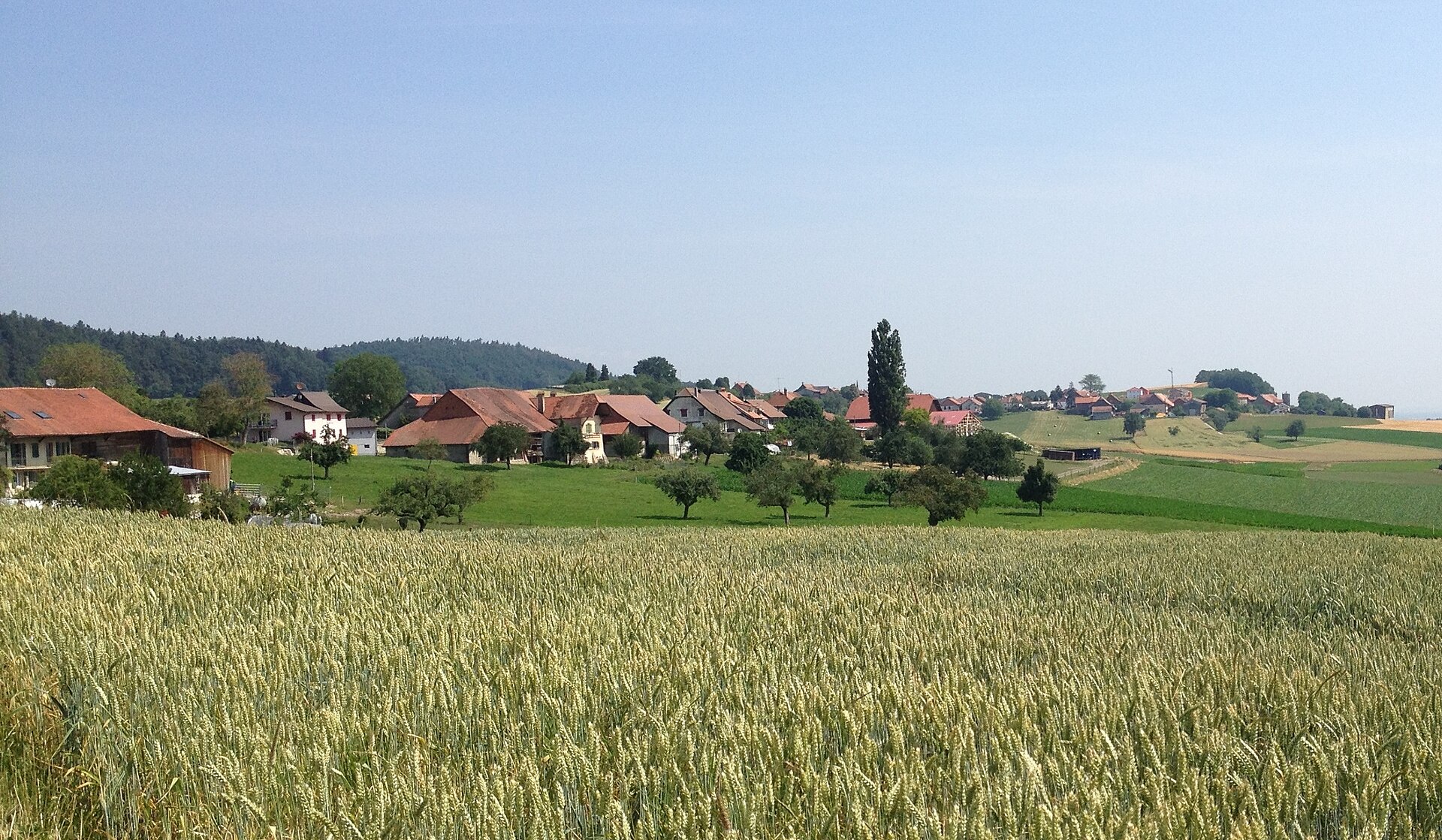
Sainte-Chapelle
10 Boulevard du Palais, 1st Arr., Paris, 75001, France
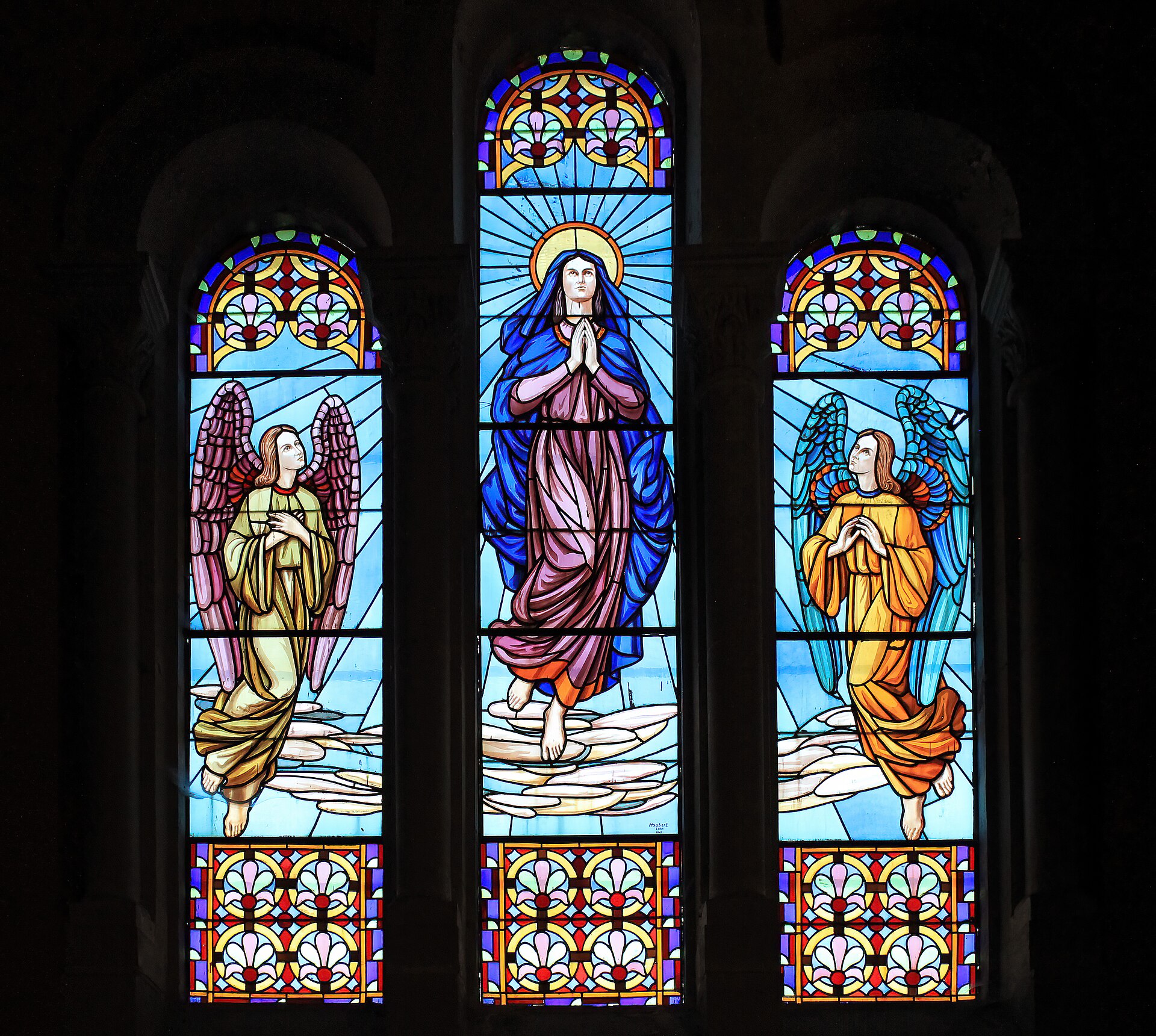
If you only see one church interior in all of Paris, make it this one. Not Notre-Dame — this. Step into the upper chapel and the entire space dissolves into light. Fifteen stained glass windows, each rising 15 meters high, contain 1,113 individual scenes from the Bible. On a sunny day, the stone columns practically disappear, and you're standing inside a jewel box made of light. King Louis IX — later Saint Louis — built it between 1242 and 1248 to house the Crown of Thorns and a fragment of the True Cross, which he'd purchased from the cash-strapped Latin Emperor of Constantinople. Here's the absurd part: Louis paid 135,000 livres for the relics and only 40,000 livres to build this entire chapel to house them. The container cost a third of the contents. The chapel nearly didn't survive the Revolution. When the monarchy was abolished, the relics were moved to Notre-Dame, and Sainte-Chapelle was turned into a flour warehouse. The revolutionaries removed the spire and melted down the reliquary, but the glass survived — partly because it was so high up that it was easier to ignore than to destroy. A major restoration in the mid-19th century replaced roughly a third of the panels, but experts still debate which sections are original 13th-century glass. What makes this place extraordinary isn't just its beauty — it's its speed. The entire chapel was built in under six years, which for a medieval building of this complexity is almost miraculous. Gothic cathedrals routinely took a century or more. Louis threw money at the project and demanded the best craftsmen in France.
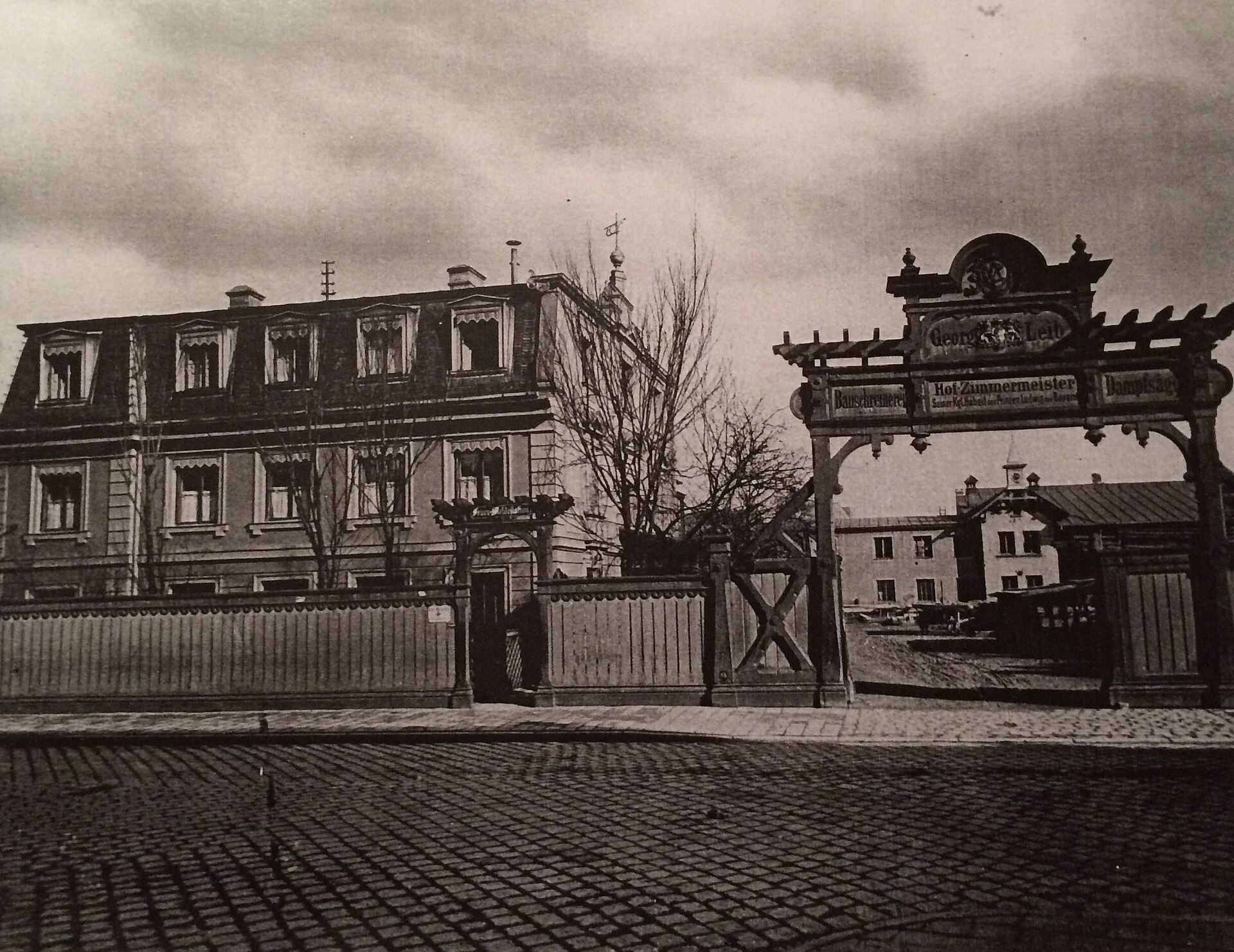
Shakespeare and Company
37 Rue de la Bûcherie, 5th Arr., Paris, 75005, France
This tiny English-language bookshop across from Notre-Dame is arguably the most famous independent bookstore on the planet. But the one you're standing in isn't actually the original — it's a successor, opened in 1951 by George Whitman, an eccentric American who named it after Sylvia Beach's legendary shop on Rue de l'Odéon. Beach's original Shakespeare and Company, opened in 1919, was the epicenter of the Lost Generation. Hemingway, Fitzgerald, Pound, Joyce — they all practically lived there. Beach did something no other publisher would: she published James Joyce's Ulysses in 1922, after it had been banned in the US and UK for obscenity. She hand-set some of the type herself. The Nazis shuttered the shop in 1941, reportedly after Beach refused to sell a German officer her last copy of Finnegans Wake. Whitman's reincarnation carried on the tradition. He let aspiring writers sleep among the bookshelves for free — he called them "Tumbleweeds" — asking only that they read a book a day, work a two-hour shift in the shop, and write a single-page autobiography. Over 30,000 people have slept here over the decades. The beds are still tucked between the shelves upstairs, and the shop still takes in writers. George died in 2011 at age 98, and his daughter Sylvia (named after Beach) now runs the place. She's added a café next door and kept the spirit alive. Above the doorway, painted in George's handwriting, is his motto: "Be not inhospitable to strangers, lest they be angels in disguise."
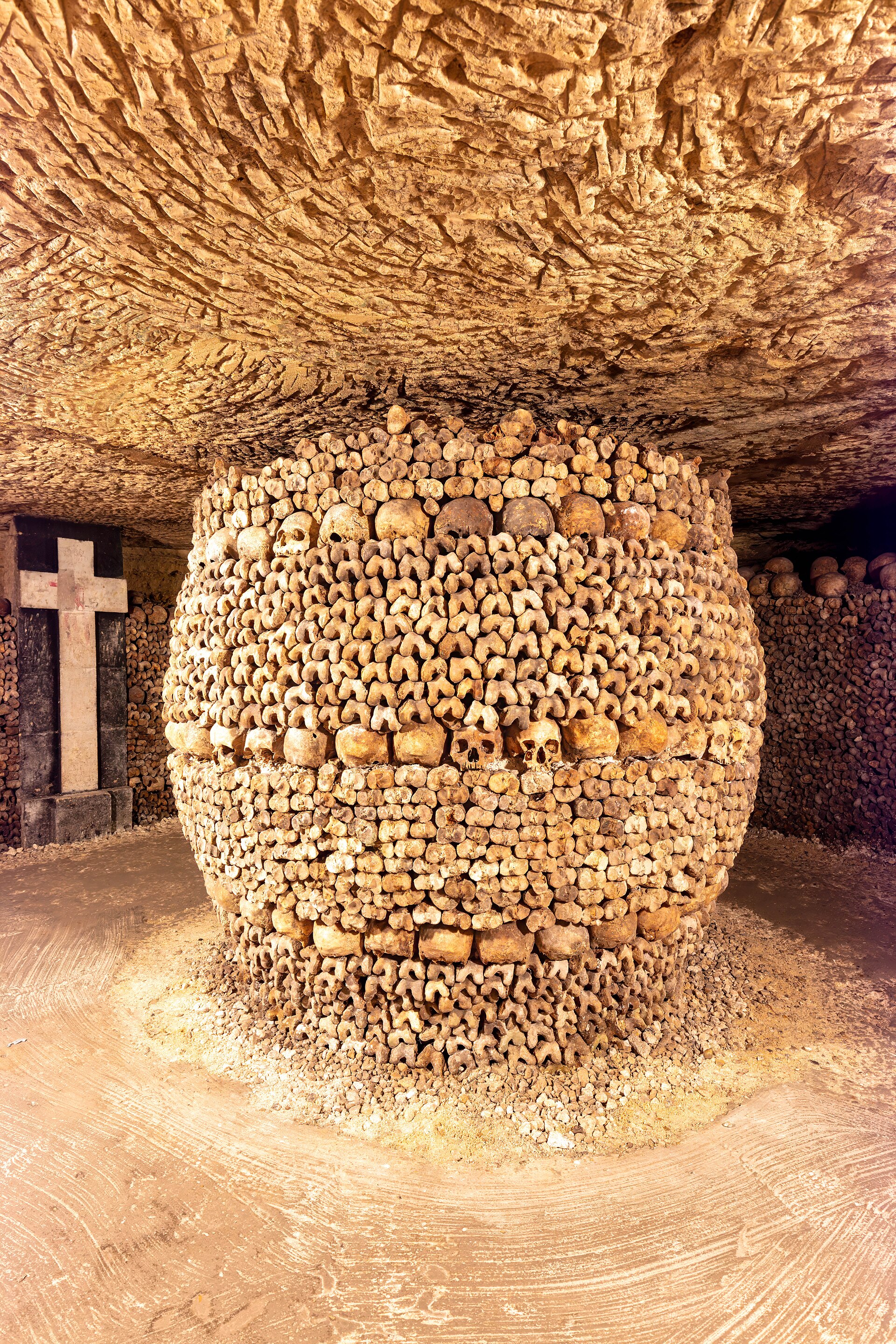
The Catacombs of Paris
1 Avenue du Colonel Henri Rol-Tanguy, 14th Arr., Paris, 75014, France
Twenty meters below the streets of the 14th arrondissement, the bones of six million Parisians are stacked along 1.5 kilometers of tunnels in arrangements that are equal parts macabre and oddly beautiful. Skulls form neat rows, tibias create decorative patterns, and the occasional femur-cross punctuates the walls like gothic wallpaper. The story starts with a public health crisis. By the late 18th century, Paris's cemeteries — especially the massive Saints-Innocents near Les Halles — were so overfull that basement walls in neighboring buildings were collapsing under the weight of decomposing bodies. In 1786, the city began moving remains into abandoned limestone quarries that had been mined since the Romans. The transfer took twelve years and was conducted at night by torchlight, with priests chanting along the route. The catacombs you visit today are just a tiny fraction of the tunnel network beneath Paris. The full system stretches over 300 kilometers, and an entire subculture of "cataphiles" — urban explorers — navigates the off-limits sections through secret entrances, hosting underground parties, film screenings, and even maintaining a fully functional cinema discovered by police in 2004, complete with electricity, a bar, and a screening room carved into the rock. During World War II, the tunnels served both sides: the French Resistance used them as headquarters (their command center was directly beneath the building occupied by the German high command), while the Germans built bunkers in other sections. The liberation of Paris in August 1944 was partly coordinated from these tunnels.
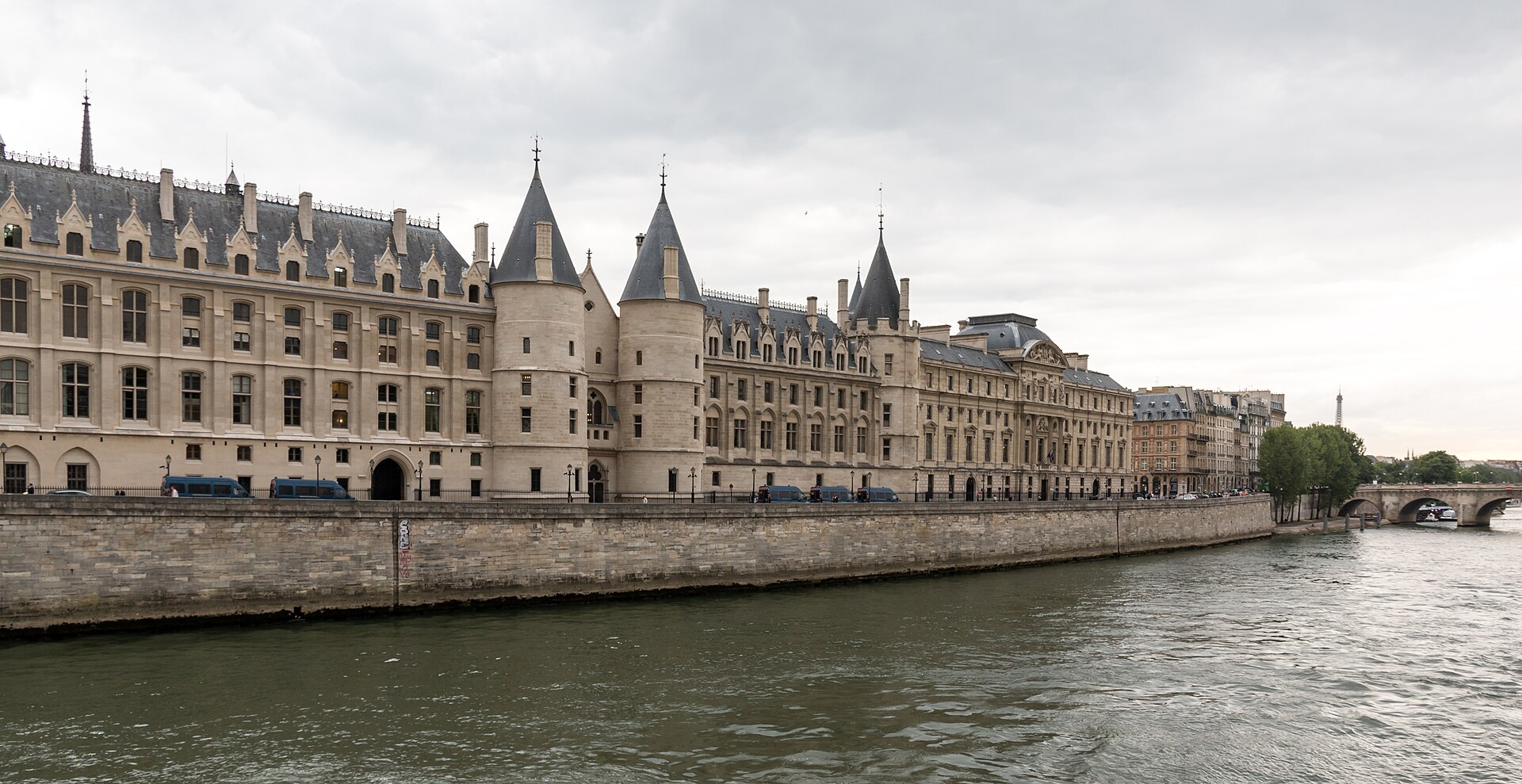
The Conciergerie
2 Boulevard du Palais, 1st Arr., Paris, 75001, France
This is where the French Revolution ate its own. The Conciergerie served as the main prison during the Reign of Terror, and its most famous prisoner was Marie Antoinette, who spent her last 76 days here before being carted to the guillotine in October 1793. Her cell has been reconstructed and can be visited — a tiny room with a screen separating her from the guards who watched her around the clock. Before it was a prison, the Conciergerie was a royal palace — the oldest surviving part of the medieval Capetian palace that once covered the entire Île de la Cité. The Salle des Gens d'Armes (Hall of the Men-at-Arms) on the ground floor, built in 1302, is the largest surviving medieval hall in Europe: a vast Gothic space with ribbed vaults supported by massive columns, where 2,000 palace staff once ate their meals. During the Terror, roughly 2,780 prisoners were processed through the Conciergerie on their way to the guillotine. The wealthy could pay for private cells with beds and candles; the poor were crammed into straw-filled communal rooms called "pailleux." A list of those guillotined is displayed on the wall, and the names include not just aristocrats but also revolutionaries who fell out of favor — Danton, Desmoulins, and eventually Robespierre himself. The building's four towers along the Seine are among the most recognizable features of the Paris skyline, especially the Tour de l'Horloge, which has held the city's first public clock since 1370. The clock still works, and it's been keeping time for over 650 years — through every revolution, war, and occupation the city has endured.
The Louvre
1st Arr., Paris, France
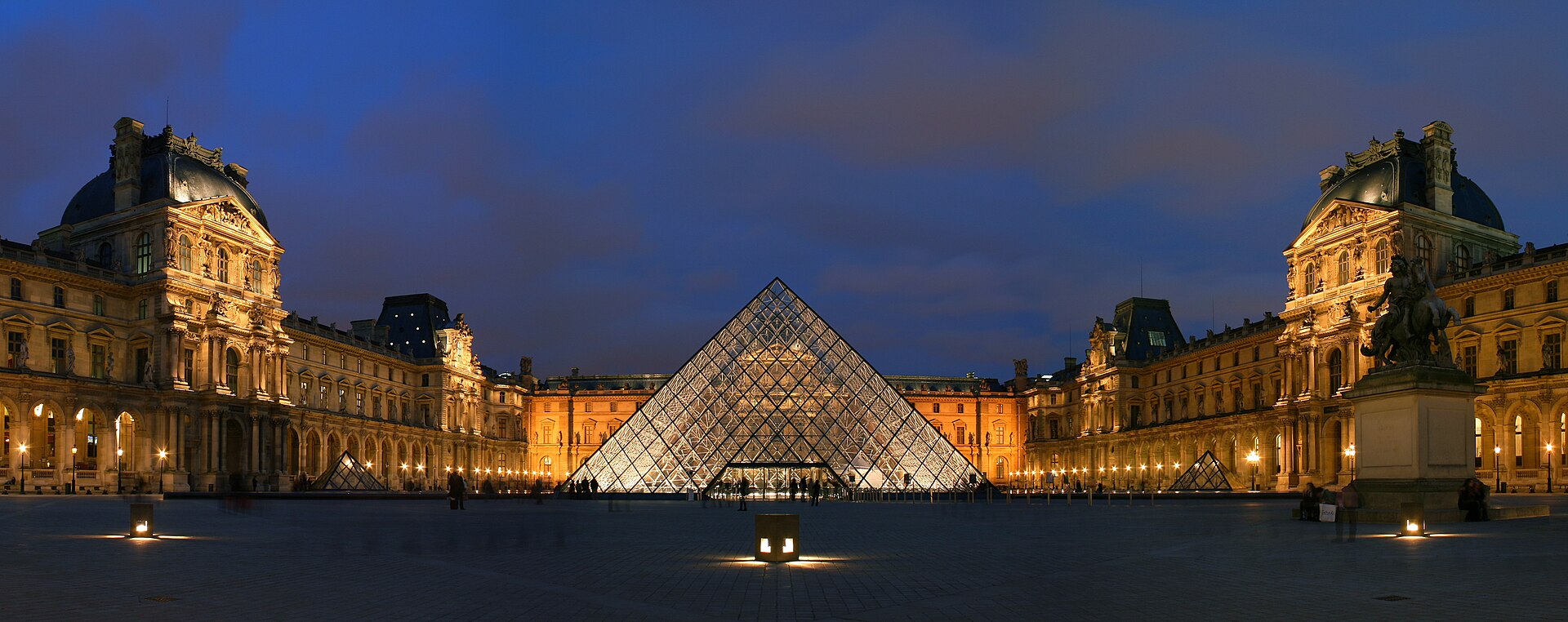
The numbers are staggering: 380,000 objects, 35,000 on display, 72,735 square meters of gallery space. If you spent thirty seconds looking at every piece, it would take you over a hundred days without sleeping. Most people come for one painting, take a selfie with it through a wall of other phones, and leave. That's a waste of one of the greatest buildings on Earth. Before it was a museum, the Louvre was a fortress. Philippe Auguste built it around 1190 to defend against Viking raids up the Seine, and you can still see the medieval foundations in the basement — massive stone walls and a moat, buried under centuries of royal renovation. It became a royal palace under Charles V in the 14th century, and every subsequent king added something, which is why the architecture is such a beautiful mess of medieval, Renaissance, and neoclassical styles. The Mona Lisa wasn't even famous until it was stolen. In 1911, an Italian handyman named Vincenzo Peruggia hid in a closet overnight, lifted the painting off the wall, tucked it under his coat, and walked out. It was missing for two years, during which the empty wall drew bigger crowds than the painting ever had. Pablo Picasso was briefly a suspect. Peruggia claimed he was trying to return the painting to Italy, but it had been legally purchased by King Francis I directly from Leonardo. I.M. Pei's glass pyramid, added in 1989, caused nearly as much outrage as the Eiffel Tower had a century earlier. President Mitterrand personally championed it, and critics called it a "gigantic, ruinous gadget." Now it's the most photographed entrance in the world, and the Louvre's annual visitor count has roughly tripled since it was built.
The Panthéon
Place du Panthéon, 5th Arr., Paris, 75005, France
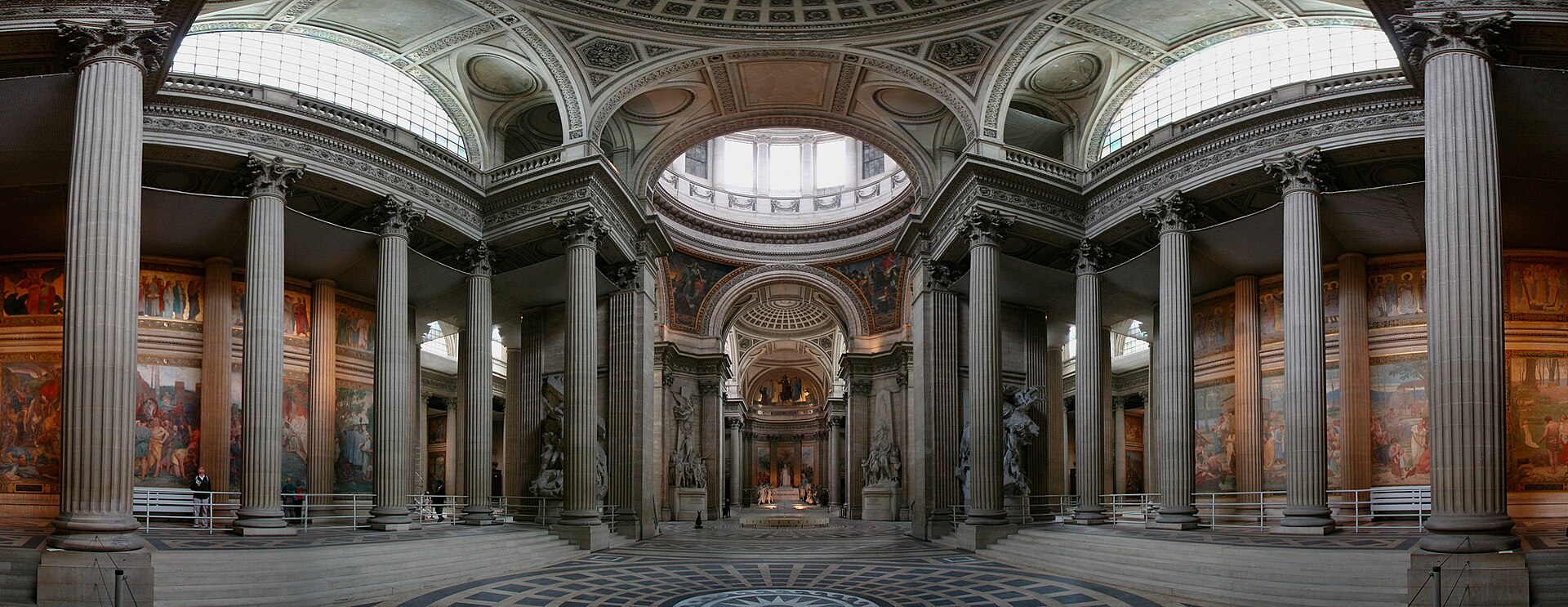
Originally built as a church dedicated to Saint Geneviève, the patron saint of Paris, this building has had more identity crises than any structure in Europe. Church, then revolutionary temple, then church again, then temple again — back and forth five times before the Third Republic finally settled the matter in 1885 by turning it into a secular mausoleum for France's greatest citizens. The crypt reads like France's ultimate hall of fame: Voltaire, Rousseau, Victor Hugo, Émile Zola, Alexandre Dumas, Marie Curie (the only woman for decades, and the only person interred for achievements in two different scientific fields). When Hugo died in 1885, two million people joined his funeral procession through Paris — one of the largest gatherings in French history — and it was his burial here that cemented the Panthéon's purpose. In 1851, physicist Léon Foucault hung a 67-meter pendulum from the dome to demonstrate the rotation of the Earth. The experiment was so elegantly simple it's almost annoying: a heavy brass ball swings back and forth, and over hours the plane of its swing appears to rotate because the Earth is turning beneath it. A replica still swings in the nave, though the original is at the Musée des Arts et Métiers. The building itself is architect Jacques-Germain Soufflot's neoclassical masterpiece, inspired by Rome's Pantheon and London's St. Paul's. The dome nearly collapsed during construction because Soufflot's design was more ambitious than the available engineering allowed. Iron reinforcements were added after his death, and the building was finally completed in 1790.
Tuileries Garden
Place de la Concorde, 8th Arr., Paris, 75001, France
This garden stretches from the Louvre to the Place de la Concorde like a green carpet unrolled through the heart of Paris. Catherine de' Medici created it in 1564 as the garden for the Tuileries Palace, which no longer exists — it was burned down during the Paris Commune in 1871, and the ruins were eventually cleared. The garden survived, and it became the template for the formal French garden style that spread across Europe. André Le Nôtre, the same genius who designed Versailles's gardens, redesigned the Tuileries in 1664. His vision was all about perspective, geometry, and the careful manipulation of sight lines. The central axis from the Louvre through the garden, down the Champs-Élysées to the Arc de Triomphe, and on to La Défense is one of the longest and most famous urban vistas in the world — and it all started here, with Le Nôtre's alignment. The garden is filled with sculpture, including works by Rodin, Giacometti, and Maillol. In the western half, near the octagonal fountain, the Jeu de Paume and the Orangerie museums sit at opposite ends of a terrace. The Jeu de Paume (literally "palm game" — the ancestor of tennis) was originally built as a court for the sport that evolved into modern tennis. On warm days, Parisians claim the green metal chairs around the fountains, children sail toy boats, and the gravel paths fill with joggers and strollers. This was the first royal garden in Paris opened to the public, and it's been the city's living room ever since.