Walking Tours in Tokyo
30 Landmarks in Tokyo
Akihabara Electric Town
Sotokanda, Sotokanda, Chiyoda, Japan
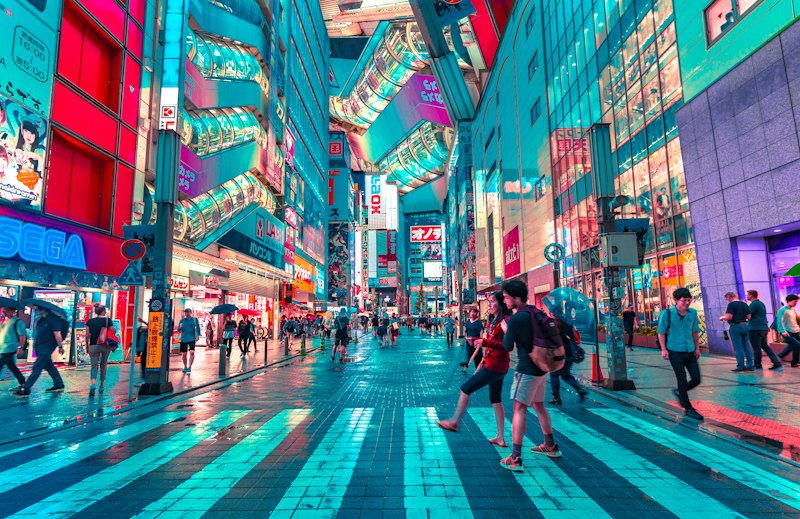
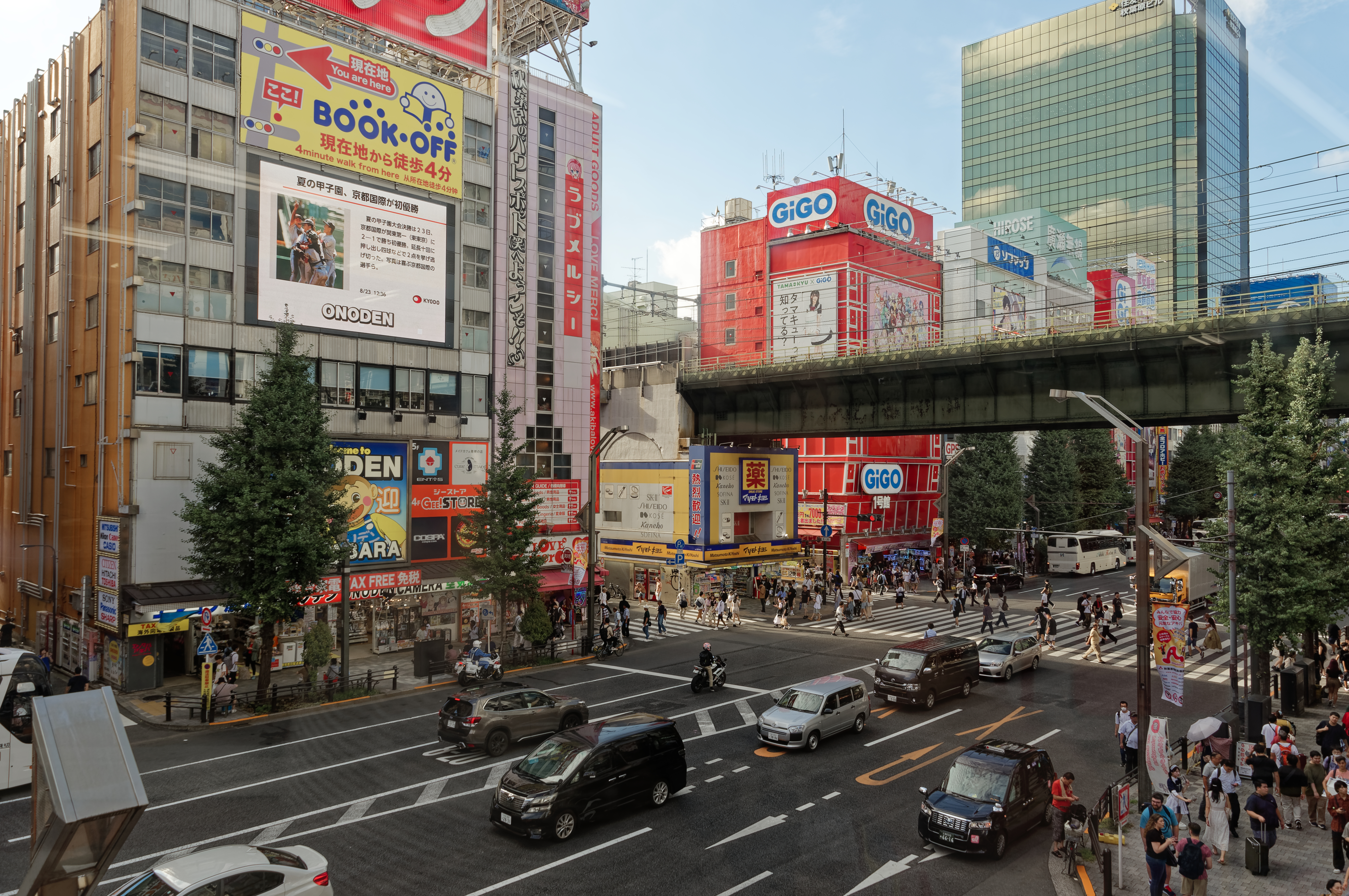
The world capital of anime and manga is named after a fire god. In eighteen sixty-nine, after a devastating fire tore through this neighbourhood, authorities built a shrine to a fire-suppression deity. Locals started calling the area around the shrine Akibagahara, which eventually got shortened and mangled into Akihabara. The shrine itself was relocated in eighteen eighty-eight, but the name stuck. After the Second World War, students from a nearby technical college started selling radio parts and vacuum tubes from makeshift stalls under the railway tracks. That black market for electronic components was the seed of everything you see around you. Through the nineteen fifties and sixties, Akihabara became Japan's go-to district for household electronics. And here is a detail that will recalibrate your image of this place — for decades, Akihabara was literally the washing machine district. Not anime figurines. Not maid cafes. Washing machines, refrigerators, and rice cookers. The shift to otaku culture only happened in the late nineteen nineties. The computer enthusiasts who came here for hardware also happened to be manga and anime fans. Shops noticed what their customers were browsing and started stocking related merchandise. By the early two thousands, the electronics stores were being crowded out by anime shops, gaming arcades, and maid cafes. The transformation was not planned — it was a market responding to its customers. Today the district has over seven hundred shops and is the beating heart of Japan's otaku economy. But if you look carefully between the anime storefronts, you can still find tiny stalls selling individual resistors and capacitors, run by elderly vendors who remember when this was all radio parts and washing machines.
Ameyoko Market
Taito, Japan
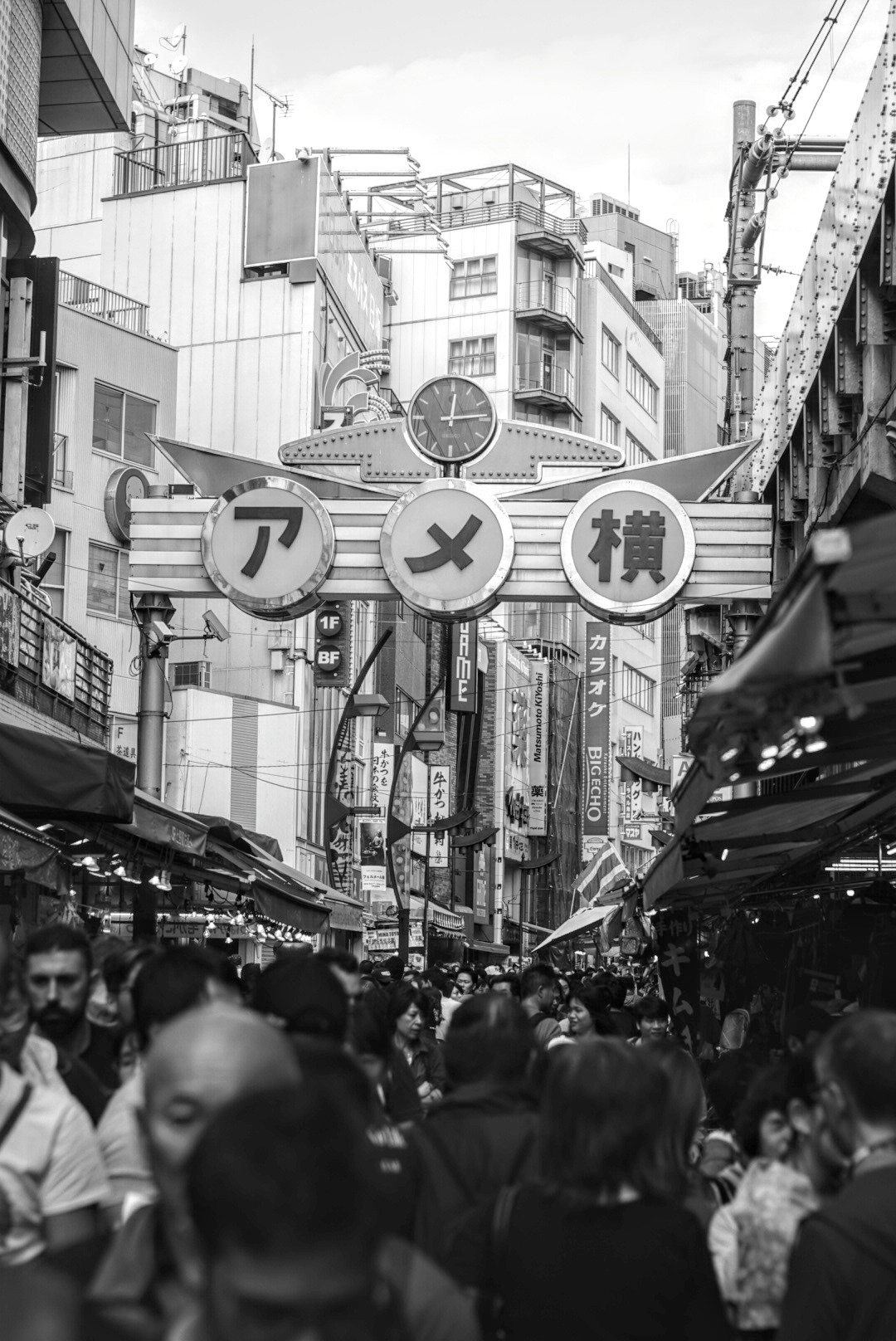
This market has two names and they both mean something different. Ameyoko is short for Ameya Yokocho — Candy Store Alley — because sweets were traditionally sold here. But it is also read as America Yokocho — America Alley — because after the Second World War, the market was flooded with goods obtained from US occupation soldiers. Both meanings are equally valid and equally true. The name is a perfect linguistic accident. Ameyoko was born as an illegal black market in the rubble of postwar Ueno. Yakuza organisations controlled commercial activities, and vendors sold whatever they could get their hands on — much of it American military surplus. Chocolate, cigarettes, clothing, canned goods, all filtering out of the occupation forces and into Japanese hands through unofficial channels. In nineteen forty-six, authorities built a structure to house the existing businesses, effectively legalising the black market and transforming it into a legitimate shopping street. Today, over four hundred shops are crammed under and around the elevated JR Yamanote Line tracks between Ueno and Okachimachi stations. Vendors shout prices, tuna gets sliced in the open air, and the energy is closer to a Southeast Asian bazaar than anything you would expect in orderly Tokyo. The market feels like it runs on a different operating system from the rest of the city. The peak chaos arrives on December thirty-first, when Tokyoites descend on Ameyoko en masse to buy ingredients for New Year's cooking. The crowds are extraordinary — shoulder-to-shoulder through narrow lanes, vendors auctioning off seafood at escalating volume, an entire city trying to squeeze through four hundred metres of market. If you want to see Tokyo at its least composed, come on the last day of the year.
Golden Gai
1 Kabukicho 1-Chōme, Kabukicho, Shinjuku, 160-0021, Japan
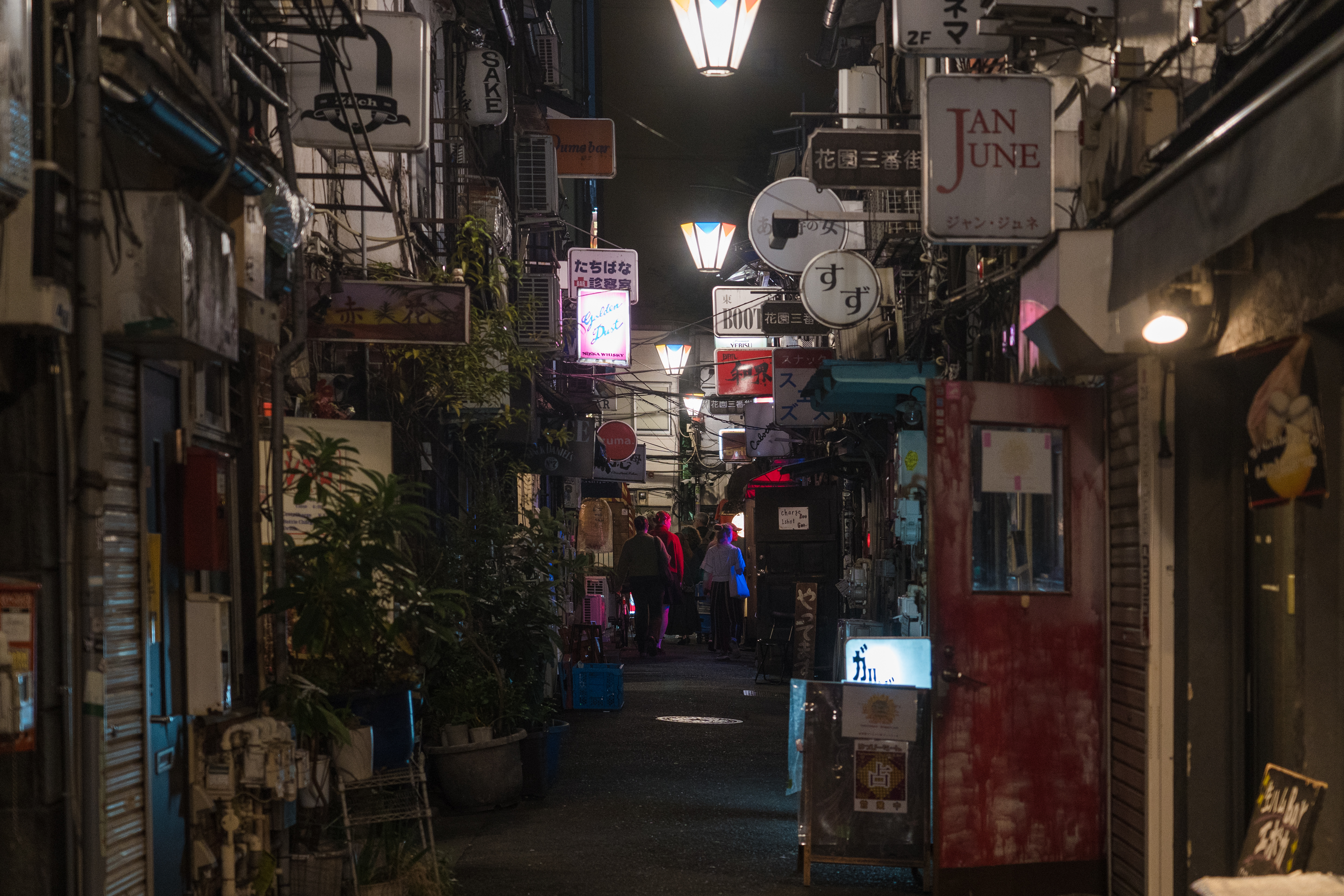
In the nineteen eighties, the yakuza tried to burn this place to the ground. Across Tokyo, organised crime groups were setting fires to force landowners to sell their properties cheap to developers. Golden Gai, with its tiny wooden buildings and enormous land value, was a prime target. So the bar owners and their regulars organised night patrols. They took turns physically guarding the six interconnected alleys through the dark hours, watching for arsonists. Golden Gai survived because ordinary people refused to let it die. The area covers just zero point six six hectares — barely bigger than a football pitch — but contains roughly two hundred tiny bars. Most of them seat between six and ten people. Some seat four. You sit at a counter, the bartender is within arm's reach, and the person next to you is close enough to become a friend or an enemy, depending on the evening. Golden Gai started as a black market and prostitution zone in nineteen forty-five, in the wreckage of postwar Shinjuku. By the late nineteen fifties, the bars had attracted writers, artists, filmmakers, and intellectuals, earning the area the nickname bunkajin no machi — district of cultivated people. This was where Japan's counterculture drank. Novelists, poets, and avant-garde theatre directors argued in spaces the size of a wardrobe. A fire on April twelfth, twenty sixteen destroyed up to three hundred square metres of the area. But just like Omoide Yokocho down the road, every bar was restored to its exact original form. The people of Golden Gai have been fighting demolition, arson, and redevelopment for decades. Two hundred bars in zero point six six hectares. Some charge a seating fee. Some have strict rules — regulars only, no tourists, no photographs. Each bar is its own tiny world.
Gotokuji Temple (Cat Temple)
24-7 Gotokuji 2-Chōme, Gotokuji, Setagaya, 154-0021, Japan
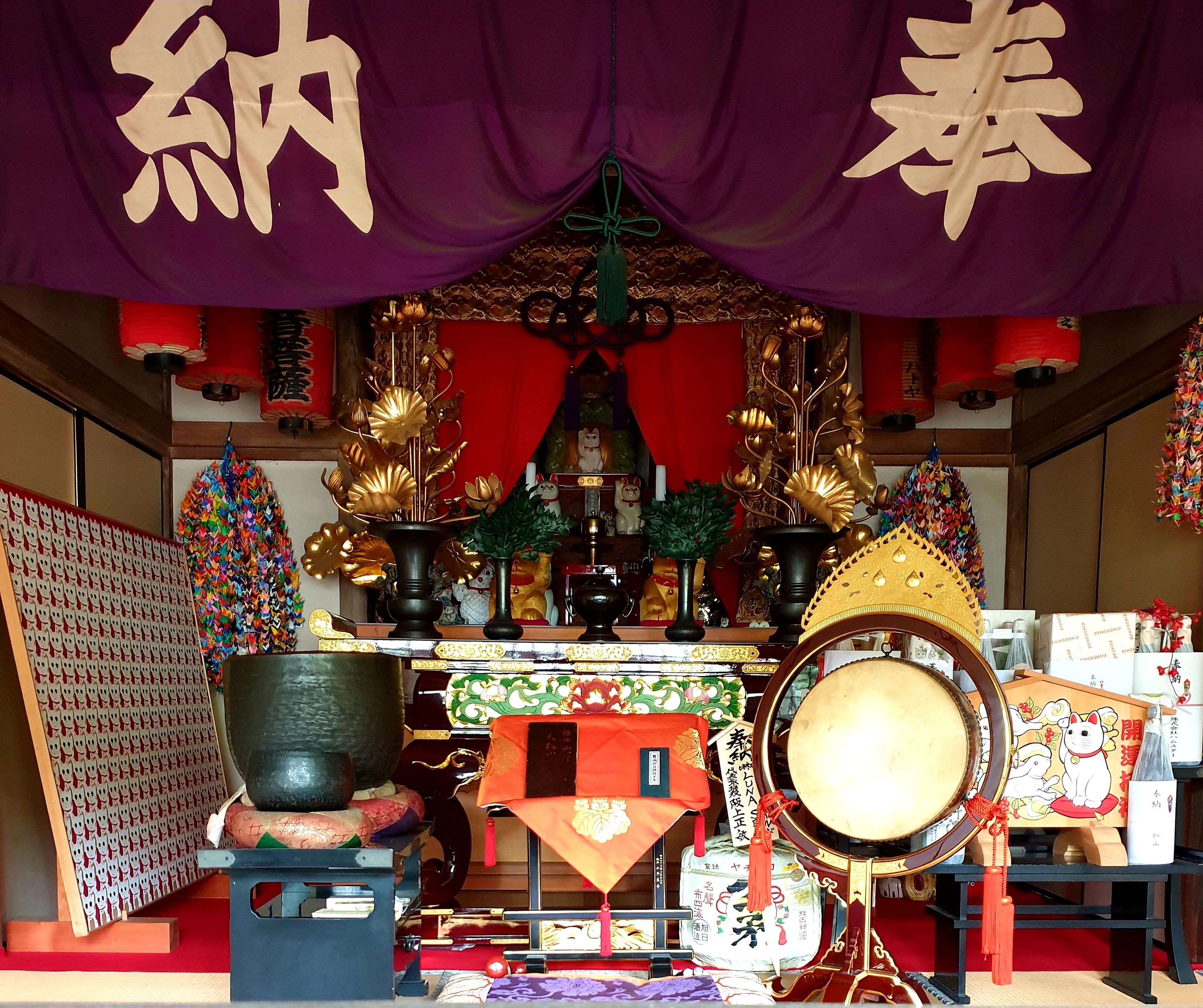
You know those beckoning cat figurines you see in the window of every Asian restaurant and shop? The ones with one paw raised, supposedly waving in good fortune? This is where they were born. Gotokuji Temple claims to be the birthplace of the maneki-neko, and the origin story is genuinely excellent. In the sixteen hundreds, the feudal lord Ii Naotaka was caught in a violent thunderstorm while travelling near this temple. He took shelter under a large tree. Then he noticed a cat sitting at the temple gate, raising its paw as if beckoning him inside. Naotaka followed the cat into the temple grounds. Moments later, lightning struck the exact tree he had been standing under. The cat had saved his life. Naotaka became a generous patron of the temple, and the beckoning cat became its symbol. Today, over a thousand cat figurines crowd the temple grounds. Worshippers buy small white maneki-neko statues, make a wish, and leave them here when the wish comes true. The result is an overwhelming sea of identical cats in every size, packed onto shelves and platforms, all with their right paws raised. Gotokuji exclusively uses the right-paw version — the left-paw and gold versions you see in shops are later commercial variations. The temple was originally established as Kotoku-in in fourteen eighty. It was renamed when the powerful Ii clan of Hikone Domain took it over in sixteen thirty-three, and the name Gotokuji derives from Lord Naotaka's posthumous Buddhist name. The Washington Post reported in twenty twenty-four that tourists have been overwhelming the temple in recent years, turning what was a quiet neighbourhood shrine into a social media destination. The cats are photogenic. The irony is that Gotokuji has no actual cats. Just a thousand ceramic ones.
Hachiko Statue
1 Dogenzaka 2-Chōme, Dogenzaka, Shibuya, 150-0043, Japan
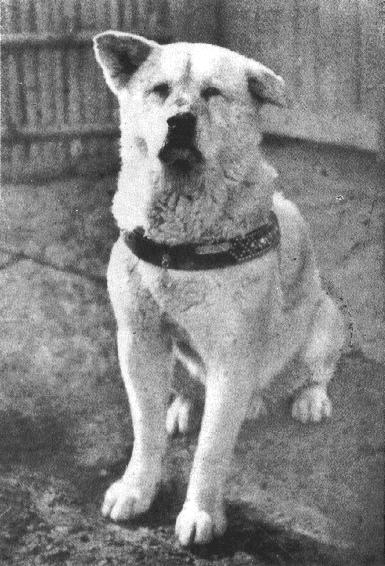
Everyone knows the story of the loyal dog who waited for his owner. But hardly anyone knows what actually happened to the statue you are looking at right now. This is not the original. The first bronze statue of Hachiko was unveiled in nineteen thirty-four, and here is the incredible part — the dog himself was present at his own unveiling ceremony. He was still alive, still coming to the station every day, still waiting for Professor Ueno who had died of a cerebral aneurysm at work nearly ten years earlier, in nineteen twenty-five. Hachiko died on March eighth, nineteen thirty-five, and Tokyo treated it like a human death. There was a funeral. People sent flowers and telegrams of condolence. But then came the war. During the Second World War, the Japanese military melted the original statue down for its metal. Bullets and artillery shells — that is what happened to the monument to loyalty. The replacement you see now was sculpted in nineteen forty-eight by the original artist's son, Ando Takeshi. What most people also miss is that Hachiko was not beloved from the start. For years, he was just a stray dog hanging around the station. People kicked him, shooed him away, ignored him. It was only after a newspaper article in nineteen thirty-two that he became famous overnight. Suddenly the same commuters who had mistreated him were bringing him food and posing for photographs. Hachiko's preserved body is on display at the National Museum of Nature and Science in Ueno. His organs are in a jar at the University of Tokyo, where Professor Ueno taught. And there is a newer statue at the university campus showing Hachiko reunited with his owner. That one was unveiled in twenty fifteen, eighty years after the dog died still waiting.
Hama-rikyu Gardens
Hamarikyuteien, Hamarikyuteien, Chuo, Japan
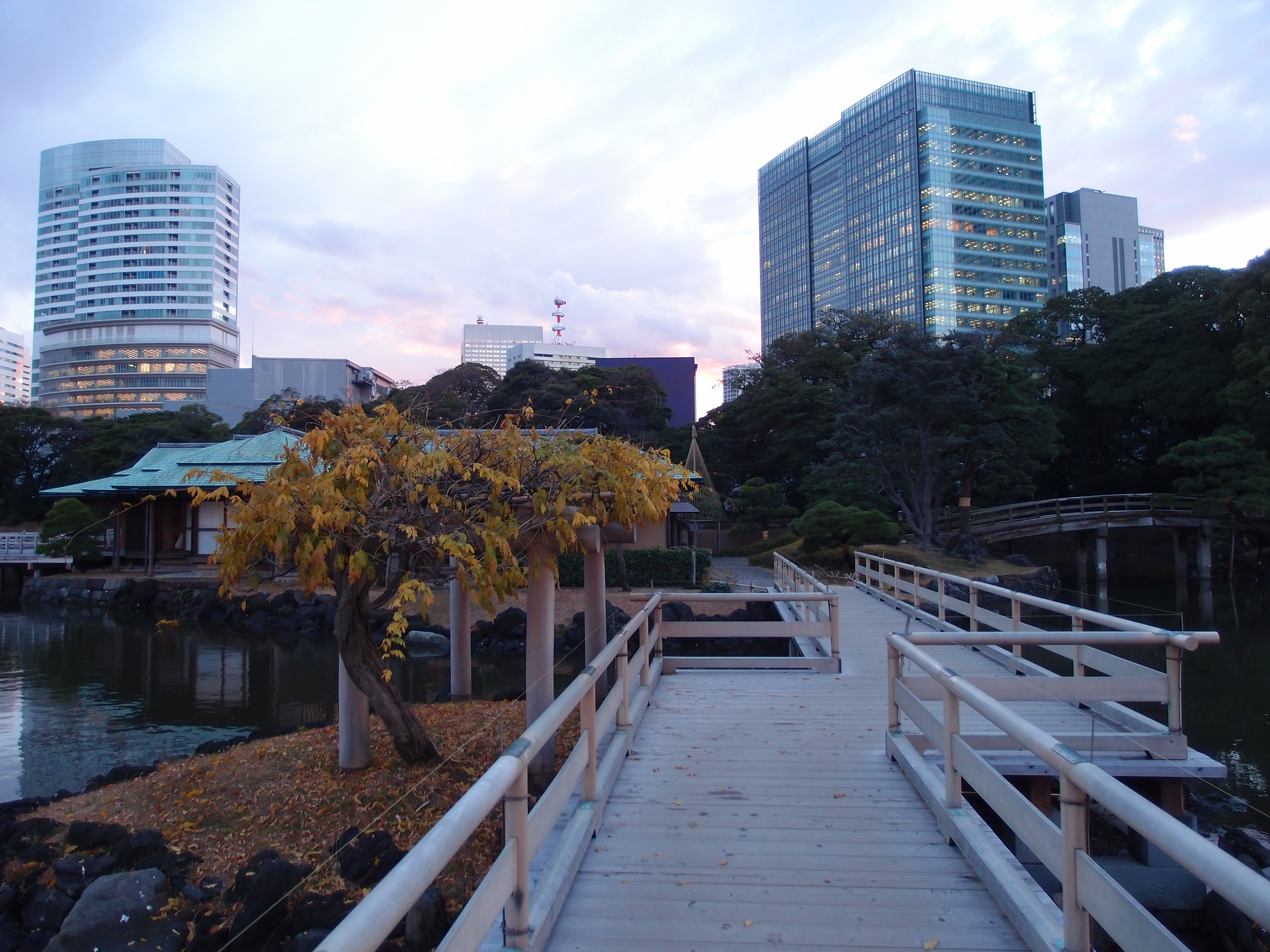
The pond in front of you is filled with ocean water. Not metaphorically. Actual seawater from Tokyo Bay flows in and out through sluice gates, regulated by the tides. This is the only Edo-period garden in Tokyo with a tidal seawater pond, and the water level and appearance change throughout the day as the tides shift. What you see in the morning will look different by afternoon. The garden was originally reclaimed from Edo Bay in sixteen fifty-four by Tokugawa Tsunashige, grandson of the shogun Iemitsu. He built a villa and duck hunting grounds here. The Nakajima teahouse, sitting on a platform over the tidal pond, has been serving tea since seventeen oh four. For its first two centuries, only shoguns and aristocrats were allowed to drink here. Now you can sit in the same spot and have a bowl of matcha for a few hundred yen while skyscrapers from the Shiodome district rise directly behind you. The contrast between the ancient garden and the glass towers is almost absurd. Hama-rikyu has been through the worst Tokyo can throw at a place. It burned in the nineteen twenty-three Great Kanto Earthquake. It burned again in the nineteen forty-five firebombing. In November nineteen forty-five, just months after the war ended, the garden was transferred from the Imperial Household to the Tokyo Metropolitan Government and opened to the public the following April. The city was in ruins, and one of the first things they did was open a garden. The three hundred year old pine tree near the entrance was planted by the sixth shogun himself. It has been pruned and maintained continuously since the early seventeen hundreds — through earthquakes, firebombing, and occupation. Somehow, it is still here.
Inokashira Park Benzaiten Shrine
4 Inokashira 1-Chōme, Inokashira, Mitaka, 181-0001, Japan
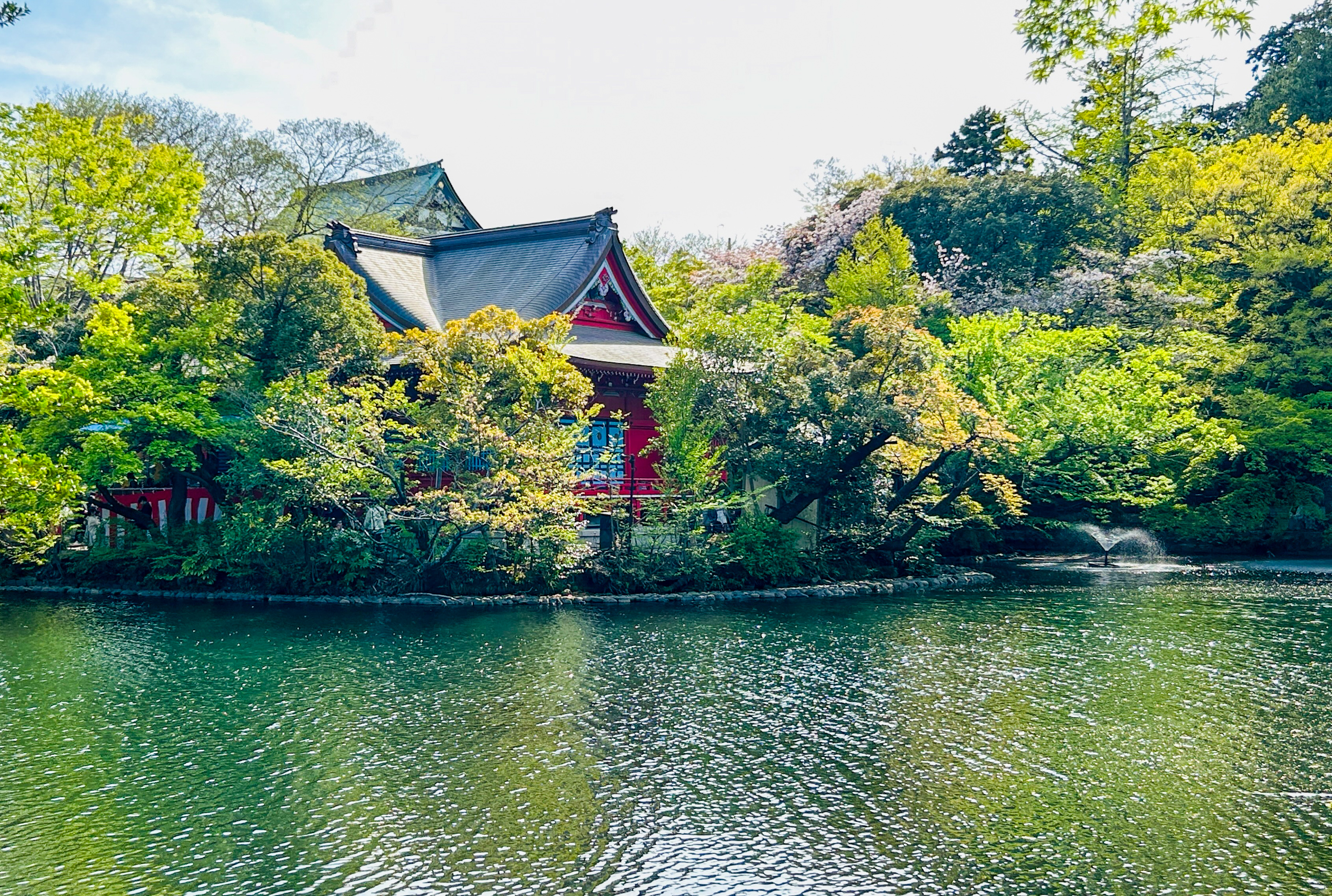
There is a curse on this lake. For over two hundred years, Tokyoites have believed that any couple who rides a swan boat together on Inokashira Pond will break up. The goddess Benzaiten, enshrined on the small island in the middle of the water, is said to be intensely jealous of happy couples in her domain. She is one of the seven gods of good fortune, but apparently her goodwill does not extend to romance happening on her pond. The shrine dates to eleven ninety-seven, sitting on its little island surrounded by the still green water of the park's central pond. Benzaiten is associated with water, music, and eloquence — and apparently possessiveness over her territory. The legend has been passed down for generations, and it is one of those urban myths that everyone in Tokyo knows. Ask any Tokyoite about the swan boats and they will immediately tell you about the curse. And yet couples still ride the boats. Every weekend, the pond is full of swan-shaped pedal boats carrying people who have heard the warning and decided to test it anyway. There is supposedly a loophole — if you visit the Benzaiten shrine after your boat ride and pay your respects, the goddess will spare your relationship. Whether anyone actually believes this or just treats it as a fun date activity is debatable, but the boats are never empty. The park itself is beautiful, especially during cherry blossom season when the trees along the pond create a pink canopy over the water. It is also the site of the Studio Ghibli Museum nearby. But the real draw is this bizarre two-century-old superstition that refuses to die, sustained by a jealous goddess and a fleet of plastic swan boats.
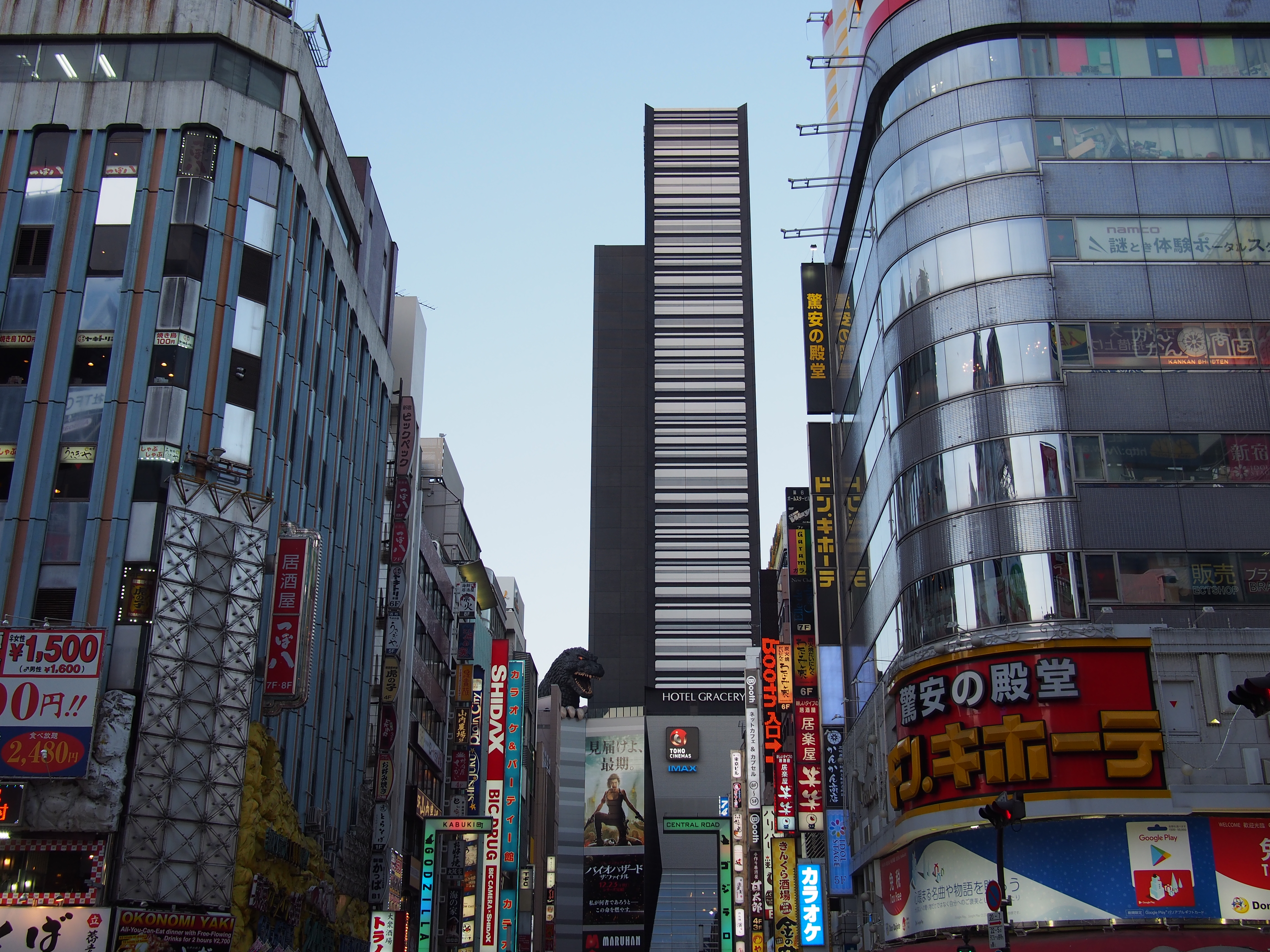
Kabukicho and the Godzilla Head
Kabukicho 1-Chōme, Kabukicho, Shinjuku, Japan
Look up at the Shinjuku Toho Building and you will see a life-size Godzilla head peering over the eighth floor. It roars and lights up on the hour from ten in the morning until eight at night. The head is positioned at fifty metres above street level to match Godzilla's official canon height. It is the most Tokyo thing imaginable — a kaiju guarding the entrance to the city's most notorious entertainment district. And that district is named after something that never existed. Kabukicho takes its name from a kabuki theatre that was planned for this area but never built. After the Second World War, a local businessman proposed constructing a grand kabuki theatre to anchor the neighbourhood's redevelopment. The plans fell through, but the name was officially adopted on April first, nineteen forty-eight — and nobody ever bothered to change it. An entire district named after a phantom building. Before any of this, the area was a swamp called Tsunohazu. In nineteen twenty, someone decided a swamp was the perfect location for a girls' school. Then the war came, the area was bombed flat, and the postwar reconstruction turned it into Tokyo's primary entertainment and red-light district. After Japan's nineteen fifty-seven Anti-Prostitution Law banned the practice in designated zones, sex workers from the official Shinjuku red-light district migrated here to Kabukicho, which was not an official zone and therefore operated in a legal grey area. Today Kabukicho is a neon-drenched maze of restaurants, bars, karaoke joints, host clubs, and entertainment venues. It has cleaned up significantly since its rougher decades, but it still hums with an energy you will not find anywhere else in Tokyo. And Godzilla watches over all of it, roaring on the hour.
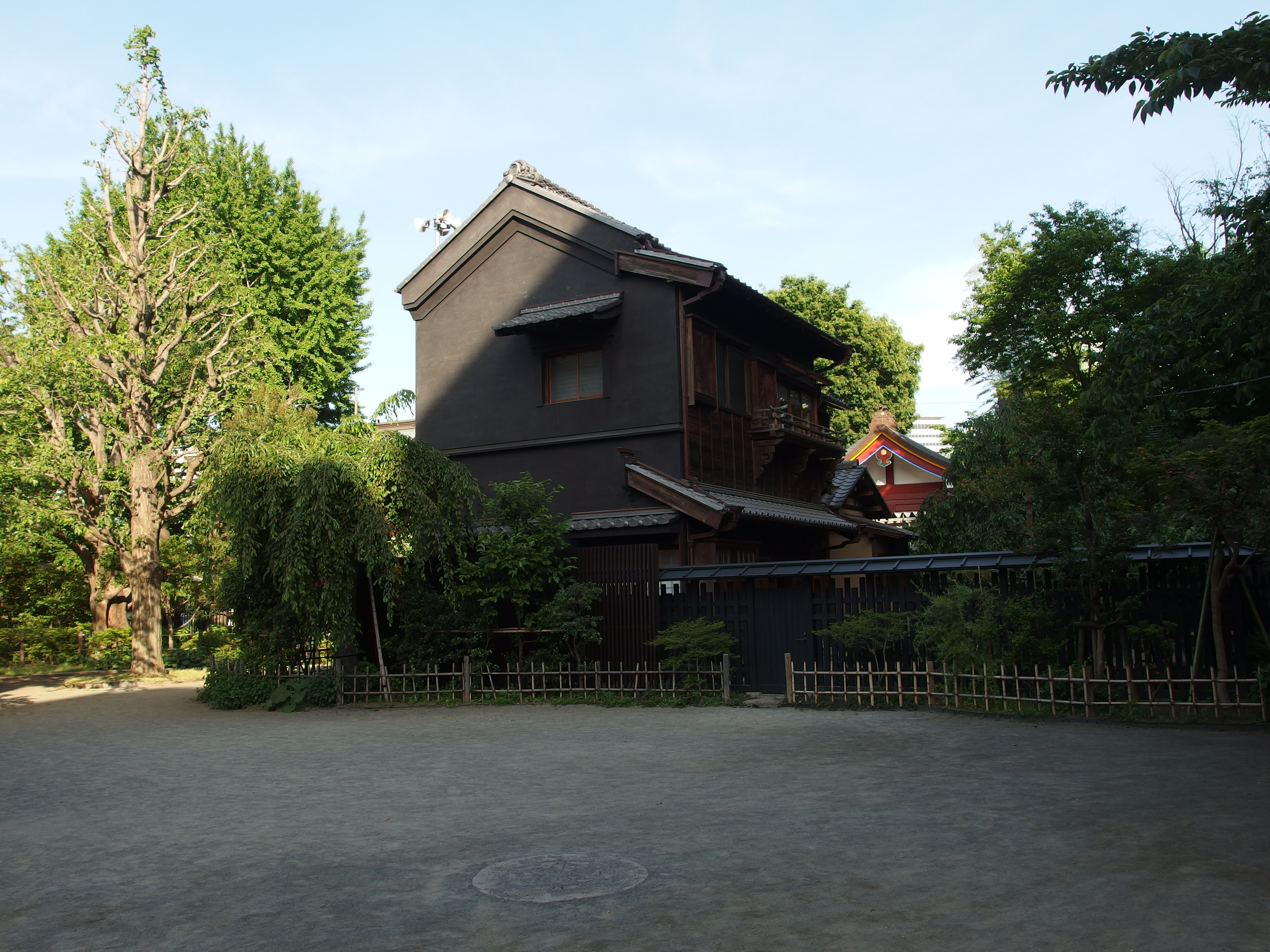
Kanda Myojin Shrine
Sotokanda 2-Chōme, Sotokanda, Chiyoda, Japan
A thirteen-hundred-year-old Shinto shrine that sells microchip-shaped charms to protect your computer from viruses. That is not a joke. Kanda Myojin, founded in seven thirty AD, sits right next to Akihabara, and it has fully embraced its tech-adjacent location. The IT protection omamori is shaped like a circuit board and offers divine protection against server crashes, data loss, and cyber attacks. Tech workers from the surrounding companies come here to pray for server uptime before product launches. The shrine was moved to its current location in sixteen sixteen by Tokugawa Ieyasu himself. It enshrines two of the Seven Lucky Gods — Daikokuten, the god of wealth, and Ebisu, the god of commerce and fishing. Given that Akihabara is one of the biggest commercial districts in Tokyo, the shrine's portfolio is well-suited to its neighbourhood. In twenty fifteen, the anime character Nozomi Tojo from Love Live was officially recognised as the shrine's mascot. Anime-themed ema — the wooden prayer tablets where visitors write their wishes — are now commonplace. You will see hand-drawn anime characters alongside traditional prayers for exam success and business prosperity. The shrine does not seem to see any contradiction between thirteen centuries of Shinto tradition and anime merchandise. The current building dates from nineteen thirty-four, rebuilt in reinforced concrete after the nineteen twenty-three earthquake destroyed the previous wooden structure. The Kanda Matsuri festival, held here in mid-May during odd-numbered years, is one of Tokyo's three great festivals and dates back to the Edo period. Massive portable shrines are paraded through the streets while tens of thousands celebrate. Ancient gods, anime girls, and microchip charms — Kanda Myojin contains all of Tokyo's contradictions in a single compound.
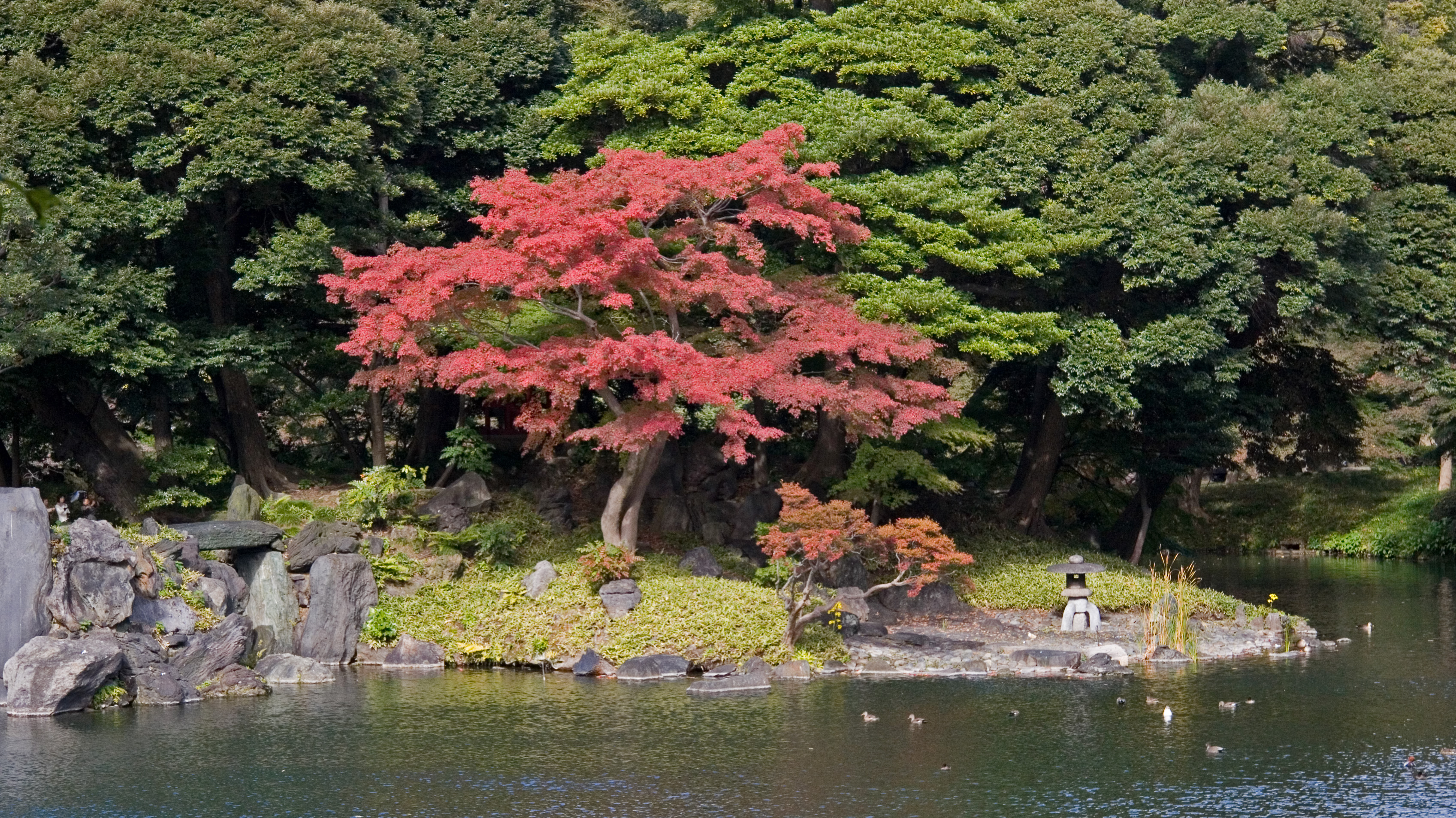
Koishikawa Korakuen Garden
Koraku 1-Chōme, Koraku, Bunkyo, Japan
The name of this garden is a political message. Korakuen translates roughly to 'enjoy after' — and it comes from a Chinese proverb meaning that a ruler should only enjoy pleasure after achieving happiness for his people. A Confucian scholar named Zhu Zhiyu suggested the name to Tokugawa Mitsukuni, who completed the garden in the mid-seventeenth century. It was a not-so-subtle reminder to the shogun's family about their responsibilities. Imagine naming your government's garden 'Remember the People.' The garden was started in sixteen twenty-nine by Tokugawa Yorifusa, the eleventh son of the legendary Tokugawa Ieyasu. It is one of the two oldest surviving gardens in Tokyo, and it carries a dual designation as both a Special National Historic Site and a Special Place of Scenic Beauty — one of only a handful of sites in all of Japan to hold both titles simultaneously. Scattered throughout the seventy thousand square metres of grounds are miniature replicas of famous landscapes from both Japan and China. You will find a tiny version of the Togetsu Bridge from Kyoto's Arashiyama, a recreation of China's West Lake, and a representation of the Lushan mountains. The garden was designed as a greatest-hits tour of East Asian scenery, compressed into a single Tokyo park. Today, Koishikawa Korakuen sits right next to Tokyo Dome, the massive baseball stadium. The juxtaposition is characteristically Tokyo — a four-hundred-year-old garden of Confucian philosophy sharing a fence with a venue that hosts baseball games and rock concerts. You can hear the crowd from inside the garden on game days. The shoguns probably did not anticipate that.
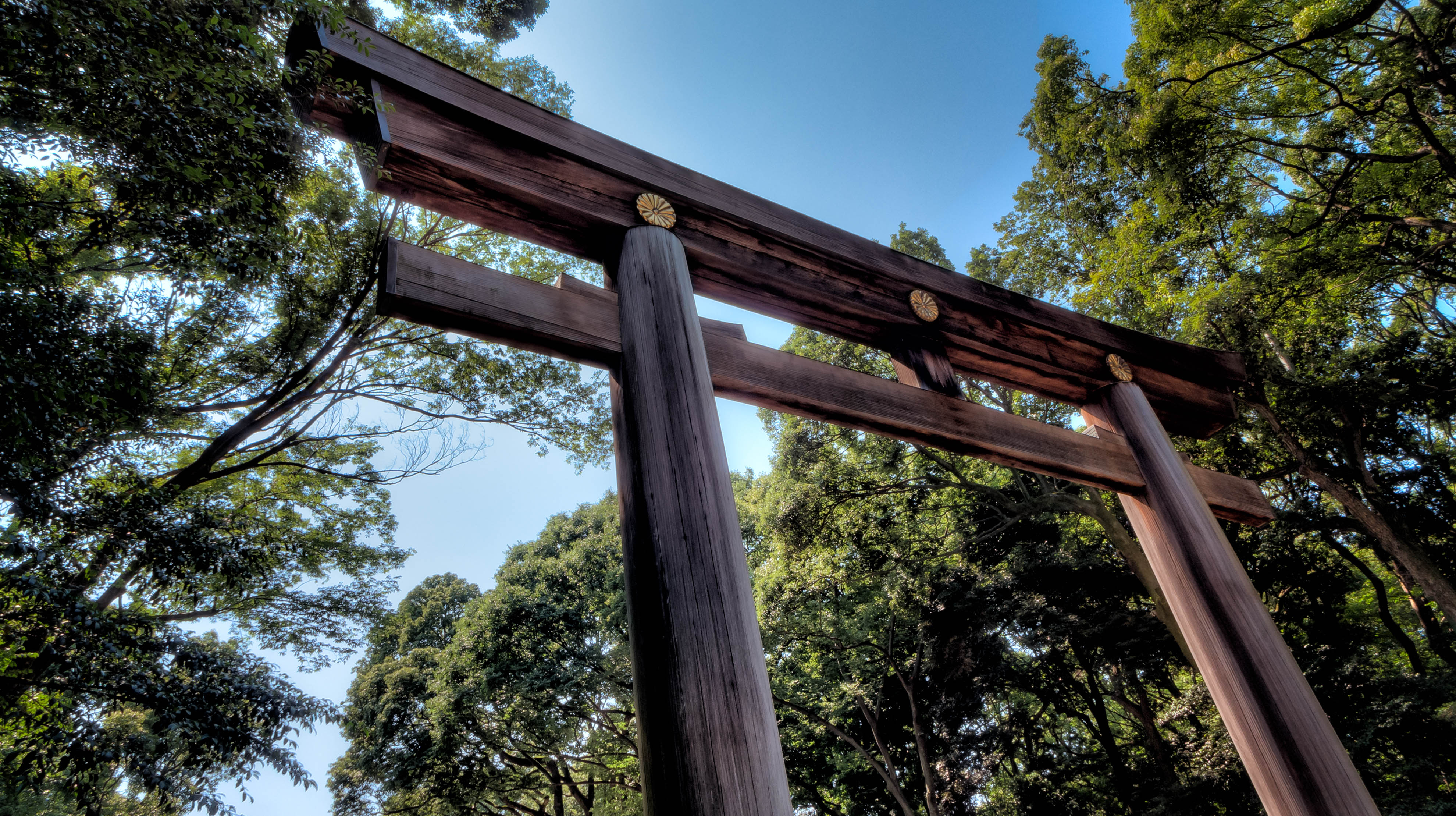
Meiji Shrine
Shibuya, 151-0053, Japan
You are walking through a forest that should not exist. Every single one of these trees was planted by hand. When this shrine was built in nineteen twenty to honour Emperor Meiji and Empress Shoken, the designers brought in one hundred thousand trees from every region of Japan and created an entirely artificial forest on what had been open land. Over a century later, the forest has matured into a self-sustaining ecosystem covering a hundred and seventy-five acres right in the middle of Tokyo. It genuinely feels like ancient woodland. It is not. Now, as you approach the shrine buildings, look for the rows of barrels along the path. You will spot traditional sake barrels, which makes sense at a Shinto shrine. But on the opposite side, you will see something bizarre — rows of French Burgundy wine barrels. Those are there because Emperor Meiji was a devoted wine lover who embraced Western culture during Japan's rapid modernisation. French wineries from Burgundy donate roughly a hundred and eighty bottles annually, and the donations have sometimes included Romanee-Conti, one of the most expensive wines on the planet. As for the sake barrels, here is a fun detail — they are empty. When two thousand breweries started donating more sake than the shrine could handle, the tradition shifted to symbolic empty barrels to prevent waste. Meiji Shrine is the most visited shrine in Japan during hatsumode, the first shrine visit of the New Year, when over three million people come in just three days. The shrine was destroyed in the nineteen forty-five air raids and rebuilt in nineteen fifty-eight. The massive torii gate at the entrance is made from a single seventeen-hundred-year-old cypress tree sourced from Taiwan. The original gate was also cypress, felled by lightning in nineteen sixty-six.
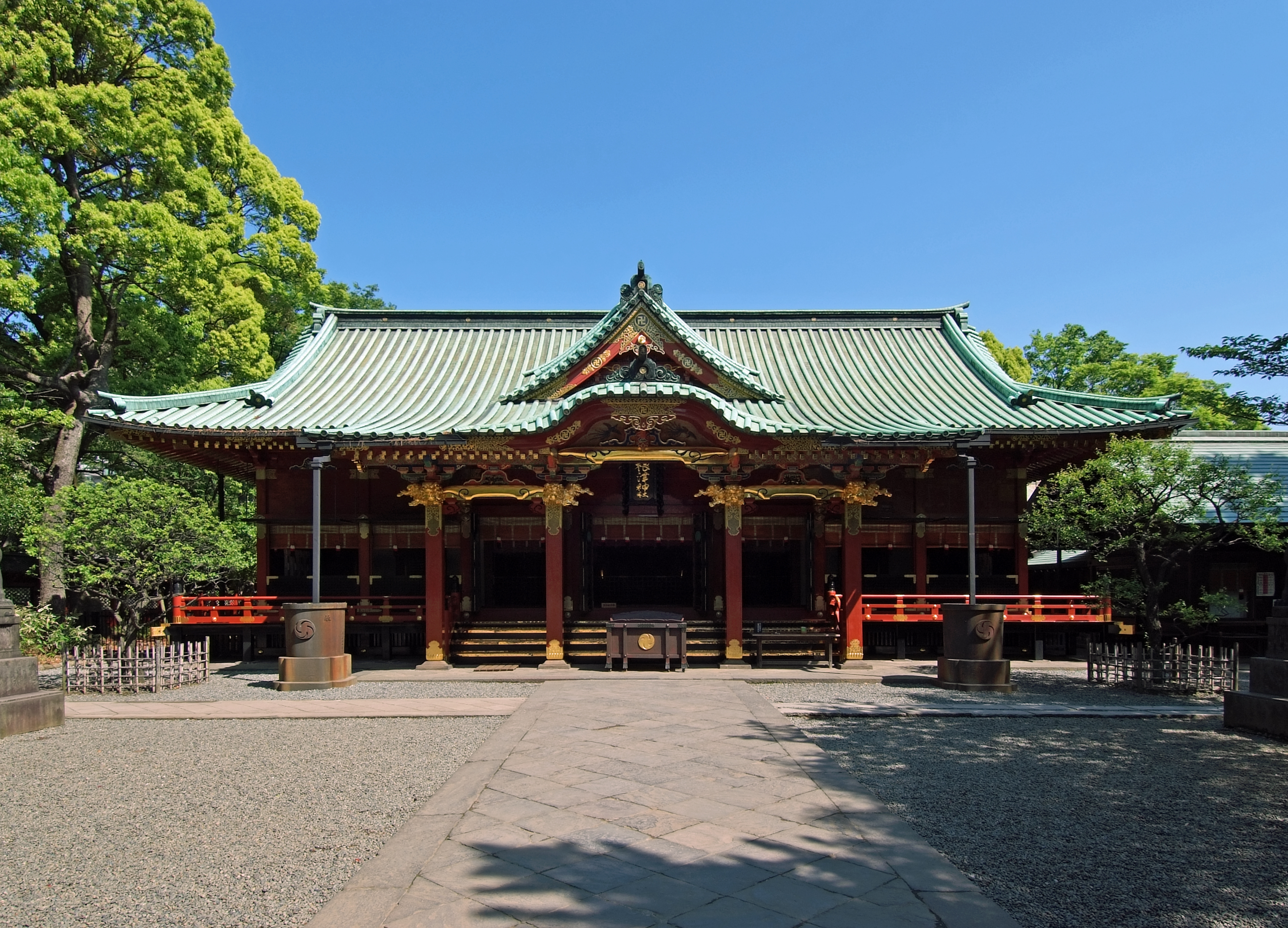
Nezu Shrine
Nezu, Nezu, Bunkyo, Japan
You are standing at one of the rarest things in Tokyo — a building that is actually old. The current structures here date from seventeen oh six, and they survived both the nineteen twenty-three Great Kanto Earthquake and the Second World War firebombing. That makes Nezu Shrine one of the only genuine Edo-period buildings left in the entire city. Almost everything else that claims to be historic in Tokyo is a reconstruction. This is the real thing. According to legend, the shrine was originally founded by the mythical hero Yamato Takeru in the first century AD, which would make it nearly two thousand years old. The current buildings were commissioned by the fifth Tokugawa shogun, Tsunayoshi, in seventeen oh six. And here is a detail that might make you do a double take — somewhere in these grounds, a shogun's placenta is buried. Tokugawa Ienobu, the sixth shogun, was born nearby, and his placenta was interred here according to the customs of the time. It connects the Tokugawa bloodline literally to the soil of this shrine. Every spring, over three thousand azalea plants burst into colour across the hillside behind the main hall. There are over a hundred varieties, and they exist because Tokugawa Tsunashige brought them from Tatebayashi to beautify his residence garden before the shrine was even moved to this location. The azalea festival draws crowds, but outside that brief window, the shrine is remarkably peaceful for central Tokyo. Walk through the tunnel of small vermillion torii gates on the hillside — it is reminiscent of Kyoto's famous Fushimi Inari, but without the crushing crowds. Most tourists do not know this place exists, which is exactly what makes it special.
Nihonbashi Bridge
Chuo 1-Chōme, Chuo, Nakano, Japan
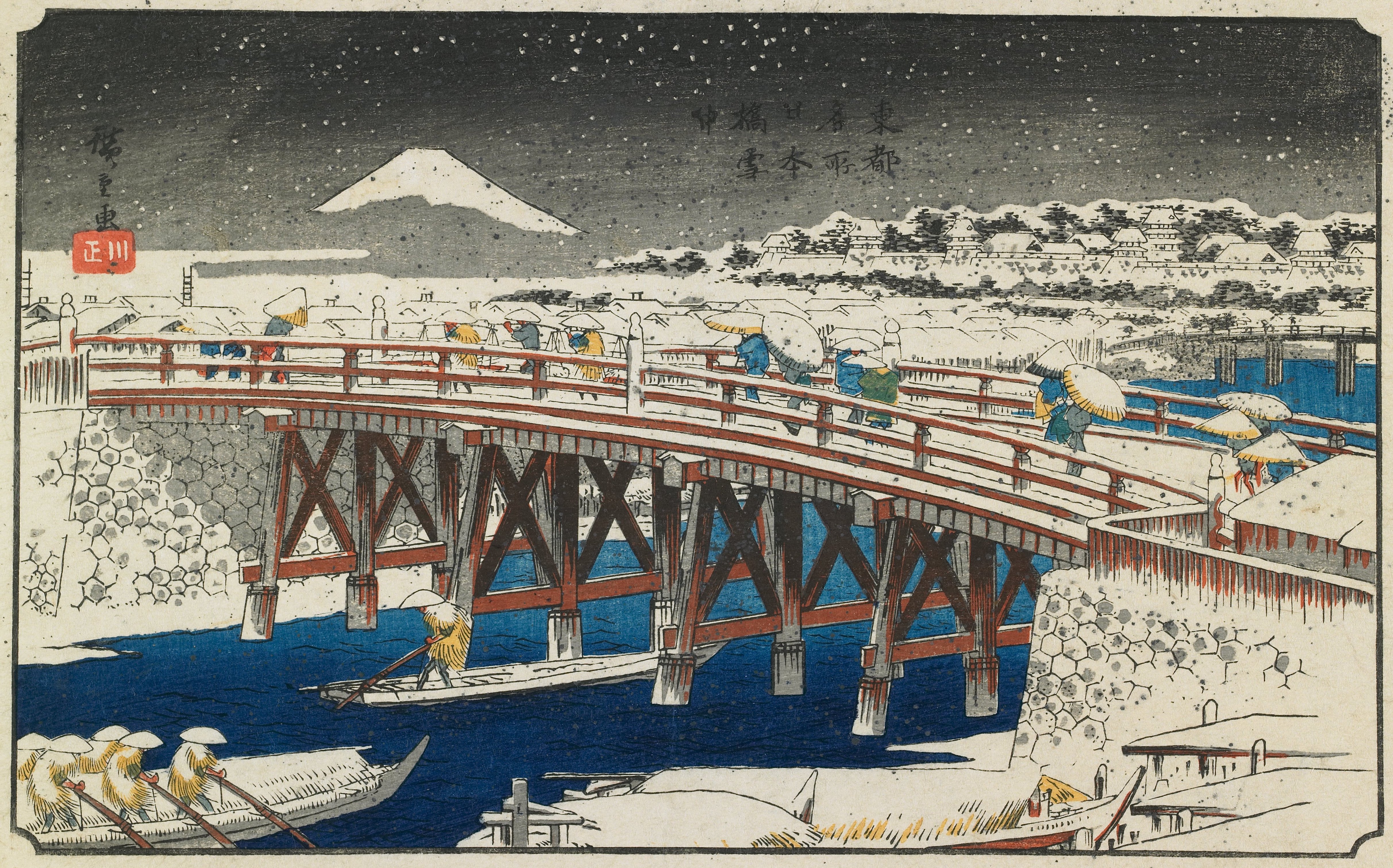
Every road distance in Japan is measured from this bridge. Right here, embedded in the pavement, is Japan's road zero marker, placed in nineteen seventy-two. Since sixteen oh four, Nihonbashi has been the official starting point of the five great highways — the Gokaido — that connected Edo to the rest of the country. When a sign somewhere in Japan says 'Tokyo: four hundred kilometres,' this is the point they are measuring from. The first wooden bridge was completed in sixteen oh three, the same year the Tokugawa shogunate established Edo as Japan's capital. This was the centre of the universe for the most powerful government in Japanese history. Fish markets, merchant houses, and theatres clustered around the bridge. Nihonbashi was where the money was. Now look up. That concrete expressway running directly overhead is one of Tokyo's great urban tragedies. Before nineteen sixty-three, you could stand on this bridge and see Mount Fuji. The view was so famous that Hiroshige immortalised it in his woodblock prints. Then, ahead of the nineteen sixty-four Olympics, the government built an elevated highway directly over the bridge, permanently destroying one of Tokyo's most iconic views. They chose efficiency over beauty, and the decision has been controversial ever since. The current bridge is the stone-and-steel version designed by architect Tsumaki Yorinaka, completed in nineteen eleven. It features ornate bronze dragon pillars and art nouveau lampposts that feel oddly European for central Tokyo. There have been plans for decades to bury the expressway underground and restore the original view of Fuji. Progress has been painfully slow, but the project is supposedly moving forward. Four hundred years of history, buried under a highway. That is modern Tokyo in a nutshell.
Omoide Yokocho (Piss Alley)
1 Nishishinjuku 2-Chōme, Nishishinjuku, Shinjuku, 160-0023, Japan
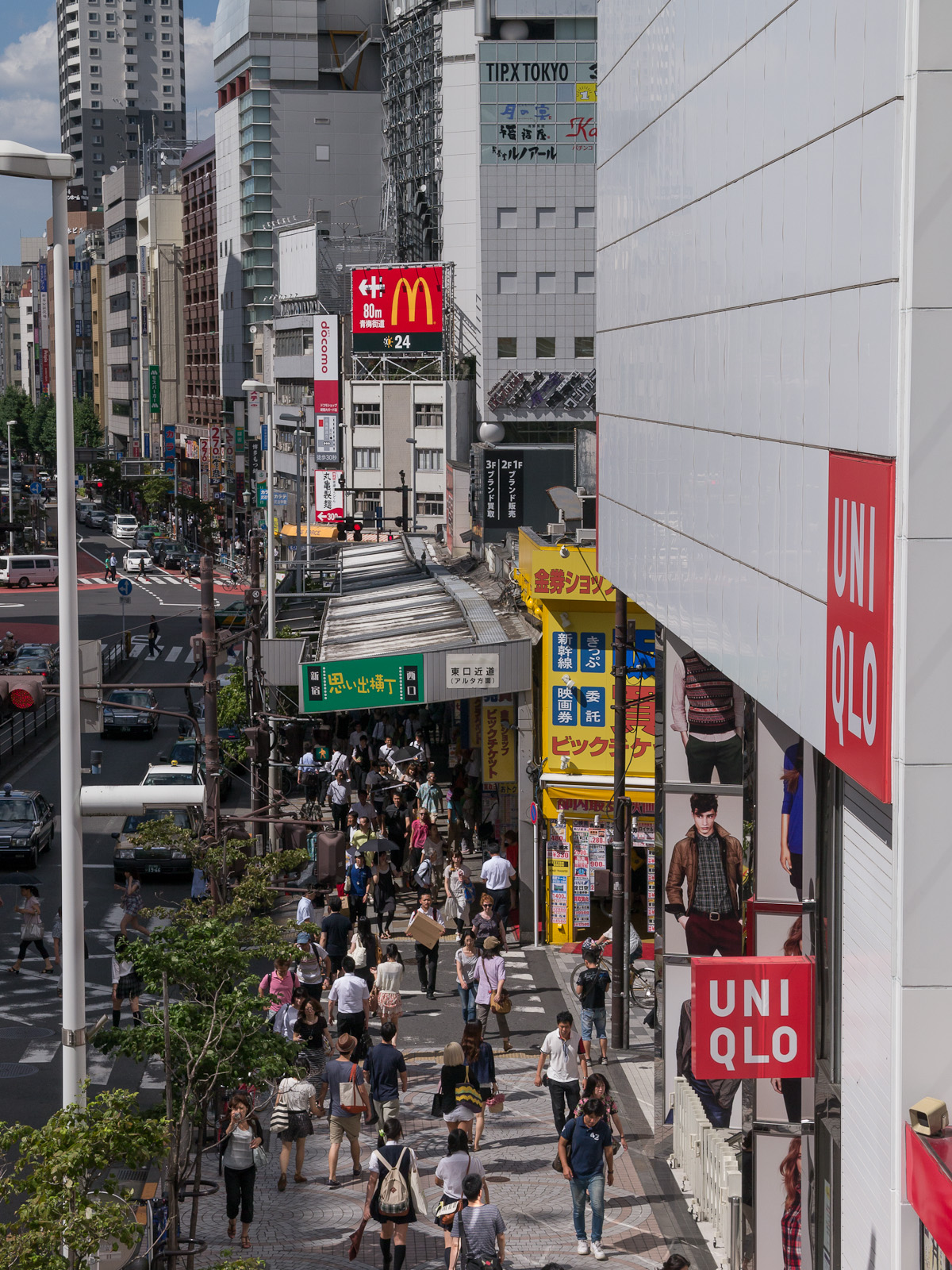
Yes, this place is actually called Piss Alley. The polite Japanese name is Omoide Yokocho — Memory Lane — but let us be honest about why it got the other name. In the nineteen forties, this was an illicit drinking quarter that had no toilets. None. Drinkers who needed to relieve themselves walked to the neighbouring train tracks and did their business there. The name was earned, not given. This narrow strip of tiny bars and yakitori stalls started as a black market immediately after the Second World War ended in nineteen forty-five. Shinjuku had been bombed to rubble, and in the wreckage, makeshift drinking establishments sprang up to serve a population that desperately needed a drink. The stalls were ramshackle, the food was whatever could be sourced, and the atmosphere was pure postwar survival. Something remarkable happened in the nineteen nineties. A fire destroyed part of the alley. The local government could have used the opportunity to modernise, widen the lanes, bring the area up to code. Instead, they deliberately rebuilt the damaged sections to match their original Showa-era appearance. They loved the aesthetic of postwar grit so much they chose to preserve it. The about sixty tiny eateries crammed in here today specialise in yakitori and nikomi — a rich beef tendon stew that has been simmering on these same stoves for decades. Each stall seats maybe six to eight people on stools squeezed along a counter. Smoke from the grills drifts through the narrow passages. Your knees will touch the person next to you. None of this is manufactured charm. It genuinely has not changed much since the black market days, except now there are toilets.
Saigo Takamori Statue
110 Takao, Takao, Akiruno, 190-0154, Japan
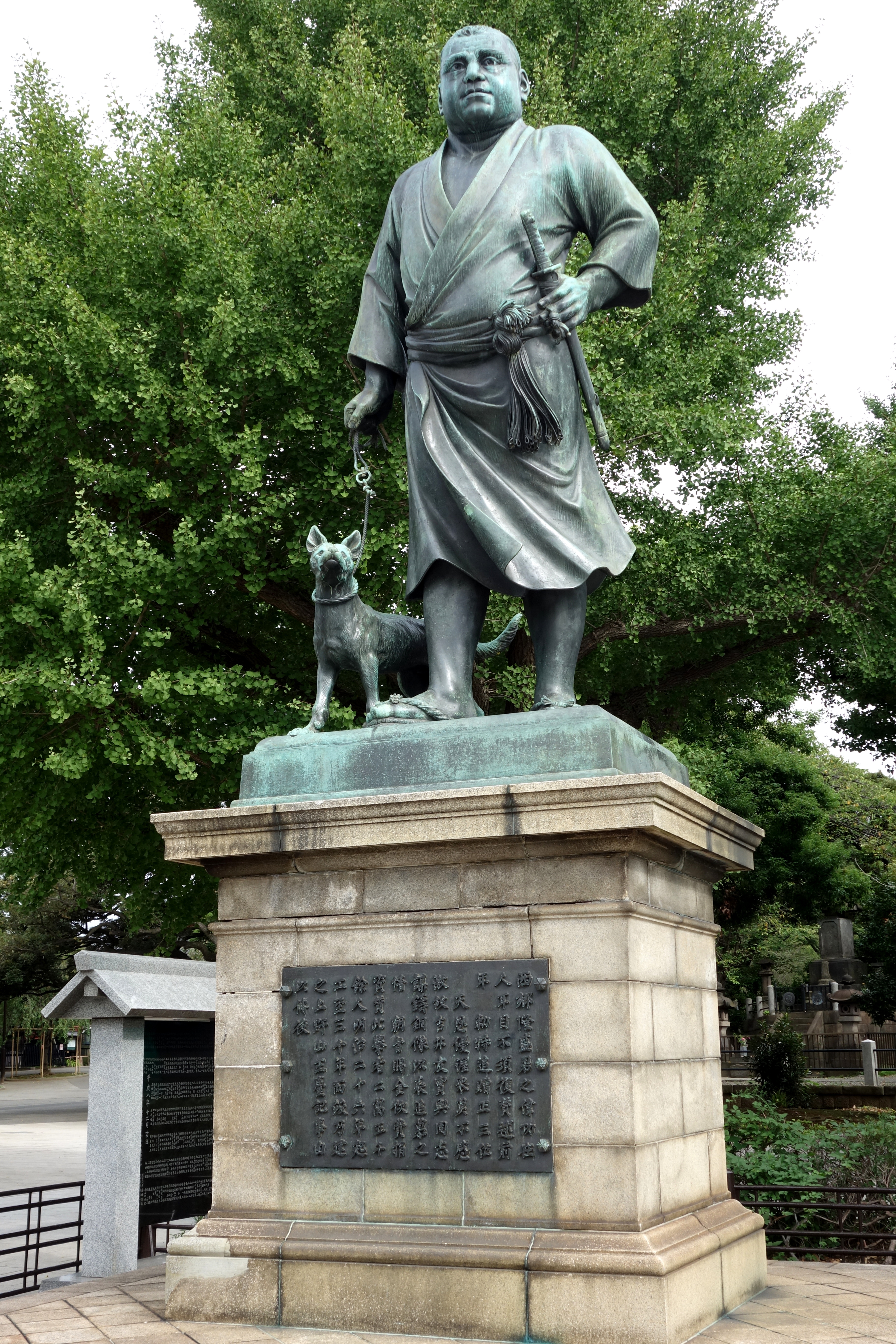
You are looking at Japan's most famous samurai. Saigo Takamori — the man they call the last true samurai, the inspiration behind the Tom Cruise film. But the best story about this statue is not about the man. It is about his wife. When this bronze was unveiled in eighteen ninety-eight, Saigo's widow Itoko took one look and reportedly shrieked that it looked nothing like her husband. She was mortified. In life, Saigo was apparently a man of the utmost decorum who always wore formal hakama. The sculptor depicted him in casual clothes, walking his dog. She was furious. The truly strange thing is that this statue exists at all. Saigo Takamori led the Satsuma Rebellion in eighteen seventy-seven — an armed uprising against the very government that commissioned this statue. He fought the Meiji state, lost, and died. Twenty-one years later, that same government decided to honour him with a monument in Ueno Park. It would be like the British government erecting a statue of a rebel leader who tried to overthrow Parliament. The sculptor, Takamura Koun, used a distinctive Japanese technique — he carved a detailed wooden model first using blades, which gave the bronze casting far crisper detail than typical European methods of the era. That original wooden model survived for decades before being destroyed in a Second World War air raid. Saigo is shown with his hunting dog, a breed called Satsuma-inu that is now essentially extinct. He stands at the southern entrance to Ueno Park, looking out over the city that he tried to change by force. Every guidebook mentions him, but almost nobody stops to read the plaque. They just use him as a meeting point.
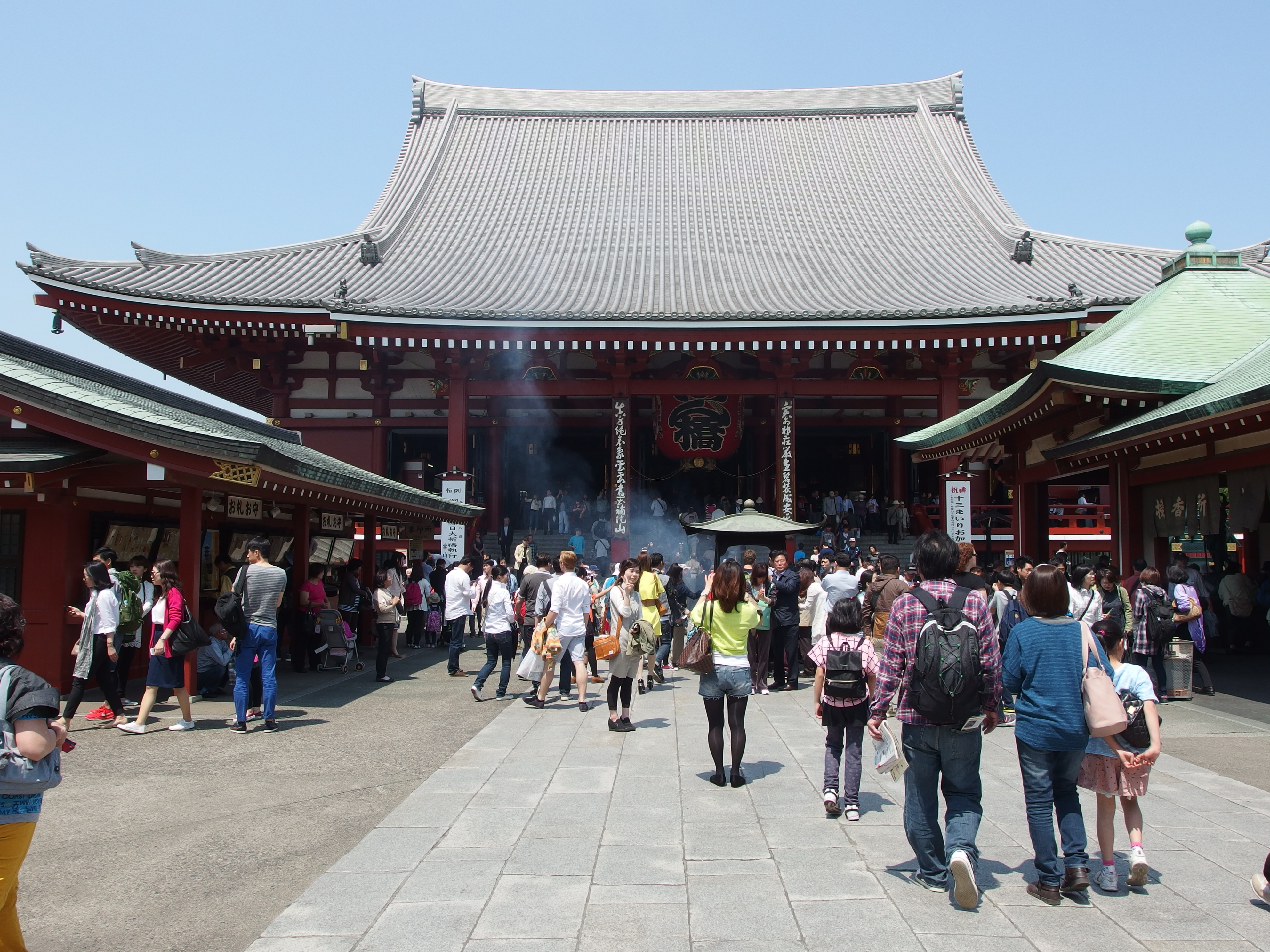
Senso-ji Temple
1-2 Asakusa 3-Chōme, Asakusa, Taito, 111-0032, Japan
Welcome to Tokyo's oldest temple — and one of the most visited religious sites on Earth, pulling in over thirty million people a year. But here is the truly wild part. This entire place exists because of a tiny golden statue that nobody has ever been allowed to see. Not once. Not ever. In six twenty-eight AD, two fishermen hauled a small golden figure of Kannon, the Buddhist goddess of mercy, out of the Sumida River. The statue is roughly five and a half centimetres tall. A local chief recognised its significance and converted his home into a temple to enshrine it. Nearly fourteen hundred years later, that statue remains sealed away. The figure occasionally put on display is actually a replica carved by the priest Ennin in the ninth century. The original has never been shown to the public. That iconic gate you walked through — Kaminarimon, the Thunder Gate, with its massive red lantern — burned down in eighteen sixty-five and was not rebuilt for ninety-five years. The gate you see today only dates from nineteen sixty, funded by the founder of Panasonic. Before that, there was just an empty space where the gate used to be. The temple has been through extraordinary trauma. It survived the eighteen twenty-three Great Kanto Earthquake thanks to a local construction master who organised a bucket brigade and saved most of the complex. But it did not survive the Second World War. On March tenth, nineteen forty-five, American B-29 bombers dropped incendiary bombs across eastern Tokyo, and Senso-ji was completely destroyed. What you see now was rebuilt in the nineteen fifties using reinforced concrete instead of wood. The temple looks ancient, and its history stretches back almost fourteen centuries, but the physical structures are younger than your grandparents.
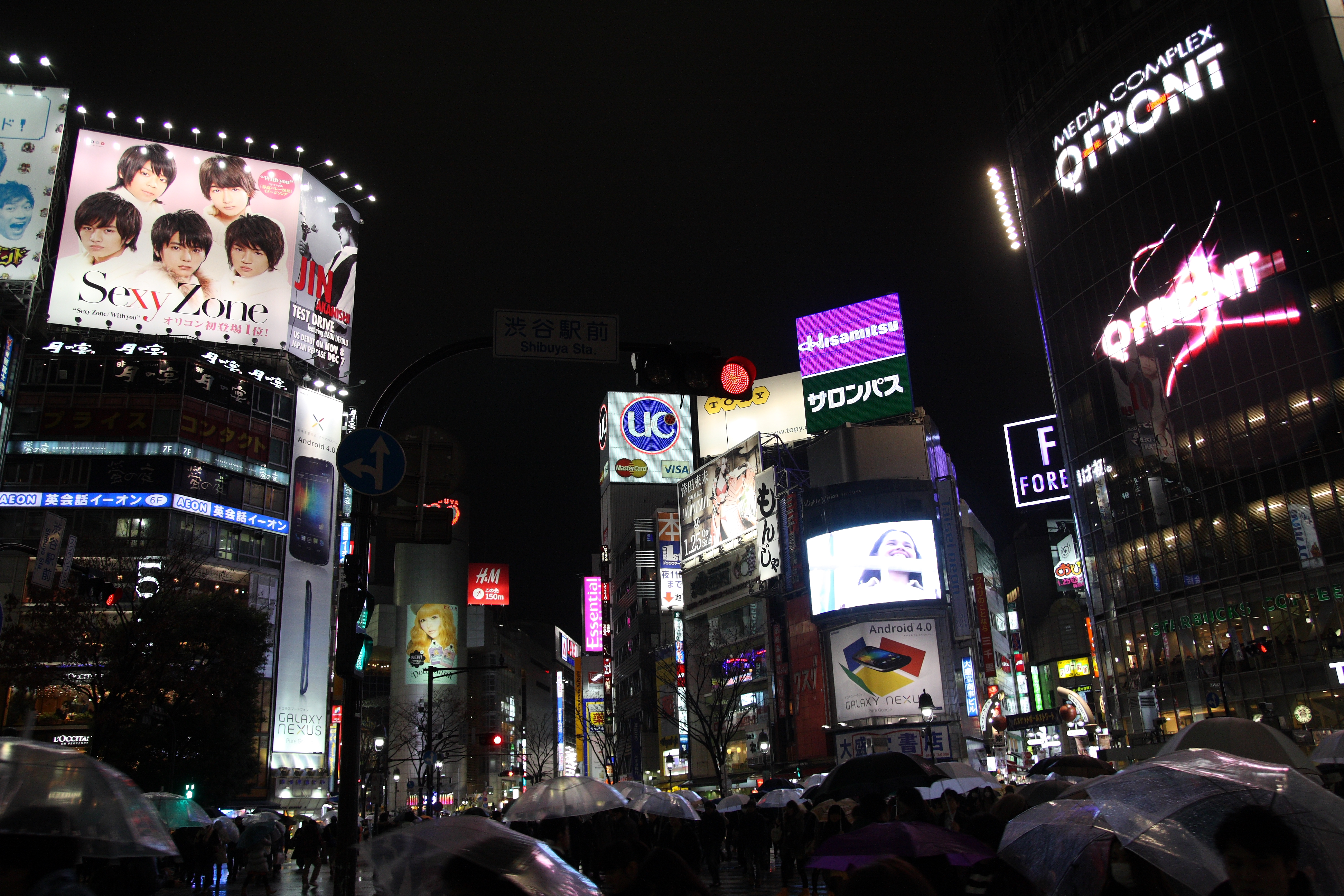
Shibuya Crossing
Dogenzaka 2-Chōme, Dogenzaka, Shibuya, Japan
You are standing at what everyone calls the busiest pedestrian crossing on the planet. And honestly, it earns the title. At peak times, up to two thousand five hundred people step off the curb simultaneously from every direction. Half a million people cross this intersection every single day. But here is the thing nobody tells you — this famous scramble crossing did not even exist in its current form until the nineteen eighties. Before that, pedestrians crossed two sides at a time, like any normal intersection. The scramble system, where all traffic stops and walkers flood the road from every angle, is surprisingly recent. Shibuya Station itself opened way back in eighteen eighty-five, but the crossing only became a major hub when the Tokyu Toyoko Line connected Yokohama to central Tokyo in nineteen thirty-two. That rail link turned a quiet suburban stop into one of Tokyo's busiest transit points, and the intersection grew along with it. Look up. You will see five traffic signals surrounding the crossing. When they all flip to red at once, it is like someone opened the floodgates on a human river. There is no choreography, no system — just pure instinct and spatial awareness as thousands of people weave past each other without colliding. It looks like chaos, but collisions are remarkably rare. Tokyoites have an almost supernatural ability to navigate crowds without touching anyone. This intersection got a global spotlight during the two thousand sixteen Rio Olympics closing ceremony, when it appeared in the handoff video promoting the two thousand twenty Tokyo Games. But really, it has been a film and television icon for decades. You have seen it in movies whether you realise it or not. The strange part is that something so famous is, at its core, just an intersection. No monument, no plaque, nothing to commemorate it. Just people walking.
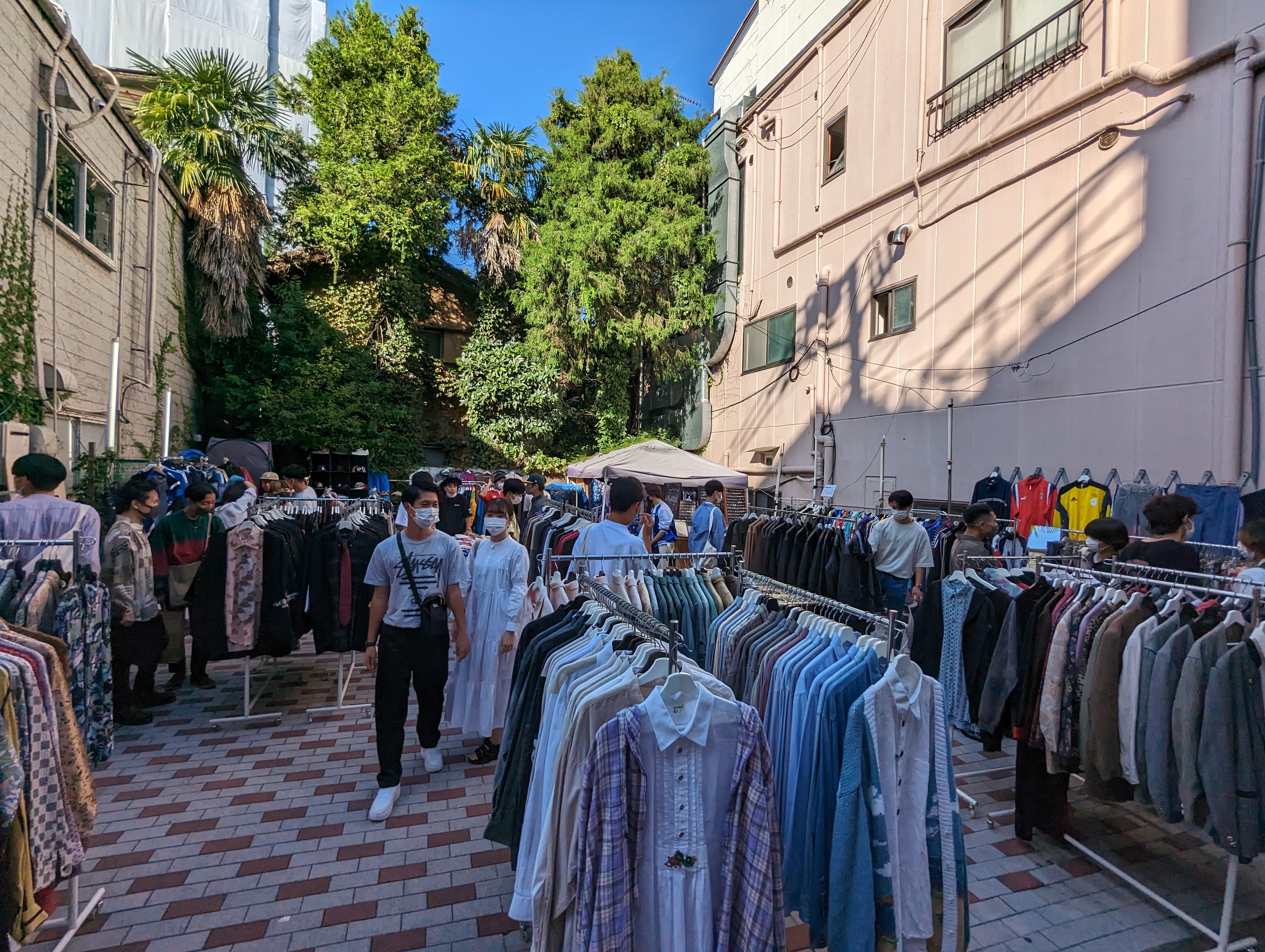
Shimokitazawa
Kitazawa, Kitazawa, Setagaya, Japan
Notice how narrow the streets are here. That is not a quirky design choice — it is a consequence of never being bombed. Shimokitazawa escaped the Second World War air raids entirely, which means its street layout is essentially unchanged from before automobiles existed. The lanes twist and dead-end in ways that make no sense for modern traffic because they were never redesigned for it. You are walking through a medieval street plan in a twenty-first-century city. The neighbourhood's story is a sequence of lucky accidents. After the nineteen twenty-three Great Kanto Earthquake devastated central Tokyo, residents from the inner city fled here to escape future disasters, kickstarting its growth as a residential area. After the war, Shimokitazawa became one of Tokyo's most important black markets — a place where you could buy anything the authorities would rather you could not. By the nineteen sixties and seventies, the black market energy had transformed into counterculture energy. Musicians, poets, and fringe theatre groups moved in because the rents were cheap and nobody was watching. In nineteen eighty-one, Honda Kazuo opened the Suzunari Theater here, followed by the Honda Theater in nineteen eighty-two. These small venues anchored what became Japan's 'third-generation small-scale theater' movement — experimental performances in spaces so tiny the actors could touch the audience. That theatrical tradition continues today, with over a dozen small theatres scattered through the neighbourhood. Shimokitazawa is now synonymous with vintage clothing, independent record shops, and hole-in-the-wall cafes. But it almost did not survive into the modern era. For years, city planners wanted to demolish the narrow streets and rebuild with wide modern roads. Residents fought back, and the compromise preserved the winding lanes while adding new development alongside. The chaos is the point.
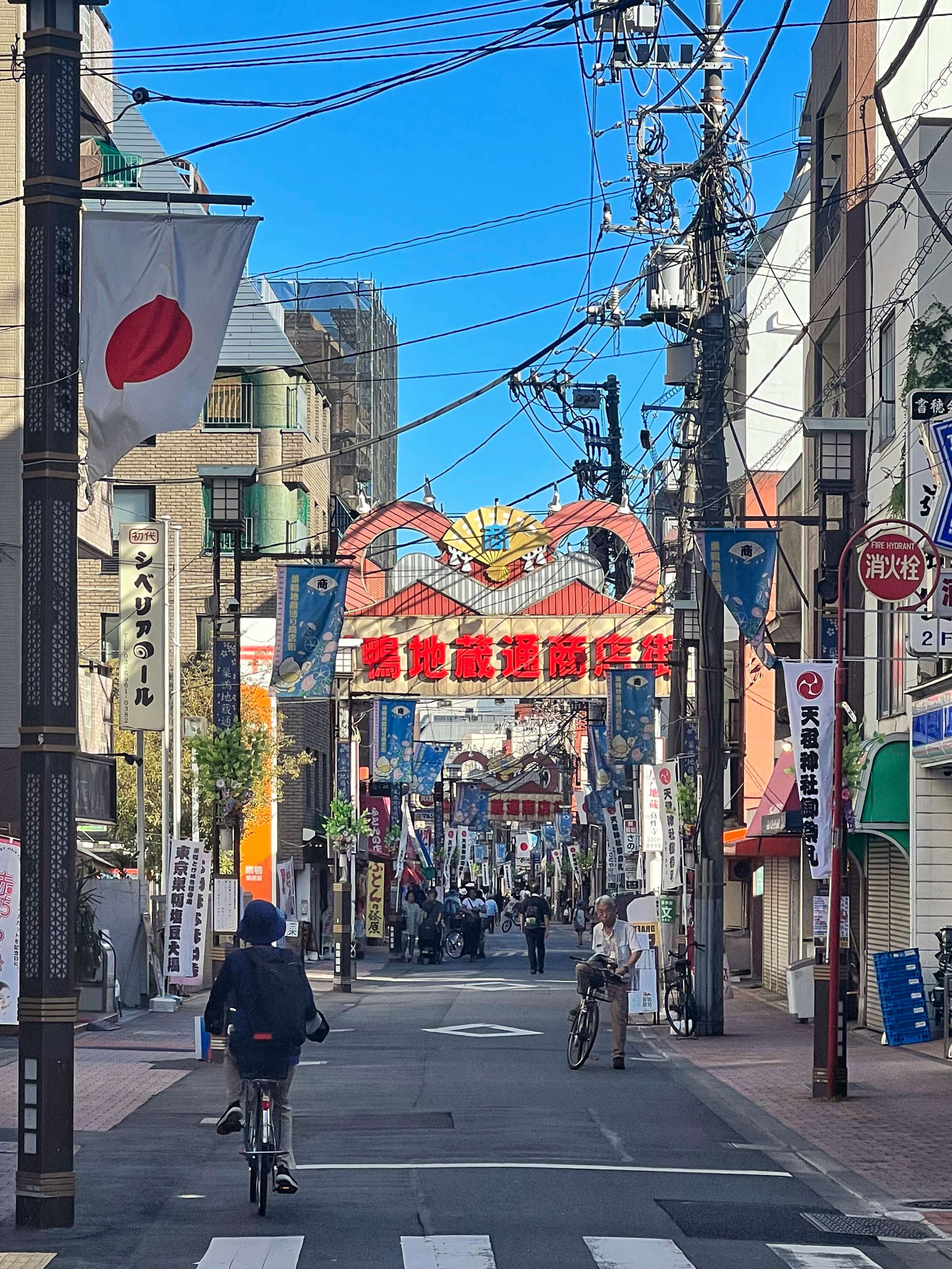
Sugamo Jizo-dori (Grannies' Harajuku)
Sugamo, Sugamo, Toshima, Japan
Welcome to Harajuku for grandmothers. That is actually what Tokyoites call this place — an eight hundred metre shopping street that mirrors the youthful energy of Takeshita Street but caters entirely to elderly women. Where Harajuku has kawaii fashion and crepe stands, Sugamo has healing amulets, red underwear shops, and rice crackers. The energy is identical. Only the demographic has shifted by about fifty years. The anchor of the whole street is Koganji Temple, established in sixteen sixty-one. It is famous for the Togenuki Jizo — the Thorn-Removing Jizo. The legend goes that a woman swallowed a paper talisman depicting the bodhisattva Jizo, and it miraculously extracted a thorn that had been lodged in her body. Since then, people have visited to pray for healing from all manner of ailments. There is a stone statue called the Arai Kannon that you can wash with water and rub — the belief is that whatever body part you rub on the statue will be healed. The statue has been rubbed so many times that its features have been worn almost completely smooth. The street comes alive on the fourth, fourteenth, and twenty-fourth of every month, when mini festivals bring vendors and extra crowds. Over two hundred shops line the road, and the atmosphere is pure shitamachi warmth — shopkeepers calling out to regulars, free samples pressed into your hands, elderly women chatting on benches like they have all day. Because they do. Sugamo's history as a gathering place goes back to the Edo period, when it was the first rest stop for travellers departing Nihonbashi on the Nakasendo highway. People have been stopping here for refreshment and a breather for over four hundred years. The clientele has just gotten older.
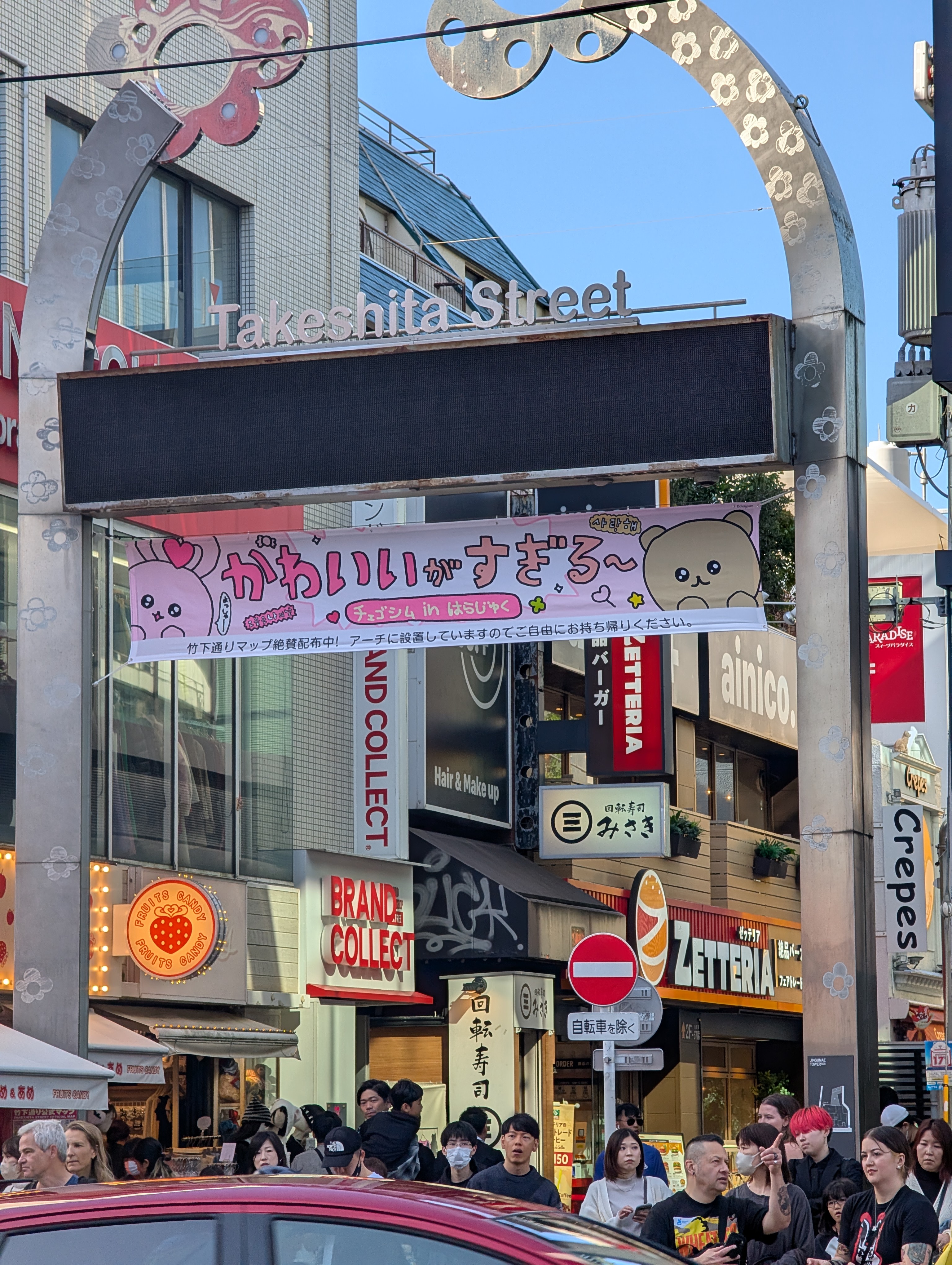
Takeshita Street
Jingumae, Jingumae, Shibuya, Japan
You are standing at the entrance of a three hundred and fifty metre pedestrian street that basically invented an entire global aesthetic movement. Kawaii culture — the obsession with all things cute that now permeates fashion, design, and pop culture worldwide — was born right here in Harajuku. This tiny strip of road became the epicentre where Japanese teenagers created a visual language that spread across the planet. In the late nineteen seventies, crepe stands started popping up along the street, and eating a crepe while walking Takeshita-dori became the definitive Harajuku experience. Those crepe shops are still here, still doing the same thing, nearly fifty years later. But the real magic happened in the nineteen eighties, when the street was overtaken by takenoko-zoku — teenage dance gangs who dressed in outlandish costumes and performed choreographed routines on the pavement. Picture dozens of kids in matching neon outfits dancing in formation while bewildered salarymen tried to squeeze past. The name literally means 'bamboo shoot tribe.' The Harajuku Takeshita Street Association was formalised in nineteen seventy-seven, which is remarkable because back then this was just a quiet residential street lined with traditional houses. Nobody planned for it to become a fashion mecca. It happened organically, driven entirely by teenagers who wanted a place to express themselves without adult supervision. Sebastian Masuda, one of the key creative forces behind kawaii culture and the owner of the iconic shop six percent Doki Doki, was named Japan's Cultural Envoy in twenty seventeen. The Japanese government officially recognised that a youth subculture from one small Harajuku street had become a legitimate cultural export. Not bad for three hundred and fifty metres of pavement.
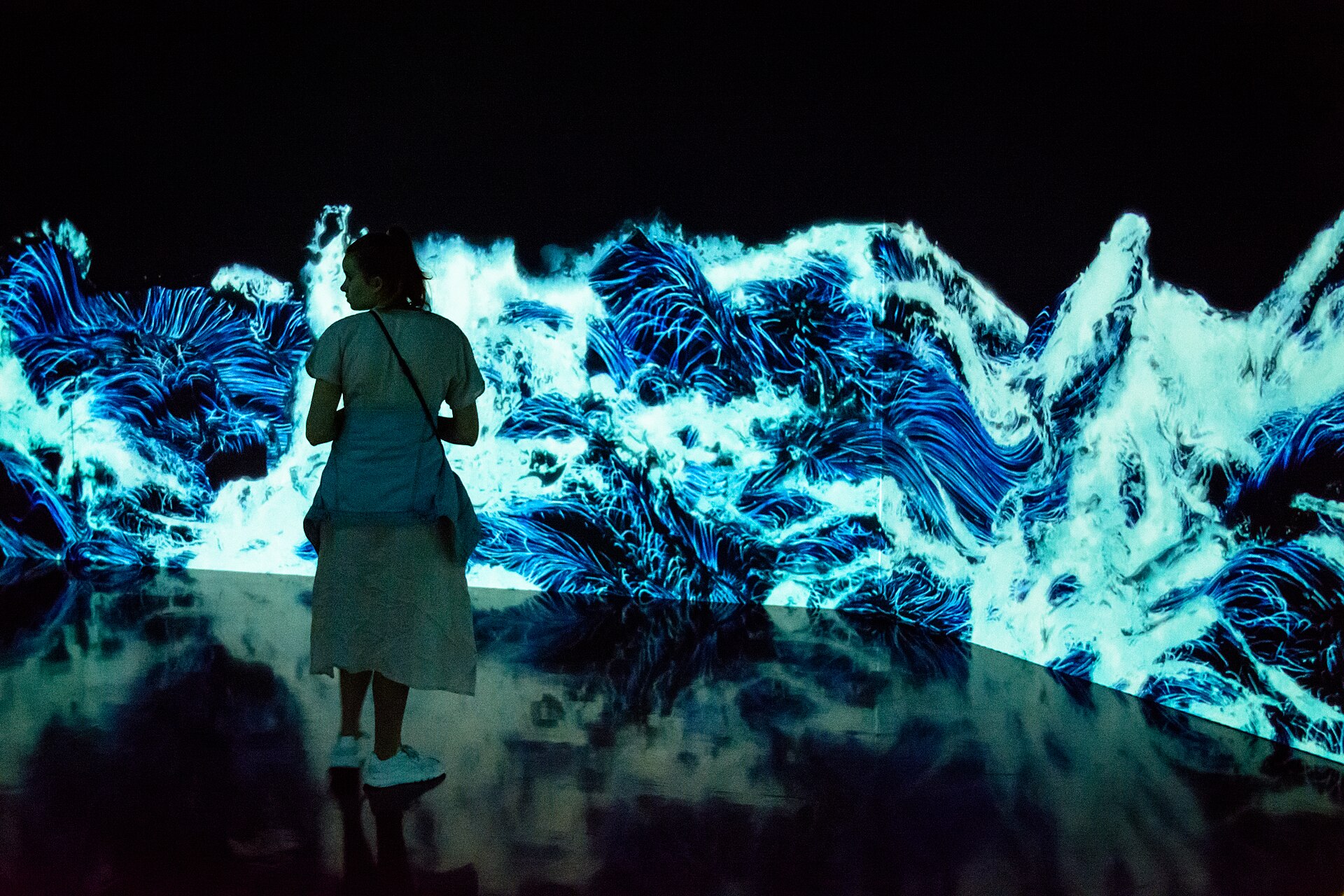
teamLab Borderless
Azabudai, Azabudai, Minato, Japan
teamLab Borderless is the world's most visited digital art museum — an immersive labyrinth of projection-mapped rooms where artworks flow across walls, floors, and ceilings without boundaries, responding to the presence and movement of visitors. Created by teamLab (a Tokyo-based art collective of 600+ engineers, programmers, animators, and artists), the museum relocated from Odaiba to Azabudai Hills in 2024 and has become one of the most in-demand cultural experiences in Tokyo. The museum has no set route — visitors wander through interconnected rooms where digital flowers bloom and scatter, waterfalls cascade across surfaces, and constellations of light respond to touch. The rooms merge into each other ("borderless" refers to both the art and the architecture), and the experience of walking through a space where the walls have dissolved into moving light is disorienting, beautiful, and entirely unlike any conventional museum visit. The museum's popularity means advance booking is essential — tickets sell out weeks ahead, particularly on weekends. The experience takes about 2 hours and involves walking, standing, and the occasional moment of vertigo when the projections make the floor appear to disappear. Wear white (the projections show up better on light-colored clothing) and arrive at opening to beat the crowds.
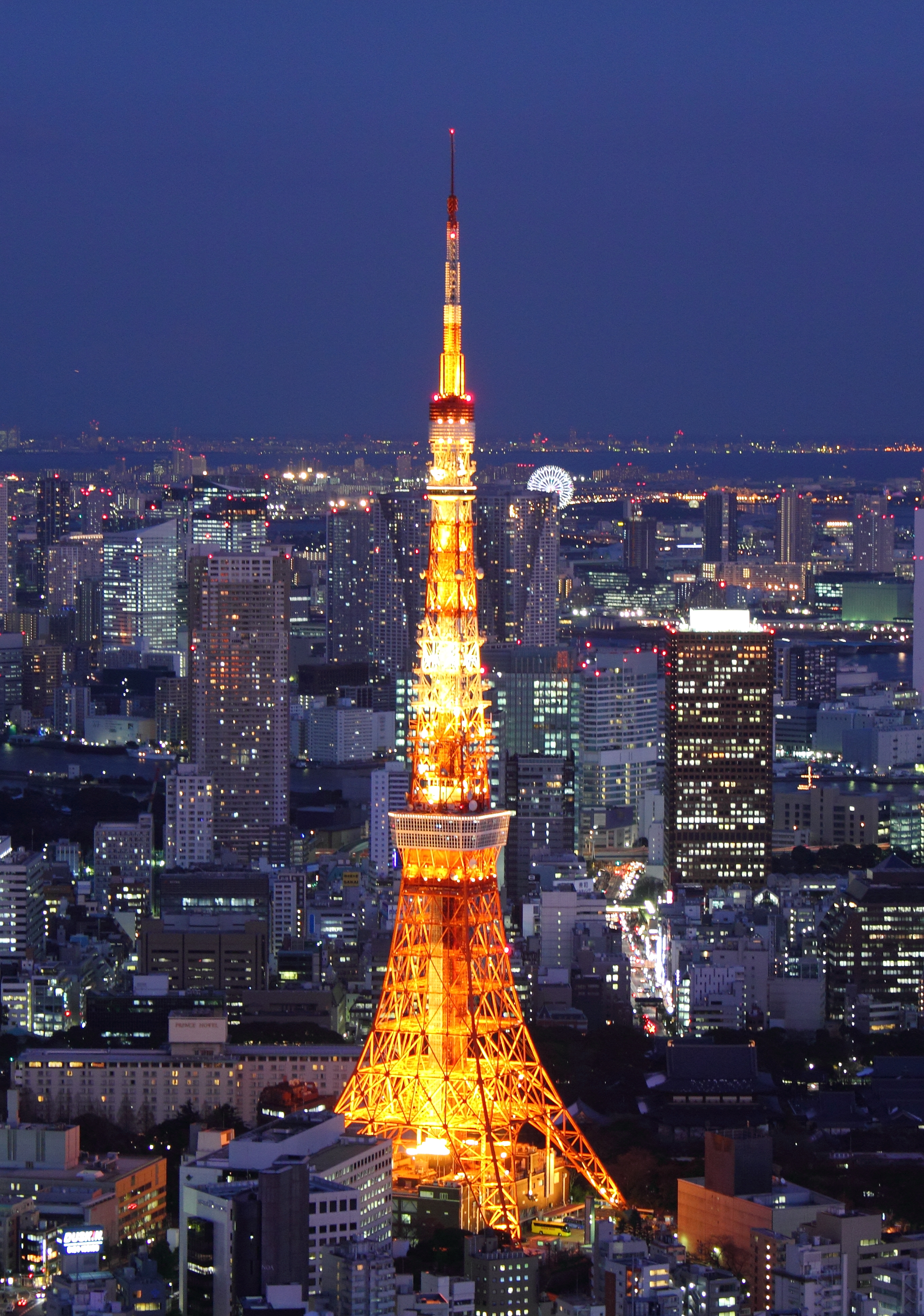
Tokyo Tower
8 Shiba 2-Chōme, Shiba, Minato, 105-0014, Japan
Look up. One-third of this tower is made from recycled American tanks. That is not a metaphor. When Tokyo Tower was built in nineteen fifty-eight, Japan sourced steel from US military tanks that had been damaged and scrapped during the Korean War. The wreckage was melted down and reforged into the lattice structure above your head. It is one of the most potent symbols of Japan's postwar transformation — literally turning weapons of war into a symbol of peace and modernity. The tower stands three hundred and thirty-three metres tall, deliberately built to be nine metres taller than the Eiffel Tower. But here is the engineering flex — despite being taller, Tokyo Tower weighs three thousand three hundred tons less than its Parisian counterpart. Four thousand tons versus seven thousand three hundred. Japanese engineers achieved the same visual impact with far less material, partly because they had to — postwar Japan could not waste steel. The foundation goes exactly thirty-three metres underground, making the thirty-three and three-thirty-three symmetry intentional. Maintaining this thing is a monumental task. Repainting takes an entire year, requires thirty-four thousand litres of paint, and employs four thousand two hundred workers who hand-paint ninety-four thousand square metres of steel surface. This happens every five years. The distinctive orange-and-white colour scheme was not an aesthetic choice — it is mandated by international aviation safety regulations. The original plan was even more ambitious. Designers wanted the tower to exceed the Empire State Building at three hundred and eighty-one metres, but funding and materials ran short. Even so, Tokyo Tower served as the city's primary television and radio broadcast antenna for decades, before Tokyo Skytree took over most broadcasting duties in twenty twelve.
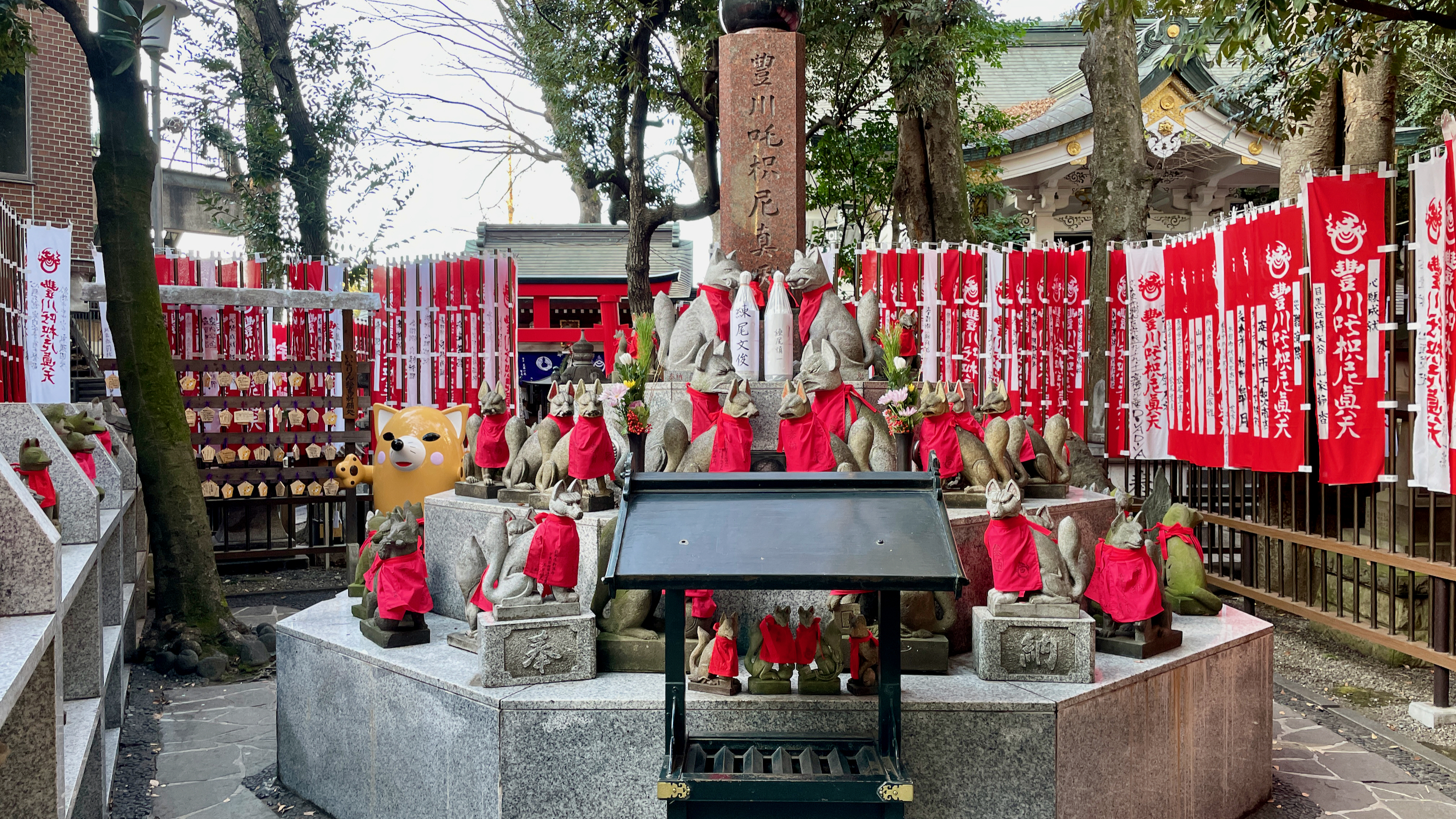
Toyokawa Inari Tokyo Betsuin
1-4-7 Motoakasaka, Minato-ku, Tokyo 107-0051
Hundreds of stone foxes are staring at you. Every size, every posture, every expression — some grinning, some solemn, some wearing tiny red bibs. They are crammed onto every available surface of this small temple tucked into the Akasaka business district. Each one is a messenger to Inari, the deity of prosperity, and the sheer density of them creates an effect that is equal parts beautiful and unsettling. This place breaks the rules of Japanese religion in an interesting way. Technically, it is a Buddhist temple. But it is dedicated to Inari, who is a Shinto deity. Before the Meiji government forced a strict separation of Buddhism and Shintoism in eighteen sixty-eight, this kind of blending was common across Japan. Toyokawa Inari preserves that older, syncretic tradition. It was established at this location in eighteen twenty-eight as a branch of the main Toyokawa Inari shrine in Aichi Prefecture. The temple is a favourite of Japanese celebrities and entertainers. There is a dedicated sub-shrine for entertainment industry success, and singers, actors, and television personalities regularly come to pray for fame and ratings. Expectant mothers visit a separate area to pray for safe childbirth. The temple somehow manages to serve very different audiences without any of them feeling out of place. Red lanterns line the wall along Aoyama-dori Avenue, and thousands of red prayer banners flutter inside, creating a vivid corridor of colour. Walk to the back of the complex and you will find the densest concentration of fox statues. Most visitors to Akasaka walk right past the entrance without realising this place is here. It sits between office towers and government buildings, invisible unless you know to look.
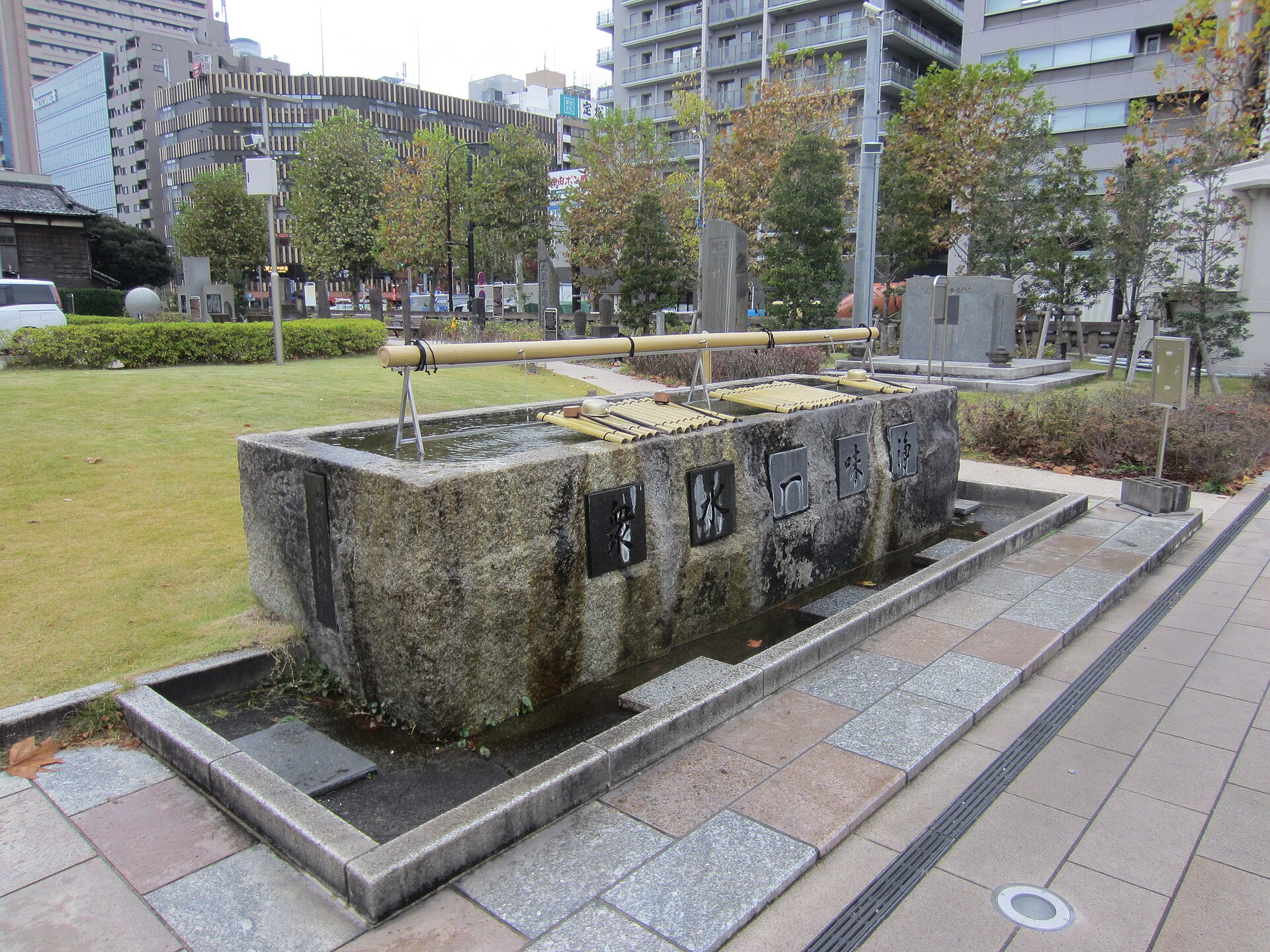
Tsukiji Honganji Temple
3-15-1 Tsukiji, Chuo-ku, Tokyo
You are looking at a Buddhist temple that has absolutely no business looking like this. Domes, columns, winged lions, elephants, peacocks — this is not what Japanese temples are supposed to look like. It looks like someone airlifted a building from India and dropped it in central Tokyo. And in a sense, that is exactly what happened, architecturally speaking. The architect Ito Chuta spent years travelling across Asia studying Buddhist architecture in India, China, and Turkey before designing this temple, which was built between nineteen thirty-one and nineteen thirty-four. His idea was to trace Buddhism back to its Indian roots and create a building that reflected the religion's entire geographic journey. The result is unlike anything else in Japan — Indian-influenced domes sitting on a Japanese foundation, with details borrowed from half a dozen architectural traditions. But Ito had another obsession: yokai. Japanese monsters and supernatural creatures. Look closely at the stone carvings around the exterior. Mixed in with the lions, elephants, and peacocks, you will find grotesque creatures that come straight from Japanese folklore. He could not resist hiding his yokai fascination inside a solemn religious building. Above the entrance, you will see stained glass windows that would look perfectly at home in a European cathedral. Stained glass. On an Indian-style Buddhist temple. In Japan. The building is a collision of every religious architectural tradition Ito encountered on his travels, and somehow it works. The name Tsukiji itself means 'constructed land.' This entire area was reclaimed from Tokyo Bay after the Great Fire of Meireki in sixteen fifty-seven. You are standing on land that was ocean three hundred and sixty-odd years ago, looking at a temple that defies every expectation of what a temple should be.
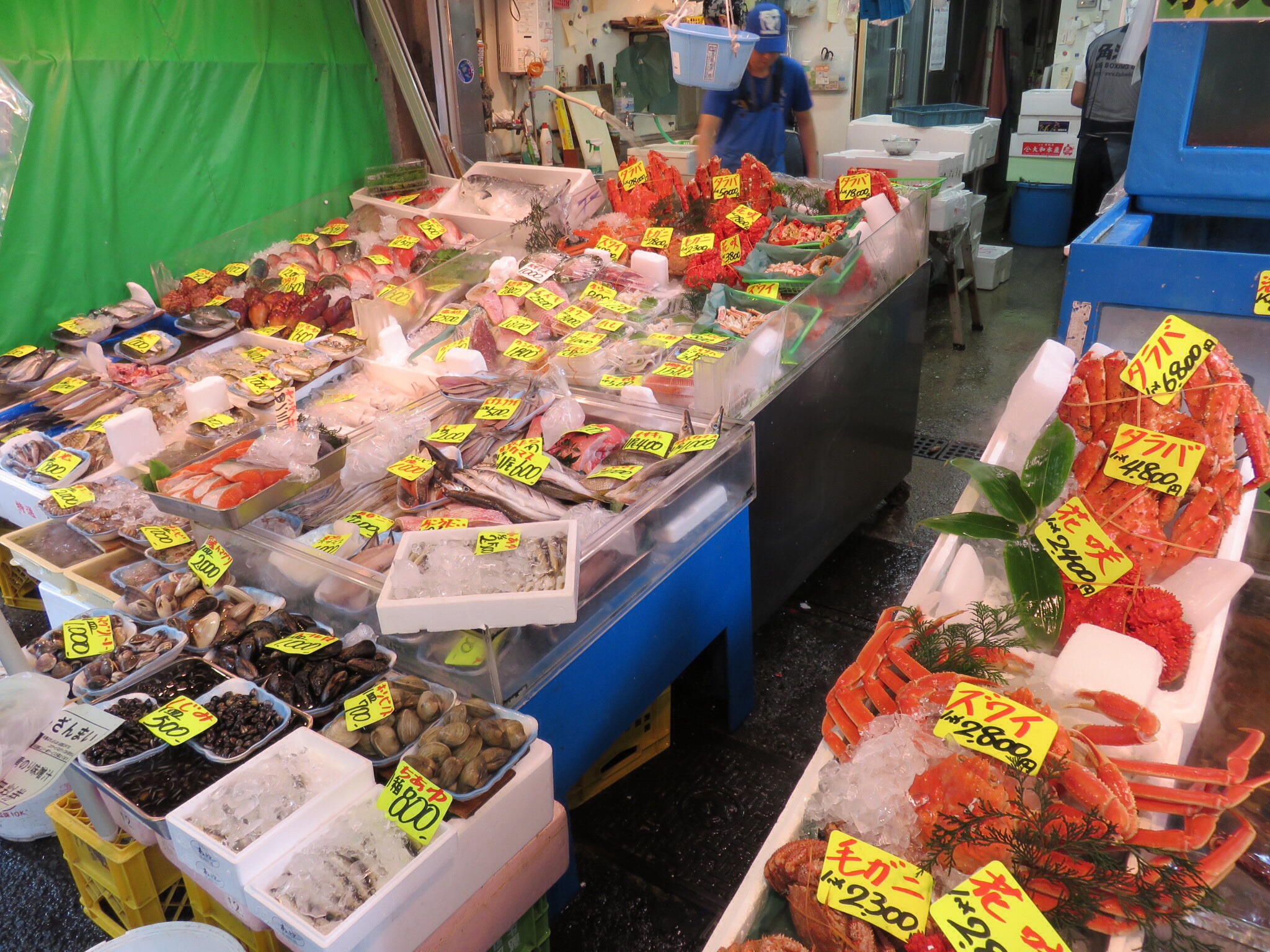
Tsukiji Outer Market
4-16-2 Tsukiji, Chuo-ku, Tokyo 104-0045
You are standing on fake land. The entire neighbourhood of Tsukiji was manufactured. The name literally means 'constructed land,' and the area was built from scratch in sixteen fifty-seven by filling in Tokyo Bay after the Great Fire of Meireki — one of the most devastating fires in Japanese history, which destroyed roughly sixty percent of Edo. Authorities needed somewhere to relocate displaced residents and temples, so they created new ground by dumping earth and rubble into the bay. You are walking on seventeenth-century landfill. The famous fish market only ended up here by accident. For centuries, Tokyo's wholesale fish trade was based at Nihonbashi, in the heart of the city. The nineteen twenty-three Great Kanto Earthquake destroyed the Nihonbashi Fish Market, and the trade temporarily relocated to Tsukiji. That temporary move became permanent when the purpose-built Tsukiji Fish Market opened in nineteen thirty-five. What was supposed to be an emergency solution lasted eighty-three years. In twenty eighteen, the inner wholesale market finally relocated to the gleaming new Toyosu facility across the bay. But the outer market — the ring of roughly four hundred and sixty shops and restaurants that grew up around the wholesale operation — stayed put. These are the shops you see around you now, the ones selling fresh seafood, tamagoyaki, wagyu skewers, and produce to locals and visitors alike. Tsukiji earned the nickname 'Tokyo's Kitchen' because so many of the city's restaurants sourced their ingredients here. Even after the wholesale market moved, the outer market continues to supply chefs and home cooks. The stalls open early and some sell out by midday. What remains is pure street-level food culture on land that humans literally invented.
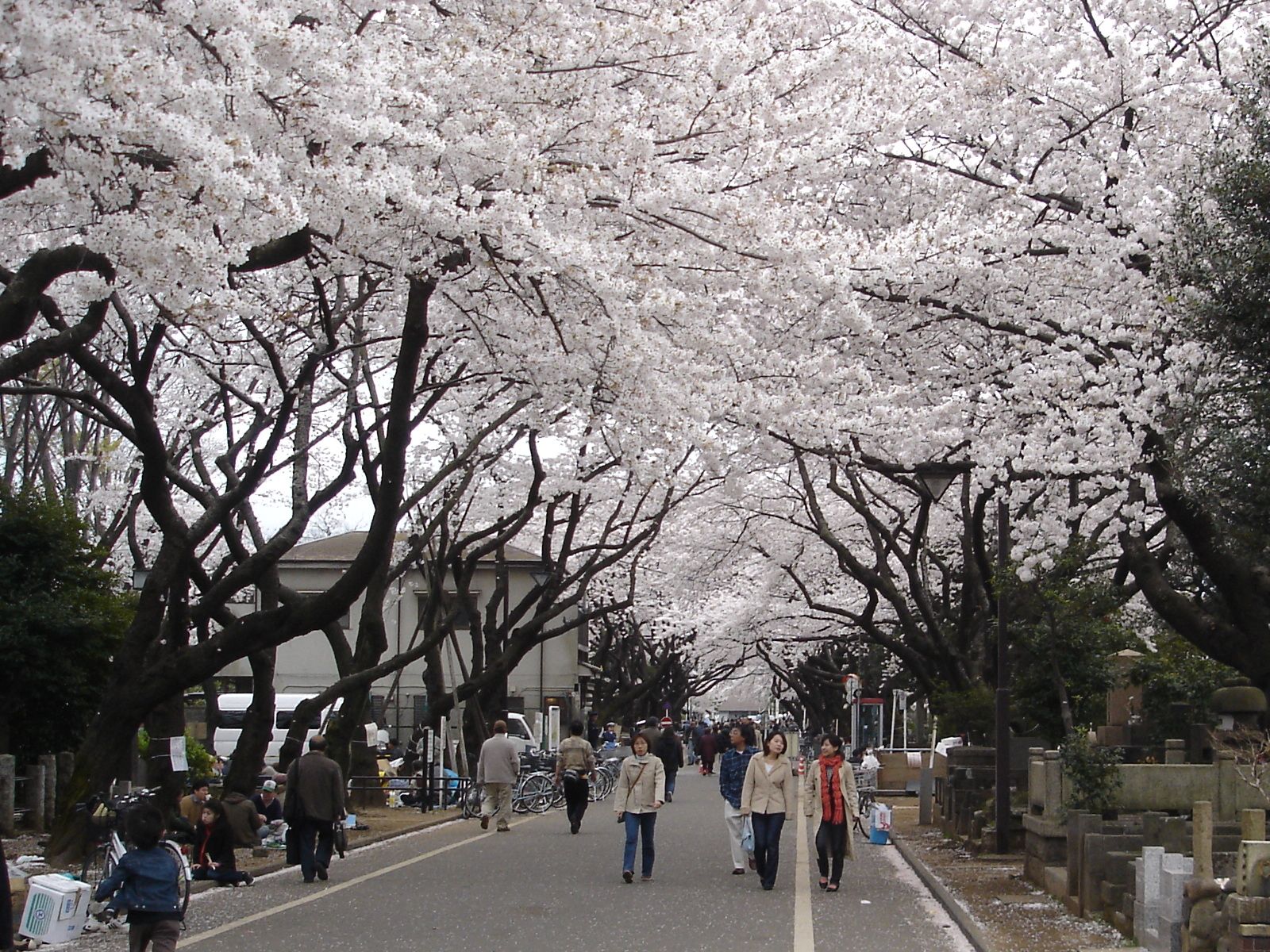
Yanaka Cemetery
7-chome Yanaka, Taito-ku, Tokyo
The last shogun of Japan is buried here, and you would walk right past his grave without knowing it. Tokugawa Yoshinobu — the fifteenth and final Tokugawa shogun, the man who ended seven centuries of military rule by surrendering power to the emperor in eighteen sixty-seven — rests under a surprisingly modest stone. It is about a metre wide and resembles an overturned pot. No grand mausoleum, no elaborate carvings. Just a simple cobblestone marker for the man who closed the book on feudal Japan. Yanaka Cemetery holds roughly seven thousand graves across over a hundred thousand square metres. Buried here are painters, authors, actors, politicians, and sumo wrestlers from the Meiji era and beyond. It is an open-air museum of Japanese history, if you know how to read the stones. The central avenue through the cemetery is called Cherry Blossom Avenue, and in April it becomes one of Tokyo's most beautiful and least crowded hanami spots. The trees form a canopy over the path, petals drifting down onto the gravestones. It is simultaneously cheerful and sobering. The cemetery was created in eighteen seventy-two when Meiji authorities confiscated part of Tenno-ji temple for public use. There used to be a famous five-storied pagoda on the grounds, the subject of a celebrated novel by the writer Koda Rohan. In nineteen fifty-seven, it was destroyed in an arson connected to a double suicide. A couple set fire to the pagoda and died inside it. The pagoda was never rebuilt, and only a small marker indicates where it once stood. Yanaka Cemetery is full of these layers — beauty and death, fame and obscurity, cherry blossoms and ash, all occupying the same quiet ground.
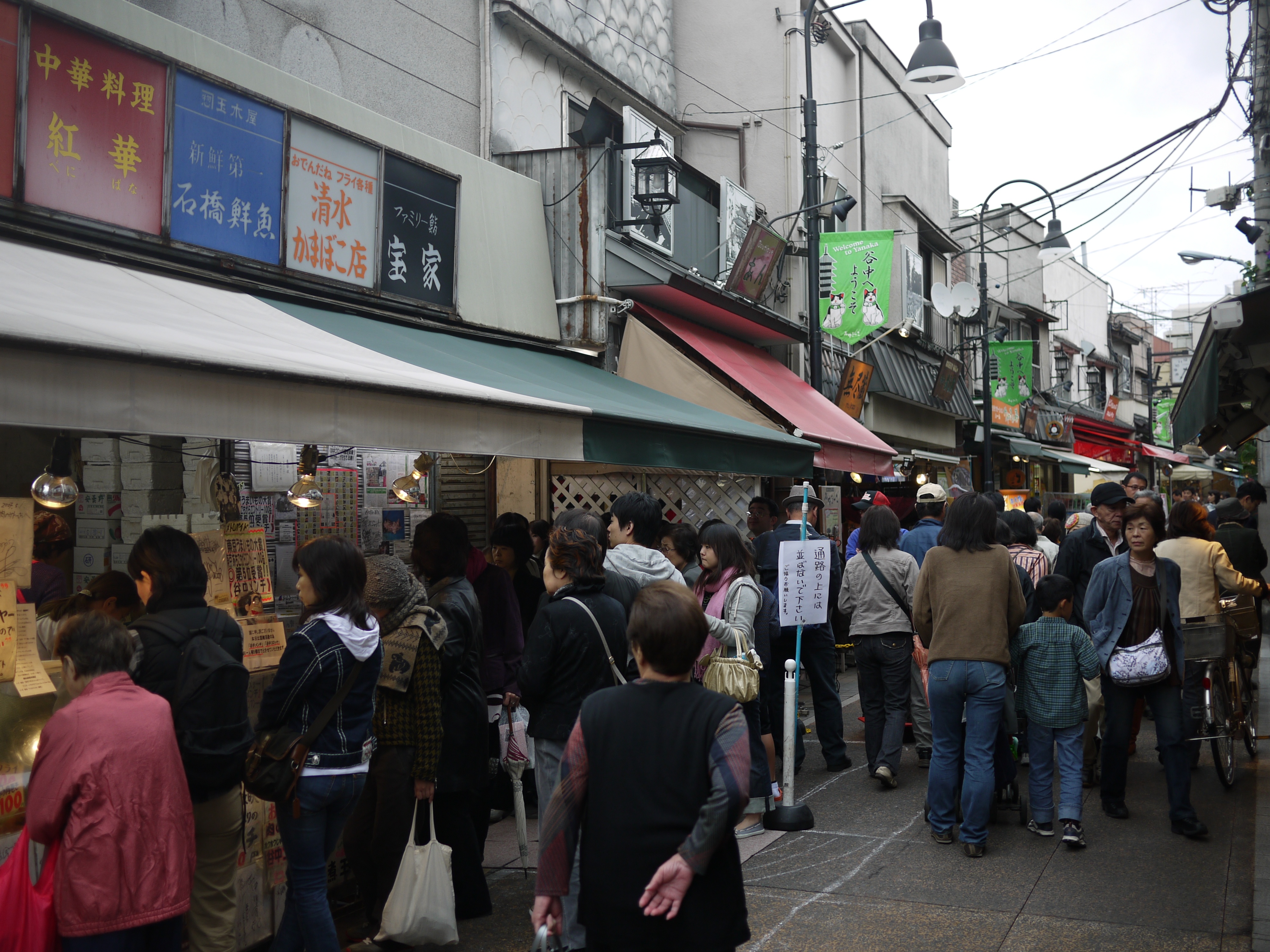
Yanaka Ginza Shopping Street
3-chome-13 Yanaka, Taito-ku, Tokyo 110-0001
You are about to walk down one of Tokyo's only shopping streets that genuinely looks and feels like prewar Japan. Yanaka Ginza stretches a hundred and seventy metres and is lined with roughly sixty privately owned shops, some of which have been in business for over a century. The reason it looks this way is simple — it was never bombed. While American firebombing destroyed most of eastern Tokyo in nineteen forty-five, Yanaka survived intact. The traditional shitamachi atmosphere you see is not a recreation. It is the real thing. Before you head down the street, look behind you. The staircase you may have just descended is called Yuyake Dandan — which translates to 'sunset steps.' It is one of Tokyo's best spots to watch the sun go down, and the name is not ironic. In the evening, the western sky fills the gap between the low rooftops with colour, and locals have been watching sunsets from this exact spot for generations. Yanaka is famous as a cat town. Stray and community cats lounge on walls, sleep in doorways, and saunter across the shopping street as if they own it. They do, in a sense — the neighbourhood has adopted them as mascots. You will see cat-themed goods in many of the shops, cat sculptures on the rooftops, and actual cats doing whatever they please. Nobody chases them away. The shops here sell traditional snacks, handmade crafts, and street food. It is the opposite of a mall — no chains, no franchises, just families running the same businesses their grandparents started. Yanaka Ginza is what all of Tokyo's shopping streets used to look like before the twentieth century had its way with the city.
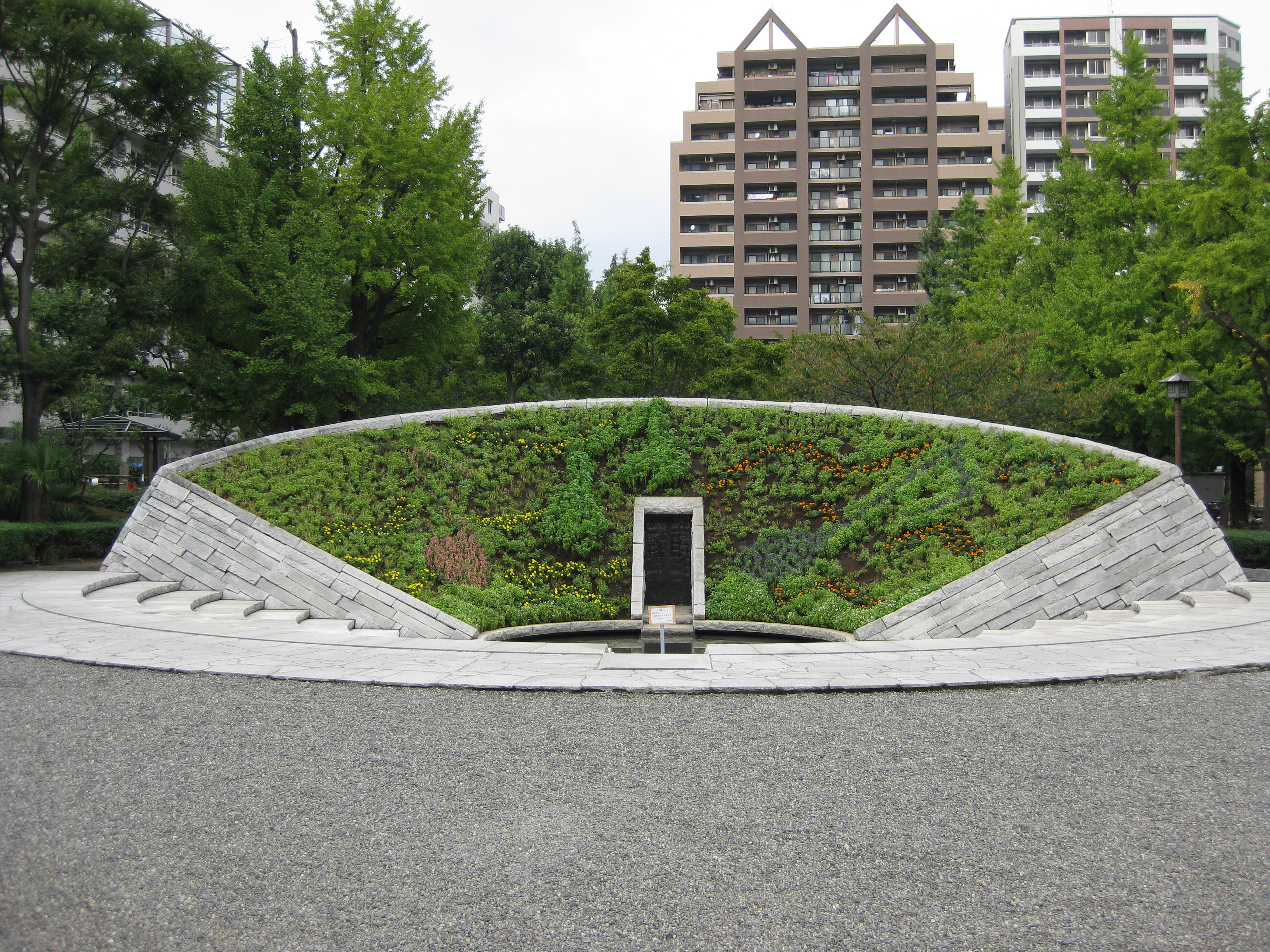
Yokoamicho Park Memorial
2-3-25 Yokoami, Sumida-ku, Tokyo
You are standing on ground where over forty-four thousand people burned to death in a single afternoon. On September first, nineteen twenty-three, the Great Kanto Earthquake struck Tokyo. Fires erupted across the city. Tens of thousands of people fled to this open space — it was an army clothing depot at the time — believing they would be safe in the open ground. They were wrong. A firestorm swept through, and the trapped crowd was incinerated. A charnel house on the grounds holds the ashes of fifty-eight thousand earthquake victims. But this park carries a second tragedy. During the Second World War, American B-29 bombers launched a devastating firebombing campaign against Tokyo. The worst single raid came on March tenth, nineteen forty-five, when an estimated one hundred thousand people died in a single night. Between nineteen forty-eight and nineteen fifty-one, the ashes of a hundred and five thousand four hundred firebombing victims were interred here alongside the earthquake dead. That means the remains of over a hundred and sixty thousand people from two separate catastrophes rest in this small, quiet park. A memorial museum opened in two thousand one — the first floor covers the earthquake, the second floor covers the firebombing. Admission is free. As of twenty twenty-five, survivors of the nineteen forty-five firebombing are still campaigning for government compensation, eighty years after the event. Almost no tourists visit Yokoamicho Park. It is not on any standard itinerary. There are no gift shops, no audio guides, no crowds. Just a park, a memorial hall, and the weight of numbers that are difficult to comprehend. It is one of the most important places in Tokyo that most visitors will never see.
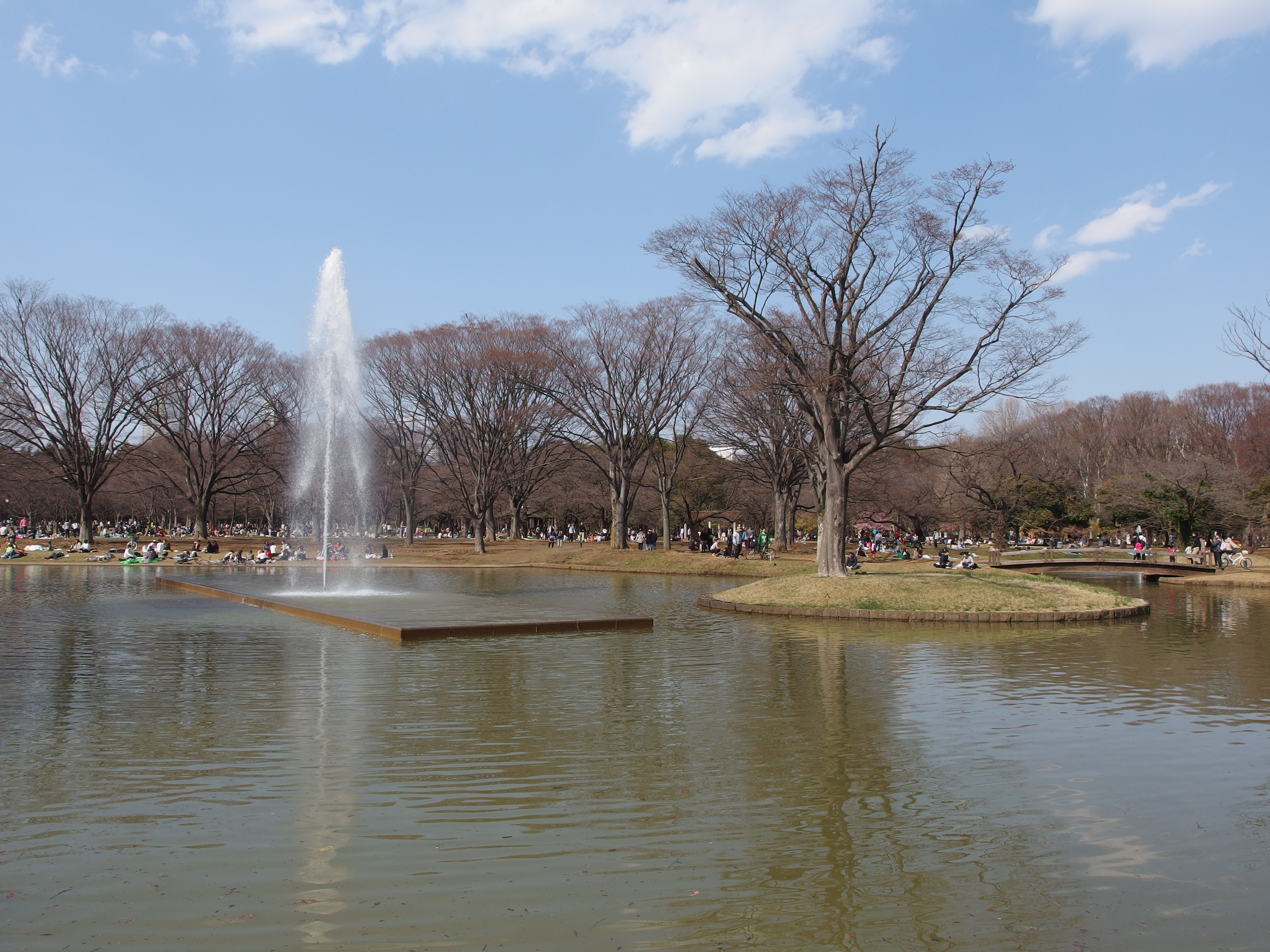
Yoyogi Park
2-1 Yoyogi-Kamizonocho, Shibuya-ku, Tokyo 151-0052
You are walking through what was, until nineteen sixty-four, an off-limits American military base. For eighteen years, Japanese citizens were not allowed to set foot on their own city's land. From nineteen forty-six to nineteen sixty-four, this nine hundred and twenty-four thousand square metre site was called Washington Heights — a fenced compound of eight hundred and twenty-seven housing units for US Air Force families. It had its own schools, churches, officers' clubs, and recreational facilities. A self-contained American suburb in the middle of Tokyo. Getting the Americans to leave required the nineteen sixty-four Olympics. Japan needed the land for athletic facilities, and the US military agreed to relocate — but Japan had to pay all the relocation costs. The barracks were converted into housing for Olympic athletes, then demolished after the games. One building supposedly survived for years — a house used by the Dutch Olympic team — though it too was eventually torn down. Before the American occupation, this site had its own complicated history. It was an army parade ground during the Imperial era. Japan's first successful powered aircraft flight took place here in nineteen ten. And in the final days of the war, officers used the parade ground for ritual purposes that nobody talks about anymore. Today Yoyogi Park is one of Tokyo's most beloved public spaces. On weekends, you will find rockabilly dancers in leather performing choreographed routines, drum circles, cosplayers, dog walkers, and picnicking families. It is pure joy. The idea that Japanese citizens were banned from entering this exact ground within living memory is almost impossible to reconcile with the scene in front of you.
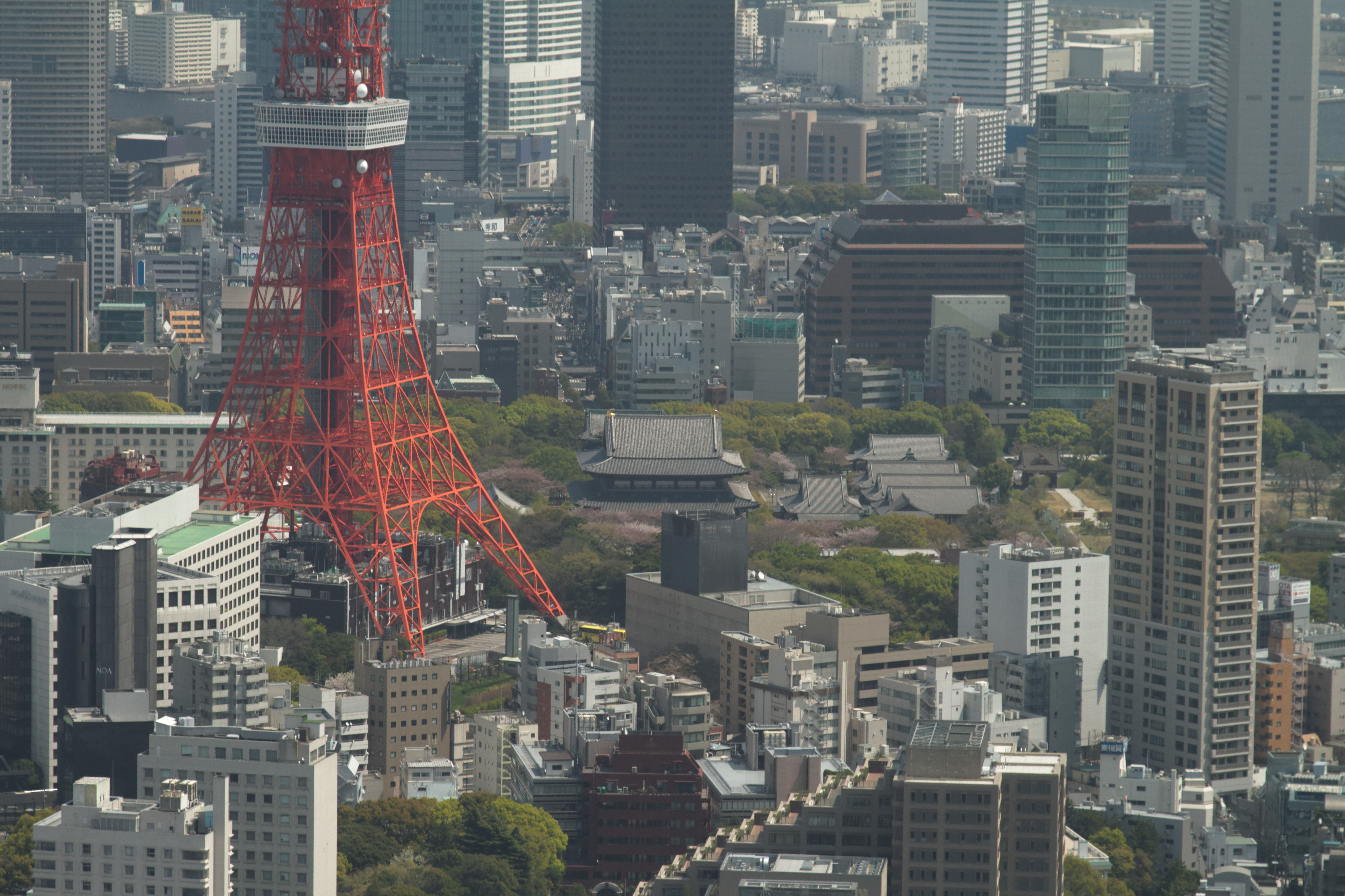
Zojoji Temple
4-7-35 Shibakoen, Minato-ku, Tokyo 105-0011
Turn around. Behind the ancient temple gate, Tokyo Tower rises in vivid orange and white. It is one of the most surreal juxtapositions in the city — a four-hundred-year-old gate to a Tokugawa burial ground with a nineteen fifties broadcasting tower looming directly behind it. And underneath your feet, six shoguns are buried. Zojoji is the final resting place of six Tokugawa shoguns and five of their wives, including Princess Kazunomiya. In fifteen ninety-eight, Tokugawa Ieyasu — the man who unified Japan — chose this as his family temple. At its peak, the complex was enormous: forty-eight sub-temples, a hundred and fifty schools, and three thousand resident priests spread across eight hundred and twenty-six thousand square metres. It was a city within a city. The gate you pass through — the Sangedatsu-mon — was built in sixteen twenty-two. That makes it the oldest wooden building in Tokyo. And here is what makes it truly remarkable: it is the only original structure on this entire site that survived the Second World War. Everything else was destroyed in the firebombing and rebuilt afterwards. This single gate has stood here for over four hundred years while everything around it burned and was remade. The temple itself was originally built in thirteen ninety-three, making it over six hundred years old as an institution even though most of its buildings are postwar reconstructions. In the grounds, you will find rows of small stone Jizo statues dressed in red knitted caps and bibs, placed by parents who have lost children. The statues represent unborn or deceased children, and the handmade clothing is an act of care that continues beyond death. It is one of the most quietly moving sights in Tokyo.