The statue everyone calls Eros isn't Eros. It's Anteros, the god of requited love, erected in 1893 as a memorial to the Earl of Shaftesbury and his philanthropic works. The sculptor, Alfred Gilbert, designed the figure as the Angel of Christian Charity, but Londoners immediately nicknamed it Eros and the name stuck so firmly that even guidebooks gave up correcting people. Gilbert was so annoyed by the public's misunderstanding that he refused to attend the unveiling.
The statue was groundbreaking for another reason: it was the first in the world to be cast in aluminium. The lightweight metal allowed the figure to balance in its balletic pose on one foot — something impossible in bronze. Gilbert's model was his sixteen-year-old studio assistant, an Anglo-Italian youth named Angelo Colarossi. During World War II, the statue was removed for safekeeping to Egham in Surrey and didn't return until 1947, when it was placed on a slightly different spot from its original position.
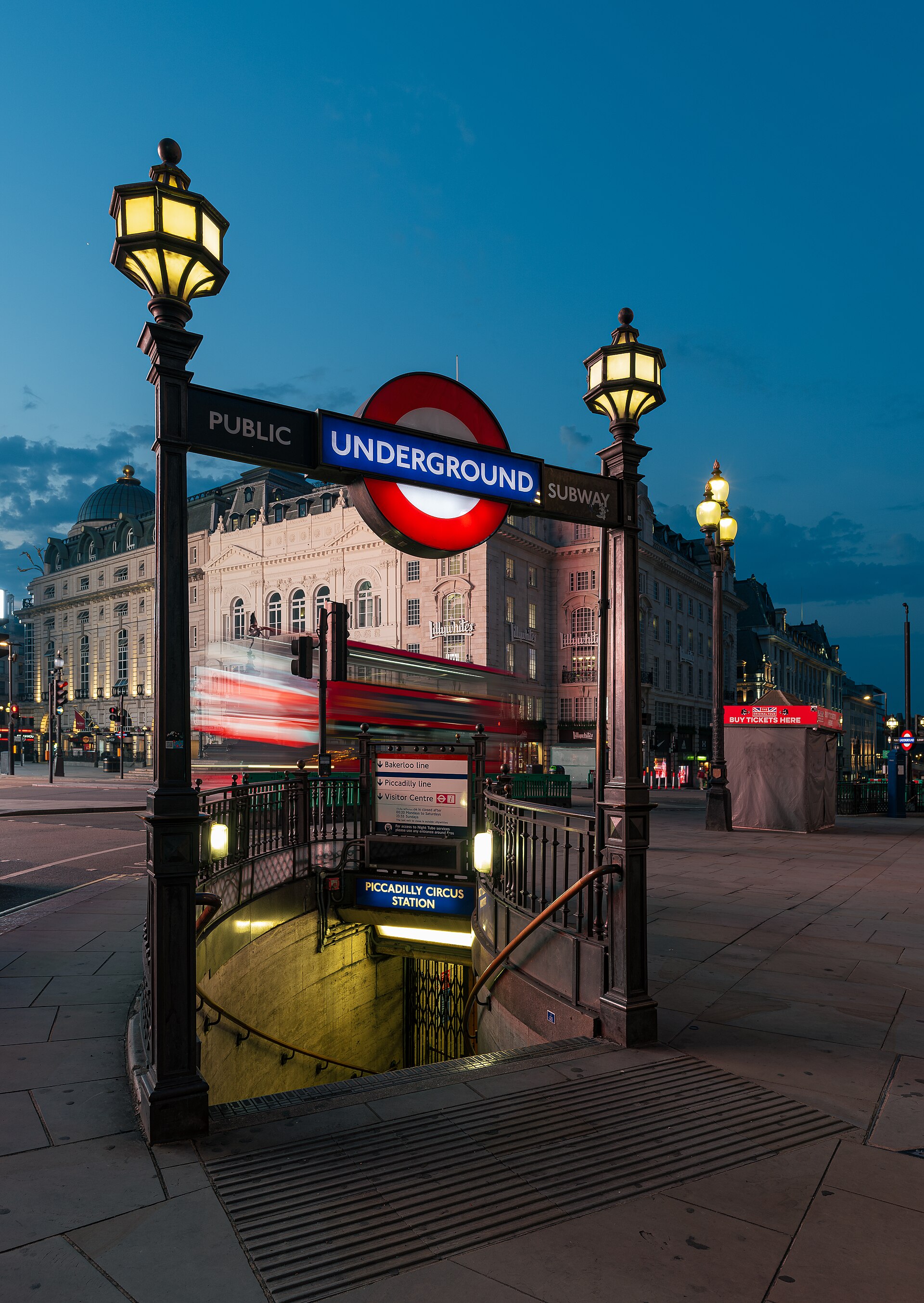
Piccadilly Circus has been the heart of London's theatre district since the late nineteenth century, but it's the neon signs that define it now. The first illuminated advertisements appeared in 1908, the first actual neon sign advertised Bovril, and by 2011 LED displays had completely replaced the neon. The curved screen on the northern building is one of the most expensive advertising spaces in Europe.
The name "Piccadilly" comes from a seventeenth-century tailor named Robert Baker who made his fortune selling "piccadills" — stiff collars fashionable at the time. He built a mansion nearby that locals mockingly called "Piccadilly Hall," and the name outlasted both the tailor and his collars.
Verified Facts
The statue commonly called Eros actually depicts Anteros, the god of requited love, memorialising the Earl of Shaftesbury
It was the first statue in the world cast in aluminium, by sculptor Alfred Gilbert in 1893
The statue was removed to Egham, Surrey during WWII for safekeeping and returned in 1947
Piccadilly is named after Robert Baker, a tailor who made his fortune selling stiff collars called piccadills
Get walking directions
London, United Kingdom