Unlike nearly every other great European museum, the National Gallery wasn't built on a nationalised royal collection. It began in 1824 when the British government bought 38 paintings from the estate of a merchant banker named John Julius Angerstein and said, right, this is for everybody. The paintings were first hung in Angerstein's old townhouse at 100 Pall Mall before Parliament decided the nation deserved something grander.
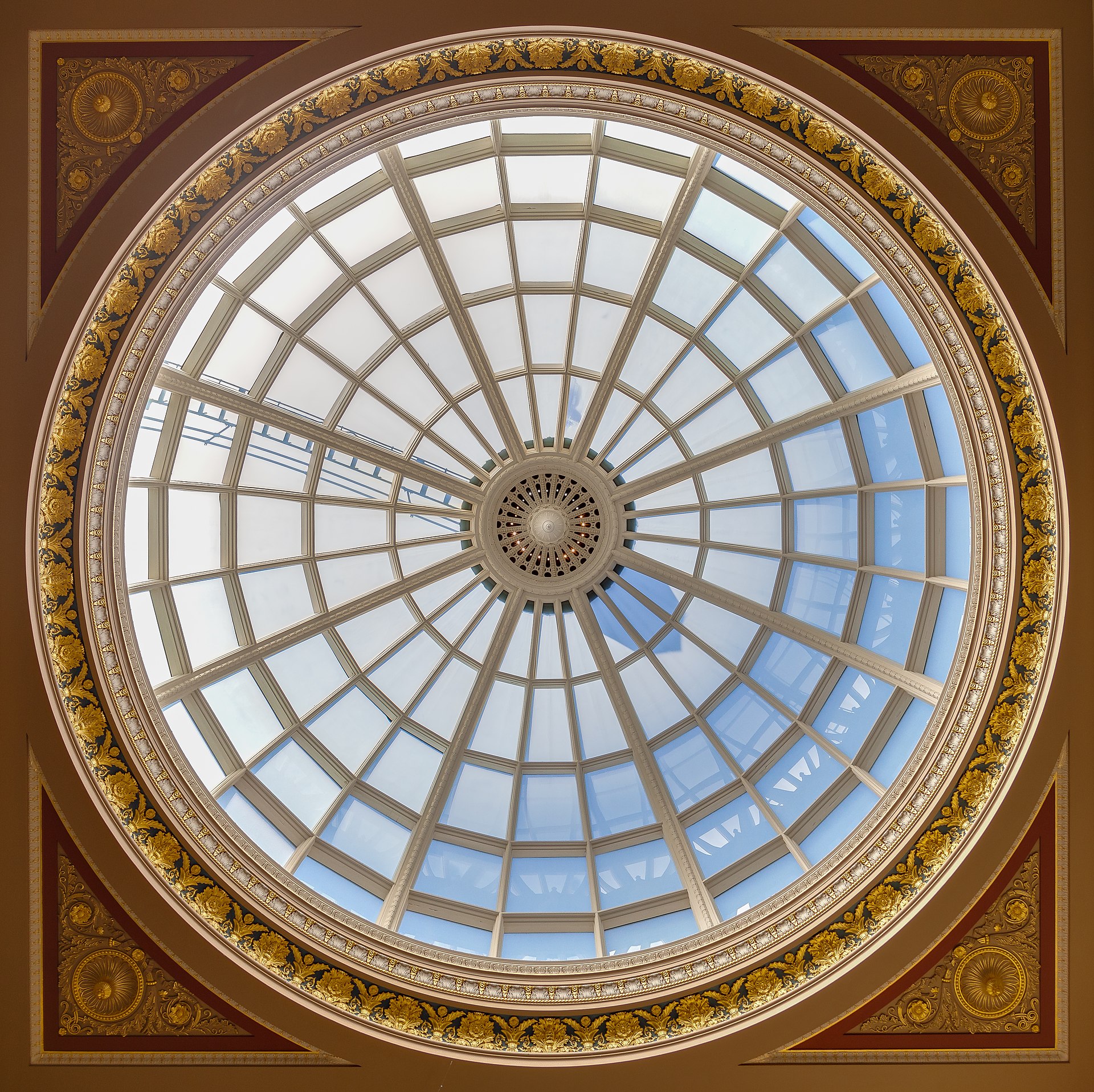
William Wilkins designed the Neoclassical building that opened on Trafalgar Square in 1838, though critics at the time dismissed it as weak and unimpressive — "a national disgrace" was one review. The building has been expanded repeatedly since, most notably with Robert Venturi's Sainsbury Wing in 1991, which houses the gallery's oldest paintings. Prince Charles famously called an earlier design for the wing "a monstrous carbuncle on the face of a much-loved and elegant friend," which prompted a complete redesign.
The collection now holds over 2,300 paintings dating from the mid-13th century to 1900, making it one of the most comprehensive surveys of Western European painting in the world. It has the finest collection of Italian Renaissance paintings outside Italy, including works by Leonardo, Michelangelo, Raphael, Titian, and Botticelli. Van Gogh's Sunflowers, Constable's The Hay Wain, and Velazquez's Rokeby Venus are among the most visited works.
Admission is free and always has been — a founding principle that the gallery has defended for two centuries. Around five million people walk through the doors each year, making it one of the most visited art museums on the planet.
Verified Facts
Founded in 1824 with 38 paintings from the estate of merchant banker John Julius Angerstein
Houses over 2,300 paintings from the mid-13th century to 1900, with the finest Italian Renaissance collection outside Italy
Prince Charles called an earlier Sainsbury Wing design "a monstrous carbuncle," prompting a complete redesign by Robert Venturi (1991)
Unlike most European national galleries, it was not formed by nationalising a royal art collection
Get walking directions
Trafalgar Square, London, WC2N 5DN, United Kingdom