Arc de Triomphe
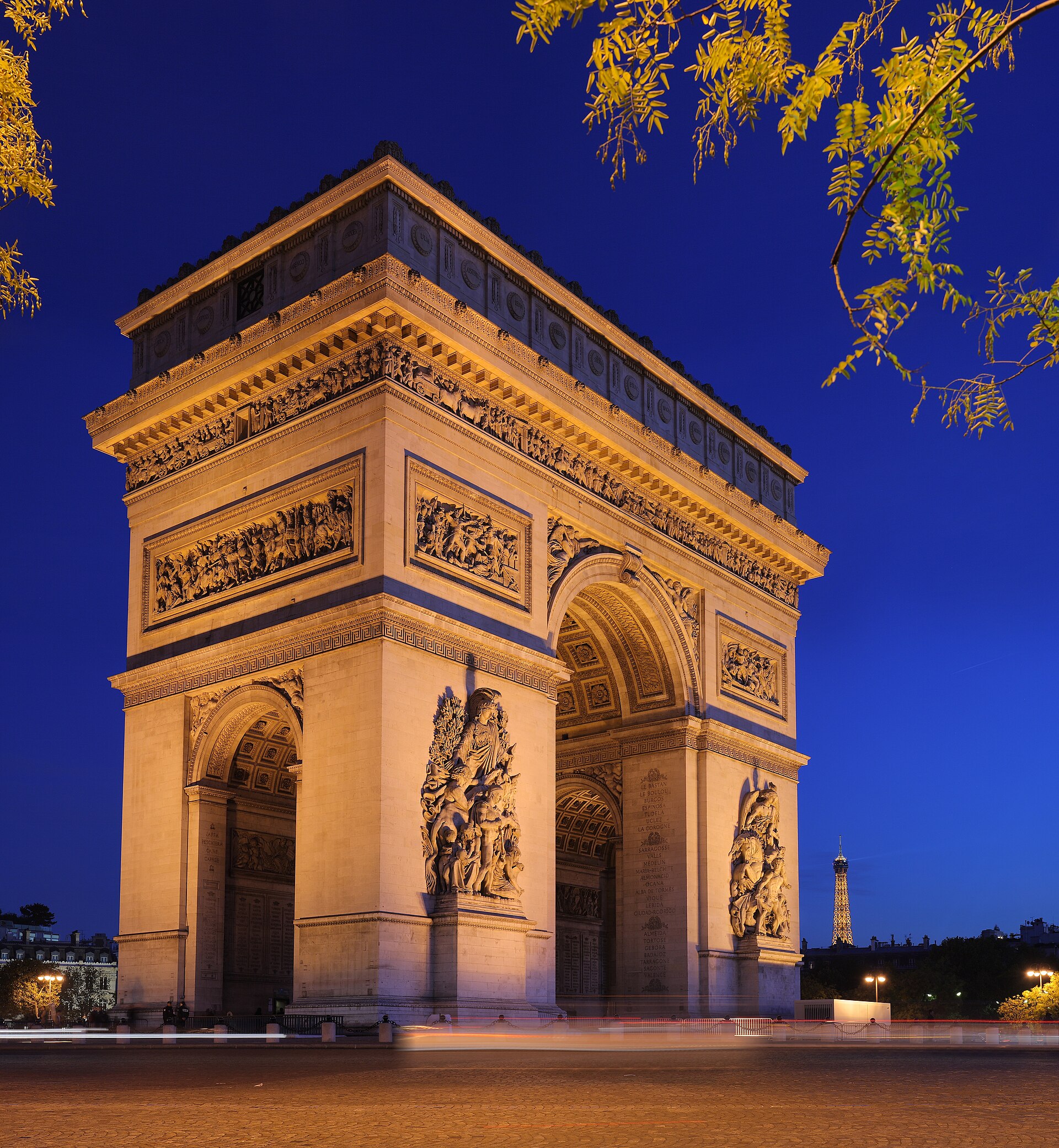
Napoleon commissioned this arch in 1806, right after his victory at Austerlitz, but he never got to walk through it as Emperor. The structure, which took thirty years to build, wasn't finished until 1836—a full century after Napoleon had been exiled, returned, and died.
This monumental arch sits at the center of the Place de l'Étoile, a sprawling space where twelve avenues radiate outward, giving it a truly star-like symmetry. In 1921, the Tomb of the Unknown Soldier was placed beneath it, and the eternal flame has burned every evening since November 11, 1923.
If you want to understand the scope of Paris's history, this is where you start. Even Christo wrapped it in 2021, using 25,000 square meters of recyclable fabric and drawing approximately 5 million visitors, proving that even when it's covered, it's still a destination. Take a walk down the avenues radiating from the Place Charles de Gaulle to grasp the scale of its power.
Canal Saint-Martin
Napoleon ordered this canal built in 1802, not for pleasure cruises, but to supply Paris with fresh drinking water—a critical necessity after the city was ravaged by cholera and dysentery. It took twenty years to complete, and by the time it was done, Napoleon was long dead on Saint Helena.
The canal runs 4.5 kilometers, connecting the Seine to the Bassin de la Villette, and it's crossed by a series of iron footbridges and tree-lined quays that feel impossibly romantic. For most of the 20th century, this area was a gritty working-class zone of warehouses.
The fact that Georges Pompidou once proposed paving it over to build a highway—a plan defeated by community opposition—shows that the riverbanks and these canals are more than just pretty scenery; they are integral parts of the Parisian spirit. You can walk along the quays and trace the history of the area, from necessary infrastructure to local culture.
Centre Pompidou
When this building opened in 1977, Parisians were genuinely horrified. The architects, Renzo Piano and Richard Rogers, had turned the entire structure inside out, placing all the mechanical and structural elements on the exterior. It looked less like a cultural center and more like a giant refinery had landed in the middle of medieval Paris.
The color coding of the exterior pipes is part of the genius. Green signifies water, blue signifies air, and yellow marks electricity. The escalators crawl up the facade in a transparent tube, giving the building a unique, industrial circulatory system.
This architectural audacity is one of the most arresting things to see in Paris. While the museum holds over 100,000 works of modern and contemporary art, the building itself is the show. Find a spot on the exterior walkways to appreciate the mechanical ballet of the pipes and ducts.
Eiffel Tower
Over 300 prominent Parisians, including Guy de Maupassant, signed a protest petition against the tower's construction in 1887, calling it a "metallic horror" that would utterly disfigure the city. The protests were intense, especially because the tower was only meant to stand for twenty years before being dismantled.
Eiffel saved the structure by repurposing it as a giant radio antenna, an industrial function that allowed it to survive. The tower can, in fact, grow up to 15 centimeters taller in the summer due to the thermal expansion of the iron. And it needs an enormous amount of maintenance, being repainted every seven years using about 60 tonnes of paint.
You don't have to look at the tower from the Champ de Mars to appreciate its history. Consider the protest: the fact that it nearly failed because the city's elite thought it was a temporary embarrassment is a story in itself. Just take the time to appreciate the sheer engineering feat from the base.
Le Marais
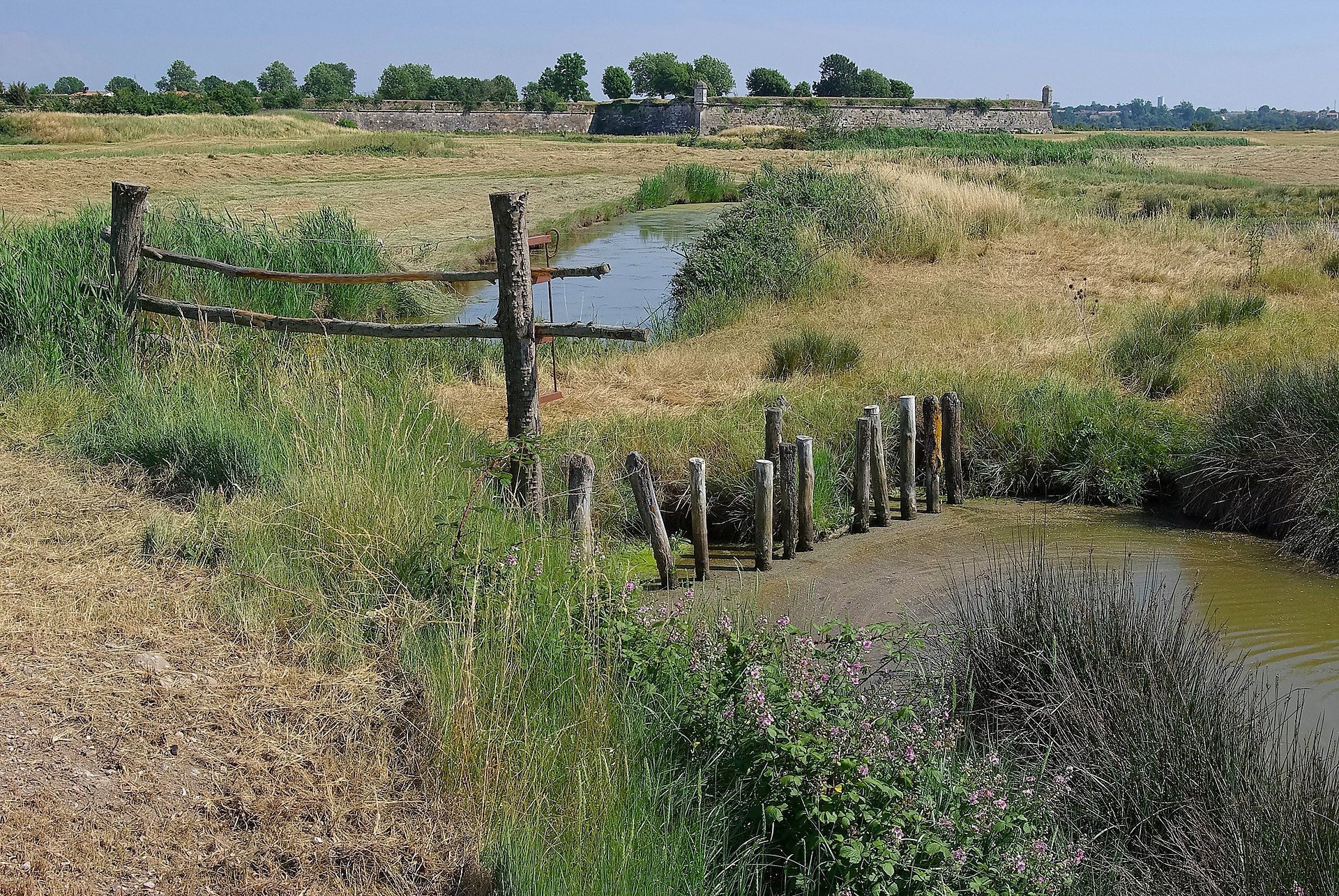
The Marais means "the swamp," and that is literally what it was until the Knights Templar drained the area in the 13th century. It’s a neighborhood whose survival is one of the great preservation stories in urban history.
What saved it from being bulldozed in the 19th century was André Malraux's historic preservation law of 1962—the first of its kind in France. This law gave the neighborhood a permanent cultural identity.
The Marais is a perfect collision of eras: the remnants of its swampy past, the aristocratic grandeur of the 17th century, and the modern energy of the 20th-century art scene. Walk through the cobblestone streets, and you’ll feel the layers of history under your feet.
Les Invalides & Napoleon's Tomb
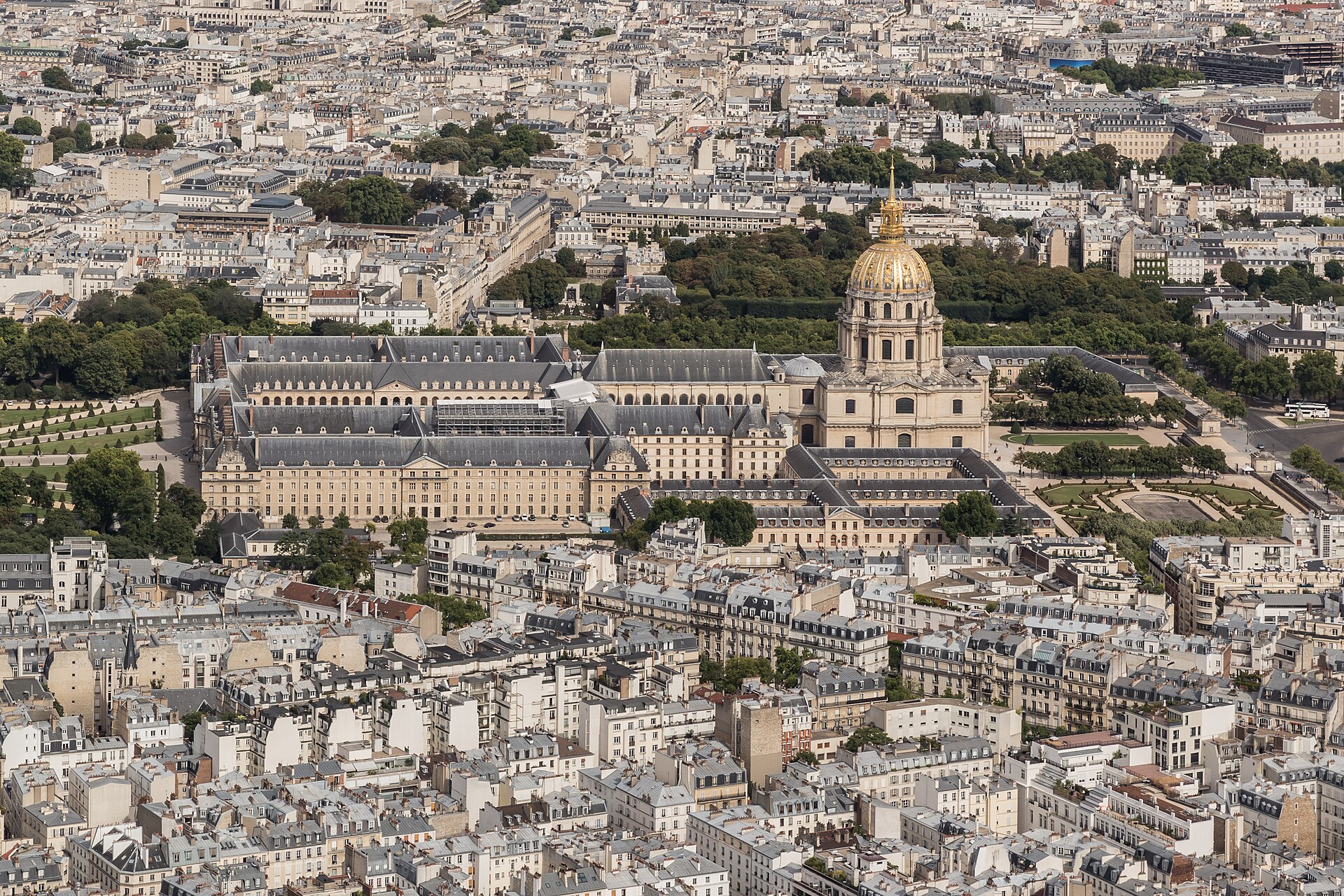
Louis XIV commissioned this complex in 1670, not as a monument, but as a hospital and retirement home for wounded soldiers, a function it still serves today, making it one of the world's oldest veterans' institutions. At its peak, it housed 4,000 soldiers.
The most famous attraction, Napoleon's tomb, is situated beneath the golden dome. His remains rest in six concentric coffins inside a massive red quartzite sarcophagus. The dome itself is gilded with 12 kilograms of gold leaf, a detail that was most recently reapplied in 1989.
This site manages to be both a military archive and a place of profound, national memory. It’s a monumental, structured history that feels incredibly solid, anchoring the journey between the modern chaos of the city and its grand imperial past.
Luxembourg Gardens
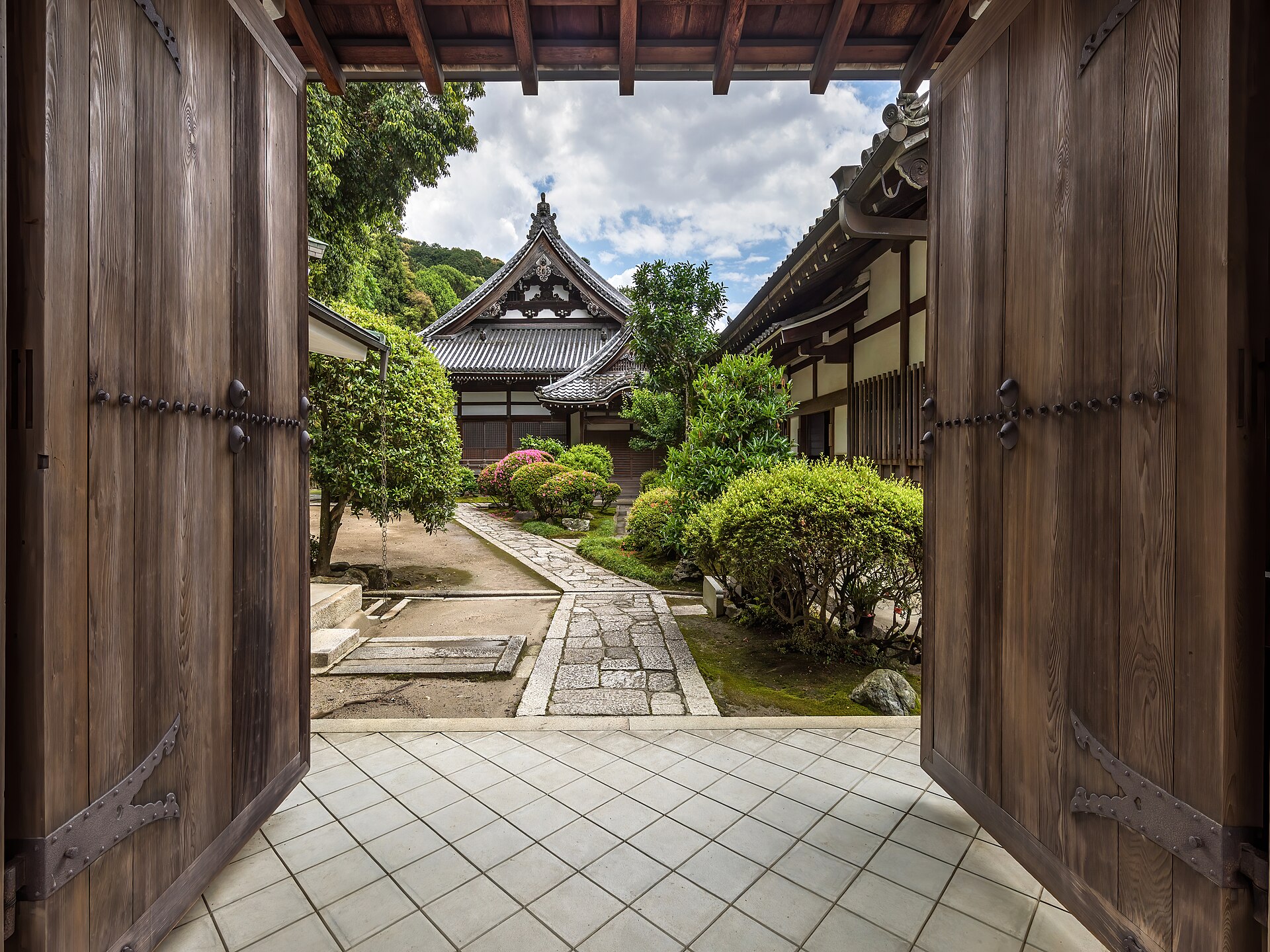
Marie de' Medici was homesick for the Boboli Gardens of her childhood in Florence, and so in 1612, she commissioned this 23-hectare park on the Left Bank to model after them. Four centuries later, it remains one of the most beloved green spaces in Paris.
The gardens are more than just manicured lawns; they are a living classroom. Students study here, old men play chess, and children push toy sailboats across the octagonal fountain. The famous green metal chairs are an institution, where Parisians gather to argue about philosophy.
Notice the details: the gardens contain 106 statues, including a smaller replica of the Statue of Liberty by Bartholdi. And if you’re interested in the practical history, the park’s apiary has offered beekeeping courses since 1856. It’s a peaceful place that feels entirely separate from the city's intensity.
Montmartre & Place du Tertre
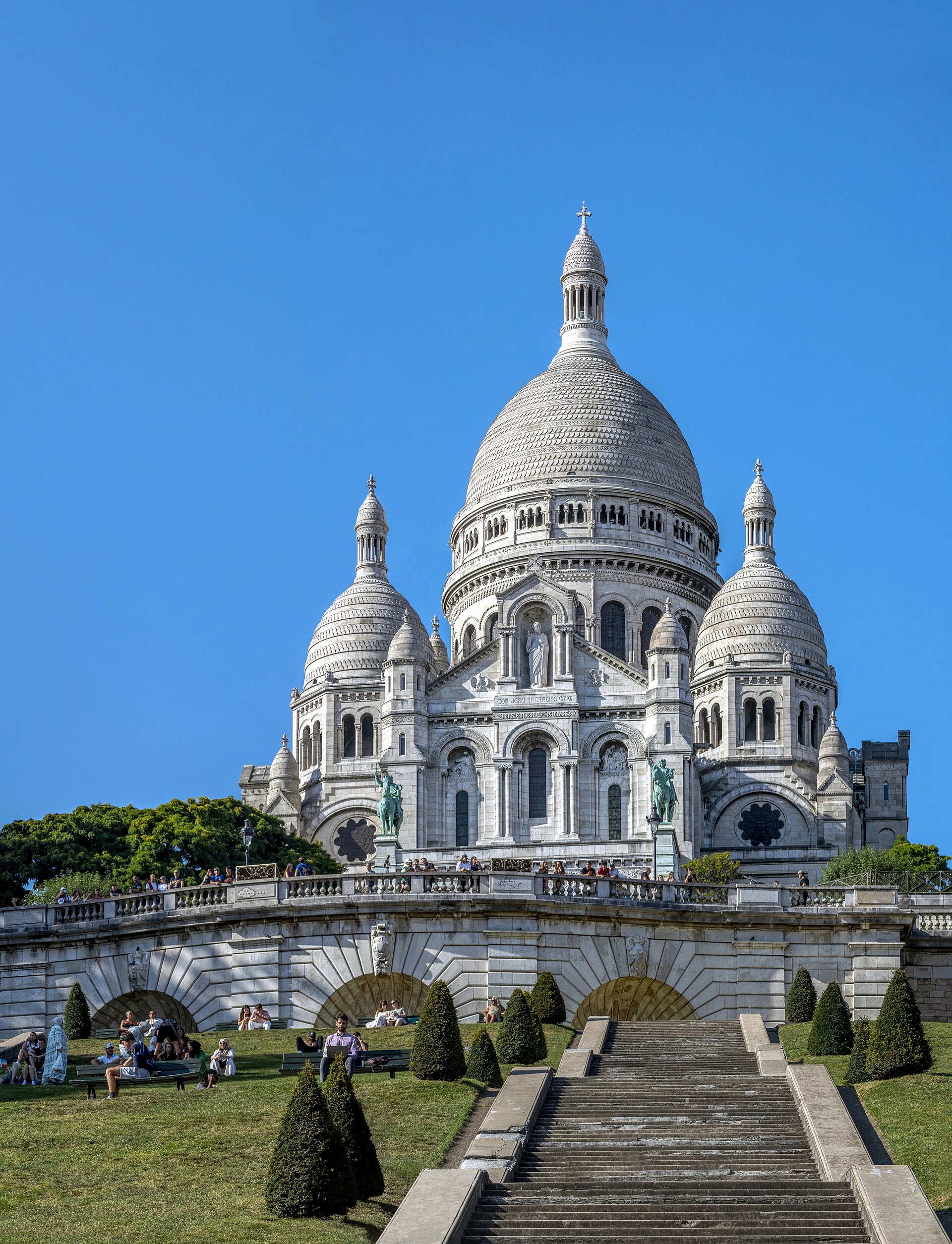
Before it became the tourist magnet filled with portrait artists, Montmartre was the actual beating heart of modern art. Picasso, Modigliani, Van Gogh, and Renoir all lived and worked here, drawn by cheap rent and cheap wine.
The story starts at the Bateau-Lavoir, a ramshackle wooden building on Rue Ravignan, where Picasso painted *Les Demoiselles d'Avignon* in 1907. This single piece of art is credited with blowing up 500 years of Western art conventions and launching the Cubist movement.
The fact that Montmartre was once an independent commune, only being annexed by Paris in 1860, gives it a distinct, almost village-like feeling. After exploring the Place du Tertre, wander down the side streets to find the Clos Montmartre, the last working vineyard in Paris, which still produces about 500 liters of wine annually.
Musée d'Orsay
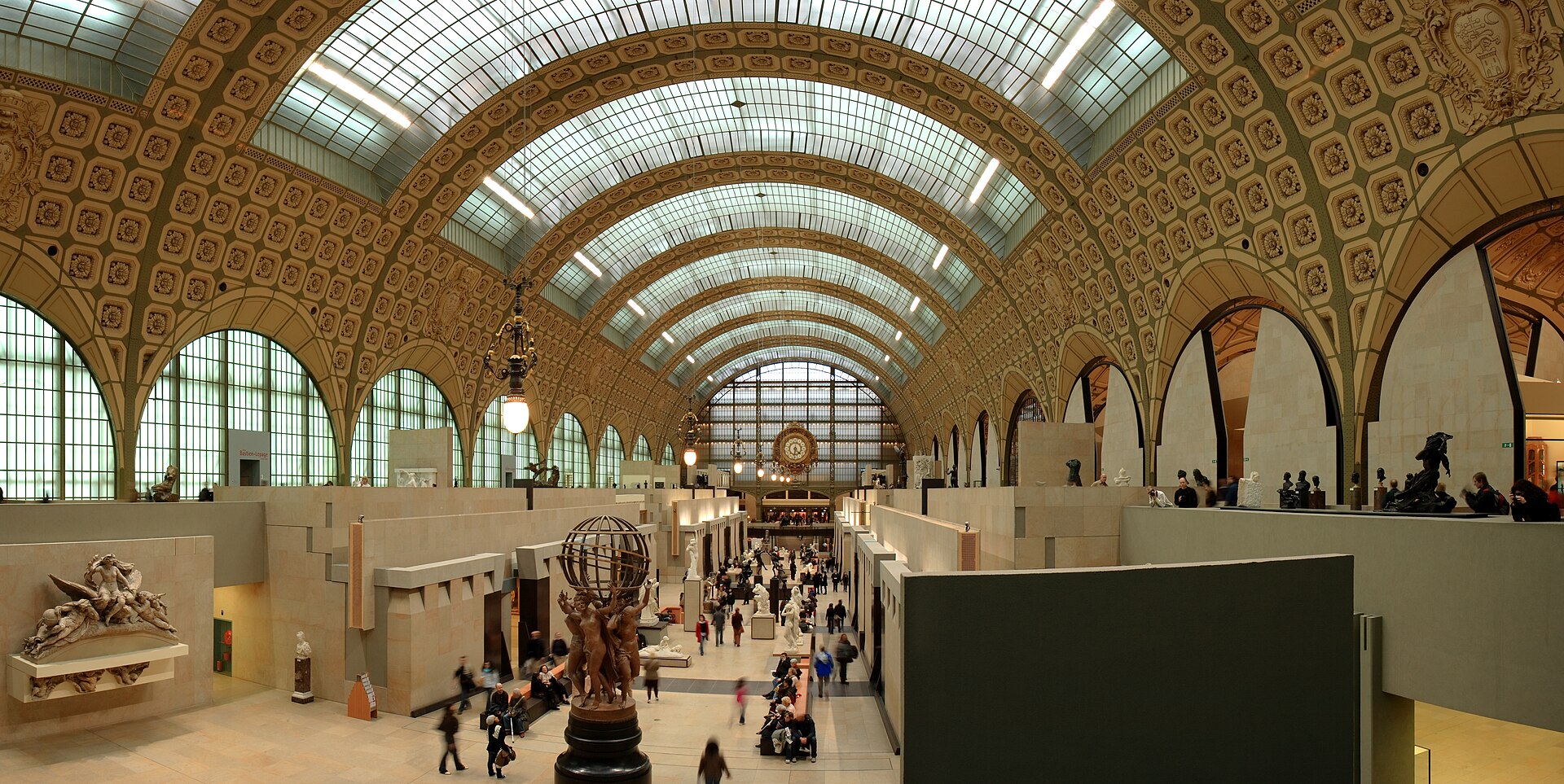
The Gare d'Orsay was originally built for the 1900 World's Fair by Victor Laloux. Its platforms were too short for modern electric trains by the 1930s, and it sat empty for decades. Instead of demolition, President Valéry Giscard d'Estaing ordered its conversion to a museum in 1977.
This is the best kind of urban salvage: a magnificent, decaying piece of infrastructure turned into an art treasure. Many of the Impressionist paintings housed here were originally rejected by the official Paris Salon, giving the museum a unique rebellious history.
Orson Welles filmed his 1962 adaptation of Kafka's *The Trial* in the abandoned station, adding a cinematic layer to its existing life. It's a reminder that sometimes the most beautiful things in Paris are the ones that were built to be temporary.
Musée de Cluny
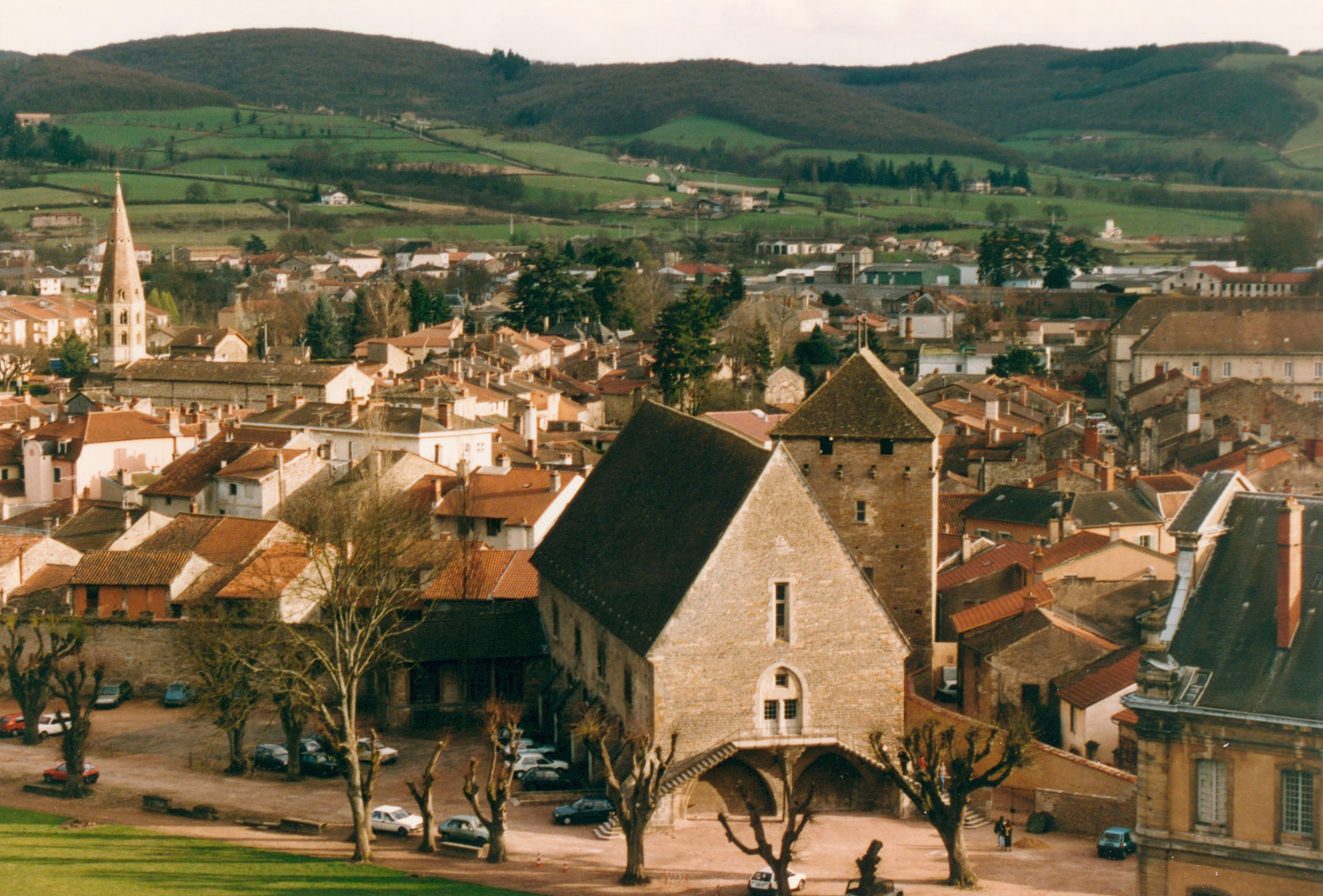
You can literally walk through two time periods in this museum. The structure incorporates the remains of the Thermes de Cluny, massive Gallo-Roman baths dating from the 1st to 3rd centuries AD. The frigidarium, or cold bath hall, is the best-preserved Roman structure in Paris, with vaulted ceilings still standing after nearly 2,000 years.
Upstairs, the medieval collection features the incredible "Lady and the Unicorn" tapestries. These six panels were woven around 1500 and were rediscovered by Prosper Mérimée in 1841 at the Château de Boussac.
The sheer juxtaposition of these layers—Roman baths beneath medieval tapestries, all within a structure that has seen two millennia of life—makes it feel like a deep dive into the very bones of the city.
Musée de l'Orangerie
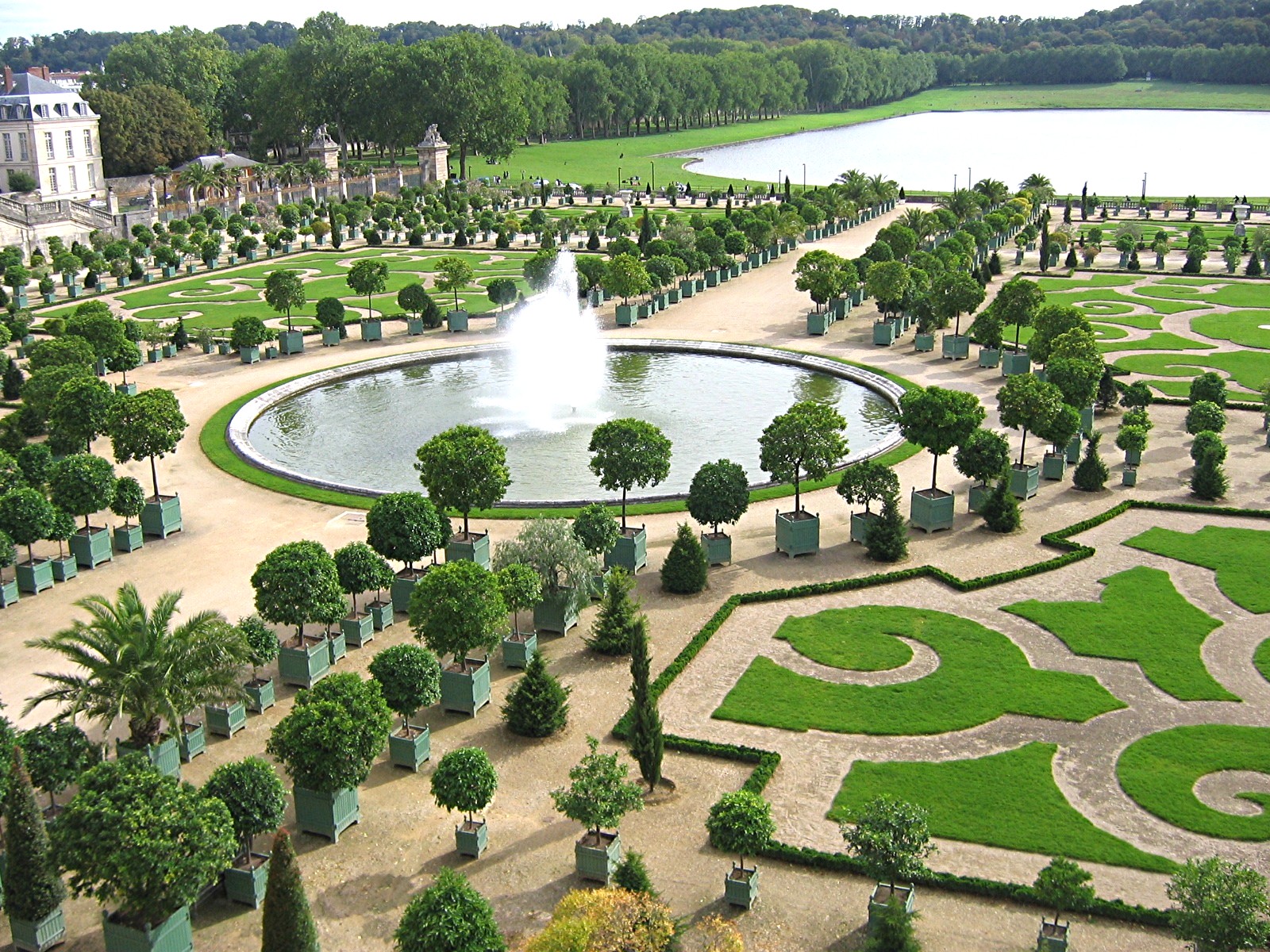
Monet didn't just donate his water lily murals; he designed the rooms specifically to hold them. Working with architect Camille Lefèvre, he created two oval rooms in this former greenhouse, specifying the dimensions and the natural light source so that the paintings would surround the viewer completely.
The Orangerie was originally built in 1852 as a greenhouse for the Tuileries' orange trees. The paintings themselves were donated to France the day after the Armistice on November 12, 1918.
This is a masterful example of art meeting architecture. When you stand in those two ovals, you aren't just looking at paintings; you are standing inside a controlled, curated garden at Giverny, designed by the artist himself.
Musée Rodin
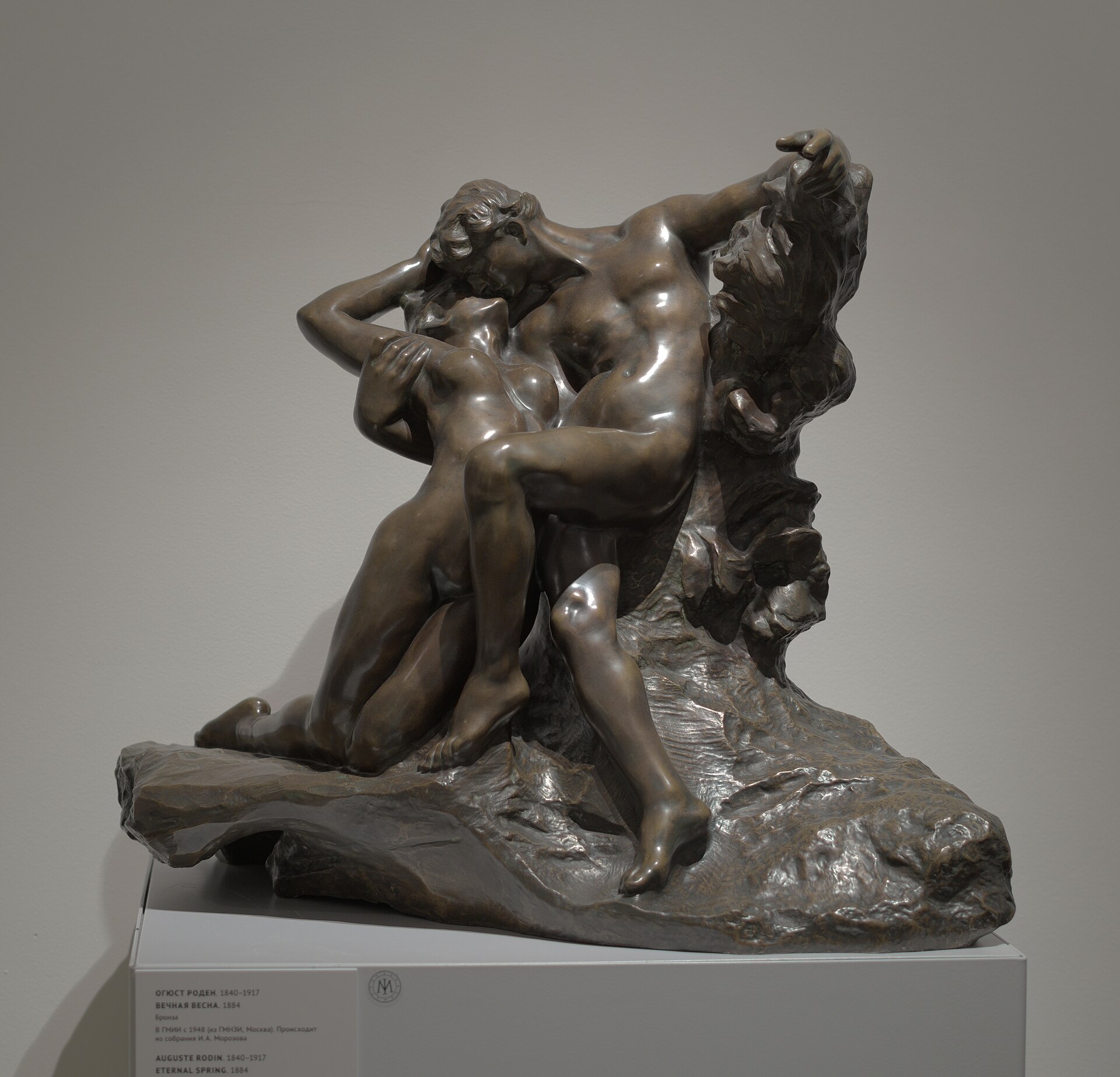
When Auguste Rodin moved into the Hôtel Biron, it was a run-down building rented out as artists' studios, shared by figures like Matisse and Isadora Duncan. The history of the building is as rich as the art inside.
The state acquired the building and Rodin made a deal: he donated his entire collection—sculptures, drawings, and his personal art collection—in 1916, on the condition that it become a museum.
The real treasure, however, is the garden. The museum doesn't just display art; it presents a lived history of artistic community, where the genius of the past still breathes among the sculpted figures.
Paris is a city built on layers—a place where a 1st-century Roman bathhouse sits beneath 15th-century tapestries, and where Napoleon’s ambition casts a shadow over a modern, industrial museum. The best things to do in Paris France are the things you stumble upon, the hidden histories woven into the quays and the plazas. To truly experience this depth, you need a guide that knows the difference between the postcard view and the secret story. Download VoiceWalks and let us lead you through the city's untold chapters.