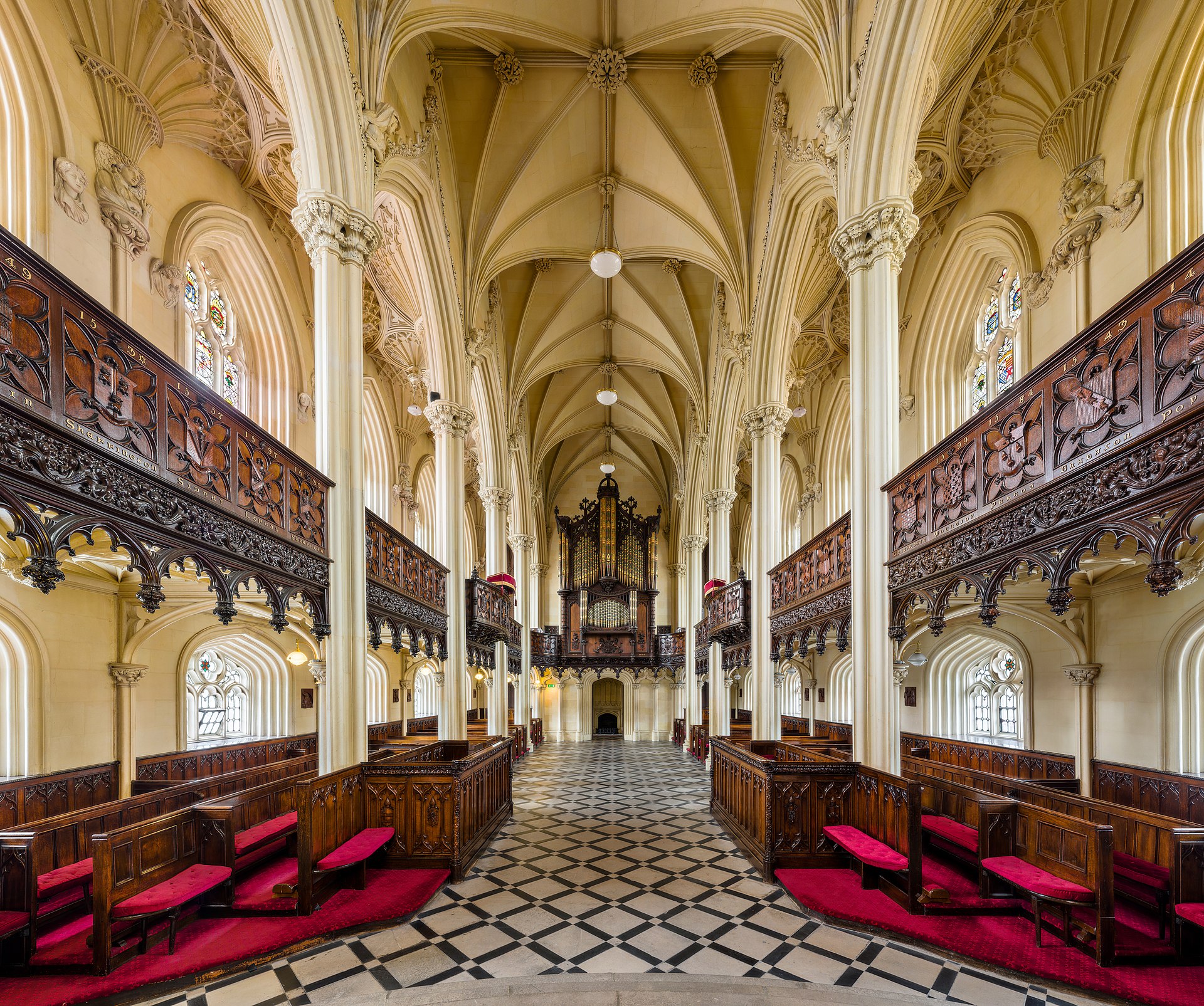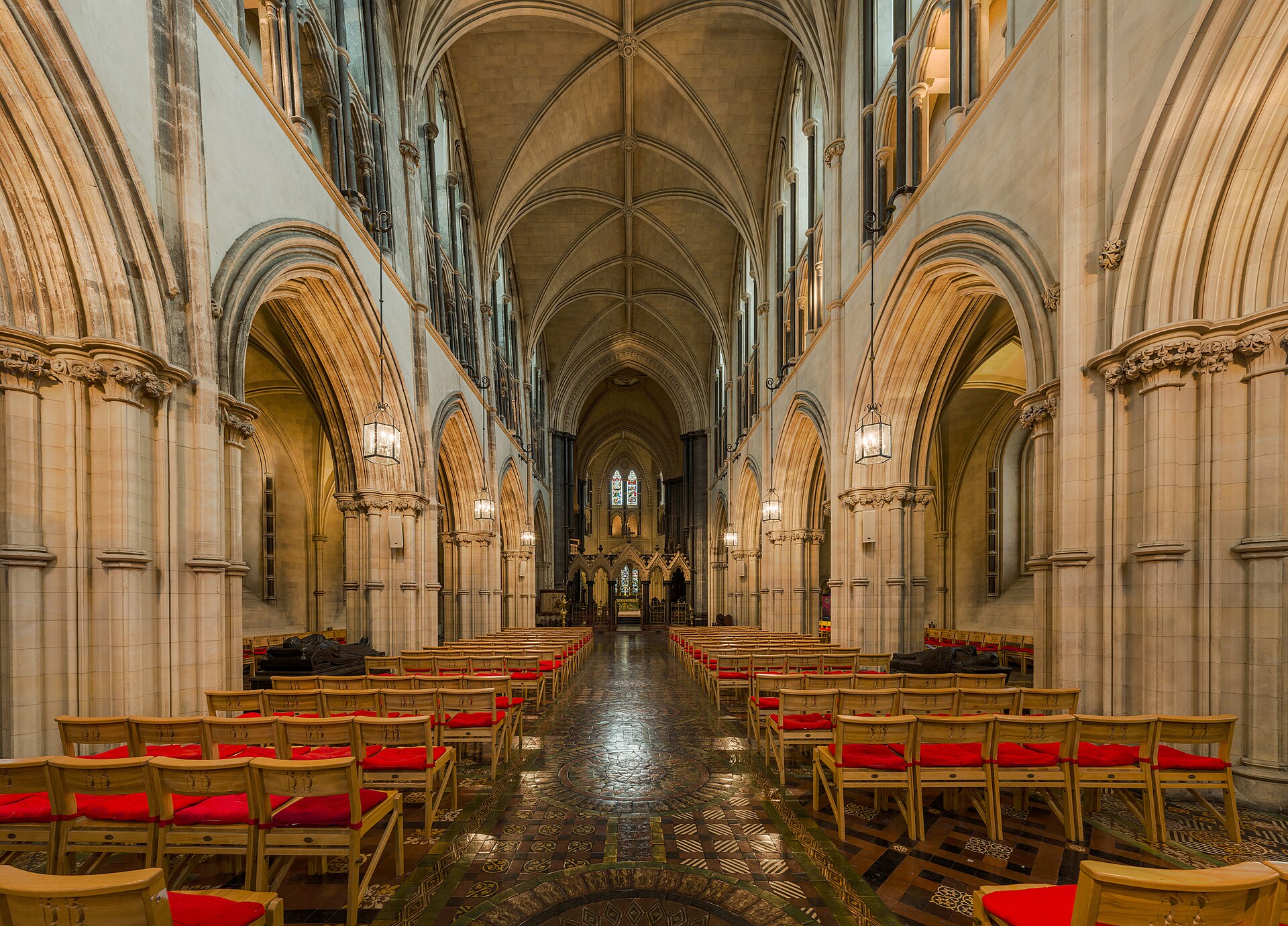
A Viking king built the original version of this cathedral in 1030, which tells you just how long Dublin has been arguing about religion. Sitriuc Silkenbeard, the Norse King of Dublin, founded the first wooden church here, and it was replaced by the massive stone cathedral you see today after the Norman invasion. Strongbow — Richard de Clare, the Anglo-Norman warlord who essentially conquered Ireland — is supposedly buried here, though the tomb you'll see is actually a replacement. The original was destroyed when the roof collapsed in 1562, and the current effigy is modeled on a completely different person, the Earl of Drogheda.
The real star of Christ Church is underground. The crypt is the largest cathedral crypt in Britain or Ireland, stretching 63.4 metres beneath the nave. It dates to 1172-1173 and contains a genuinely bizarre collection: the oldest known secular carvings in Ireland, a tabernacle from the cathedral's Catholic days, and — most famously — a mummified cat and rat found trapped together inside an organ pipe, now displayed behind glass. James Joyce referenced this cat and rat in Finnegans Wake, because of course he did.
The cathedral has had a rough millennium. Vikings, Normans, the Reformation, Cromwell, structural collapses — the south wall actually leaned almost two feet out of true before a massive Victorian restoration in the 1870s funded by the whiskey distiller Henry Roe, who spent £230,000 of his own money. That's about £25 million in today's terms, spent by a whiskey maker to save a church. Dublin in a nutshell.
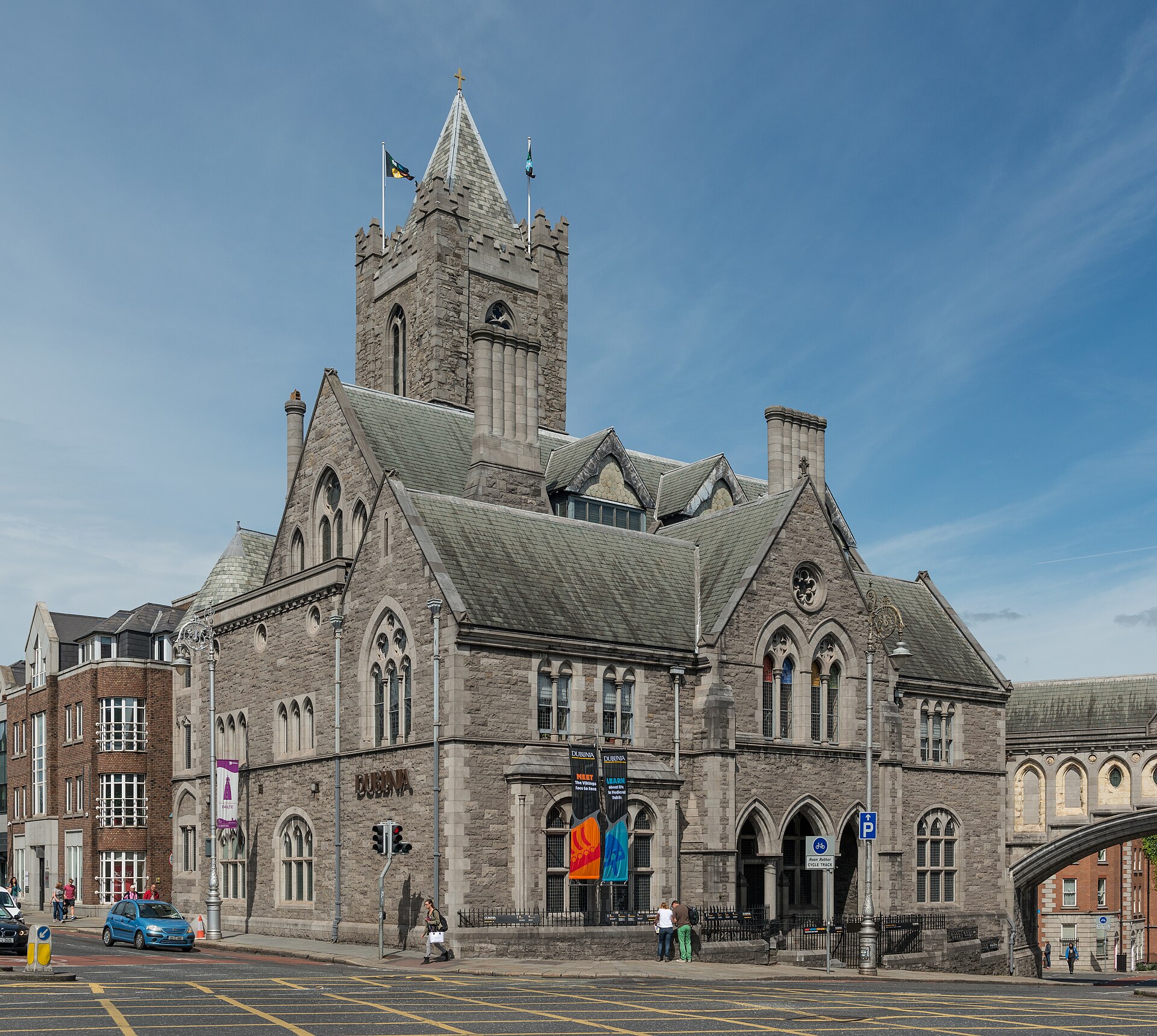
The bridge connecting Christ Church to the Synod Hall (now Dublinia museum) was added during that restoration and is one of Dublin's most photographed features.
Verified Facts
The original wooden church was founded in 1030 by Sitriuc Silkenbeard, the Norse King of Dublin
The crypt is 63.4 metres long and is the largest cathedral crypt in Britain or Ireland, dating to 1172-1173
A mummified cat and rat found trapped inside an organ pipe are displayed in the crypt
The Victorian restoration in the 1870s was funded by whiskey distiller Henry Roe at a cost of £230,000
Get walking directions
Christchurch Place, Wood Quay A, Dublin 8, Ireland