Before this was a park, it was a freight railway. And before that, it was a street so dangerous they called it Death Avenue.
In the mid-nineteenth century, the New York Central Railroad ran freight trains at street level along Tenth Avenue on Manhattan's West Side. By nineteen ten, more than five hundred pedestrians had been killed by these trains. The railroad hired men on horseback — the "West Side Cowboys" — to ride ahead of the trains waving red flags. The cowboys made their final ride in nineteen forty-one, after the elevated rail line was built above the streets in nineteen thirty-four.
The last train ran on the High Line in nineteen eighty. It carried three carloads of frozen turkeys. After that, the tracks sat empty. Wildflowers and grasses colonised the rails. The structure was scheduled for demolition in nineteen ninety-two.
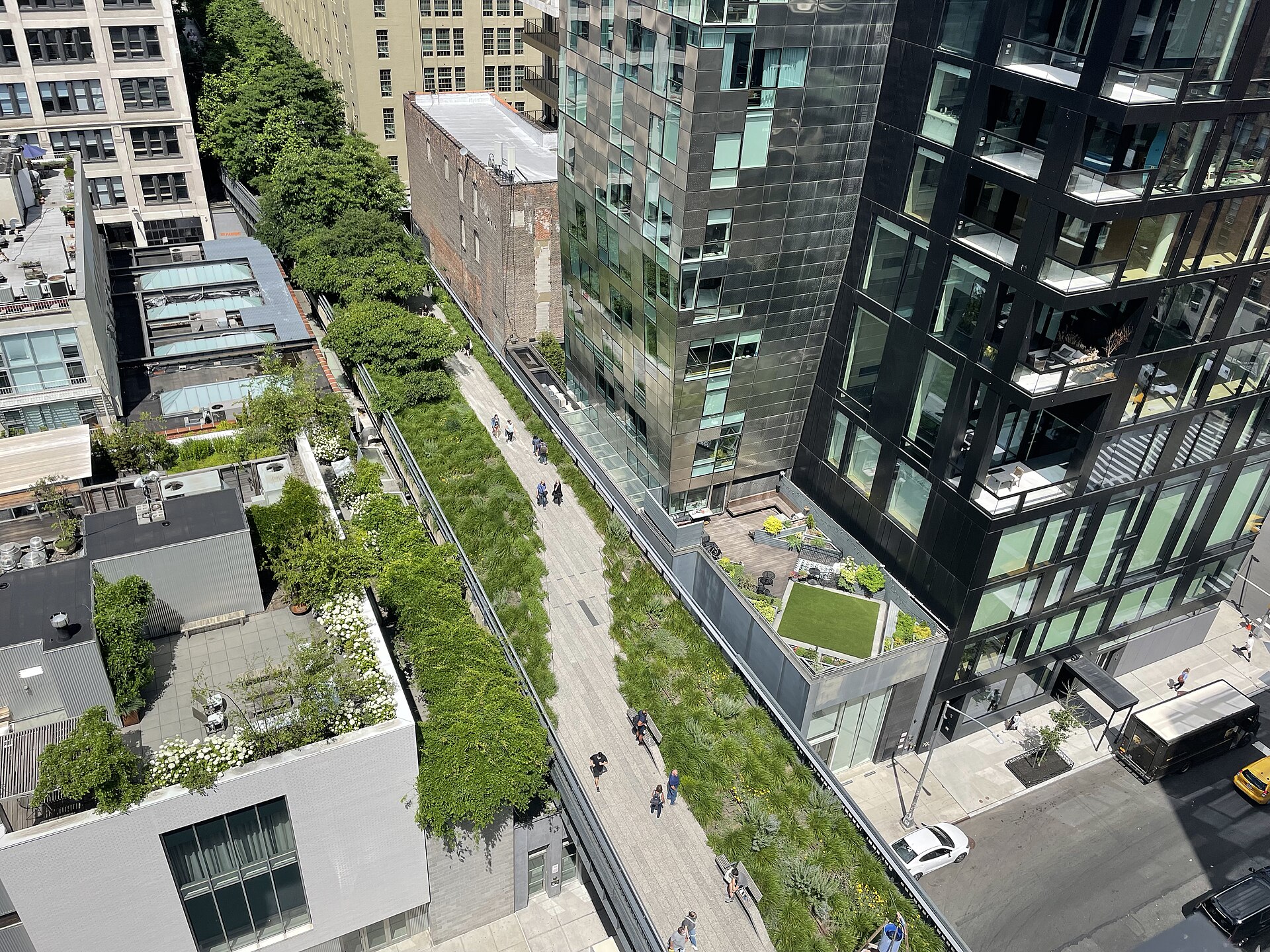
Two residents — Joshua David and Robert Hammond — founded Friends of the High Line in nineteen ninety-nine to save it. They had no planning experience and no money. CSX Transportation donated the structure to the city in two thousand and five, and the first section opened as a public park in two thousand and nine.
It is now one of the most visited attractions in New York. Walk it from Gansevoort Street north for the best views of the Hudson River and the Chelsea art gallery district below.
Verified Facts
By 1910, more than 500 pedestrians had been killed by street-level freight trains on Tenth Avenue, earning it the name Death Avenue
The West Side Cowboys rode on horseback waving red flags ahead of trains until 1941
The last train on the High Line ran in 1980, carrying three carloads of frozen turkeys
Joshua David and Robert Hammond founded Friends of the High Line in 1999 with no planning experience; the first section opened as a park in 2009
CSX Transportation donated the structure to New York City in 2005
Get walking directions
New York, United States