Somebody dismantled five medieval European monasteries, shipped them across the Atlantic stone by stone, and rebuilt them on a hilltop in northern Manhattan overlooking the Hudson River. That somebody was John D. Rockefeller Jr.
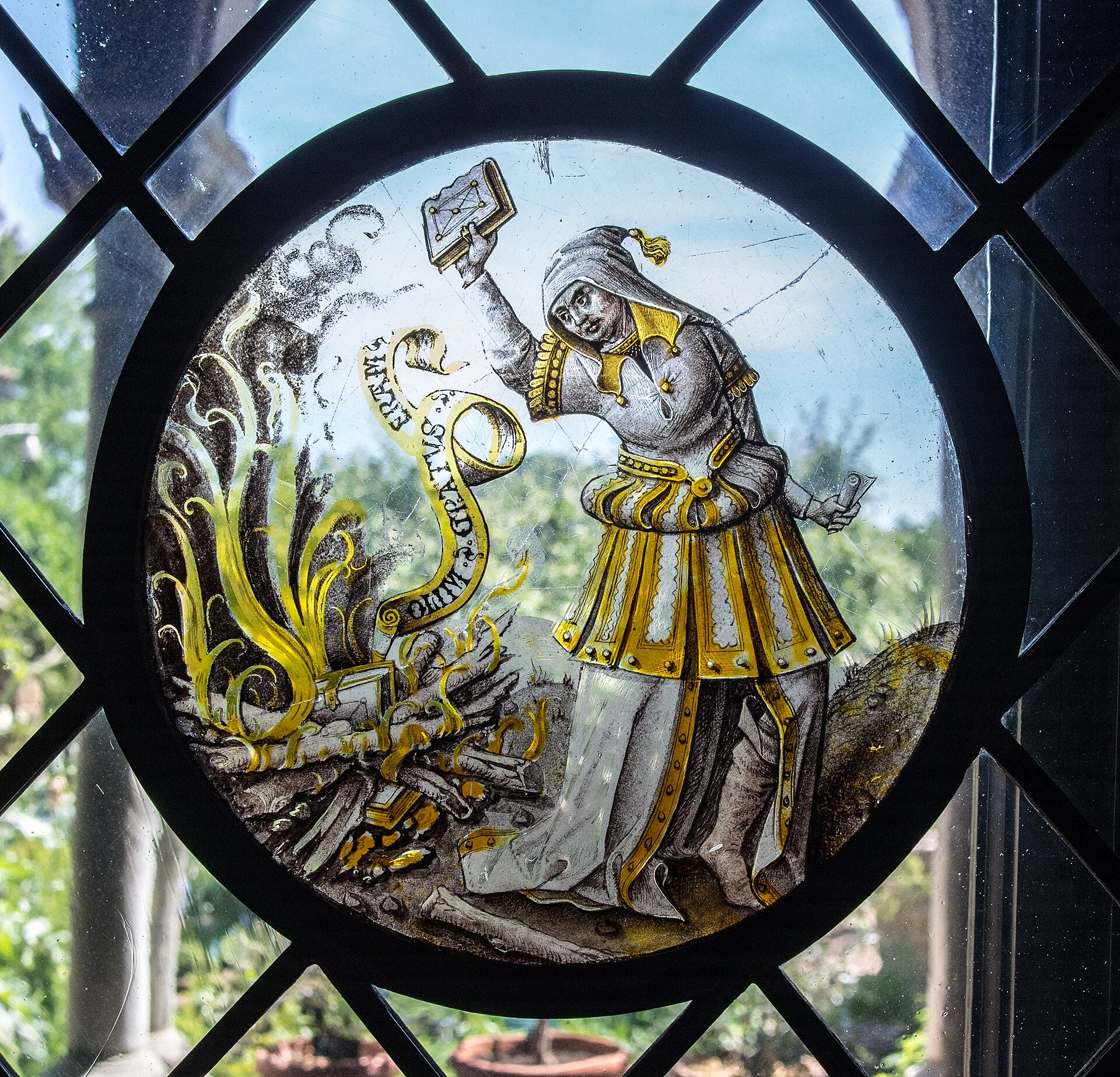
The Cloisters opened on May tenth, nineteen thirty-eight, as a branch of the Metropolitan Museum of Art dedicated entirely to medieval European art. The building incorporates actual architectural elements from abbeys in Catalonia and southern France — cloisters from Sant Miquel de Cuixà, Saint-Guilhem-le-Désert, Bonnefont-en-Comminges, and Trie-sur-Baïse were taken apart, crated, and reassembled here. It is not a reproduction. These are real twelfth- to fifteenth-century stones.
The collection holds around five thousand objects, including the Unicorn Tapestries — seven panels woven around fourteen ninety-five to fifteen oh five that are among the most famous artworks of the Middle Ages. The Mérode Altarpiece, painted around fourteen twenty-two, depicts the Annunciation in a Flemish domestic interior so detailed you can see the smoke rising from a recently extinguished candle.
Rockefeller also bought the land across the river — the Palisades — to ensure the view from the museum would never be spoiled by development. The surrounding Fort Tryon Park, also a Rockefeller gift, has gardens maintained by the same team that tends the Cloisters' medieval herb gardens. Most tourists never make it above Midtown. This is what they miss.
Verified Facts
The building incorporates actual medieval architectural elements from abbeys including Sant Miquel de Cuixà, Saint-Guilhem-le-Désert, Bonnefont-en-Comminges, and Trie-sur-Baïse
Opened May 10, 1938, as a branch of the Metropolitan Museum of Art
The collection holds about 5,000 objects including the Unicorn Tapestries (c. 1495-1505) and the Mérode Altarpiece (c. 1422)
Rockefeller purchased the Palisades across the Hudson to protect the museum's view from development
Get walking directions
99 Margaret Corbin Dr, New York, NY 10040