Aboriginal Australians had sophisticated astronomical knowledge for at least sixty-five thousand years before this observatory was built. Think about that number. Sixty-five thousand years of watching the same sky, tracking the same stars, encoding the movements into stories that were passed down with extraordinary precision across more generations than you can count. And this observatory now teaches both Western and First Nations astronomy side by side.
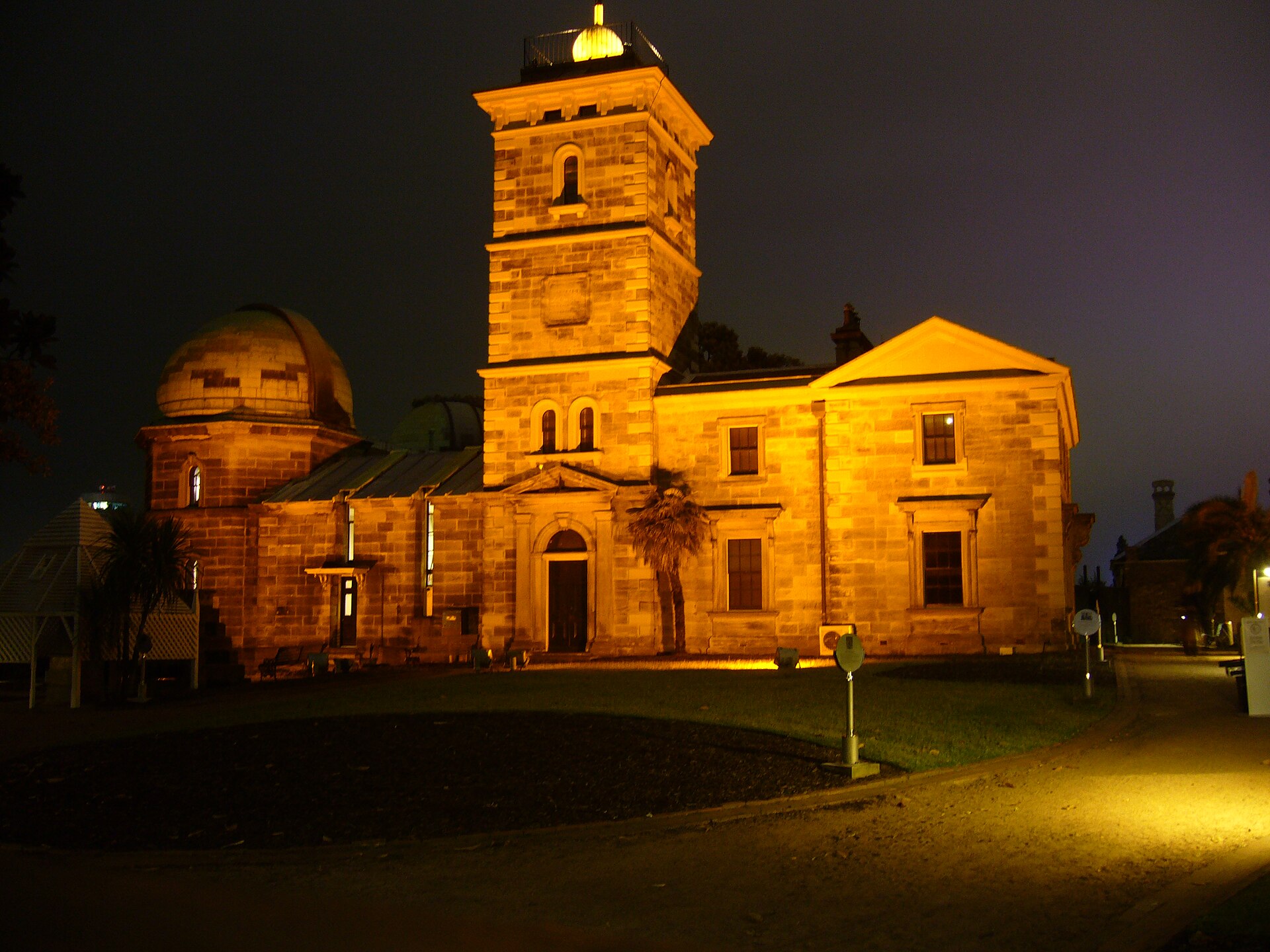
The building dates from eighteen fifty-seven to eighteen fifty-nine, but astronomical observation at this hilltop goes back to the colony's founding. This is the same site where William Dawes -- the officer from Dawes Point -- set up his instruments in seventeen eighty-eight. It is one of Australia's oldest continuously used scientific sites.
The observatory runs a programme called Cadi Eora Birrung, which means beneath the southern sky in the Gadigal language. It shares Dreaming stories about the night sky that predate European astronomy by a factor you can barely comprehend. Aboriginal star maps are older than Stonehenge by roughly ten times. The Emu in the Sky -- a dark-sky constellation defined by the dark patches in the Milky Way rather than the bright stars -- was being used to predict emu breeding seasons long before anyone in Europe had worked out that the Earth goes around the Sun.
There is a time ball on top of the observatory that still drops at one pm every day. Before clocks were widespread, ships in the harbour would set their chronometers by watching for the ball to fall. The cannon at Fort Denison fires at the same time. So at one pm, the ball drops up here, the cannon booms out on the island, and for a moment the whole harbour is synchronised to a nineteenth-century timekeeping system.
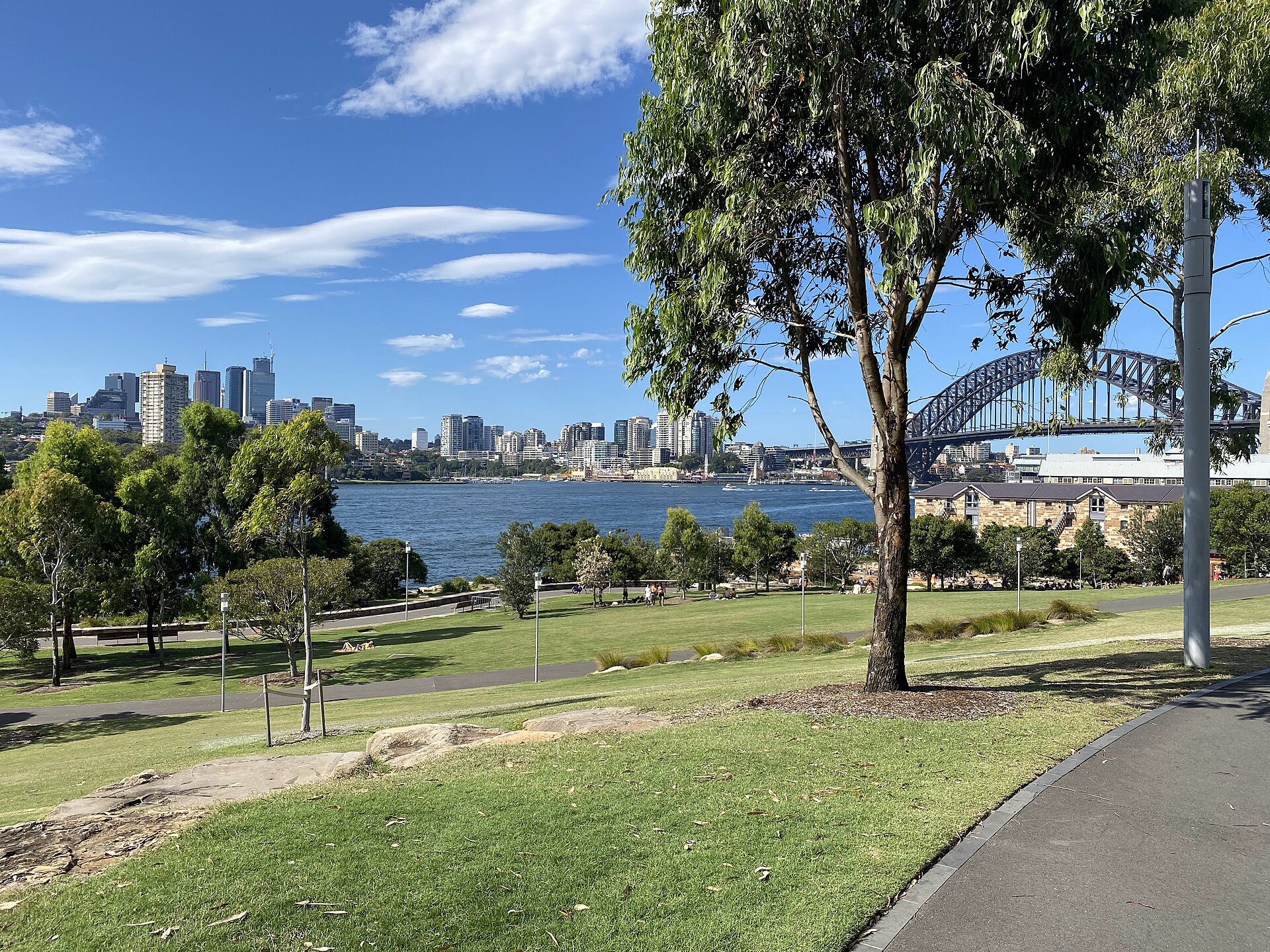
The views from Observatory Hill are also some of the best in Sydney. You can see the bridge, the harbour, and the city skyline all at once.
Verified Facts
Built 1857-1859, but the site has been used for astronomical observation since Dawes' observatory in 1788
Runs the Cadi Eora Birrung Indigenous astronomy programme
The time ball still drops at 1pm daily, historically used by ships to set chronometers
Aboriginal astronomical knowledge dates back at least 65,000 years
Get walking directions
1003 Upper Fort Street, Millers Point NSW 2000