Hackney City Farm
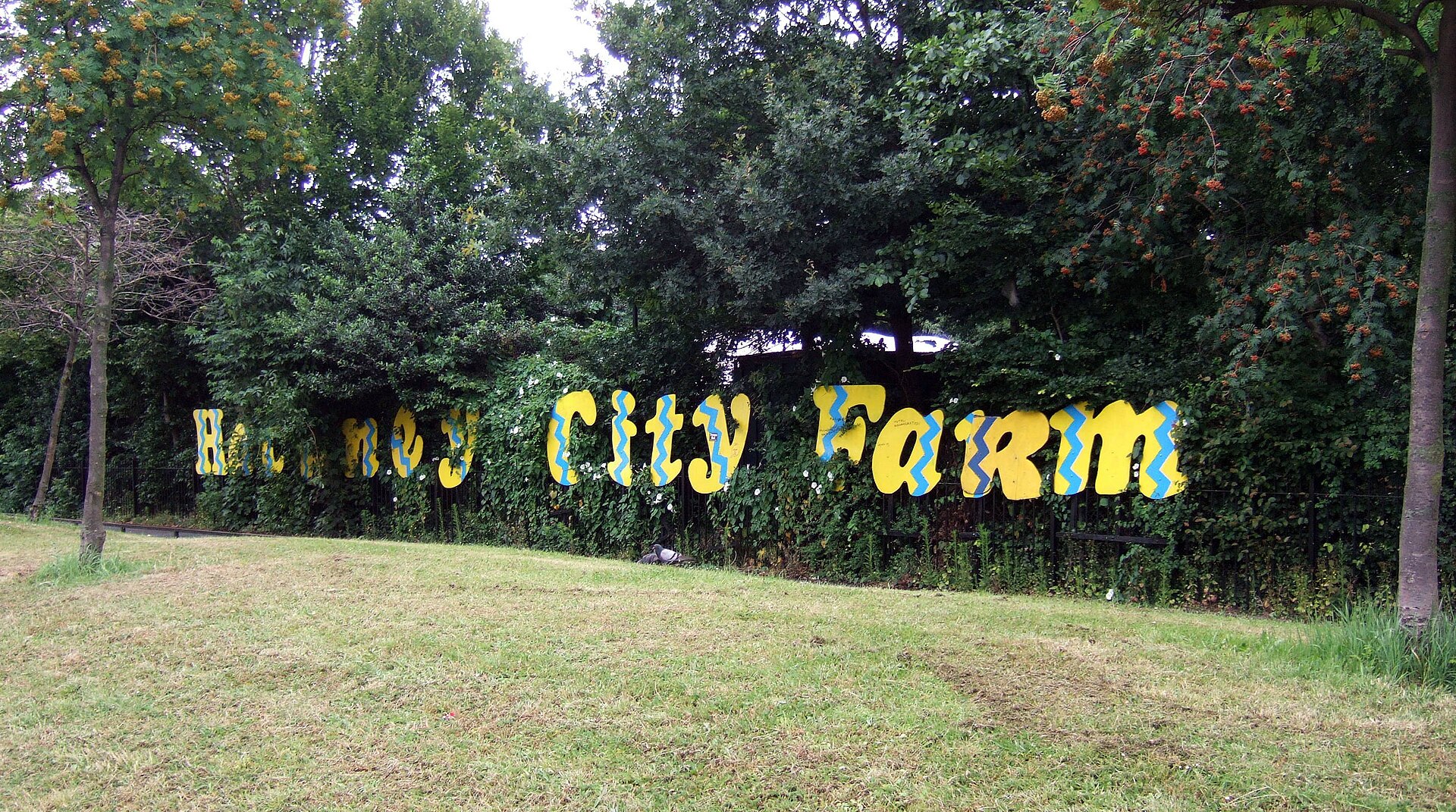
The most surprising thing about Hackney City Farm is that it’s a working farm, complete with donkeys, pigs, sheep, and bees, and it’s completely free. You are standing on a site that has been feeding London for over two hundred years.
In the early eighteen hundreds, farmers and market gardeners were growing produce right here for the city. Later, West's Brewery moved in during the late eighteen eighties and brewed beer until the nineteen thirties, supplying pubs along Hackney Road and Bethnal Green. Even the original brewing well is still visible, capped in the front garden.
This farm is a reminder that some of London’s best amenities haven't been packaged for tourists. It’s a genuinely local, working piece of history that remains open to everyone, simply because it’s where it has always been.
British Museum
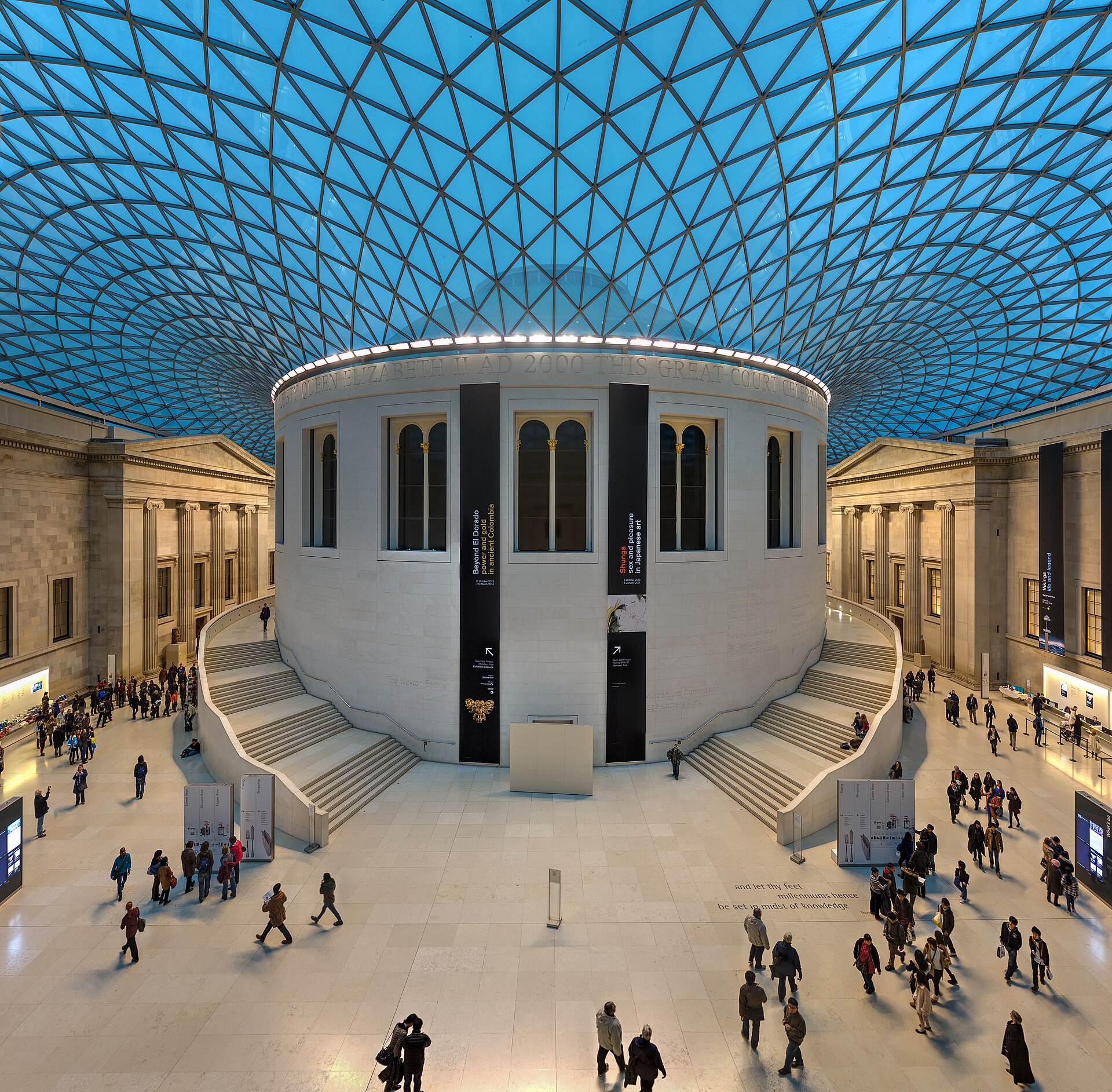
The British Museum is arguably the world's largest museum of stolen goods, depending on who you ask. It was founded in 1753, making it the first public national museum anywhere on Earth.
Its collection of eight million objects tells a story of human civilization from two million years ago right up to the present. You can spend hours wandering through halls filled with history, from the Rosetta Stone, which has been on display since June 1802, to the remnants of the Parthenon sculptures that Lord Elgin removed between 1801 and 1812.
If you’re looking for free culture, this is it. You can spend a day tracing the history of every known civilization without spending a penny, all within the magnificent structure that features Norman Foster's Great Court—the largest covered public square in Europe with 3,312 uniquely shaped glass panes.
The Charterhouse
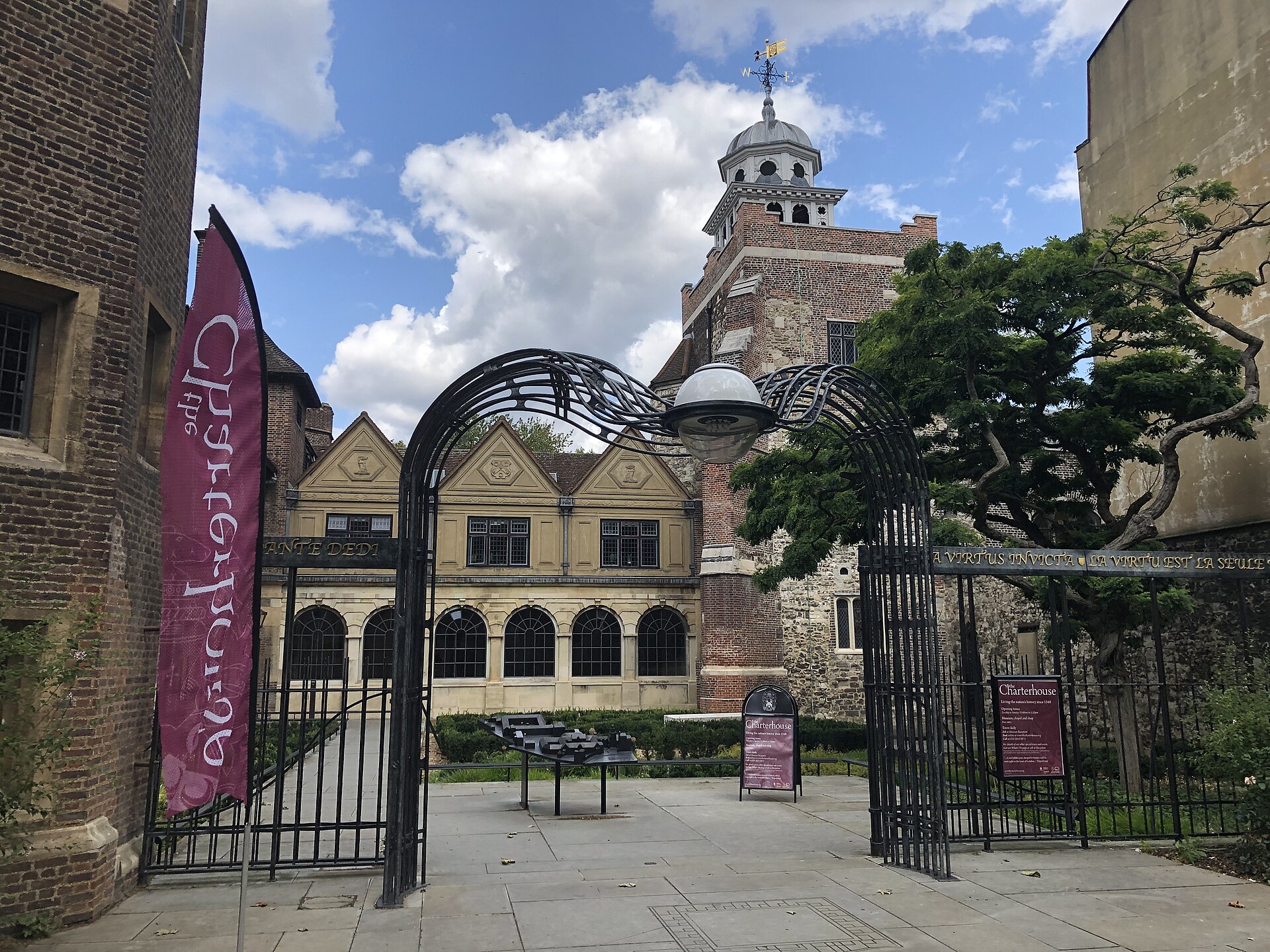
If you think London's history is dark, you haven't been standing on the ground at The Charterhouse. You are literally standing on top of twenty thousand bodies.
When the Black Death arrived in 1348, the churchyards couldn't cope with the sheer scale of death, and this site became one of the largest mass burial pits. An estimated twenty thousand plague victims were dumped here in layers, covered with quicklime and buried.
It’s a layered history—a plague pit, a monastery, a Tudor mansion, and still an almshouse today. And the history isn't just legend: Crossrail excavations in 2013 found skeletons with confirmed Yersinia pestis, or plague bacteria, DNA. It’s a visceral piece of history that feels less like a museum exhibit and more like walking through time itself.
Tate Modern
The best part about Tate Modern is that it used to burn oil to power London. It was the Bankside Power Station, and its conversion into a world-class art museum is one of the great architectural reinvention stories.
Sir Giles Gilbert Scott designed the original power station, the same architect who designed the iconic red telephone box. The building operated from 1947 to 1981, generating electricity for thirty years. Now, it generates conversation.
The Turbine Hall, a massive 155 metres long and 35 metres high, was preserved as a single exhibition space. This is a free spectacle of industrial grit meeting contemporary art. You can wander through the immense, cavernous space and see why over 60 million visitors have experienced it since the museum opened in 2000.
The John Snow Pump
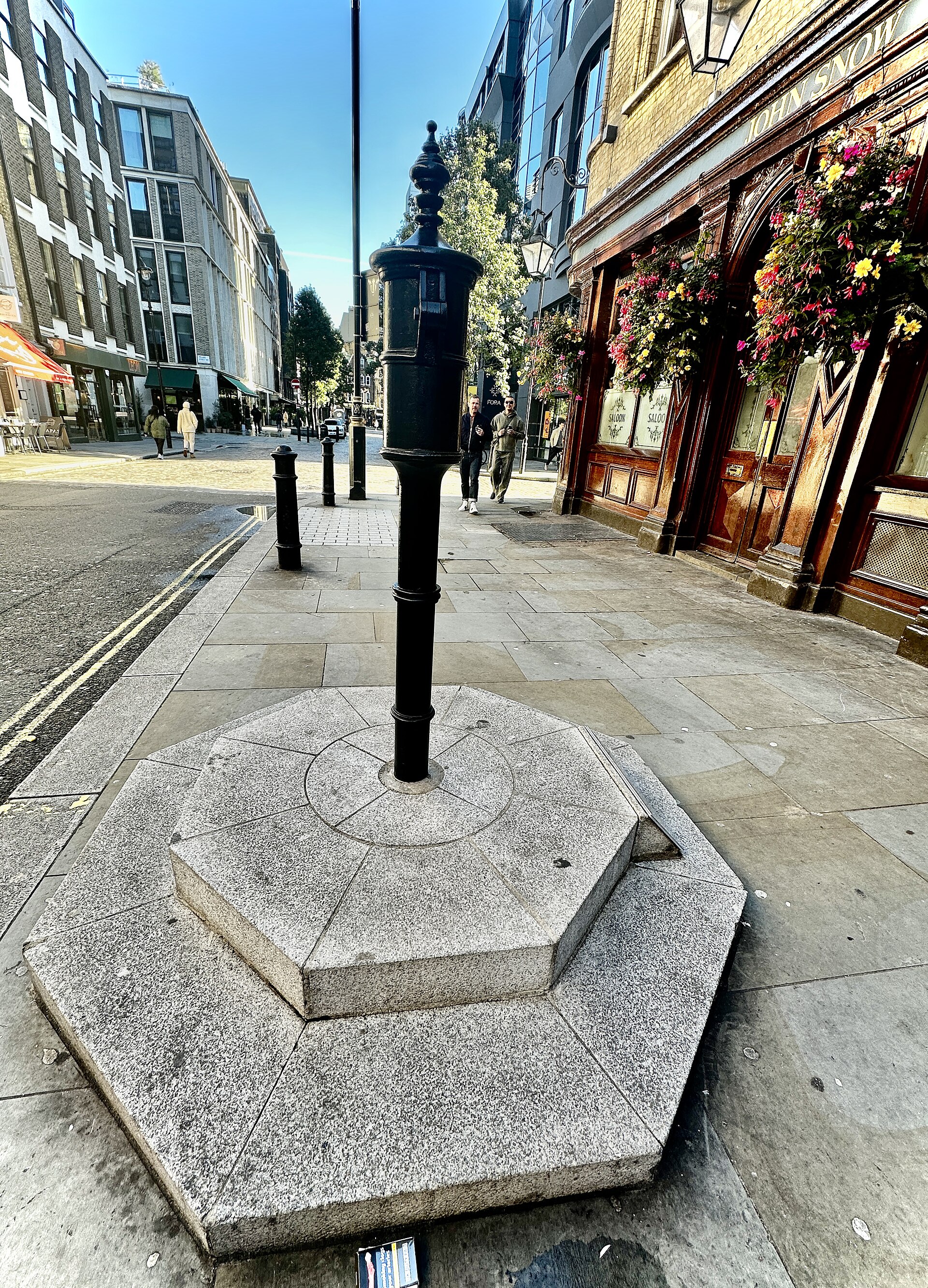
You are standing at the spot where modern epidemiology was born, and all you need is a replica water pump.
The pump you see in front of you marks the exact location of the Broad Street pump that killed six hundred and sixteen people in the summer of eighteen fifty-four. At the time, doctors genuinely believed cholera was spread by miasma—bad air, foul smells.
But a local physician named John Snow mapped the deaths and traced them to this single source. The contamination came from a cesspit less than one metre away leaking sewage. The replica pump even has no handle, deliberately referencing Snow's famous removal of the original handle after the outbreak was already subsiding.
Barbican Conservatory
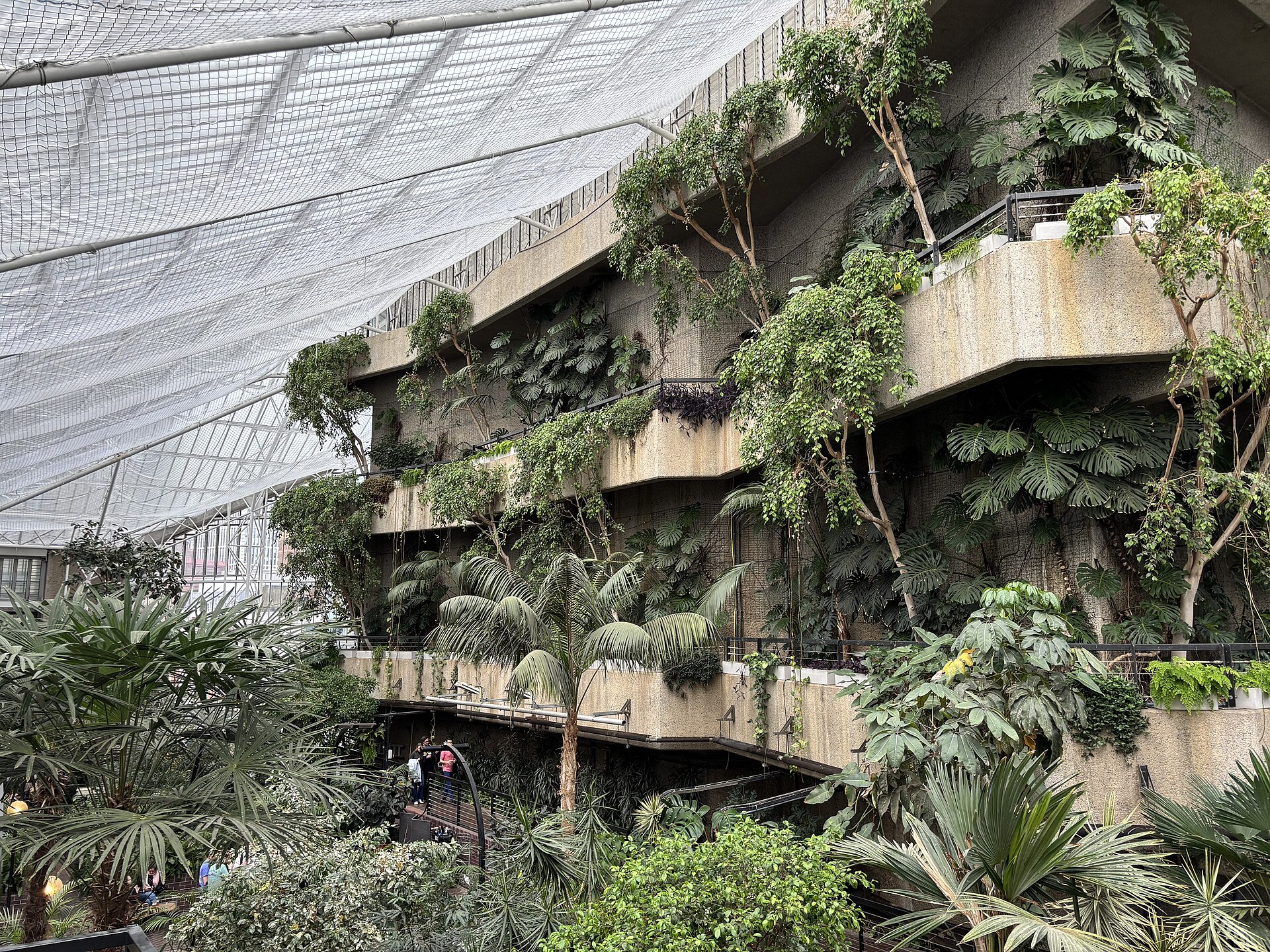
Sometimes the most stunning, free things in London are completely hidden in plain sight. Six storeys above the stage of the Barbican Theatre, you will find a tropical rainforest.
This is the Barbican Conservatory, a humid jungle perched atop a brutalist concrete performing arts centre. It is the second-largest greenhouse in London after Kew, covering 23,000 square feet.
The conservatory houses around 1,500 species of tropical plants, many of them rare. It’s an astonishing contrast to the concrete architecture around it. It reminds you that nature can find a way, even when confined to a jungle built on top of a theatre fly tower.
Dead Man's Hole (Tower Bridge)
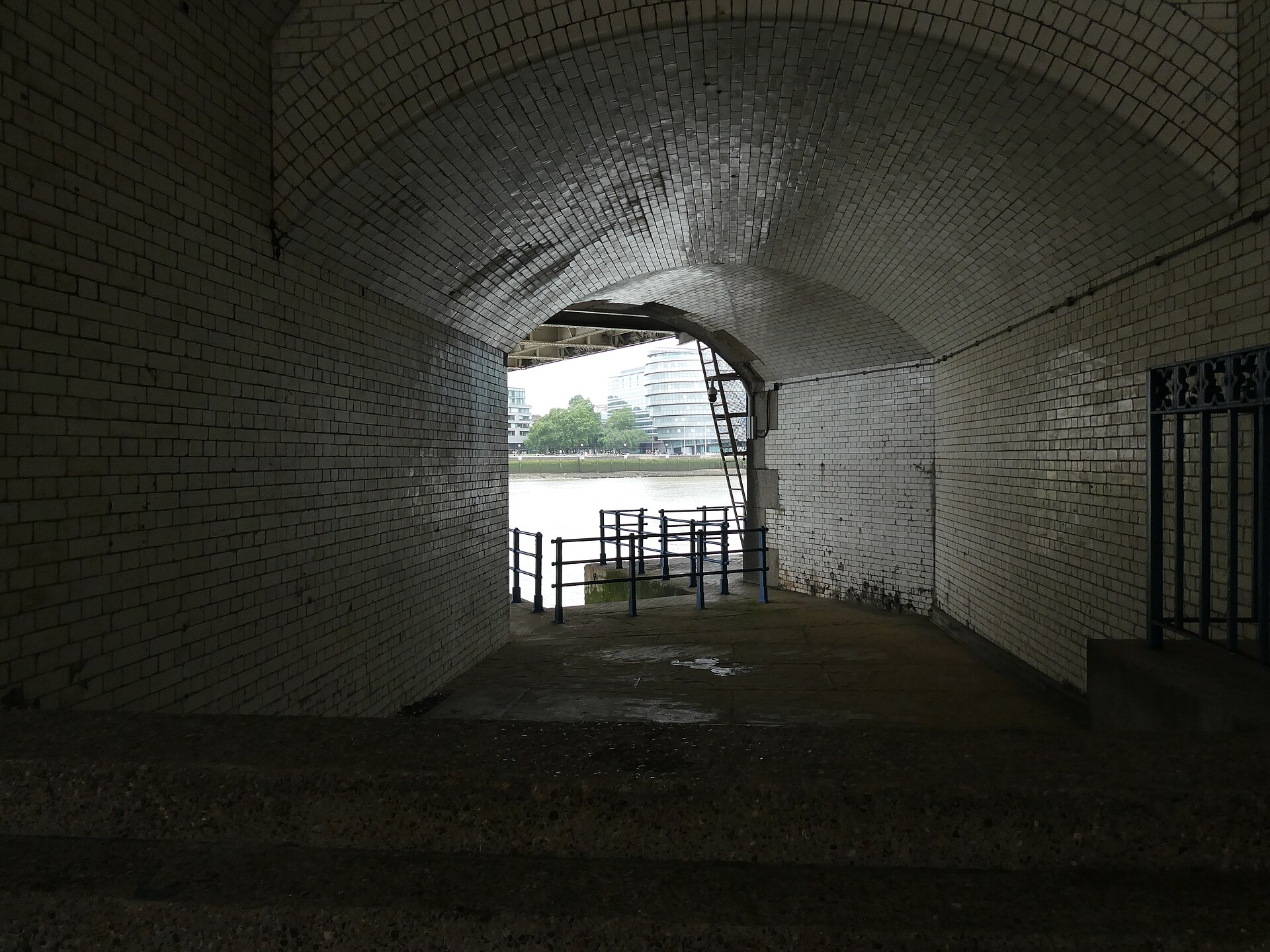
Walk along the north side of Tower Bridge, toward the Tower of London end, and look down at the river's edge. There's a small, tiled alcove built into the bridge's northern abutment. This is Dead Man's Hole, and the name is not a metaphor.
Due to the tidal currents of the Thames, this specific spot was a natural body-collection point. The white tiles lining the alcove weren't decorative; they were practical, installed because decomposing corpses would explode from gas buildup.
It’s a startling piece of public infrastructure. It’s a spot that history has literally deposited bodies, and it’s entirely free to observe, a quiet testament to the unpredictable power of the river.
Crossbones Graveyard
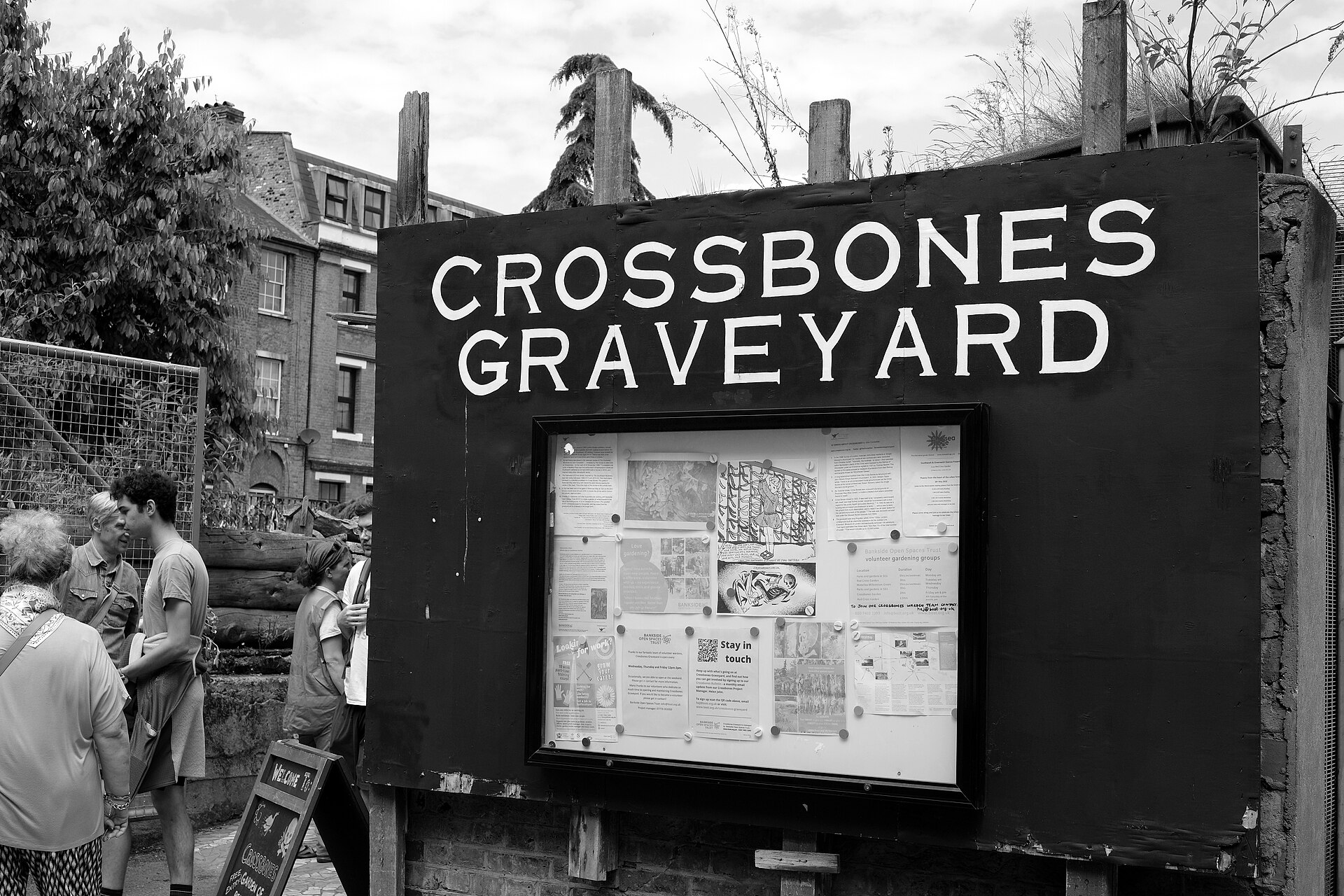
This narrow Southwark side street sits on top of an estimated fifteen thousand bodies. The story of who is buried here tells you everything about medieval London's relationship with hypocrisy.
It was originally an unconsecrated burial ground for Winchester Geese, prostitutes licensed by the Bishop of Winchester in the lawless zone called the Liberty of the Clink. Before its closure in 1853, it was a place where people were buried regardless of status.
Archaeologists have found bodies here with signs of smallpox and tuberculosis. Now, it serves as an official Garden of Remembrance, a place that quietly honors the forgotten lives of the medieval period.
Postman's Park and the Watts Memorial
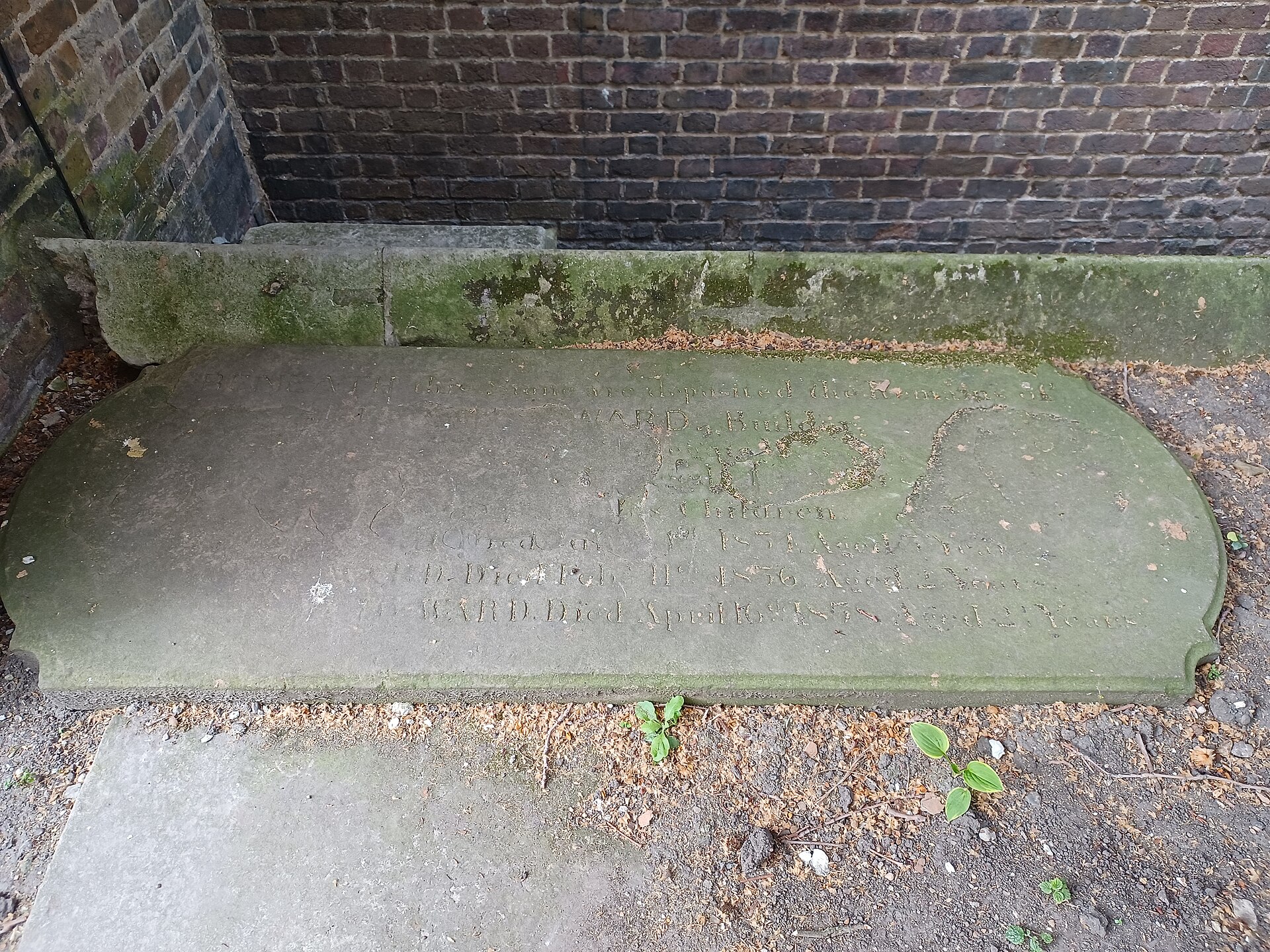
Tucked behind St Paul's Cathedral, through a gate most people never notice, is a small park with a wooden shelter. Under that shelter are fifty-four ceramic tiles.
Each tile tells the story of an ordinary person who died saving a stranger. You can read accounts like "Solomon Galaman, aged eleven, died of injuries September sixth eighteen-oh-one, after saving his little brother from being run over."
It's a surprisingly poignant memorial, a free outdoor gallery that keeps the memory of everyday heroism alive. The tiles are a quiet, powerful reminder that the greatest stories are often written by the most ordinary people.
St Dunstan in the East Church Garden
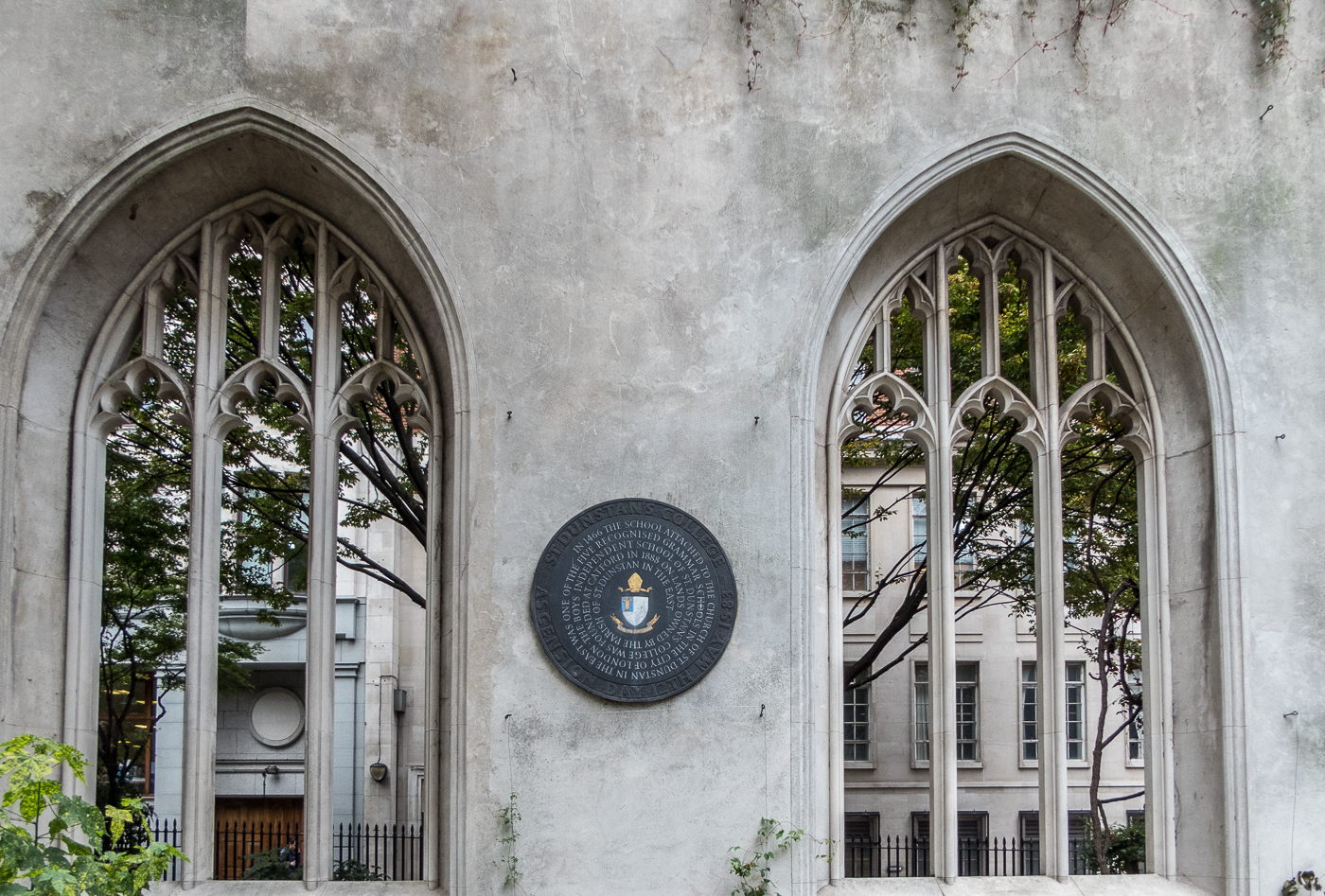
You are about to walk into one of London's most quietly extraordinary places: a roofless medieval church where nature has taken over.
The original church dates back to Norman times, around 1100. After the Great Fire of sixteen sixty-six, Christopher Wren added an elegant Portland stone steeple. But after the night of the tenth, the building was bombed in 1941, destroying everything except the north/south walls and Wren's steeple.
In 1970, the City of London chose not to rebuild or demolish it. Instead, they left the shell as a public garden, a living memorial. It’s a perfect example of history and nature coexisting, entirely free to wander through.
These places—from the deep, forgotten layers of Crossbones to the vibrant tropical foliage of the Barbican—prove that the most compelling parts of London are the ones that don't require a ticket. They are the stories built into the infrastructure, the forgotten spaces, and the natural resilience of the city itself. If you want to truly understand the depth of London's free history, you need to walk it. Use the VoiceWalks app to trace these incredible, free stories right to your feet.