AC/DC Lane
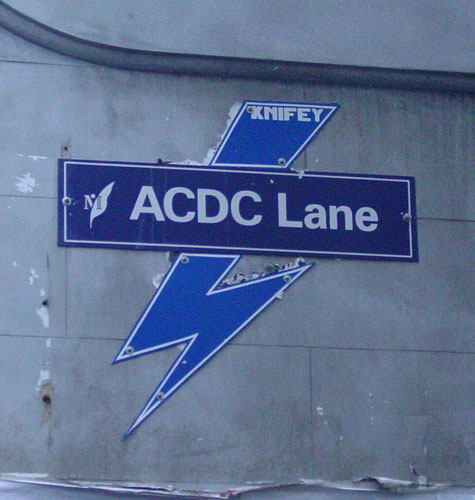
In 2004, an anonymous service alley known simply as Corporation Lane was unanimously voted to rename. Now, you are standing in a laneway dedicated to the band that gave this city its hardest rocking anthem. This isn't just a cool backdrop for photos; it’s a piece of Melbourne’s living history, a place where a simple passage was elevated to cultural monument.
The Lord Mayor John So launched the renaming with bagpipers playing "It's a Long Way to the Top." If you look closely at the history, you’ll see the connection: the famous "It's a Long Way to the Top" music video was filmed right here, on a flatbed truck rolling down Swanston St in 1976.
It’s a perfect example of Melbourne's knack for making the mundane electric. If you're looking for unexpected things to do in Melbourne, start here. Walk down the lane and check out the Bon Scott sculpture, created by Mike Makatron in 2018 through the Rockin' the Laneways programme.
Birrarung Marr
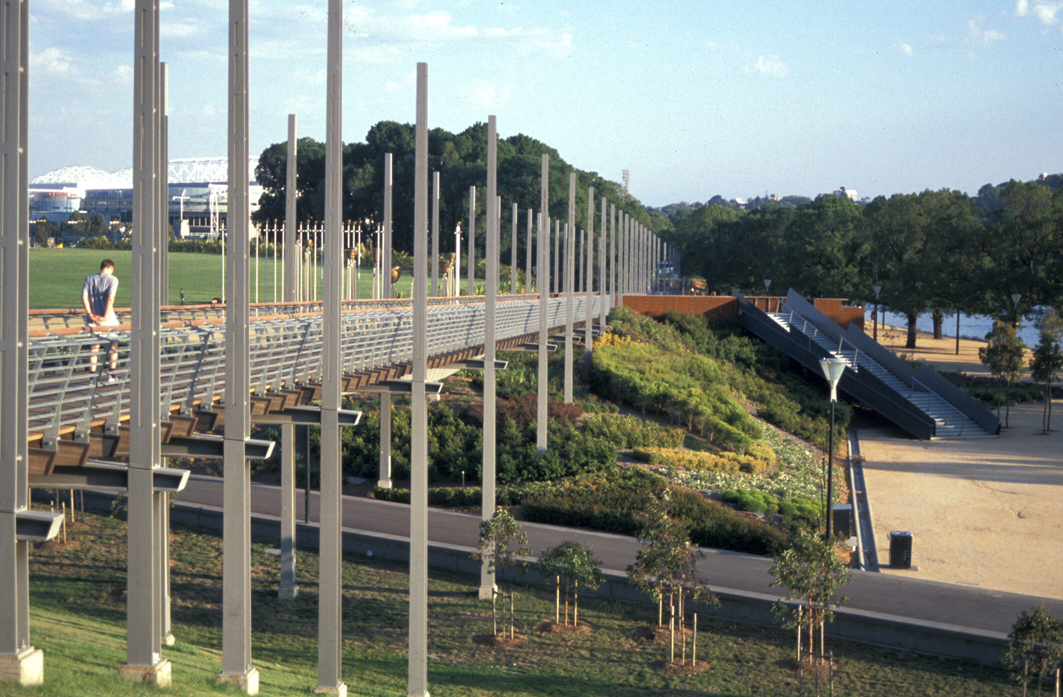
Melbourne's newest major park, Birrarung Marr, is a place where the city's original name is literally honored. The name itself—Birrarung Marr—is a profound act of cultural recognition, meaning 'bank of the river of mists' in the Woiwurrung language of the Wurundjeri people. This significance cannot be overstated, as the Yarra River's English name is actually a colonial mishearing.
The site itself is a story of transformation. For most of the 20th century, this land was nothing more than rail yards and industrial wasteland. When the park opened in 2002, it was 8 hectares of reclaimed space, costing $15.6 million.
As you wander through the park, keep an eye out for the Birrarung Wilam art installation. It features an eel-shaped pathway and five Kulin Nation shields. You will also see the William Barak bridge, named after a Wurundjeri diplomat and artist. It’s a powerful reminder that the things worth seeing in Melbourne are often the ones that honor the land beneath your feet.
Block Arcade
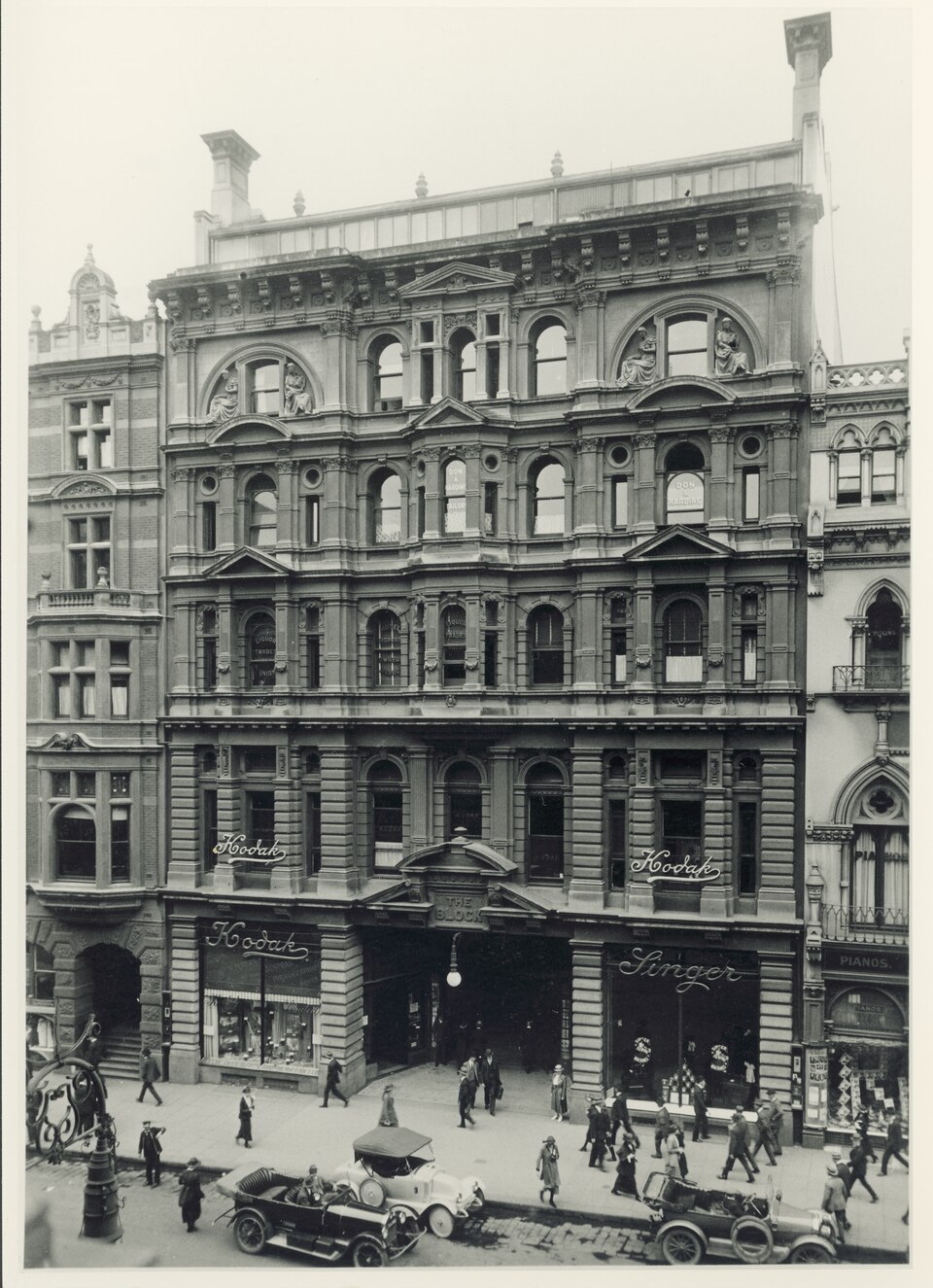
If you could walk into a postcard version of Victorian wealth, you would find the Block Arcade. Built between 1891 and 1893, this structure was designed by Twentyman and Askew right at the peak of Melbourne’s gold rush boom. Everything about it screams money and confidence.
The craftsmanship is overwhelming, but look down first. The mosaic tiles covering the floor were imported from Italy and laid by Italian craftsmen. Then, lift your gaze to the glass canopy, supported by wrought iron, and notice the timber shop fronts.
The design was even inspired by the Galleria Vittorio Emanuele II in Milan, and the whole place was named after the social practice of 'doing the block' promenade. Pop into Hopetoun Tea Rooms; they have been operating inside since 1892. It’s a gorgeous, preserved moment in time that feels impossible to replicate today.
Coop's Shot Tower
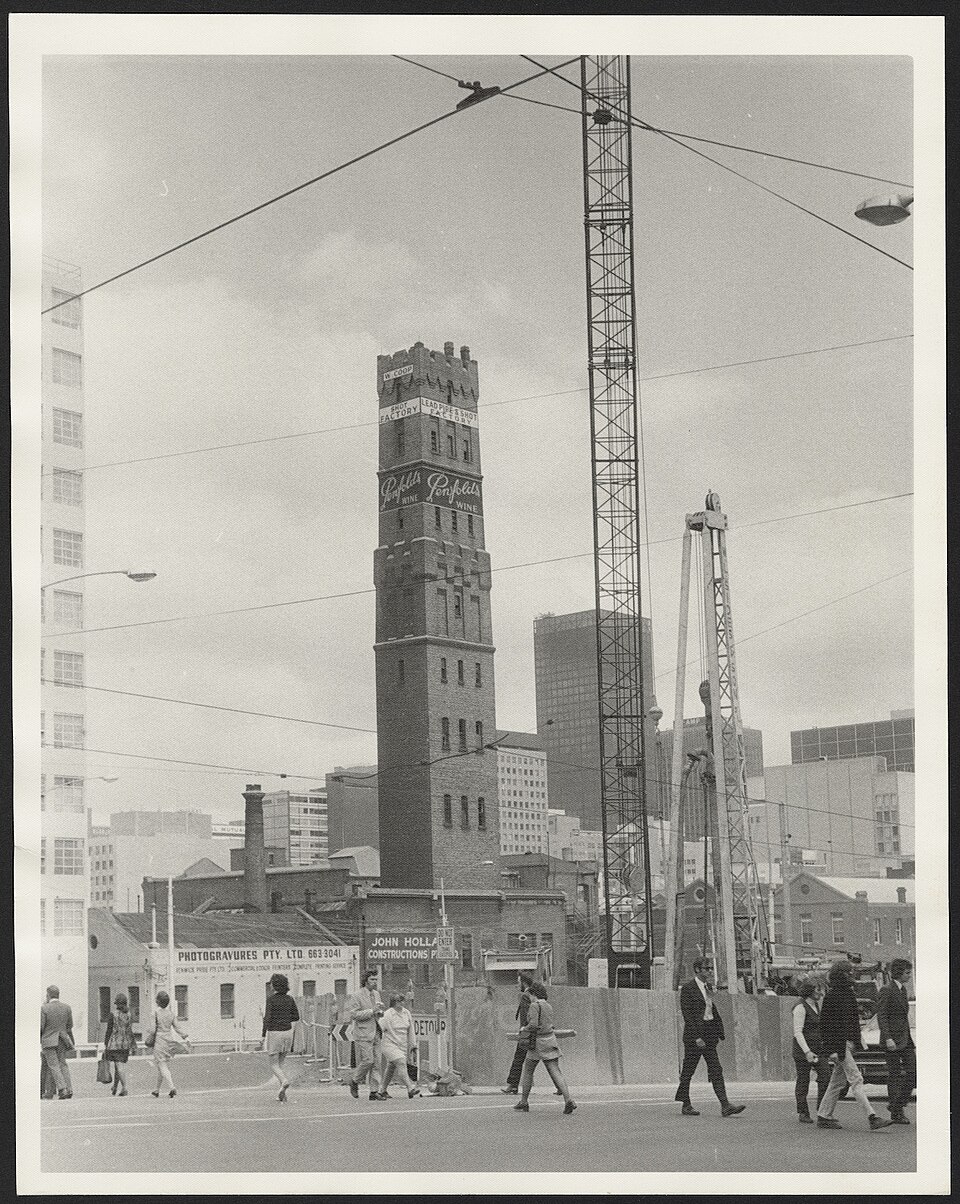
Sometimes the best things to do in Melbourne are found in the most unexpected industrial relics. Standing inside a shopping centre, you are enveloped by a fifty-metre-tall industrial chimney that is the subject of Coop's Shot Tower. This structure is an unlikely survivor—a Victorian-era factory encased in a massive glass cone designed by Japanese architect Kisho Kurokawa.
It is a fascinating architectural collision: 1880s brickwork wrapped in 1990s glass. The tower was originally built for making lead shot, a process that involved dropping molten lead through a copper sieve into a water pool.
The fact that developers were forced to build *around* this heritage-listed tower is wild. If you listen, the clock at the base plays "Waltzing Matilda" on the hour, adding a quirky, temporal layer to this massive piece of engineering.
Curtin House and Rooftop Cinema
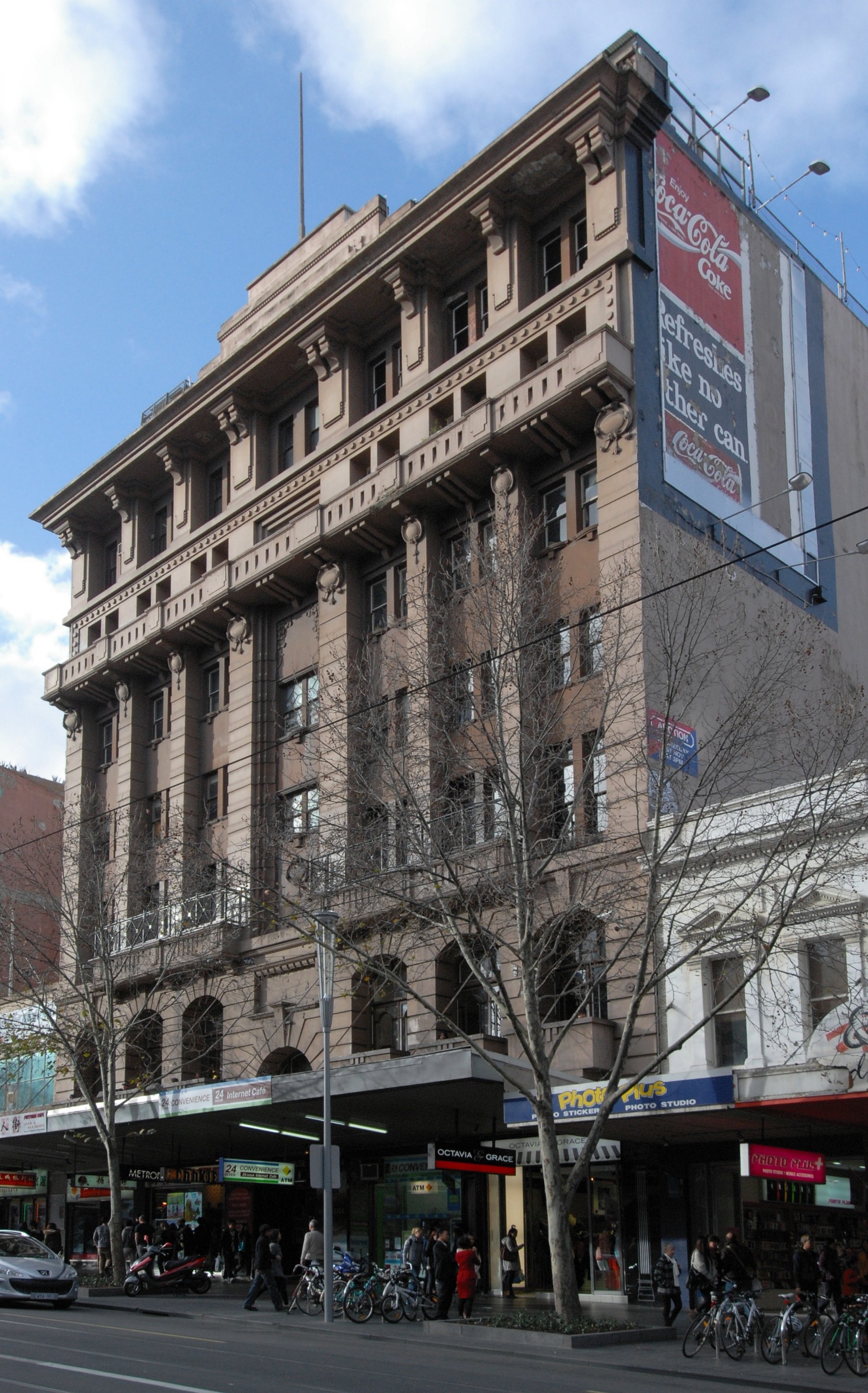
From the street, Curtin House looks like any other early twentieth-century office building, but it is what Melburnians call a vertical laneway. This six-storey Commercial Palazzo building, constructed in 1922 for the Tattersalls Club, has layers of culture stacked on top of each other like a cake.
Each floor is colonized by a different bar, restaurant, or creative venue. But the absolute showstopper is the very top: Melbourne's first rooftop cinema.
The building was named after Prime Minister John Curtin, who died in office in 1945. The rooftop cinema itself opened in 2006, offering a unique view. You can find the retractable Art Deco-inspired metallic awnings that were added during a 2017 renovation, giving you a taste of its ongoing modern life.
Degraves Street
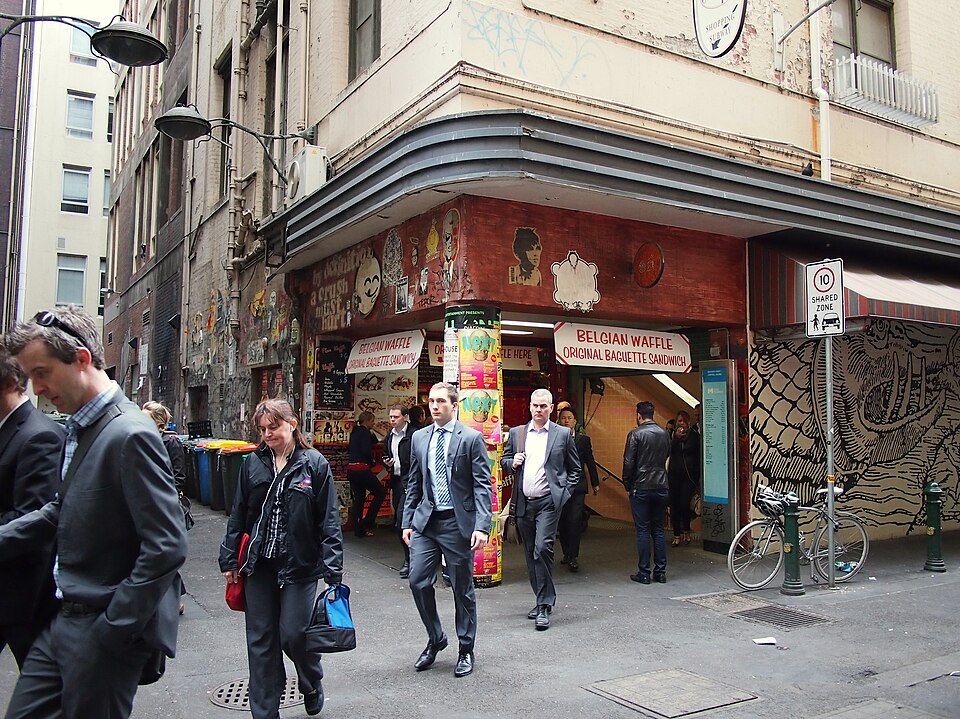
You probably got your first Melbourne flat white in this narrow lane. Degraves Street is the postcard definition of laneway culture, but if you look beneath the surface, you find an entire subterranean world.
The lane was named after William and Charles Degraves, who built a steam flour mill here back in 1849. But the deeper secret is the Degraves Street Subway. This underground tunnel was built in the 1950s, timed perfectly for the 1956 Olympic Games.
The subway itself is a masterpiece of Art Deco design, featuring black granite columns and pink mosaic tiles. While the City Loop arrival in the early 1980s reduced its pedestrian traffic, the underground bluestone cellar from the 1850s flour mill still exists, offering a glimpse into the city's deep, operational past.
Eureka Tower
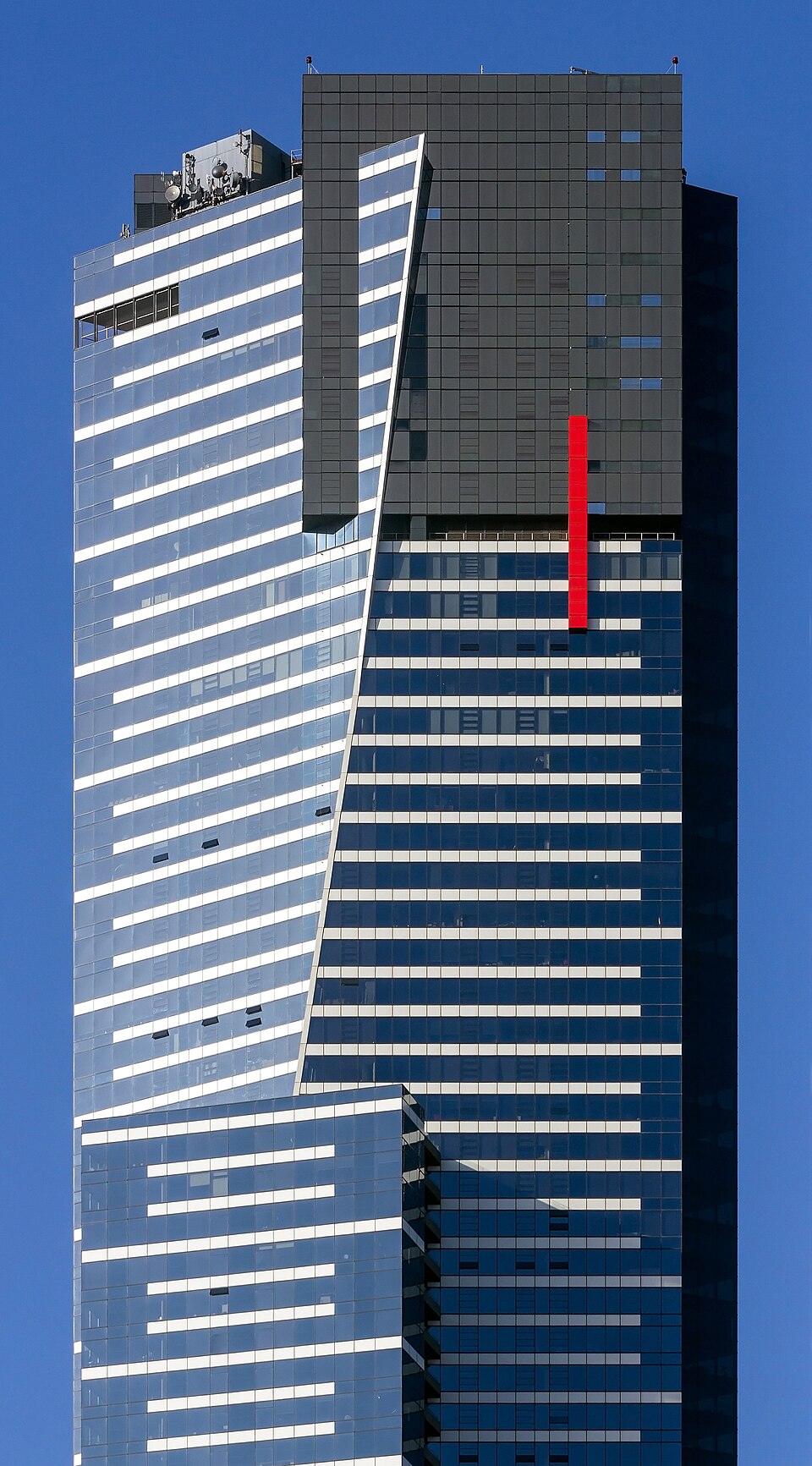
Most people walk past this skyscraper dominating the Southbank skyline, but it is telling a deep story about rebellion. Eureka Tower stands 297 metres tall with 91 storeys, and almost every design element references the Eureka Stockade of 1854.
This uprising of gold miners against colonial authorities is considered a founding moment of Australian democracy, and the building makes sure you remember it. The top 10 floors have windows coated in 24-carat gold, and the structure itself tells a story through color: the red stripe represents blood, and the blue glass represents the Eureka flag.
The observation deck, located at 285m, is the highest public vantage point in the Southern Hemisphere. The gold crown at the top represents the gold rush itself. It’s a potent, architectural monument to Melbourne's spirit.
Federation Square
When this square opened in 2002, Melburnians hated it. The angular, fractured geometry, designed by Lab Architecture Studio and Bates Smart, was initially criticized as everything from a bombed-out ruin to a pile of broken tiles.
But here is the twist: the building that was once despised is now so beloved that when Apple tried to build a flagship store here in 2017, the public outcry defeated the proposal.
The square, which opened over active rail yards on a concrete deck, uses a pinwheel tiling mathematical system on its facade. It has become a cultural cornerstone, attracting over 10 million visitors annually. It shows that sometimes, the things that look the most chaotic are the ones that become the most essential.
Fitzroy Gardens and Cooks' Cottage
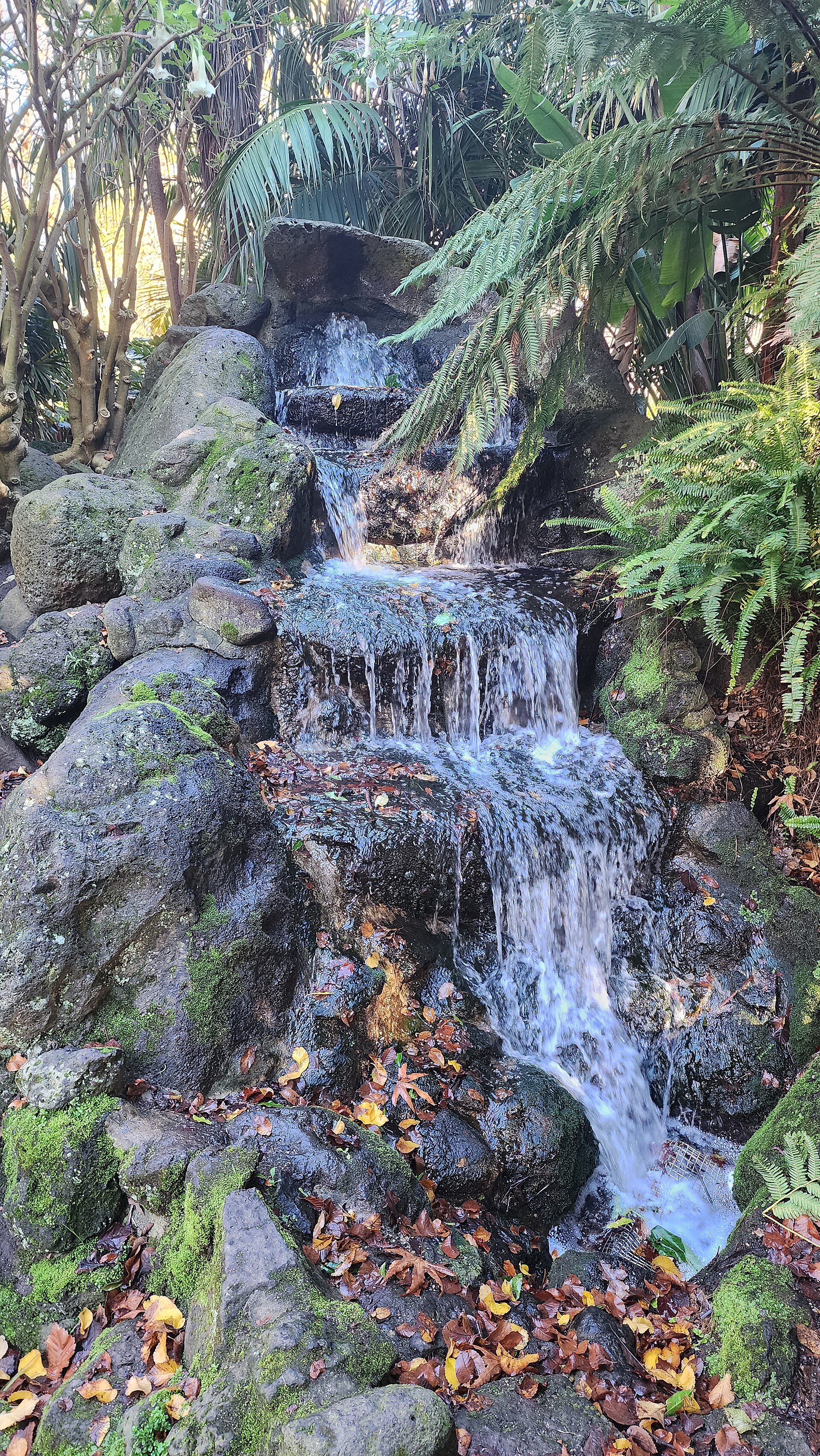
Deep inside the Fitzroy Gardens, there is a cottage that tells a story of global migration. It was shipped brick by brick from Yorkshire, England, in 1934. Every single brick was individually numbered and packed into barrels, transported halfway around the world along with cuttings of the original ivy.
The cottage was originally built in 1755 in the village of Great Ayton, and though it is marketed as Captain Cook's Cottage, James Cook had left home about ten years earlier for the Royal Navy.
Don't miss the Fairies' Tree, carved by Ola Cohn in the early 1930s on a red gum stump that is over 300 years old. This entire area is a testament to history arriving slowly, piece by piece.
Fitzroy Pool and the Aqua Profonda Sign
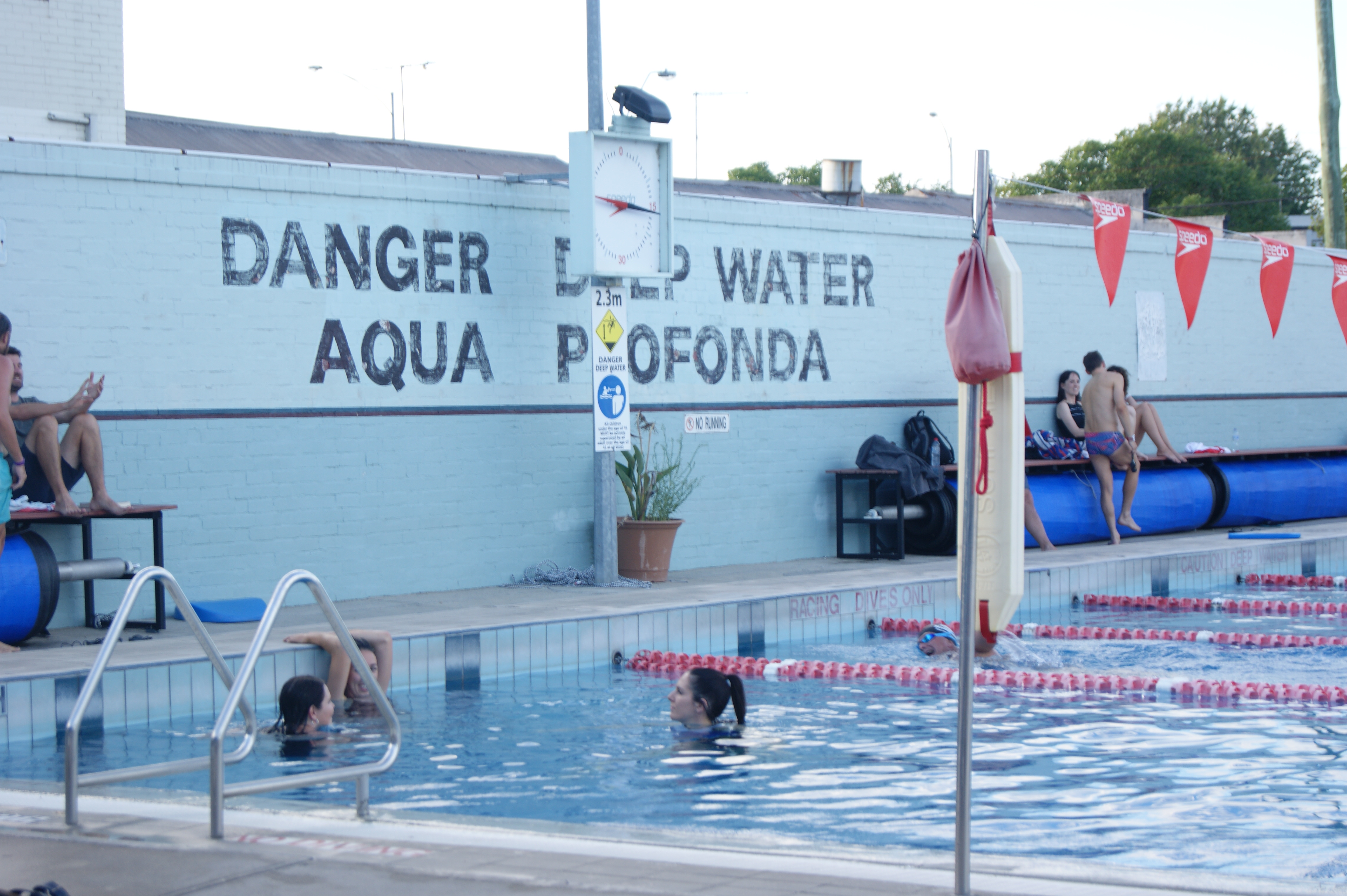
On a brick wall at the deep end of Fitzroy Pool, two words are painted in black letters: AQUA PROFONDA. These words tell one of the most moving immigration stories in Melbourne. The sign is notable because 'Aqua' is actually a misspelling of the Italian 'acqua'—the correct form—but that very human error is what makes the story so perfectly real.
In 1953 or 1954, the pool manager, James Murphy, was constantly rescuing migrant children from the deep end. He painted the sign to tell the story of the deep water.
This heritage-listed sign, which featured the Latin form of 'water,' speaks to the massive influx of Italian-born residents, as by 1954, about 12% of Fitzroy's population was Italian-born. It’s a poignant marker of Melbourne's multicultural soul.
Flinders Street Station
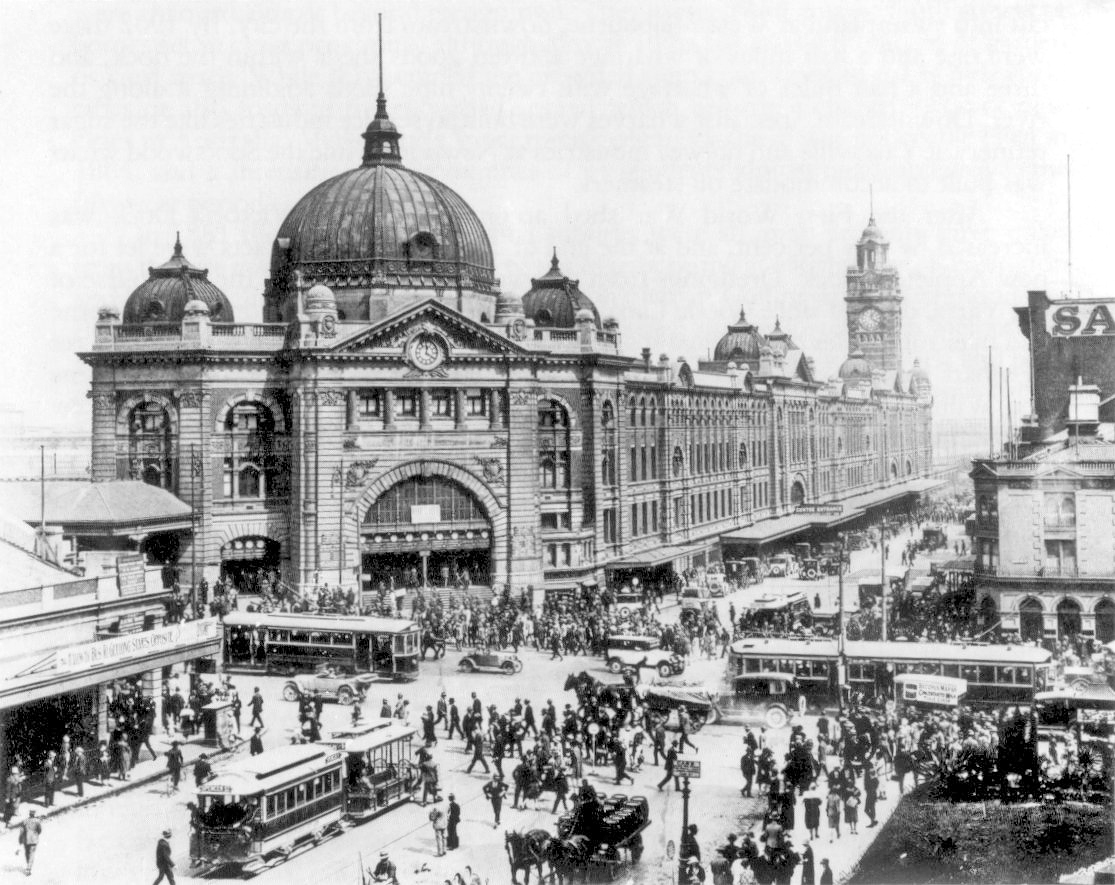
You are looking at perhaps the most recognized building in Melbourne. This station has been the beating heart of the city since 1854, when it became the first urban railway station in all of Australia. The current building, designed by Fawcett and Ashworth, was completed in 1910, boasting that famous yellow facade and green copper domes.
But here is the thing most people walk past without knowing: the upper floors are abandoned. Since 1983, the actual ballroom above Platform One has been closed, along with the gym, library, and billiards room.
The upper floors were once run by the Victorian Railways Institute, which ran clubs for everything from fencing to cat lovers. If you visit, you can check out the fact that artist Rone opened the ballroom for exhibition in 2019, proving that even abandoned spaces can find new life.
Hosier Lane
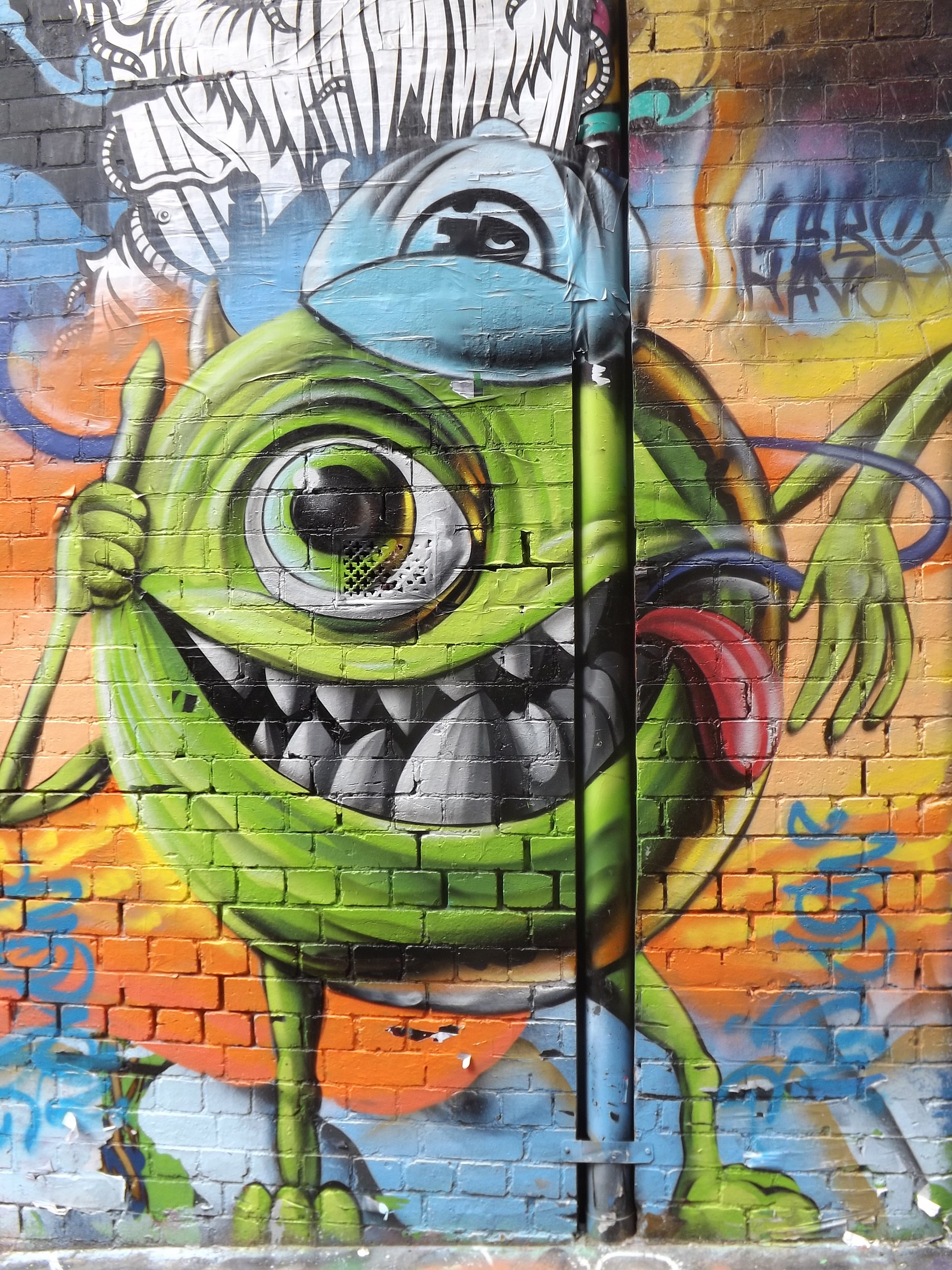
Welcome to what might be the most photographed laneway on the planet. Hosier Lane is Melbourne's street art ground zero, a narrow bluestone corridor where every single surface—from the cobblestones to the drainpipes—is covered in murals, stencils, and tags.
The key thing to understand about this place is that nothing stays put. An artwork that is here today could be painted over by tomorrow morning. That is the point. It is a living, breathing canvas that rejects permanence.
The City of Melbourne designated legal street art laneways in 2007, and while Banksy left stencil works here in the early 2000s, the constant change is the art. It is a raw, unscripted cultural experience.
The best way to experience Melbourne's unique blend of history, art, and forgotten spaces is to walk it. These incredible places—from the opulent Block Arcade to the gritty laneways of Hosier Lane—are spread across the city, waiting to be discovered. Don't try to see it all in one go. Use the VoiceWalks app to plot your perfect, meandering journey and let the stories of Melbourne unfold around you.