Fotografiska
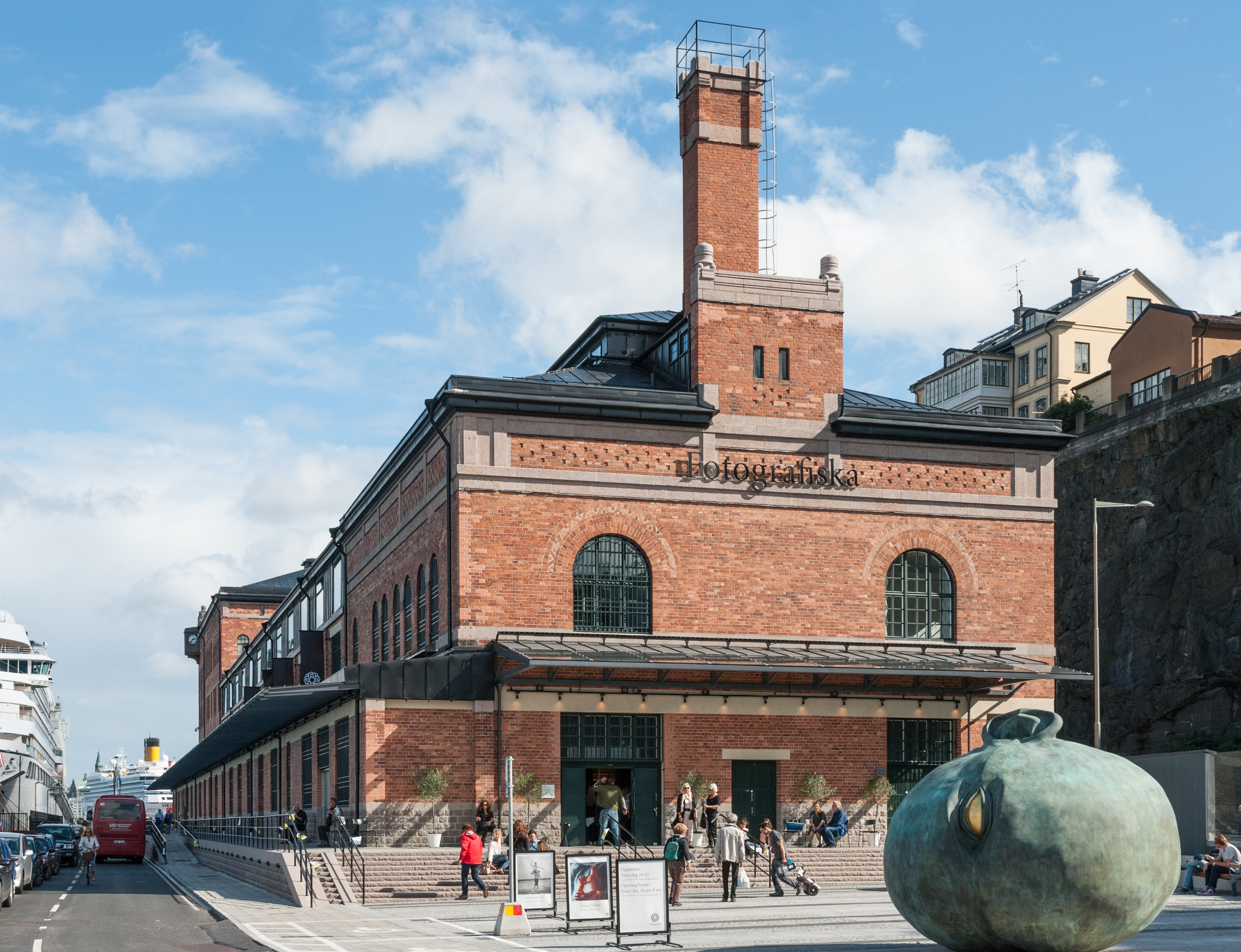
The building you are looking at was not designed for art. It was designed for suspicion.
This is the former Stora Tullhuset, Stockholm's Large Customs House. It was built between 1906 and 1910 by Ferdinand Boberg in the Art Nouveau style. For decades, customs officers stood behind those arched windows, inspecting every single crate, barrel, and shipment that came through Stockholm's harbour. Goods were weighed, taxed, and sometimes seized right where you are standing today.
It’s a fantastic example of how Stockholm repurposes its history. After its customs days, the site was founded in 2010 by brothers Jan and Per Broman. If you're looking for things to do that blend grand, functional architecture with contemporary art, this is it. They show between 15 and 20 exhibitions every year, and the concept has even expanded to locations in Berlin and Shanghai.
Walk through the halls and remember that this structure was originally built to control everything that entered the city. It's a massive piece of functional history that now hosts some of the city's most striking modern photography.
Hallwyl Museum
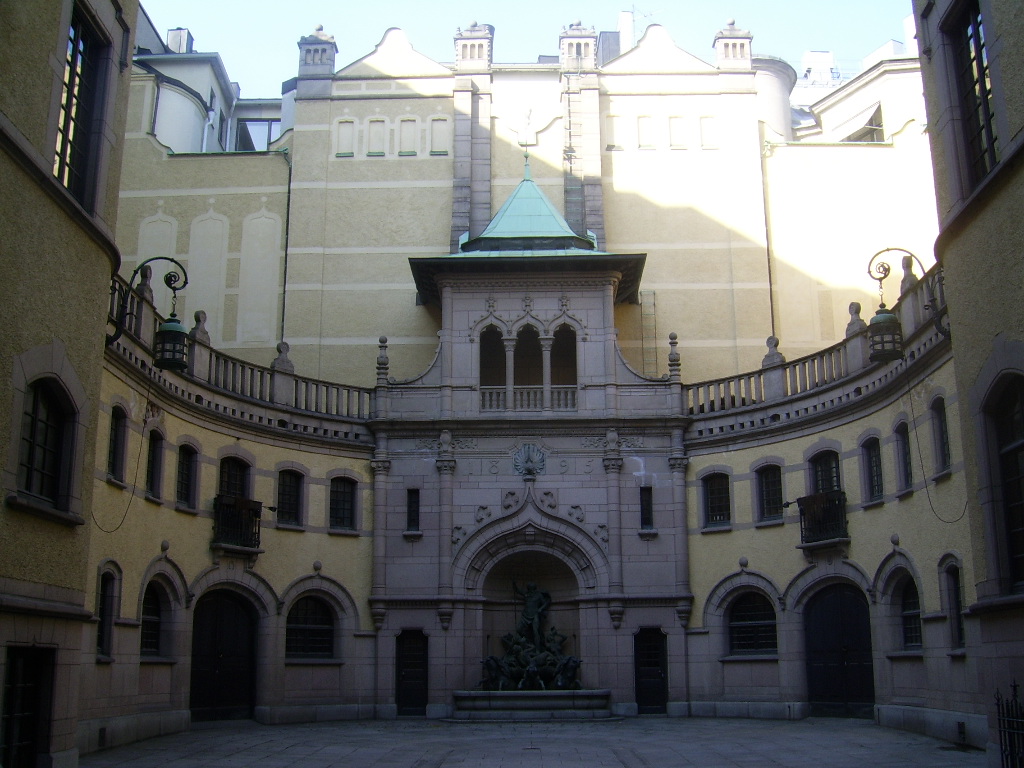
Behind an unassuming facade on one of Stockholm's busiest shopping streets is a palace containing roughly fifty thousand objects.
This is the collection of Countess Wilhelmina von Hallwyl. She wasn't just a hoarder; she was a methodical, obsessive collector who spent her life filling this house. Imagine the sheer scope: paintings, Chinese pottery, silverware, sculptures, textiles, and kitchen utensils. And yes, among the treasures are her own children's baby teeth.
The house itself, built between 1893 and 1898, was equipped with modern amenities for its time—electric lighting, central heating, and indoor bathrooms. When Wilhelmina donated the palace and collection to the Swedish State in 1920, the museum opened in 1938. It remains a deeply personal, sprawling gallery housed in over 40 rooms, offering a profoundly unique look into European aristocratic collecting habits.
Jarnpojken (Iron Boy)
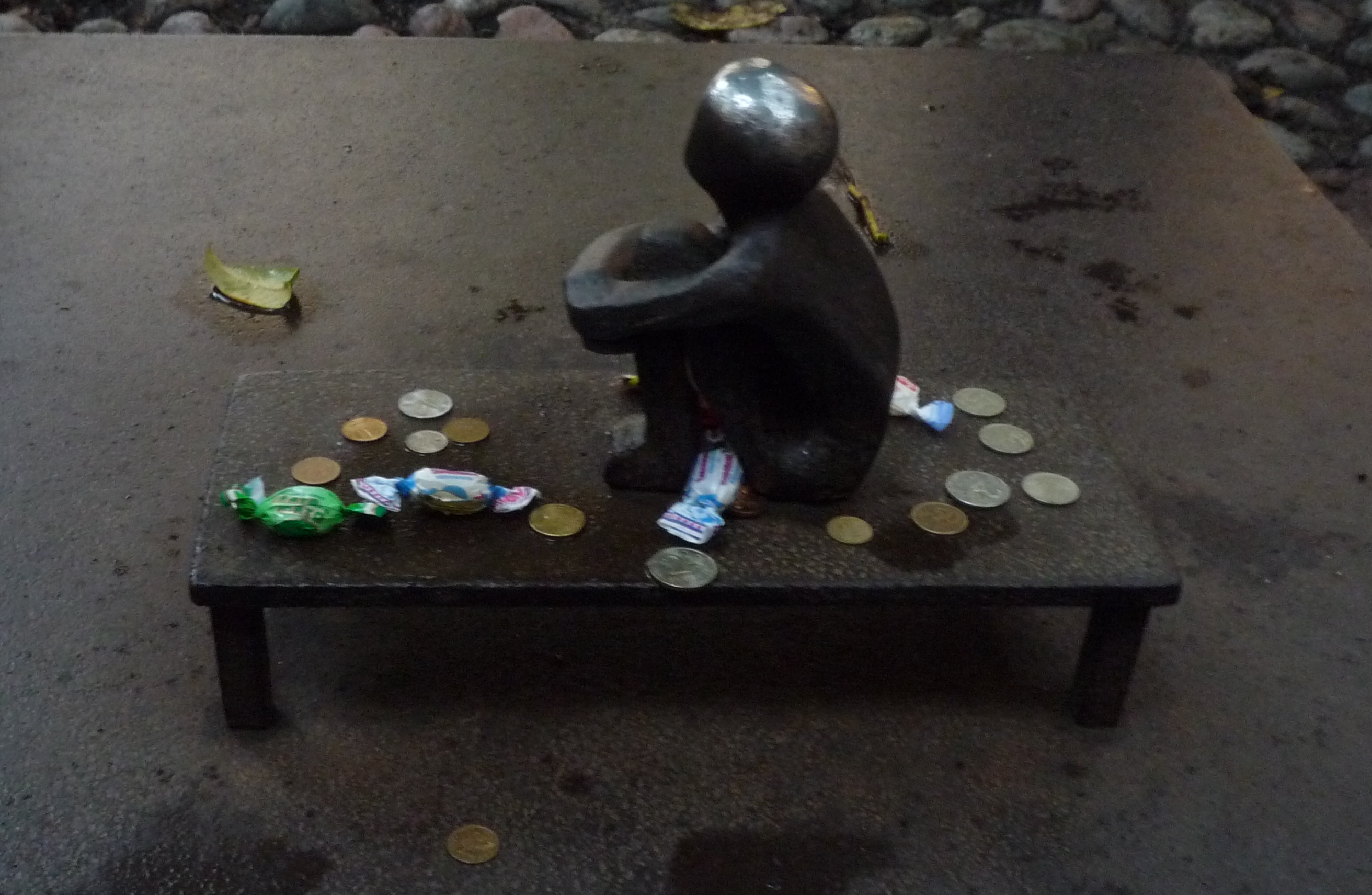
You are going to have to look carefully for this one, because Stockholm's most beloved resident is only fifteen centimetres tall.
Tucked into a tiny courtyard behind the Finnish Church sits Jarnpojken, the Iron Boy. His real name is actually *Pojke som tittar pa manen*, which translates to Boy Looking at the Moon. The sculptor, Liss Eriksson, created him in 1954, inspired by his own childhood memories of sleepless nights.
What makes this little statue a genuine Stockholm oddity is the community around him. Locals spontaneously dress him in knitted scarves and hats depending on the weather and season. The Finnish Church even collects coins left around his plinth, donating them to a fund for needy children in Finland. It’s a perfect little spot that feels like a secret handshake with the city.
K.A. Almgren Silk Factory and Museum
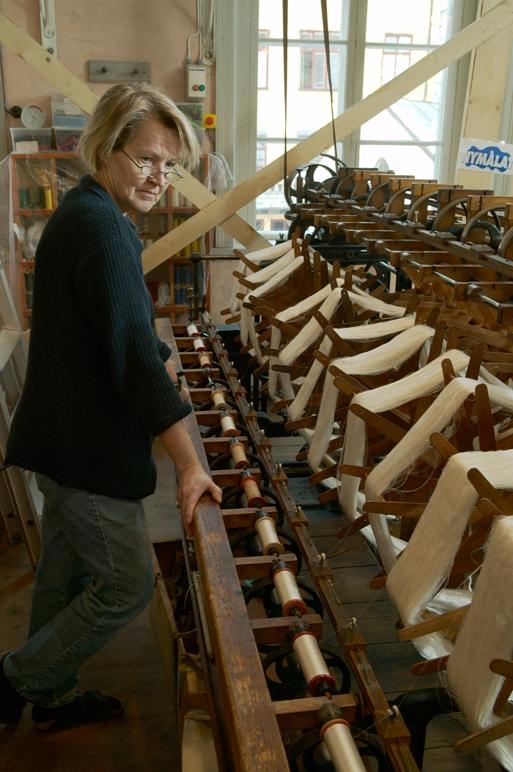
In 1833, a man named Knut August Almgren had a problem. He wanted to build a silk weaving factory in Stockholm, but the best weaving technology in the world—the Jacquard mechanism—was under French export restrictions.
Almgren’s solution was spectacular. He smuggled the weaving mechanisms out of France, hiding them in a shipment of prunes. Prunes. The thought of French customs officers opening crates only to find dried fruit is almost too funny to contemplate.
This museum is a genuine piece of industrial history. It remains the only still-active silk weaving mill in the Nordic region that still uses original 1860s looms. It’s a testament to entrepreneurial grit, having produced fabric for Queen Sofia's coronation gown in 1872 and wall coverings for Stockholm and Drottningholm Palaces.
Katarinahissen (Katarina Elevator)
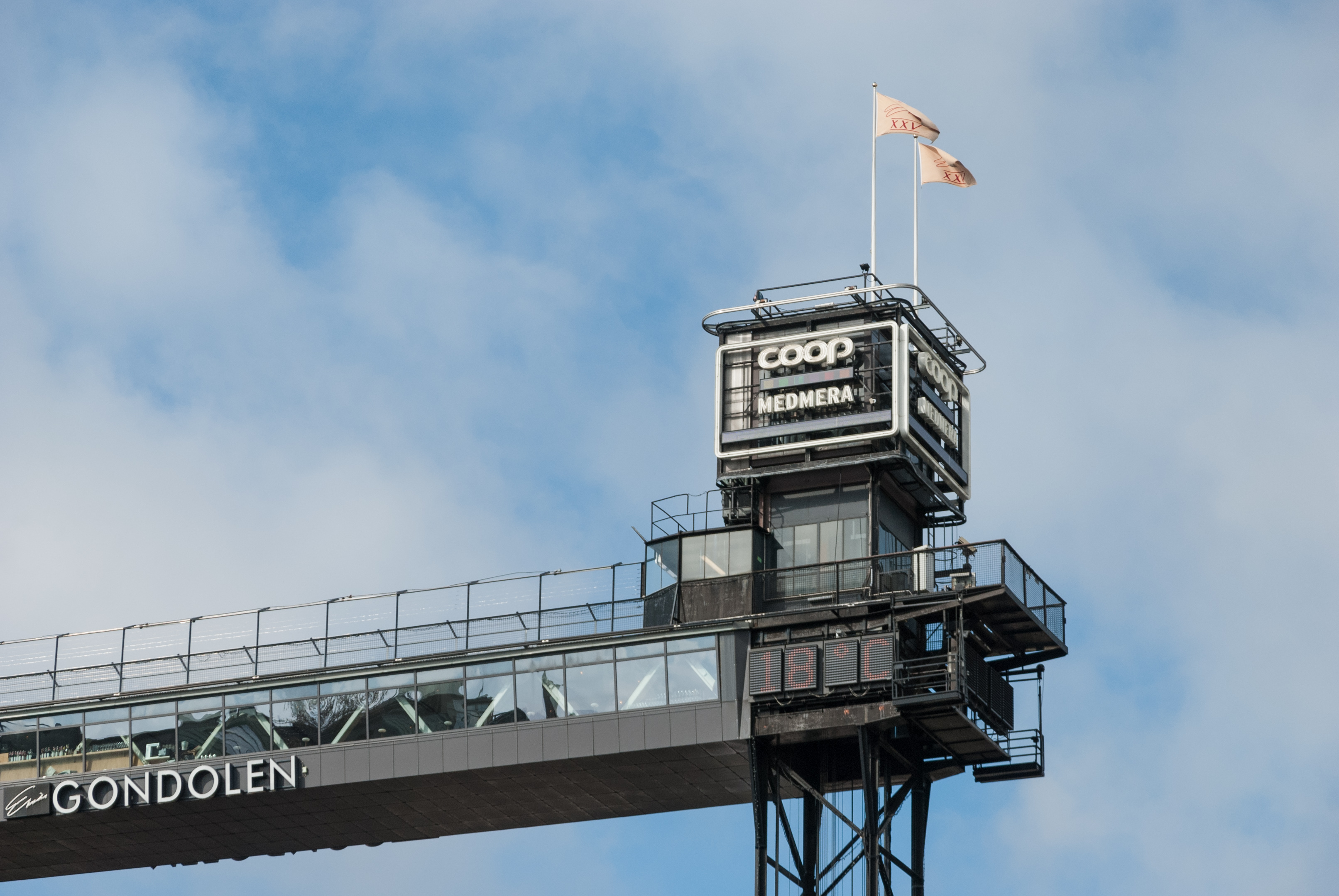
Look up. That structure connecting the waterfront to the top of the Södermalm cliffs is a public elevator, and it has been carrying people thirty-eight metres straight up since 1883.
When it first opened, it was powered by steam and operated with a beautifully absurd pricing system: five ore to ride up and three ore to ride down. Gravity, apparently, came at a discount. While it was electrified in 1915, the original steam power gives it a distinctly old-world charm.
This elevator provides a direct vertical ascent connecting Slussen to the high points of Södermalm. It's a brilliant piece of civic engineering that forces you to pause and appreciate the sheer, practical audacity of early urban infrastructure. Since it reopened on October 19, 2023, it’s a vital part of the modern Södermalm experience.
Kungstradgarden Metro Station
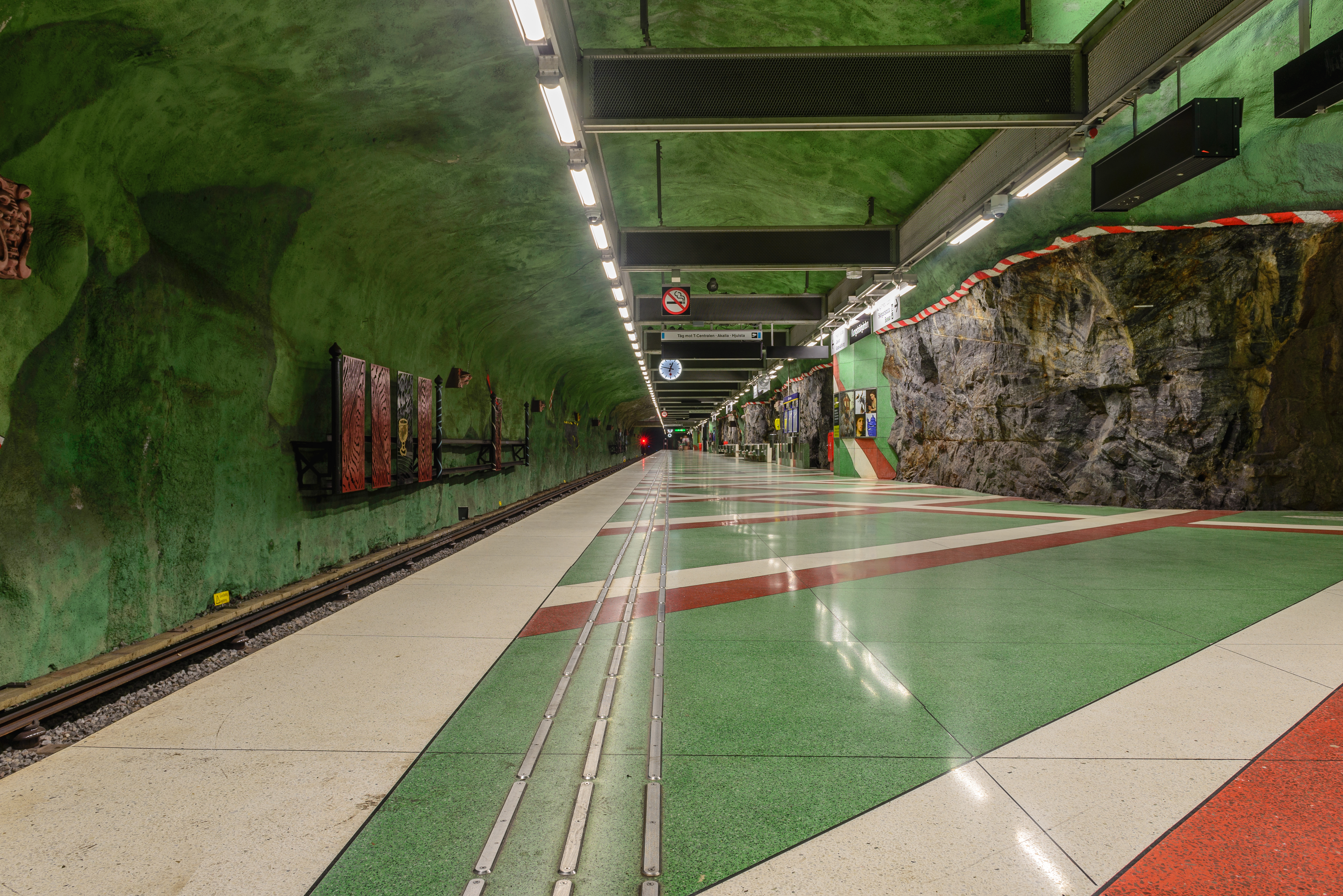
You are about to descend into what looks like an archaeological excavation that someone forgot to finish.
The walls are rough-hewn rock, exposed and unpolished, as if the tunnelers broke through and the artists said, "Stop. Leave it exactly like that." Scattered throughout the station are nearly fifty masks and sculptures that look ancient but have a very specific origin.
These pieces were salvaged from the Makalos Palace, which burned down in 1825. The station was designed by artist Ulrik Samuelson in the 1970s specifically to evoke this underground archaeological theme. It’s part of Stockholm’s metro system, which is often called 'the world's longest art gallery,' with over 150 artists decorating more than 90 of 100 stations since the 1950s. It's a masterclass in art integrated into daily transit.
Marten Trotzigs Grand
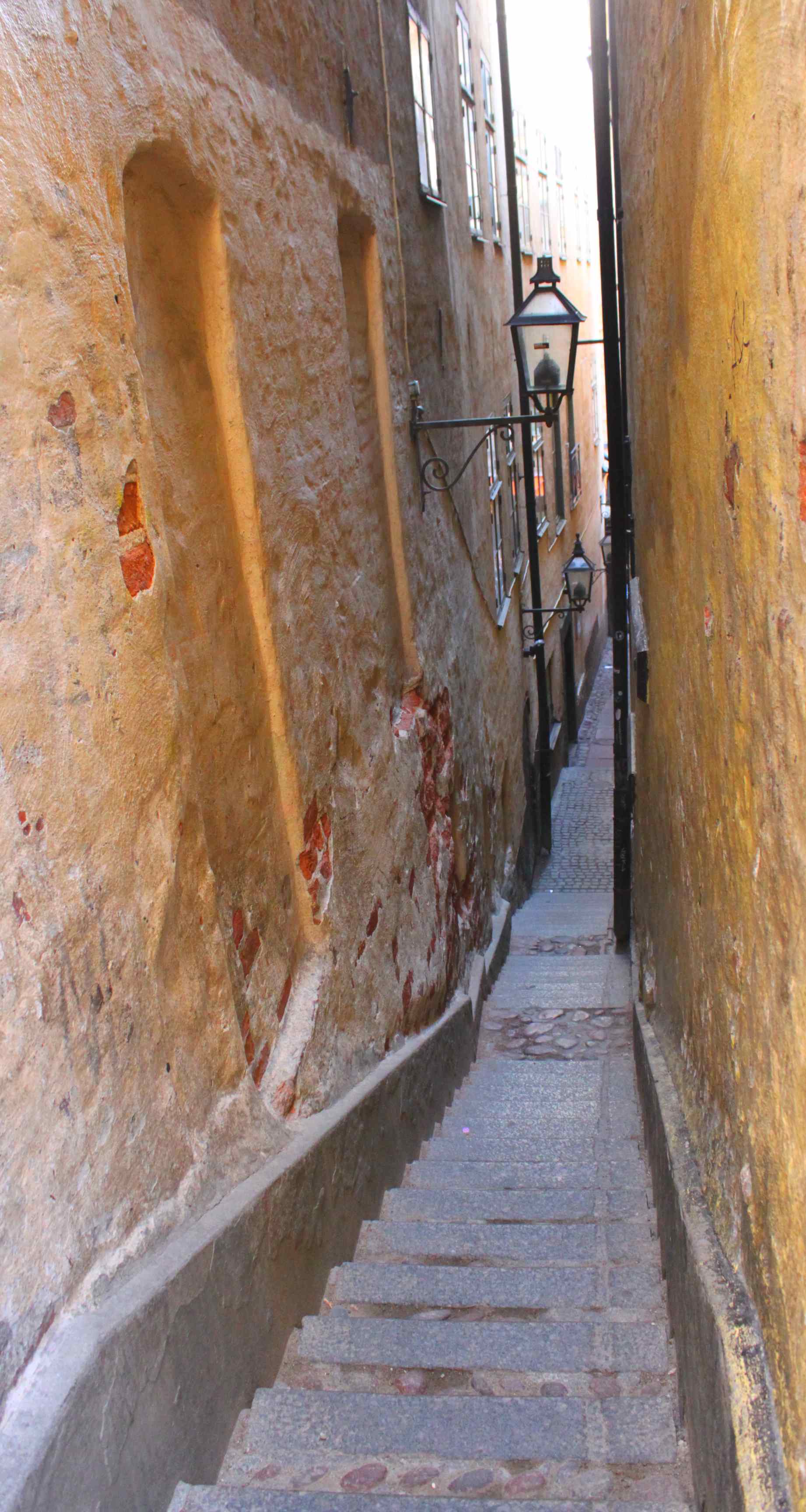
You are about to walk through Stockholm's narrowest street, and honestly, if you are claustrophobic, maybe just have a look from the entrance.
At its tightest point, this medieval alley is only ninety centimetres wide. That is about the width of a standard doorway, except the walls are three storeys of medieval stone pressing in on both sides, and the ceiling is open sky. To navigate it, you must ascend 36 stone steps, sometimes having to turn sideways to let someone pass.
This passageway, named after German merchant Marten Trotzig, was not officially named until the 1940s, despite being used informally for centuries. It’s a genuinely disorienting, intimate experience that makes you feel like you've stepped back into a different century.
Monteliusvagen
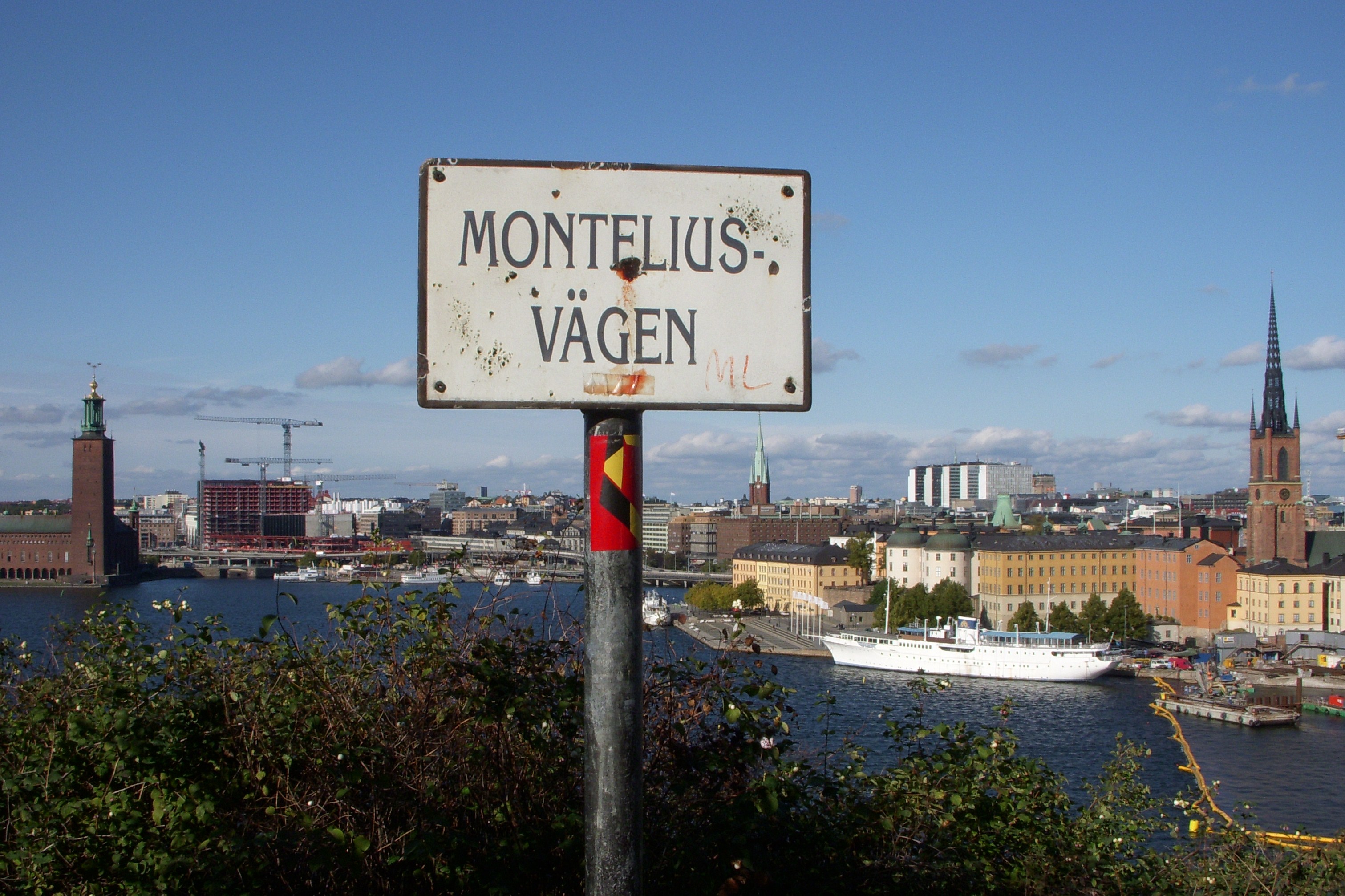
This four-hundred-metre walking path runs along the northern cliffs of Södermalm, offering what many Stockholmers quietly consider the finest view in the city.
To your left, there is a sheer drop. Ahead, you can see City Hall rising from the water, and the spires of Gamla Stan. On a summer evening with the light going gold, the view is genuinely hard to beat. The path is named after Professor Oscar Montelius, a man who lived from 1843 to 1921 and pioneered the typological method of dating archaeological finds.
The best part of this "thing to do" is its wildness. It’s not a maintained tourist path; the city does not plow or maintain it in winter, meaning that from December through March, the cliffs get extremely slippery. It’s an untamed, dramatic spot that frames the city’s architecture against the vast expanse of the water.
Observatorielunden and the Old Observatory
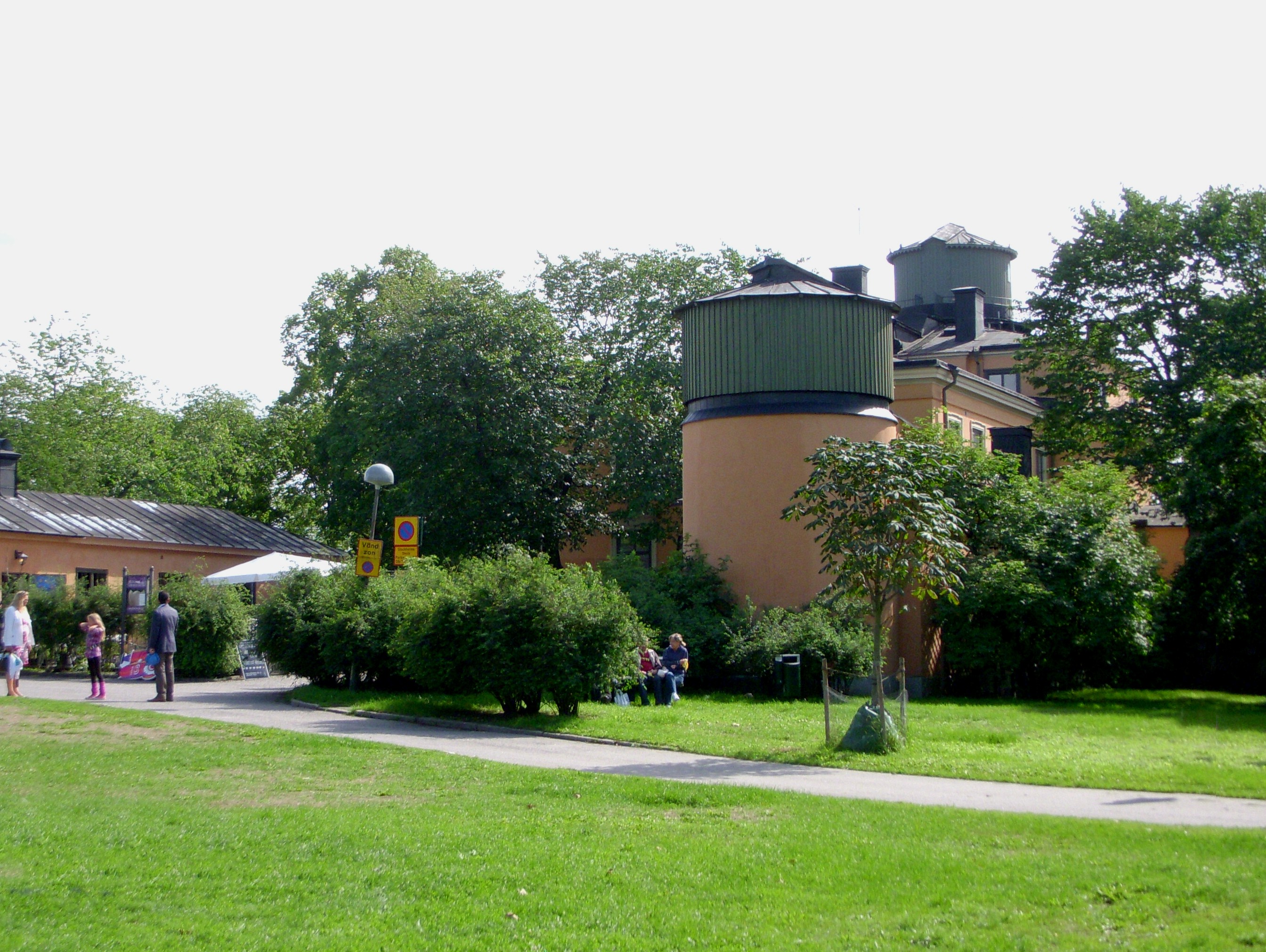
There is a small, elegant building sitting on top of this hill, and it holds a world record that no other place on Earth can claim.
Weather has been recorded here three times a day, every single day, since 1756. That is over two hundred and seventy years of unbroken meteorological observation. Every temperature reading, every rainfall measurement, every barometric pressure notation, all from this one spot.
The Old Stockholm Observatory was built in 1753 by architect Carl Harleman for the Royal Swedish Academy of Sciences. The hill itself is part of Brunkebergsasen, one of the last remaining sections of a glacial esker, a rare piece of nature preserved amidst the urban sprawl. It’s a place where history, science, and nature converge into one incredible viewpoint.
Riddarholmen Church
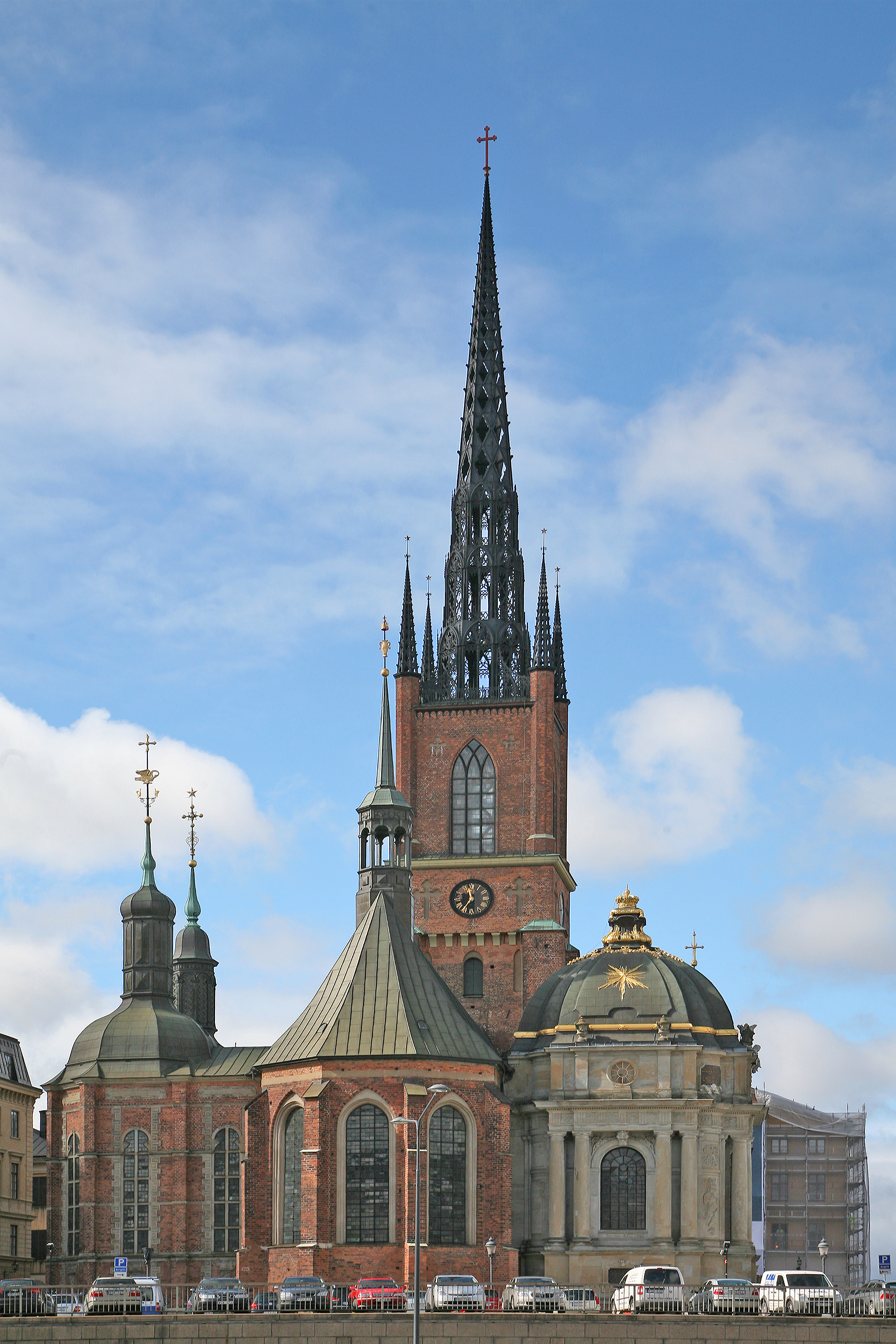
This is where Swedish kings come to rest, and it has been that way for nearly four hundred years.
Founded in 1270 as a Franciscan monastery, Riddarholmen Church is one of the oldest buildings in Stockholm. Every Swedish monarch, from Gustavus Adolphus (who died in 1632) to Gustaf V (who died in 1950), is entombed somewhere inside or beneath this building—a total of 15 monarchs.
The history is thick, but the story has a spectacular exception: Queen Christina. While she abdicated in 1654, she converted to Catholicism and is buried in St. Peter's Basilica in Rome. If you're looking for a historical deep dive, this church offers a tangible connection to the dynasty, crowned by a cast iron spire added after a massive lightning-caused fire in 1835.
Rosendals Tradgard
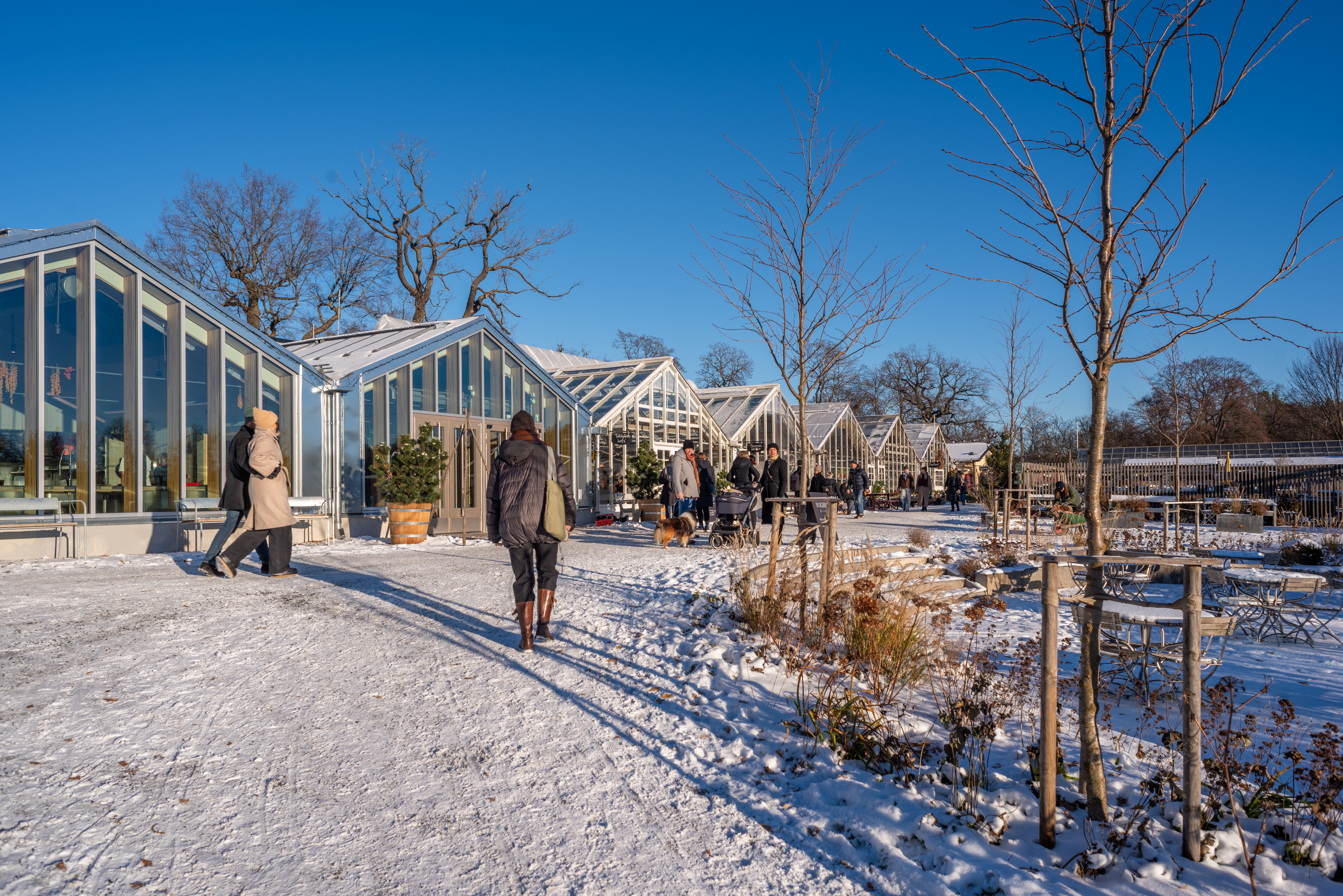
The story of this garden starts with one of the strangest career pivots in European history.
In 1817, this land was sold to Jean Baptiste Bernadotte, a French military marshal who had somehow become King of Sweden. He wasn't Swedish, and he didn't speak Swedish. He was a French soldier who impressed the Swedes so much during the Napoleonic Wars that they offered him the throne.
He turned this spot into a royal garden, and the name literally means 'The Rose Valley.' Since 1982, it has operated as a commercial biodynamic garden, featuring vegetable fields, greenhouses, and a bakery. It's a gorgeous piece of royal history that has successfully transitioned into a working, thriving natural space.
Skinnarviksberget
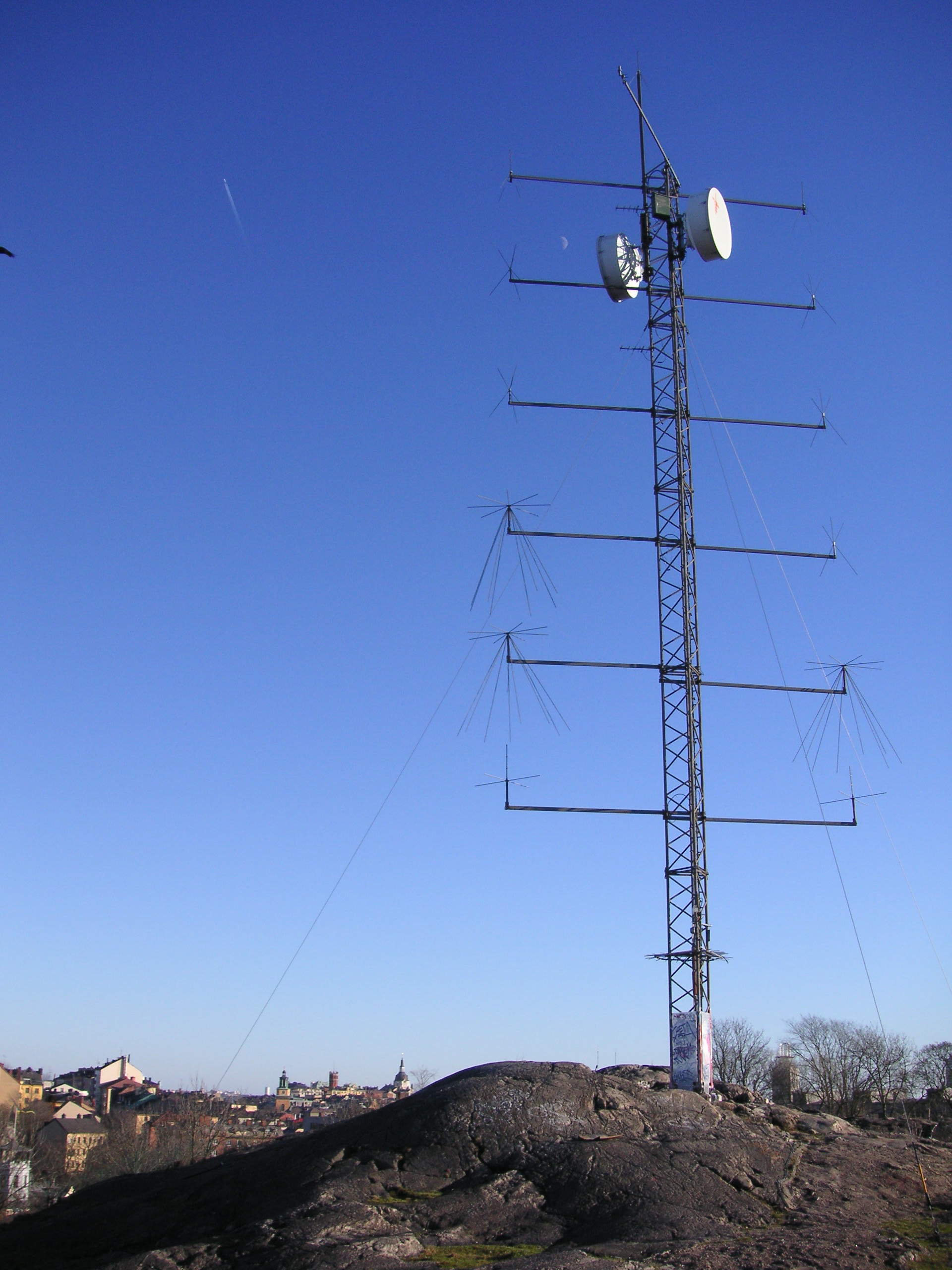
The highest natural point in central Stockholm is not a tower, not an observation deck, and definitely not somewhere you will find a ticket booth.
It is an unmarked, rocky hill on Södermalm, standing 53 metres above sea level. There is nothing here except bare granite rock, a few scraggly trees, and arguably one of the best views in Scandinavia. On a clear evening, you can see City Hall's tower rising from the water and the spires of Gamla Stan.
It earned its name from the 17th-century tanners (*skinnare*) who lived and worked nearby. This viewpoint is remarkable because it is completely untamed. There are no barriers or entrance fees—it is simply a free, natural gathering spot that gives you a sweeping, unplanned panorama of the entire archipelago.
From the smuggled prunes to the 15-centimetre boy looking at the moon, Stockholm’s best experiences are found in its layers of surprising history. The city doesn't just offer landmarks; it offers stories—stories of ingenuity, obsession, and resilience. To navigate these unique, often unexpected corners, download VoiceWalks and let us guide you through the hidden life of Stockholm.