Akihabara Electric Town
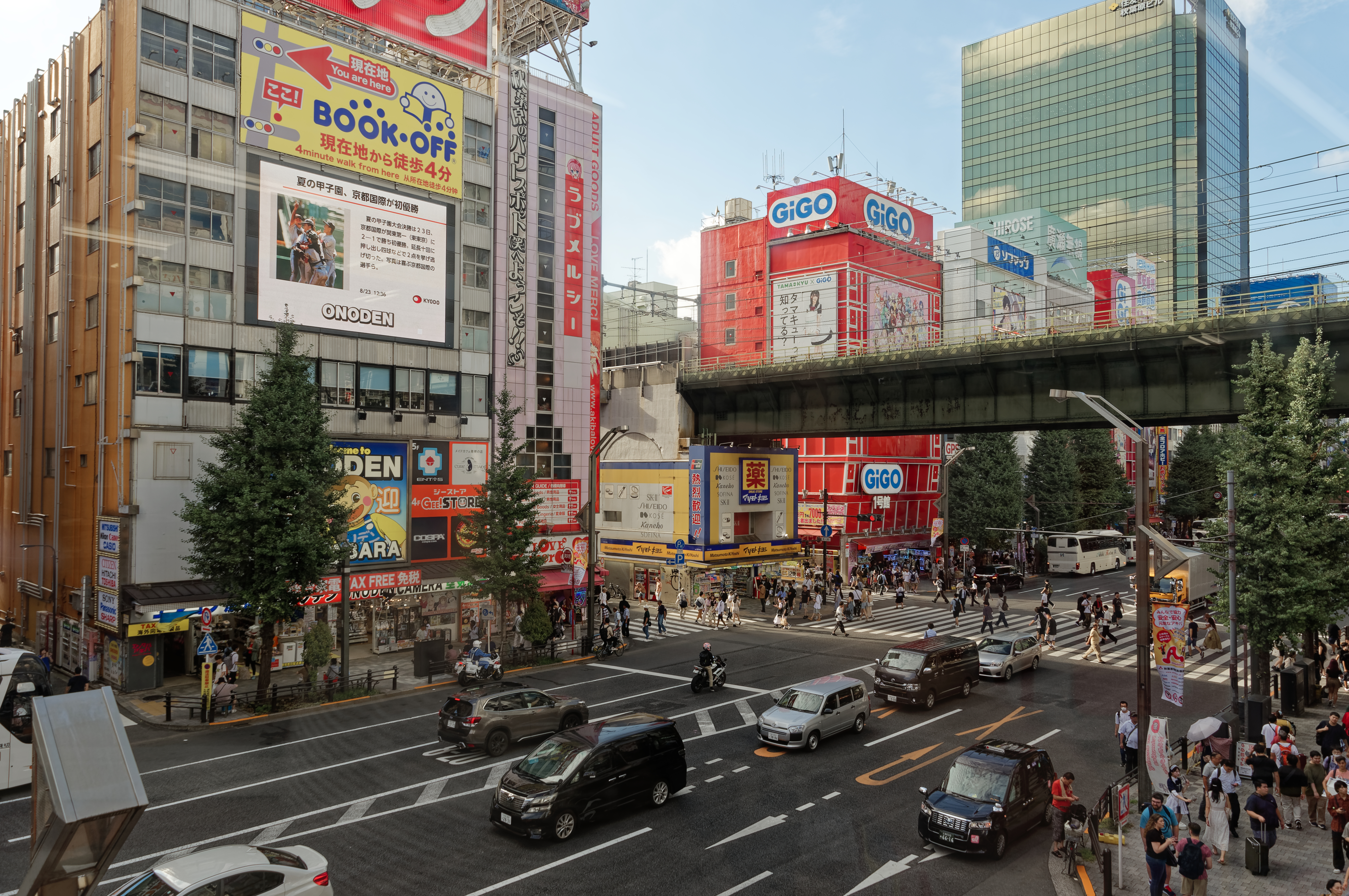
The world capital of anime and manga is named after a fire god. It sounds completely random, but that name stuck even though the original shrine was moved in 1888. This whole neighborhood is a perfect example of how Tokyo’s history is layered on top of itself, making it one of the best places to find *things to do in Tokyo*.
The area wasn't always about manga. After a devastating fire tore through in 1869, authorities built a shrine to a fire-suppression deity, and locals started calling the place Akibagahara. Decades later, the post-war black market for radio parts started by students from a nearby technical college gave it a whole new life. By the 1960s and 70s, it was Japan's appliance district before shifting completely to the otaku culture we know today.
You can walk through the streets, seeing shops dedicated to everything from retro electronics to niche manga, and realize that the modern spectacle is built on a literal foundation of fire and radio parts. If you want to see how history and pop culture collide, head to Sotokanda, Sotokanda, Chiyoda.
Ameyoko Market
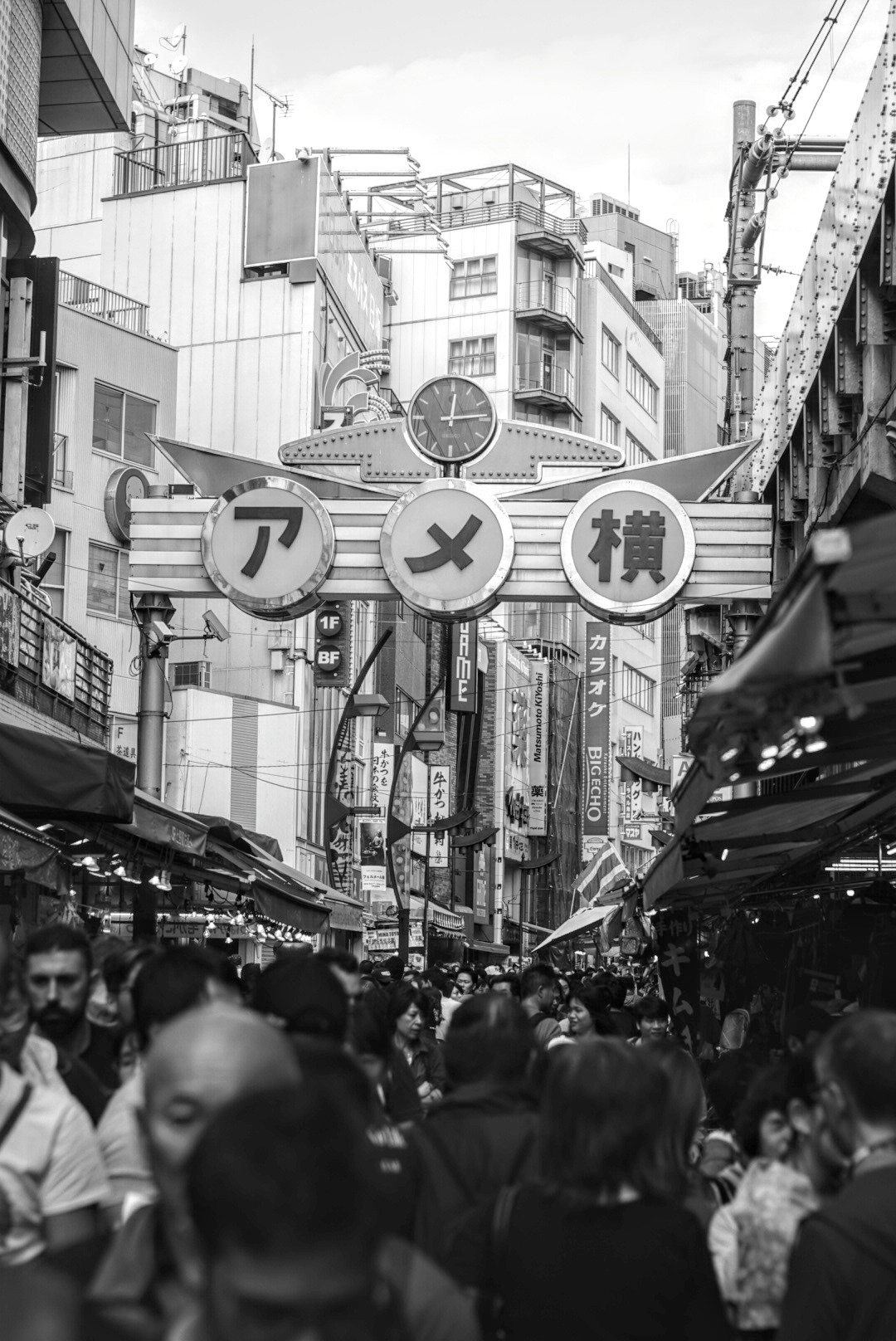
The name of this market means two entirely different things, and both are true. Ameyoko is short for Ameya Yokocho, which translates to Candy Store Alley. But it is also read as America Yokocho, or America Alley. This linguistic accident is a perfect summary of Tokyo itself.
This market didn't start as a colorful shopping street. It was born as an illegal black market operating in the rubble of postwar Ueno, running with yakuza-controlled commercial activities. It wasn't until 1946 that a building was constructed to legalize the existing businesses. Today, it’s a massive sprawl of over 400 shops, making it a deep dive into Tokyo’s gritty, continuous commercial history.
If you are looking for the kind of authentic, lived-in experience that makes a perfect addition to your list of things to do in Tokyo, spend time navigating the narrow lanes of Taito. And if you’re there on December 31st, prepare for massive crowds gathering for New Year's ingredient shopping.
Golden Gai
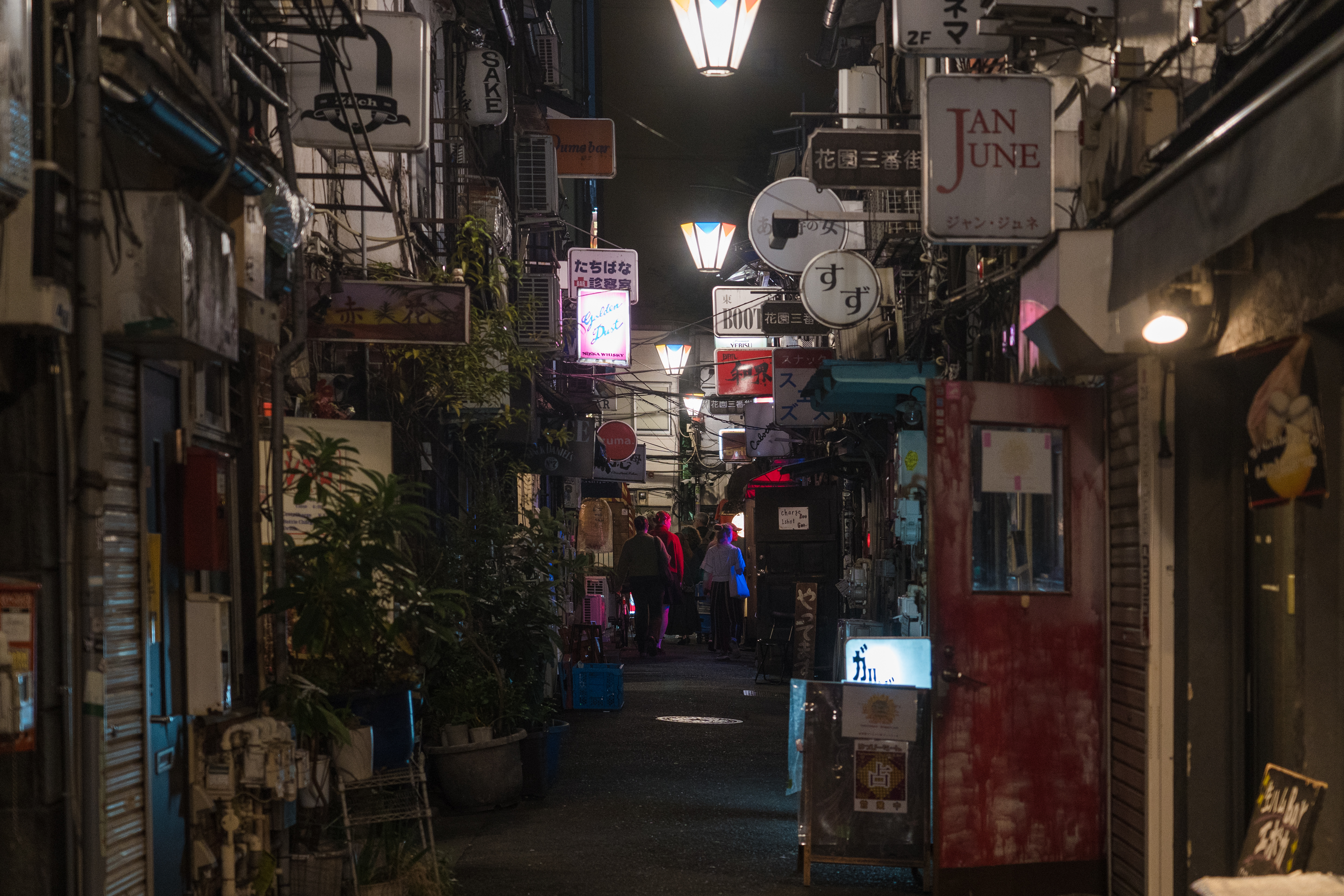
In the 1980s, organized crime groups were setting fires across Tokyo, trying to force landowners to sell their properties cheap. Golden Gai, with its tiny wooden buildings and enormous land value, was a prime target for arsonists.
What kept it alive were the bar owners and their regulars. They organized night patrols, taking turns physically guarding the six interconnected alleys through the dark hours. This survival effort is what defines the place. The area, which started as a black market/prostitution zone in 1945, was fiercely protected by the people who ran it.
It’s a dense little pocket—0.66 hectares containing about 200 tiny bars, most of which seat only 6 to 10 people. If you want to experience a nightlife that feels both incredibly temporary and utterly permanent, find your way to 1 Kabukicho 1-Chōme, Kabukicho, Shinjuku.
Gotokuji Temple (Cat Temple)
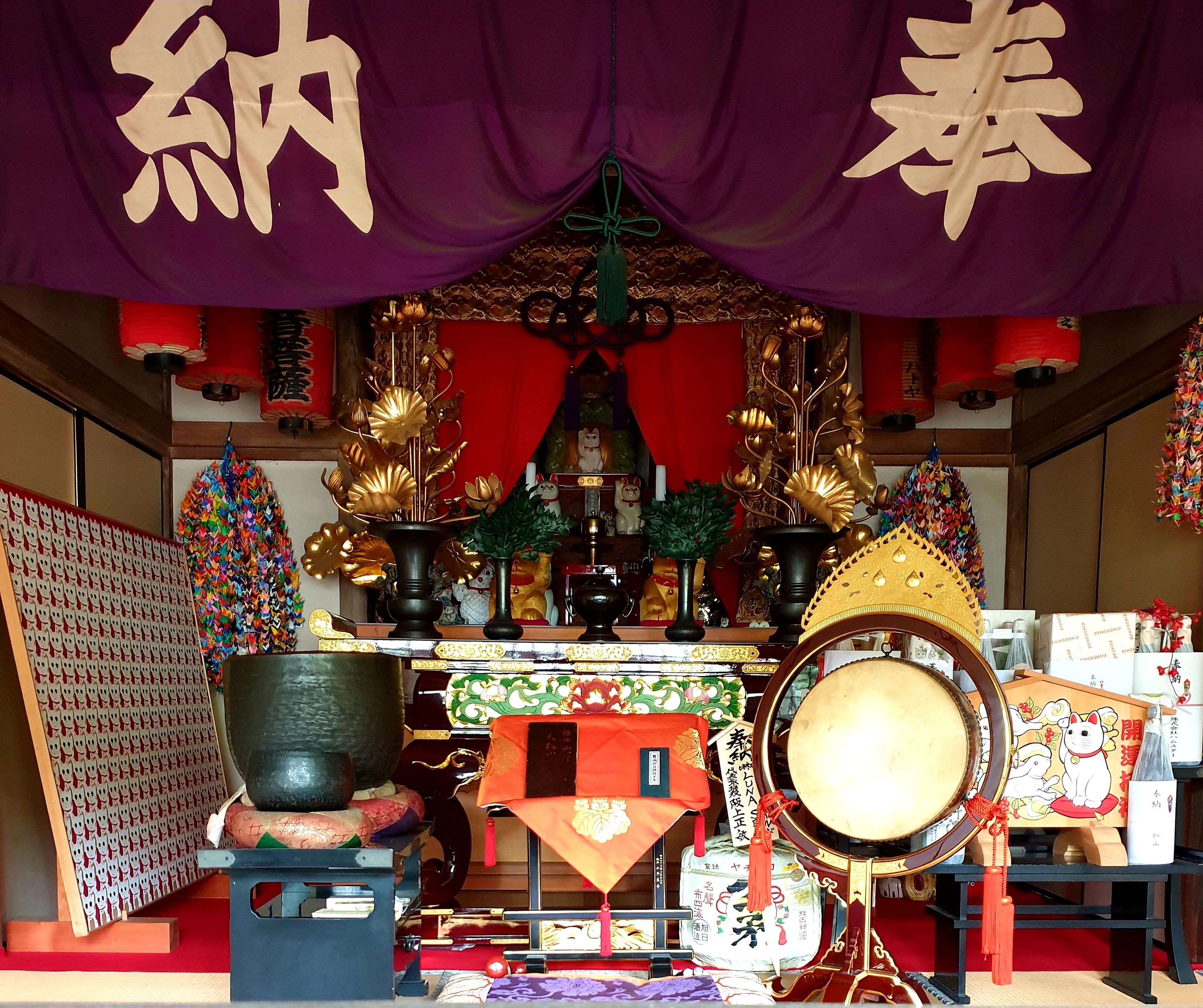
You know those beckoning cat figurines—the ones with one paw raised, supposedly waving in good fortune? Gotokuji Temple claims to be their birthplace, and the origin story is ridiculously good.
The legend dates back to the 1600s: a feudal lord named Ii Naotaka was caught in a violent thunderstorm and took shelter under a tree. It was there he noticed a cat sitting at the site. This is where the maneki-neko, or beckoning cat, supposedly came from.
The temple itself, originally established as Kotoku-in in 1480, now houses over 1,000 cat figurines on its grounds, and they are exclusively right-paw raised. Despite the deep history and the cat obsession, the temple remains a peaceful, quirky stop, making it a surprisingly charming spot among the usual things to do in Tokyo. Check out the temple at 24-7 Gotokuji 2-Chōme, Gotokuji, Setagaya.
Hachiko Statue
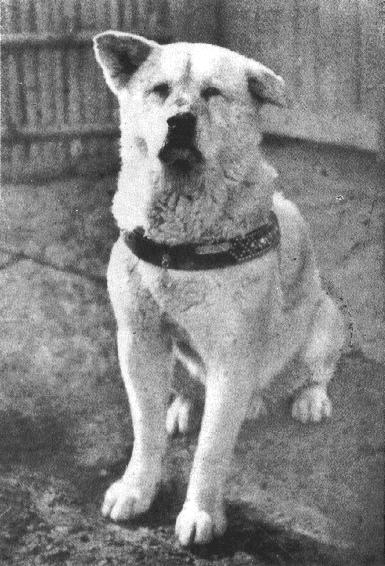
Everyone knows the story of the loyal dog, but that famous statue you are looking at is not the original. The first bronze statue was unveiled in 1934, and the incredible part is that the dog himself was present at his own unveiling ceremony.
Hachiko had waited for Professor Ueno, who died of a cerebral aneurysm in 1925, for nearly ten years until the statue was erected. This dedication made him famous, especially after a 1932 newspaper article highlighted his plight, and despite being mistreated by commuters.
While the original bronze statue was melted down during WWII, the replacement was sculpted in 1948 by the original artist's son. If you want to visit a landmark that forces you to look past the romantic legend and examine the layers of its own physical history, head to 2 Dogenzaka 1-Chōme, Dogenzaka, Shibuya.
Hama-rikyu Gardens
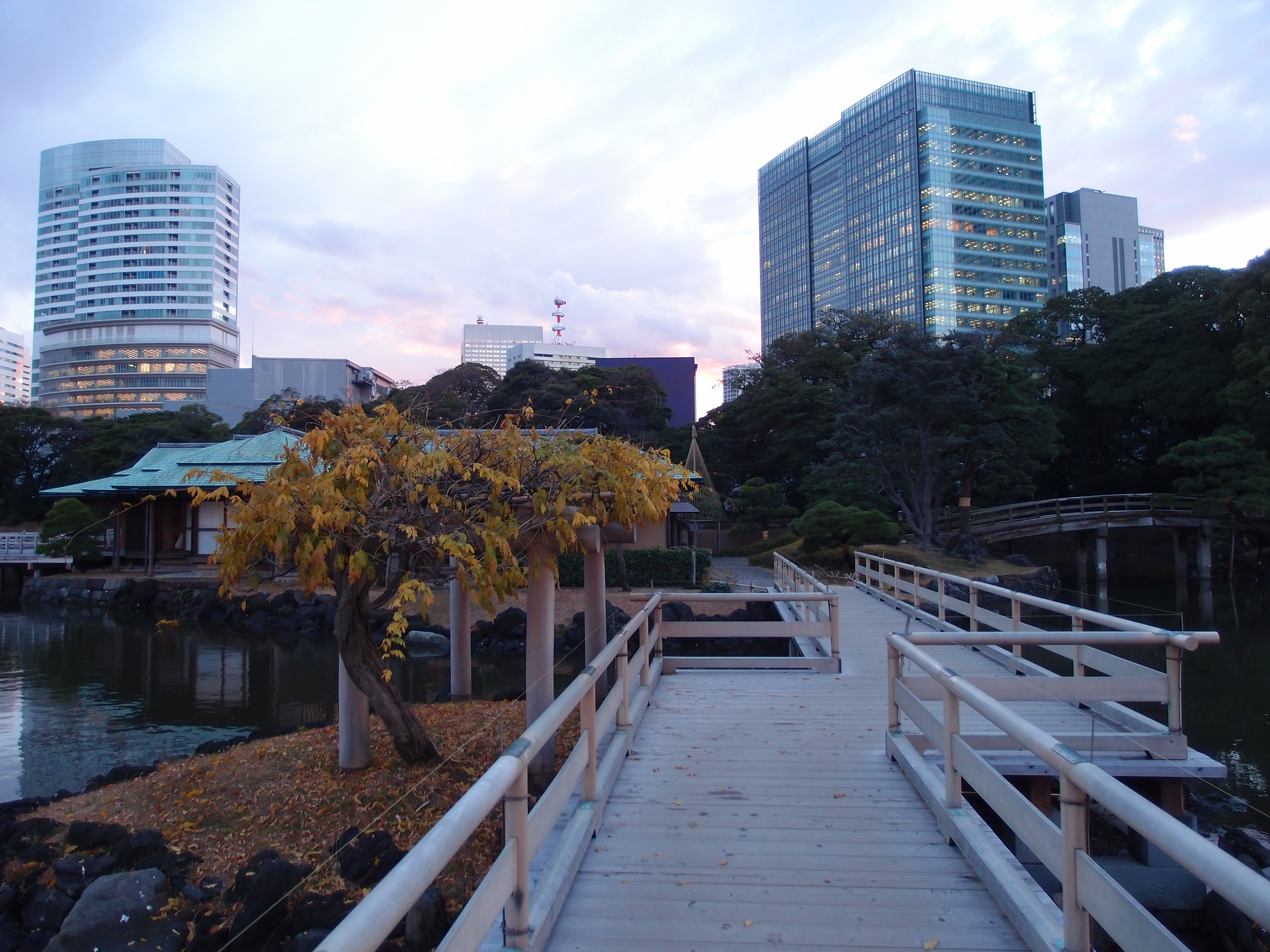
The pond in front of you is filled with actual seawater from Tokyo Bay. This isn't a poetic flourish—it's a physical tidal system. This is the only Edo-period garden in Tokyo with a tidal seawater pond, meaning the water level and appearance change drastically as the tides shift.
The garden was originally reclaimed from Edo Bay in 1654 by Tokugawa Tsunashige, grandson of the shogun. The water changes all day, so what you see in the morning will look completely different by the afternoon. Furthermore, the Nakajima teahouse, which has served tea since 1704, was originally reserved only for shoguns.
It’s a beautiful, living testament to Tokyo’s relationship with water and time. You can find this unique blend of nature and history at 1-1 Hamarikyuteien, Hamarikyuteien, Chuo.
Inokashira Park Benzaiten Shrine
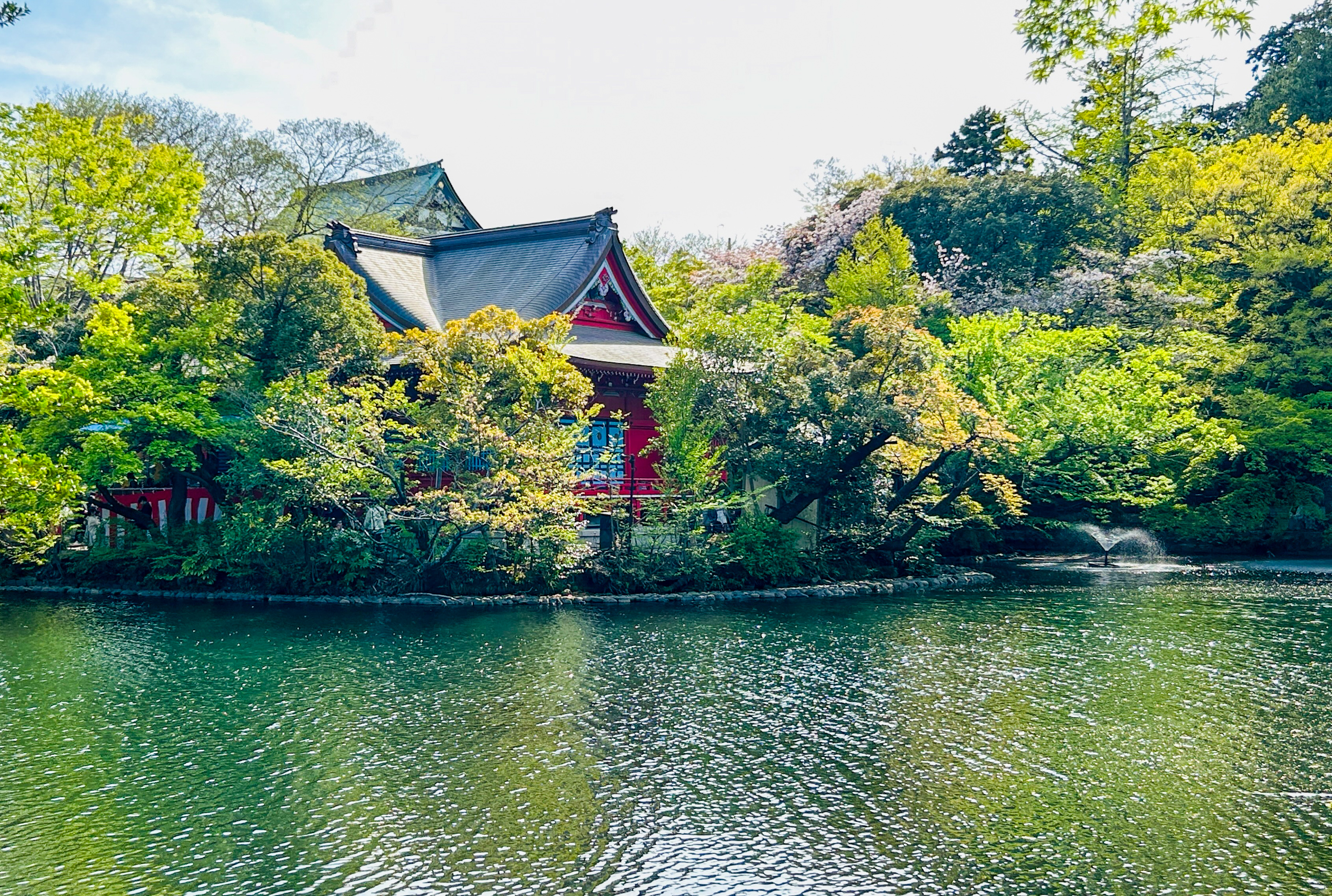
For over two hundred years, Tokyoites have believed that any couple who rides a swan boat together on Inokashira Pond will break up. The goddess Benzaiten, enshrined on the small island in the middle of the water, is said to be intensely jealous of happy couples in her domain.
The shrine itself is ancient, dating back to 1197, and is dedicated to Benzaiten, one of the seven gods of good fortune. The legend suggests that if you visit the shrine after the boat ride, you can lift the curse.
This makes the park less about the scenery and more about the folklore, a whimsical, mysterious layer to the modern city. Take a walk around 1 Inokashira 4-Chōme, Inokashira, Mitaka, to see this unique intersection of romance and divine jealousy.
Kabukicho and the Godzilla Head
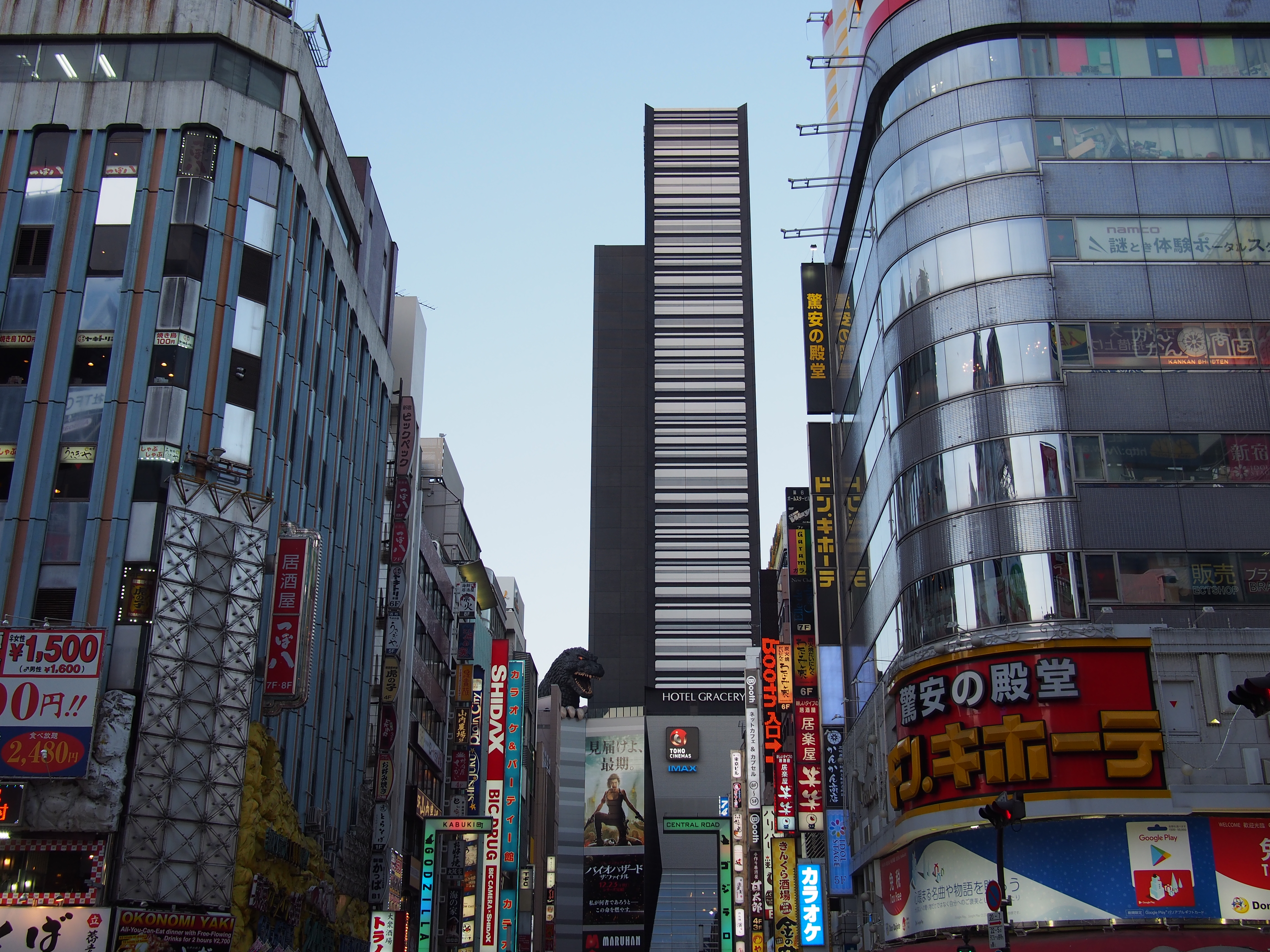
Look up at the Shinjuku Toho Building, and you will see a life-size Godzilla head peering over the eighth floor. It roars and lights up on the hour from ten in the morning until eight at night. It is the most Tokyo thing imaginable—a kaiju guarding the entrance to the city's most notorious entertainment district.
The district itself is named after a kabuki theater that was planned but never built. Kabukicho officially adopted its name on April 1, 1948. The area itself was once a swamp called Tsunohazu, and the migration of sex workers to Kabukicho was catalyzed by the 1957 Anti-Prostitution Law.
The whole scene—the towering, roaring monster, the historical significance of the district, and the neon chaos—is a glorious, surreal piece of Tokyo. Head up to Kabukicho 1-Chōme, Kabukicho, Shinjuku.
Kanda Myojin Shrine
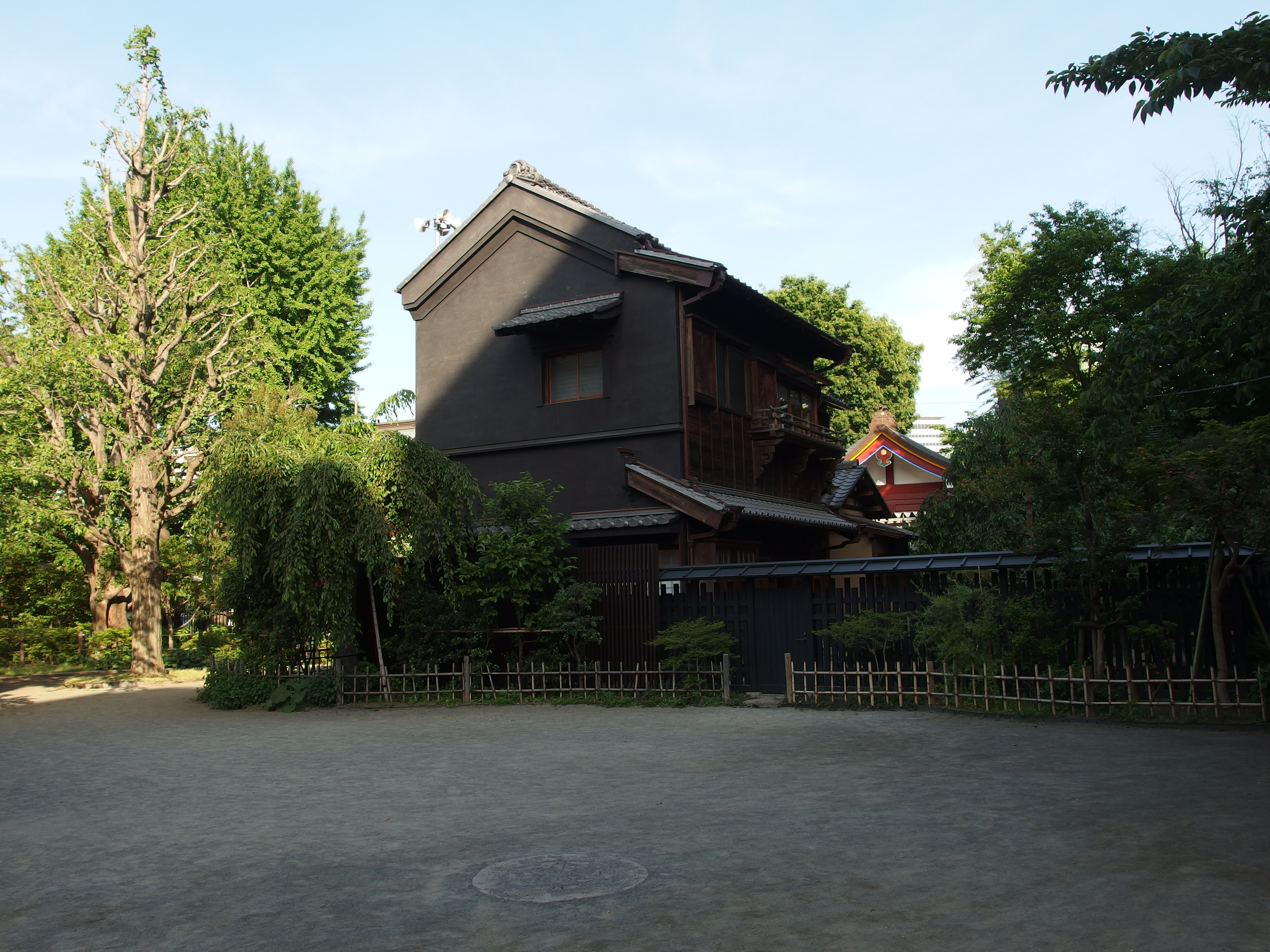
A thirteen-hundred-year-old Shinto shrine sells microchip-shaped charms to protect your computer from viruses. This is not a joke. Kanda Myojin, founded in 730 AD, has fully embraced its tech-adjacent location, offering an IT protection *omamori* shaped like a circuit board.
Tech workers from the surrounding companies come here specifically to pray for server uptime and product launches. Enshrining Daikokuten and Ebisu, two of the Seven Lucky Gods, the shrine proves that even the most ancient spiritual practices are constantly adapting to the modern world.
If you want to see history adapting to the silicon age, visit 16-2 Sotokanda 2-Chōme, Sotokanda, Chiyoda.
Koishikawa Korakuen Garden
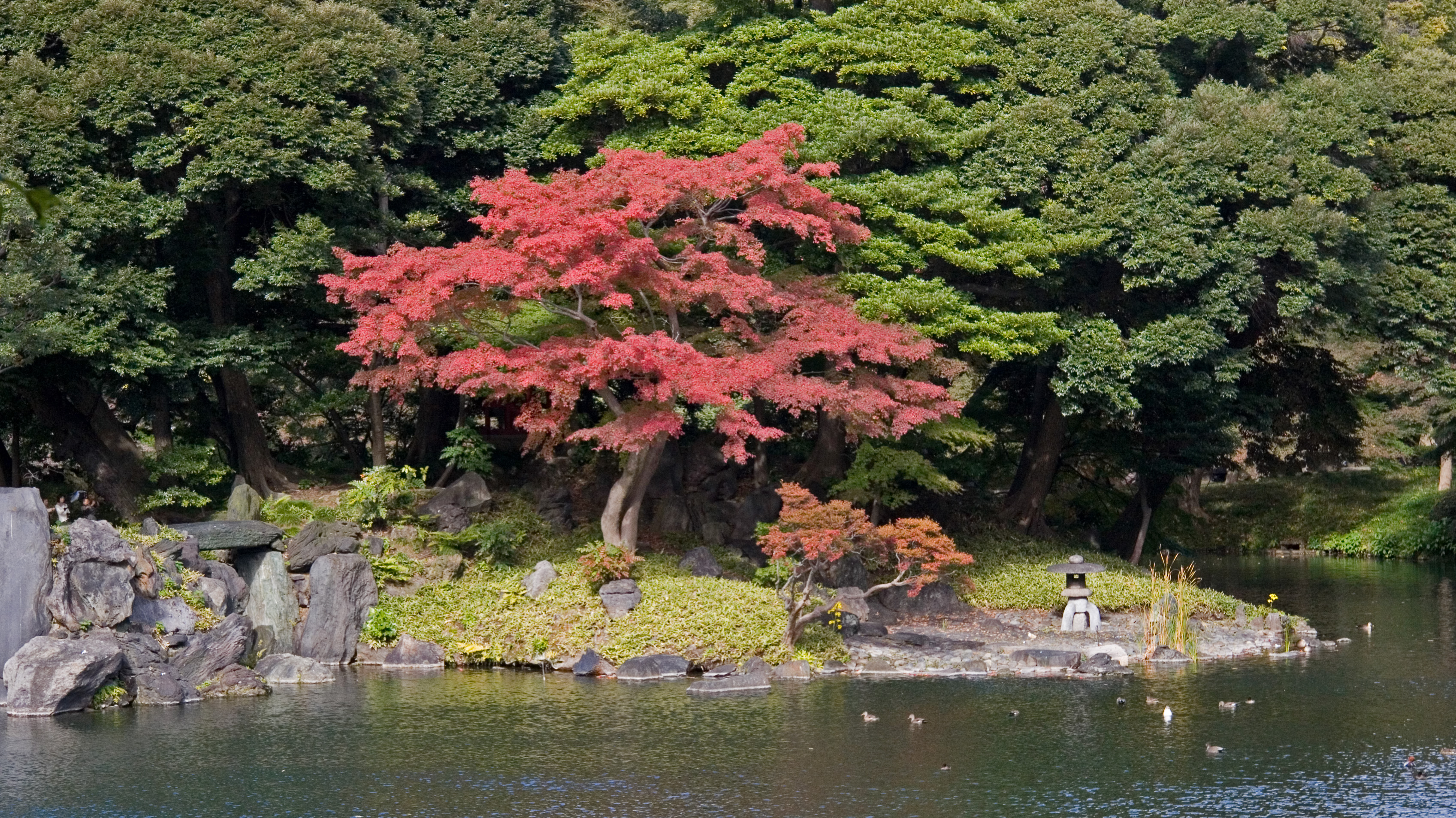
The name of this garden, Korakuen, is actually a political message. It translates roughly to 'enjoy after' and comes from a Chinese proverb suggesting that a ruler should only enjoy pleasure after achieving happiness for his people.
This was a very subtle, but very public, reminder to the shogunate family about their responsibilities. The garden started in 1629 by Tokugawa Yorifusa, and it was designed to be a massive, beautiful, and politically charged statement.
The grounds are over 70,000 sqm, featuring miniature replicas of famous Japanese and Chinese landscapes. It’s a masterpiece that feels like it carries the weight of its own political history. You can explore this in Bunkyo at 6-6 Koraku 1-Chōme, Koraku.
Meiji Shrine
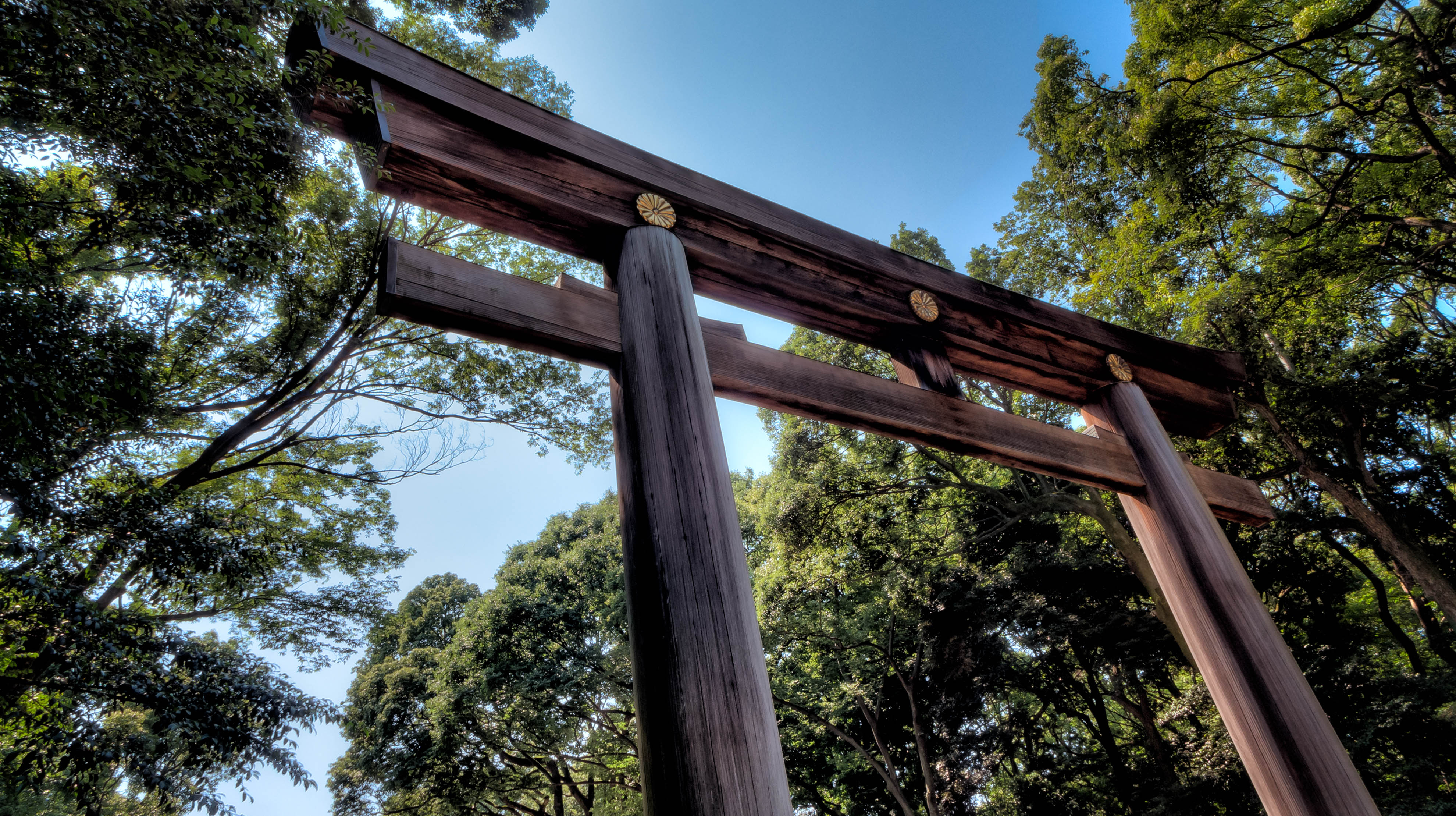
You are walking through a forest that should not exist. Every single tree here was planted by hand. When this shrine was built in 1920 to honor Emperor Meiji and Empress Shoken, the designers brought in one hundred thousand trees from every region of Japan.
Over a century later, this entirely artificial forest has matured into a self-sustaining ecosystem, covering 175 acres right in the middle of Tokyo. It feels like a deep, quiet breath taken right out of the city's urban density.
Despite being destroyed in the 1945 air raids, it was rebuilt by 1958, making it a symbol of resilient, enduring nature. Find this massive green space at Shibuya, 151-0053.
Nezu Shrine
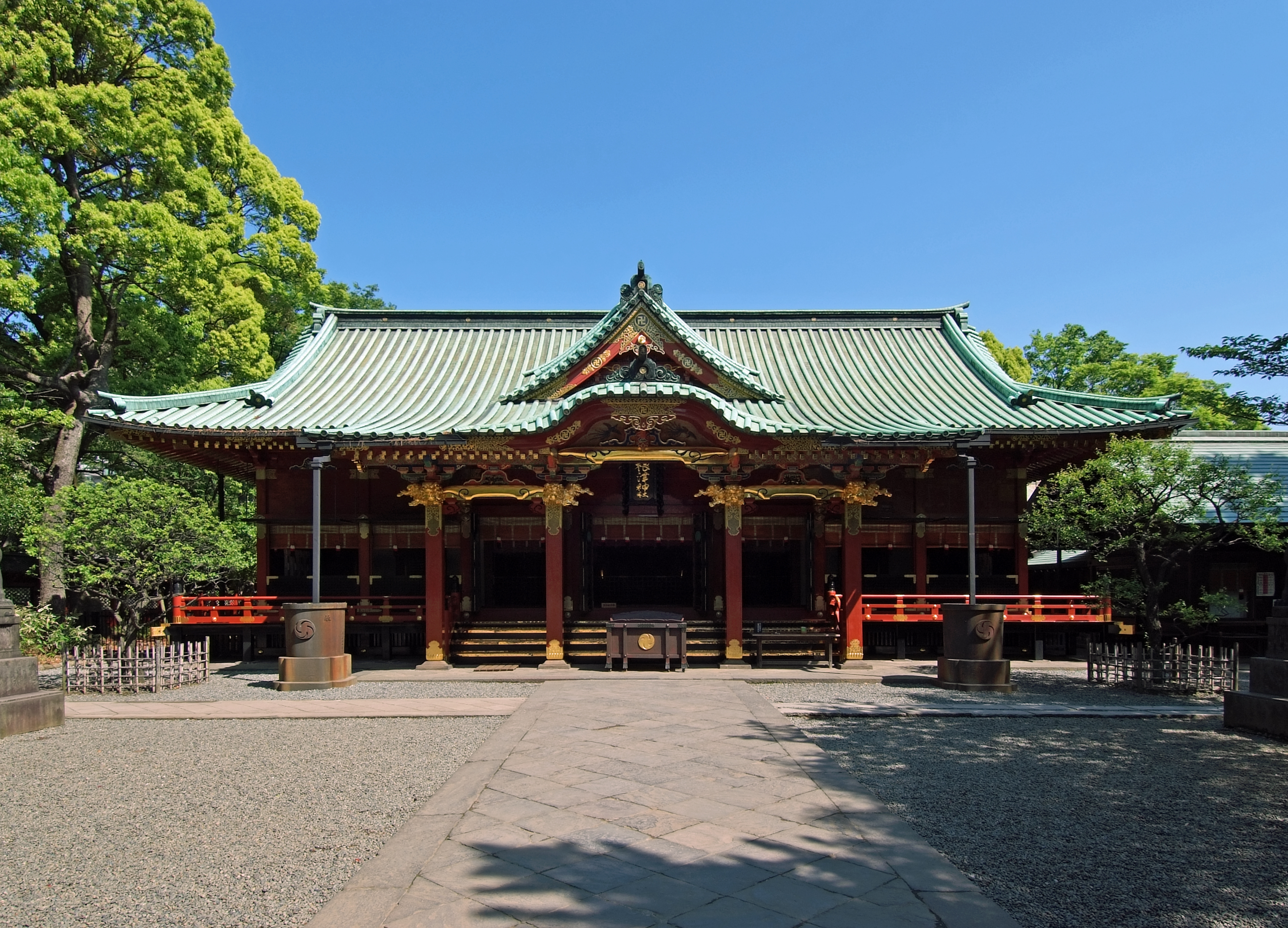
You are standing at one of the rarest things in Tokyo: a building that is genuinely old. The current structures here date from 1706, and they survived both the 1923 Great Kanto Earthquake and the Second World War firebombing. Almost everything else that claims to be historic in Tokyo is a reconstruction.
It is a time capsule. The grounds also feature over 3,000 azalea plants of more than 100 varieties, brought from Tatebayashi by Tokugawa Tsunashige.
This makes Nezu Shrine feel different—less like a preserved postcard and more like a genuine piece of Edo-period life that stubbornly refused to be erased. It’s located at 28-9 Nezu 1-Chōme, Nezu, Bunkyo.
Tokyo is a city that never lets you settle into a single understanding of it. It’s a place where a 13th-century shrine sells microchips, where a tidal pond dictates the mood of a sacred garden, and where a modern sci-fi monster guards a district built on a forgotten theater. The best way to experience this stunning collision of ancient ritual, modern chaos, and surprising history is by letting the city guide you. Download VoiceWalks and let us lead you through the untold stories of Tokyo.