The whole city exists because someone built a dam right here. Around 1270, settlers threw a dam across the Amstel River at this exact spot — Amstel-dam, get it? — and what started as a muddy fishing village became the commercial engine of an empire. The dam itself is long gone, buried under layers of cobblestone and centuries of history, but the name stuck. For over seven hundred years, this square has been the absolute center of Dutch public life: coronations, protests, celebrations, and the occasional riot.
During the German occupation, Dam Square witnessed one of Amsterdam's darkest moments. On May 7, 1945, jubilant crowds gathered here to celebrate liberation, only for German soldiers in the Grote Club building to open fire on the crowd, killing 22 people and wounding over 100. The scars of that day are invisible now, but locals remember. Every May 4th, thousands gather at the National Monument — the 22-meter white stone obelisk on the eastern side — for the Remembrance of the Dead ceremony, when the entire country falls silent at 8 PM for two minutes.
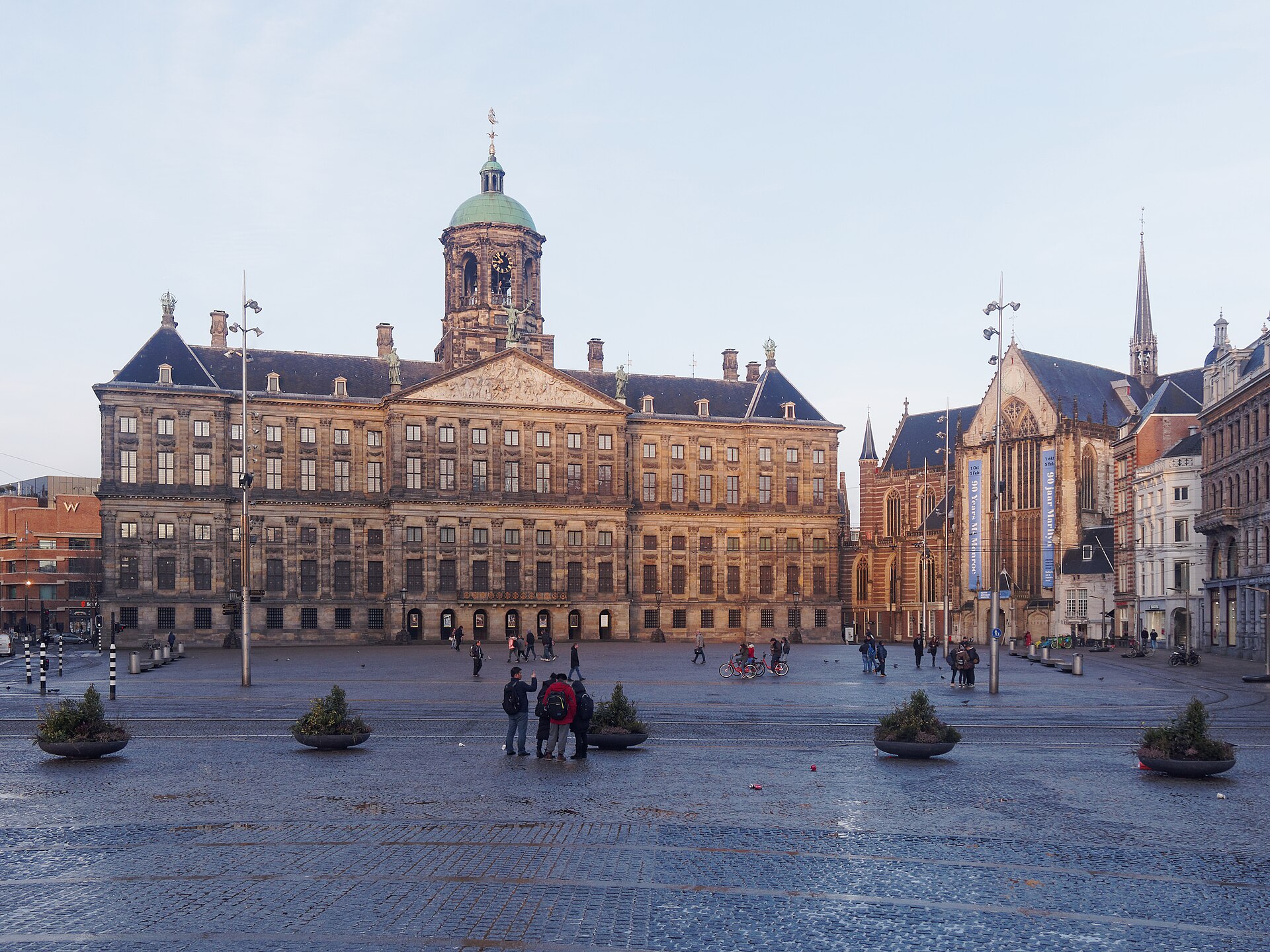
The square is flanked by the Royal Palace, Nieuwe Kerk, and Madame Tussauds, but it's the space itself that matters most. This is where Amsterdam's story began: a soggy dam in a river that somehow became one of the most important cities on earth.
Stand in the middle and look around. Every building, every canal, every crooked house in this city radiates outward from the spot where you're standing.
Verified Facts
Amsterdam was founded around 1270 when a dam was built across the Amstel River at this location
On May 7, 1945, German soldiers fired on a crowd celebrating liberation, killing 22 people and wounding over 100
The National Monument is a 22-meter white stone obelisk erected in 1956 as a WWII memorial
Every May 4th at 8 PM, the entire Netherlands observes two minutes of silence during the Remembrance of the Dead ceremony held here
Get walking directions
1012 Dam, Burgwallen-Nieuwe Zijde, Amsterdam, 1012 KB, Netherlands