This is where we get the word "ceramic." The Kerameikos was ancient Athens' potters' quarter — named after the hero Keramos, supposedly the son of Dionysus and Ariadne — where artisans settled along the banks of the Eridanos River to take advantage of its excellent clay. The same district also served as Athens' primary cemetery for over 3,000 years, from the third millennium BC through the Roman period. Life and death, art and commerce, all squeezed into the same muddy riverbank.
The cemetery sat on both sides of the Dipylon Gate, the main entrance to ancient Athens and the starting point of the Sacred Way to Eleusis, where initiates walked 22 kilometers to participate in the Eleusinian Mysteries. The street of tombs along the Sacred Way is one of the most evocative archaeological sites in Athens — marble grave markers, relief sculptures, and towering funerary monuments line a path that hasn't fundamentally changed in 2,400 years. The Bull of Dionysios of Kollytos, a massive marble bull on a pedestal, is one of the finest funerary sculptures to survive from antiquity.
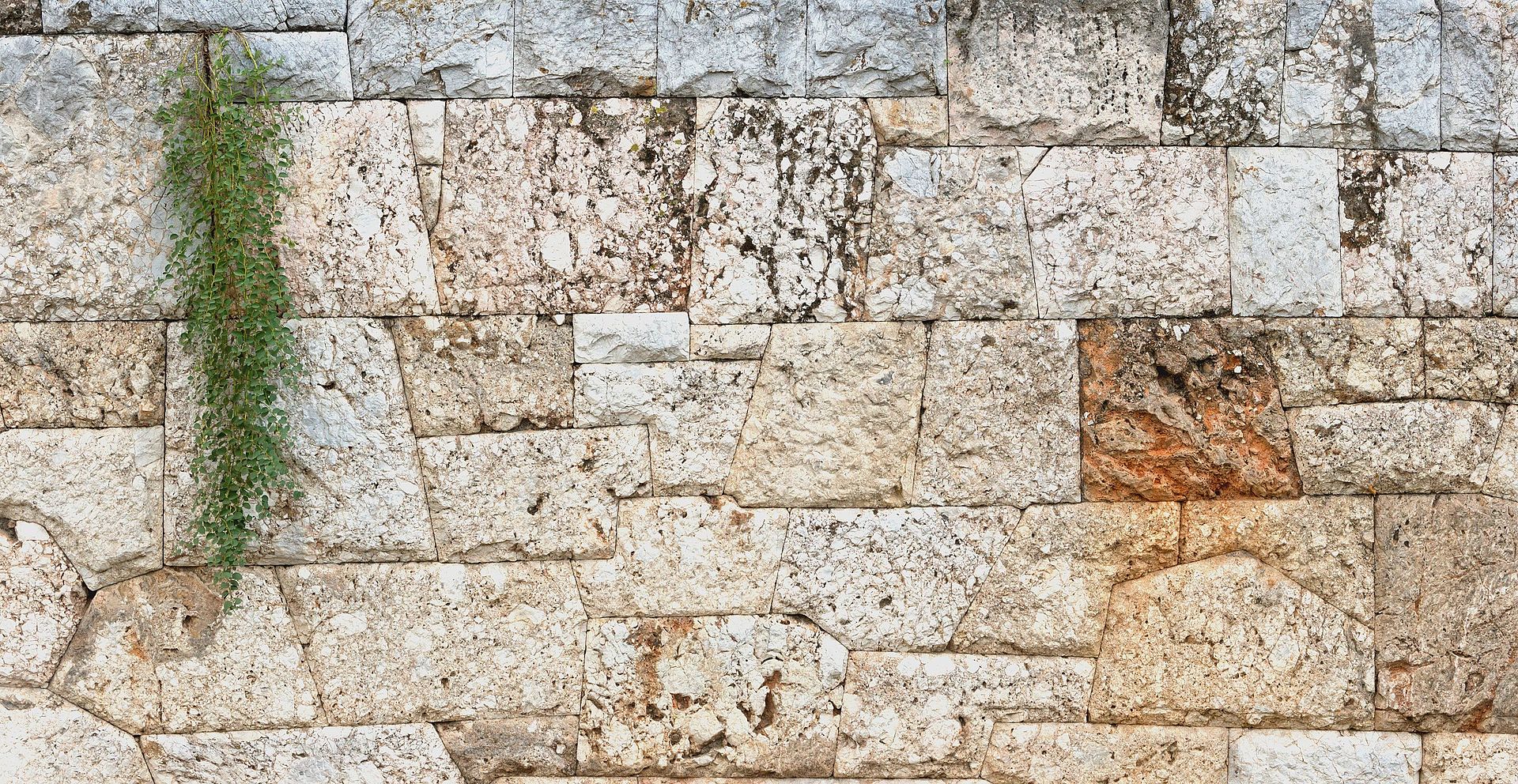
When Themistocles ordered the rapid construction of new city walls after the Persian destruction of Athens in 480 BC, the Athenians were in such a hurry that they built the funerary sculptures and grave markers directly into the wall as construction material. You can still see them embedded in the masonry — tombstones repurposed as bricks.
Kerameikos is Athens' least-visited major archaeological site, which is part of its charm. While the Acropolis is shoulder-to-shoulder with tourists, here you can sit among wildflowers and ancient graves with nothing but birdsong and the occasional stray cat for company. The small on-site museum is excellent and almost always empty.
Verified Facts
The English word "ceramic" derives from Kerameikos, the potters' quarter of ancient Athens
The cemetery has been in use from the 3rd millennium BC through the Roman period, making it one of the longest-used burial grounds in the Mediterranean
After the Persian sack of Athens in 480 BC, Themistocles ordered funerary sculptures to be built directly into the new city walls as construction material
The Sacred Way from the Dipylon Gate to Eleusis (22 km) was the route walked by initiates of the Eleusinian Mysteries
Get walking directions
148 Ermou, 3rd Municipal Community, Athens, 118 54, Greece