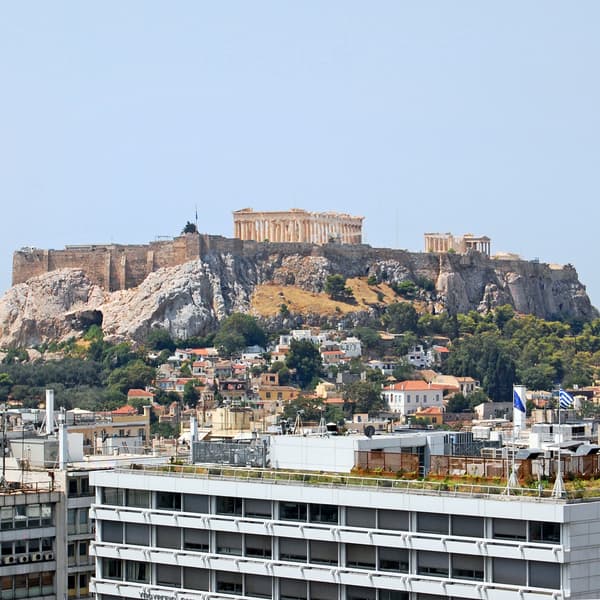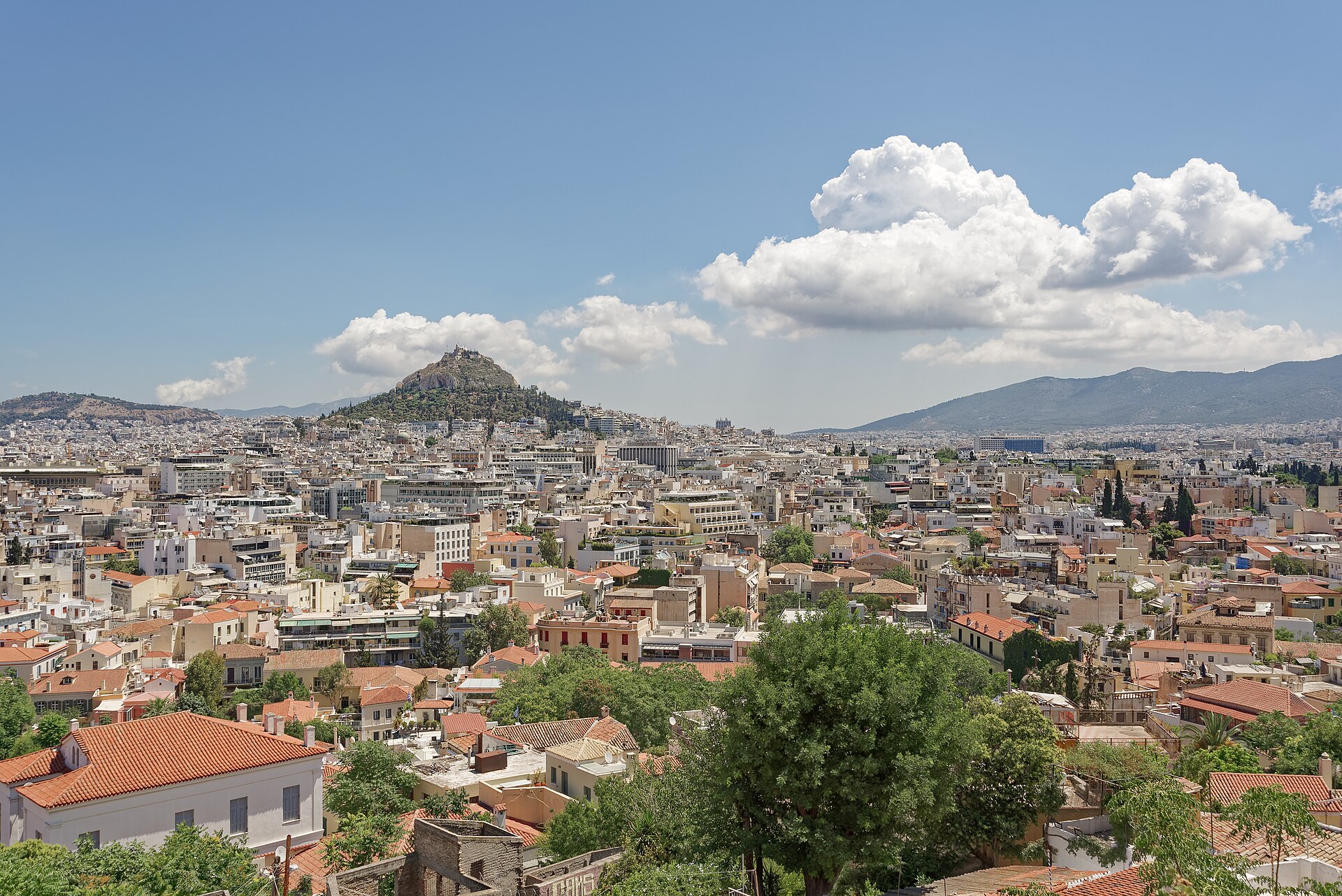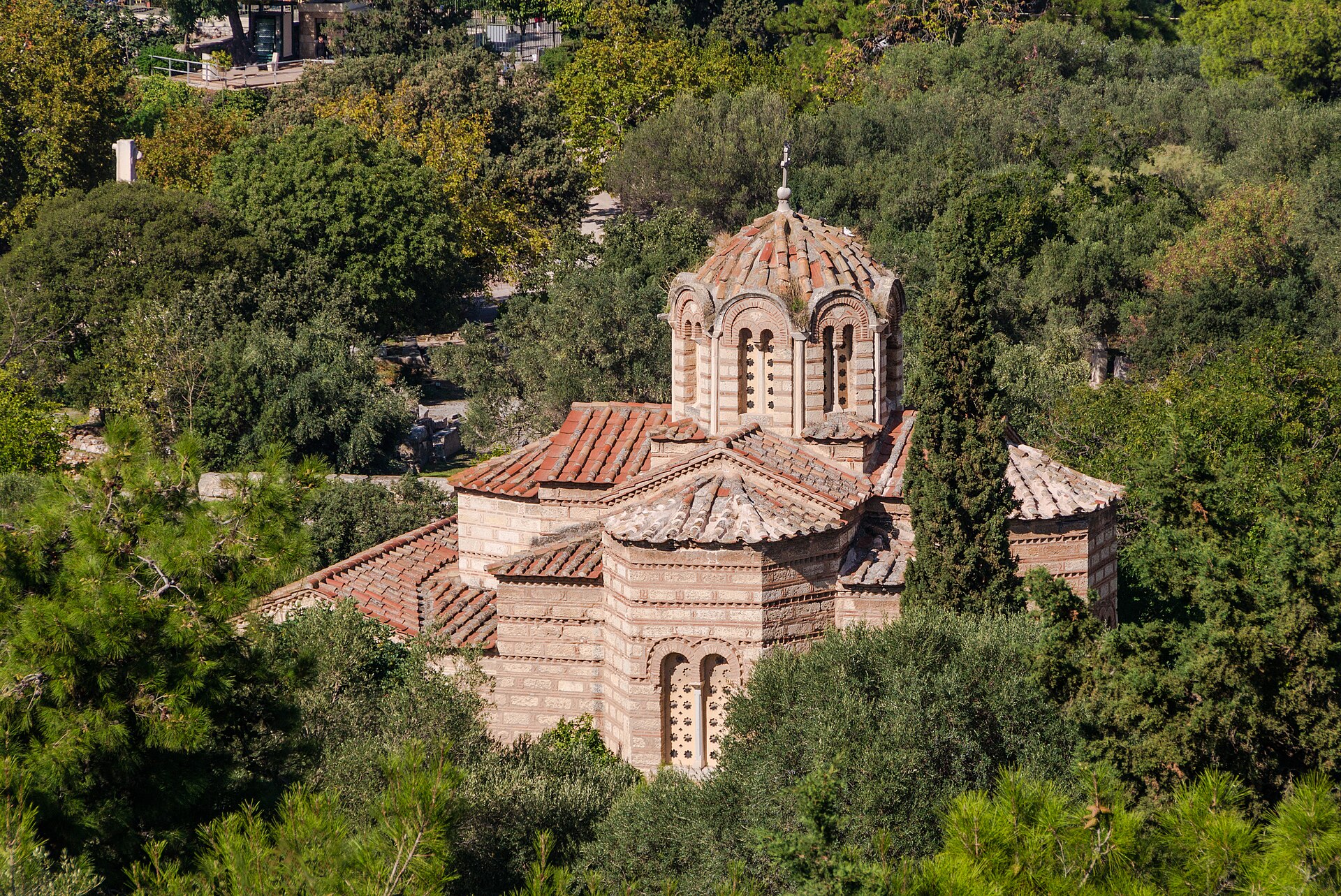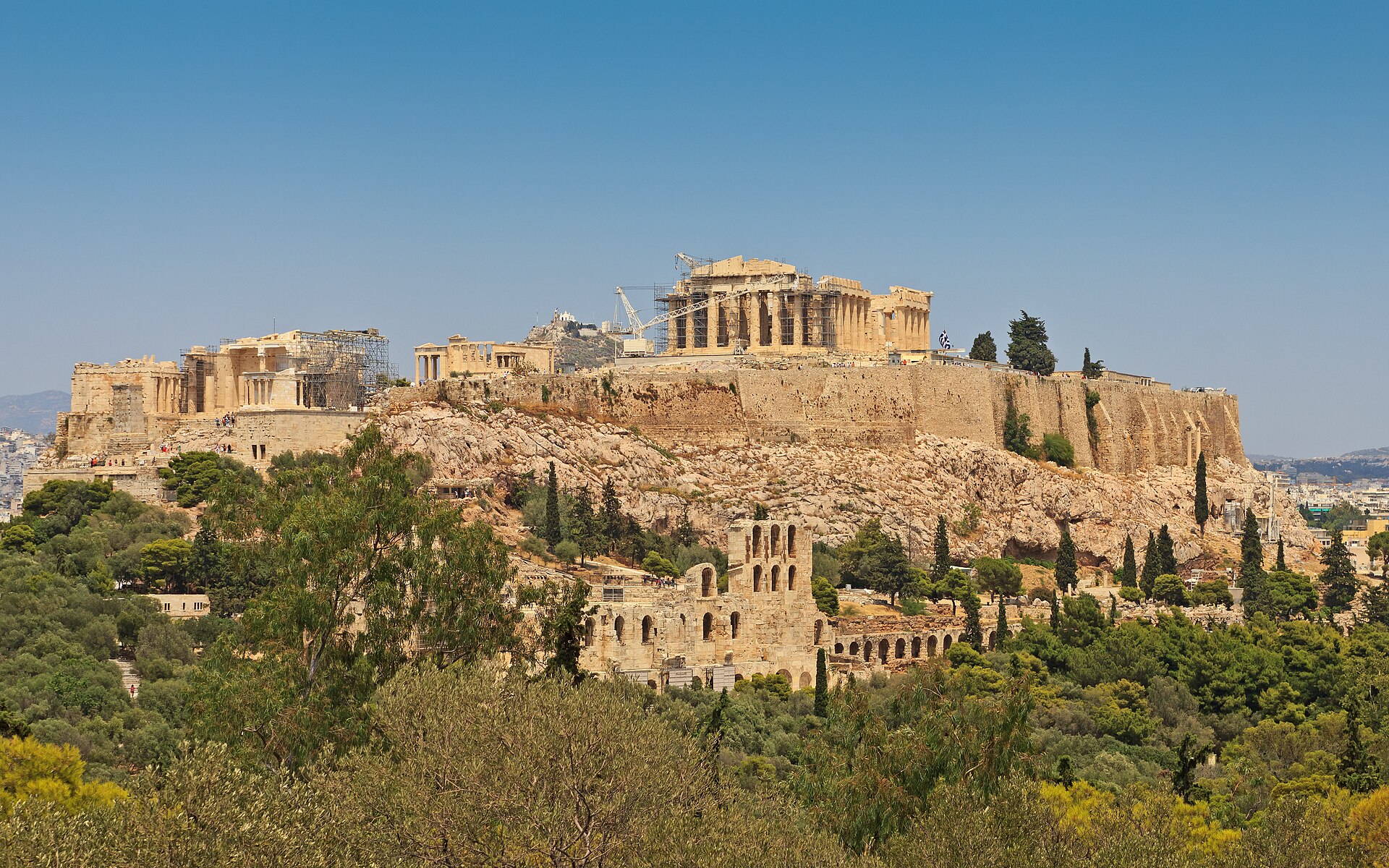
Every civilization that conquered Athens wanted a piece of this rock. The Persians burned it. The Romans redecorated it. The Byzantines turned its temples into churches. The Ottomans used the Parthenon as a mosque — and then as a gunpowder magazine, which went about as well as you'd expect when Venetian cannonballs arrived in 1687. The British walked off with half the sculptures. And yet, 2,500 years after Pericles commissioned its greatest buildings, the Acropolis still dominates the Athenian skyline like nothing has changed.
The name means "high city," and people have lived on this 150-meter limestone outcrop since at least the Neolithic period — around 5000 BC. A Mycenaean palace stood here during the Bronze Age, protected by massive Cyclopean walls so large that later Greeks assumed only giants could have built them. But the Acropolis you see today is essentially a fifth-century BC construction project, bankrolled by the Delian League treasury that Pericles controversially redirected from collective Greek defense to Athenian glory. The Parthenon, Erechtheion, Propylaea, and Temple of Athena Nike all went up within a few decades.
What makes the Acropolis extraordinary isn't just its age — it's the engineering precision. The Parthenon's columns lean slightly inward and bulge in the middle (a technique called entasis) to counteract optical illusions that would make straight columns look concave and splayed. The floor curves upward by about 6 centimeters across its width. Nothing is truly straight, and that's what makes it look perfect.
Stand here at sunset and you'll understand why every ruler who took Athens made this rock their first stop. It's not just a monument — it's the original power statement.
Verified Facts
The Acropolis has been inhabited since at least the Neolithic period, around 5000 BC, with a Mycenaean palace during the Bronze Age
Pericles funded the Acropolis building program using the Delian League treasury, originally collected for collective Greek defense against Persia
In 1687, a Venetian bombardment detonated Ottoman gunpowder stored inside the Parthenon, causing massive destruction
The Parthenon's columns use entasis — a slight outward bulge — to counteract optical illusions that would make straight columns appear concave
Get walking directions
Athens 105 58