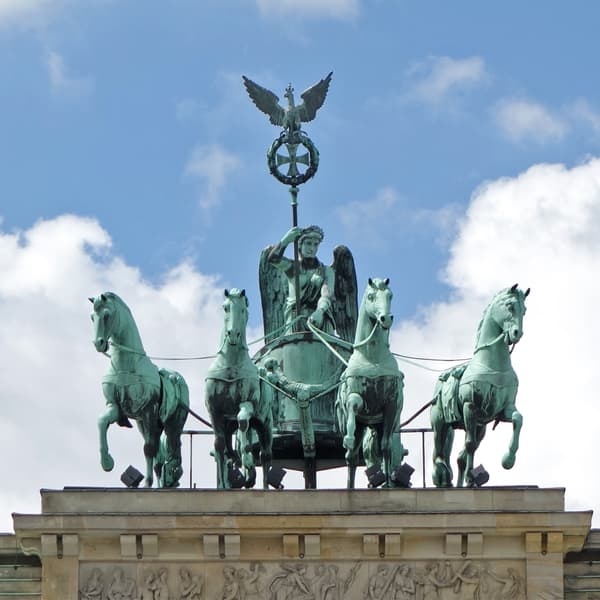
Berlin's grandest boulevard runs 1.5 kilometres from the Brandenburg Gate to the Lustgarten, lined with linden trees that give it its name — 'Under the Lindens.' The Great Elector had the trees planted in 1647 to line his riding path from the royal palace to his hunting grounds in the Tiergarten. It was literally a horse trail that became the most important street in Prussia.
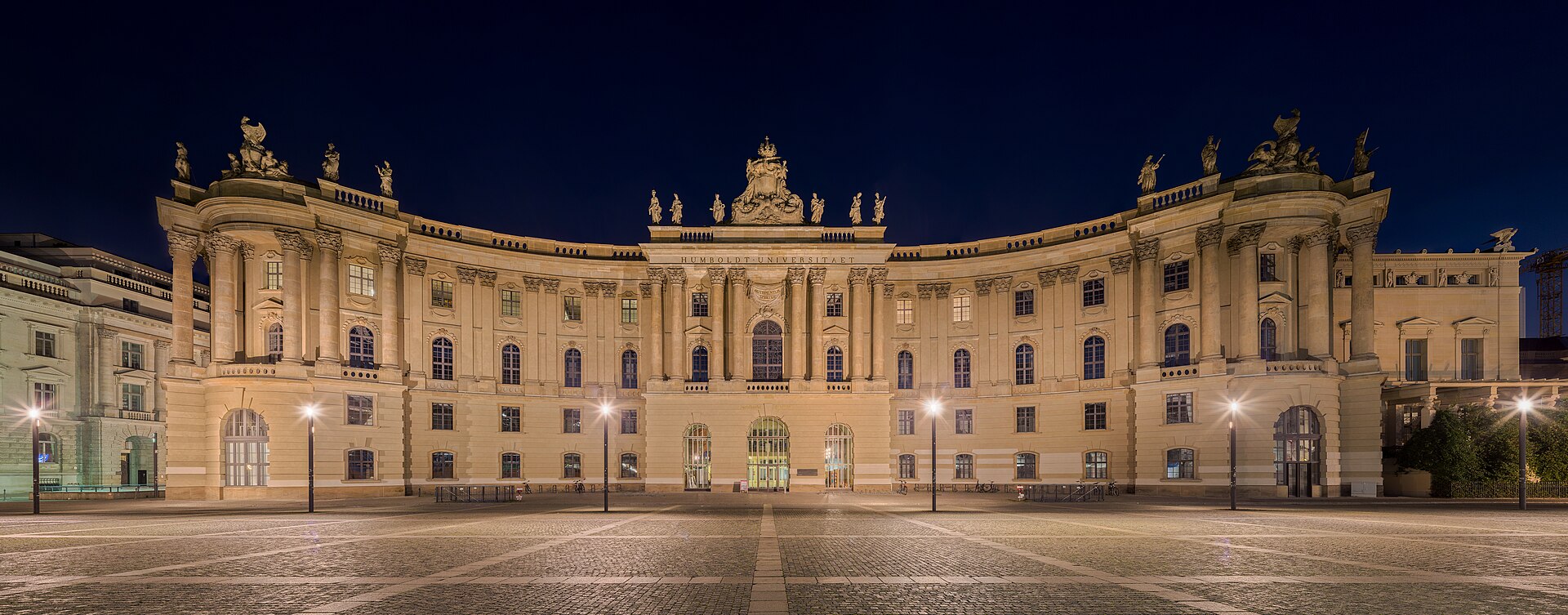
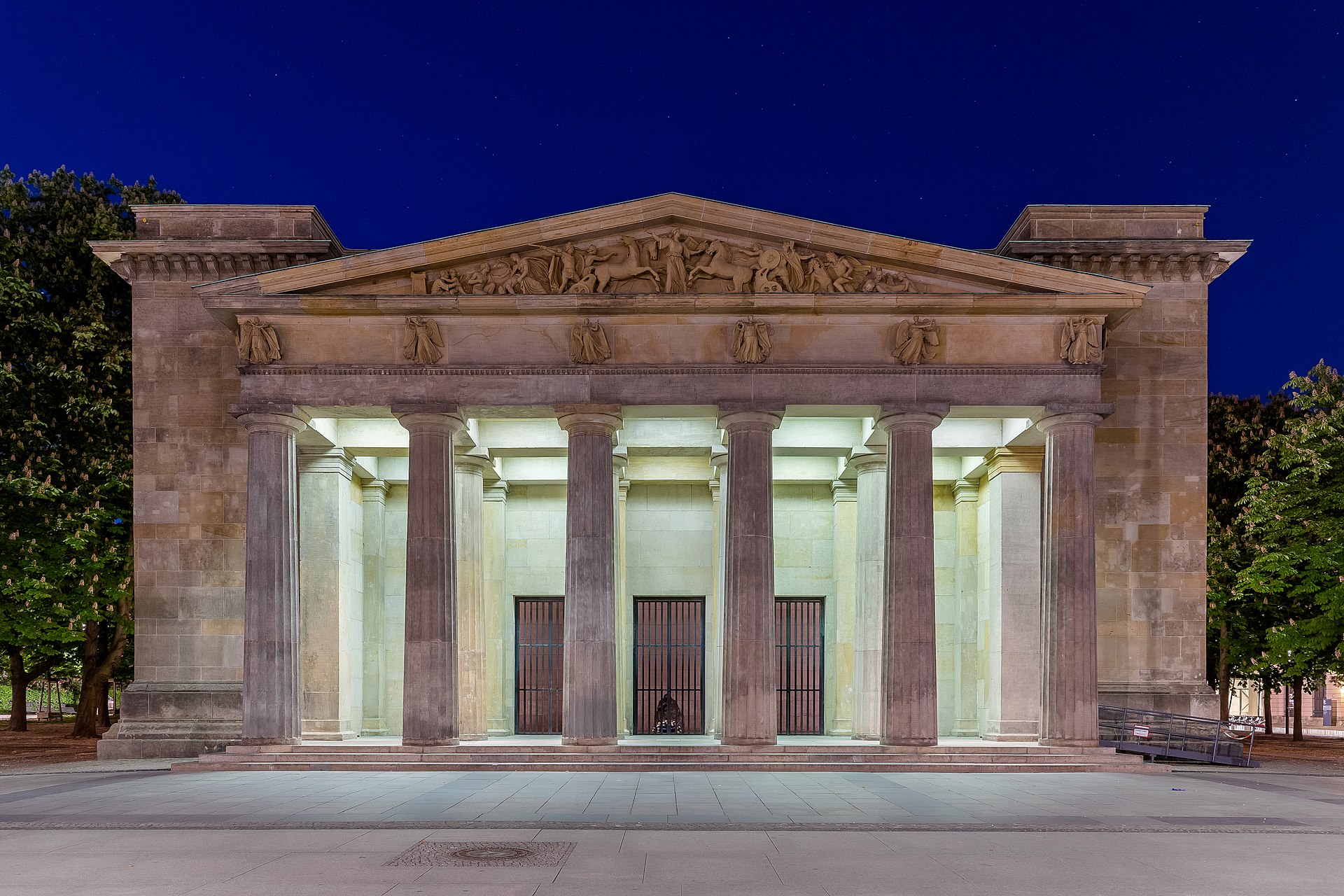
Nearly every building along it has a story. The Humboldt University, where Einstein and Marx studied (not at the same time). The Neue Wache, a former guardhouse that's now Germany's central memorial to victims of war and tyranny, containing only a single Käthe Kollwitz sculpture — a mother holding her dead son — under an open oculus that lets rain and snow fall on it year-round. The Staatsoper, Berlin's opera house, which Frederick the Great built in 1742 because he thought Berlin needed better music.
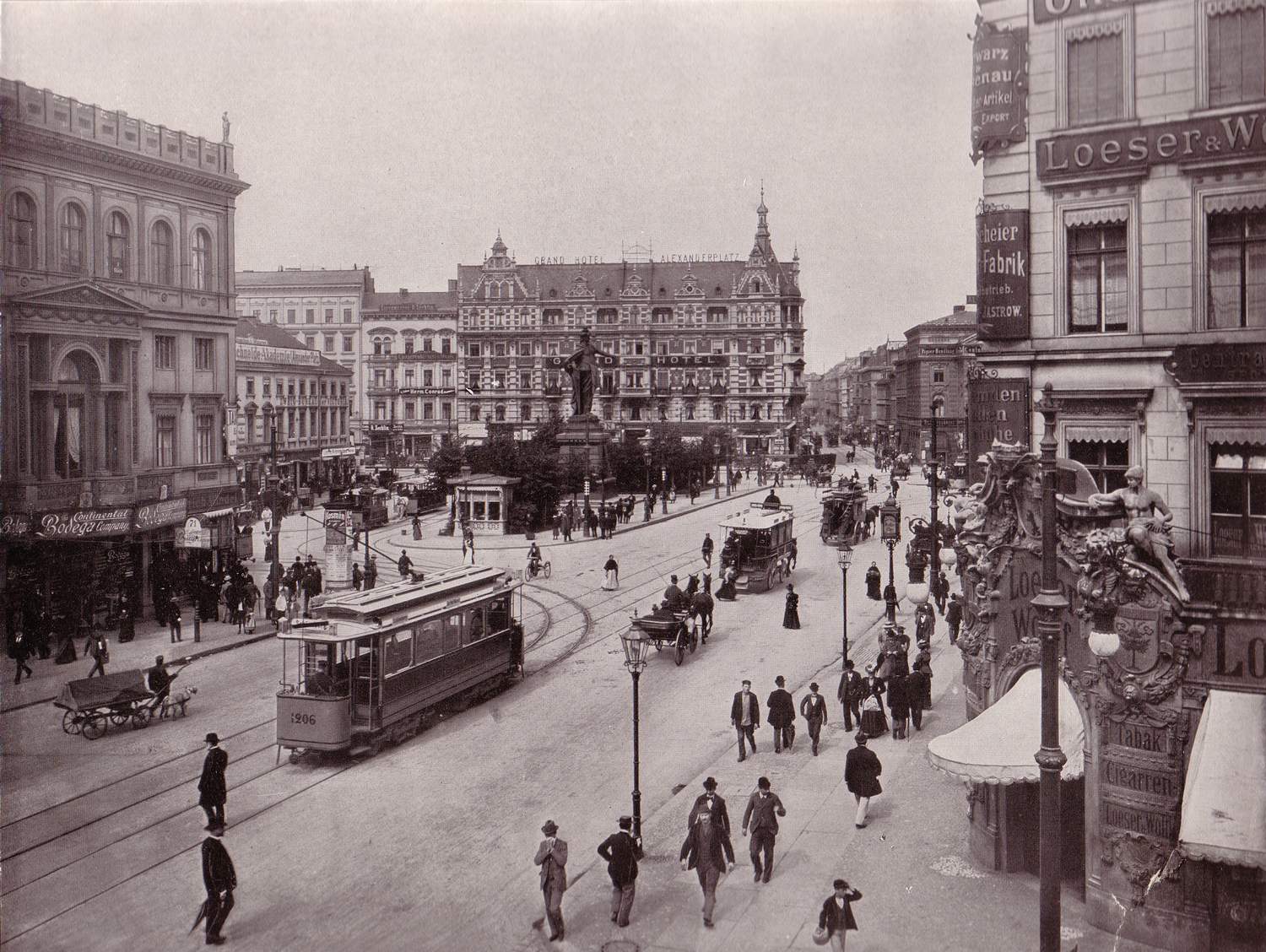
During the Cold War, Unter den Linden was in East Berlin and became a showcase boulevard for the GDR, lined with embassies and official buildings. The linden trees were replanted several times — they kept dying from pollution and neglect. The current trees were planted after reunification.
The best time to walk the boulevard is in June, when the lindens bloom and the scent is extraordinary — sweet, honey-like, and so strong it hangs in the air like perfume.
Verified Facts
The Great Elector had the linden trees planted in 1647 along his riding path to the Tiergarten hunting grounds
The Neue Wache contains a Käthe Kollwitz sculpture exposed to rain and snow through an open oculus in the roof
The boulevard stretches 1.5 kilometres from the Brandenburg Gate to the Lustgarten
Both Albert Einstein and Karl Marx studied at the Humboldt University on Unter den Linden
Get walking directions
Unter den Linden, 10117 Berlin