Castelo de São Jorge
Every civilization that conquered Lisbon started by taking this hill. The Phoenicians fortified it. The Romans expanded it. The Visigoths inherited it. The Moors turned it into a proper alcáçova — a fortified royal residence — and held it for over 400 years until 1147, when Afonso Henriques, Portugal's first king, besieged the place with the help of a ragtag army of English, Flemish, and German Crusaders who were technically just passing through on their way to the Holy Land. The siege lasted seventeen weeks. The Crusaders were promised loot. Lisbon got a king, and the castle got a new flag.
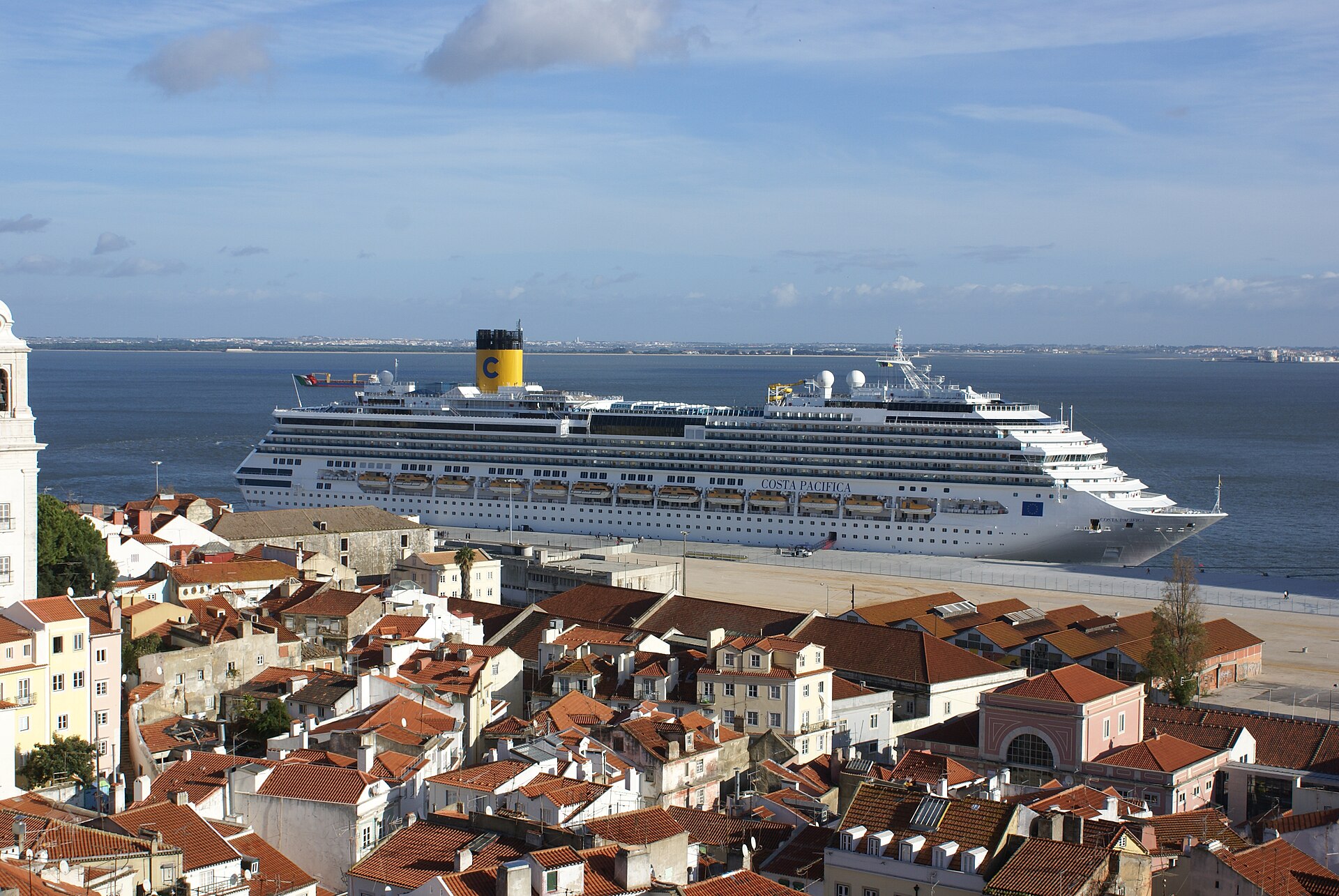
What you see today is mostly a romantic reconstruction from the 1940s. The dictator Salazar had the castle rebuilt as a symbol of Portuguese national identity, tearing down the medieval neighborhood that had grown inside its walls and evicting hundreds of families to create a sanitized version of the past. The irony is thick: a dictator demolishing a living community to celebrate the birth of a nation. But the views are genuine and spectacular — from the ramparts you can see the entire city spilling down its seven hills to the Tagus, the red rooftops of Alfama below, and on clear days, the Serra da Arrábida across the river.
Archaeological digs in the 1990s unearthed layers of occupation going back to the 7th century BC, including Iron Age remains, a Moorish-era residential quarter, and the ruins of the old royal palace where Portuguese kings lived until Manuel I moved to the waterfront in the early 1500s. There's a camera obscura in one of the towers that projects a live 360-degree image of the city onto a white dish — a low-tech parlor trick that somehow feels more magical than any smartphone. The resident peacocks roaming the gardens are descendants of birds introduced by the royal court, which means they've been strutting around this hilltop longer than most European dynasties.
Verified Facts
The castle was taken from the Moors in 1147 by Portugal's first king Afonso Henriques with the help of Northern European Crusaders during a 17-week siege.
The current castle is largely a reconstruction from the 1940s under the Salazar dictatorship, which demolished the medieval neighborhood inside the walls.
Archaeological excavations in the 1990s revealed occupation layers dating back to the 7th century BC.
A camera obscura in one of the towers projects a live 360-degree panoramic image of the city.
The resident peacocks descend from birds introduced by the Portuguese royal court.
Get walking directions
Rua de Santa Cruz do Castelo, Santa Maria Maior, Lisboa, 1100-480, Portugal