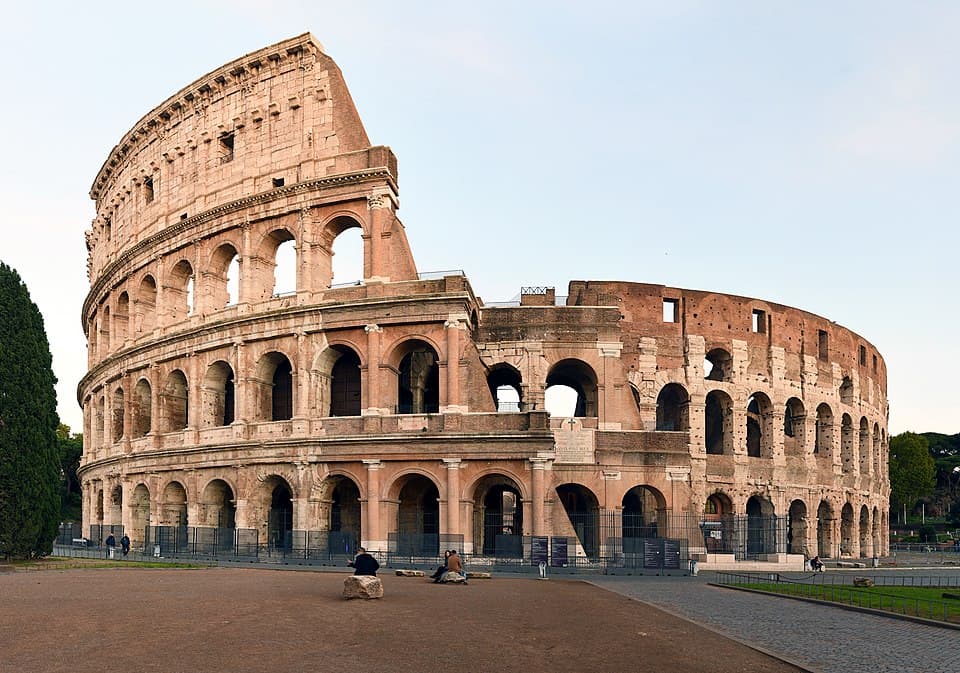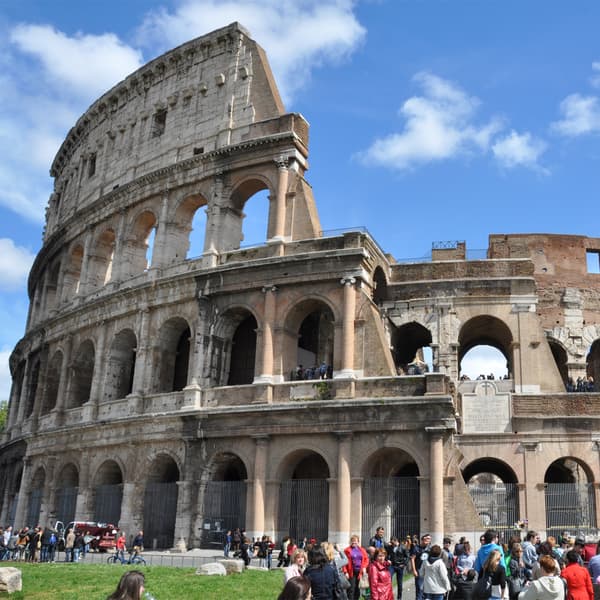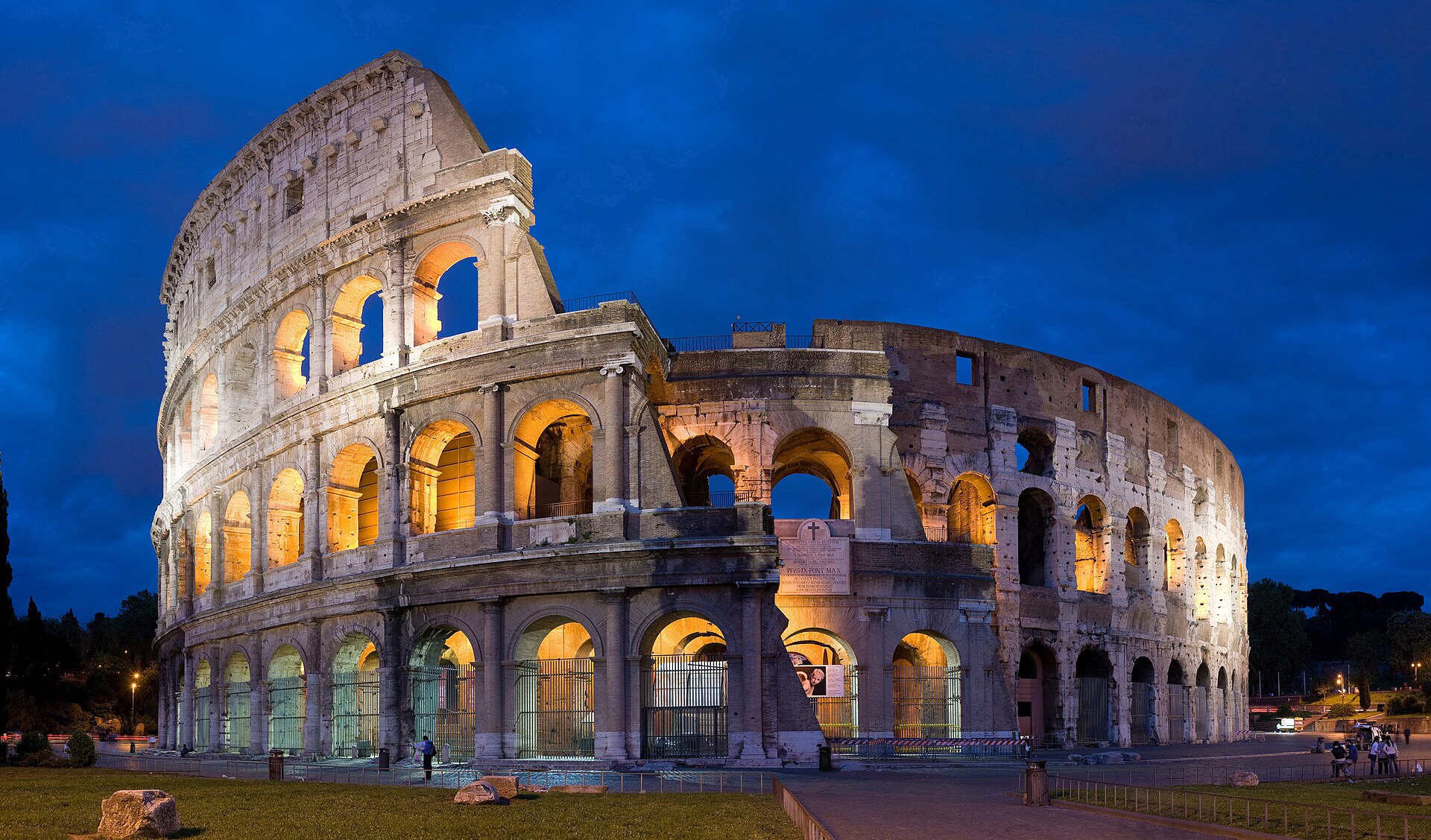
Here is a number that should stop you in your tracks: fifty thousand. That is how many people could sit in this building — at the same time — nearly two thousand years ago. The Colosseum was not just big. It was operationally brilliant. The Romans invented a ticketing system using numbered pottery shards that matched numbered archways, so fifty thousand spectators could find their seats and be fully loaded in about fifteen minutes. Modern stadium designers have studied this and openly admitted they cannot do better.
And it had a retractable awning. The velarium was a massive canvas shade system operated by a detachment of sailors from the imperial navy — about a thousand men — stationed permanently in Rome just to work the ropes. They were billeted in a nearby barracks called the Castra Misenatium. When you hear people say Rome was advanced, this is what they mean: a dedicated military unit whose sole job was sun protection for sports fans.
The floor was wooden, covered in sand — the Latin word for sand is harena, which is where we get the word arena. Beneath it was the hypogeum, a network of tunnels, cages, and mechanical lifts that could raise animals and scenery directly into the arena through trapdoors. There were at least thirty-six of these lifts. Stagehands could flood the arena for mock naval battles in the early years, before the underground levels were built out.
But the violence was real and staggering. Conservative modern estimates suggest four hundred thousand people and over a million animals died here over roughly four centuries of games. Entire species were hunted to regional extinction to supply the arena — North African elephants, Mesopotamian lions, Caspian tigers. The building you are looking at was an engine of ecological devastation dressed up as entertainment.
Verified Facts
The Colosseum seated approximately 50,000 spectators and could be fully loaded in about 15 minutes using a numbered ticket system
The velarium awning was operated by roughly 1,000 sailors from the imperial navy stationed at the Castra Misenatium barracks
The Latin word harena (sand) gives us the English word arena; the Colosseum floor was wood covered in sand
The hypogeum beneath the arena contained at least 36 mechanical lifts for raising animals and scenery through trapdoors
An estimated 400,000 people and over 1 million animals died in the Colosseum over roughly four centuries of games
Get walking directions
1 Piazza del Colosseo, I Municipio, Rome, 00184, Italy