Before this bridge existed, William Walsh operated seven ferries across the Liffey at this spot, and they were falling apart. The city told him to either fix the ferries or build a bridge, so in 1816 he built a bridge — and charged everyone a ha'penny to cross it. The toll was meant to recoup his investment, but it also made the bridge one of the most resented pieces of infrastructure in Dublin. Imagine paying a toll to walk across a river in the middle of your own city.
The bridge was one of the first cast-iron bridges in the world, made from ore mined in County Leitrim's Sliabh an Iarainn. The iron ribs were cast in 18 sections and shipped to Dublin for assembly. It cost £3,000 to build and was originally named the Wellington Bridge after the Duke of Wellington, who was born in Dublin. But nobody ever called it that. Everyone called it the Ha'Penny Bridge, and the name stuck even after the toll was dropped in 1919.
There was a wonderful safety clause in the original contract: if Dublin's citizens found the bridge "objectionable" within its first year, the entire structure had to be removed at Walsh's expense. Dubliners complained about everything — the toll, the width, the ironwork — but apparently not enough to trigger the clause.
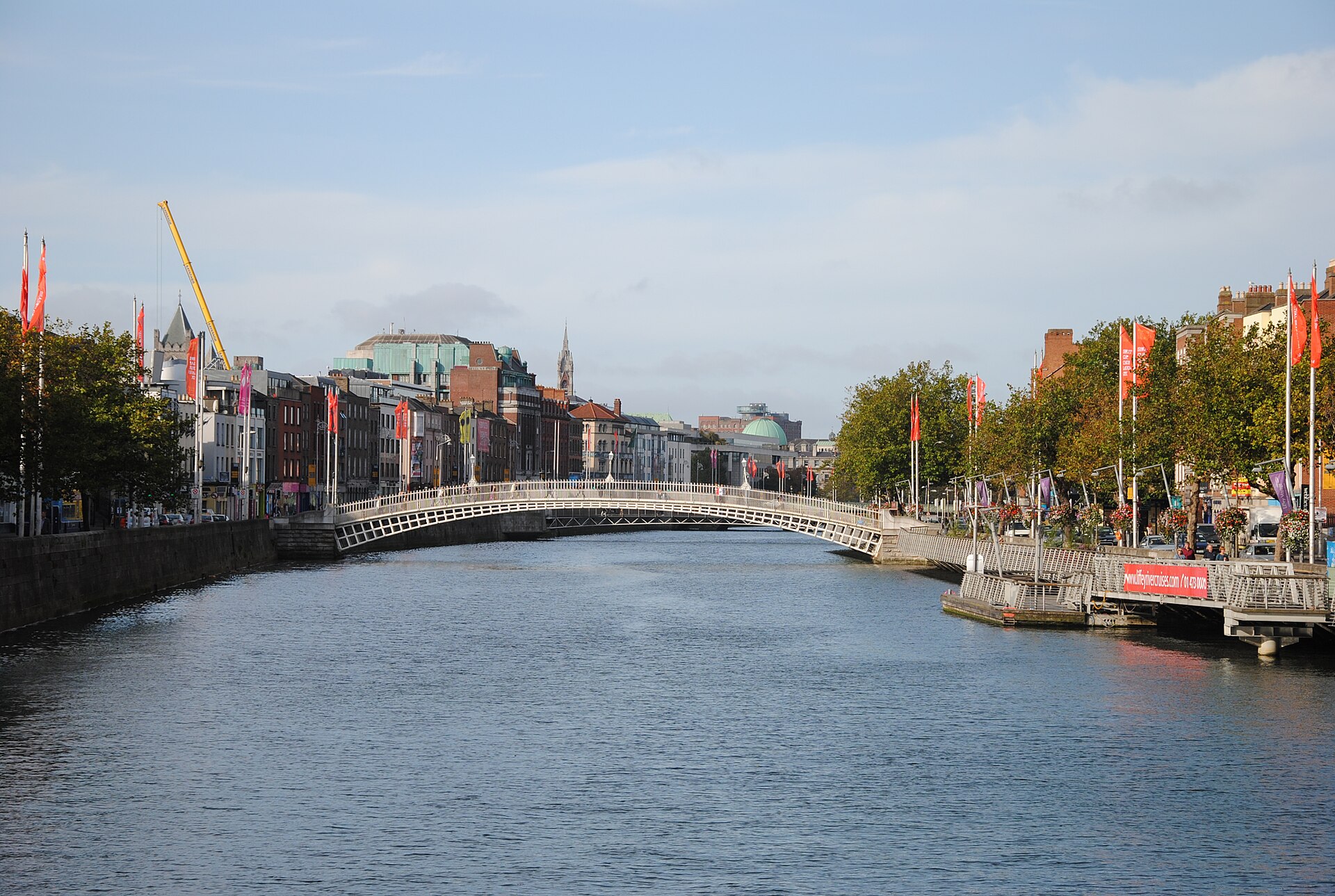
At 43 metres long, it's not a grand bridge by any standard. But its elegant white cast-iron arch, reflected in the dark Liffey water, has become the most photographed bridge in Ireland. The ornamental lamp posts were added during a major restoration in 2001. Today three million people cross it every year, and none of them pay a ha'penny.
Verified Facts
The bridge was built in 1816 by William Walsh, replacing seven ferries, and a ha'penny toll was charged until 1919
It was one of the first cast-iron bridges in the world, made from ore mined in County Leitrim
The bridge cost £3,000 to build and was originally named the Wellington Bridge
A contract clause stipulated the bridge had to be removed at Walsh's expense if citizens found it objectionable within its first year
Get walking directions
Bachelors Walk, North City, Dublin 1, Ireland