There's a pocket notebook bound in the skin of a serial killer on display here, and it's one of the less unsettling items in the collection. William Burke was publicly executed in 1829 for murdering at least sixteen people and selling their bodies to Dr Robert Knox at the Royal College of Surgeons for anatomy dissection. After his hanging, Burke was publicly dissected — fitting justice, the crowd agreed — and his skin was tanned and used to bind several items, including this notebook. His death mask also stares out from a glass case nearby. His partner William Hare turned King's evidence and walked free.
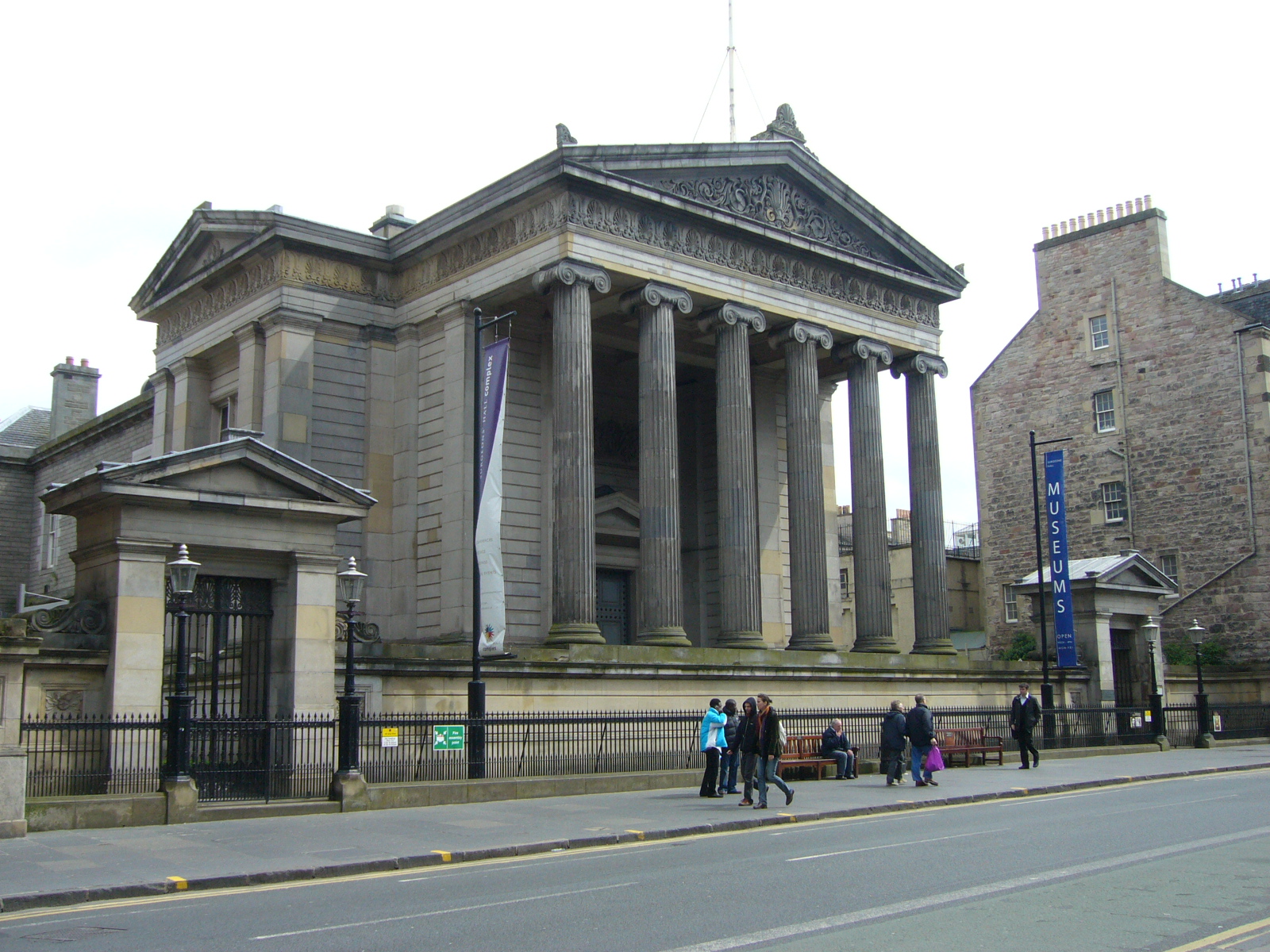
The Royal College of Surgeons of Edinburgh received its charter on 1 July 1505, making it one of the oldest surgical corporations in the world. The museum has been collecting "natural and artificial curiosities" since 1699, and the current building was designed by William Henry Playfair and completed in 1832. The collection has been open to the public since then, making it one of Scotland's oldest museums. The neoclassical facade on Nicolson Street is one of Playfair's finest works.
The Wohl Pathology Museum upstairs is not for the squeamish. Rows of specimens in glass jars document every manner of disease, injury, and medical anomaly collected over three centuries of surgical practice. The dental collection shows what happened to your teeth before anaesthesia and fluoride. Together they tell the story of medicine's long, painful, and frequently gruesome journey from barber-surgeons to modern science.
Edinburgh became the body-snatching capital of Britain because its medical school was so good that demand for cadavers outstripped the legal supply. The Anatomy Act of 1832, passed largely in response to Burke and Hare's crimes, finally regulated the supply of bodies for medical research — but not before Edinburgh's graveyards had been fitted with iron mortsafes and watchtowers to guard the dead.
Verified Facts
The Royal College of Surgeons of Edinburgh was chartered on 1 July 1505, one of the oldest surgical corporations in the world
A pocket notebook bound in William Burke's skin and his death mask are on display in the museum
The current Surgeons' Hall was designed by William Henry Playfair, completed in 1832, and has been open to the public since
Burke and Hare sold at least 16 corpses to Dr Robert Knox before their crimes were discovered
Get walking directions
Nicolson Street, Edinburgh EH8 9DW