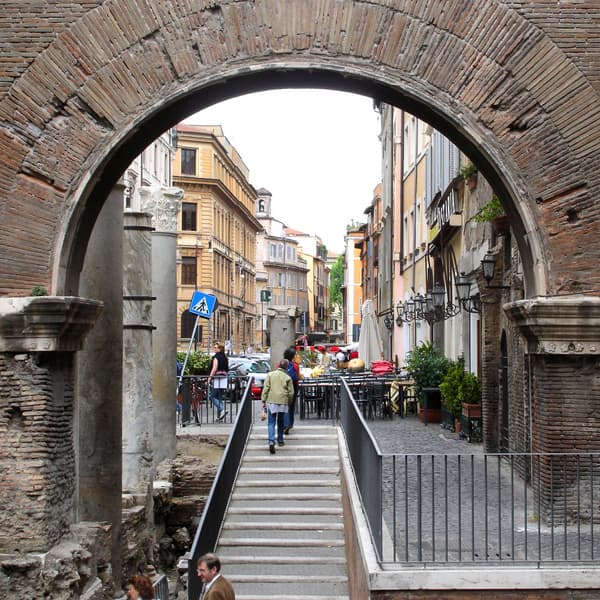
Rome's Jewish community is the oldest in Europe. Jews have lived continuously in this city for over twenty-two hundred years — since at least the second century BC, when Judean ambassadors came to negotiate with the Roman Republic. That means the Jewish community here predates Christianity by two centuries. They were here before Julius Caesar, before the Empire, before the Colosseum was built. This is not a transplanted community. This is Rome.
In 1555, Pope Paul IV issued the papal bull Cum nimis absurdum, which confined all of Rome's Jews to a tiny walled area near the Tiber — three hectares for roughly four thousand people. The gates were locked at night. Jews were required to wear yellow badges. They could only work as rag dealers or moneylenders. They were forced to attend Christian sermons every Saturday. This ghetto — the word itself comes from the Venetian foundry district where Jews were confined in 1516 — existed in some form until 1870, when Italian unification finally tore down the walls.
The food here is some of the most distinctive in Rome. Carciofi alla giudia — Jewish-style artichokes, deep-fried whole until the outer leaves shatter into salty chips and the heart melts — is the signature dish, and it was invented here out of necessity and ingenuity. The bakeries make ricotta and cherry crostata and almond pastries that owe nothing to the butter-heavy Roman Catholic baking tradition. The cuisine is a living document of a community that made art from restriction.
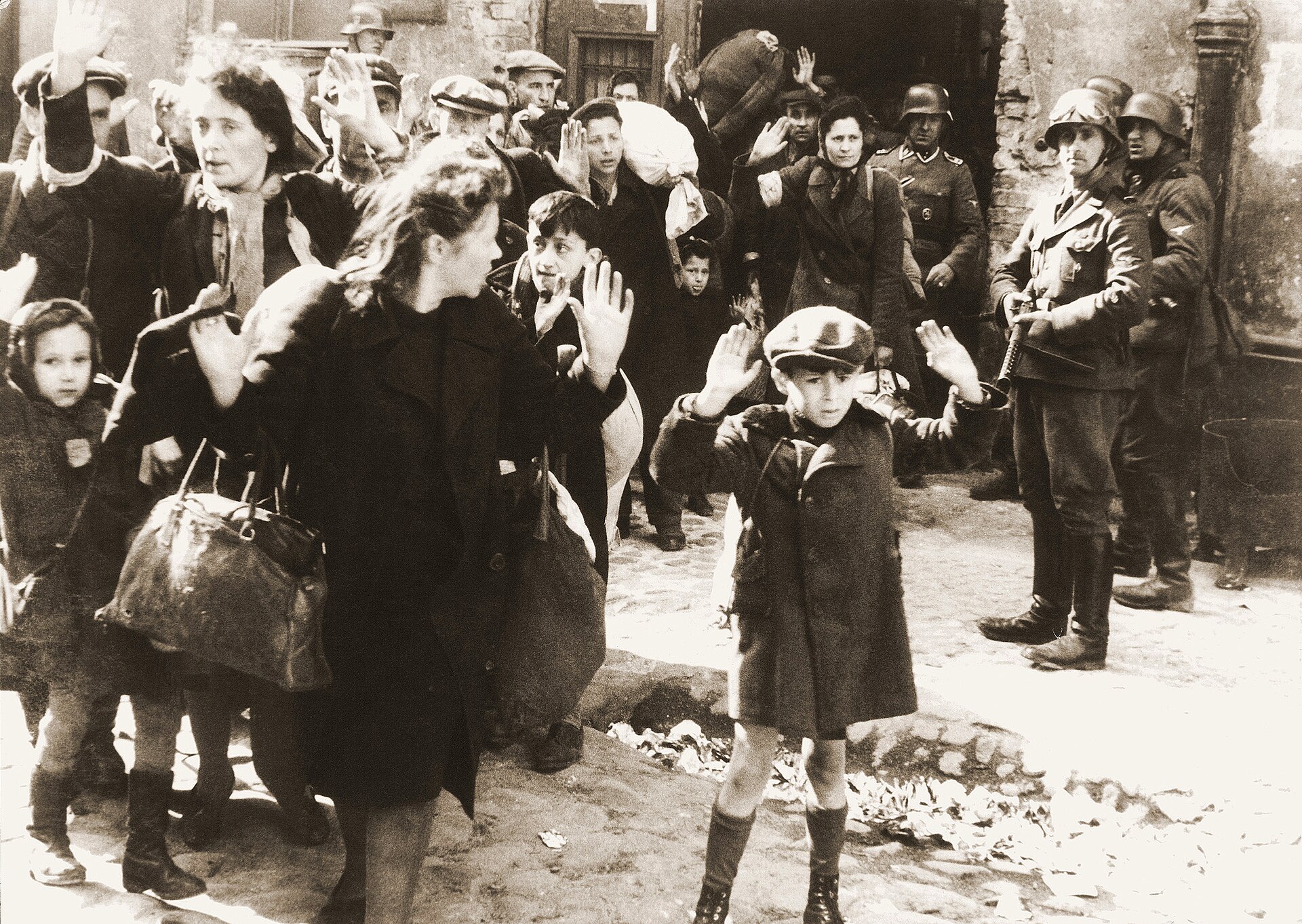
On October sixteenth, 1943, the Nazis rounded up 1,024 Jews from this neighbourhood and deported them to Auschwitz. Sixteen survived. The Stolpersteine — small brass cobblestones engraved with names and dates — mark the doorsteps where victims lived. You will trip over them, literally, which is the point. The German artist Gunter Demnig designed them so you must bow your head to read them.
Verified Facts
Rome's Jewish community dates to at least the 2nd century BC, making it the oldest continuous Jewish community in Europe
Pope Paul IV confined Rome's Jews to a walled ghetto in 1555 via the bull Cum nimis absurdum; the walls stood until 1870
On October 16, 1943, 1,024 Jews were deported from the ghetto to Auschwitz; 16 survived
Stolpersteine (stumbling stones) by Gunter Demnig mark doorsteps of Holocaust victims throughout the neighbourhood
Get walking directions
Via del Portico d'Ottavia, I Municipio, Rome, 00186, Italy