If Real Madrid wins the Champions League, this is where a million people come to scream about it. The Cibeles fountain — a goddess riding a chariot pulled by lions — has been the unofficial celebration point for Real Madrid victories since the 1980s. Players climb onto the fountain to drape it in the team's white scarf, while fans pack every square meter of surrounding pavement. The city has had to reinforce the statue multiple times to survive the love.
The fountain itself predates football by two centuries. King Carlos III commissioned it in 1777 as part of his grand plan to beautify Madrid, and architect Ventura Rodriguez designed a statue of Cybele, the Phrygian goddess of fertility, holding a scepter and key — symbolizing the keys to the capital. Sculptors Francisco Gutierrez and Roberto Michel carved the figures from marble, and the fountain was inaugurated in 1782, originally positioned across the square from where it sits today. It was moved to its current central location in the 19th century.
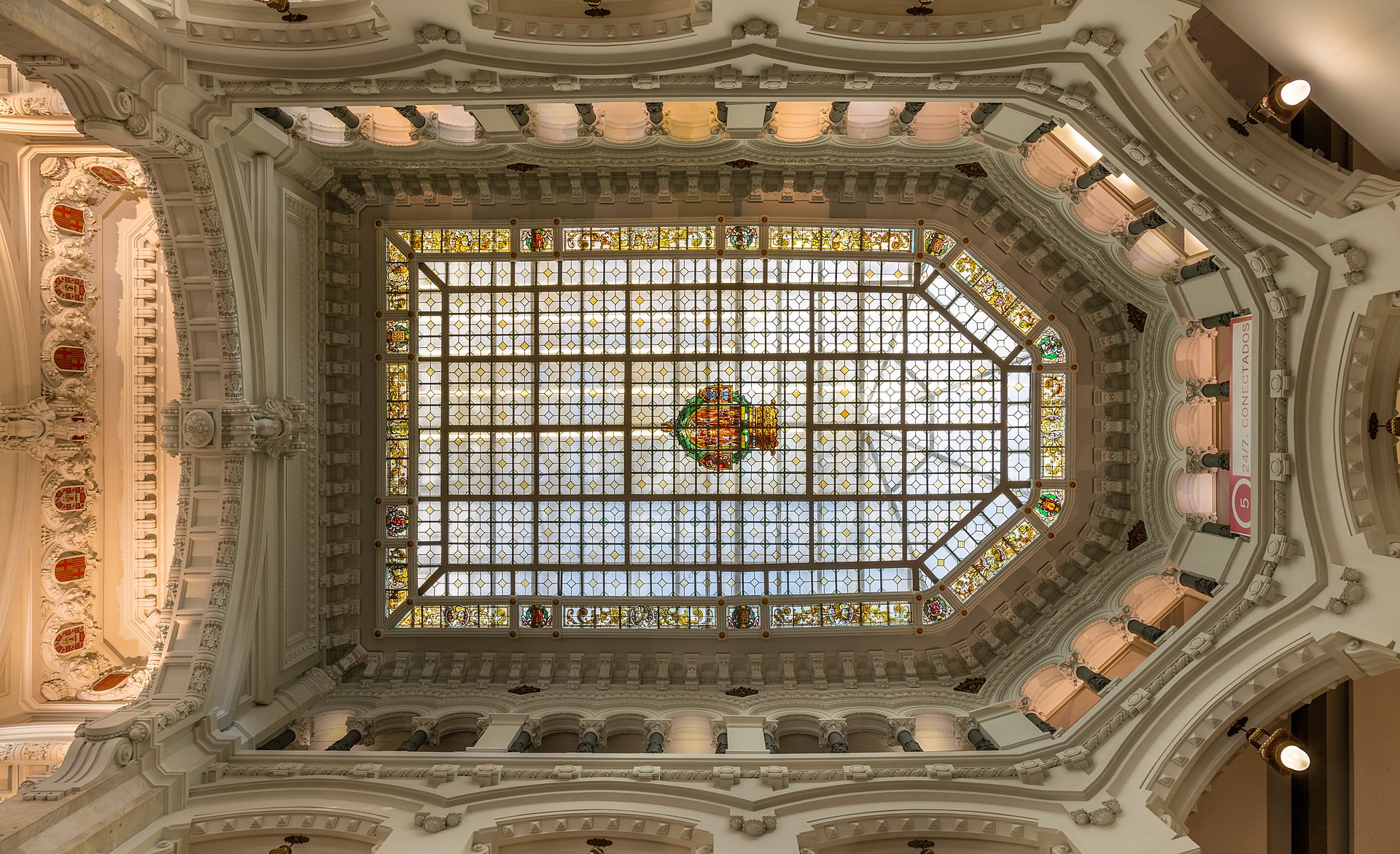
The real showstopper behind the fountain is the Palacio de Cibeles — the absurdly grand wedding-cake building that looks like it should house a parliament or an opera company. It was actually built as a post office. Architects Antonio Palacios and Joaquin Otamendi won a competition in 1904 and created what might be the most beautiful mail-sorting facility ever constructed, completed in 1919. Since 2007, it's served as Madrid's city hall, and the top-floor observation deck offers panoramic views of the entire city.
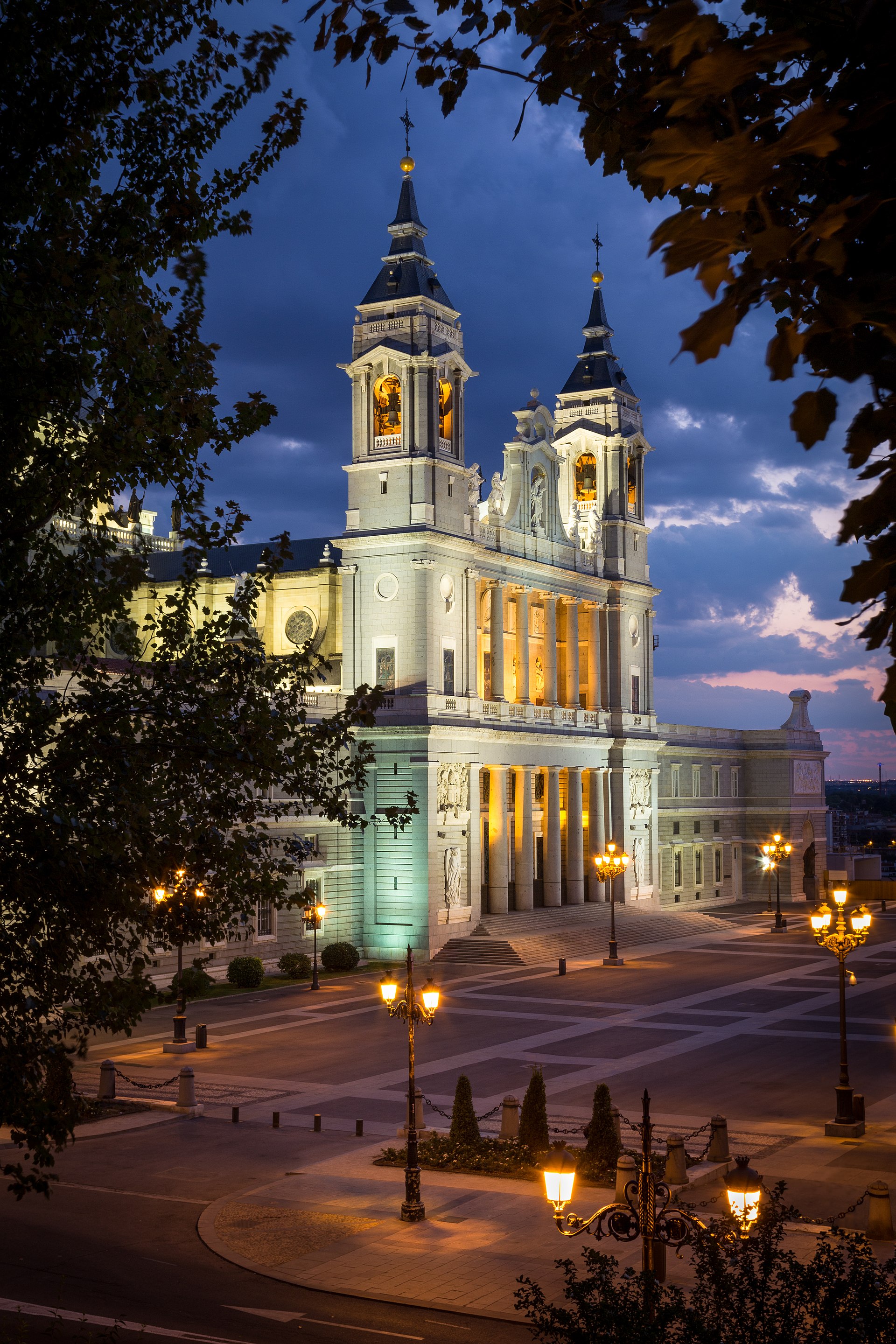
At night, when the fountain and palace are lit up, the plaza becomes one of the most spectacular urban scenes in Europe — a crossroads where neoclassical elegance meets the raw emotion of a footballing city.
Verified Facts
The Cibeles fountain was commissioned by Carlos III in 1777 and inaugurated in 1782, designed by Ventura Rodriguez
The Palacio de Cibeles was originally built as a post office (1907-1919) and has served as Madrid's city hall since 2007
Real Madrid players traditionally celebrate major victories by climbing the fountain and draping it with the team scarf
The palace was designed by architects Antonio Palacios and Joaquin Otamendi, who won a public competition in 1904
Get walking directions
Plaza Cibeles, Centro, Madrid, 28014, Spain