They demolished 300 houses and wiped fifteen streets off the map to build it. Gran Via was Madrid's answer to Haussmann's Paris — a grand boulevard smashed through the tangled medieval city center, designed to drag the Spanish capital into the 20th century. The project was talked about for decades, mocked by newspapers who sarcastically called it the "Great Way," and finally approved in 1904. Construction began in 1910 and wasn't fully completed until 1931, carried out in three stages that you can still read in the architecture as you walk.
The first section, from Calle de Alcala to Red de San Luis, is French-influenced Beaux-Arts. The middle stretch leans Art Nouveau and Art Deco. The western end, completed last, goes full-blown American — because by the 1920s, Madrid was looking at New York, not Paris. The Telefonica Building, finished in 1929, was one of Europe's first skyscrapers at 89 meters tall, and it was the tallest building on the continent until 1940. During the Civil War, its height made it a prime artillery target — the Republican government used it as a telephone exchange while Nationalist shells slammed into it regularly.
The Capitol Building, opened in 1933, still wears its iconic neon Schweppes sign — one of the most photographed pieces of advertising in Europe. At night, Gran Via's neon signs light up like a smaller, scrappier Times Square, and the street pulses with theater-goers, shoppers, and tourists. Madrid's Broadway, some call it, because the density of theaters here rivals London's West End.
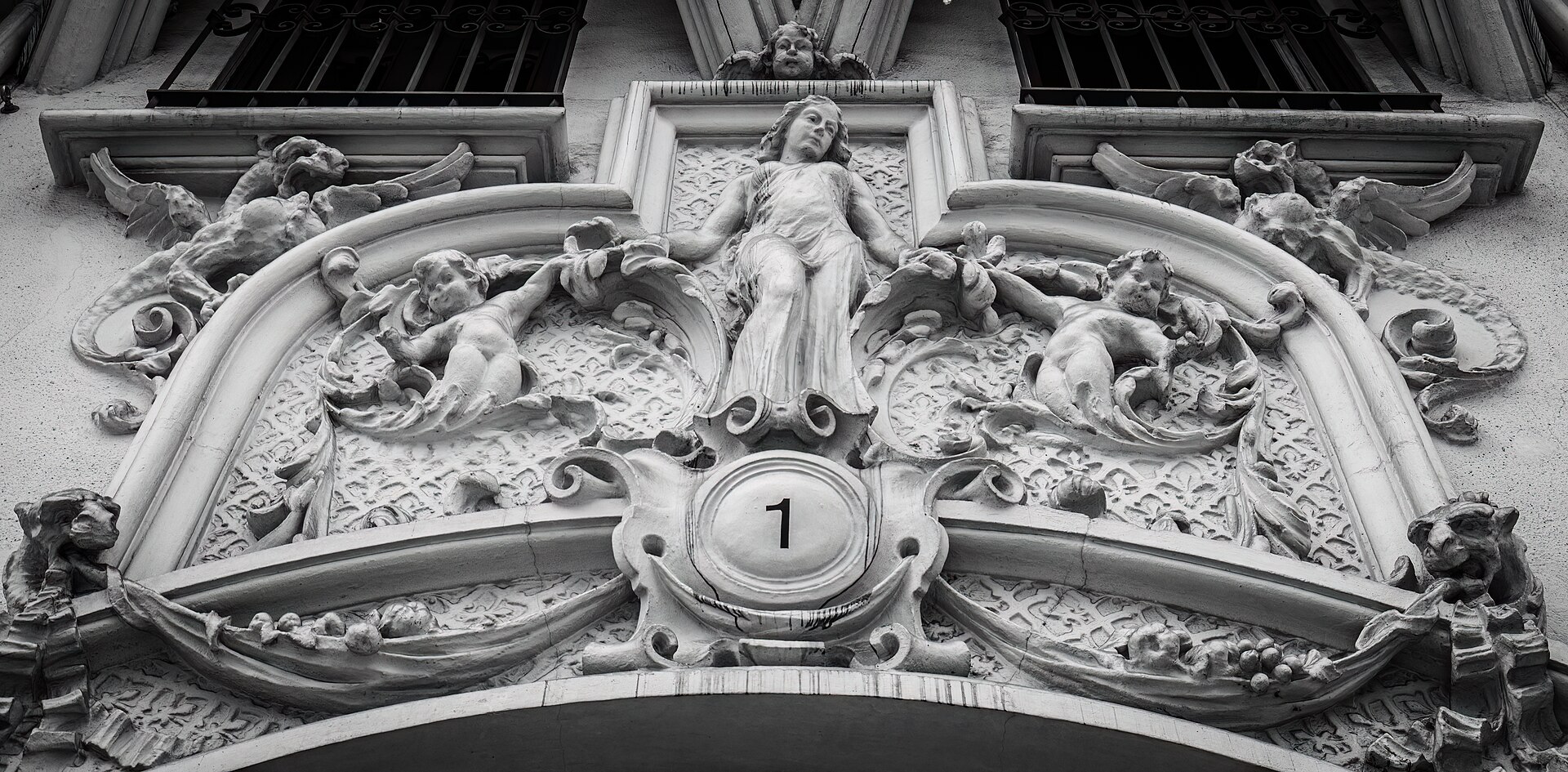
Look up as you walk — the rooftop architecture is extraordinary. Domes, turrets, sculptures, and cupolas compete for attention on every block. The Edificio Metropolis at the corner of Alcala, with its golden winged victory statue, might be the most photographed building in Madrid.
Verified Facts
Around 300 houses were demolished and fifteen streets disappeared to make room for Gran Via, built between 1910 and 1931
The Telefonica Building, completed in 1929 at 89 meters, was the tallest building in Europe until 1940
Construction was carried out in three stages, each reflecting the architectural trends of its era: Beaux-Arts, Art Nouveau/Deco, and American modernism
The Capitol Building opened in 1933 and still displays its iconic neon Schweppes sign
Get walking directions
Calle Gran Vía, Centro, Madrid, 28013, Spain