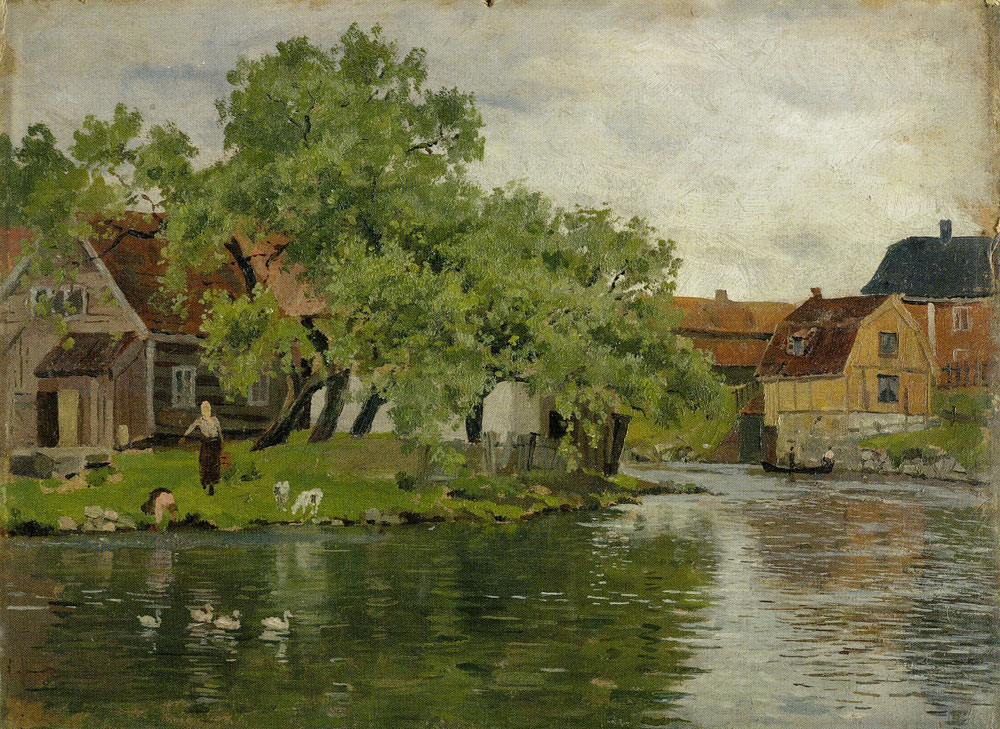
Before it was Oslo's coolest neighborhood, Grünerløkka was one of its poorest. The area takes its name from Friedrich Grüner, a seventeenth-century landowner, but its character was shaped by the nineteenth-century industrialization that packed thousands of textile workers, mechanics, and brewers into cramped apartment blocks along the Akerselva river. By 1900, the parish had swollen to 22,000 people living in some of Oslo's worst conditions. The river that powered their factories was so polluted it was effectively dead.
The turnaround began when artists and students discovered cheap rents in the abandoned industrial spaces. Galleries replaced workshops. Cafés appeared in former storefronts. Vintage shops filled the ground floors of workers' housing. The same story that has played out in Williamsburg, Shoreditch, and Kreuzberg happened here — creative types moved in, made it interesting, and then the money followed. Long-term working-class residents were gradually priced out, a sore point that still stings in Norwegian public debate.
At the heart of it all is Birkelunden, a small park created in the 1860s by landowner Thorvald Meyer, who donated it to the city in 1882. Every Sunday it hosts a flea market; in summer it fills with picnickers, buskers, and anyone who wants to sit in the grass and watch Oslo go by. In 2006, the park and fifteen surrounding blocks became Norway's first protected urban cultural environment — an acknowledgment that the neighborhood's character was worth preserving even as everything around it changed.
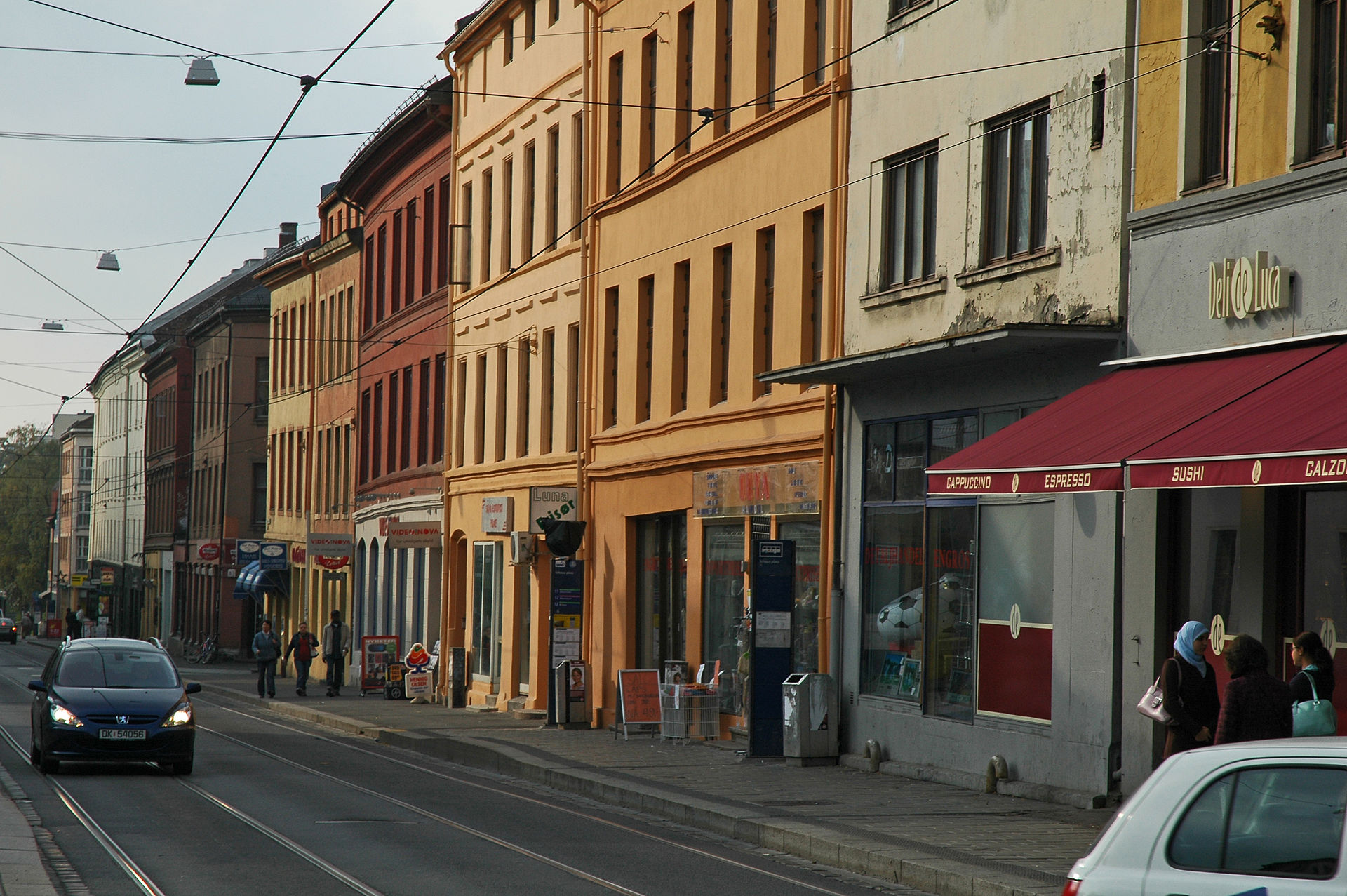
Walk down Thorvald Meyers gate on a weekend afternoon. The coffee is excellent, the record shops are worth browsing, and the mix of old worker housing and new creative energy gives the area an atmosphere that's hard to fake. Grünerløkka earned its reputation the slow way.
Verified Facts
Named after 17th-century landowner Friedrich Grüner; by 1900 the parish had 22,000 residents in working-class housing
Birkelunden park was donated to the municipality by Thorvald Meyer in 1882
In 2006, the park and 15 surrounding blocks became Norway's first protected urban cultural environment
Get walking directions
Thorvald Meyers gate, Grünerløkka, Oslo, 0555, Norway