The Oseberg ship was built around 820 AD, buried in 834 AD with two women and fifteen horses, and then sat under blue clay for over a thousand years until a farmer's spade hit wood in 1903. What came out of that burial mound in Vestfold was the most spectacular Viking find in history — a 21-meter oak ship so richly decorated and so perfectly preserved that it rewrote everything scholars thought they knew about Viking craftsmanship.
The two women buried with the Oseberg ship remain a mystery. One was around eighty years old with severe arthritis; the other was in her fifties. One may have been Queen Åsa, the legendary grandmother of Harald Fairhair, the first king to unify Norway — but nobody can prove it. Their grave goods were extraordinary: the only Viking-era cart ever discovered, three decorated sleighs, five elaborately carved animal heads whose purpose is still debated, beds, farming tools, textiles including imported silk, and a bucket decorated with two figures sitting in lotus position — the so-called "Oseberg Buddha," likely looted from Ireland, evidence that Viking trade networks stretched from Scandinavia to Central Asia.
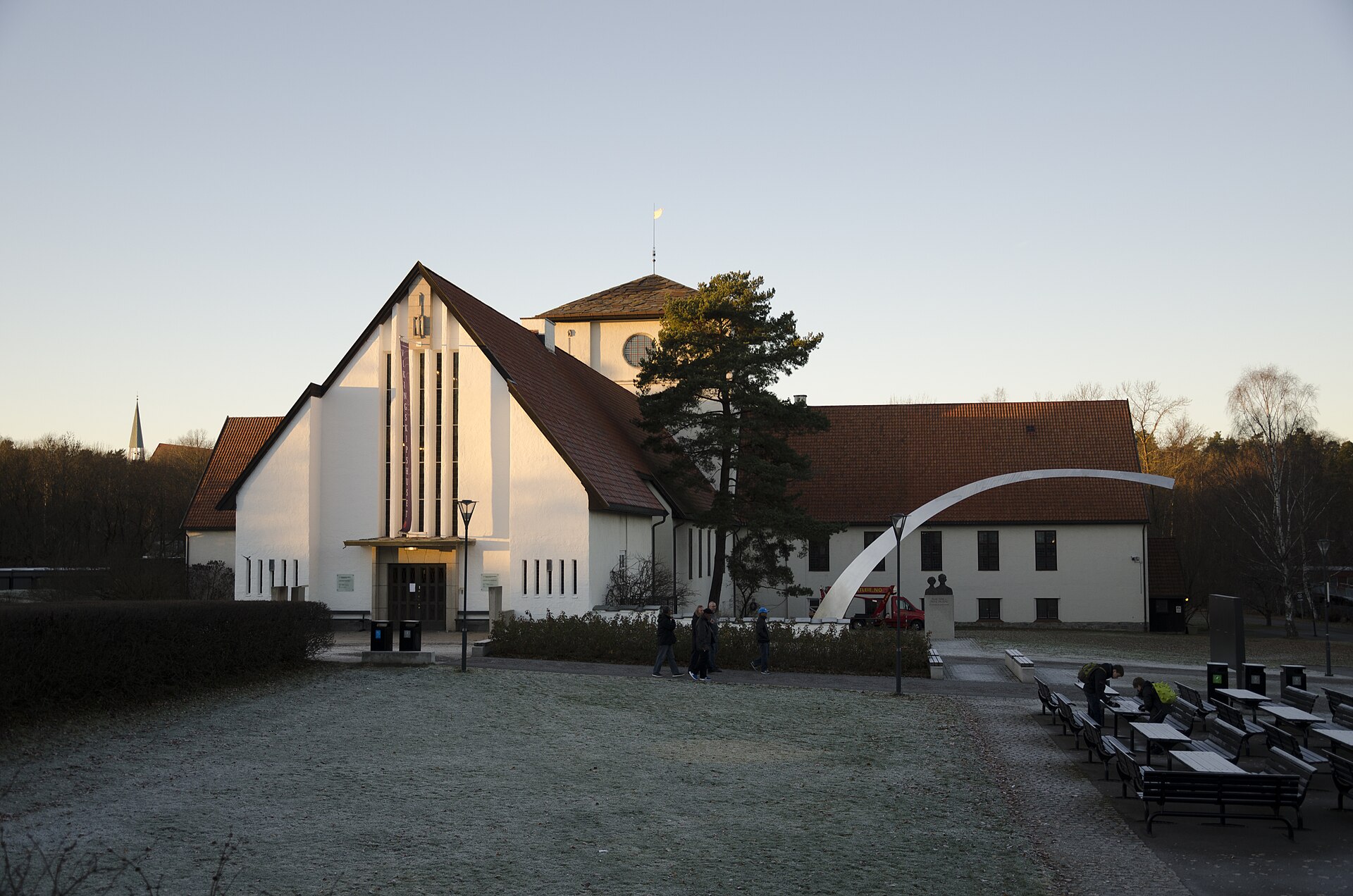
The museum that houses these ships opened in 1926, designed by Arnstein Arneberg — the same architect who later designed Oslo City Hall. Note: the museum closed in September 2021 for a massive expansion and won't reopen until 2027 as the Museum of the Viking Age. When it does, it will be five times larger, with 140,000 square feet designed by AART Architects.
Even closed, the building on Bygdøy is worth seeing from outside. And the ships inside — the Oseberg, the Gokstad, and the Tune — represent something irreplaceable: the three best-preserved Viking vessels on earth, pulled from Norwegian soil and kept here for the world.
Verified Facts
The Oseberg ship was built around 820 AD and buried in 834 AD, preserved in blue clay for over 1,000 years
The burial contained the only Viking-era cart ever discovered, plus three sleighs, five carved animal heads, and imported silk
The museum is closed from September 2021 until 2027 for expansion into the Museum of the Viking Age
The original 1926 museum building was designed by Arnstein Arneberg, who also designed Oslo City Hall
Get walking directions
Huk Aveny 35, 0287 Oslo