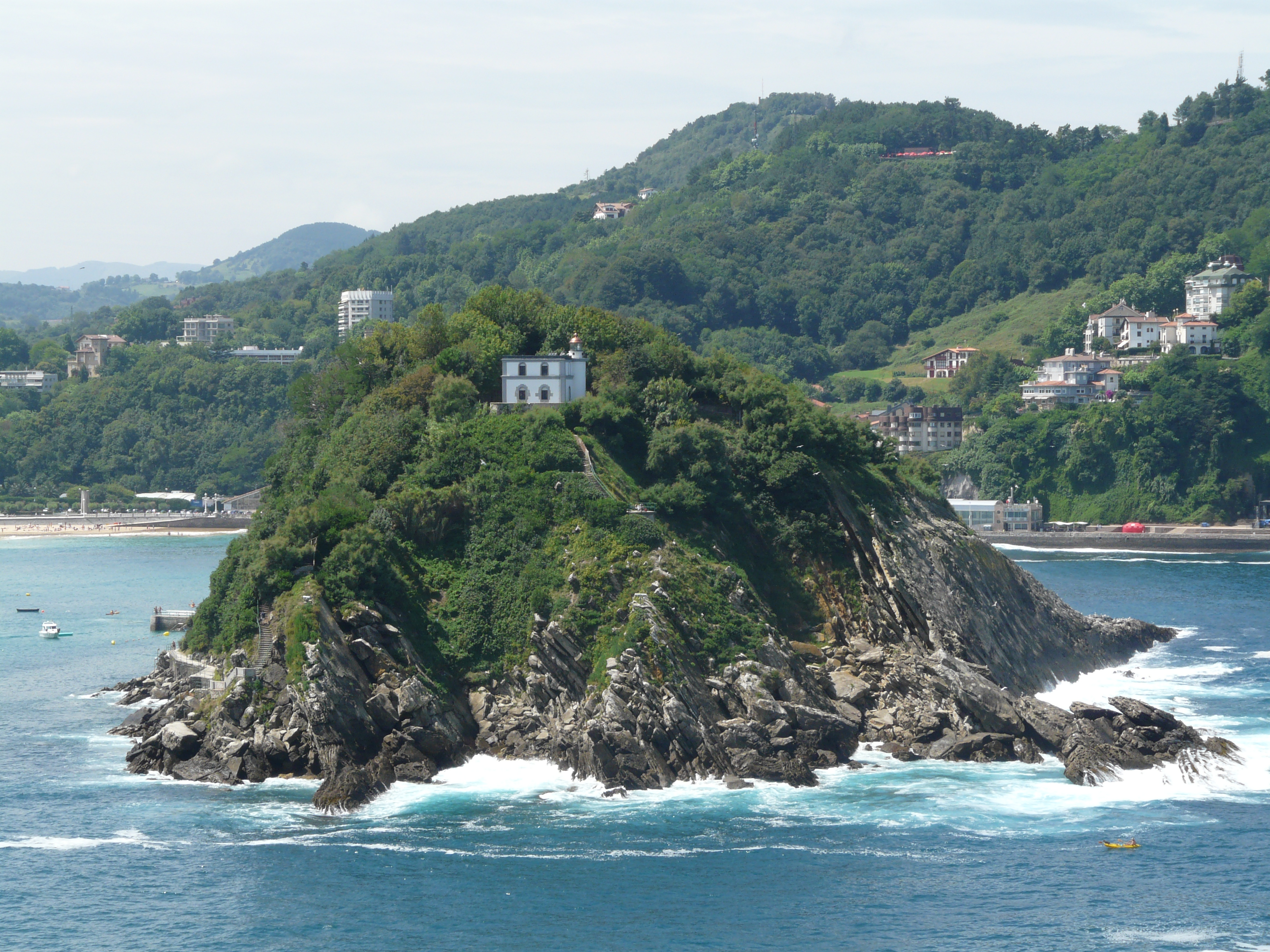
That pretty little island sitting in the middle of La Concha bay looks like a postcard. Families take boats out there in summer. Kids swim on a tiny beach. It is idyllic. It was also a plague quarantine station and a cemetery for heretics.
In fifteen ninety-seven, when plague ravaged San Sebastian, the city used Santa Clara island to isolate the infected. If you were sick, you were put on a boat and sent out there. Whether you came back depended on your immune system and not much else. The island was also used for centuries as a burial ground for people who could not be interred in consecrated ground -- heretics, excommunicated persons, and suicides. The people the Church would not accept in death were sent to this island.
A lighthouse was installed in eighteen sixty-four, and for the next hundred years, lighthouse keepers and their families actually lived on the island full-time. Imagine that life -- a tiny island in a bay, maintaining a light, watching the city across the water. The lighthouse was automated in nineteen sixty-four, and the last keeper left.
Here is something genuinely surprising: the island is home to its own unique lizard. The Iberian San Sebastian lizard -- Podarcis hispanicus sebastiani -- is a subspecies found only on Santa Clara. Centuries of isolation on a small island created a genetically distinct population. You are looking at a place with its own evolution.
And the beach? It only exists at low tide. When the water rises, it disappears completely. So if you visit at the right time, you can swim on a beach that will not be there in a few hours. The boat ride from the port takes about fifteen minutes, and in summer there are regular services. Just do not think too hard about the plague quarantine while you are sunbathing.
Verified Facts
In 1597, when plague ravaged San Sebastian, the island was used to quarantine the infected
The island was used as a cemetery for heretics, excommunicated persons, and suicides who could not be buried in consecrated ground
The lighthouse was installed in 1864; keepers lived on the island for 100 years until automation in 1964
Home to an endemic lizard subspecies: Podarcis hispanicus sebastiani, found only on this island
The island's tiny beach only appears at low tide
Get walking directions
Donostia / San Sebastián, Spain
More in San Sebastián
View all →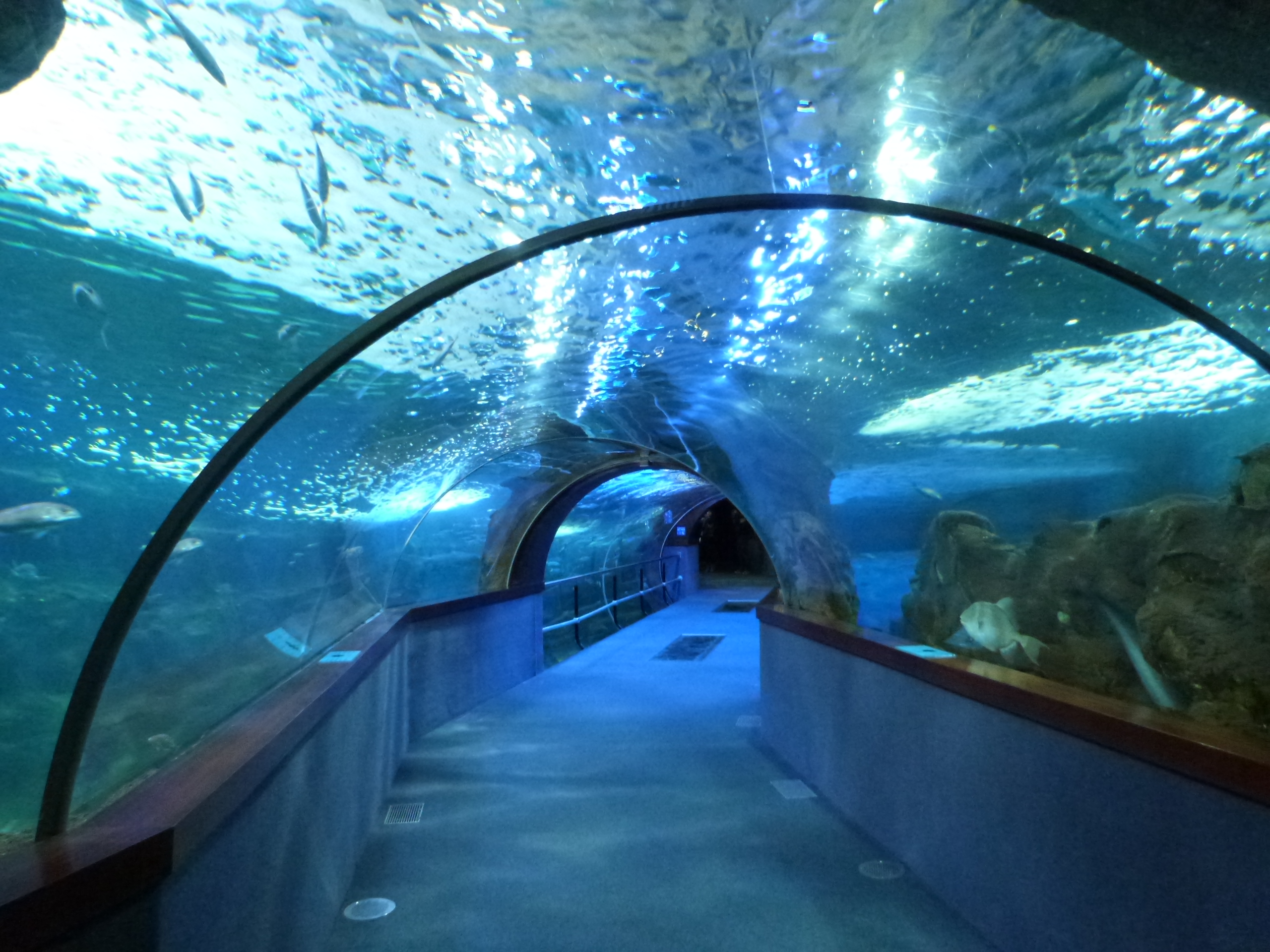
Aquarium Donostia (Palacio del Mar)
1 Plaza de Carlos Blasco Imaz, Plaza de Carlos Blasco Imaz, Donostia / San Sebastián, 20003, Spain
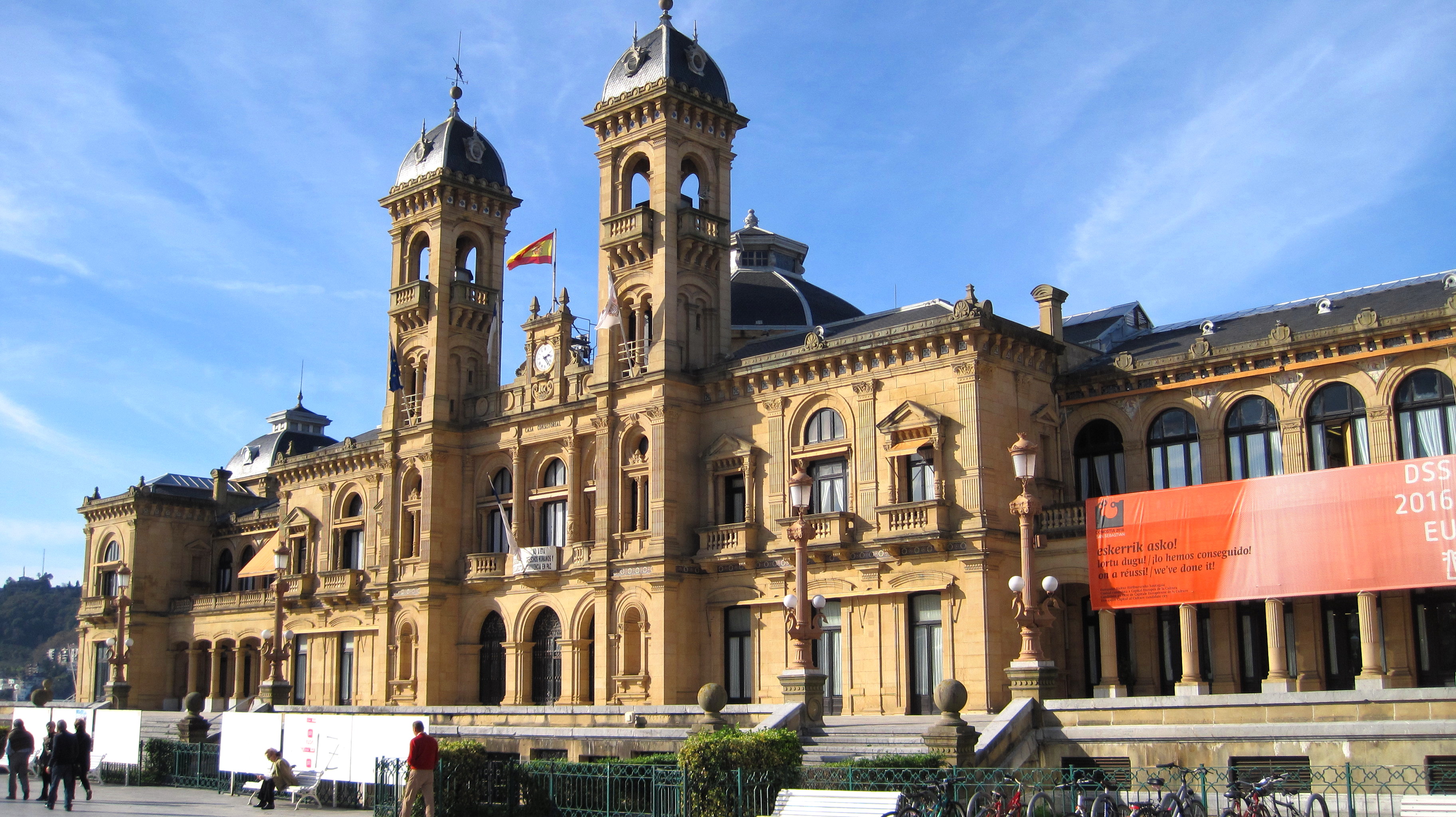
Ayuntamiento (City Hall / Former Casino)
1 Ijentea Kalea, Centro, Donostia / San Sebastián, 20003, Spain
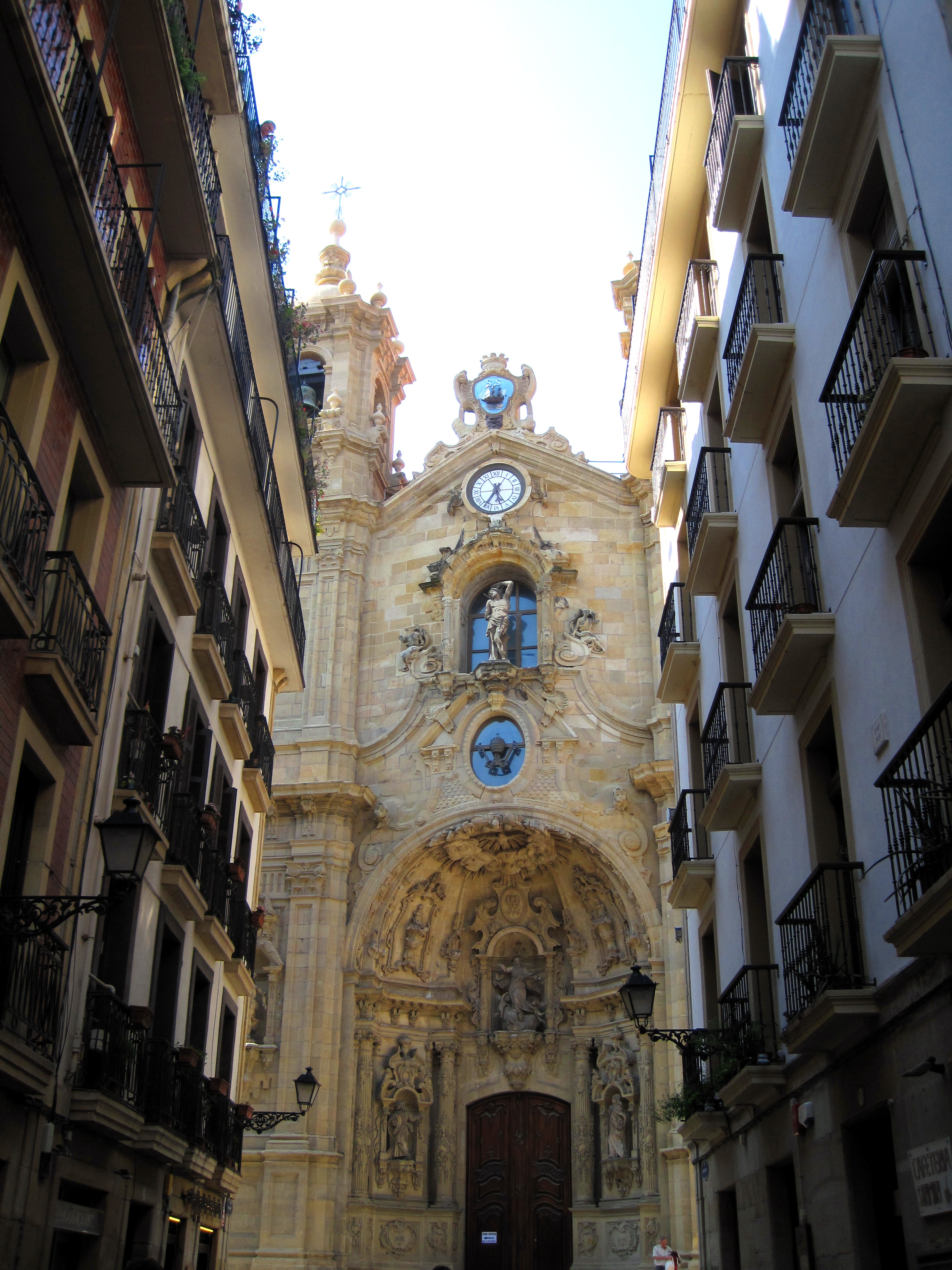
Basilica de Santa Maria del Coro
46 Abuztuaren 31 Kalea, Centro, Donostia / San Sebastián, 20003, Spain