Walking Tours in San Sebastián
30 Landmarks in San Sebastián
Aquarium Donostia (Palacio del Mar)
1 Plaza de Carlos Blasco Imaz, Plaza de Carlos Blasco Imaz, Donostia / San Sebastián, 20003, Spain
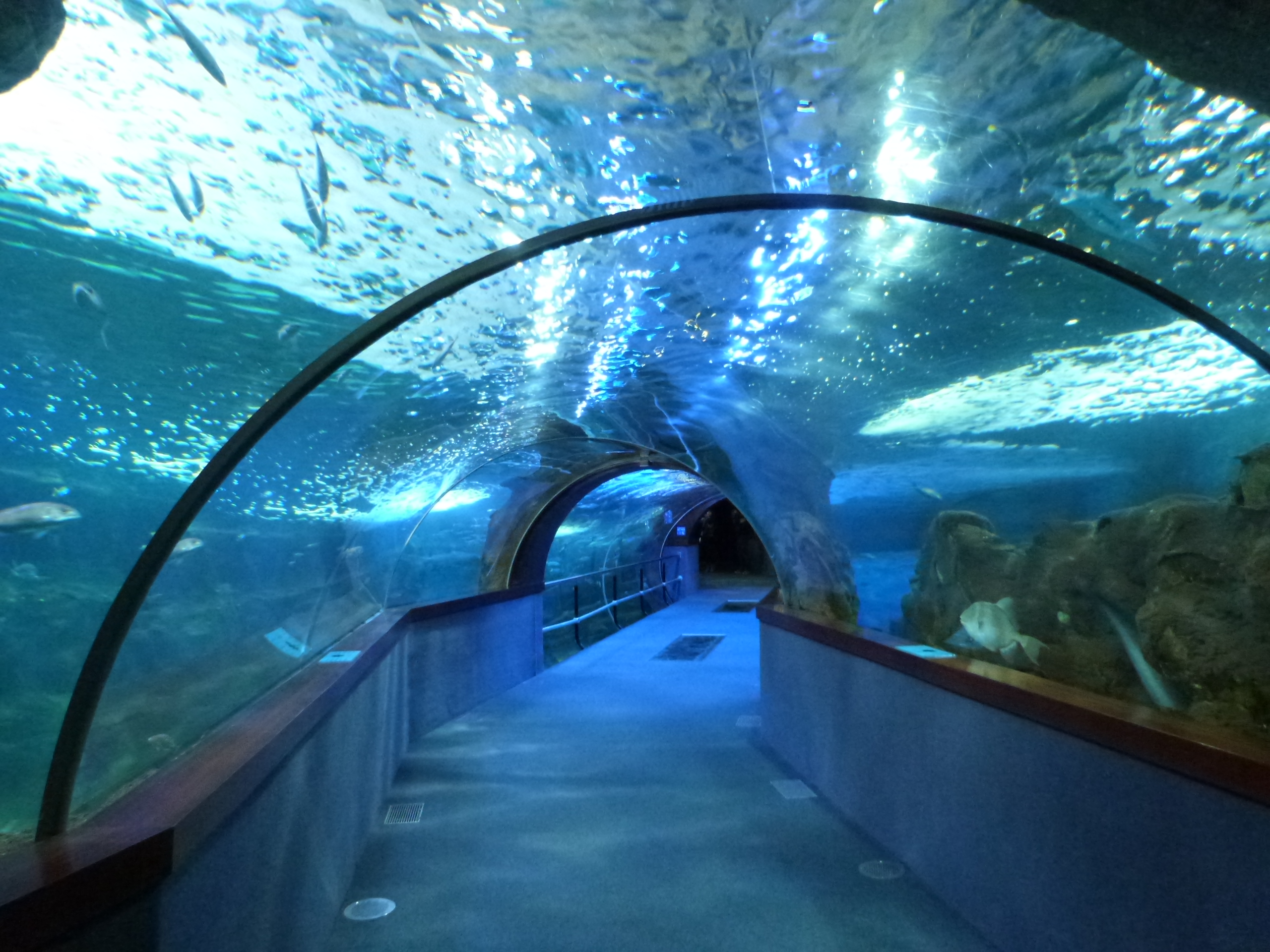
When most European cities were still building zoos to show off exotic land animals, San Sebastian opened an aquarium. That tells you everything about Basque priorities. The sea is not a backdrop here -- it is the main character. The building you are looking at was inaugurated on September first, nineteen twenty-eight, by King Alfonso the Thirteenth and Queen Victoria Eugenia. That makes it one of the oldest aquariums in Spain. But the institution behind it is even older. The Gipuzkoa Oceanic Society was founded in nineteen oh eight -- twenty years before the aquarium opened -- to study sea weather, marine biology, and ocean currents. These were not hobbyists. They were serious scientists trying to understand the Cantabrian Sea, and the aquarium was their public-facing project. The Art Deco building was designed by architect Juan Carlos Guerra and sits at the foot of Monte Urgull, right on the old port. The location matters -- this was the working heart of the city's fishing industry, and putting a marine research centre here made perfect practical sense. The upper floors contain a naval museum with ship models, navigational instruments, and documents tracing the Basque maritime tradition. The Basques were among the greatest seafarers in European history -- they were hunting whales in the North Atlantic centuries before anyone else, and Basque shipbuilders constructed some of the vessels in the Spanish Armada. Over the course of the twentieth century, the aquarium received more than eleven million visitors. It has been expanded and modernized several times, but the original Art Deco facade remains. The place has a dual personality that works: serious marine science downstairs, maritime nostalgia upstairs, and all of it anchored to this port where Basque fishermen have been bringing in their catch for as long as anyone can remember.
Ayuntamiento (City Hall / Former Casino)
1 Ijentea Kalea, Centro, Donostia / San Sebastián, 20003, Spain
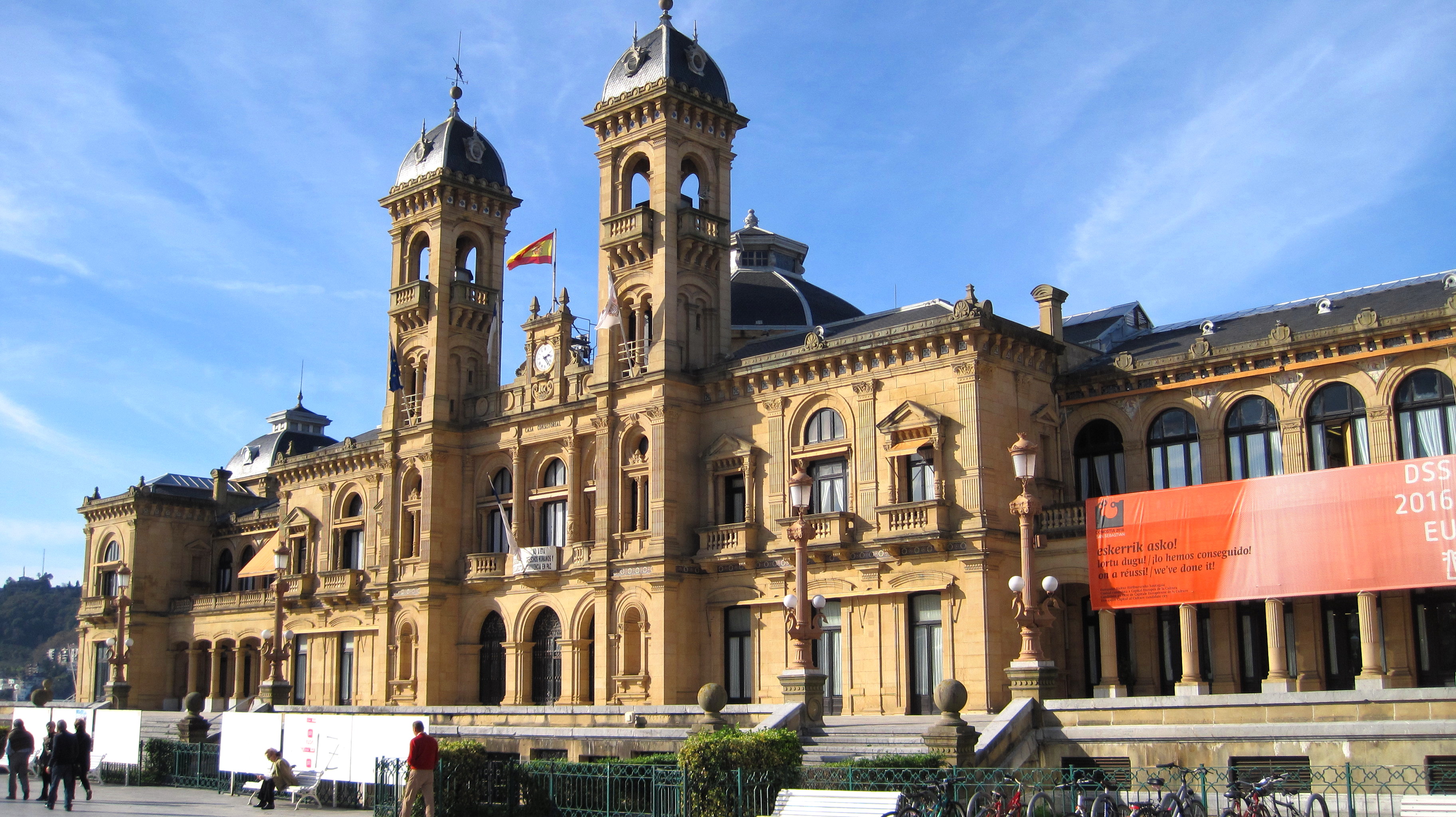
The building in front of you is where the city council debates budgets, planning applications, and parking regulations. It is also a former casino where Leon Trotsky gambled. Let that contrast settle for a moment. Built in eighteen eighty-seven and inspired by the casino at Monte Carlo, this was the social epicentre of Belle Epoque San Sebastian. Queen Maria Cristina herself attended the inauguration on July first of that year. The gaming tables attracted European royalty, industrialists, and political figures -- the Shah of Persia played here, Baron Rothschild played here, and yes, the Russian revolutionary Leon Trotsky sat at these same tables before he went on to help overthrow the Tsar. The party ended abruptly in nineteen twenty-four when dictator Primo de Rivera banned gambling across Spain. Overnight, the casino lost its reason to exist. The building sat in a kind of limbo for over two decades before the city government moved in, converting it to a town hall in nineteen forty-seven. The ornate Belle Epoque interiors -- designed for champagne and roulette -- now serve as the backdrop for municipal meetings. If you look closely at the facade, you can spot something darker. There are bullet holes from the Spanish Civil War still visible in the stonework. Nobody has filled them in. Whether that is preservation or oversight depends on who you ask, but the effect is powerful -- a building that went from royal casino to war zone to city hall in the space of sixty years. The location is perfect, sitting right where the Old Town meets La Concha promenade, with the bay spreading out behind it. The architects knew exactly what they were doing when they put a pleasure palace here.
Basilica de Santa Maria del Coro
46 Abuztuaren 31 Kalea, Centro, Donostia / San Sebastián, 20003, Spain
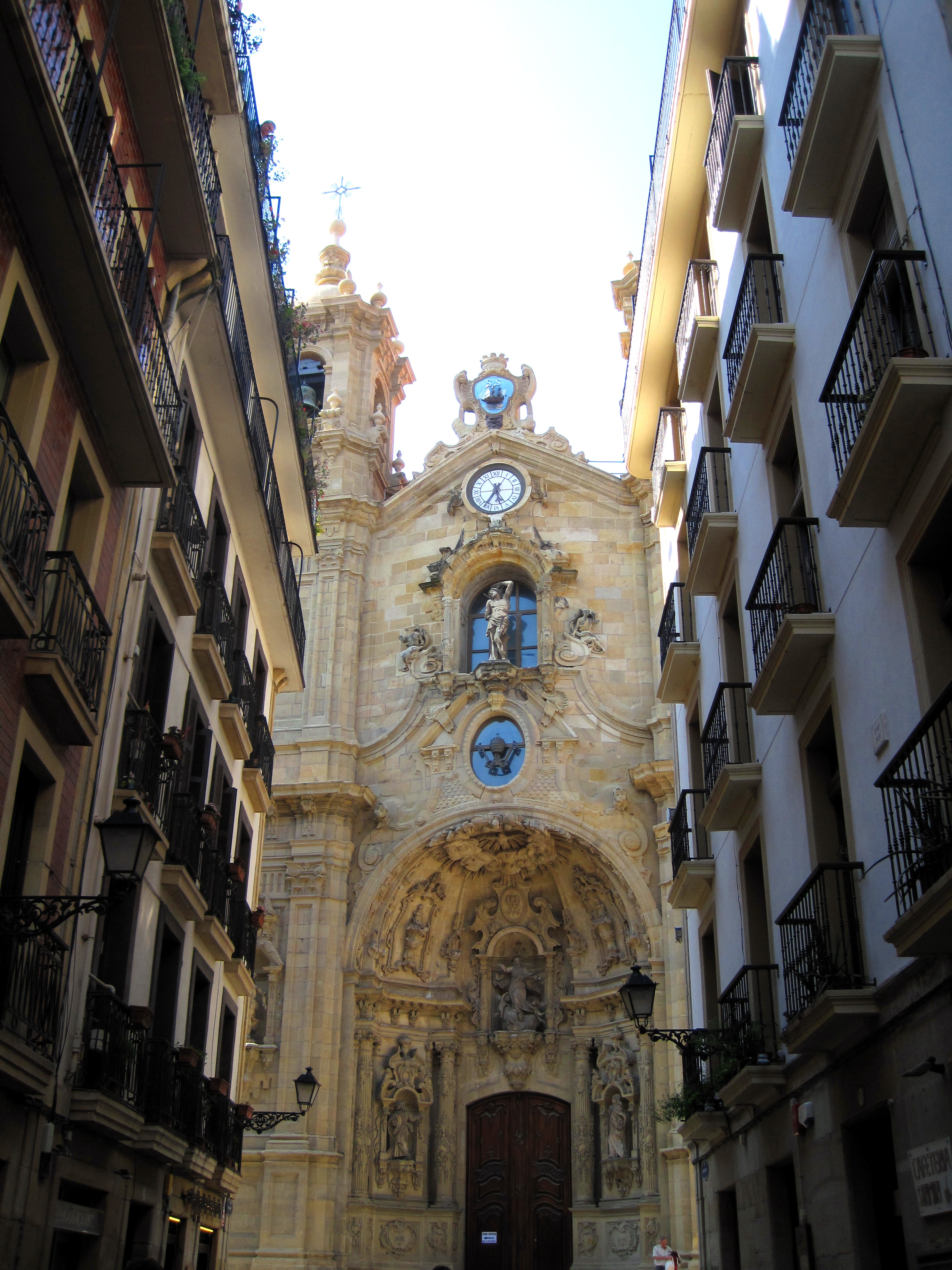
Stand on the steps of this basilica and look straight ahead down the street. See that spire in the distance? That is the Buen Pastor Cathedral, exactly one kilometre away. The two buildings are perfectly aligned -- you can draw a straight line from where you are standing right through to the cathedral entrance. Whether that was deliberate or a spectacular coincidence is still debated, but the visual effect is undeniable. The church behind you is pure Basque Baroque, built between seventeen forty-three and seventeen seventy-four. But there was a church on this spot long before that. The previous one was destroyed when a nearby powder magazine exploded -- imagine the force required to flatten a stone church. When they rebuilt, they went bigger and more ornate, and the result is what you see now: that dramatic facade with its mix of religious sculptures and maritime imagery, a nod to the fishing community that has always defined this part of the city. Inside, the star attraction is the Virgen del Coro -- the patron virgin of San Sebastian. According to local legend, the original statue was found by fishermen in the waters of the Cantabrian Sea. Whether that is history or myth, it has been the emotional centre of the church for centuries. Sailors and fishermen prayed to her before heading out into the Atlantic, and she remains deeply significant to the city today. The basilica received its minor basilica status from Pope Paul the Sixth in nineteen seventy-three, which is relatively recent for a church with this much history. It sits right at the base of Monte Urgull, wedged between the mountain and the narrow streets of the Parte Vieja. The contrast between the enormous Baroque facade and the tight medieval streetscape around it is striking -- this building was clearly meant to make a statement.
Calle 31 de Agosto (August 31st Street)
Abuztuaren 31 Kalea, Centro, Donostia / San Sebastián, 20003, Spain
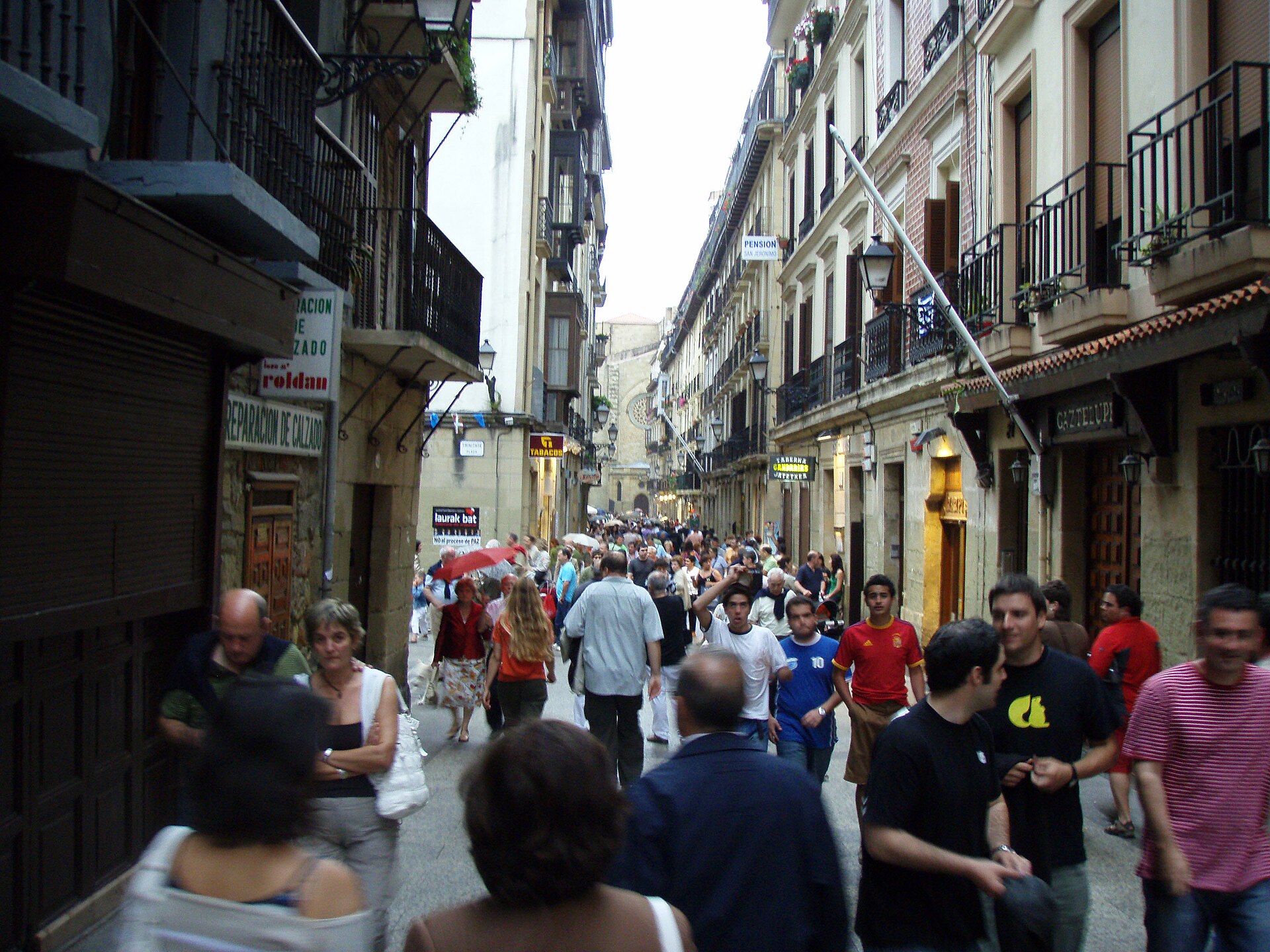
You are walking on the only street in the Old Town that survived the fire of eighteen thirteen. Every other building in the Parte Vieja was destroyed. This one street made it because the troops who burned everything else needed somewhere to sleep. Here is what happened. In August of eighteen thirteen, Anglo-Portuguese soldiers fighting in the Peninsular War finally drove Napoleon's forces out of San Sebastian. You would think the locals would have been thrilled. Instead, the liberating army went on a rampage. They looted homes, assaulted residents, and set fire to the city. The burning started on August thirty-first and did not stop until September eighth, when the French garrison holed up in the hilltop fortress of La Mota finally surrendered. By then, San Sebastian was gone -- reduced to smoking rubble. This street, originally called Calle Trinidad, was the one exception. The occupying soldiers kept it standing because they were using its buildings as quarters. When the city was rebuilt over the following decades, the street was renamed Thirty-first of August to permanently memorialize the date of the destruction. It is not a celebration. It is a scar. The houses you see along here are the oldest surviving structures in the entire city of Donostia. Some of the stone facades date back centuries. Today the street is lined with pintxo bars, wine shops, and the Basilica of Santa Maria at one end. Tourists walk through and think it is just another charming old street. But the name is a message -- a city naming a street after the worst day in its history so nobody ever forgets what happened. That is about as Basque as it gets.
Casa Valles -- Birthplace of the Gilda Pintxo
10 Errege-Ergi Katolikoen Kalea, Centro, Donostia / San Sebastián, 20006, Spain
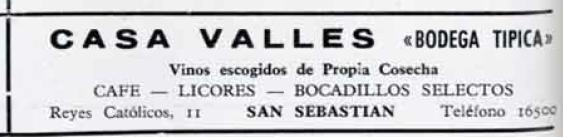
You are standing outside the bar where a man stuck a pepper, an olive, and an anchovy on a toothpick and accidentally invented a billion-euro food culture. This is Casa Valles, one of the oldest continuously operating pintxo bars in San Sebastian, founded in nineteen forty-two. In nineteen forty-six, a regular customer named Joaquin Aranburu -- everyone called him Txepetxa -- was standing at the bar and decided to skewer a pickled Ibarra pepper, a manzanilla olive, and a Cantabrian anchovy on a single toothpick. One bite, three flavours, no plate required. He named his creation the gilda, after Rita Hayworth's character in the nineteen forty-six film of the same name. His reasoning? Both were green, salty, and a little spicy. That comparison is perfect, and so was the pintxo. The gilda is now considered the ur-pintxo -- the original prototype that spawned the entire tradition of food on toothpicks that defines Basque bar culture. Every pintxo bar you have visited in San Sebastian, every elaborate creation stacked on bread, every award-winning miniature masterpiece served in the Michelin-starred restaurants -- all of it traces back to one guy at this bar putting three ingredients on a stick because he thought it would taste good. The beauty of the gilda is its simplicity. Three ingredients. One toothpick. No cooking required. The pickled pepper provides heat, the olive gives brine, and the anchovy delivers salt and umami. It is a complete flavour experience in a single bite, and despite all the elaborate pintxos that have followed, many people -- chefs included -- will tell you that the gilda is still the best one. Casa Valles still serves it, of course. Order one. You are eating history.
Castillo de la Mota and the Sacred Heart
Urgull Mendia Kalea, Centro, Donostia / San Sebastián, 20003, Spain
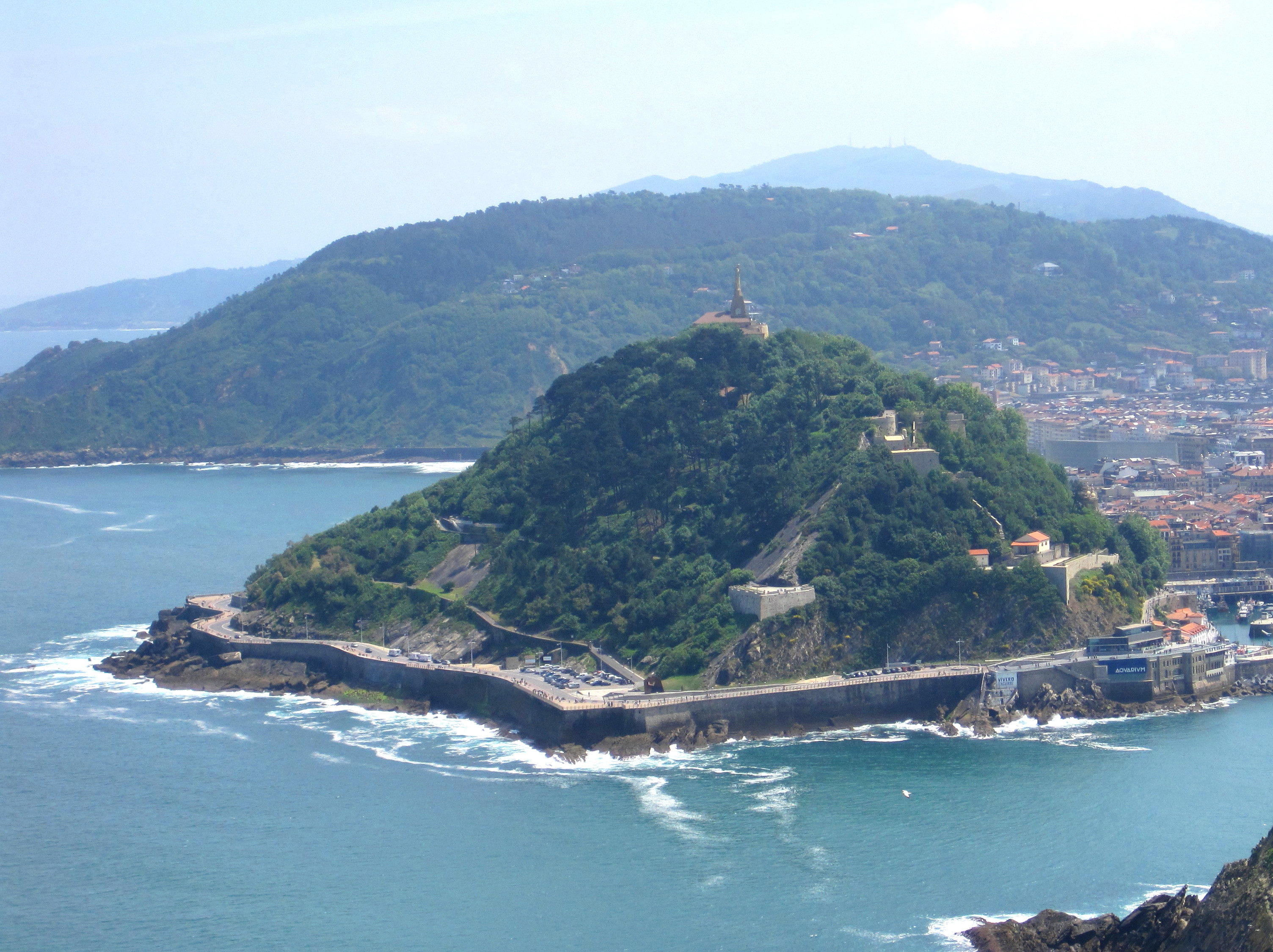
The hill you just climbed was once an island. Seriously. Go back a few thousand years and Monte Urgull sat completely surrounded by water, separated from the mainland. Over millennia, sediment from the Urumea River built up and formed a natural land bridge -- an isthmus -- that connected the island to the coast. The city grew on top of that connection. So when you walked up here from the Old Town, you were crossing what used to be open sea. King Sancho the Seventh of Navarre -- they called him the Strong -- ordered a fortress built on this summit in eleven ninety-four to control direct access to the sea. What you see around you is the Castillo de la Mota, and it has been attacked, besieged, and battered more times than almost any other fortification in Spain. Major assaults hit in eighteen thirteen, eighteen twenty-three, eighteen thirty-six, and eighteen seventy-six during the Carlist Wars. Each time, defenders held out on this hilltop while the city below burned or changed hands. Now look up. That enormous statue of Jesus with arms outstretched is the Sagrado Corazon -- the Sacred Heart. Sculptor Federico Coullaut created it in nineteen fifty, and the figure alone stands twelve and a half metres tall. Including its base, the full monument reaches twenty-four metres. It is visible from four miles out at sea, which means fishing boats and cargo ships have been using it as a landmark for over seventy years. The fortress below the statue now houses the Casa de la Historia de Urgull, a museum that traces over eight hundred years of the city's story. But honestly, the best exhibit is the view. From up here you can see La Concha bay curving away to your left, Santa Clara island sitting in the middle of the water, and the mountains of the Basque Country fading into the distance.
Catedral del Buen Pastor
22 Plaza del Buen Pastor, Centro, Donostia / San Sebastián, 20005, Spain
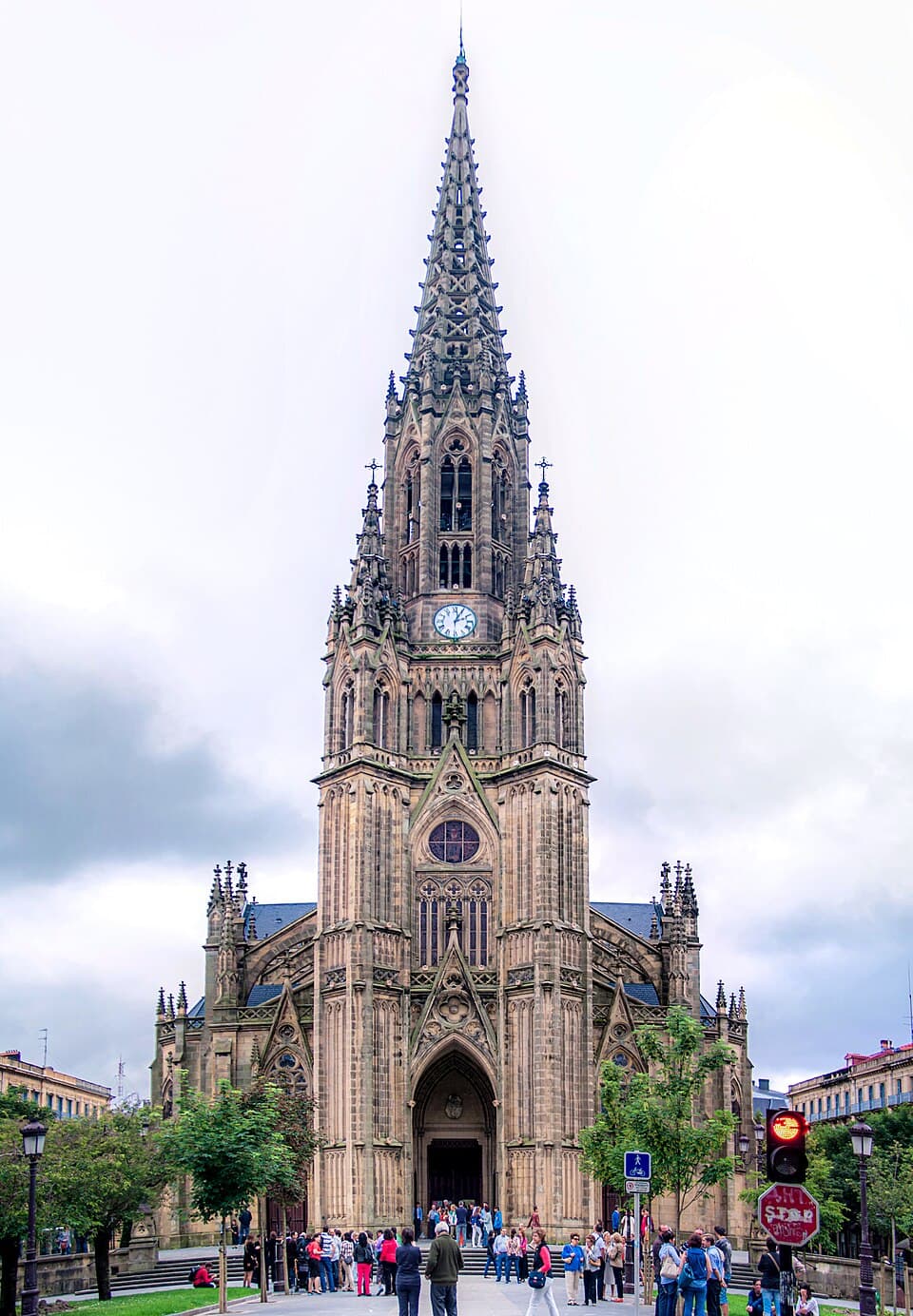
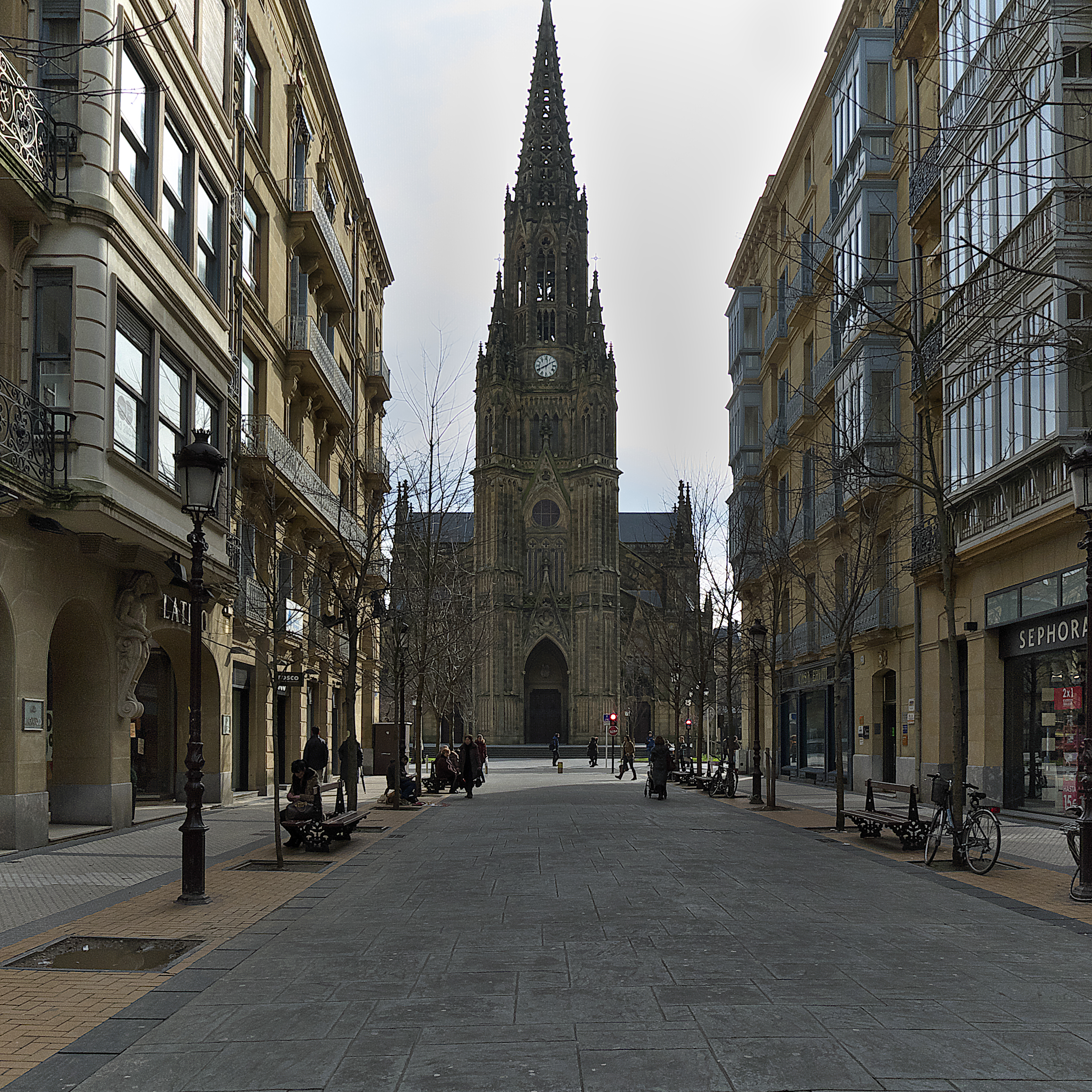
The architect Manuel Echave looked at Cologne Cathedral in Germany and essentially said I am going to build that in the Basque Country. The result is the Catedral del Buen Pastor -- the Cathedral of the Good Shepherd -- and while it does not quite reach Cologne's scale, the ambition is unmistakable. Neo-Gothic arches, flying buttresses, pointed spires, the whole package. Queen Maria Cristina laid the first stone on September twenty-ninth, eighteen eighty-eight. The seventy-five metre bell tower was completed in eighteen ninety-nine by architect Ramon Cortazar. It dominates the city skyline and is visible from practically everywhere in the centre. But the real showstopper is inside: the organ. This instrument is the largest in Spain and one of the largest in Europe. It has eight thousand one hundred and seventy-four pipes. Let me break that down for you: six thousand seven hundred and sixty-nine are tin, one thousand and fifty are zinc, and three hundred and fifty-five are wood. The whole thing weighs thirty tonnes. It has five keyboards and one hundred and five registers. The longest pipe stretches twelve and a half metres. The shortest is one centimetre. The range between those two extremes produces a sound that fills every corner of this massive building. Here is an interesting quirk: despite all its cathedral-scale grandeur, this building only officially became a cathedral in nineteen fifty-three. Before that, it was just a very large parish church. The capacity is four thousand people, which gives you a sense of the interior volume. Stand inside when the organ is playing and you will understand why they say Basque churches were built for sound as much as worship.
Cristina Enea Park
66 Paseo Bordatxipi, Ategorrieta-Ulia, Donostia / San Sebastián, 20013, Spain
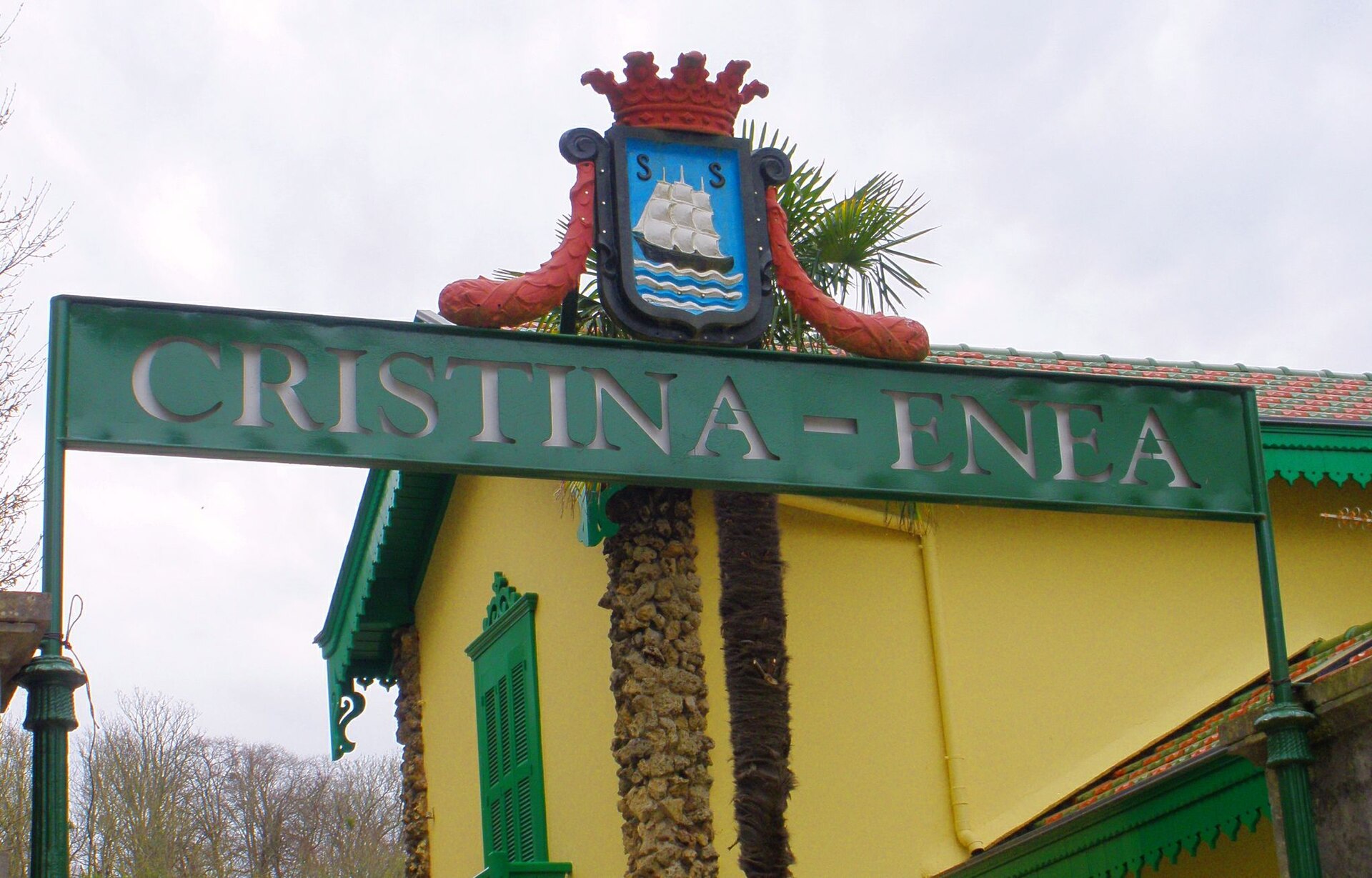
A childless duke and duchess spent decades importing exotic plants from every continent on Earth as a deliberate display of wealth. Species that you would normally have to travel thousands of kilometres to see were collected and planted here, on the outskirts of San Sebastian, in what amounted to the most expensive garden flex in Basque history. When they died with no heirs, they gave the entire ninety-five thousand square metre estate to the city with one condition: it had to remain a public park forever. The duke was Fermin de Lasala y Collado, whose own father had been mayor of San Sebastian during the city's reconstruction after the eighteen thirteen fire. He married Cristina Brunetti y Gayoso de los Cobos, the Thirteenth Duchess of Mandas, and together they created this botanical wonderland. The park is named Cristina Enea -- Cristina's place in Basque -- after the duchess. The landscape design was by Pierre Ducasse, the same architect who designed the gardens at Miramar Palace and the Plaza de Gipuzkoa. Ducasse created winding paths through mature trees, ornamental ponds, open lawns, and hidden corners where the exotic specimens could thrive in the mild Basque climate. Today the park is one of the most peaceful spots in the city and one of the least touristy. Locals come here to walk their dogs, jog, read on benches, and escape the crowds of the Old Town. There are peacocks wandering the grounds, a small palace that serves as an environmental education centre, and enough space to get genuinely lost in the greenery. The duke and duchess could have sold the estate. They could have left it to distant relatives. Instead they gave it to everyone, permanently. Walk through Cristina Enea and you are enjoying a gift from two people who decided that the best thing they could do with their wealth was make sure nobody could ever take this park away from the city.
Fiesta de San Juan & Summer Festivals
12 Kontxa Pasealekua, Centro, Donostia / San Sebastián, 20007, Spain
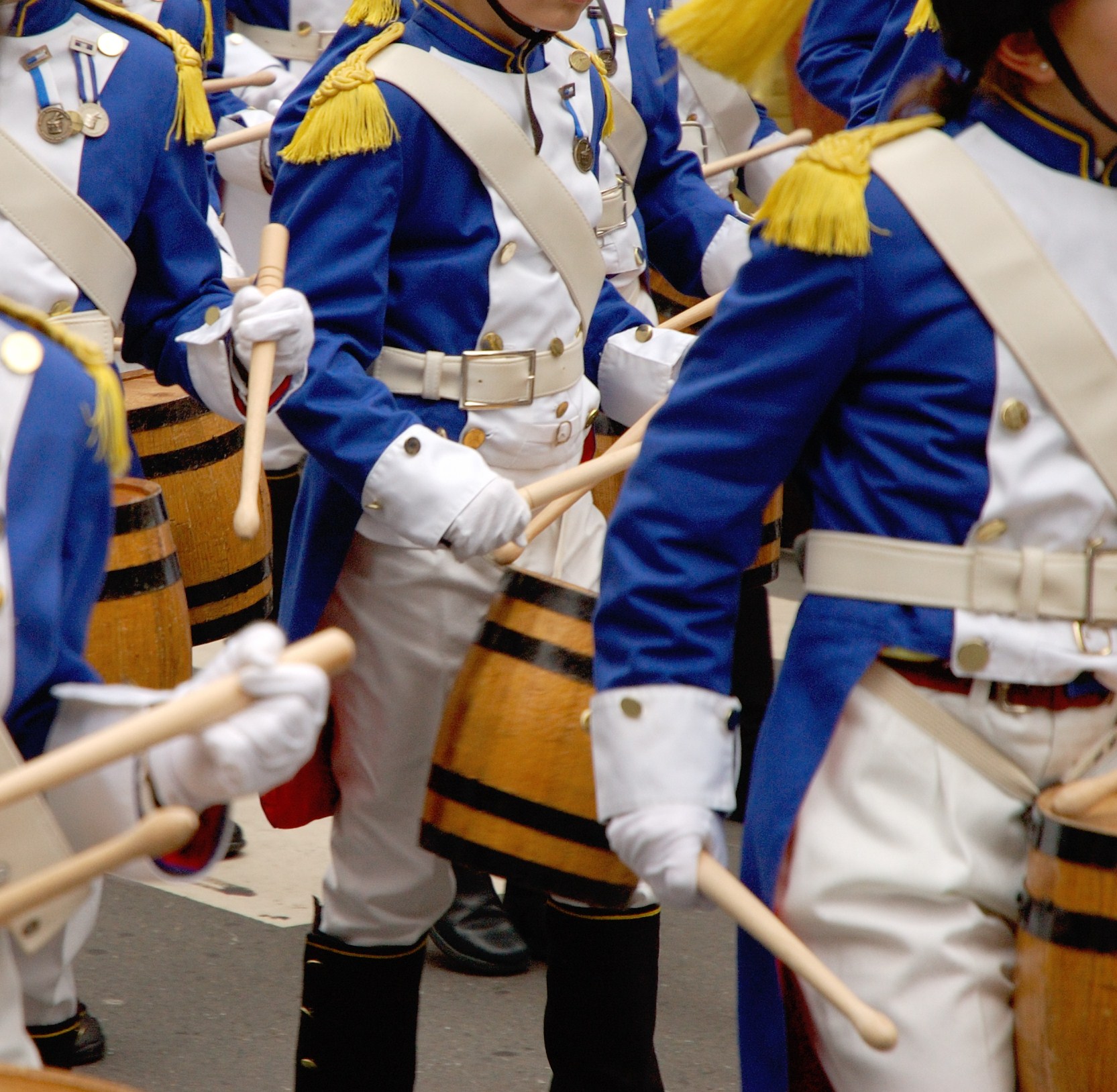
San Sebastián's festival calendar is the most concentrated in the Basque Country — from the Tamborrada (January 20, when the entire city drums for 24 hours to celebrate the patron saint) through the International Film Festival (September, one of Europe's most prestigious) to the Semana Grande (August's Big Week of fireworks, concerts, and revelry). The summer festivals transform the waterfront into an open-air celebration that runs virtually non-stop from July through September.
Hotel Maria Cristina
4 Argentinako Errepublikaren Kalea, Centro, Donostia / San Sebastián, 20004, Spain
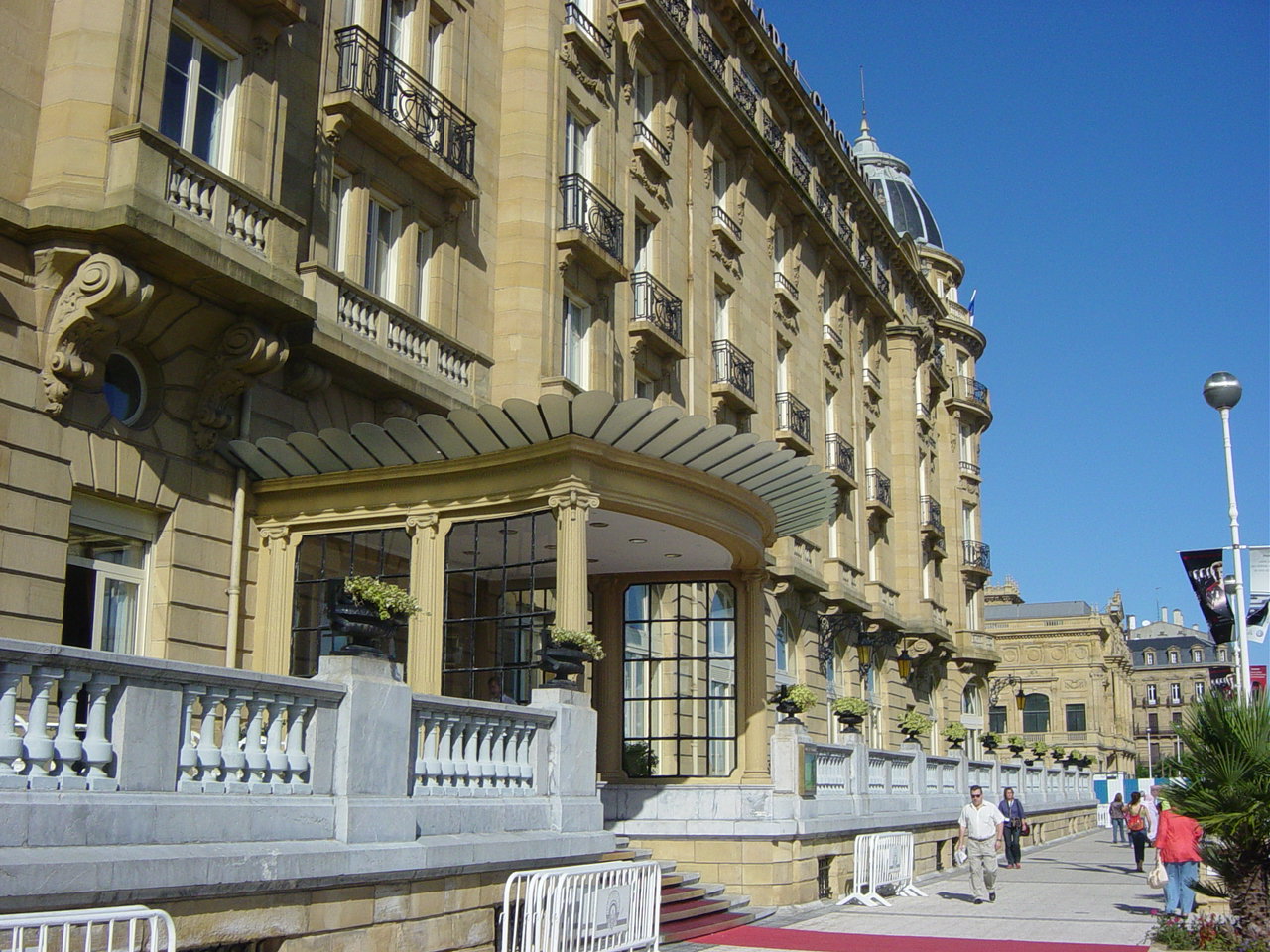
The grand building across the river is where Coco Chanel held fashion shows, Elizabeth Taylor drank cocktails, and Bette Davis held court during the film festival. It is also where Spanish military commanders set up headquarters during the Civil War. That range of tenants tells you everything about the twentieth century in one building. The Hotel Maria Cristina opened on July ninth, nineteen twelve. Queen Regent Maria Cristina was the first person to walk through the doors -- fitting, since the place was named after her. The architect was Charles Mewes, the same man who designed the Ritz hotels in both Madrid and Paris. If you have ever been to either of those, you will recognise the DNA: that particular blend of Belle Epoque grandeur that says money without quite screaming it. In its early decades, the hotel was the centre of high society in San Sebastian. Coco Chanel staged fashion presentations in the salons. European aristocrats and industrialists filled the rooms every summer. Then the Civil War arrived and the ballrooms became strategy rooms. Military officers slept where the glitterati had danced. When the San Sebastian International Film Festival launched in nineteen fifty-three, the hotel became Hollywood's Basque Country headquarters. Every September, the lobby fills with directors, actors, and producers. Elizabeth Taylor stayed here. Bette Davis stayed here. Woody Allen, Al Pacino, Meryl Streep -- the guest list reads like an Oscar nomination reel. The building sits right on the Urumea River, facing the Victoria Eugenia Theatre across the bridge. Together they form a kind of cultural gateway to the city. The hotel has been renovated multiple times but retains its original facade and that unmistakable early twentieth-century elegance. Some buildings just know what they are.
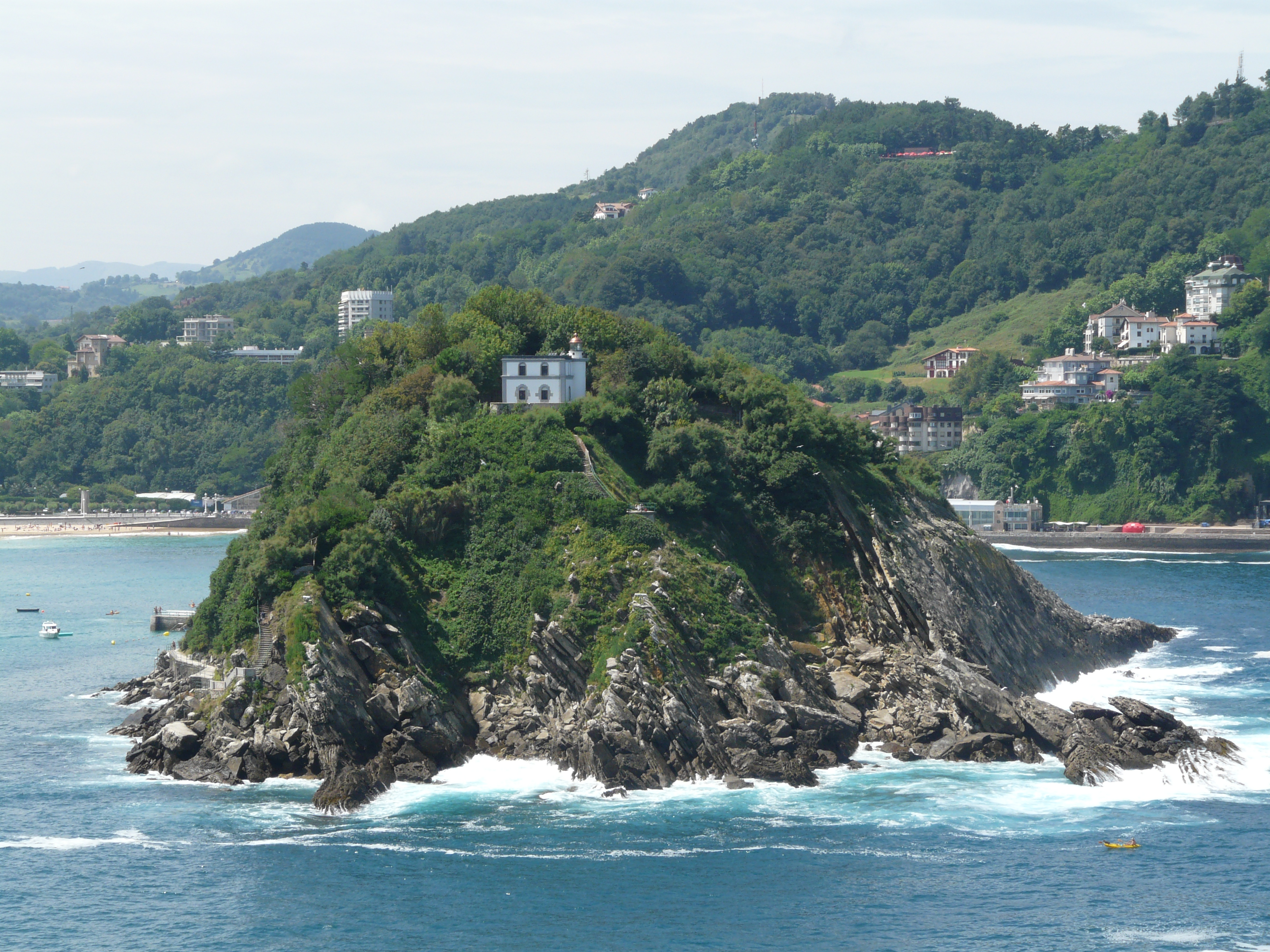
Isla de Santa Clara
Donostia / San Sebastián, Spain
That pretty little island sitting in the middle of La Concha bay looks like a postcard. Families take boats out there in summer. Kids swim on a tiny beach. It is idyllic. It was also a plague quarantine station and a cemetery for heretics. In fifteen ninety-seven, when plague ravaged San Sebastian, the city used Santa Clara island to isolate the infected. If you were sick, you were put on a boat and sent out there. Whether you came back depended on your immune system and not much else. The island was also used for centuries as a burial ground for people who could not be interred in consecrated ground -- heretics, excommunicated persons, and suicides. The people the Church would not accept in death were sent to this island. A lighthouse was installed in eighteen sixty-four, and for the next hundred years, lighthouse keepers and their families actually lived on the island full-time. Imagine that life -- a tiny island in a bay, maintaining a light, watching the city across the water. The lighthouse was automated in nineteen sixty-four, and the last keeper left. Here is something genuinely surprising: the island is home to its own unique lizard. The Iberian San Sebastian lizard -- Podarcis hispanicus sebastiani -- is a subspecies found only on Santa Clara. Centuries of isolation on a small island created a genetically distinct population. You are looking at a place with its own evolution. And the beach? It only exists at low tide. When the water rises, it disappears completely. So if you visit at the right time, you can swim on a beach that will not be there in a few hours. The boat ride from the port takes about fifteen minutes, and in summer there are regular services. Just do not think too hard about the plague quarantine while you are sunbathing.
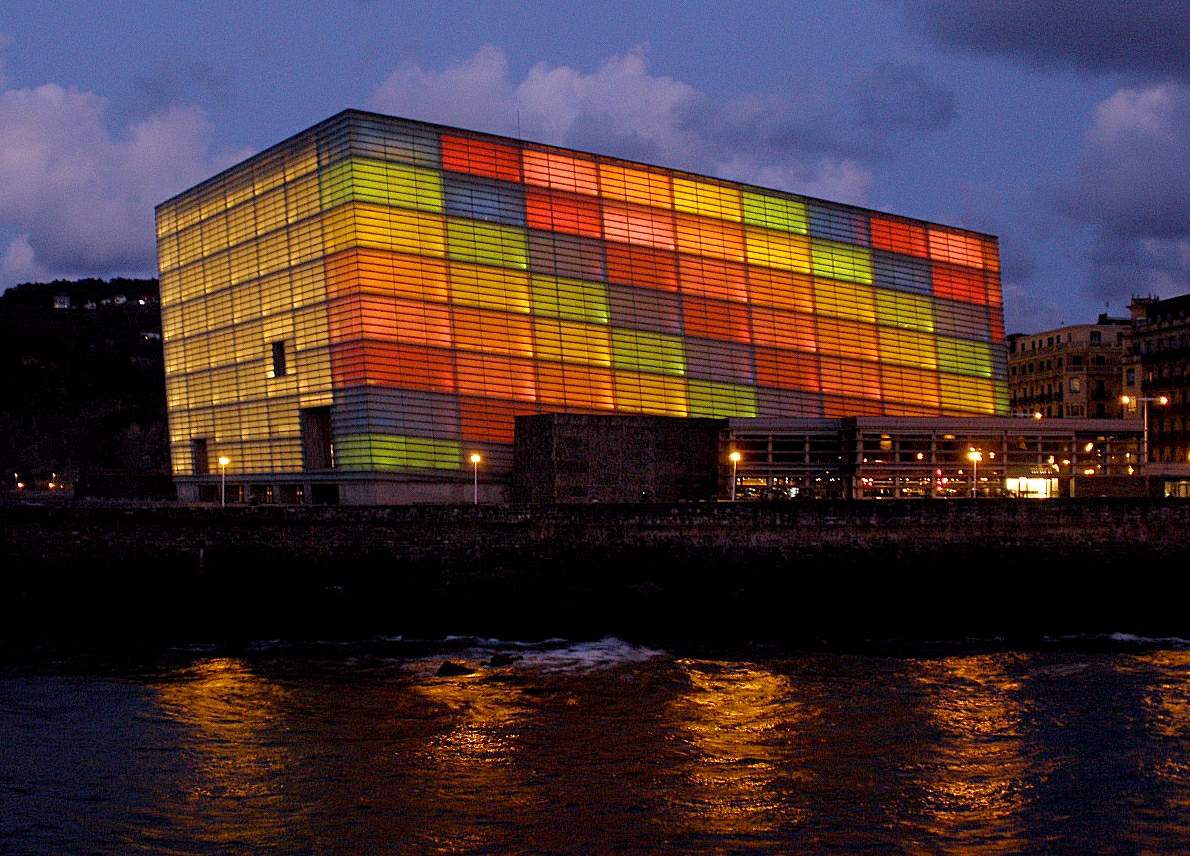
Kursaal Congress Centre
1 Zurriola Pasealekua, Gros, Donostia / San Sebastián, 20002, Spain
Those two enormous translucent cubes glowing at the mouth of the Urumea River are not office buildings. They are what architect Rafael Moneo called Two Stranded Rocks -- his competition entry imagined a pair of massive boulders washed ashore by the sea and left sitting on the riverbank. That poetic concept beat out proposals from Norman Foster, Arata Isozaki, and Mario Botta in the nineteen ninety design competition. When the world's top architects are competing and the guy who describes his building as washed-up rocks wins, you know the jury saw something special. The Kursaal was inaugurated on August twenty-third, nineteen ninety-nine, with a concert by the Basque Country Symphony Orchestra and soprano Ainhoa Arteta. Two years later it won the European Union Prize for Contemporary Architecture -- the Mies van der Rohe Award -- which is essentially the highest honour a building can receive in Europe. At night the effect is extraordinary. The translucent glass panels glow from within, and the two cubes look like giant lanterns sitting at the edge of the water. The larger cube houses a one thousand eight hundred seat auditorium where the San Sebastian International Film Festival holds its main screenings. The smaller one contains a chamber music hall and exhibition spaces. What stood here before was almost equally famous -- a legendary casino and concert hall that was a fixture of the city's Belle Epoque social scene. When that building was demolished, the site sat empty for years while the city argued about what to build. Moneo's rocks ended the debate. Love them or hate them -- and plenty of locals had strong opinions when they first appeared -- they have become as much a symbol of modern San Sebastian as La Concha is of the old one.
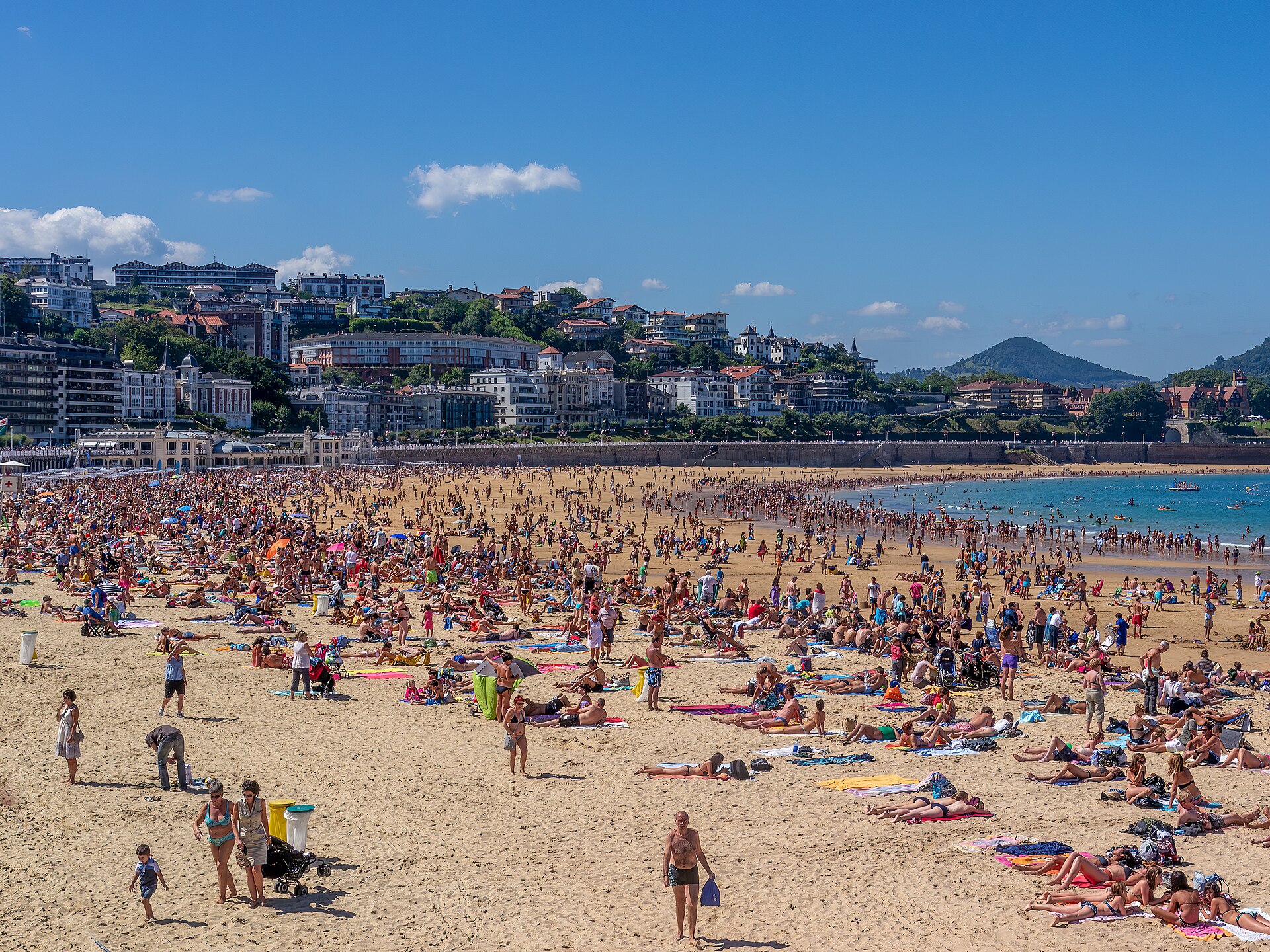
La Concha Beach
12 Kontxa Pasealekua, Centro, Donostia / San Sebastián, 20007, Spain
La Concha is consistently rated the best urban beach in Europe — a perfect crescent of golden sand in a shell-shaped bay (concha means shell) protected from Atlantic swells by the isla de Santa Clara. The beach is flanked by Monte Urgull to the east and Monte Igueldo to the west, and the promenade along its length — with its ornate Belle Époque railings — is the defining image of San Sebastián.
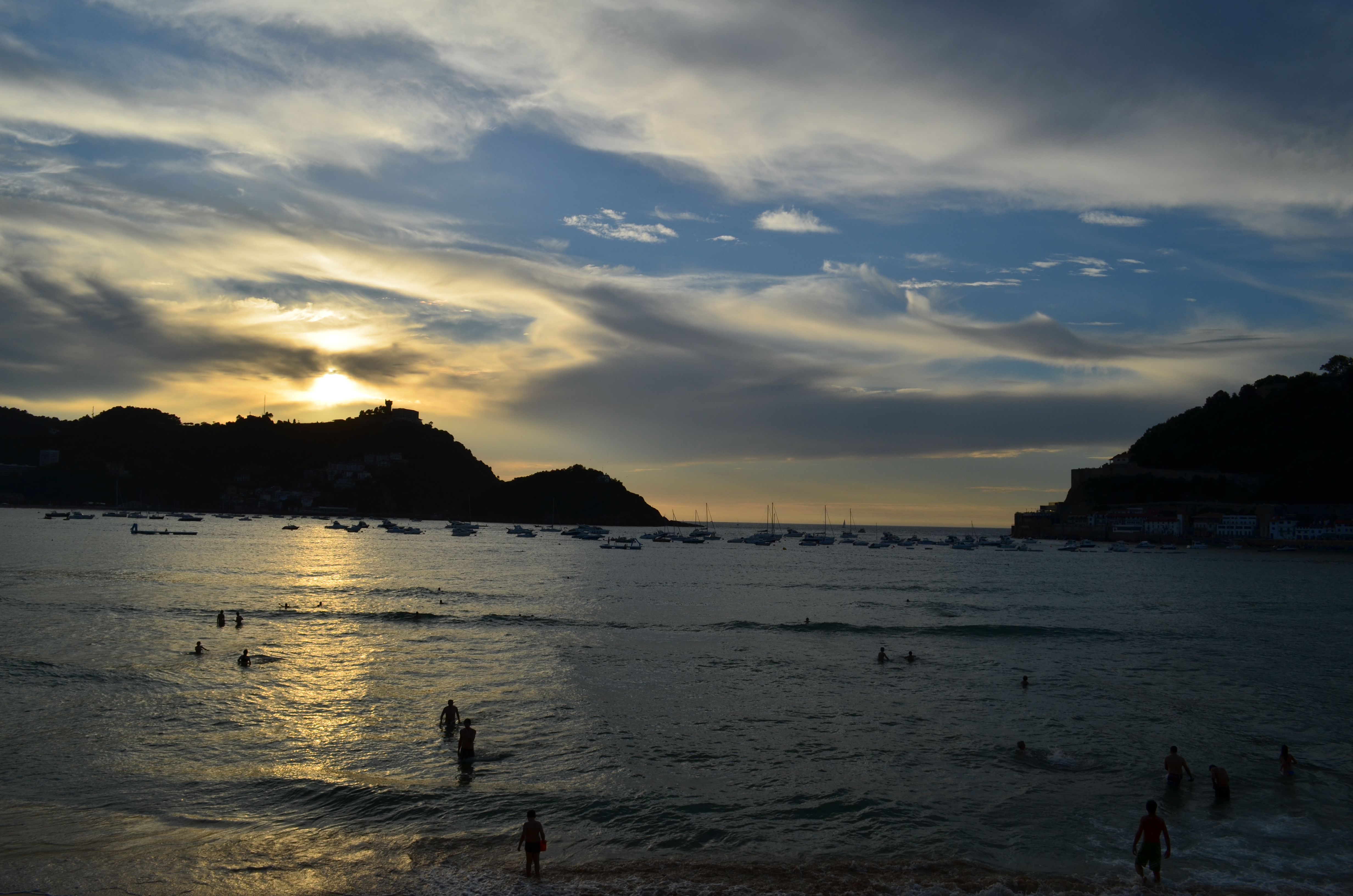
La Concha Promenade and the Famous Railing
Kontxa Pasealekua, Antiguo, Donostia / San Sebastián, 20007, Spain
You are walking along what might be the most famous promenade in Spain, and the white railing beside you is arguably the most photographed piece of ironwork in the country. It was designed by city architect Juan Rafael Alday in nineteen ten and officially inaugurated by King Alfonso the Thirteenth in nineteen sixteen. Here is a detail most people miss: one section of the railing was installed backwards, with the decorative flower facing the sea instead of the pedestrians. Local legend says that if you find this reversed flower, you are guaranteed to return to San Sebastian. Good luck -- it is out there somewhere. The railing's design has become so iconic that it was adopted as the shape of the trophy for the San Sebastian International Film Festival. Every year, winners receive a miniature version of the thing you are leaning against right now. But the real story of La Concha starts in eighteen forty-five, when Queen Isabel the Second came here on medical advice. Her doctors recommended sea bathing for her skin problems. The Queen went in the water, the entire royal court followed, aristocrats built summer homes, and San Sebastian transformed from a fishing town into the summer capital of Spain. The beach name -- La Concha, meaning the shell -- dates back even further, to fifteen forty-one, describing the distinctive curve that sweeps from Monte Igueldo to Monte Urgull. Now here is a genuinely wild piece of history. On May eighth, nineteen forty-five -- the same day World War Two ended in Europe -- a Nazi Heinkel bomber crash-landed right here on this beach. On board was Leon Degrelle, a Belgian SS collaborator fleeing the fall of Berlin. Franco gave him shelter, and he lived in Spain under a false identity until his death in nineteen ninety-four. He was never extradited. The most beautiful beach in the Basque Country doubled as a Nazi escape route.
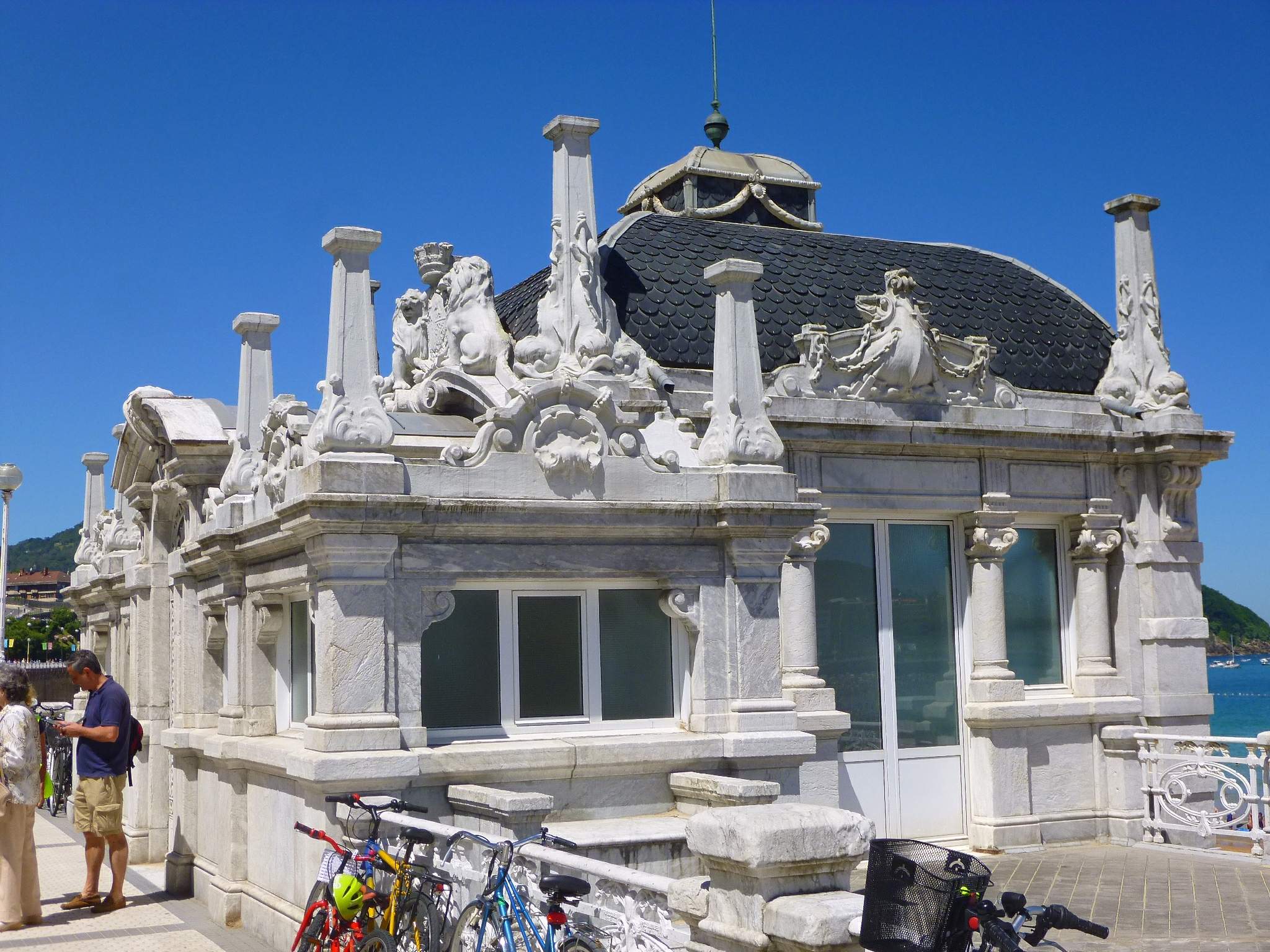
La Perla Thalassotherapy Centre
Kontxa Pasealekua, Centro, Donostia / San Sebastián, 20007, Spain
The Queen of Spain wanted the health benefits of ocean swimming but absolutely refused to actually get in the ocean. So in eighteen eighty-seven, they built her a large red wooden hut right on the beach that pumped Atlantic seawater into elegant indoor pools. The Queen could bathe in the sea without technically entering it. The aristocracy, naturally, followed her lead, and soon the wealthiest people in Spain were paying to sit in seawater indoors while the actual sea was right outside the window. That wooden hut evolved into the building you see now. The current structure was designed by Ramon de Cortazar and inaugurated on July second, nineteen twelve. International media at the time declared it one of the most beautiful spas in the world. The concept is thalassotherapy -- the therapeutic use of seawater -- and La Perla has been practising it continuously for well over a century. The location is absurdly good. The spa sits right on La Concha promenade, directly on the beach, with floor-to-ceiling windows looking out over the bay. You can float in a heated seawater pool and watch the waves breaking on the sand below you. The contrast between the warm water you are in and the cold Atlantic you are looking at is part of the experience. What makes La Perla interesting beyond the luxury is the social history. This was not just a spa -- it was a statement about class. The beach was for everyone. La Perla was for the people who did not want to share the beach with everyone. Aristocrats preferred to have seawater pumped to them rather than wade in alongside fishermen and their families. The building is beautiful, the treatments are excellent, but the origin story is pure nineteenth-century snobbery, and that is honestly part of its charm.
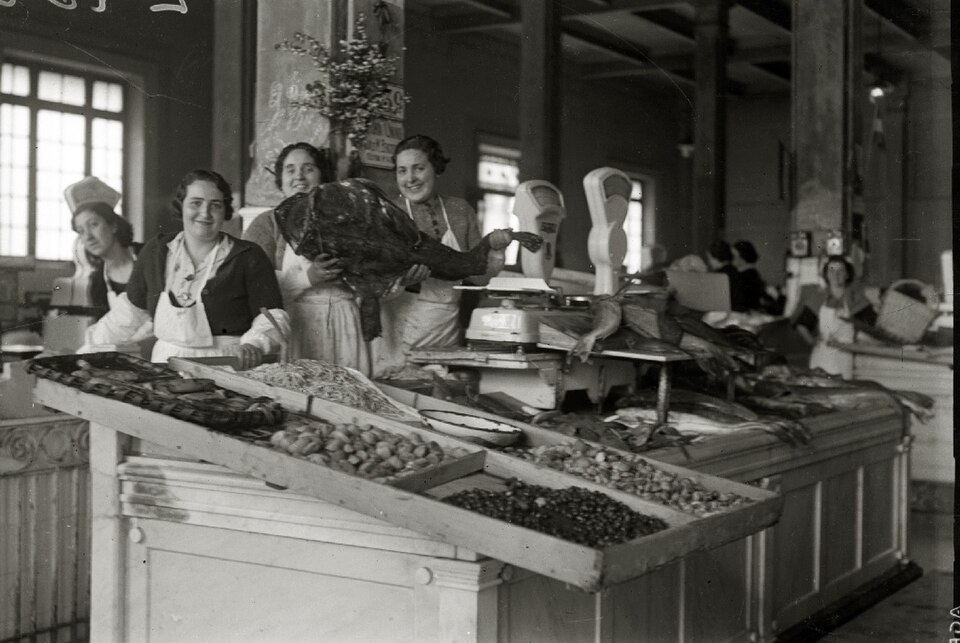
Mercado de la Bretxa
Centro, Donostia / San Sebastián, 20003, Spain
The name of this market literally means the breach. You are standing on the exact spot where invading troops blasted a hole through the city's defensive walls on August thirty-first, eighteen thirteen. The same day that the rest of the city burned, this is where the walls came down. The breach in the fortifications became a gap in the urban fabric, and once the city rebuilt, farmers and fishermen started selling their produce in the open space. An informal market grew around the scar in the wall. That market was formalized around eighteen seventy, and for over a century it was the primary food market of San Sebastian. Chefs, housewives, and restaurateurs all came here for the freshest fish, the best vegetables, the ripest fruit. In a city that takes food more seriously than almost anywhere else on Earth, this was the epicentre. The market was modernized and the configuration is a little unexpected. The fresh produce stalls -- the real action, the fish and the vegetables and the meats -- were moved underground into a modern air-conditioned basement level. You access them by escalator through a glass kiosk at street level. Meanwhile, the historic buildings above were converted into a shopping centre. So the market is literally beneath the surface, which feels appropriate for a place whose origin story is an underground breach. If you go down to the basement level in the morning, you will see some of the best seafood displays in the Basque Country. Mountains of fresh fish on ice, crabs with their claws still moving, bins of tiny anchovies, whole tuna being carved. The vendors know their product cold, and many of them supply the pintxo bars and Michelin-starred restaurants in the Old Town. This is where San Sebastian's food culture starts -- at five in the morning, underground, on the spot where the walls fell.
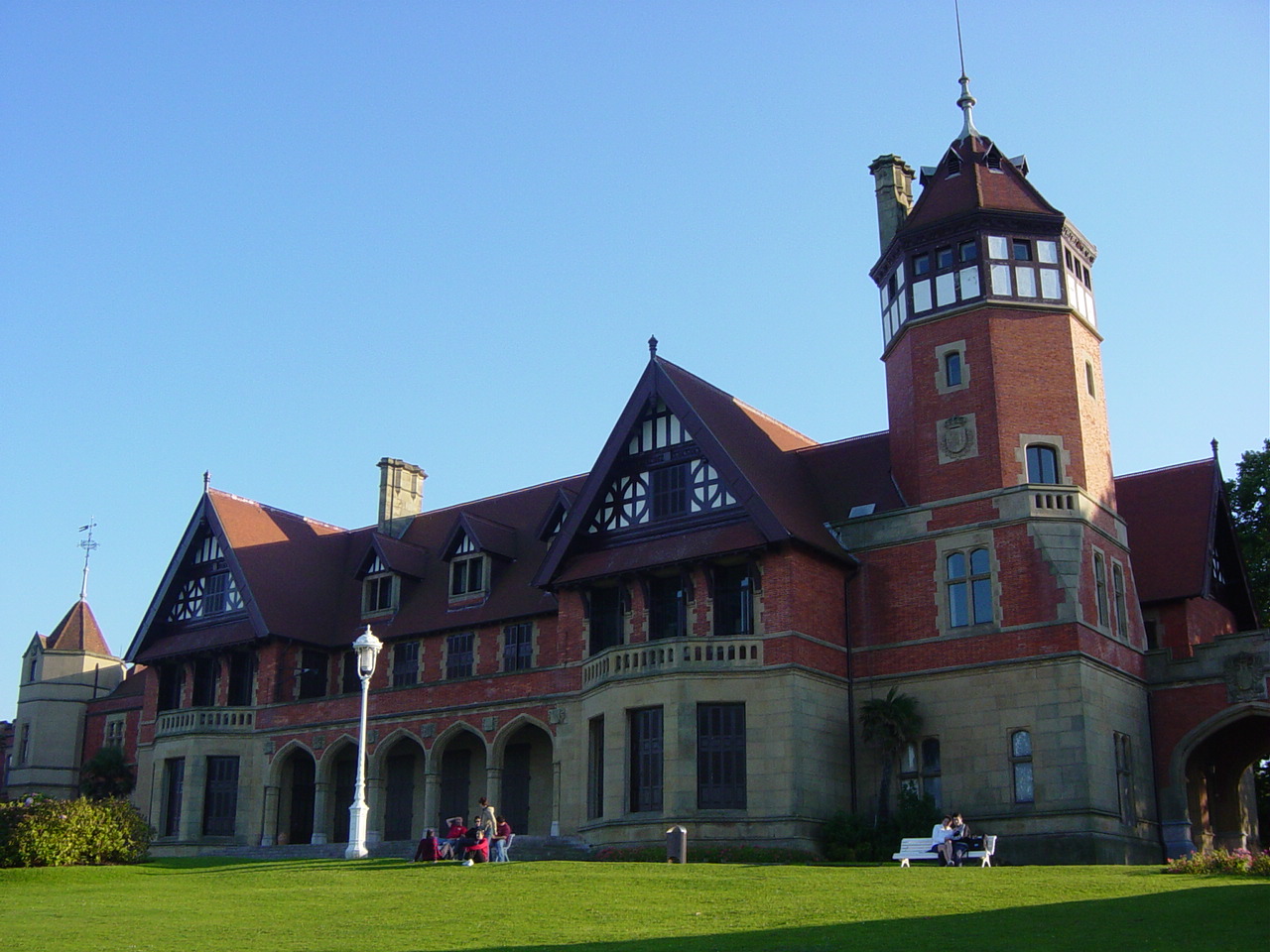
Miramar Palace
48 Mirakontxa Pasealekua, Antiguo, Donostia / San Sebastián, 20007, Spain
The Spanish Queen wanted an English cottage. On a cliff. Between two of the most beautiful beaches in Europe. So she hired an English architect named Selden Wornum to build one, and in eighteen ninety-three, the Miramar Palace was completed. It is a deliberately English-style building -- Neo-Gothic elements, cottage proportions, the kind of architecture you would expect in the Cotswolds, not on the Basque coast. Queen Maria Cristina clearly had a type. To make room for the palace on this headland between La Concha and Ondarreta beaches, they had to physically relocate a hermitage that was already here. They literally picked up a church and moved it so the Queen could have her view. And what a view it is -- you can see both beaches from the gardens, with Santa Clara island centred perfectly in the bay. The gardens themselves were designed by Pierre Ducasse, the same landscape architect responsible for the Plaza de Gipuzkoa in the city centre. Ducasse created a miniature English park on this cliff: manicured lawns, winding paths, mature trees providing canopy cover. It feels like a slice of southern England transplanted to northern Spain. The royal family used Miramar as their summer residence for decades. When the monarchy's grip on power loosened, the palace eventually passed to the city in nineteen seventy-three. Today it hosts summer courses for the University of the Basque Country, which means students attend lectures in what was once a queen's holiday home. There is something deeply satisfying about that. The gardens are open to the public year-round and are genuinely one of the best picnic spots in San Sebastian. Bring food, find a bench, and enjoy a view that once belonged exclusively to royalty.
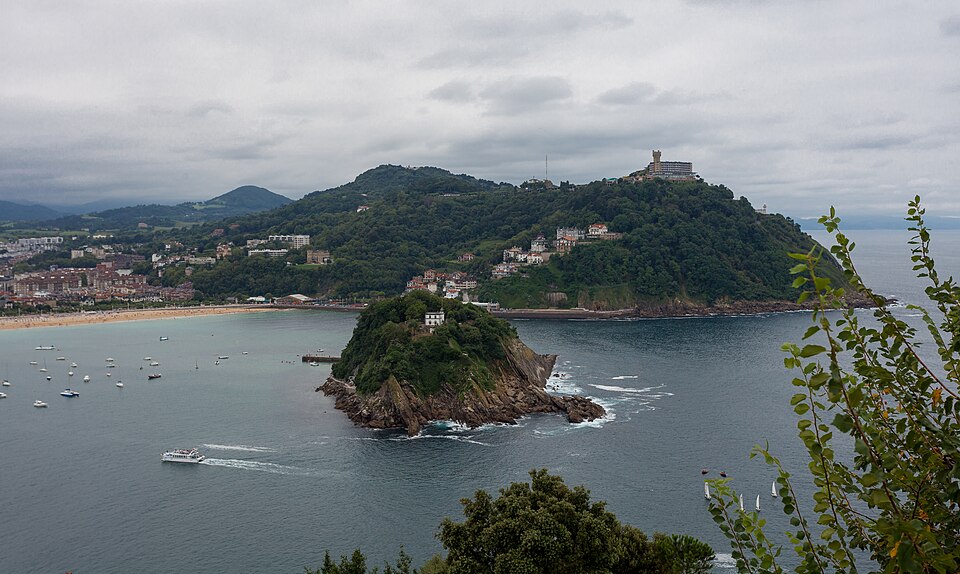
Monte Igueldo Funicular and Amusement Park
6 Funikular Plaza, Antiguo, Donostia / San Sebastián, 20008, Spain
The little railway car you are about to ride has been climbing this hill since nineteen twelve. That makes this the oldest funicular in the Basque Country and the third oldest in Spain. Queen Regent Maria Cristina of Habsburg-Lorraine herself inaugurated it on August twenty-fifth of that year, because apparently nothing opened in early twentieth-century San Sebastian without a royal cutting the ribbon. The track is three hundred and twenty metres long with a passing loop at the midpoint where the two carriages squeeze past each other. The ride takes about three minutes, and the view of La Concha bay expanding beneath you as you climb is genuinely spectacular. But the real surprise is what waits at the top. There is an amusement park up here that has barely changed in over a century. The vintage rollercoaster still chunters around the hillside on what feels like its original wooden track. There are bumper cars, a swing ride, and carnival games that look like they were installed when your great-grandparents were young. In an age of mega-theme parks and virtual reality rides, this place is gloriously, defiantly old-fashioned. Kids love it. Adults find it either charming or terrifying, depending on how they feel about elderly infrastructure. The summit originally had a casino -- because Belle Epoque San Sebastian put casinos on everything -- but that was replaced in nineteen sixty-seven with a four-star hotel. The panoramic view from the top is regularly cited as one of the best in Europe. You can see the entire sweep of the coast: La Concha beach, Santa Clara island, Monte Urgull across the bay, the Kursaal cubes, and on a clear day, the mountains of France. The funicular alone is worth the trip, but that view seals it.
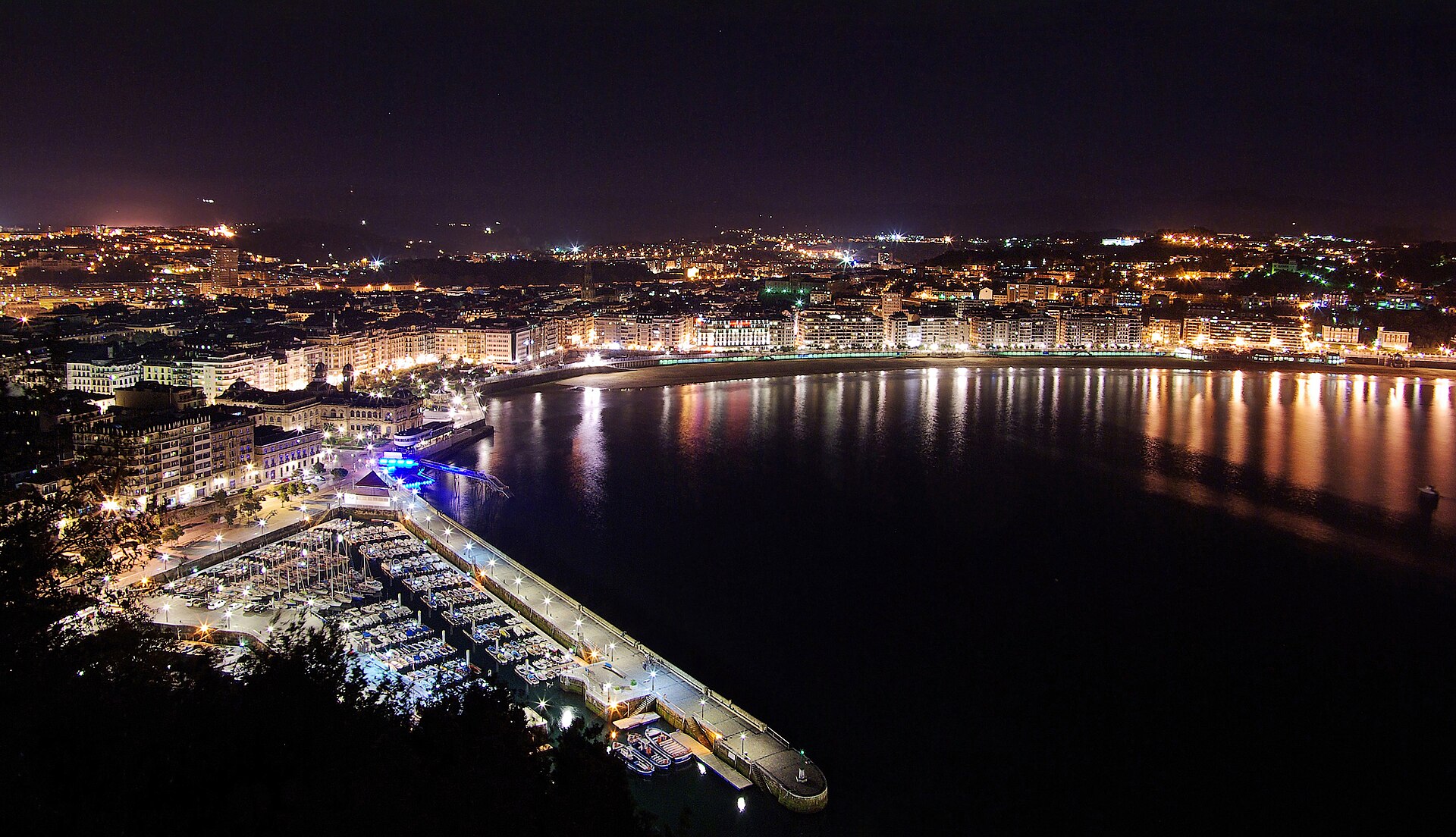
Monte Urgull
Monte Urgull, Donostia-San Sebastián
Monte Urgull is the forested hill at the eastern end of La Concha Bay — topped by the Castillo de la Mota and the Cristo de la Mota statue, accessible by walking paths through the forest, and providing panoramic views of La Concha beach, the old town, and Monte Igueldo across the bay. The hill has been fortified since the 12th century and was the site of multiple sieges during the Napoleonic and Carlist wars.
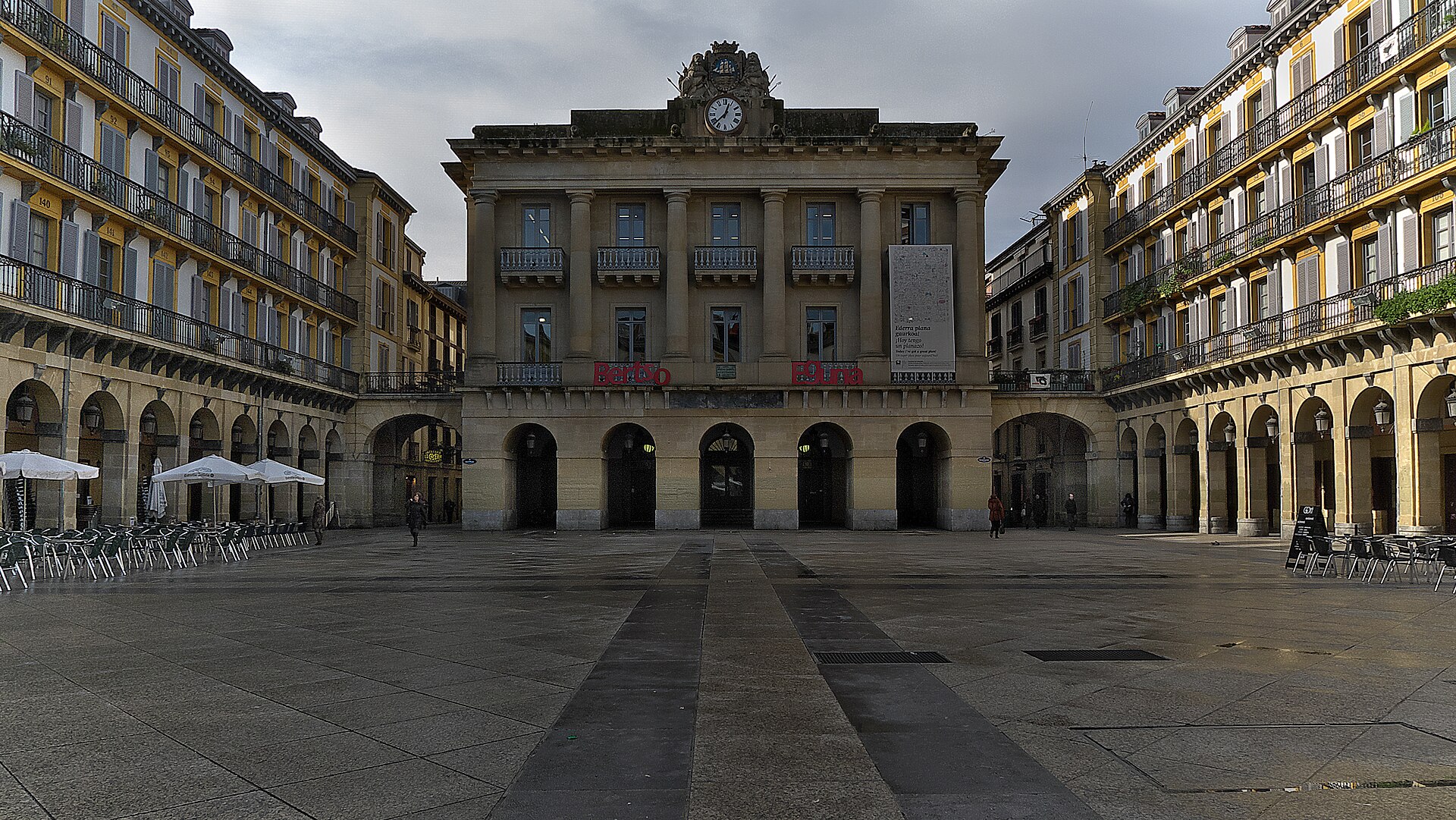
Parte Vieja (Old Town)
Parte Vieja, Donostia-San Sebastián
The Parte Vieja is San Sebastián's old town and the world capital of pintxos — a dense grid of narrow streets at the base of Monte Urgull where every bar displays an elaborate counter of miniature culinary creations on bread, each one a work of edible art. The tradition of the txikiteo (pintxo crawl, moving from bar to bar eating one pintxo at each) is the essential San Sebastián experience and the reason this small city has more Michelin stars per capita than anywhere else in the world.
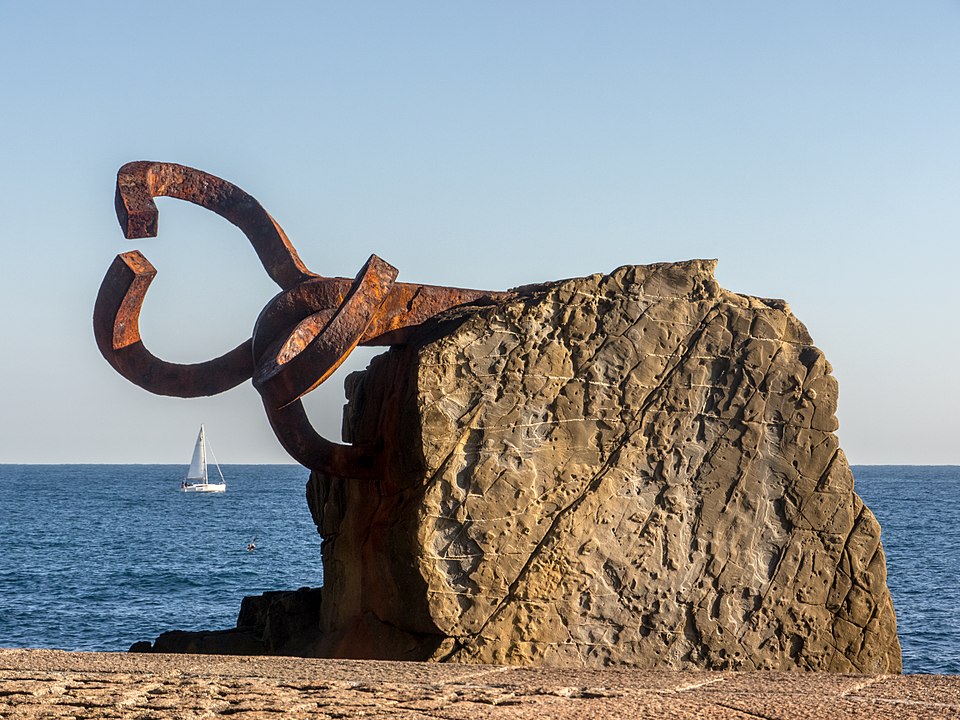
Peine del Viento (The Comb of the Wind)
Eduardo Chillida Pasealekua, Antiguo, Donostia / San Sebastián, 20008, Spain
You are standing at the edge of the continent, and three massive claws of rusted steel are reaching out from the rocks as if trying to grab the Atlantic. This is Peine del Viento -- The Comb of the Wind -- and it is the most famous sculpture in the Basque Country. Eduardo Chillida created it, but here is the thing that gets me. As a teenager in the nineteen forties, Chillida used to skip school on stormy days and come to this exact spot to watch the sea smash into the rocks. He called it his anvil of dreams. Decades later, he anchored twenty-seven tonnes of Corten steel into those same rocks and gave the whole thing to the city for free. The installation is actually number fifteen in a series of twenty-three Wind Comb sculptures Chillida made over his career, starting in nineteen fifty-two. But this one -- finished in nineteen seventy-seven -- is the masterpiece. Each of the three pieces weighs over nine tonnes and is bolted directly into the coastal granite. Now look down at the terrace beneath your feet. Architect Luis Pena Ganchegui designed this pink granite platform, and he hid something brilliant in it. There are blowholes cut into the stone. When storms roll in off the Bay of Biscay, waves crash into underground channels and shoot geysers of seawater straight up through the plaza. The ground literally erupts. On a big swell day, the whole terrace becomes part of the artwork -- mist and spray and roaring water turning the sculpture into something alive. Chillida wanted art that could not be separated from nature. He got it. If you are here on a calm day, come back when the weather turns. It is a completely different experience.
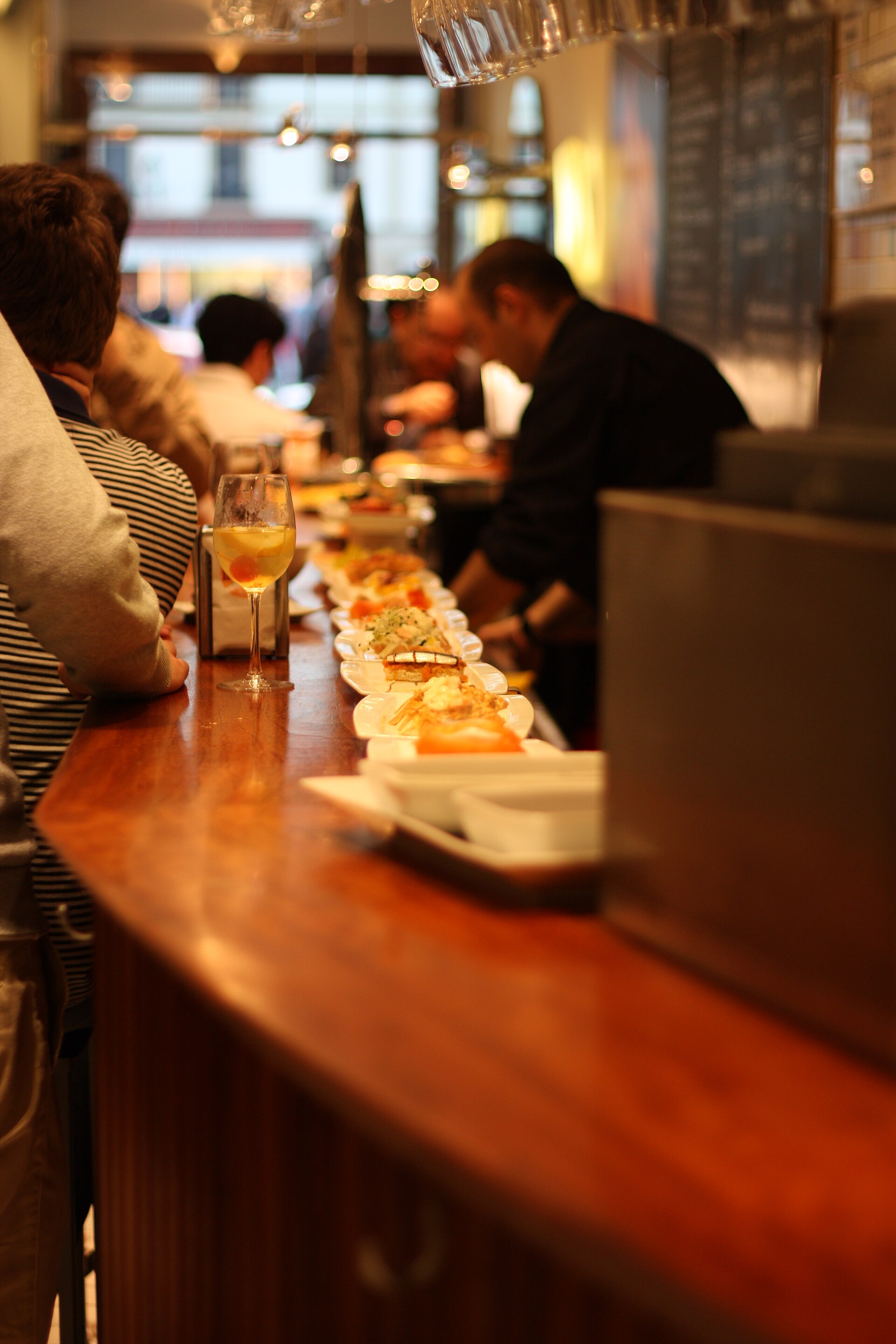
Pintxo & Michelin Star Culture
Various restaurants, Donostia-San Sebastián
San Sebastián's food scene is the most concentrated in Europe — three-Michelin-star restaurants (Arzak, Mugaritz, Akelarre) within 15 kilometres of a city of 186,000 people, alongside dozens of pintxo bars where the distinction between haute cuisine and bar snack has been deliberately blurred. Juan Mari Arzak pioneered New Basque Cuisine in the 1970s, transforming traditional Basque cooking with modern techniques while maintaining the respect for local ingredients that defines the regional food identity.
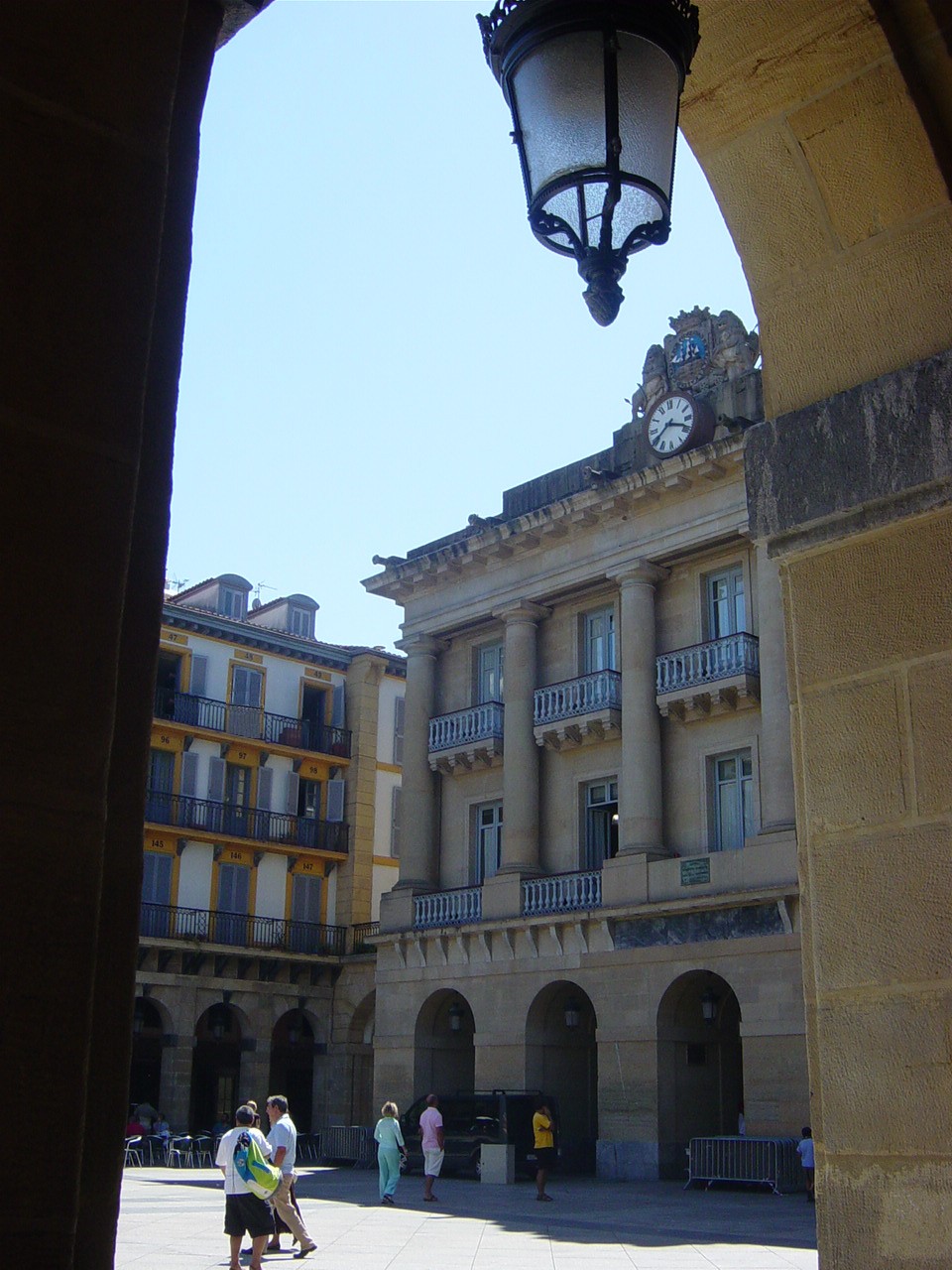
Plaza de la Constitucion
Plaza de la Constitución, Centro, Donostia / San Sebastián, 20003, Spain
Look up at the balconies around this square. Every single one has a number painted on it. Most visitors assume they are apartment numbers. They are not. They are box seat numbers from when this entire plaza was a bullring. Let that sink in for a second -- people watched bulls being fought from their living room balconies, and each balcony was a rentable VIP box. The numbers were never removed. The square you are standing in was designed by architect Ugartemendia and built in eighteen seventeen, which makes it one of the first things rebuilt after the catastrophic fire of eighteen thirteen. On August thirty-first of that year, Anglo-Portuguese troops who had just driven out Napoleon's forces decided to loot and burn the entire city to the ground. Virtually everything was destroyed. When San Sebastian rebuilt itself from the ashes, this plaza became the civic heart of the new city. For decades after it was built, the square doubled as the city's main arena. Bullfights happened right here on the cobblestones, with spectators packed onto every balcony, leaning out windows, watching from the rooftops. The tradition only ended when the larger Plaza de Toros de Illumba was constructed, giving the city a purpose-built ring. But the numbered balconies stayed, a quiet reminder of a very different era. Today the plaza is one of the liveliest spots in the Parte Vieja. Cafes spill out across the stones, kids kick footballs around, and during the Tamborrada festival in January the whole square fills with drummers in period costume. It is the kind of place where layers of history sit right on the surface if you know where to look. And now you do -- next time someone asks about the numbers, you can tell them.
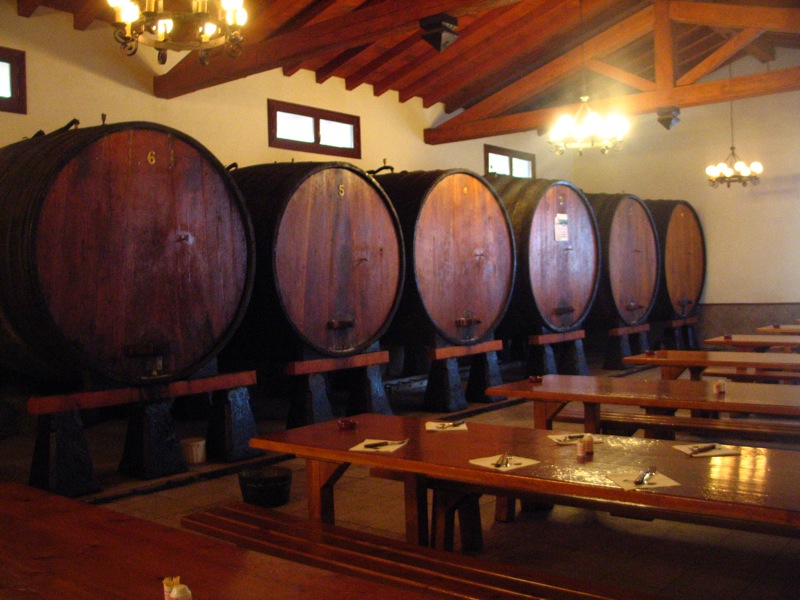
Sagardotegiak (Basque Cider Houses)
Various locations, Astigarraga & surrounds
The sagardotegiak (cider houses) in the hills around San Sebastián are the most distinctive dining tradition in the Basque Country — seasonal restaurants (open January through April during cider season) where you eat a set menu of cod omelette, grilled txuleta (bone-in ribeye steak), and Idiazabal cheese while filling your glass directly from enormous cider barrels by catching the stream in mid-air. The tradition dates back centuries and the ritual cry of "txotx!" signals that a new barrel has been tapped.
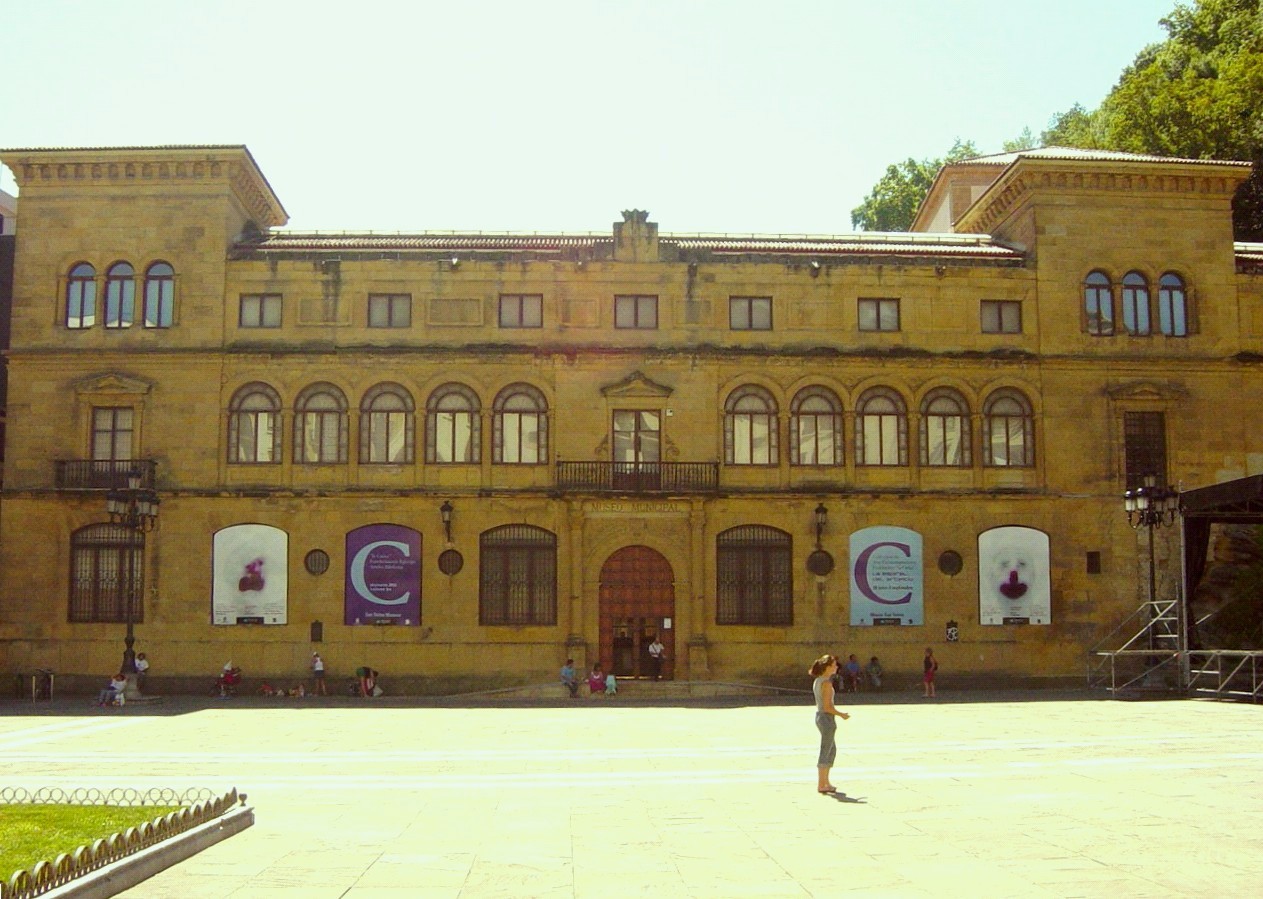
San Telmo Museoa
1 Plaza Zuloaga, Plaza Zuloaga, Donostia / San Sebastián, 20003, Spain
This building has had three completely different lives. First it was a Dominican monastery, funded in the fifteen forties by Alonso de Idiaquez, who happened to be Secretary of State to Emperor Charles the Fifth. Having the Holy Roman Emperor's right-hand man as your patron meant the monastery got built properly -- construction ran from fifteen forty-four to fifteen sixty-two. Then in eighteen thirty-six, the liberal Mendizabal government confiscated church properties across Spain. The friars were expelled and the monastery was handed to the military. For decades, this exquisite Renaissance cloister served as artillery barracks. Monks out, cannons in. That is nineteenth-century Spain for you. The third life began when the city converted it into a museum, which opened in nineteen thirty-two with an inauguration concert conducted by the great Manuel de Falla himself. Today it is the main museum of Basque society and culture, and the collection spans archaeology, ethnography, fine art, and contemporary work. But the thing you absolutely cannot miss is in the old church. The walls are covered with seven hundred and eighty-four square metres of murals by Jose Maria Sert -- seventeen drapes and eleven canvases depicting the history of Gipuzkoa province. Sert painted them on metallic backgrounds, and the effect is unlike anything you have seen in any other museum. The surfaces shimmer and shift as light moves across them. They are monumental, theatrical, and slightly unsettling in the best possible way. The museum was expanded in two thousand and eleven with a striking contemporary addition that wraps around the original Renaissance building. The contrast between the old stone cloisters and the modern aluminium-panelled facade is deliberate and effective. Two buildings from two different centuries having a conversation about Basque identity.
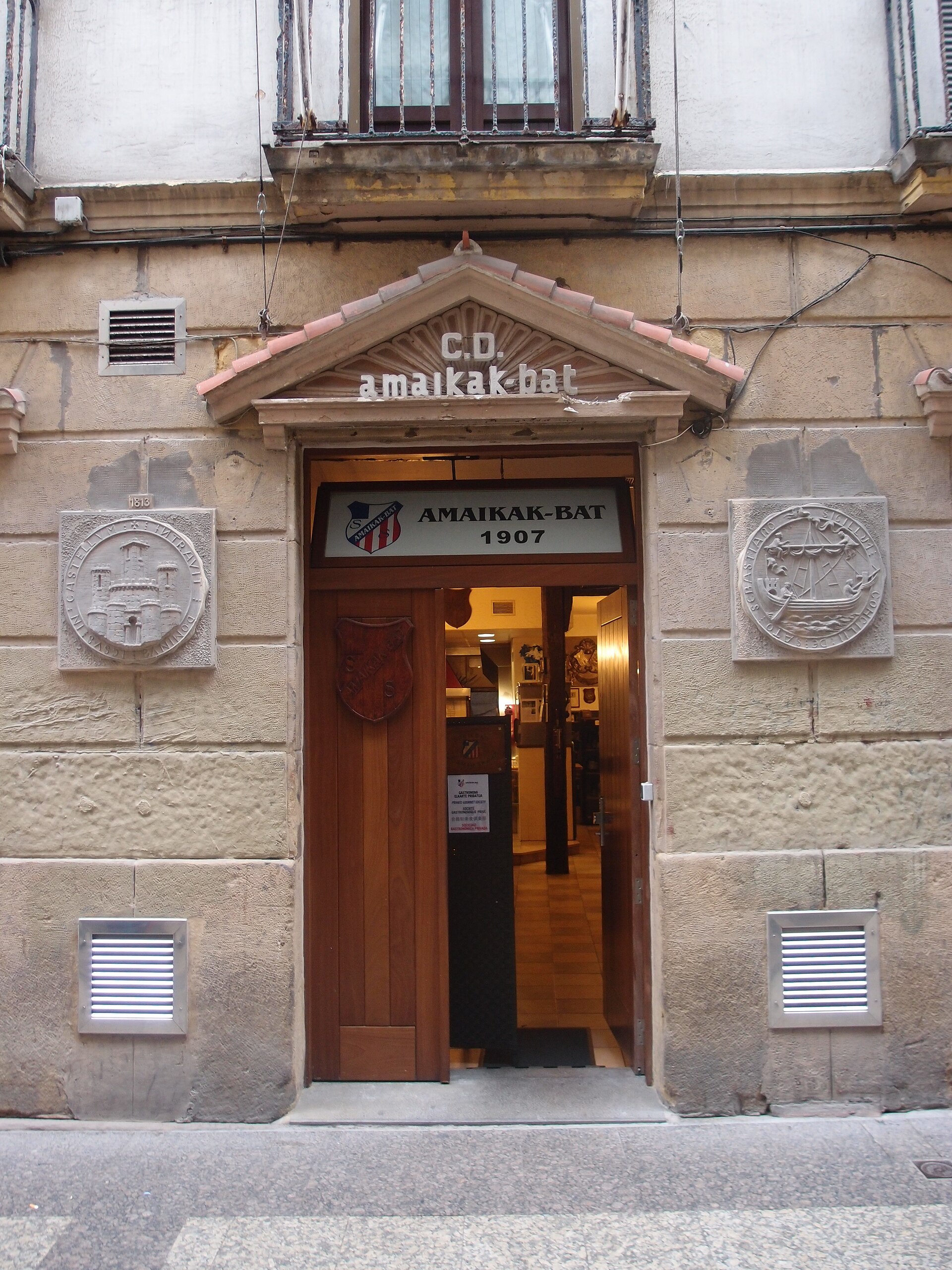
Sociedades Gastronomicas (Txokos)
Donostia / San Sebastián, Spain
Behind unmarked doors all over the Old Town, members-only cooking clubs have been operating for over a hundred and fifty years. You have probably walked past several of them already without knowing it. There are no signs. No menus in the window. Just a door and, if you are lucky, the sound of laughter and the smell of frying peppers leaking out. They are called sociedades gastronomicas, or txokos in Basque, and there are one thousand five hundred and fifty-two of them across the Basque Country, with over thirty-two thousand members. Seven hundred and eighty-five are in the province of Gipuzkoa alone. Each one is a private club where members have keys, buy their own ingredients, cook communal meals, and split the costs. The kitchen is shared. The recipes are guarded. The origin story is genuinely wild. The first society was called La Fraternal, founded by Freemasons in the mid-nineteenth century at number eleven Calle Puyuelo -- now Calle Fermin Calbeton -- right here in the Parte Vieja. It was described as a society for eating and singing. When La Fraternal burned down, the surviving members founded the Union Artesana on May fourteenth, eighteen seventy, making it the oldest continuously active gastronomic society in the Basque Country. Seventy-six Freemasons signed the founding charter. Under Franco's dictatorship, the societies took on a different role entirely. They became some of the few spaces where people could speak Basque and sing Basque songs without state surveillance. The cooking clubs doubled as quiet resistance cells for preserving a forbidden language and culture. Originally these societies were strictly men-only -- women could not even enter the building. Many have now opened their doors to women, though some still restrict kitchen access. The tradition is evolving, but the core remains: people gathering behind closed doors to cook, eat, and be Basque together.
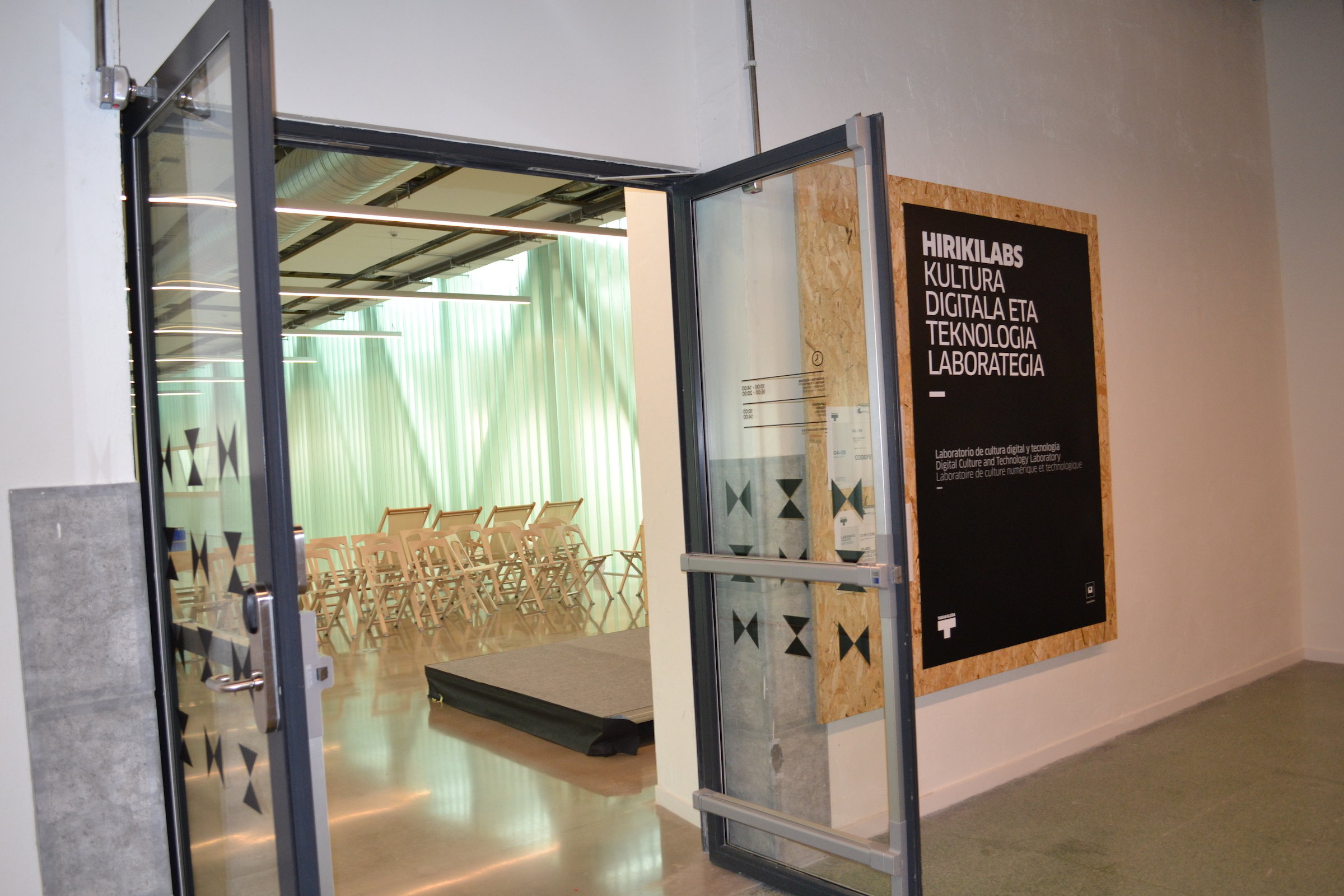
Tabakalera
1 Karmengo Andre Mariaren Kalea, Egia, Donostia / San Sebastián, 20012, Spain
For ninety years, women rolled cigarettes in this building. From nineteen thirteen to two thousand and three, this was a working tobacco factory -- one of the largest in northern Spain -- and the majority of its workforce was female. Rows of women sat at long tables, hand-rolling and packaging tobacco products while the machines hummed around them. When tobacco company Altadis finally closed the factory in two thousand and three, an entire industrial era ended. But the Basques do not demolish. They transform. The city council, provincial council, and Basque Government jointly bought the massive complex and spent over a decade converting it into the Tabakalera -- the International Centre for Contemporary Culture. It reopened on September eleventh, two thousand and fifteen, and the scale is staggering. The complex covers over thirteen thousand square metres. What fills it now is remarkable. The San Sebastian International Film Festival has its permanent headquarters here. The Basque Film Archive is housed inside. The Elias Querejeta Film School trains the next generation of Basque filmmakers. There are artist residencies, a cinema, media labs where people experiment with digital art and technology, a hotel, exhibition galleries, and a public rooftop terrace with views across the city. The architectural conversion kept the industrial bones of the building -- the high ceilings, the concrete columns, the sense of scale -- while inserting contemporary spaces within the old shell. You can feel the factory in the proportions of the rooms. The address is a nice touch too: Andre Zigarrogileak Plaza, which translates to Lady Cigarette Makers Square. The women who worked here for ninety years got the plaza named after them. That is the kind of detail that matters.
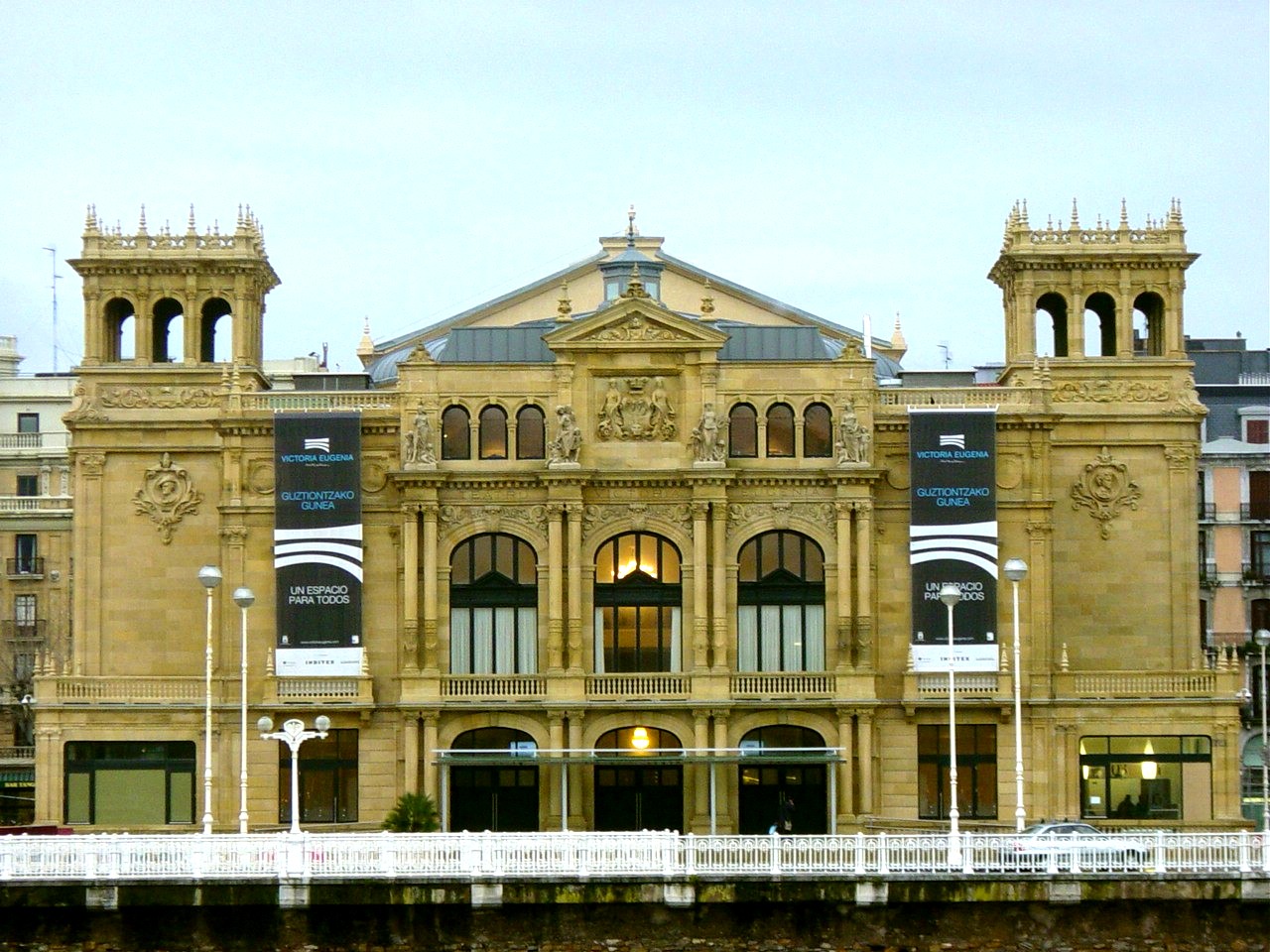
Teatro Victoria Eugenia
Bigarren Errepublika Plaza, Amara Berri, Donostia / San Sebastián, 20014, Spain
Alfred Hitchcock premiered Vertigo in this theatre. Just sit with that for a moment. One of the greatest films ever made had its debut in a horseshoe-shaped auditorium in the Basque Country. North by Northwest premiered here too. For nearly fifty years -- from nineteen fifty-three to nineteen ninety-nine -- every major San Sebastian Film Festival screening happened on this stage. The theatre was inaugurated in nineteen twelve by Queen Victoria Eugenia, and architect Francisco de Urcola packed it with theatrical technologies he had picked up studying venues in Paris and Vienna. The original auditorium held one thousand two hundred and fifty seats in a classic horseshoe layout, though a two thousand and seven renovation trimmed that to around nine hundred for better comfort. Look at the facade. It sits directly across the Urumea River from the Hotel Maria Cristina, and together the two buildings form a kind of cultural gateway. The theatre's Belle Epoque exterior -- all arched windows and ornamental stonework -- was designed to impress arriving guests as they crossed the bridge. The effect still works over a century later. When the Kursaal opened in nineteen ninety-nine, the Film Festival moved its main screenings to the larger venue. But the Victoria Eugenia did not fade into retirement. It was renovated and continues to host smaller festival screenings, theatre productions, concerts, and special events. The intimate horseshoe shape makes it a better venue for many performances than the larger Kursaal auditorium. The theatre is named after Victoria Eugenia of Battenberg, who married King Alfonso the Thirteenth. She was the granddaughter of Queen Victoria of England, which meant that when she attended premieres here, she brought a very particular kind of European royal glamour to the Basque coast.
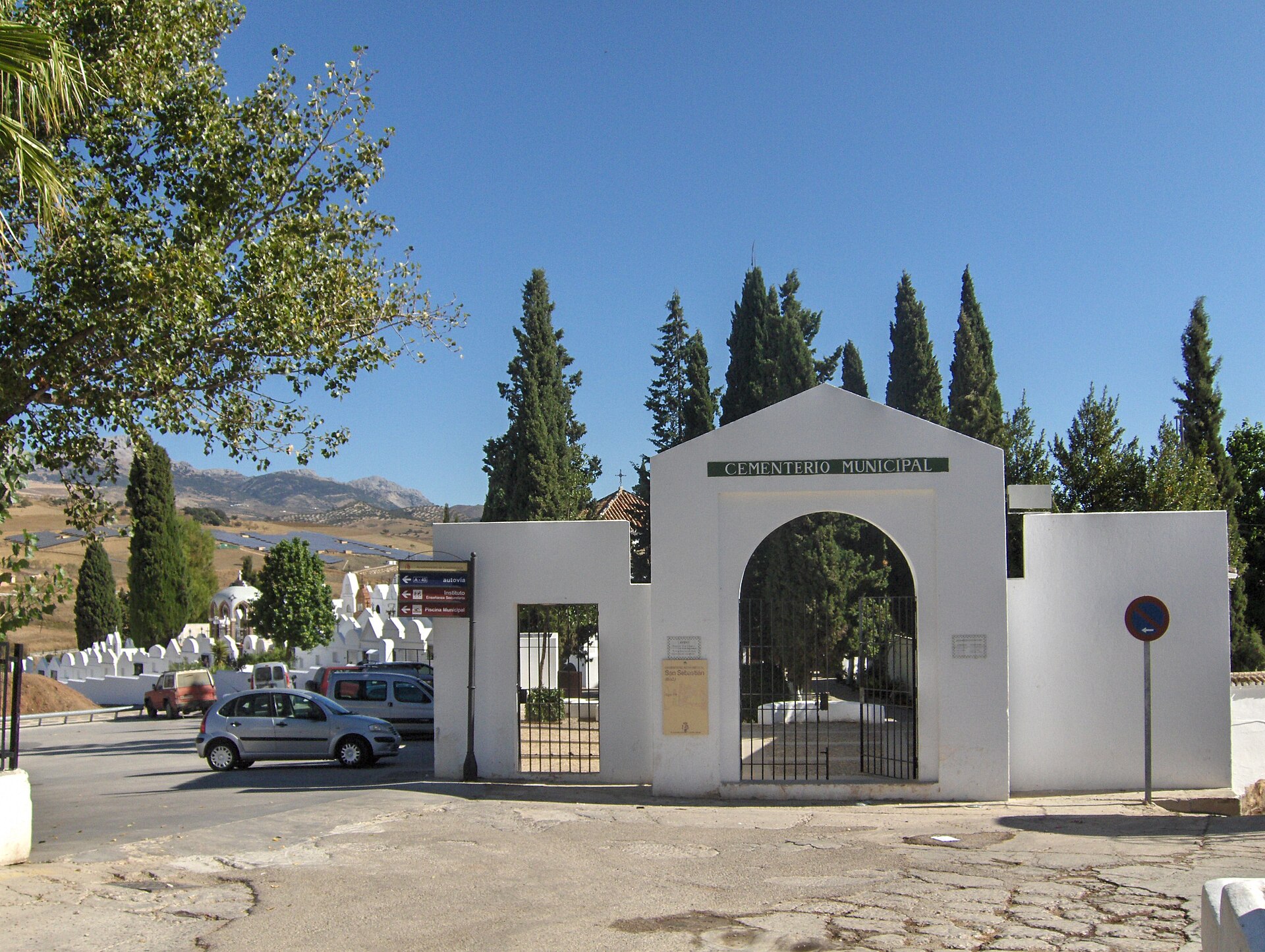
The English Cemetery
Urgull Mendia Kalea, Centro, Donostia / San Sebastián, 20003, Spain
Hidden in the trees on the north slope of Monte Urgull, there is a moss-covered cemetery that almost nobody visits. No signs point to it. No tour groups come here. But this quiet patch of ground tells one of the strangest stories in Basque-British relations. In the eighteen thirties, Spain was tearing itself apart in the First Carlist War -- a brutal succession crisis over who should be king. Britain, backing Queen Isabel the Second, sent the British Auxiliary Legion: ten thousand volunteers who crossed the sea to fight in someone else's civil war. Many of them ended up here in San Sebastian, and many of them died -- from combat, disease, and the general misery of nineteenth-century warfare. Here is where it gets interesting. Most of these British soldiers were Protestant. In eighteen thirties Spain, that meant they could not be buried in Catholic cemeteries. Consecrated ground was off limits. So the dead were carried up the hillside and buried here, on the exposed northern slope of Monte Urgull, overlooking the sea they had crossed to get here. The cemetery was largely forgotten for decades. Headstones crumbled, vegetation grew over the graves, and the soldiers who died fighting for a Spanish queen faded from memory. It was not until nineteen twenty-four that someone finally restored the site and erected a monument honouring the fallen. Today the graves sit in dappled shade under the trees. You can still read some of the inscriptions if you look closely. It is one of the most peaceful spots in the city, and one of the least visited. Ten thousand men volunteered for a war that was not theirs, in a country that was not theirs, and the ones who did not make it home ended up here -- Protestant graves on a Catholic hillside in the Basque Country.
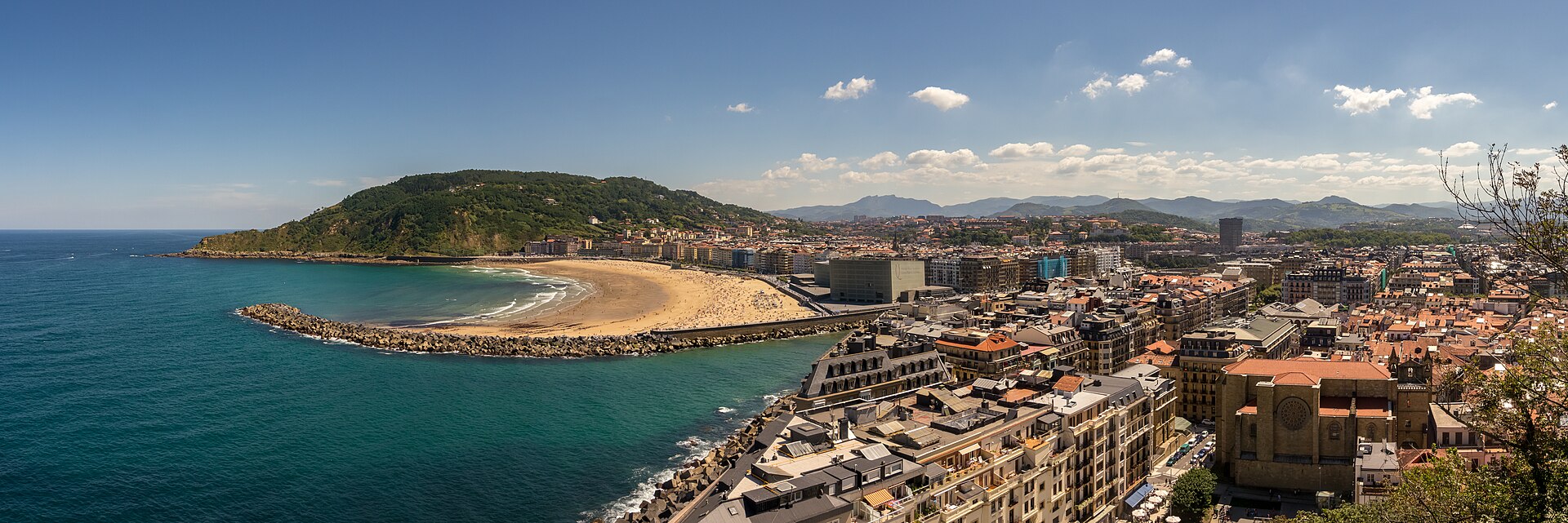
Zurriola Beach and the Gros Neighbourhood
Zurriola Pasealekua, Gros, Donostia / San Sebastián, 20002, Spain
While the royals were taking parasol-shaded strolls along La Concha, something completely different was happening on the other side of the river. In the nineteen fifties, the Arteche brothers paddled out into the waves here on some of the first surfboards ever seen in the Basque Country. La Concha was for queens. Zurriola was for rebels. The beach is eight hundred metres long and much more exposed to the Cantabrian Sea than its sheltered neighbour. The Urumea River separates the two, and the difference in wave energy is dramatic. La Concha is calm, protected by the bay. Zurriola catches the full force of Atlantic swells, which is exactly what surfers want. But here is the twist. In nineteen ninety-four, engineers modified the breakwater at the mouth of the river, and the changes fundamentally altered how waves hit the shore. Whether by accident or design -- opinions differ -- the modifications created consistently better surf breaks. Zurriola went from a good local spot to a legitimate world-class surf destination almost overnight. The Gros neighbourhood behind the beach followed the surf culture's lead. Where the Old Town has pintxo bars steeped in centuries of tradition, Gros has a younger, more experimental energy. The restaurants here are where chefs try new things. The bars are where local bands play. The streets have a creative, slightly scruffy vibe that contrasts with the manicured elegance across the river. Today Zurriola hosts international surf competitions and draws wave riders from across Europe. On any given day you will see dozens of surfers in the water, many of them locals who grew up here. The Arteche brothers probably could not have imagined that their hobby would reshape an entire neighbourhood, but that is exactly what happened. Surfing gave Gros its identity.