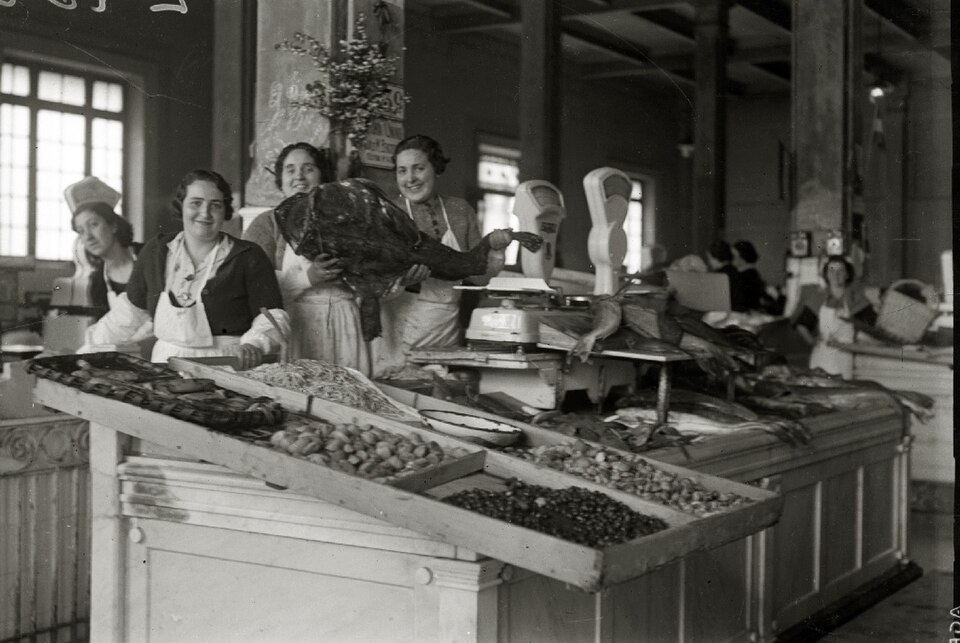
The name of this market literally means the breach. You are standing on the exact spot where invading troops blasted a hole through the city's defensive walls on August thirty-first, eighteen thirteen. The same day that the rest of the city burned, this is where the walls came down. The breach in the fortifications became a gap in the urban fabric, and once the city rebuilt, farmers and fishermen started selling their produce in the open space. An informal market grew around the scar in the wall.
That market was formalized around eighteen seventy, and for over a century it was the primary food market of San Sebastian. Chefs, housewives, and restaurateurs all came here for the freshest fish, the best vegetables, the ripest fruit. In a city that takes food more seriously than almost anywhere else on Earth, this was the epicentre.
The market was modernized and the configuration is a little unexpected. The fresh produce stalls -- the real action, the fish and the vegetables and the meats -- were moved underground into a modern air-conditioned basement level. You access them by escalator through a glass kiosk at street level. Meanwhile, the historic buildings above were converted into a shopping centre. So the market is literally beneath the surface, which feels appropriate for a place whose origin story is an underground breach.
If you go down to the basement level in the morning, you will see some of the best seafood displays in the Basque Country. Mountains of fresh fish on ice, crabs with their claws still moving, bins of tiny anchovies, whole tuna being carved. The vendors know their product cold, and many of them supply the pintxo bars and Michelin-starred restaurants in the Old Town. This is where San Sebastian's food culture starts -- at five in the morning, underground, on the spot where the walls fell.
Verified Facts
'Bretxa' means 'breach' -- the market stands on the exact spot where Anglo-Portuguese troops blasted through the city walls on August 31, 1813
After rebuilding, farmers and fishermen began selling produce at the breach site; the market was formalized around 1870
Fresh produce stalls were moved underground into a modern air-conditioned basement; historic buildings above became a shopping centre
Get walking directions
Centro, Donostia / San Sebastián, 20003, Spain
Featured in this tour
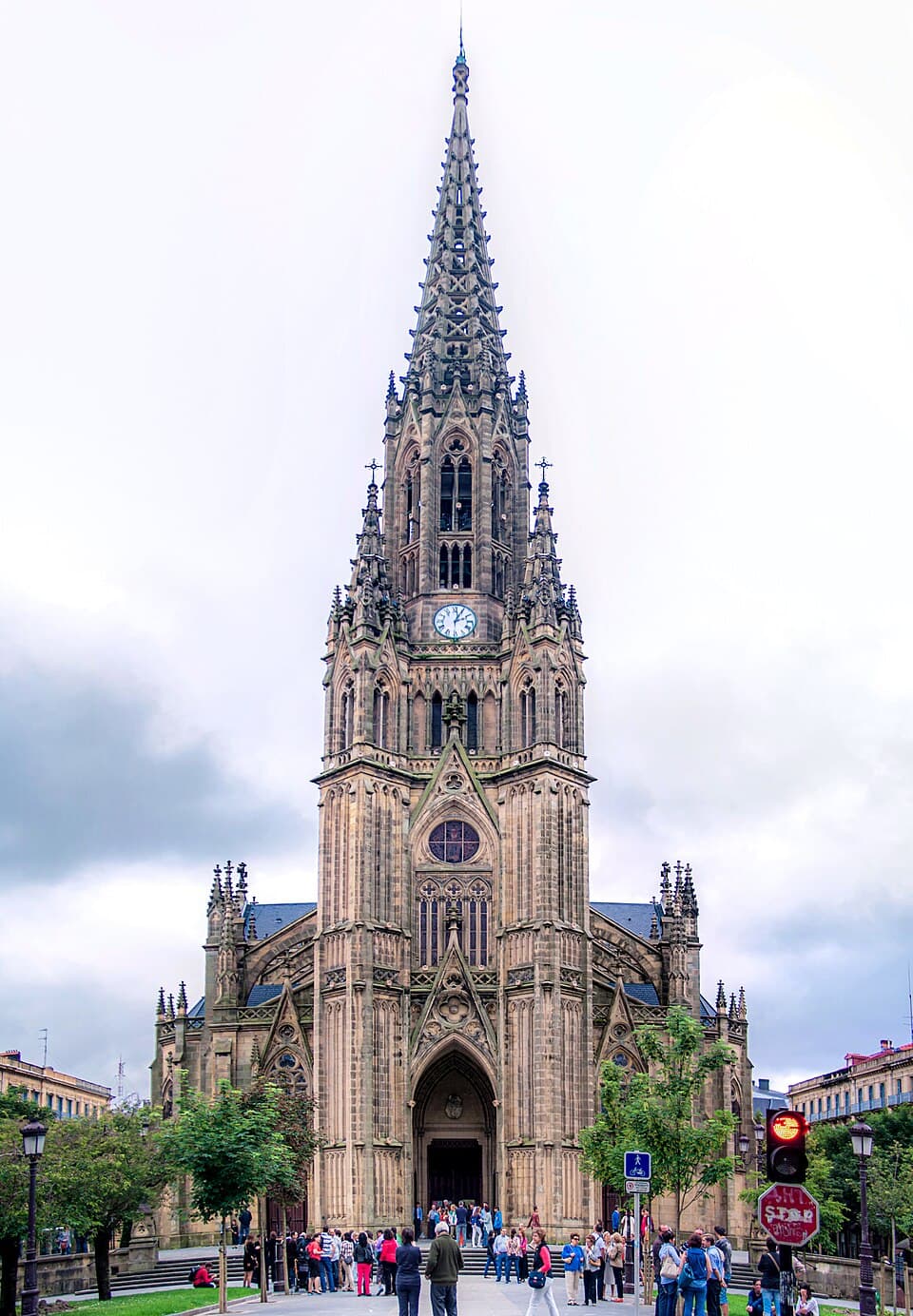
More in San Sebastián
View all →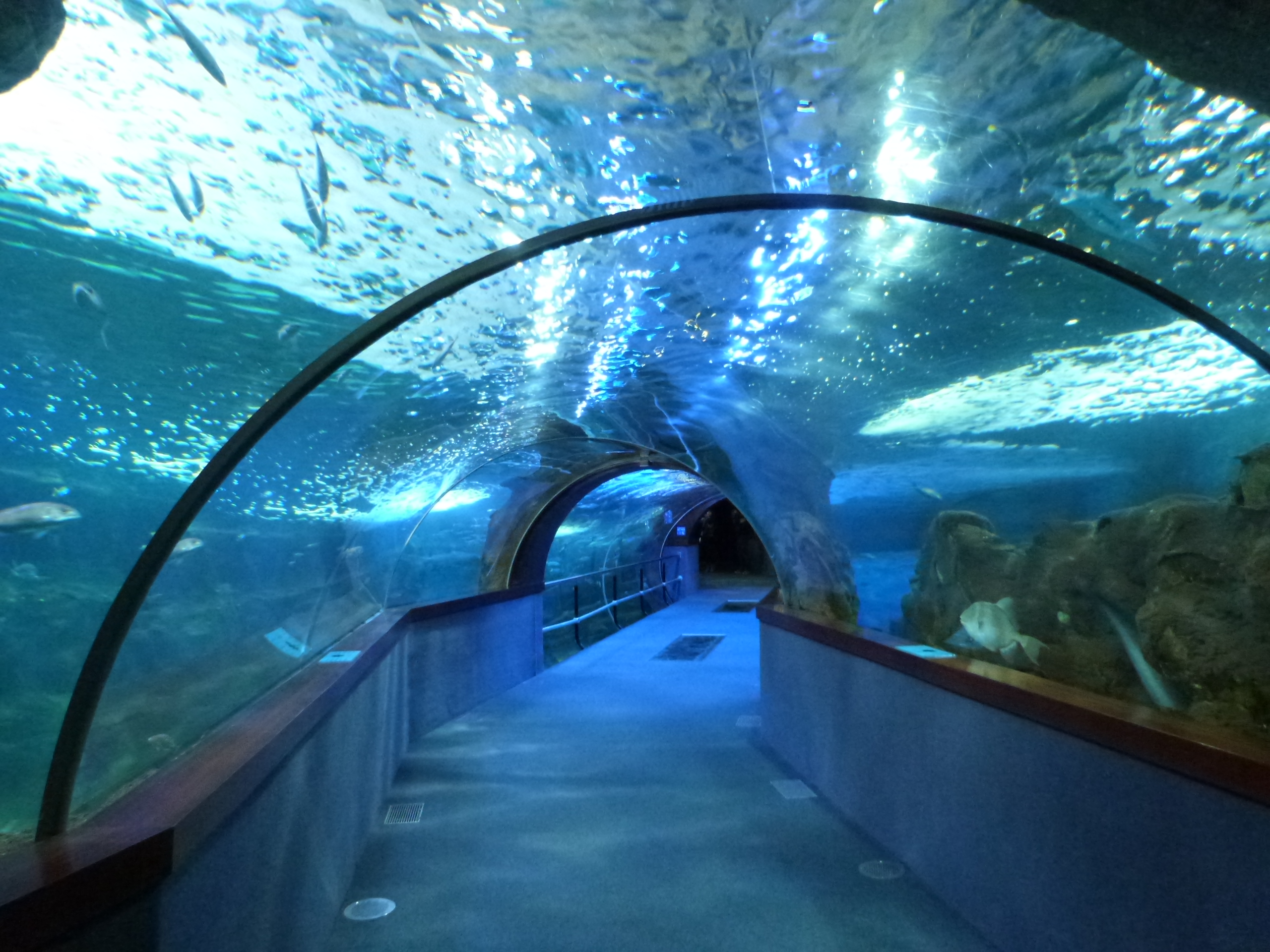
Aquarium Donostia (Palacio del Mar)
1 Plaza de Carlos Blasco Imaz, Plaza de Carlos Blasco Imaz, Donostia / San Sebastián, 20003, Spain
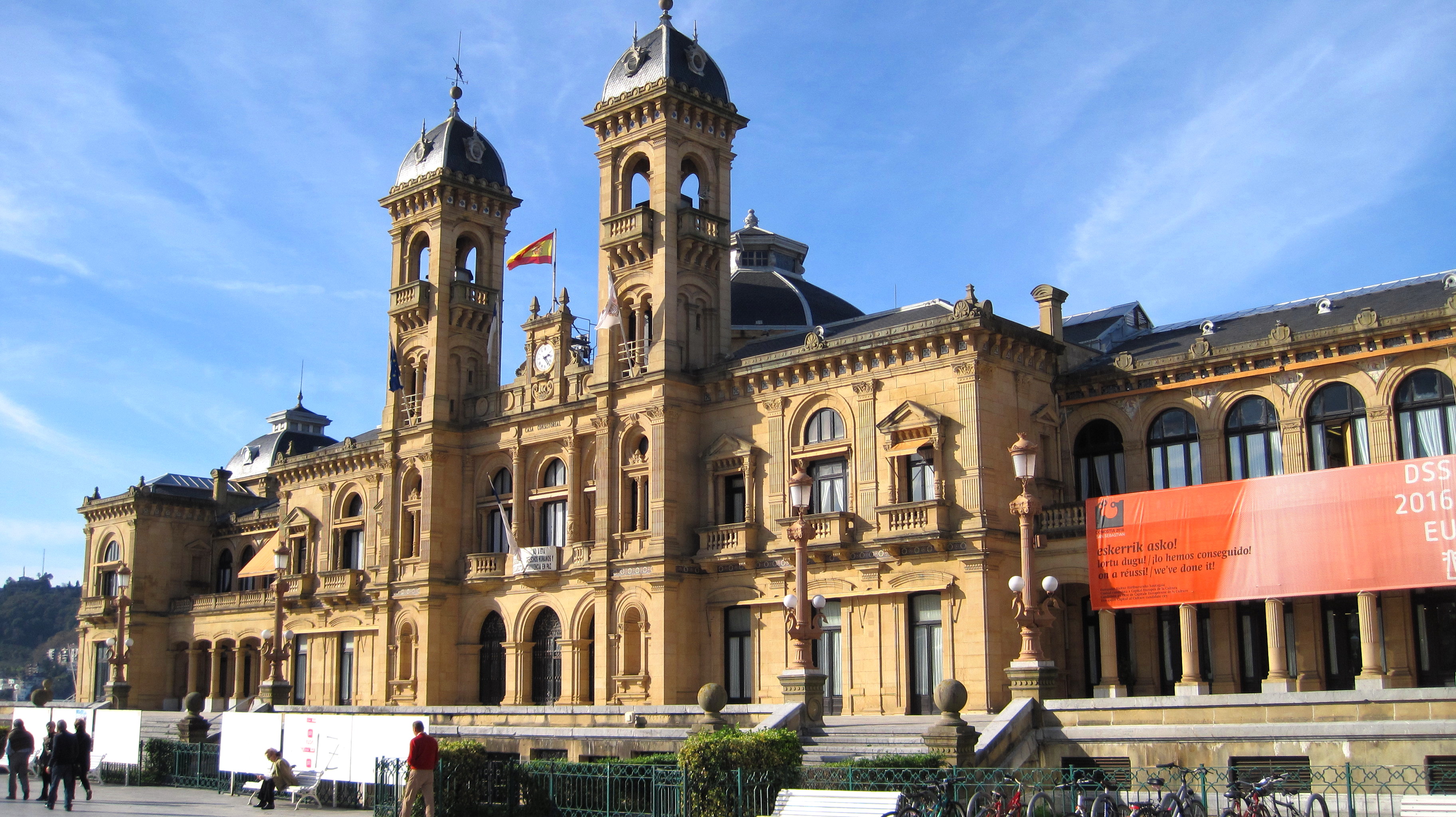
Ayuntamiento (City Hall / Former Casino)
1 Ijentea Kalea, Centro, Donostia / San Sebastián, 20003, Spain
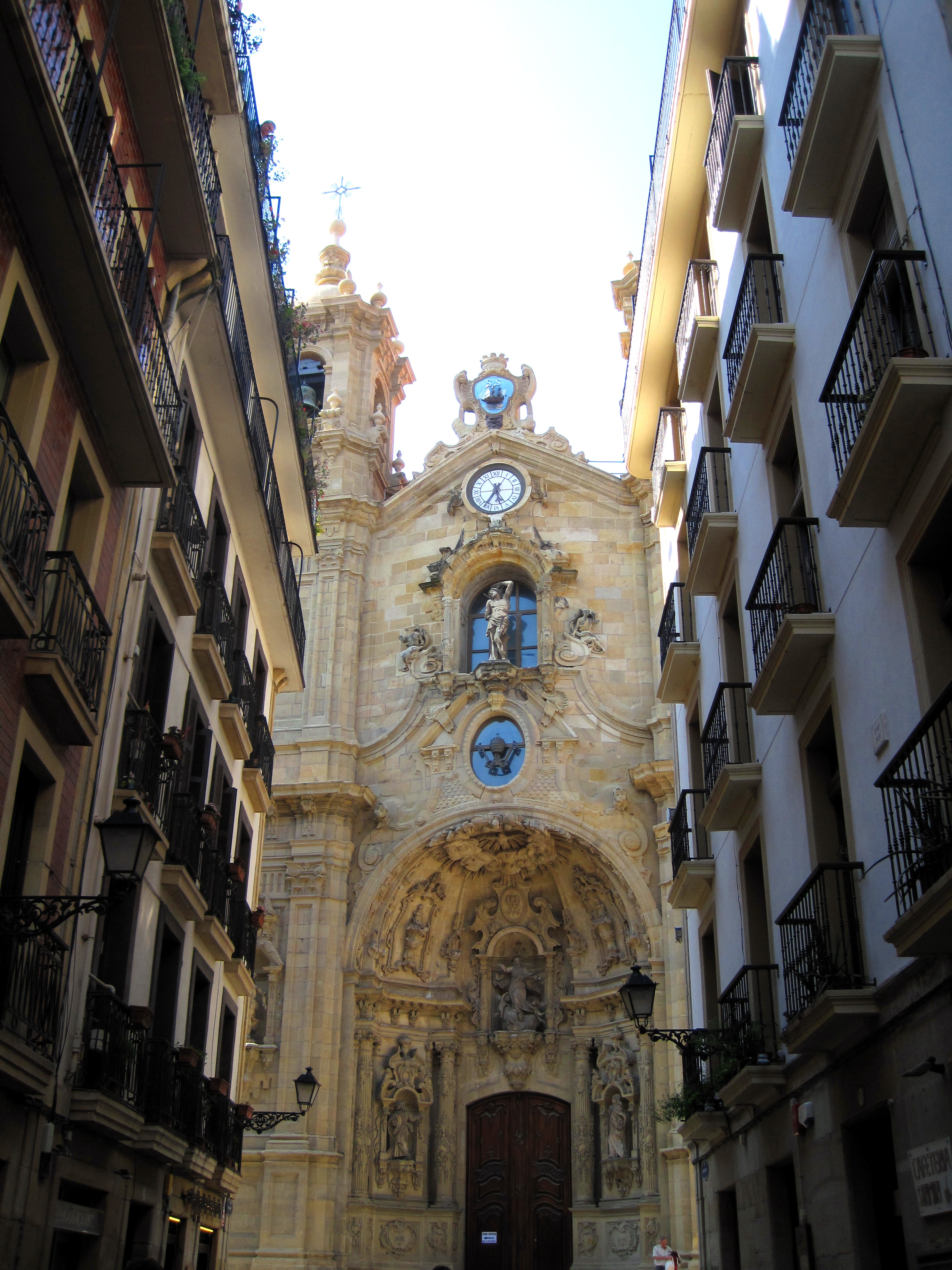
Basilica de Santa Maria del Coro
46 Abuztuaren 31 Kalea, Centro, Donostia / San Sebastián, 20003, Spain