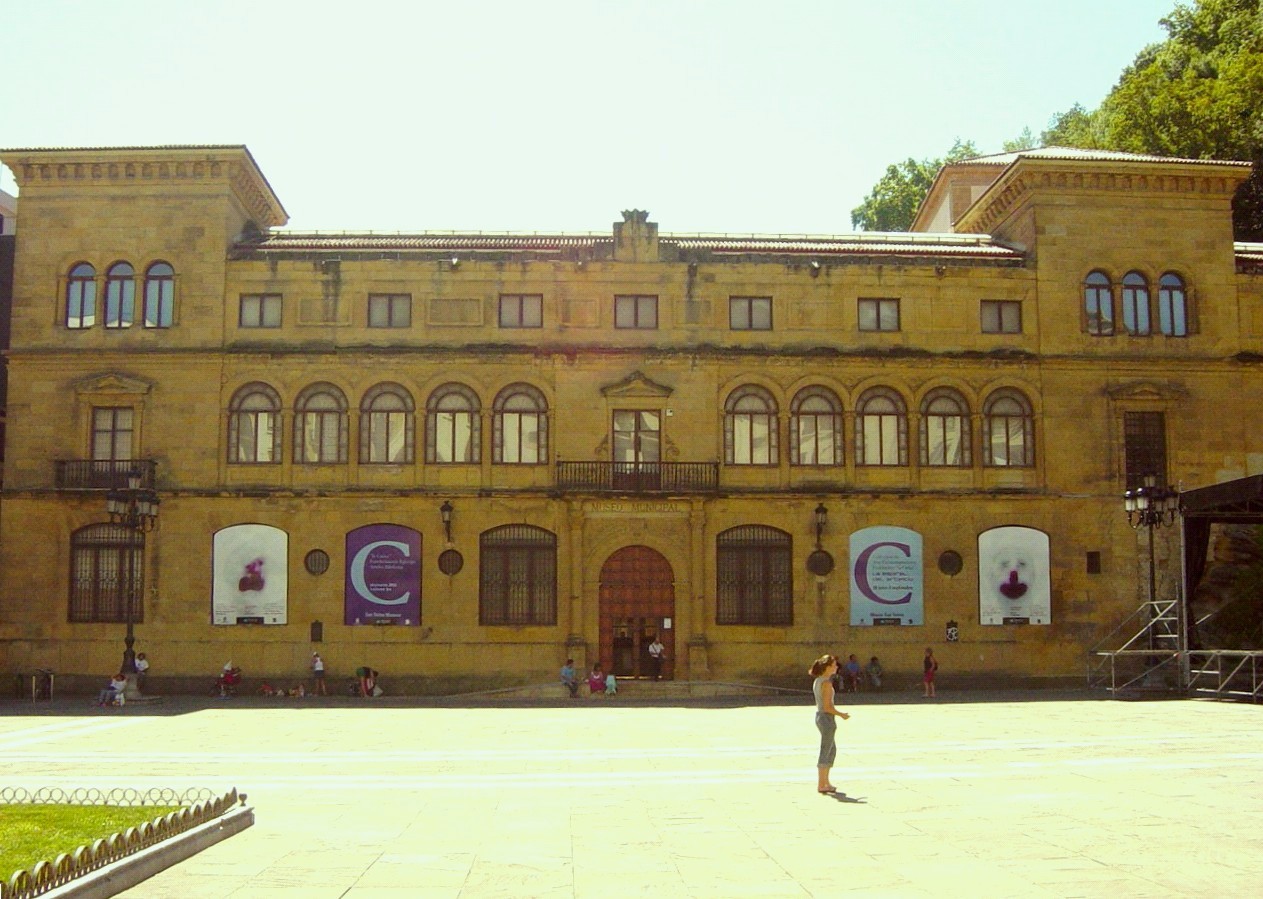
San Telmo Museoa
This building has had three completely different lives. First it was a Dominican monastery, funded in the fifteen forties by Alonso de Idiaquez, who happened to be Secretary of State to Emperor Charles the Fifth. Having the Holy Roman Emperor's right-hand man as your patron meant the monastery got built properly -- construction ran from fifteen forty-four to fifteen sixty-two.
Then in eighteen thirty-six, the liberal Mendizabal government confiscated church properties across Spain. The friars were expelled and the monastery was handed to the military. For decades, this exquisite Renaissance cloister served as artillery barracks. Monks out, cannons in. That is nineteenth-century Spain for you.
The third life began when the city converted it into a museum, which opened in nineteen thirty-two with an inauguration concert conducted by the great Manuel de Falla himself. Today it is the main museum of Basque society and culture, and the collection spans archaeology, ethnography, fine art, and contemporary work.
But the thing you absolutely cannot miss is in the old church. The walls are covered with seven hundred and eighty-four square metres of murals by Jose Maria Sert -- seventeen drapes and eleven canvases depicting the history of Gipuzkoa province. Sert painted them on metallic backgrounds, and the effect is unlike anything you have seen in any other museum. The surfaces shimmer and shift as light moves across them. They are monumental, theatrical, and slightly unsettling in the best possible way.
The museum was expanded in two thousand and eleven with a striking contemporary addition that wraps around the original Renaissance building. The contrast between the old stone cloisters and the modern aluminium-panelled facade is deliberate and effective. Two buildings from two different centuries having a conversation about Basque identity.
Verified Facts
Originally a Dominican monastery built 1544-1562, funded by Alonso de Idiaquez, Secretary of State to Emperor Charles V
After the Mendizabal confiscations of 1836, the friars were expelled and the convent became artillery barracks
The church walls are covered with 784 square metres of murals by Jose Maria Sert painted on metallic backgrounds
The museum's 1932 opening concert was conducted by composer Manuel de Falla
Get walking directions
1 Plaza Zuloaga, Plaza Zuloaga, Donostia / San Sebastián, 20003, Spain
Featured in this tour
More in San Sebastián
View all →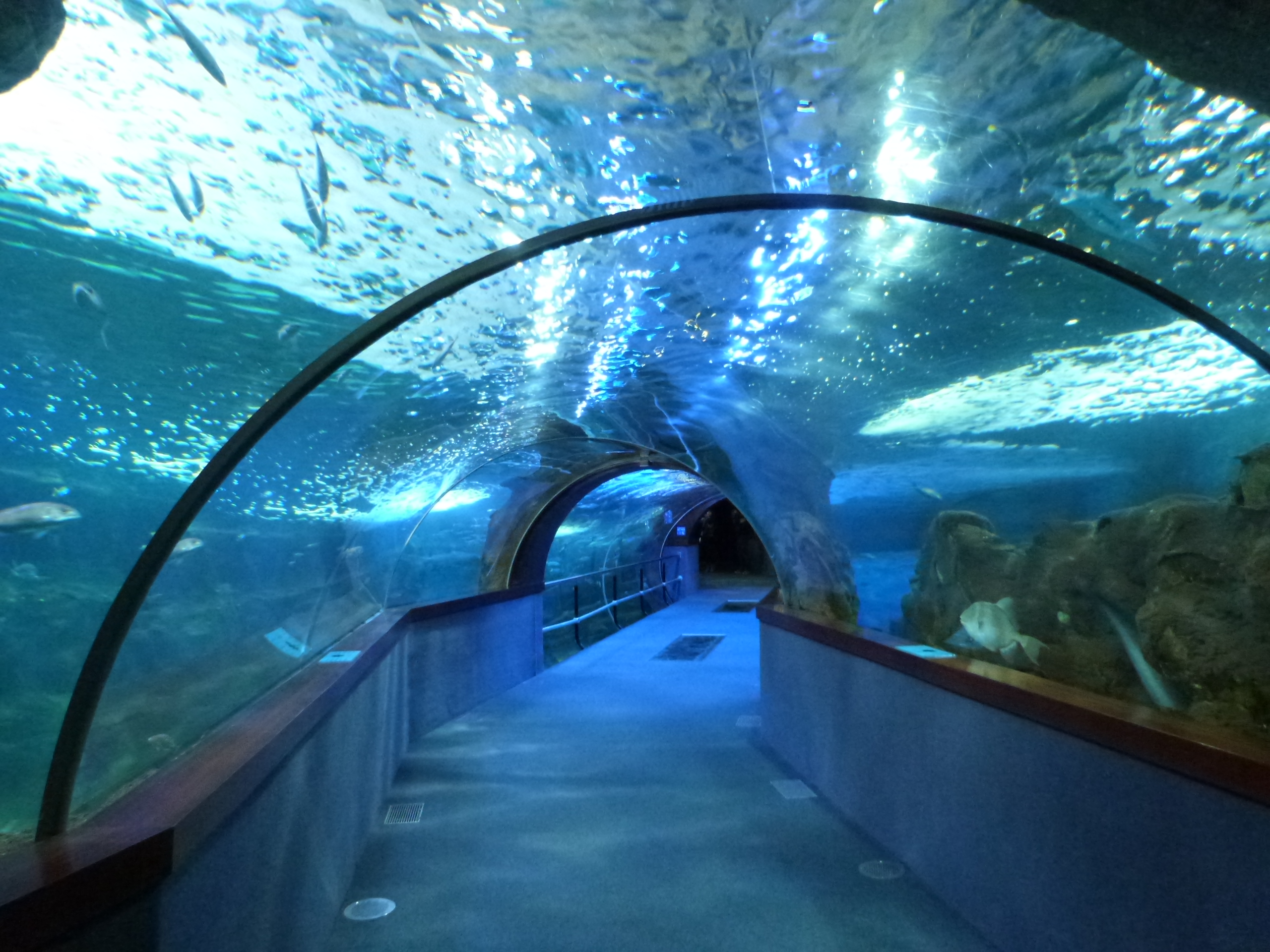
Aquarium Donostia (Palacio del Mar)
1 Plaza de Carlos Blasco Imaz, Plaza de Carlos Blasco Imaz, Donostia / San Sebastián, 20003, Spain
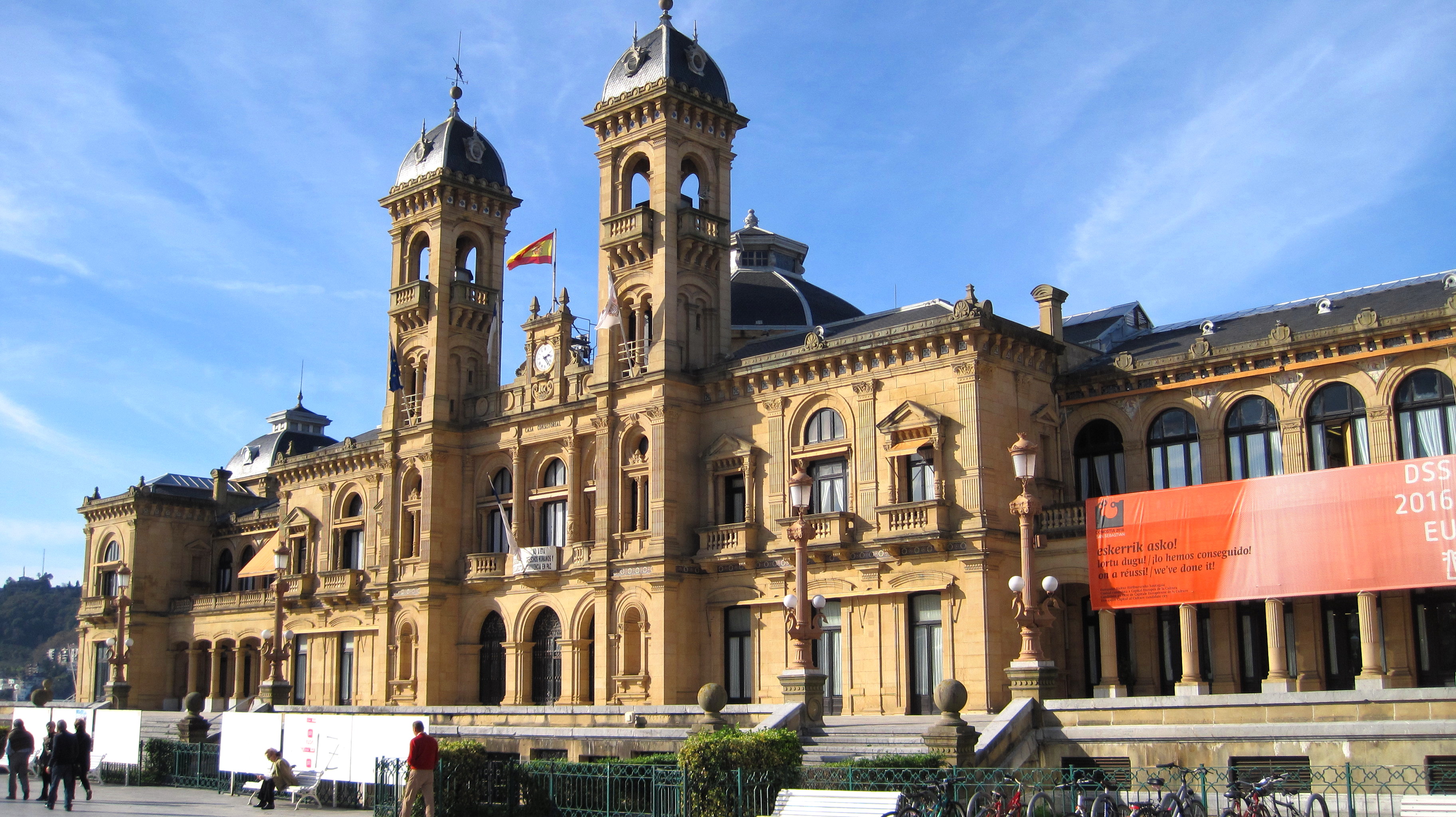
Ayuntamiento (City Hall / Former Casino)
1 Ijentea Kalea, Centro, Donostia / San Sebastián, 20003, Spain
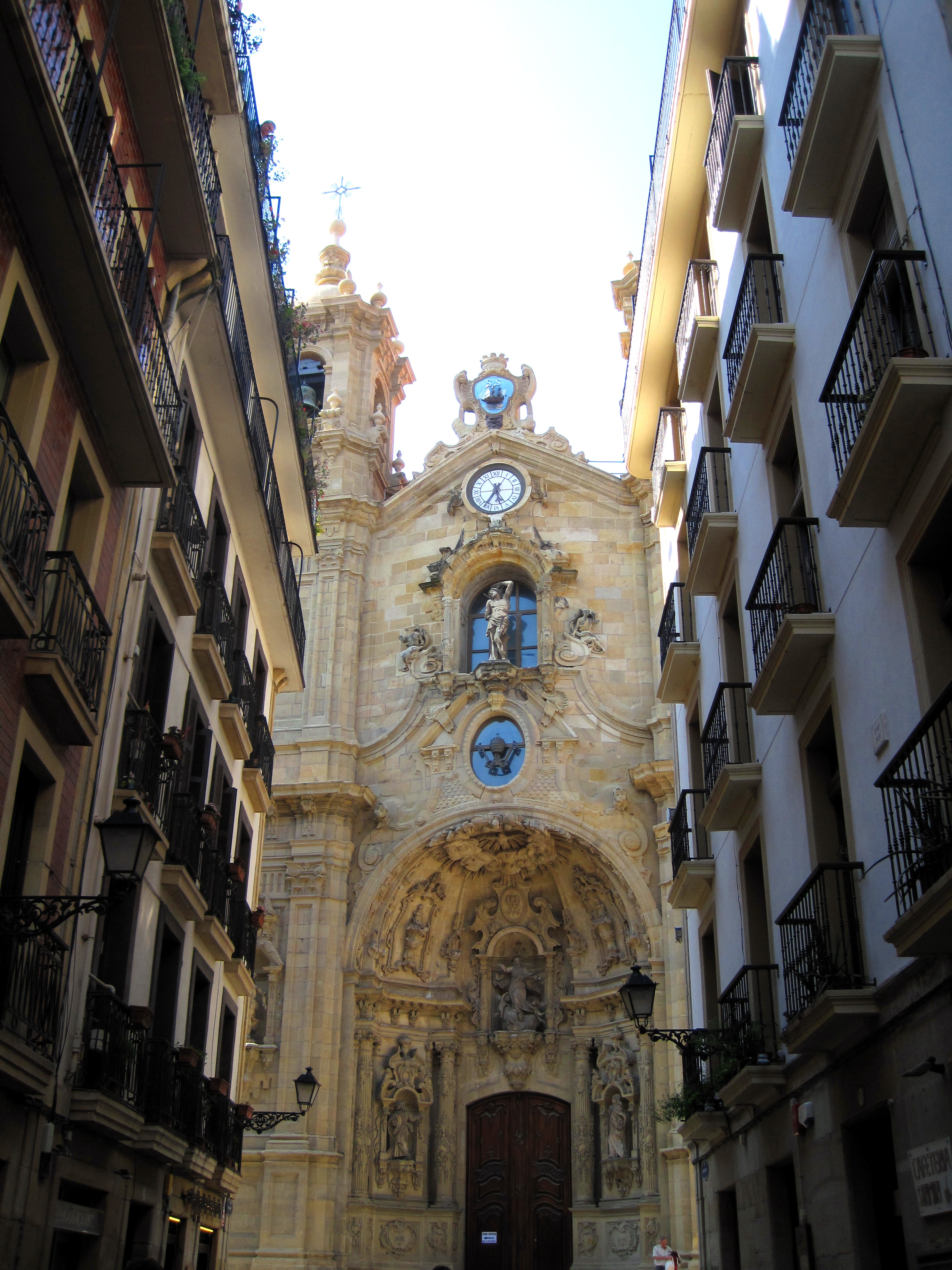
Basilica de Santa Maria del Coro
46 Abuztuaren 31 Kalea, Centro, Donostia / San Sebastián, 20003, Spain