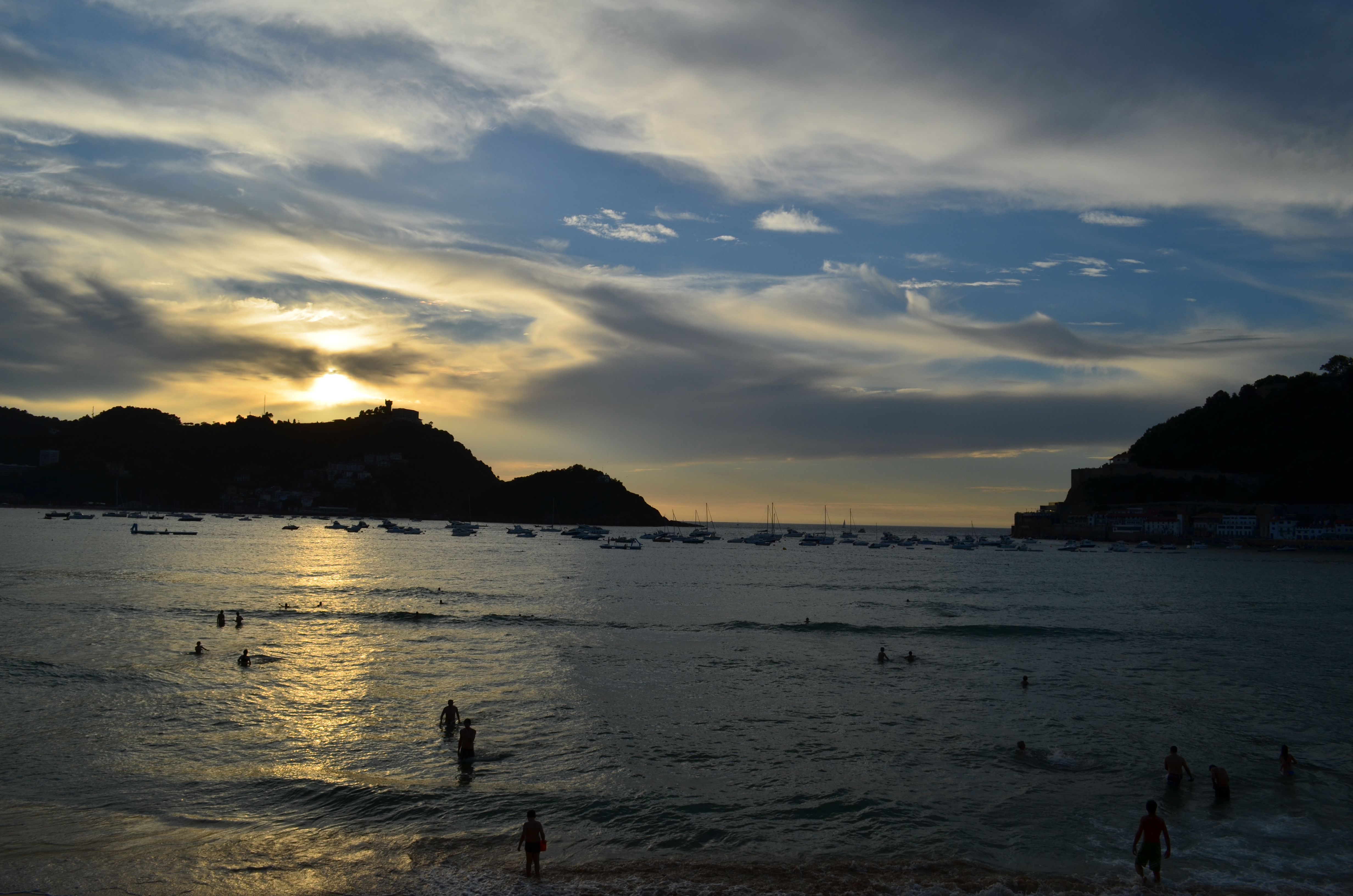
La Concha Promenade and the Famous Railing
You are walking along what might be the most famous promenade in Spain, and the white railing beside you is arguably the most photographed piece of ironwork in the country. It was designed by city architect Juan Rafael Alday in nineteen ten and officially inaugurated by King Alfonso the Thirteenth in nineteen sixteen. Here is a detail most people miss: one section of the railing was installed backwards, with the decorative flower facing the sea instead of the pedestrians. Local legend says that if you find this reversed flower, you are guaranteed to return to San Sebastian. Good luck -- it is out there somewhere.
The railing's design has become so iconic that it was adopted as the shape of the trophy for the San Sebastian International Film Festival. Every year, winners receive a miniature version of the thing you are leaning against right now.
But the real story of La Concha starts in eighteen forty-five, when Queen Isabel the Second came here on medical advice. Her doctors recommended sea bathing for her skin problems. The Queen went in the water, the entire royal court followed, aristocrats built summer homes, and San Sebastian transformed from a fishing town into the summer capital of Spain. The beach name -- La Concha, meaning the shell -- dates back even further, to fifteen forty-one, describing the distinctive curve that sweeps from Monte Igueldo to Monte Urgull.
Now here is a genuinely wild piece of history. On May eighth, nineteen forty-five -- the same day World War Two ended in Europe -- a Nazi Heinkel bomber crash-landed right here on this beach. On board was Leon Degrelle, a Belgian SS collaborator fleeing the fall of Berlin. Franco gave him shelter, and he lived in Spain under a false identity until his death in nineteen ninety-four. He was never extradited. The most beautiful beach in the Basque Country doubled as a Nazi escape route.
Verified Facts
The iconic railing was designed by Juan Rafael Alday in 1910 and inaugurated by King Alfonso XIII in 1916
One section of the railing was installed backwards; legend says finding the reversed flower means you will return to San Sebastian
Queen Isabel II made the beach fashionable in 1845 after doctors recommended sea bathing for her skin problems
The railing design is reproduced as the San Sebastian Film Festival trophy
On May 8, 1945, a Nazi He-111 bomber crash-landed on the beach carrying Belgian SS collaborator Leon Degrelle fleeing the fall of Berlin
Get walking directions
Kontxa Pasealekua, Antiguo, Donostia / San Sebastián, 20007, Spain
More in San Sebastián
View all →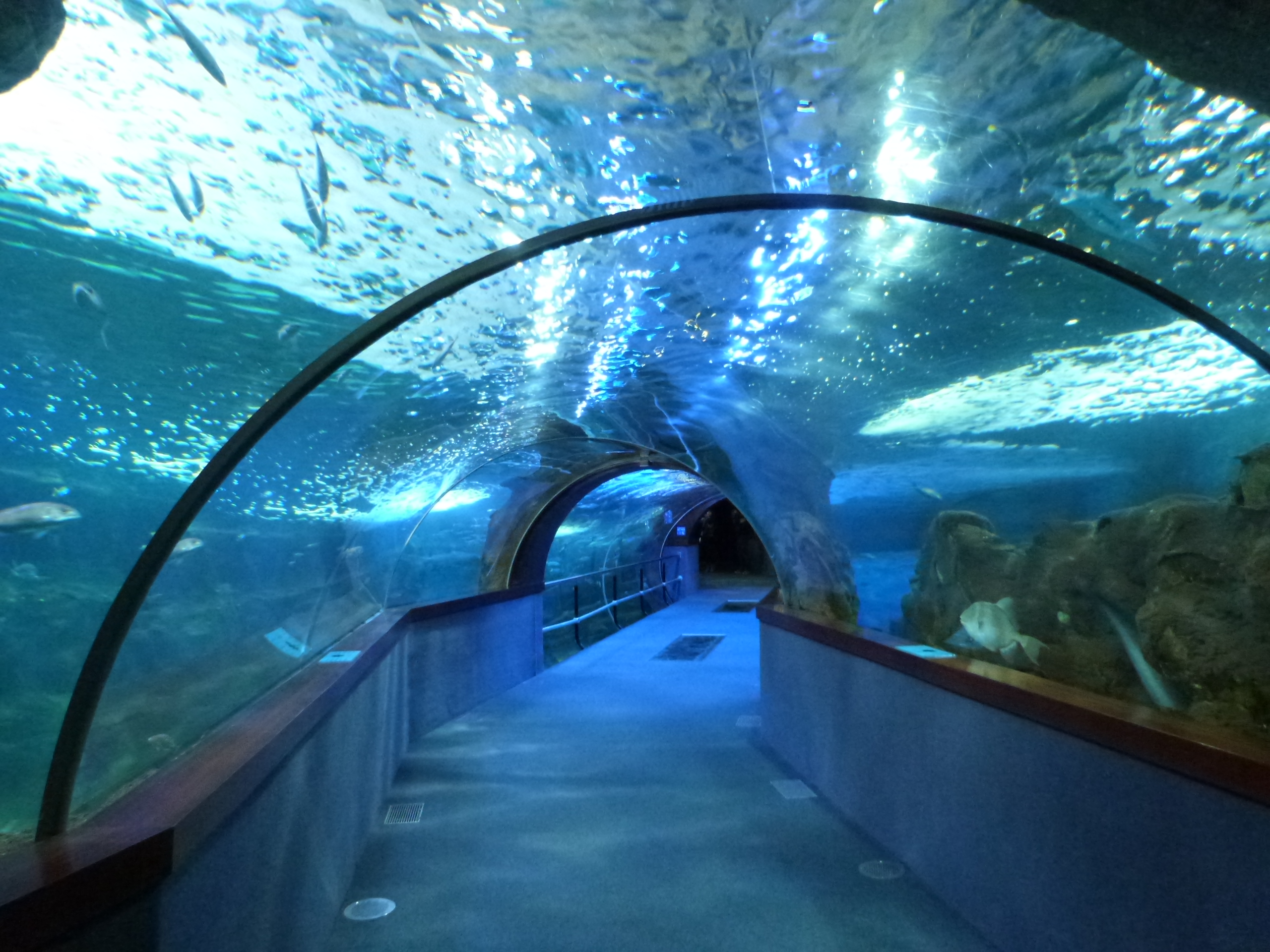
Aquarium Donostia (Palacio del Mar)
1 Plaza de Carlos Blasco Imaz, Plaza de Carlos Blasco Imaz, Donostia / San Sebastián, 20003, Spain
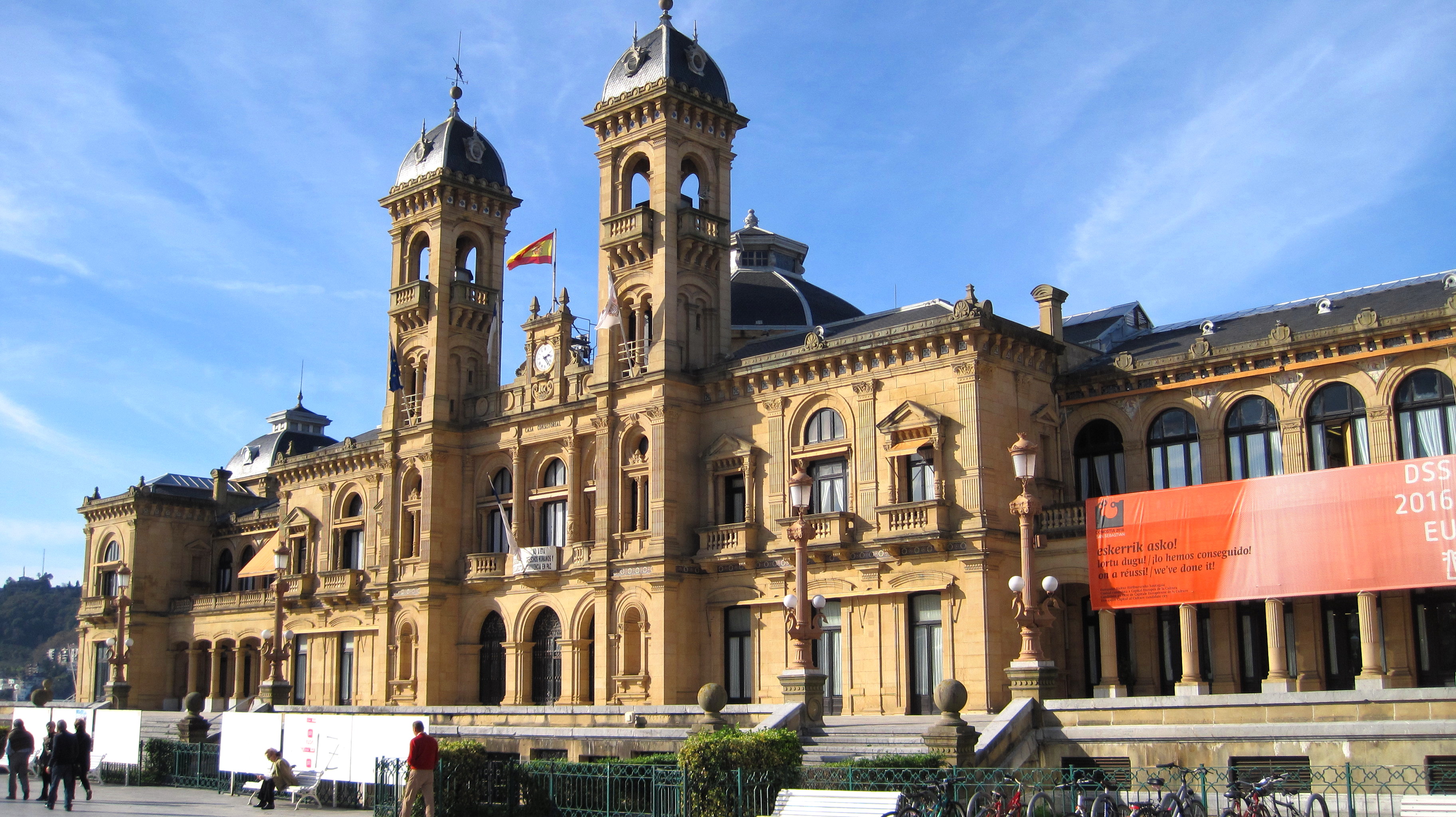
Ayuntamiento (City Hall / Former Casino)
1 Ijentea Kalea, Centro, Donostia / San Sebastián, 20003, Spain
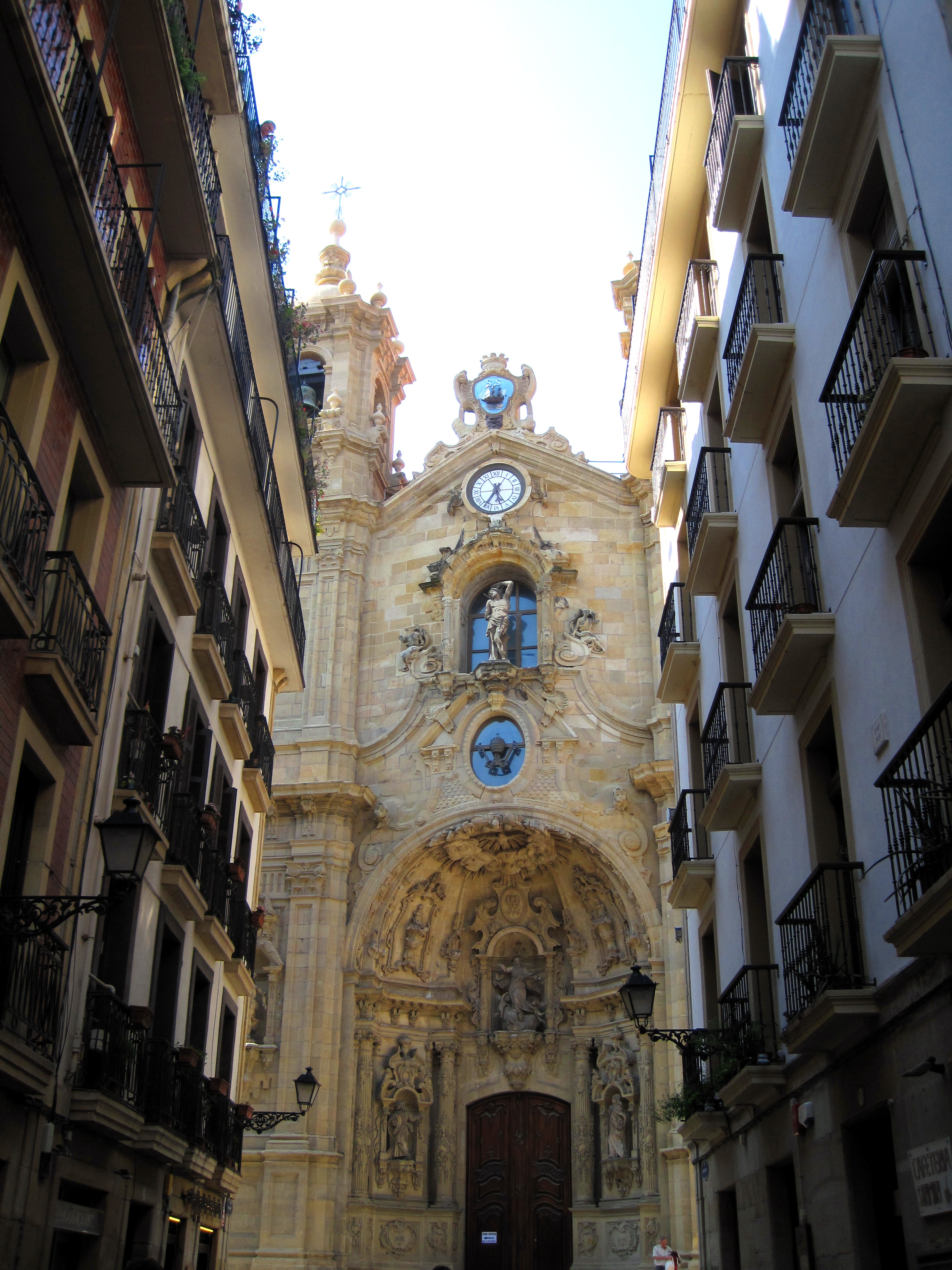
Basilica de Santa Maria del Coro
46 Abuztuaren 31 Kalea, Centro, Donostia / San Sebastián, 20003, Spain