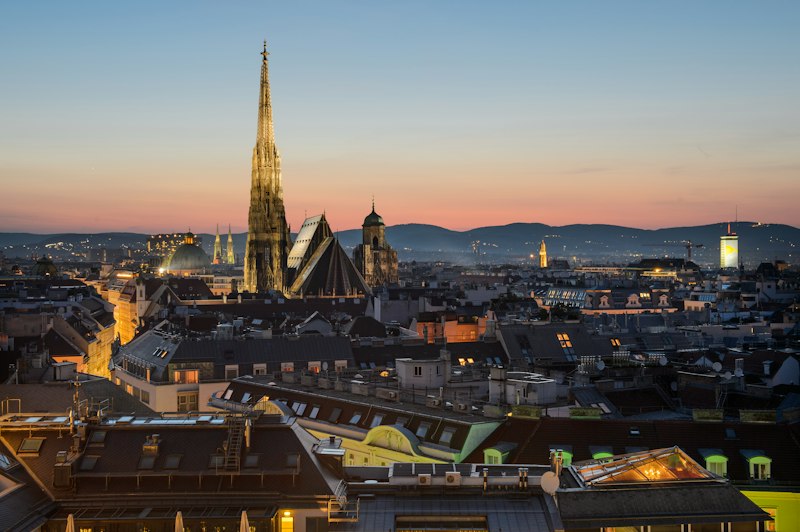
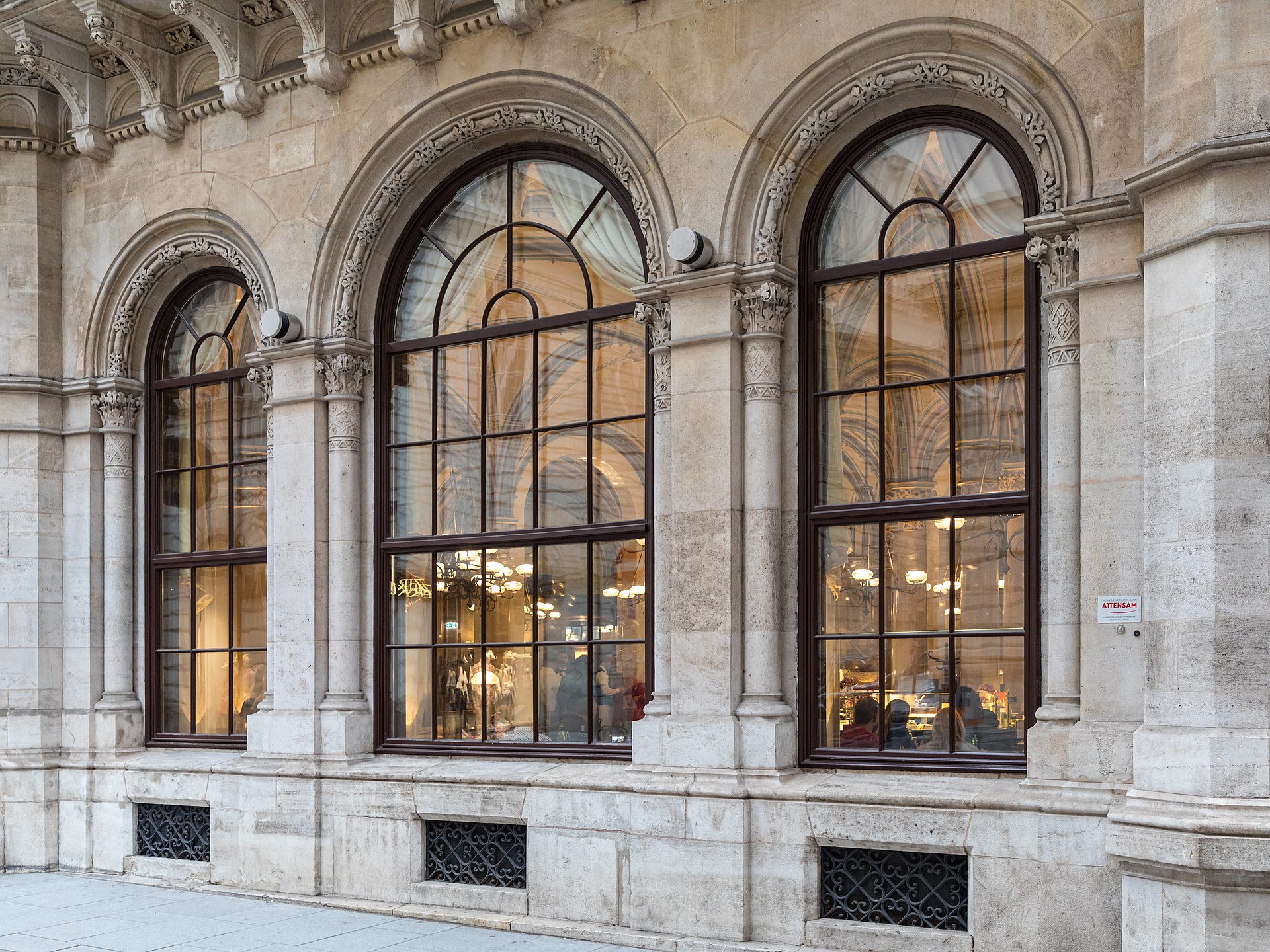
Café Central
14 Herrengasse, Innere Stadt, Vienna, 1010, Austria
In January 1913, you could have walked into Café Central and found, at various tables on any given week, Leon Trotsky, Joseph Stalin, Sigmund Freud, Josip Broz Tito, and Adolf Hitler — all living in Vienna simultaneously, all unknown to history, all nursing coffees in the same neighbourhood.
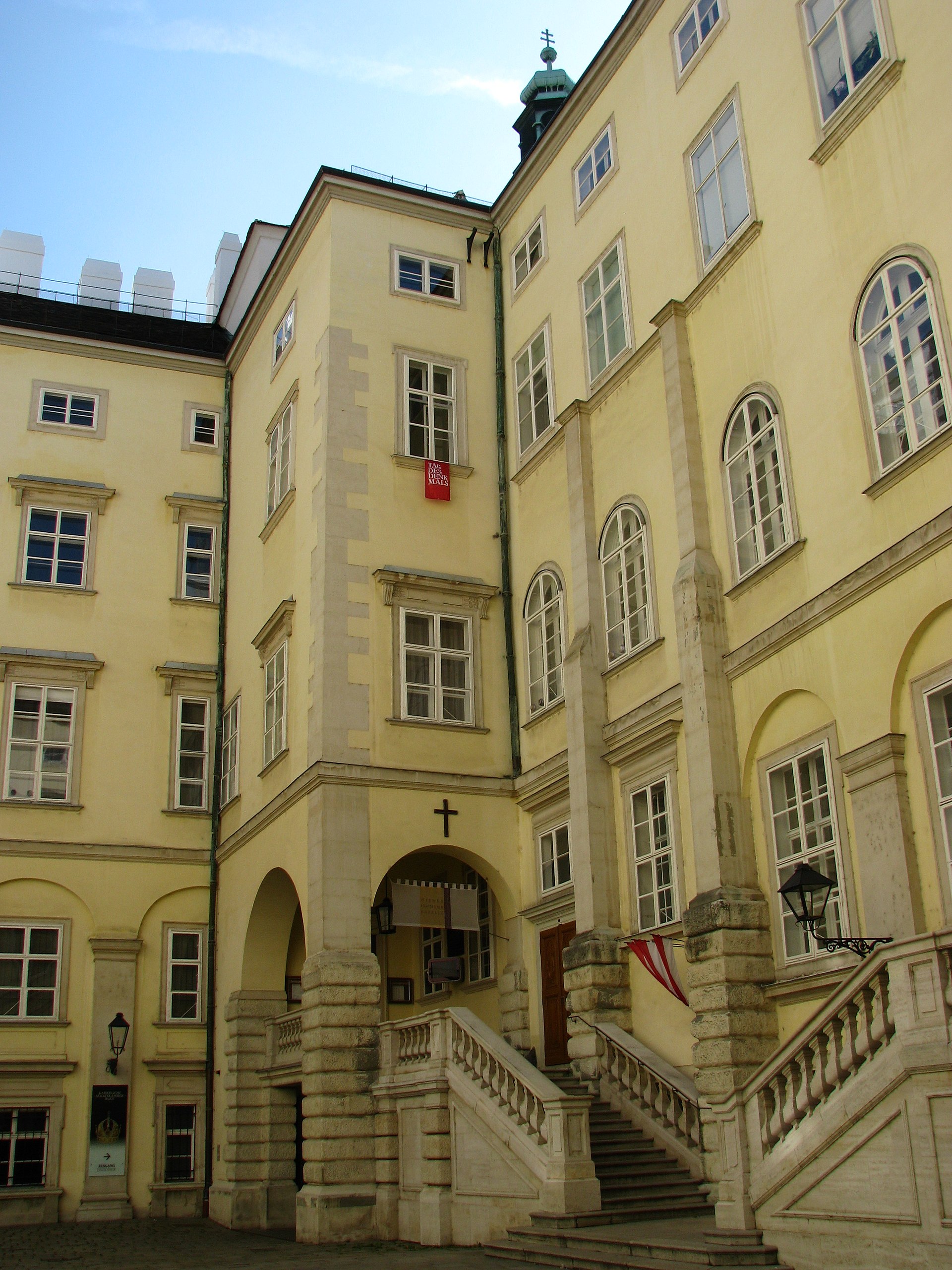
Hofburg Chapel & Vienna Boys' Choir
Hofburg, Schweizerhof, 1010 Vienna
Every Sunday at 9:15 AM, the Vienna Boys' Choir sings mass in a chapel that has hosted continuous musical performance since the 13th century.
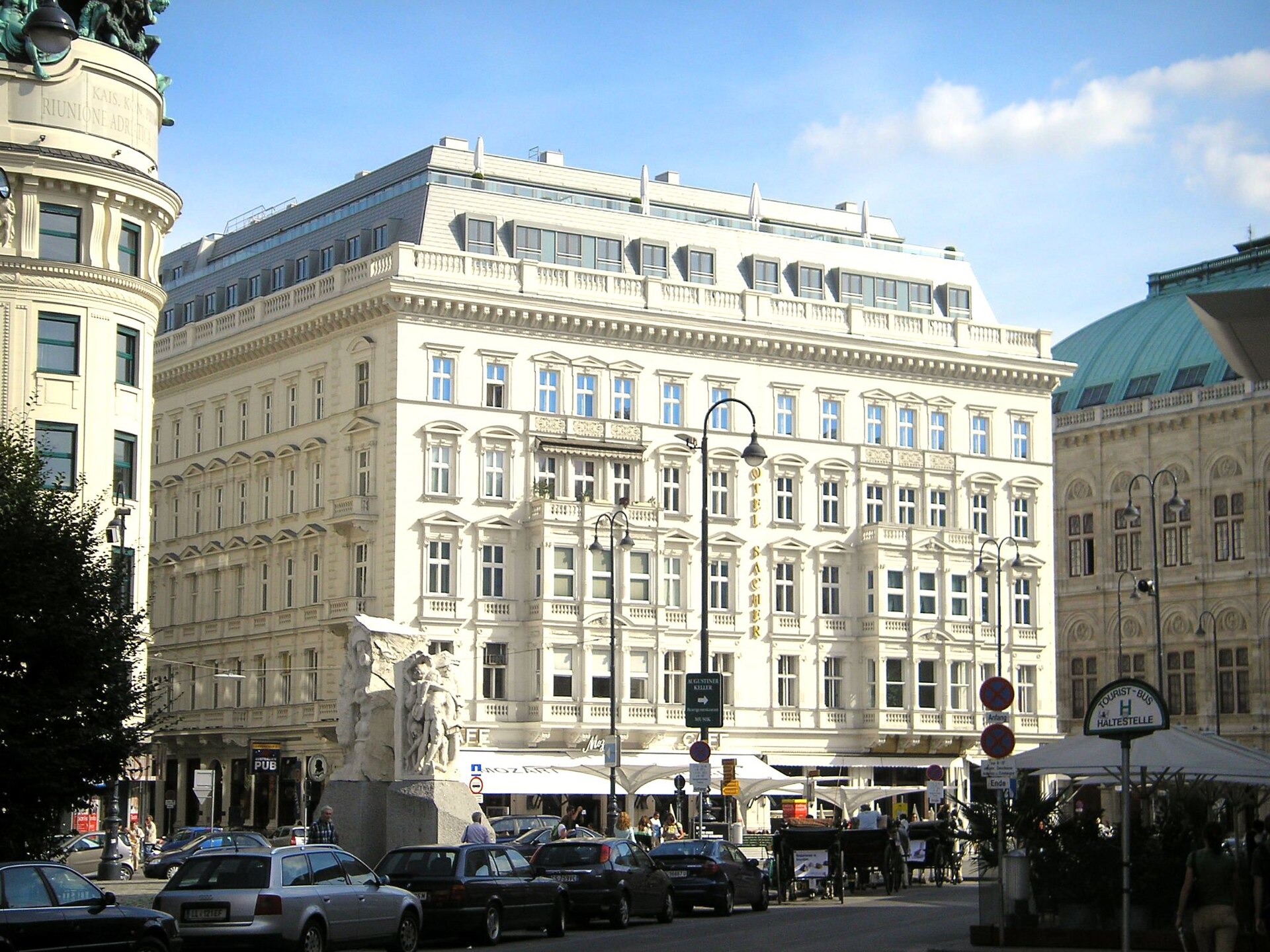
Hotel Sacher
4 Philharmonikerstraße, Innere Stadt, Vienna, 1010, Austria
In 1832, a sixteen-year-old apprentice chef named Franz Sacher was tasked with creating a dessert for Prince Metternich's dinner guests because the head chef was ill.
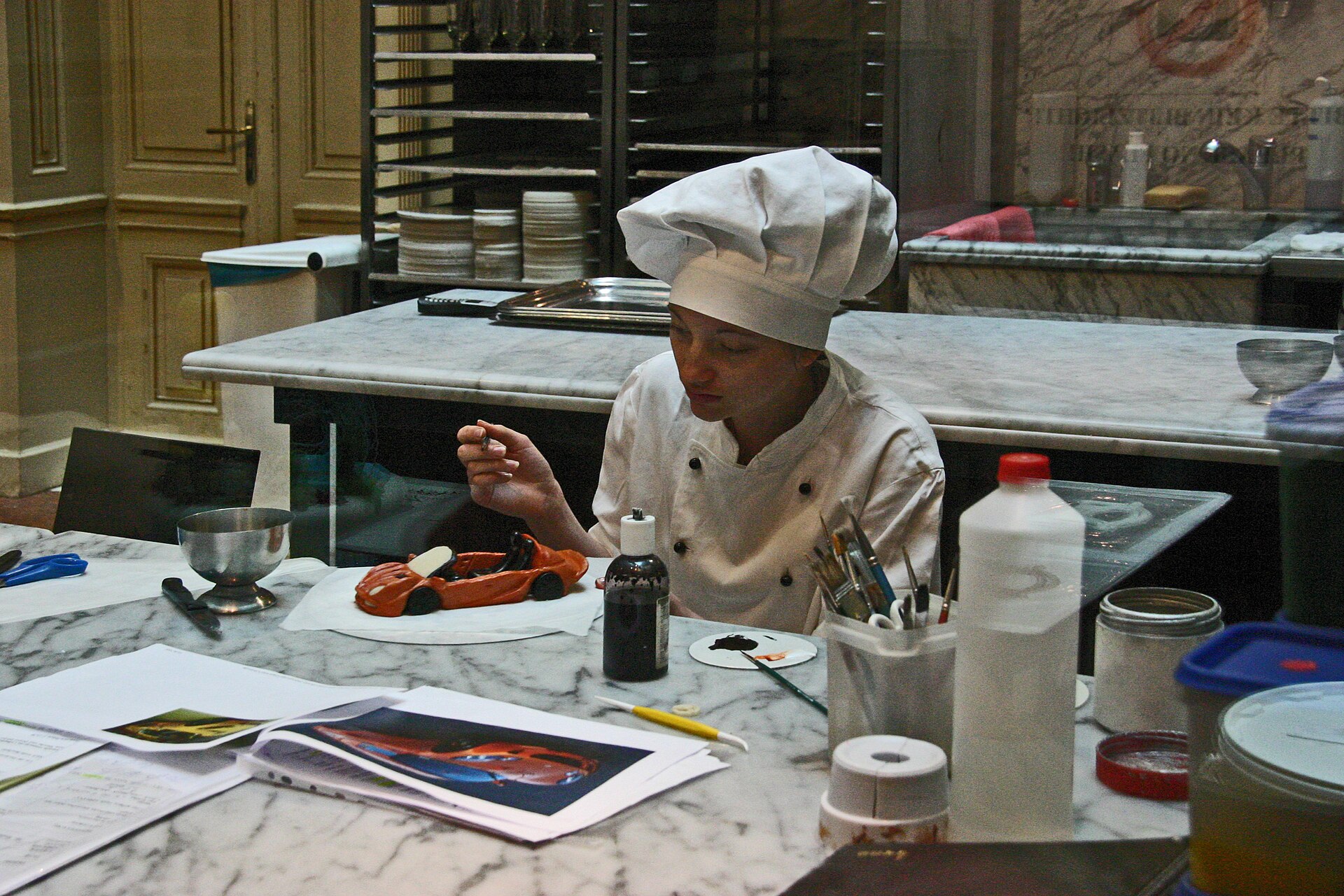
Kohlmarkt & Demel
14 Kohlmarkt, Innere Stadt, Vienna, 1010, Austria
Kohlmarkt has undergone the most dramatic social climbing of any street in Vienna.
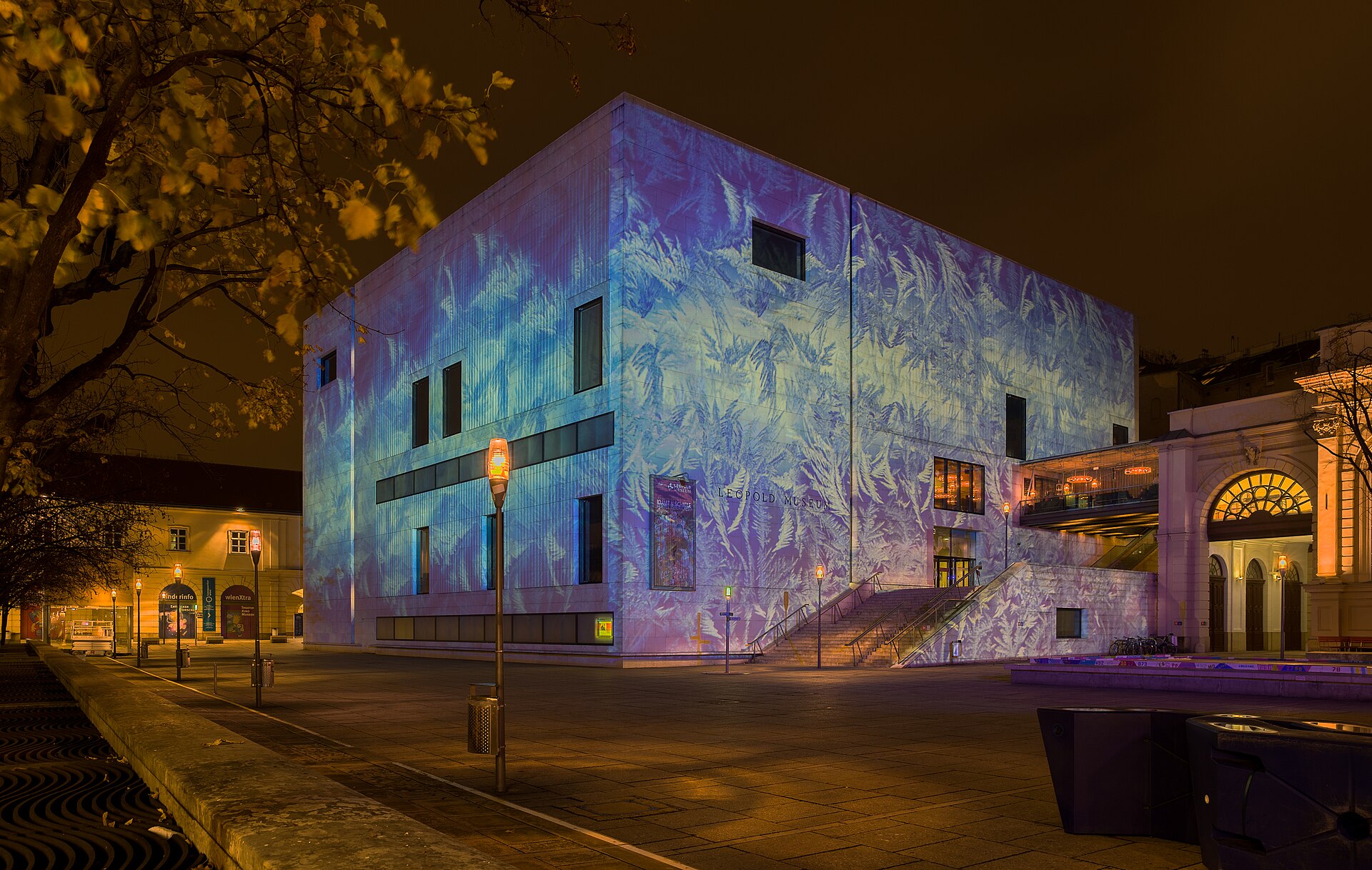
MuseumsQuartier
1 Museums-Platz, Neubau, Vienna, 1070, Austria
In 1713, Emperor Charles VI needed somewhere to park 600 horses and 200 carriages, so he commissioned Johann Bernhard Fischer von Erlach to build the most magnificent stables in Europe.
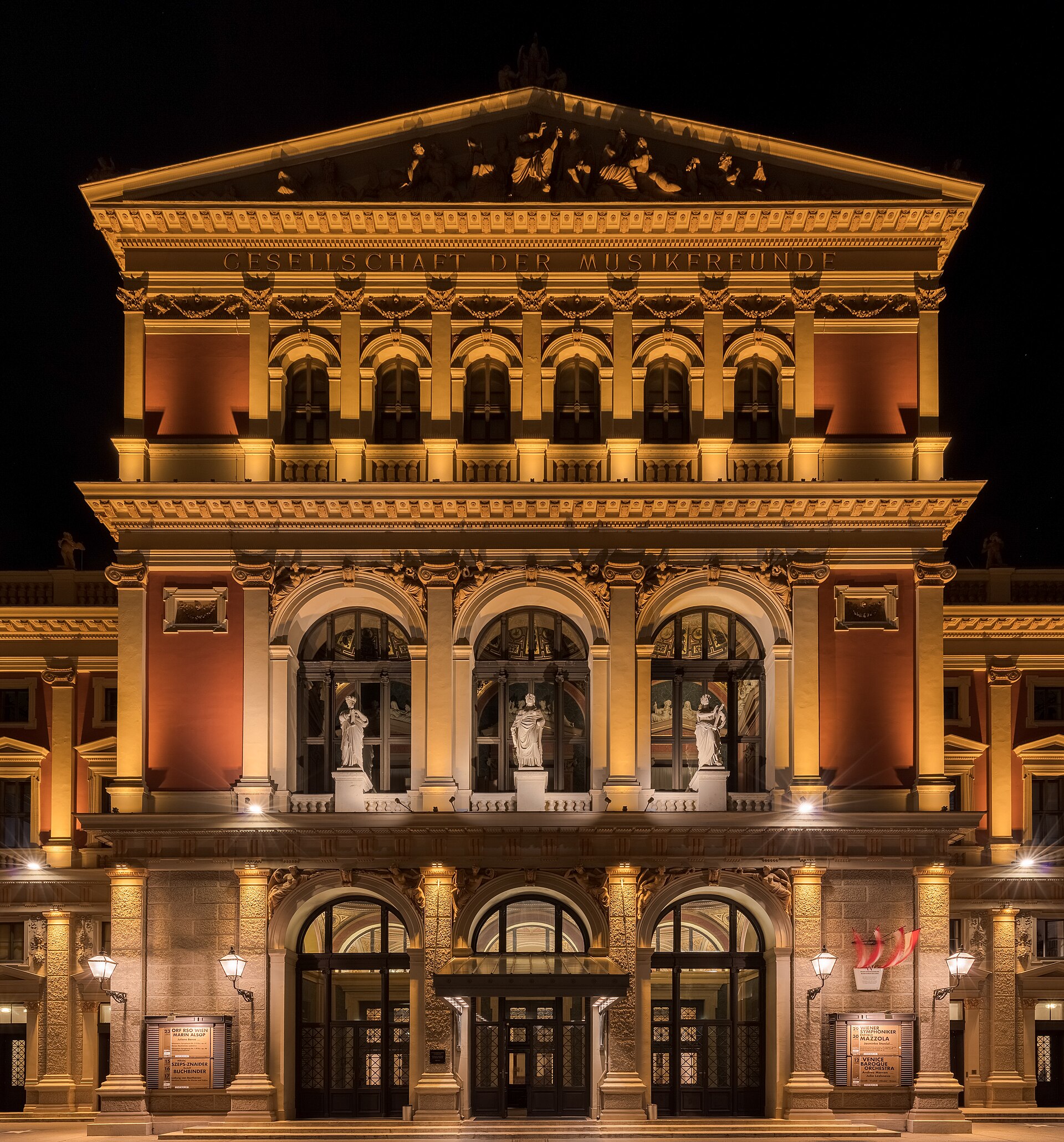
Musikverein
1 Musikvereinsplatz, Innere Stadt, Vienna, 1010, Austria
Every New Year's Day, roughly 50 million people in 90 countries tune in to watch the Vienna Philharmonic play waltzes in what is widely considered the finest concert hall ever built.
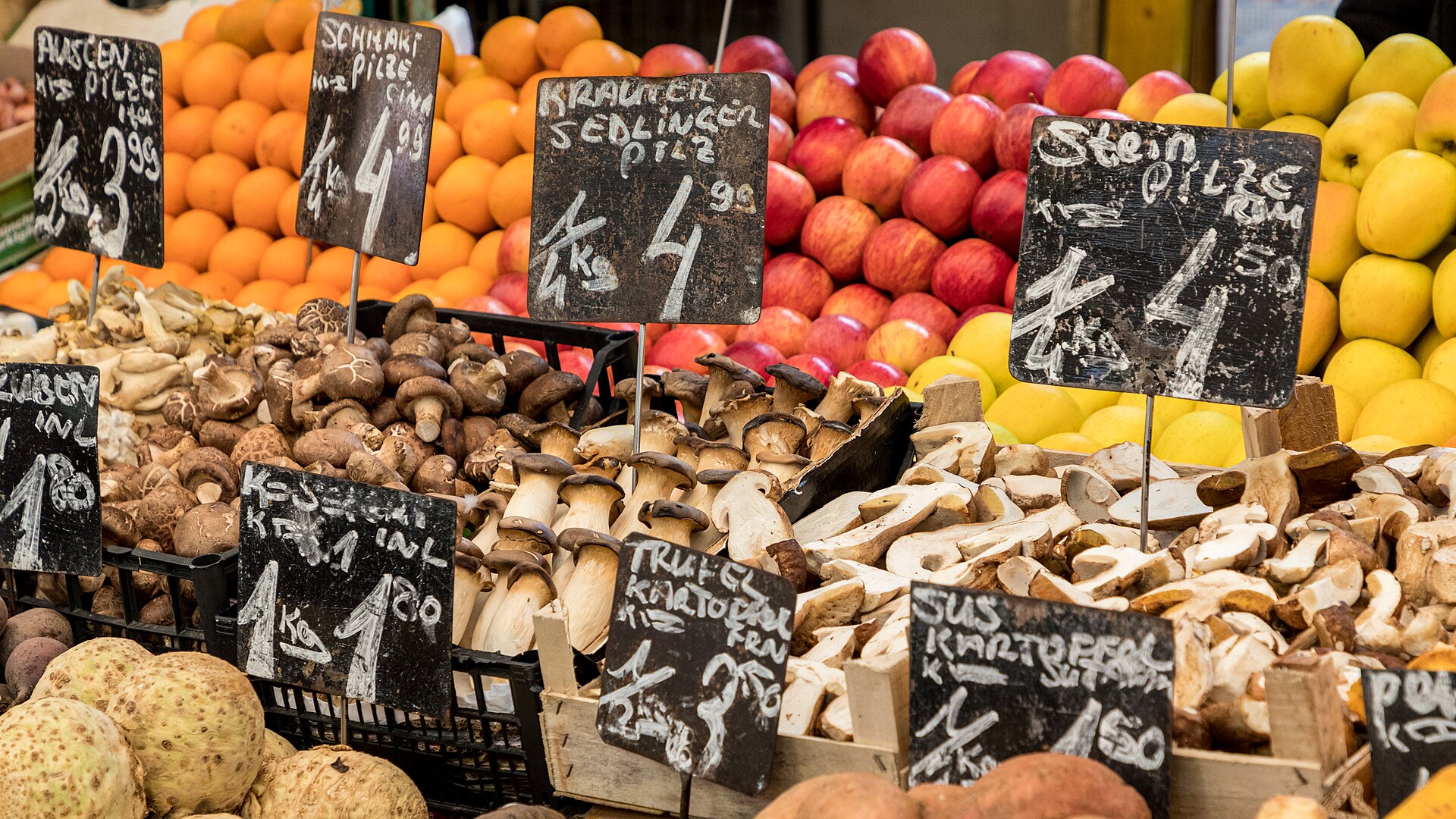
Naschmarkt
Mariahilf, Vienna, Austria
Vienna's oldest market has been feeding the city since the 16th century, and it's spent most of that time arguing about its own name.
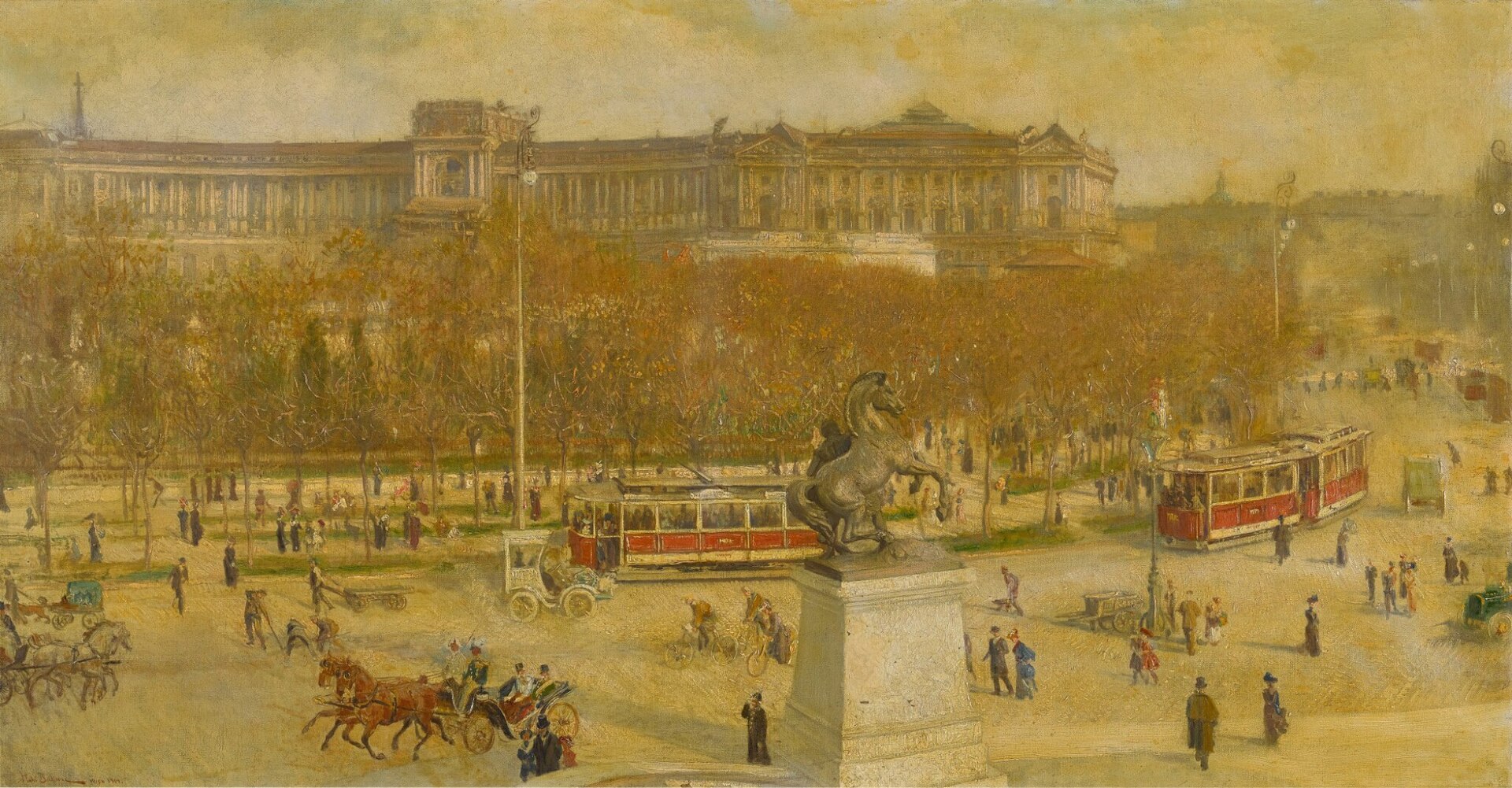
Ringstrasse
1010 Riedstraße, Penzing, Vienna, 1140, Austria
In 1857, Emperor Franz Joseph ordered the demolition of Vienna's medieval city walls and the construction of a grand boulevard in their place.
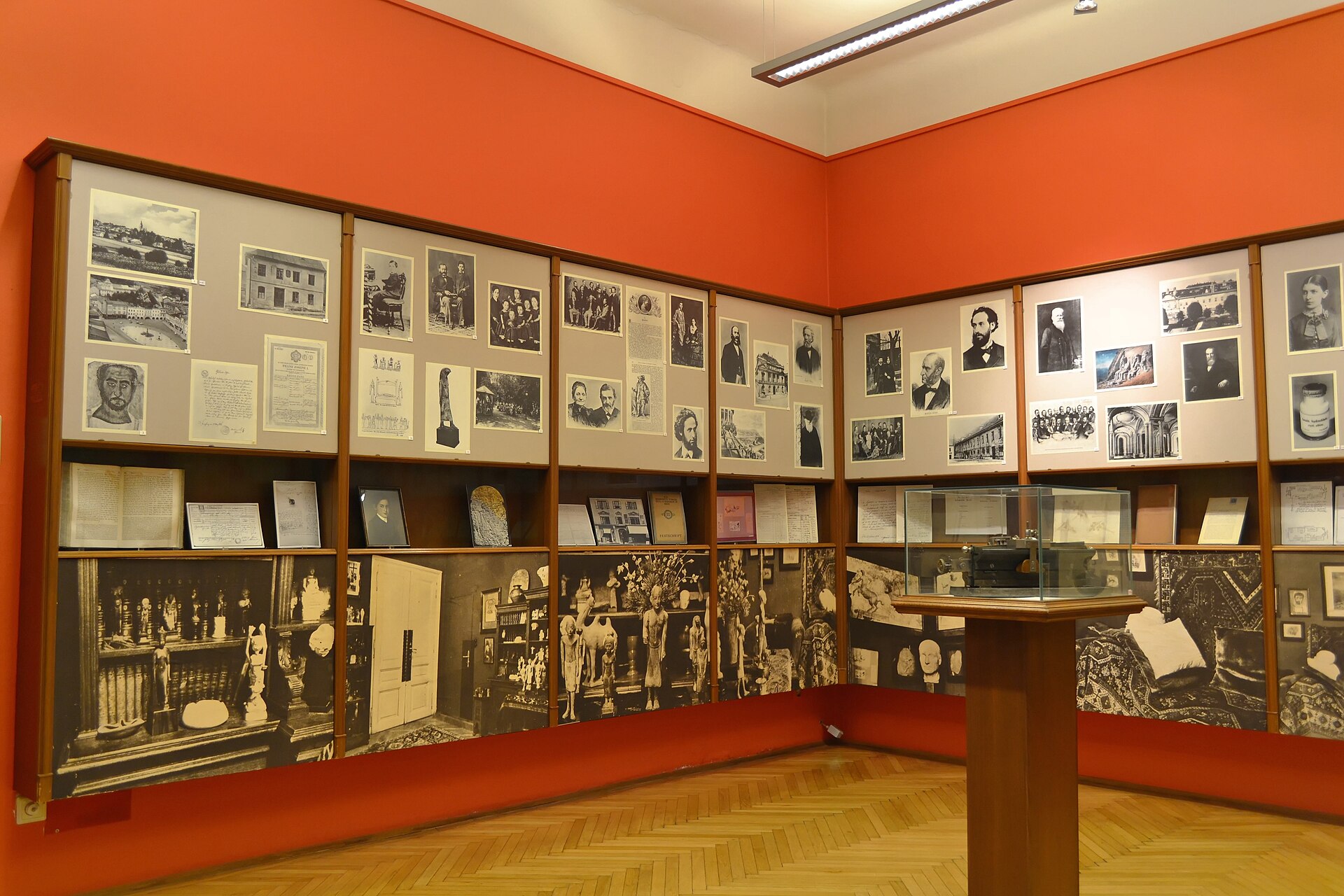
Sigmund Freud Museum
Berggasse 19, 1090 Vienna
Sigmund Freud lived and worked at Berggasse 19 for forty-seven years — from 1891 until 1938, when the Nazis forced him to flee to London.
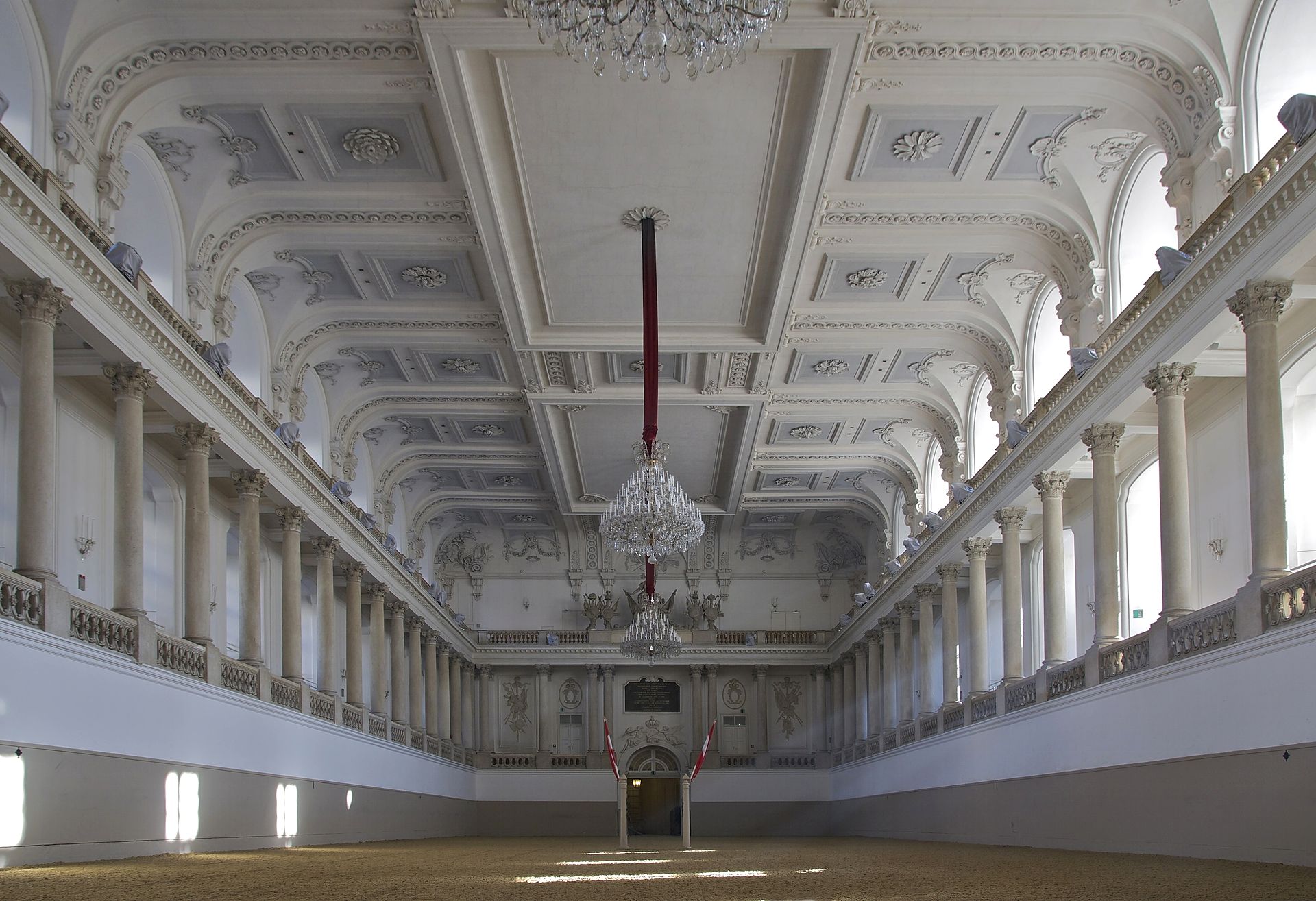
Spanish Riding School
Michaelerplatz 1, 1010 Vienna
The Spanish Riding School exists because a 16th-century Habsburg grew up in Spain and missed his horses.
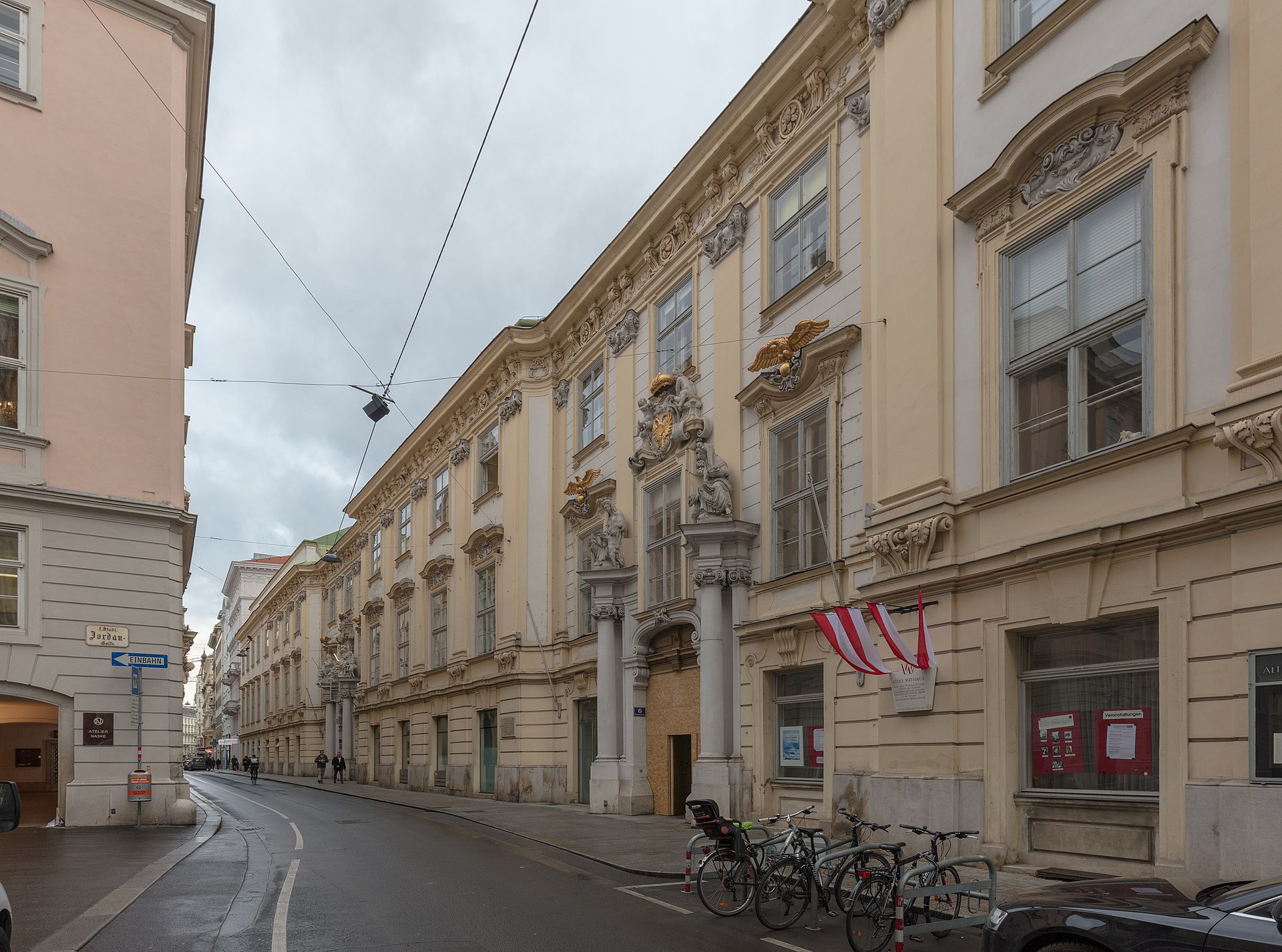
Vienna Rathaus
Friedrich-Schmidt-Platz 1, 1010 Vienna
Friedrich von Schmidt designed Vienna's City Hall in the neo-Gothic style because he wanted to invoke the great medieval town halls of Flanders and Belgium — the places where European civic democracy first flourished, independent of kings and emperors.
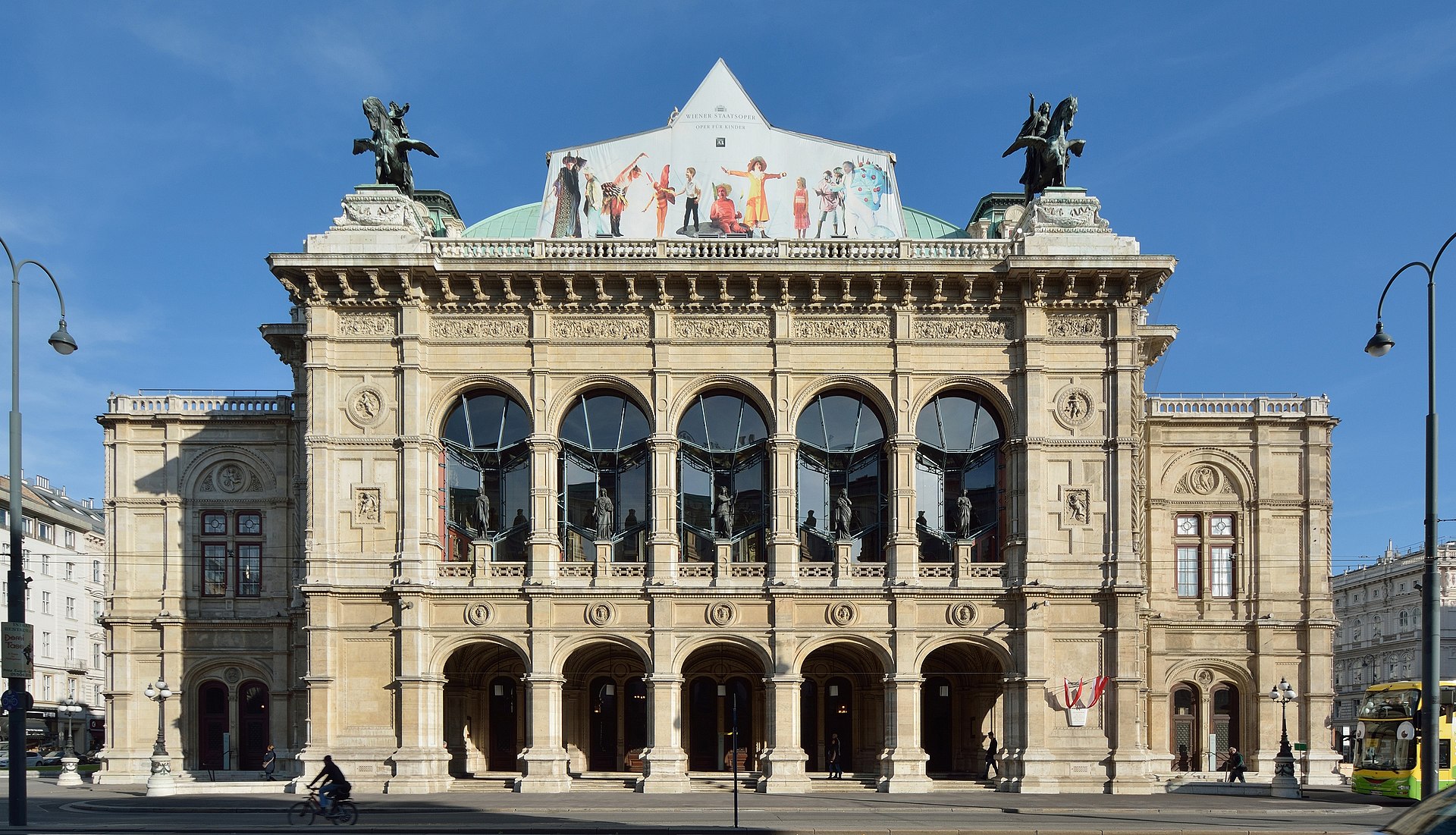
Vienna State Opera
Opernring 2, 1010 Vienna
The Vienna State Opera was the very first building completed on the Ringstrasse, and its architects didn't live to enjoy it.
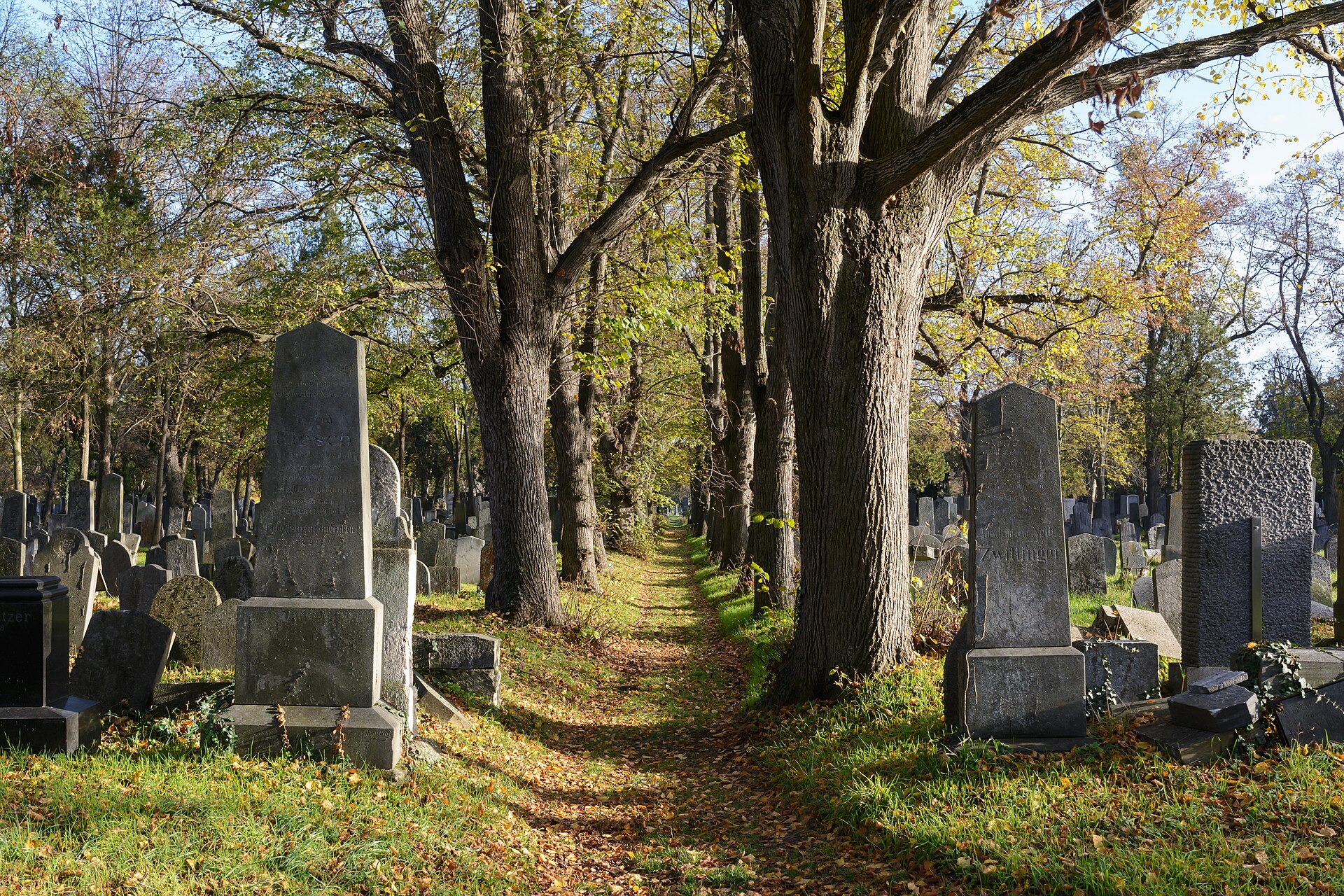
Zentralfriedhof
Simmeringer Hauptstraße 234, 1110 Vienna
Vienna's Central Cemetery is the second-largest cemetery in Europe by area and holds roughly three million burials across 2.
Explore culture in Vienna
GPS-guided narration at every landmark. Tap a spot on the map, hear the story. Every fact verified.