This five-pointed star fortress is one of the best-preserved military fortifications in Northern Europe, and it is still an active military installation — the Danish Defence Intelligence Service operates from within its walls. Built between 1662 and 1665 by Dutch fortress builder Henrik Rüse, Kastellet was originally named Citadel Frederikshavn after King Frederik III, who commissioned it after the traumatic Swedish siege of Copenhagen in 1658 revealed how vulnerable the city's northern defences were.
The first soldiers marched through the gates on October 28, 1664, a date still celebrated annually as Kastellet's birthday. The five-pointed star design, based on Renaissance military architecture, provided clear sightlines from every bastion — an attacker approaching any wall would be exposed to fire from at least two other positions. King Christian IV had started fortifying this area back in 1626 with St. Anne's Redoubt, but the Swedish attack proved those early defences inadequate. The full star fortress replaced them.
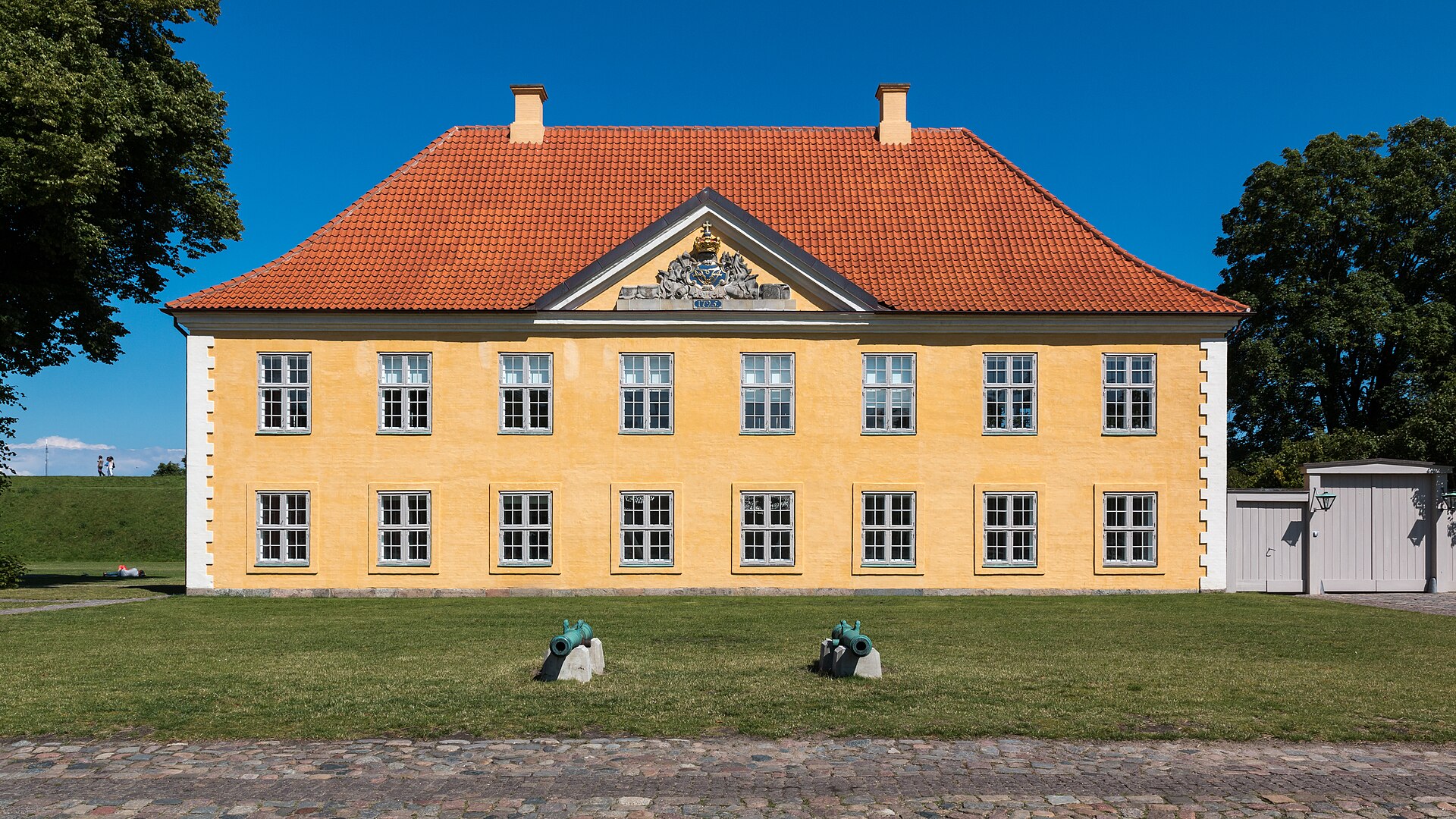
Walking through Kastellet today feels nothing like visiting a military base. The grass-covered ramparts are public parkland, dotted with joggers, dog walkers, and families with prams. A functioning windmill from 1847 — the current one replaced the original 17th-century mill — sits on one of the bastions, and the red-painted barracks buildings along the central avenue look more like a charming Danish village than a fortress. The moat is filled with ducks and swans, and the surrounding paths offer some of the most pleasant walking in the city.
During the German invasion on April 9, 1940, troops landing at the nearby harbour captured Kastellet without resistance. The fortress that had been built to defend Copenhagen surrendered without a shot, a fact that still stings the Danish national memory. Today it functions as both military headquarters and public park — an arrangement that somehow works perfectly in a country where even the army prefers to keep things hygge.
Verified Facts
Built 1662-1665 by Dutch fortress builder Henrik Rüse after the Swedish siege of 1658
The first soldiers marched in on October 28, 1664, still celebrated as its birthday
Still an active military installation housing the Danish Defence Intelligence Service
German troops captured the fortress without resistance on April 9, 1940
Get walking directions
1 Kastellet, Copenhagen, København Ø, 2100, Denmark