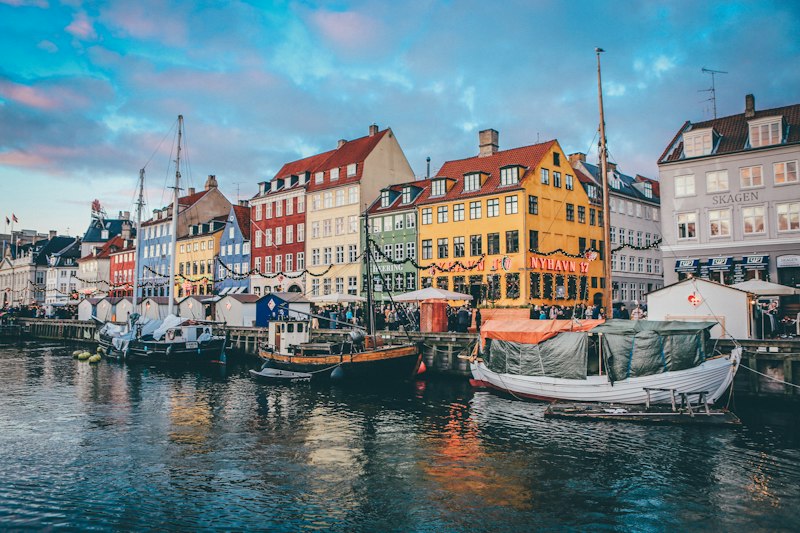
18 Stunning Architecture Landmarks in Copenhagen
18 landmarks with verified facts and stories
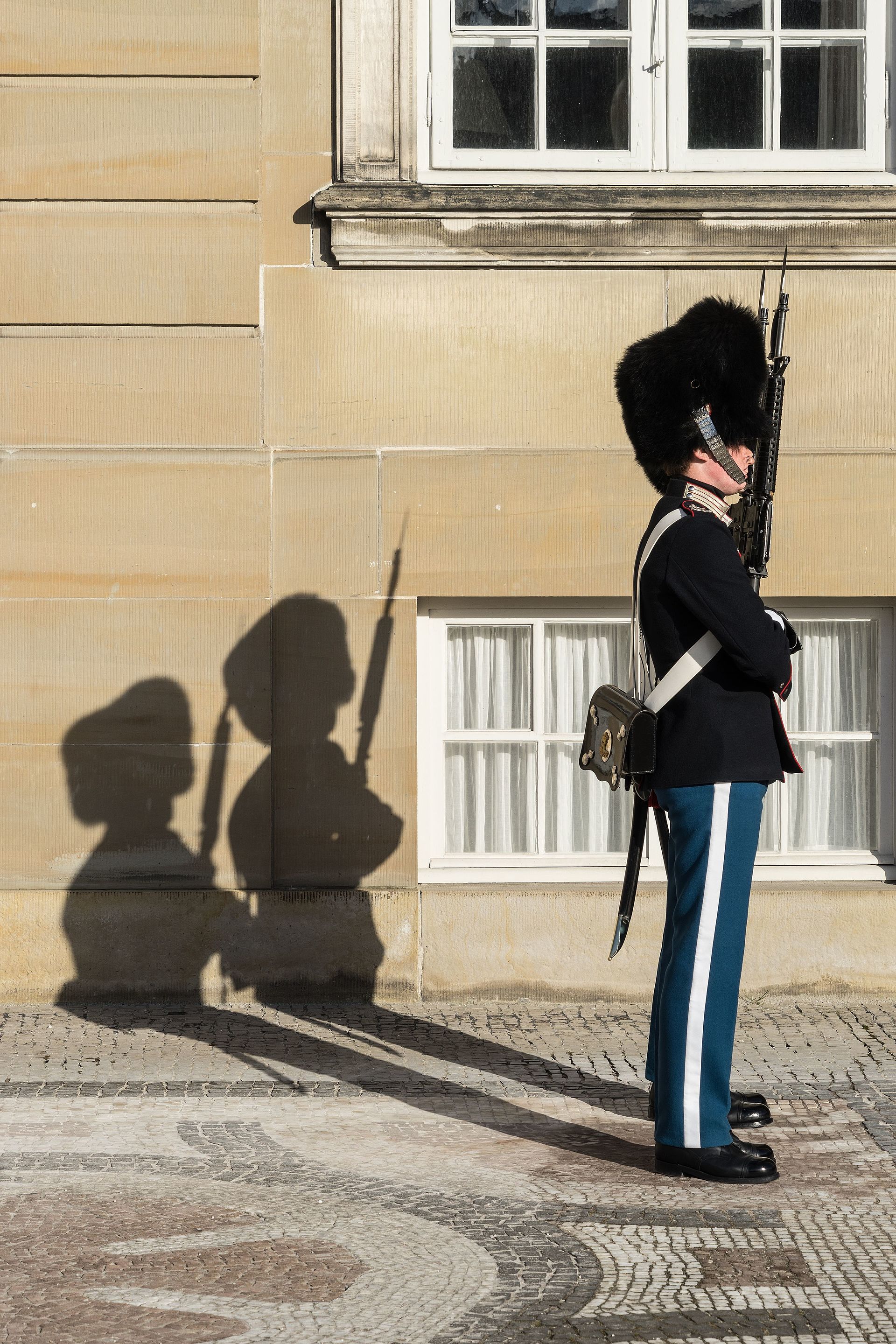
Amalienborg Palace
5 Amaliegade, Copenhagen, København K, 1256, Denmark
Four identical Rococo palaces arranged around an octagonal courtyard, with an equestrian statue of Frederick V at the centre — Amalienborg is one of the finest examples of 18th-century urban planning in Europe, and it only became a royal residence by accident.
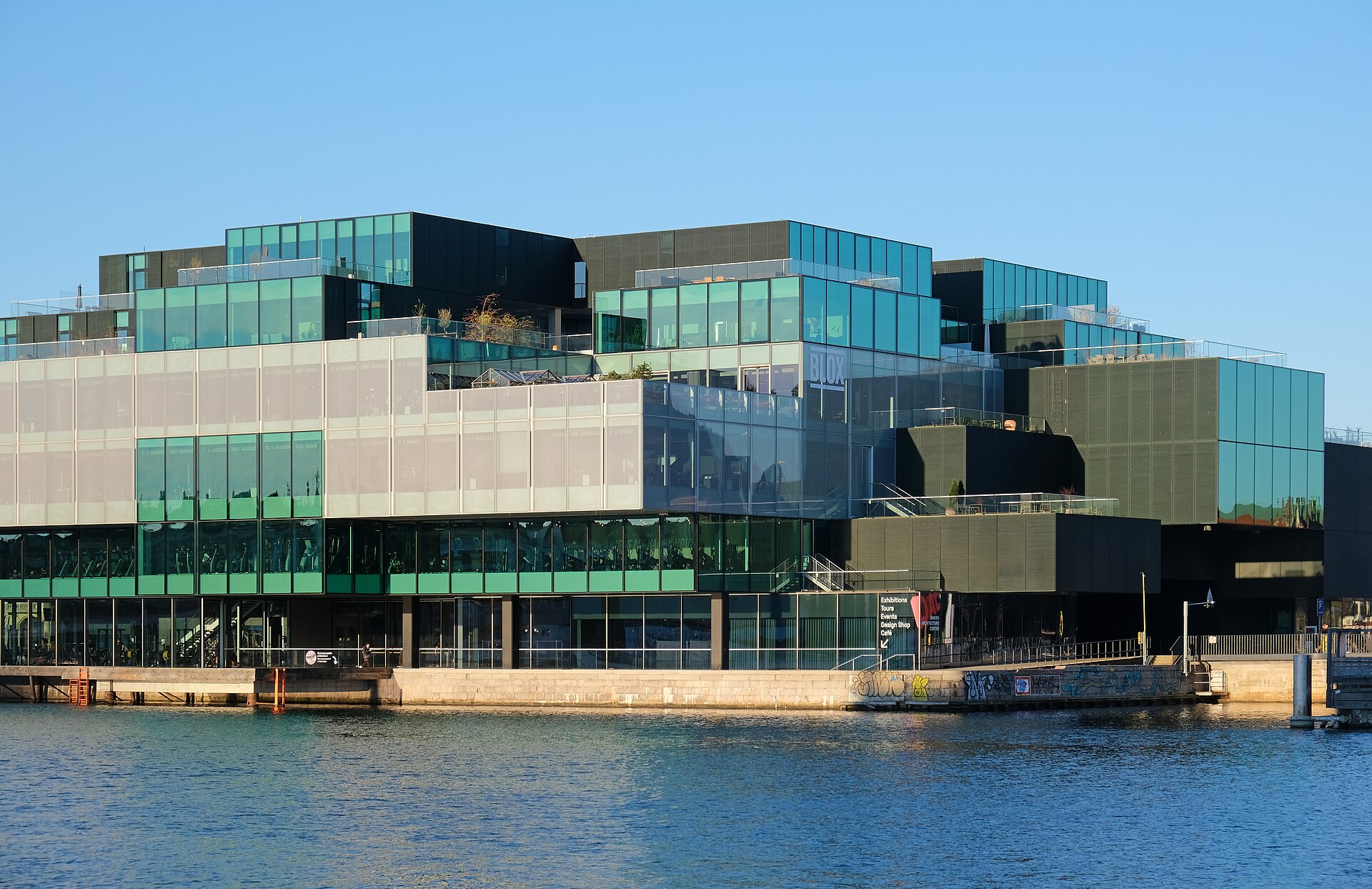
BLOX / Danish Architecture Center
10 Bryghusgade, Copenhagen, København K, 1473, Denmark
When Rem Koolhaas and OMA designed BLOX, they described it as "an inhabited infrastructure knot" — which is exactly the kind of thing architects say when they know a building is going to be controversial.
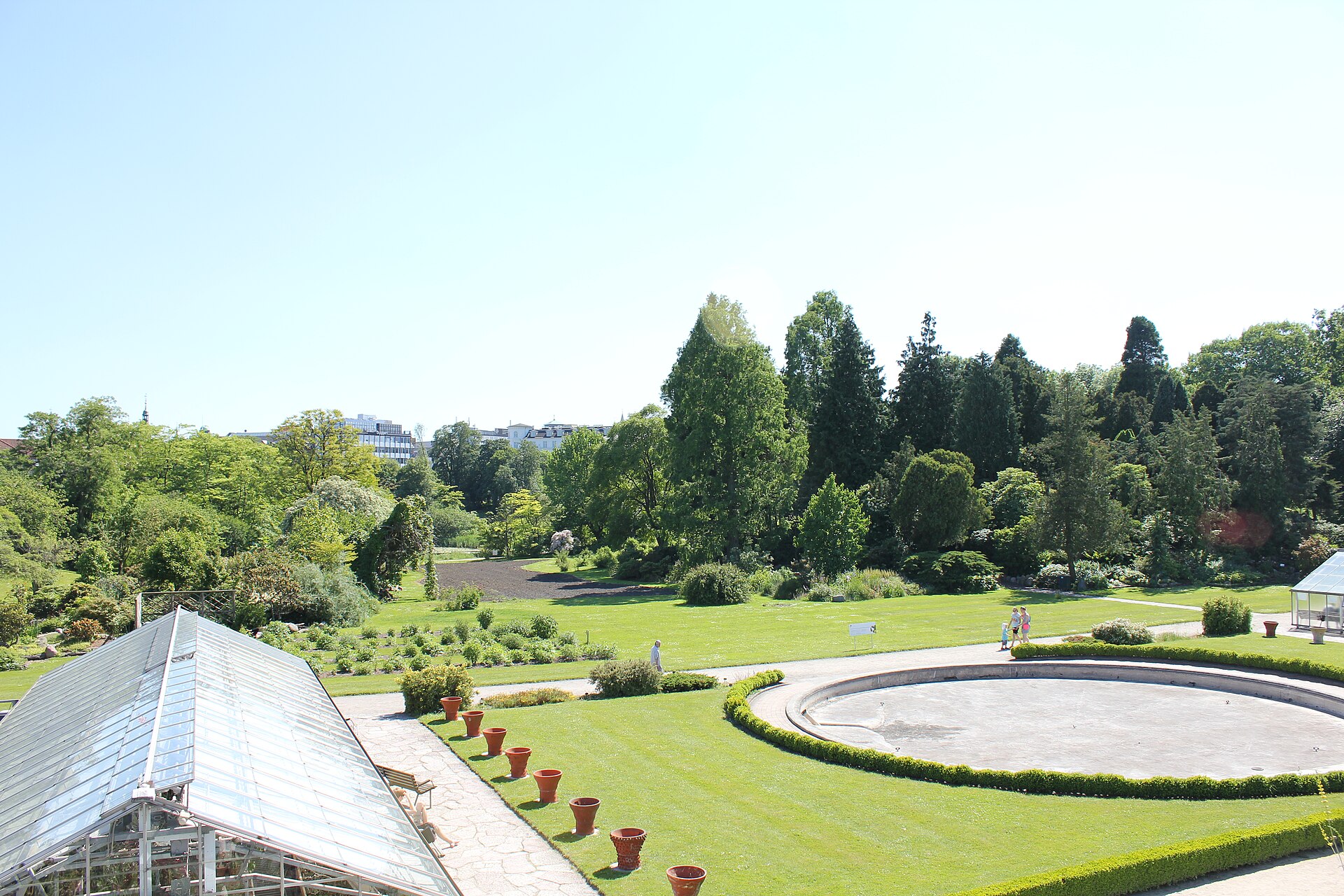
Botanical Garden & Palm House
128 Gothersgade, Copenhagen, København K, 1123, Denmark
Copenhagen's Botanical Garden has existed in one form or another since 1600, making it over four centuries old, but it only settled into its current location in 1870 after two previous moves.
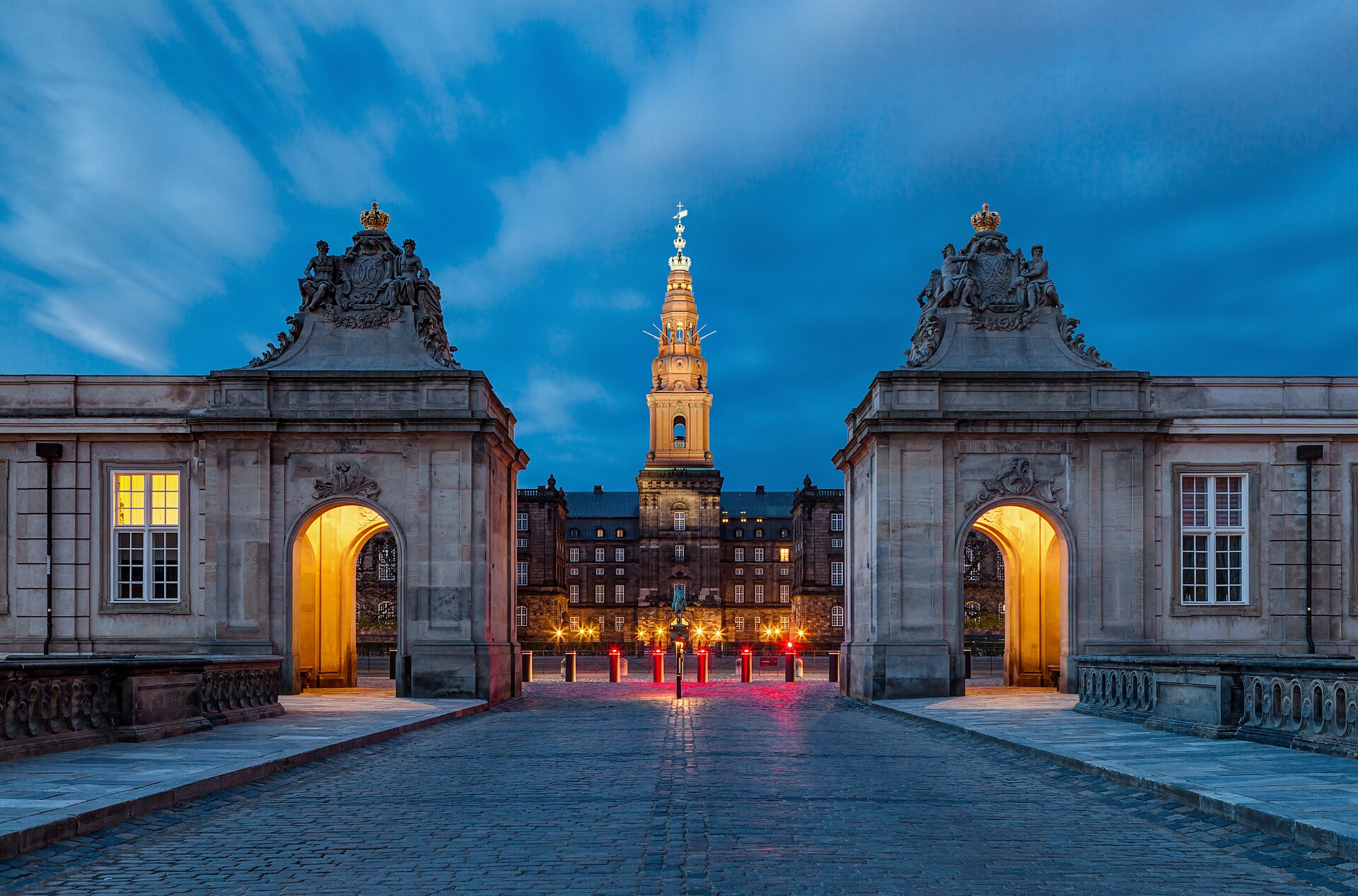
Christiansborg Palace
1 Prins Jørgens Gård, Copenhagen, København K, 1218, Denmark
This is the only building in the world that houses all three branches of a nation's government under one roof — the Danish Parliament, the Prime Minister's Office, and the Supreme Court all operate from Christiansborg.
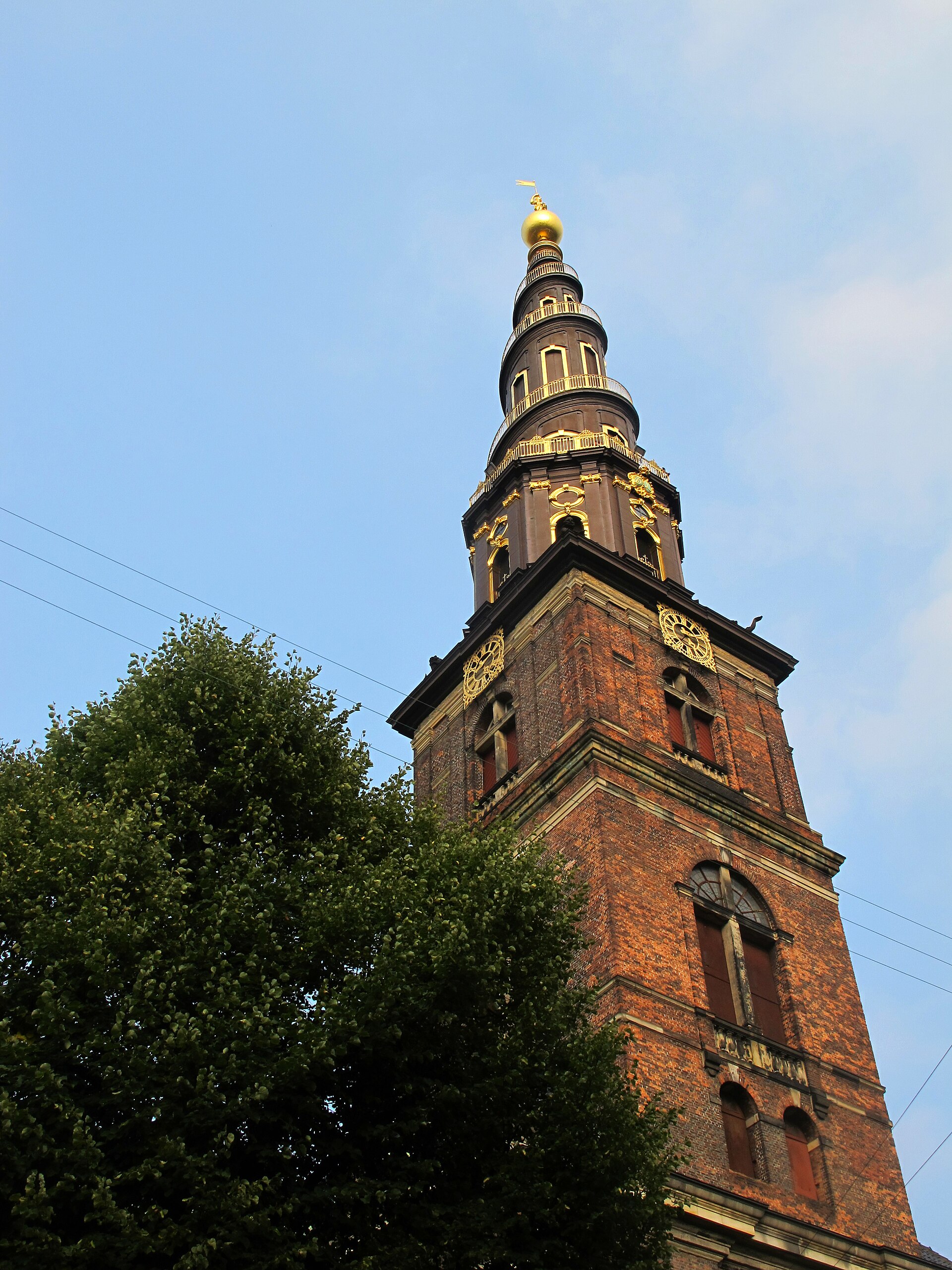
Church of Our Saviour
29 Sankt Annæ Gade, Copenhagen, København K, 1416, Denmark
The external spiral staircase winding around the spire of this Baroque church is one of the most vertiginous experiences in Northern Europe.
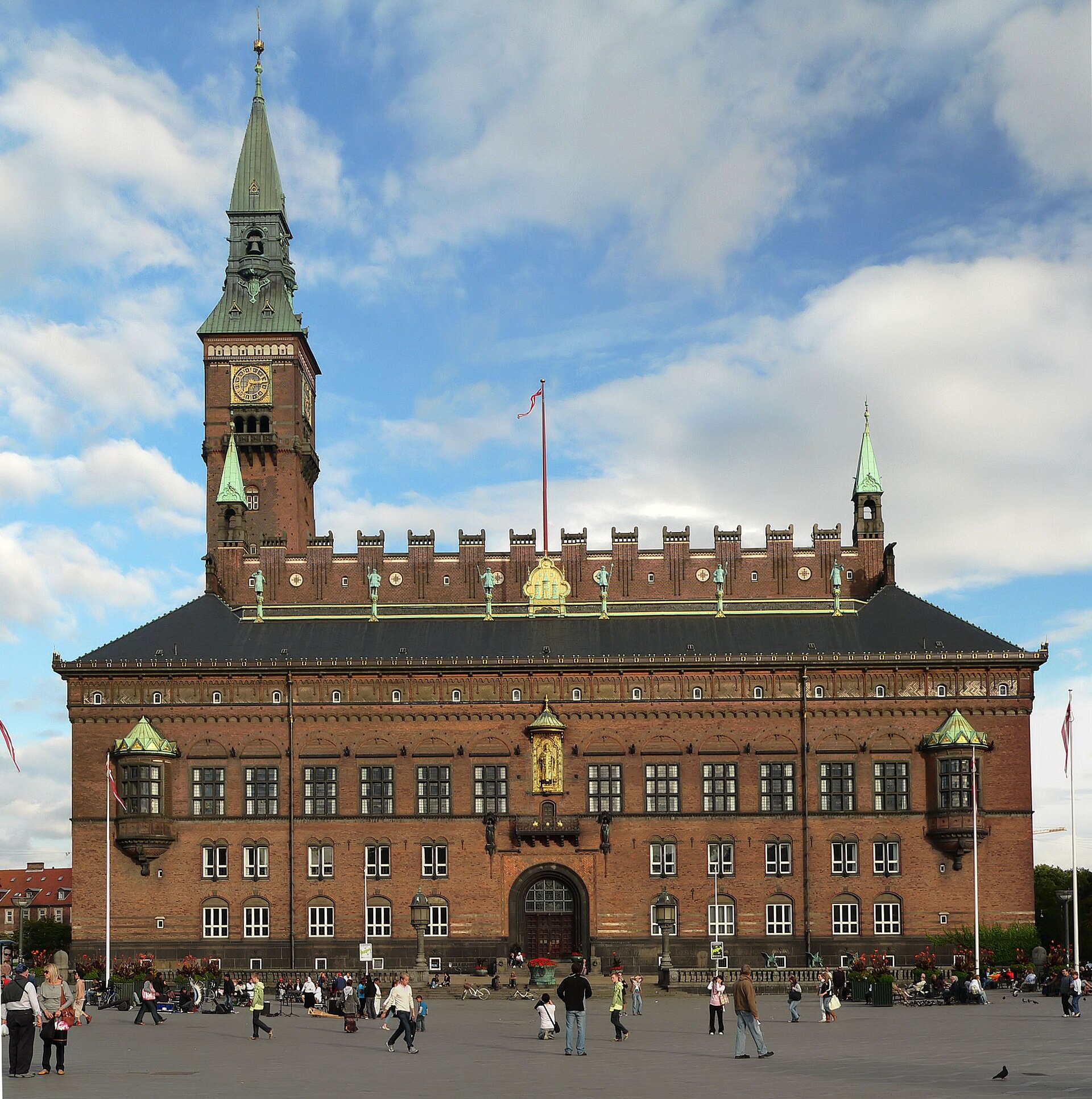
Copenhagen City Hall
1 Rådhuspladsen, Copenhagen, København V, 1550, Denmark
Copenhagen's City Hall was designed by Martin Nyrop and completed in 1905 in the National Romantic style, drawing heavily on the medieval town halls of Siena and other Italian cities.
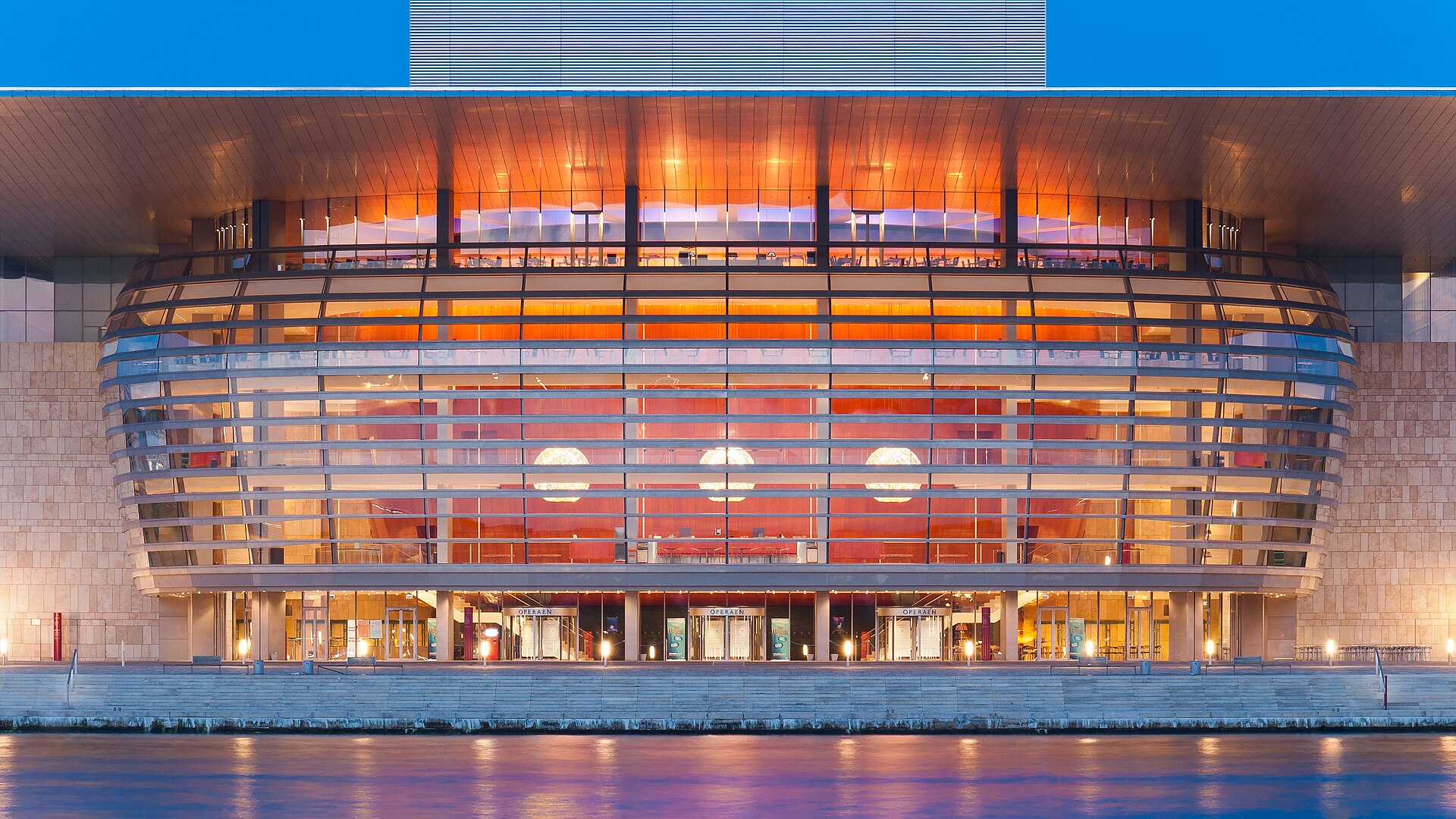
Copenhagen Opera House
10 Ekvipagemestervej, Copenhagen, København K, 1438, Denmark
The Copenhagen Opera House was a gift — but the kind of gift that comes with strings attached, a controlling donor, and enough drama to fill several operas.
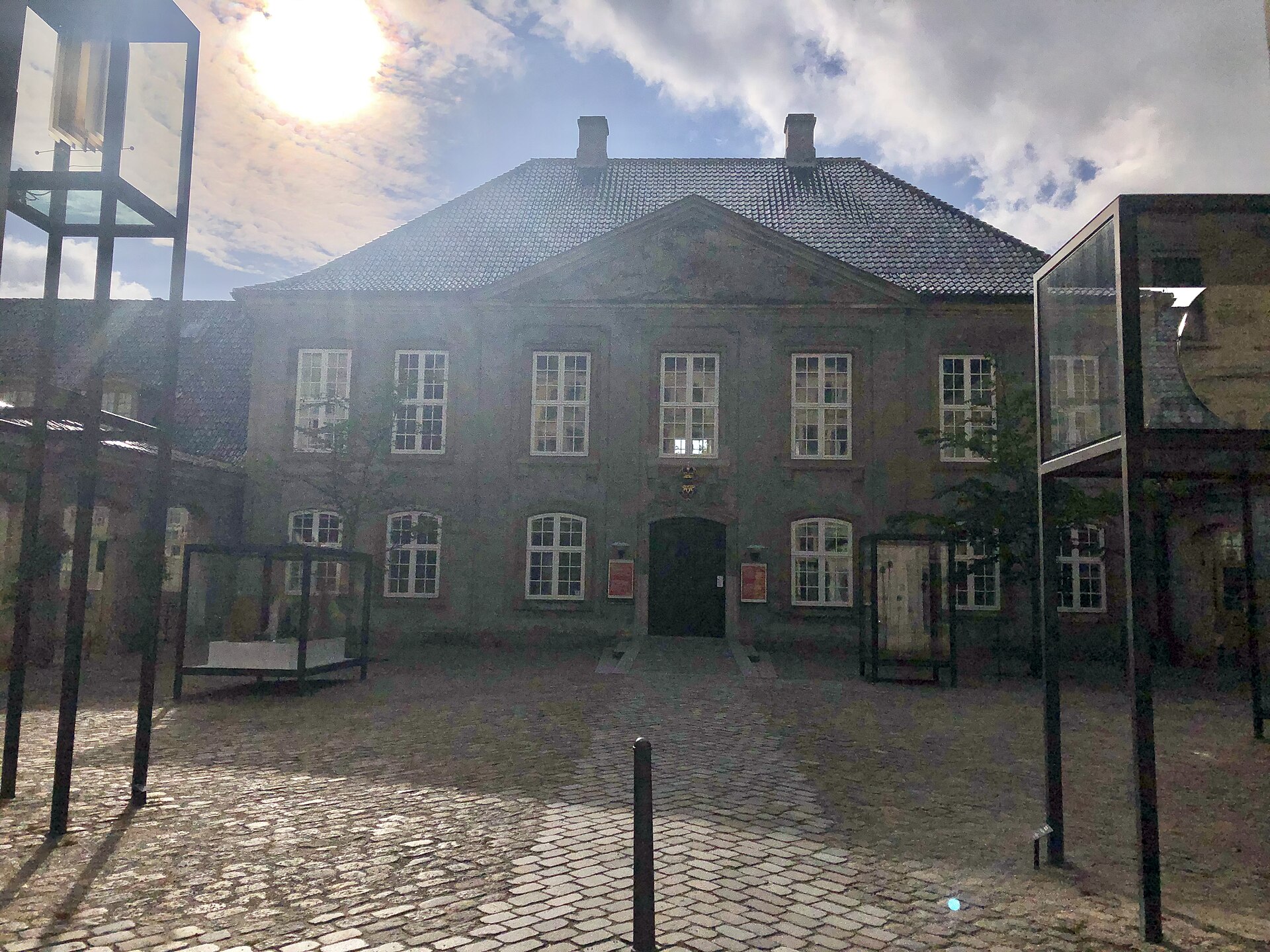
Designmuseum Danmark
68 Bredgade, Copenhagen, København K, 1260, Denmark
The museum that tells the story of Danish design is housed in a building that is itself one of the finest examples of Danish architecture.
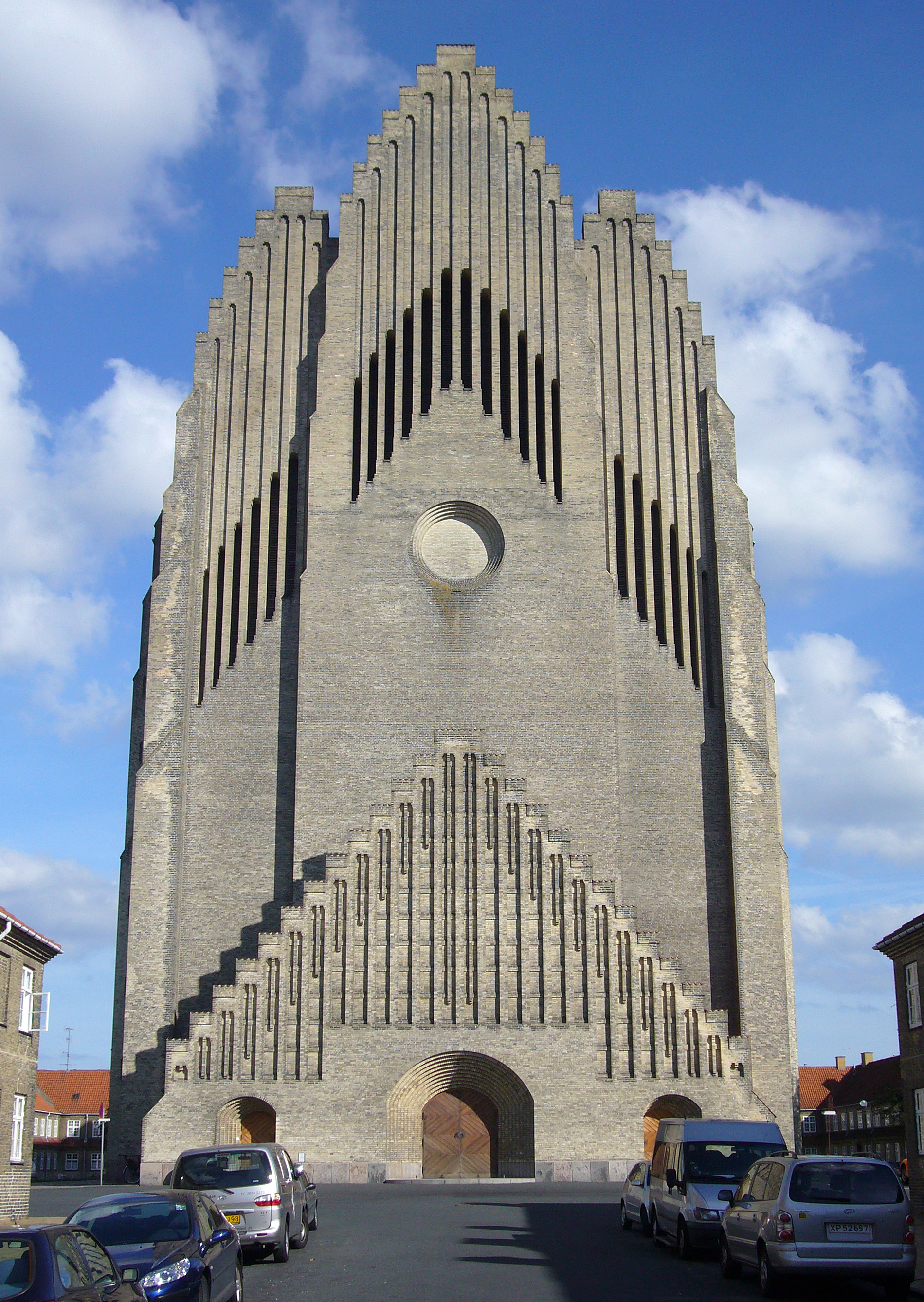
Grundtvig's Church
14B På Bjerget, Copenhagen, København NV, 2400, Denmark
Five million yellow bricks.
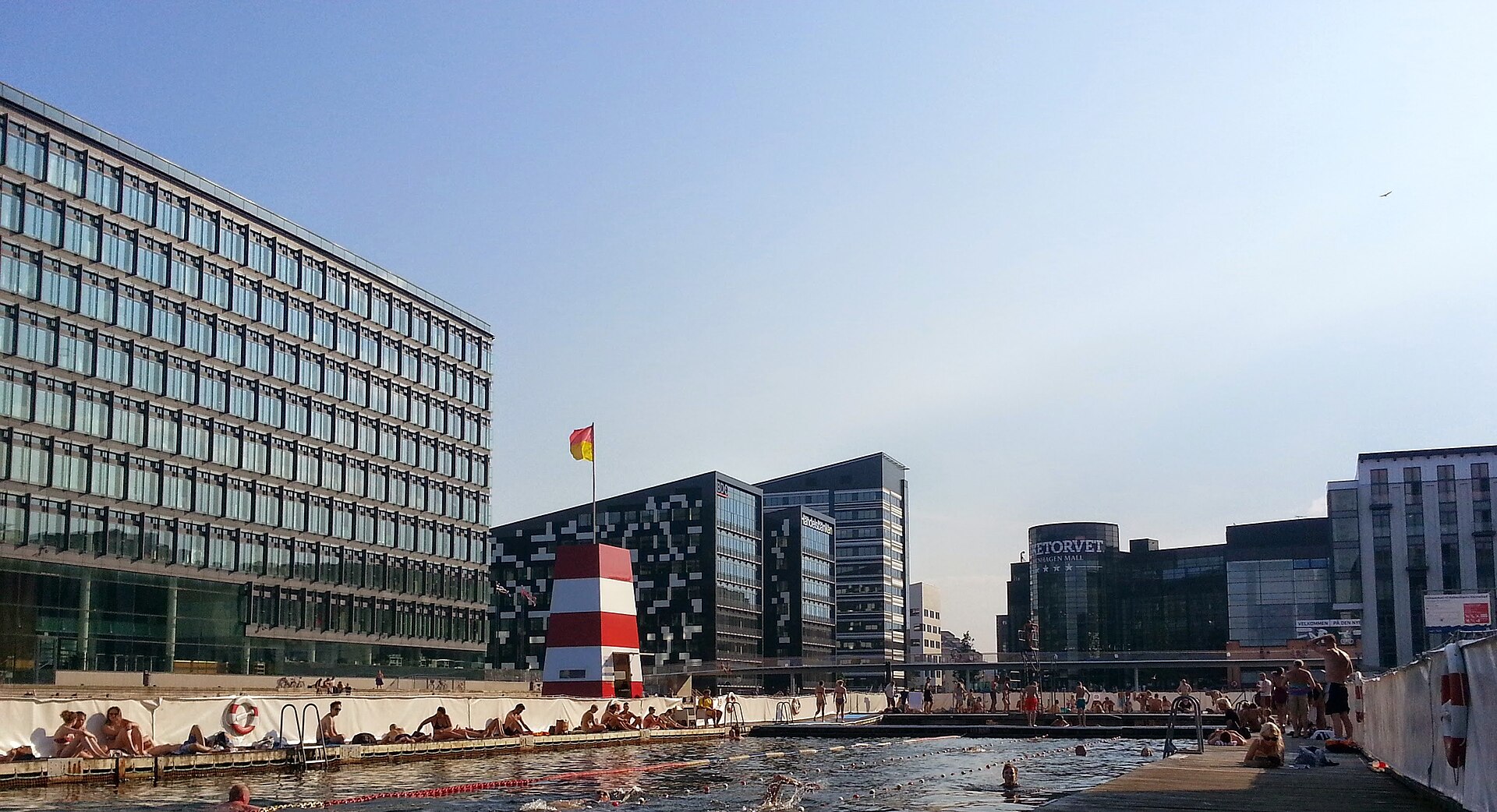
Islands Brygge Harbour Bath
14 Islands Brygge, Amager Vest, København S, 2300, Denmark
The idea that you could swim in Copenhagen's harbour would have been laughable thirty years ago.

Kongens Nytorv & Charlottenborg
1 Kongens Nytorv, Copenhagen, København K, 1050, Denmark
Kongens Nytorv — the King's New Square — was carved out of the eastern edge of old Copenhagen in 1670 by Christian V as the grandest public space in the city.
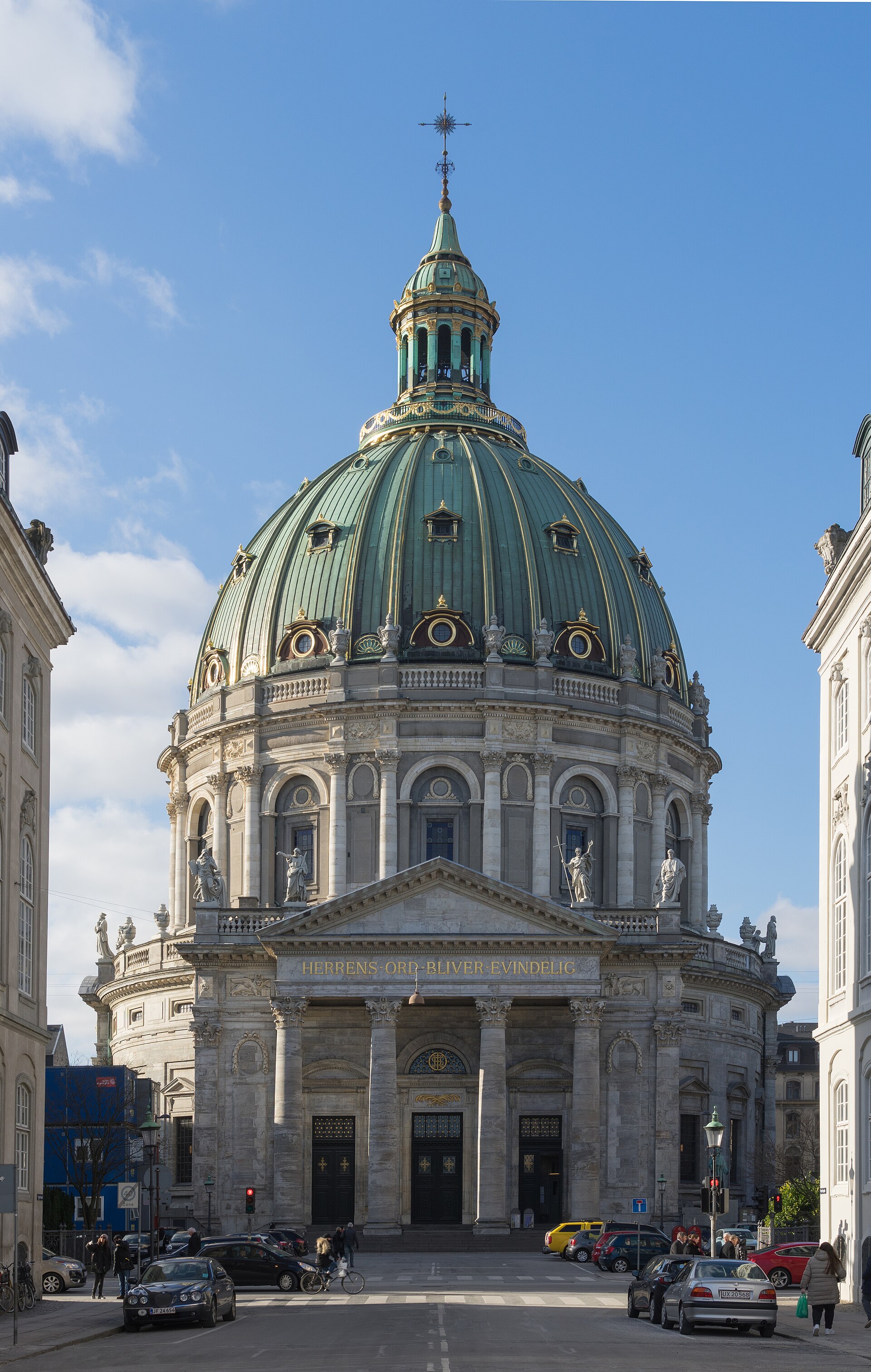
Marble Church
4 Frederiksgade, Copenhagen, København K, 1265, Denmark
The Marble Church — officially Frederik's Church — is the most expensive embarrassment in Danish architectural history.
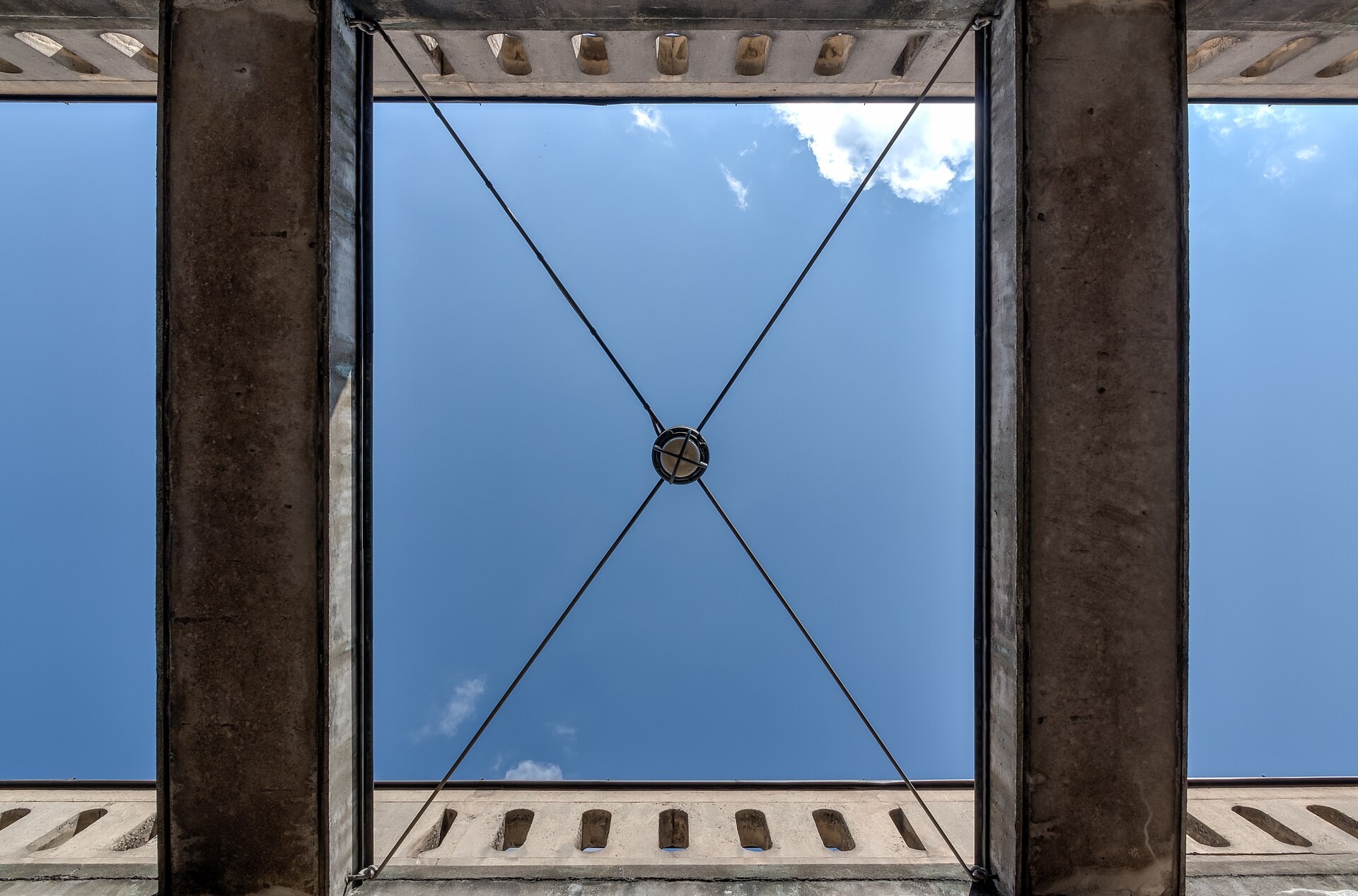
National Museum of Denmark
10 Ny Vestergade, Copenhagen, København K, 1471, Denmark
Denmark's largest museum of cultural history is housed in the Prince's Palace, a Rococo masterpiece designed by Nicolai Eigtved and built between 1743 and 1744 as the residence of Crown Prince Frederik, later King Frederik V.
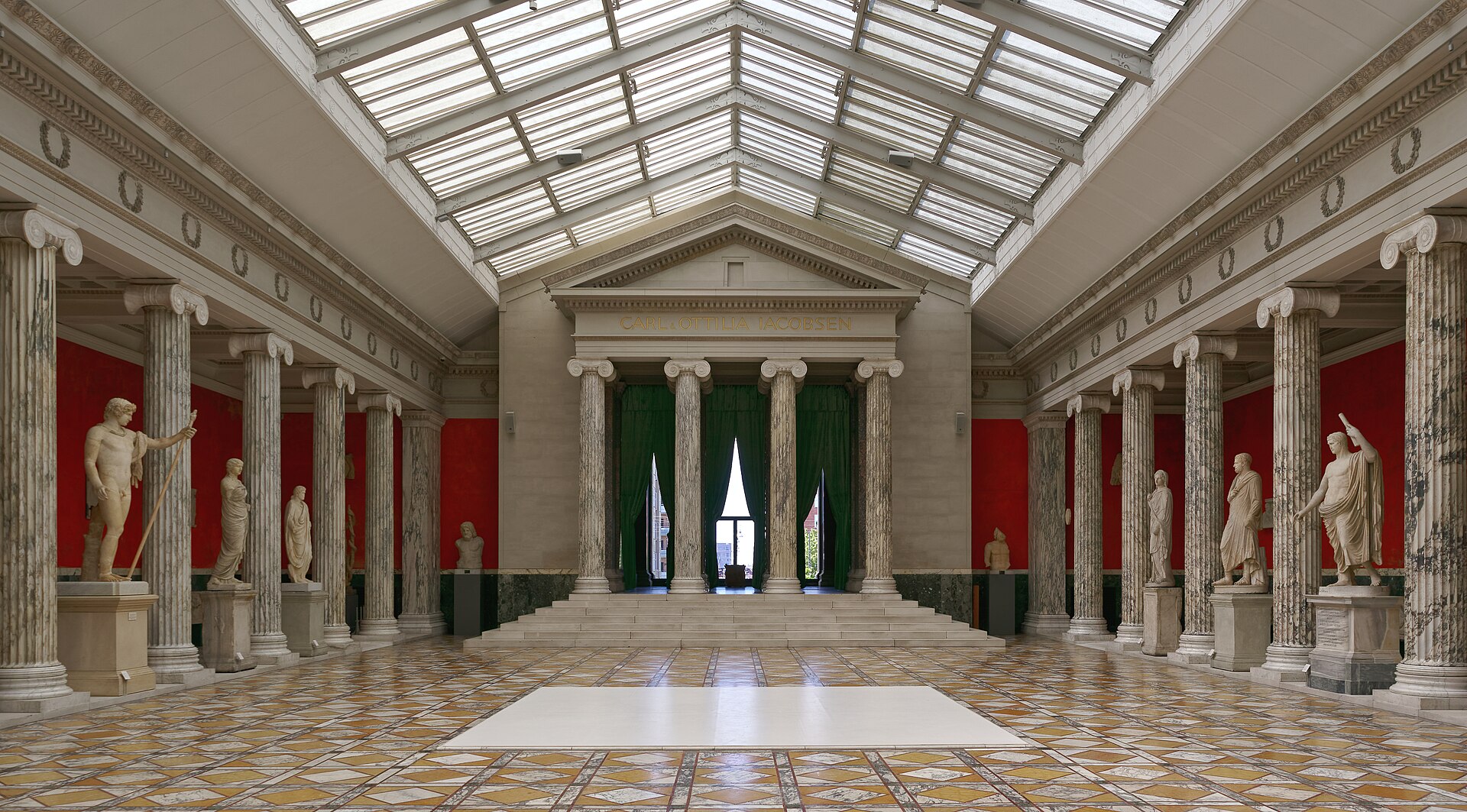
Ny Carlsberg Glyptotek
7 Dantes Plads, Copenhagen, København V, 1556, Denmark
Carl Jacobsen made a fortune selling beer and spent it buying art — specifically sculpture, because he believed three-dimensional art came closest to the fundamental condition of being human.
Nyhavn
Nyhavn, 1051 København K
Every postcard of Copenhagen features this canal, and for good reason — but Nyhavn's candy-coloured facade hides a past that would make a sailor blush.
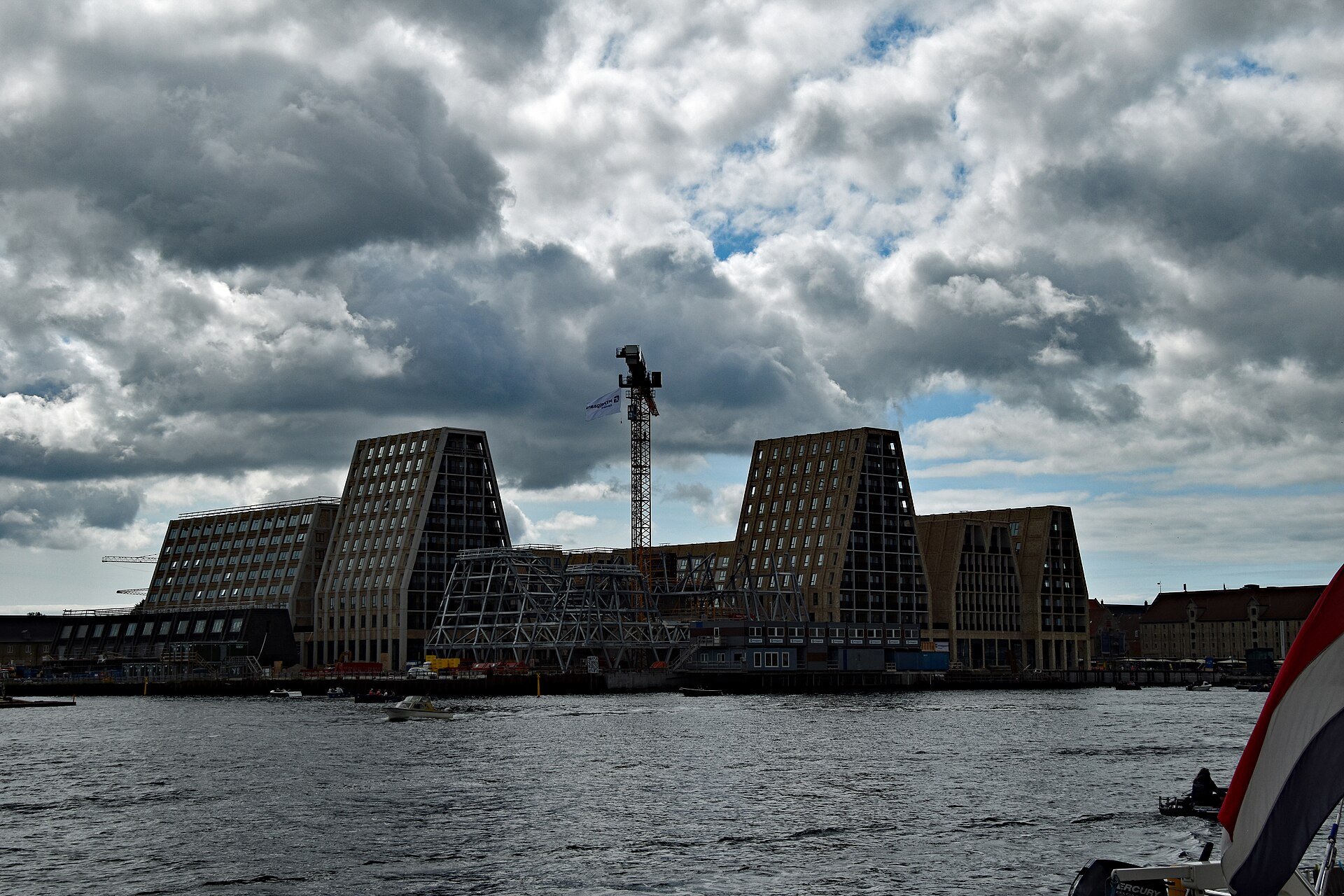
Paper Island (Papirøen)
Trangravsvej 14, 1436 København K
Paper Island — Papirøen in Danish — earned its name from decades as the storage site for Copenhagen's major newspapers.
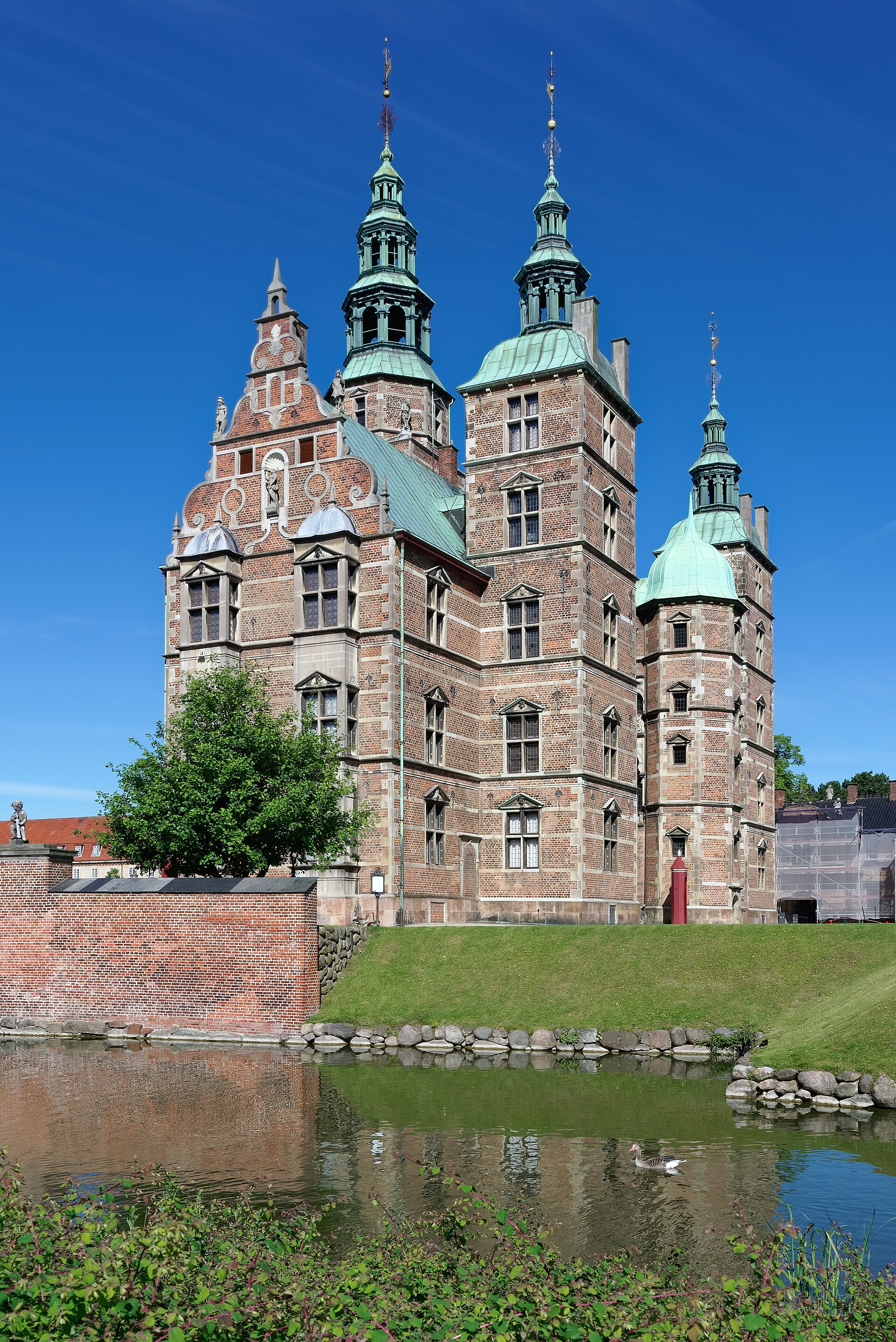
Rosenborg Castle
Øster Voldgade 4A, 1350 København K
Christian IV built Rosenborg between 1606 and 1634 as a summer pleasure palace, and he loved the place so much that he chose to die there.
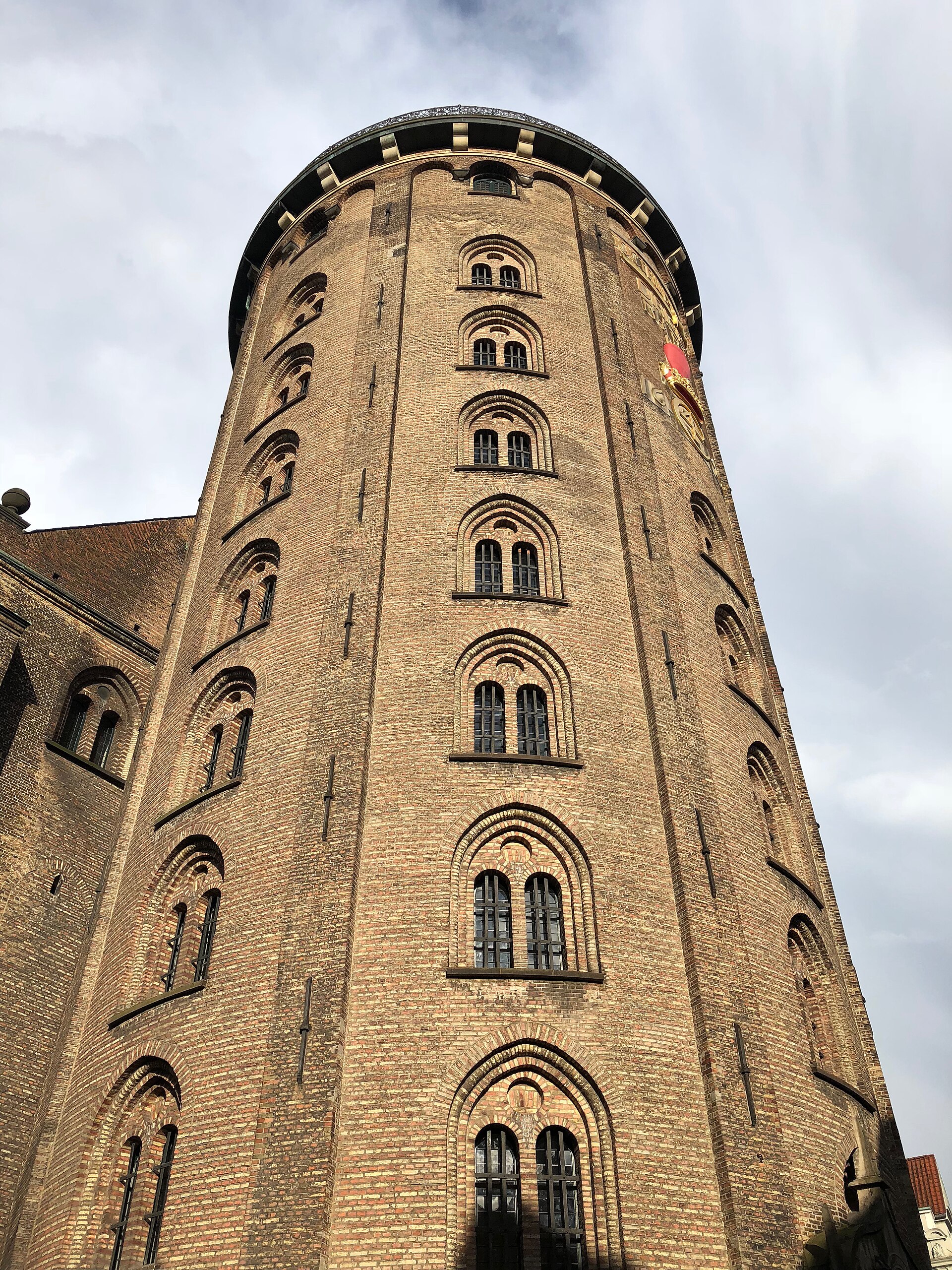
Round Tower
Købmagergade 52A, 1150 København K
King Christian IV — who seems to have built half of Copenhagen — completed the Round Tower in 1642 as Europe's oldest functioning astronomical observatory, and the design choice that makes it unique is the absence of stairs.
Explore architecture in Copenhagen
GPS-guided narration at every landmark. Tap a spot on the map, hear the story. Every fact verified.